Zero Fat Pineapple Jalapeno Salsa To Spice Up Your Diet
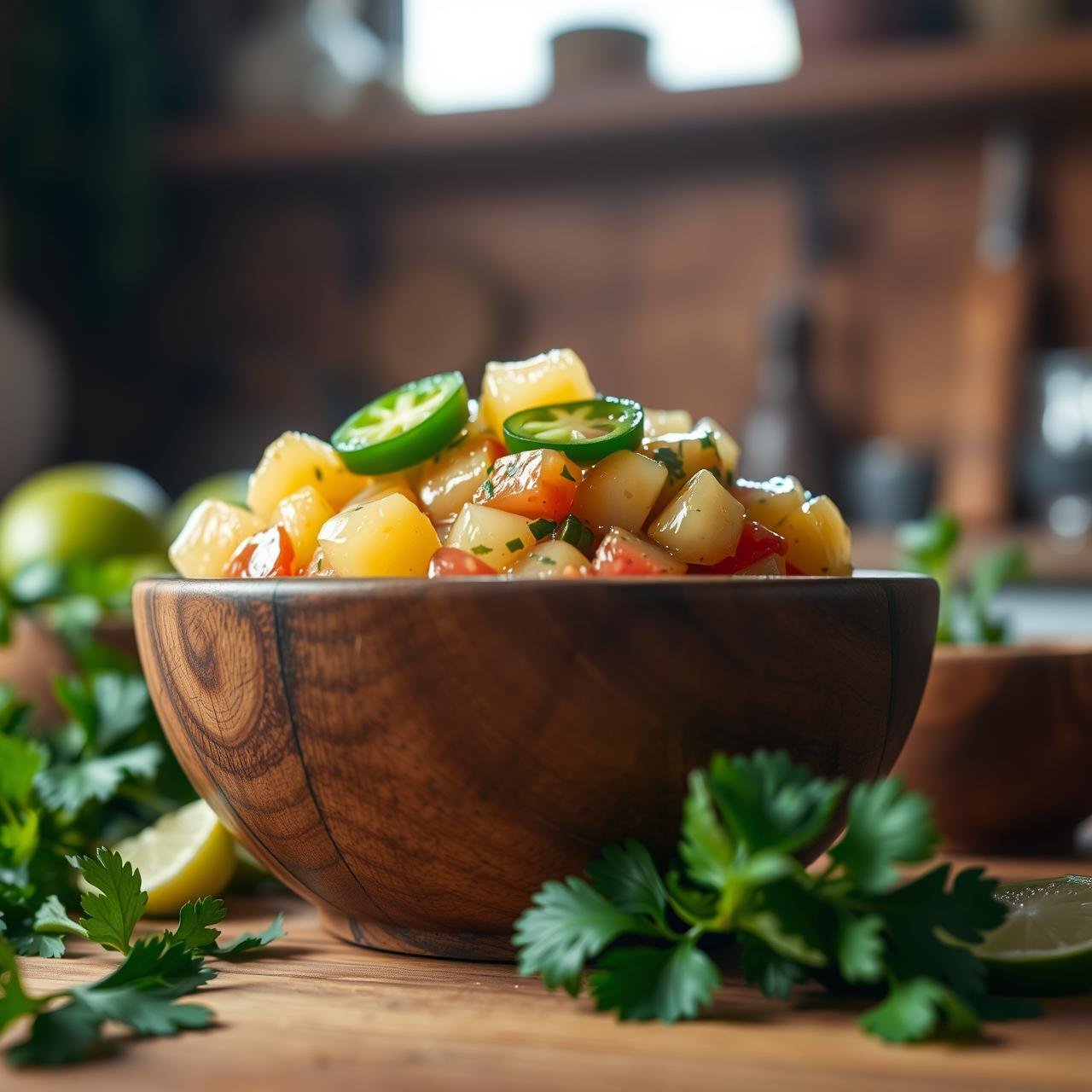
In the world of culinary delights, few things are as universally celebrated as a truly great salsa. It’s a condiment, a dip, a topping—a versatile powerhouse of flavor that can elevate a simple meal into something extraordinary. But so often, store-bought salsas are laden with hidden sugars, sodium, and preservatives. Today, we reclaim the salsa, stripping it back to its wholesome, rustic roots with a recipe that is as clean as it is delicious: our Zero Fat Pineapple Jalapeño Salsa.
This isn’t just another recipe; it’s an exploration of flavor dynamics. We’re harnessing the natural, sun-kissed sweetness of ripe pineapple and pairing it with the clean, bright heat of fresh jalapeños. The result is a symphony of sensations—a dance of sweet, spicy, and tangy that awakens the palate. It’s the kind of food that feels indulgent but is fundamentally nourishing. Perfect for the home cook looking to inject excitement into their diet without compromising on health goals, and for the budget-conscious chef who knows that the best flavors come from simple, fresh ingredients. Prepare to create a salsa that will not only spice up your diet but will become a staple in your healthy eating repertoire.
The Culinary Harmony: Why Pineapple and Jalapeño Work
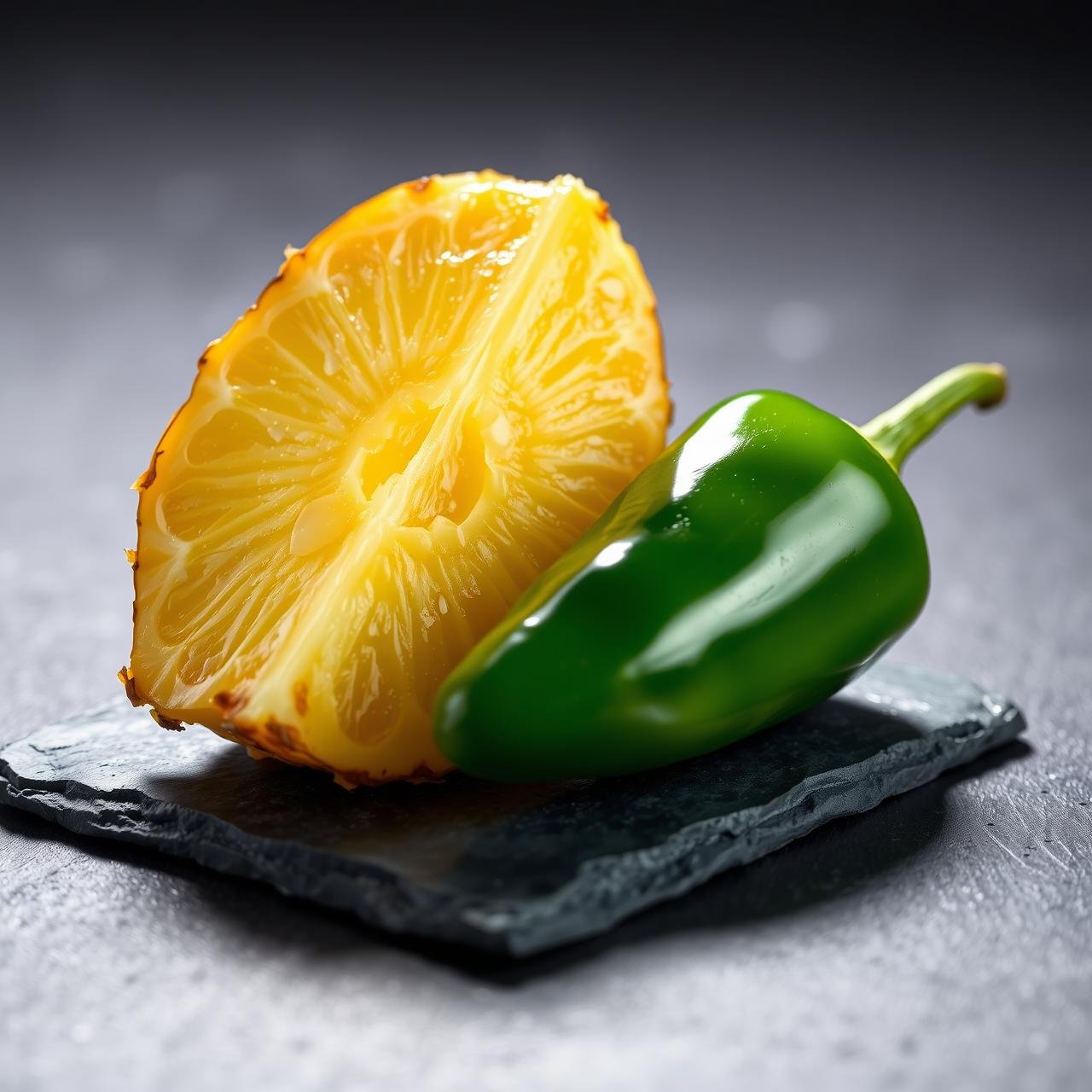
Before we pick up our knives, let’s understand the magic behind this pairing. The combination of sweet and spicy is a classic culinary trope for a reason. The sweetness from the pineapple, derived from natural fructose, does more than just add a pleasant taste. It actively mellows the fiery capsaicin from the jalapeños. Capsaicin is the compound that gives peppers their heat, and its intensity can be overwhelming for some. The sugar in the pineapple provides a delightful counterpoint, cleansing the palate and allowing the more subtle, fruity notes of the jalapeño to shine through. This dynamic creates a more complex and layered flavor profile than either ingredient could achieve on its own.
Furthermore, the high acidity of the pineapple and lime juice acts as a natural flavor enhancer. It cuts through the richness of any dish you pair it with, whether it’s grilled chicken, fish tacos, or a simple bowl of tortilla chips. This acidity also helps to ‘cook’ the onions and peppers slightly, a process known as maceration, which softens their raw bite and allows the flavors to meld together beautifully. This salsa is a testament to the idea that sophisticated flavor doesn’t require complex techniques or fatty ingredients—just a thoughtful combination of nature’s best offerings.
Essential Tools for Salsa Perfection
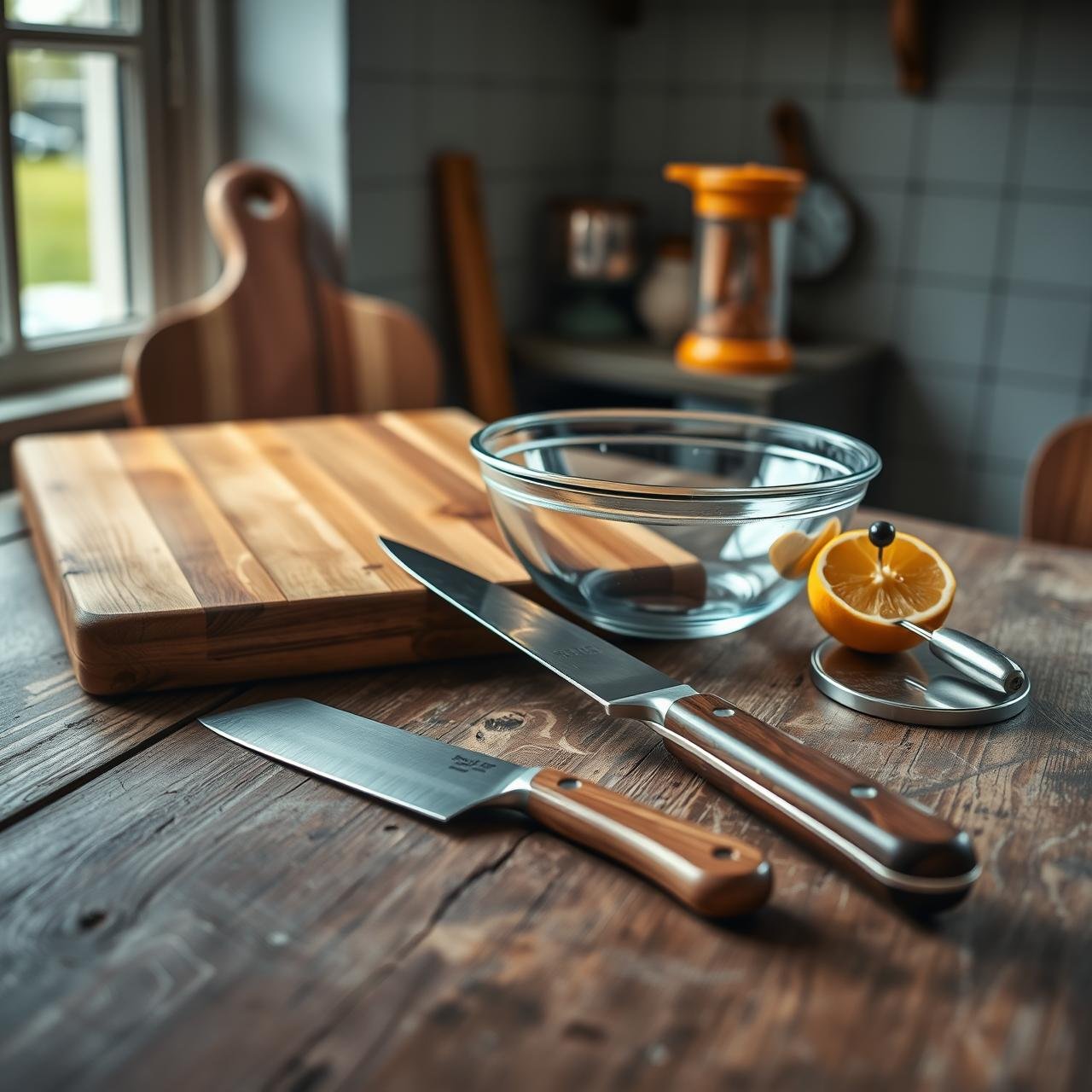
Great cooking often starts with having the right tools for the job. Fortunately, this rustic salsa doesn’t require any high-tech gadgetry. We’re focusing on fundamental kitchen equipment that most home cooks will already have on hand. Simplicity is key.
| Tool | Chef’s Note |
|---|---|
| Chef’s Knife | A sharp, 8-inch chef’s knife is your most important tool. It will make dicing the pineapple, onions, and peppers both safer and more efficient. A dull knife is a dangerous knife. |
| Large Cutting Board | Choose a large, stable cutting board, preferably one with a juice groove to catch the pineapple’s delicious juices, which we’ll be adding back into the salsa. |
| Large Mixing Bowl | A non-reactive bowl (glass, stainless steel, or ceramic) is essential for mixing the ingredients. The acidity from the pineapple and lime can react with certain metals like aluminum. |
| Citrus Juicer or Reamer | To extract the maximum amount of juice from your limes with minimal effort. |
| Measuring Cups and Spoons | For accurate measurement of cilantro and seasonings, ensuring a balanced final product. |
Gathering Your Ingredients: A Symphony of Freshness
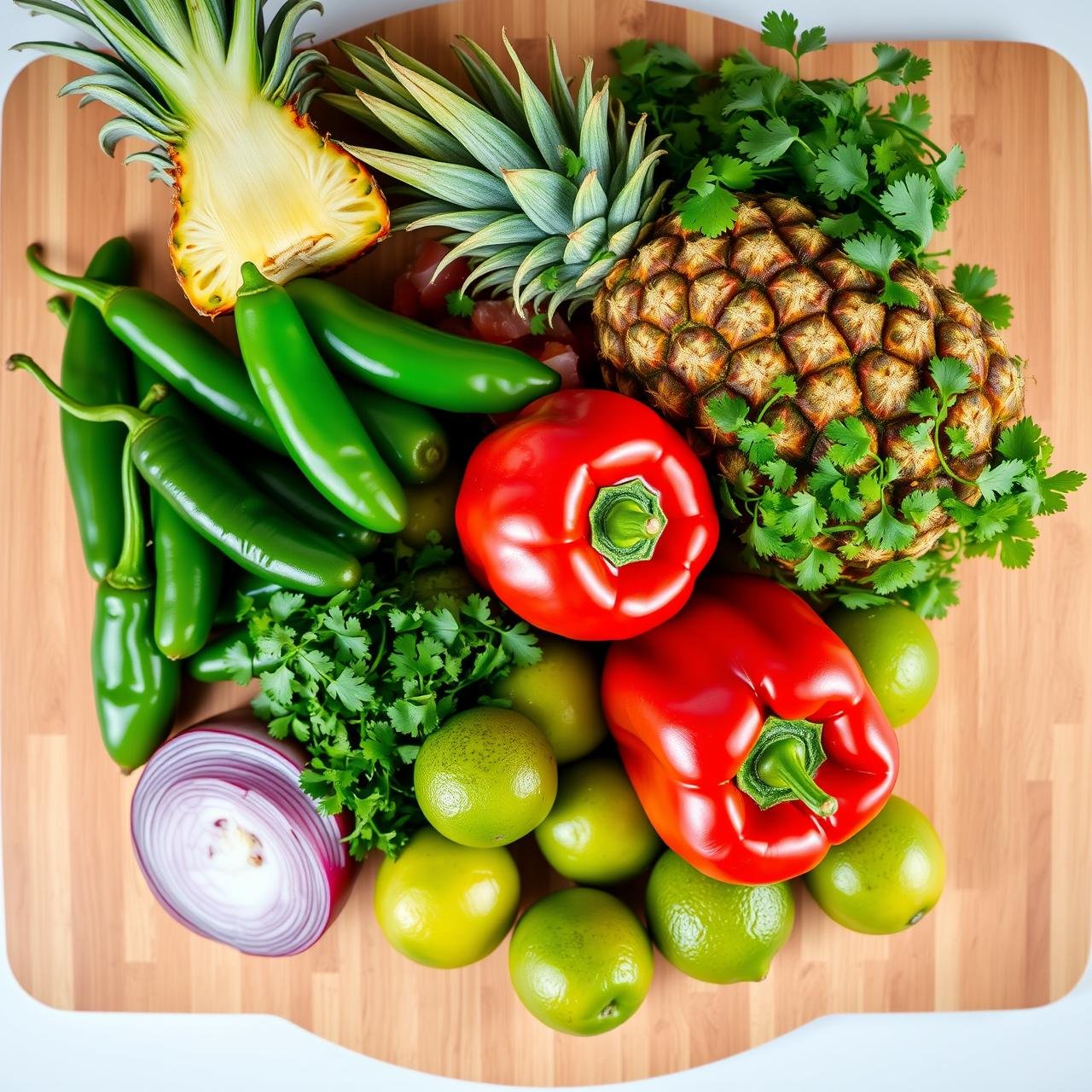
The quality of your salsa is directly tied to the quality of your ingredients. For this recipe, freshness is non-negotiable. Seek out produce that is vibrant, firm, and fragrant. This commitment to quality is what transforms a good salsa into an unforgettable one.
- 1 medium ripe pineapple, cored and diced (about 3-4 cups)
- 1-2 medium jalapeños, seeds and membranes removed for less heat, finely minced
- 1 small red onion, finely diced (about 1 cup)
- 1 large red bell pepper, finely diced
- 1 cup fresh cilantro, loosely packed and roughly chopped
- 1/2 cup fresh lime juice (from 3-4 limes)
- 1/2 teaspoon sea salt, or to taste
- 1/4 teaspoon black pepper, freshly ground
A Chef’s Note on Ingredient Selection:
When choosing your pineapple, look for one that is golden-yellow at the base and fragrant. It should have a slight give when pressed gently. For the jalapeños, select peppers that are firm and smooth-skinned. The level of heat can vary, so it’s always wise to taste a tiny piece before adding it all. The red onion provides a milder, sweeter flavor than a yellow onion, which complements the pineapple perfectly without overpowering it.
The Method: A Step-by-Step Guide to Crafting Your Salsa
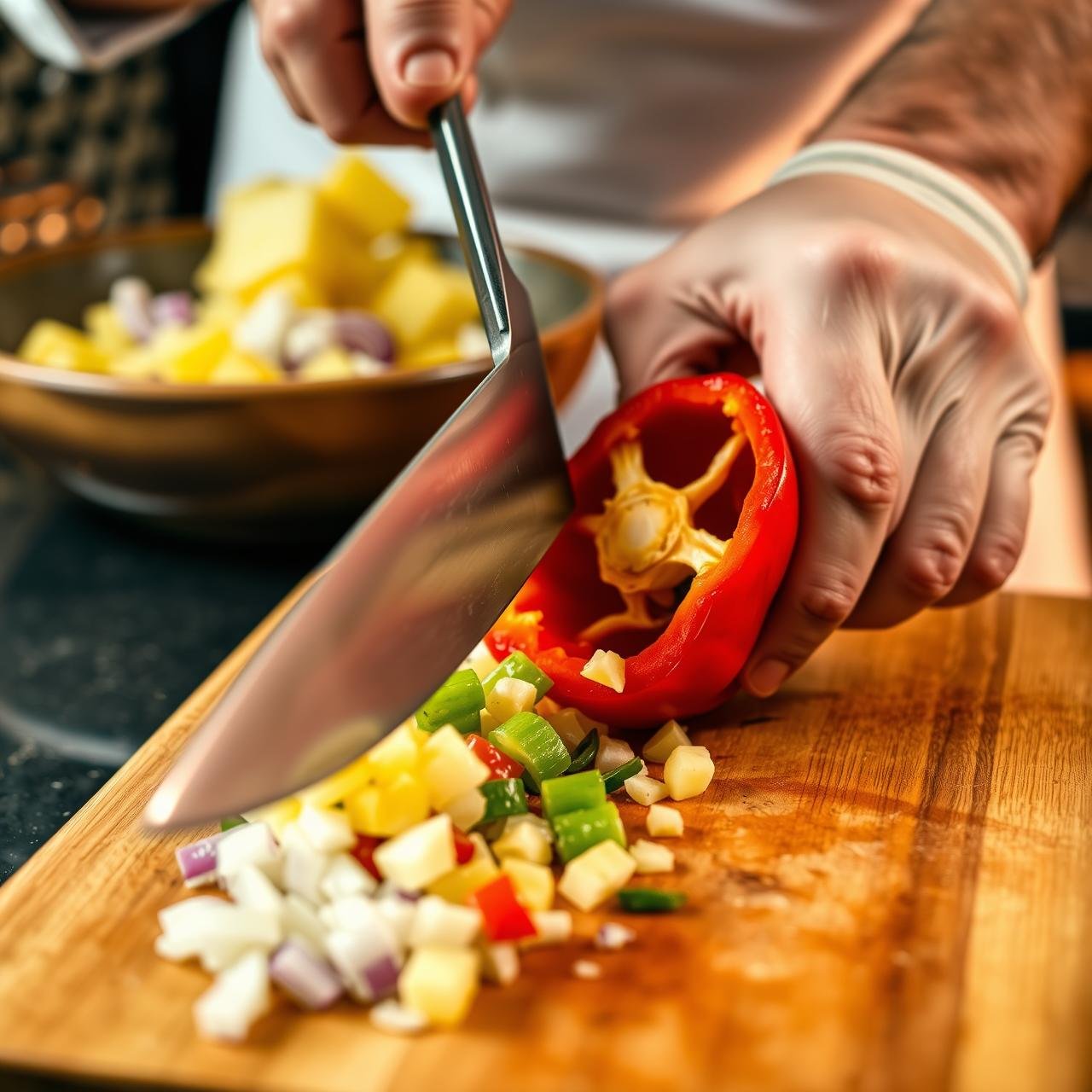
Follow these steps carefully to build layers of flavor and achieve the perfect texture. The key is in the uniformity of your dice and the patience to let the flavors marry.
- Prepare the Pineapple: Begin by prepping your pineapple. Lay it on its side and carefully slice off the top crown and the bottom base. Stand it upright and, following the contour of the fruit, slice away the tough outer skin. Remove any remaining ‘eyes’ with the tip of your knife. Cut the pineapple into quarters lengthwise, then slice away the hard, woody core from each quarter. Dice the remaining pineapple flesh into small, uniform 1/4-inch pieces. Place the diced pineapple into your large, non-reactive mixing bowl.
- Dice the Aromatics and Peppers: Finely dice the red onion and red bell pepper to a similar size as the pineapple. This consistency in size is crucial for ensuring a balanced bite every time. Add them to the bowl with the pineapple.
- Mince the Jalapeño: Now, prepare the jalapeño. For a milder salsa, be sure to remove all seeds and the white membranes, as this is where most of the heat resides. Mince the jalapeño very finely. Start by adding one minced jalapeño to the bowl. You can always add more later if you desire more heat.
- Chop the Cilantro: Roughly chop your fresh cilantro. Don’t mince it too finely, as larger pieces provide a better burst of fresh, herbaceous flavor. Add the cilantro to the bowl.
- Combine and Season: Pour the fresh lime juice over all the ingredients in the bowl. The lime juice will not only add tang but also prevent the ingredients from browning and begin the maceration process. Season with the sea salt and freshly ground black pepper.
- Mix and Marry: Using a large spoon, gently toss all the ingredients together until they are well combined. Be careful not to mash the pineapple. The goal is to mix, not to crush.
- Rest and Infuse: This is perhaps the most critical step. Cover the bowl and let the salsa rest in the refrigerator for at least 30 minutes before serving. An hour is even better. This resting period allows all the individual flavors to meld together into a cohesive and harmonious whole. Taste the salsa after it has rested and adjust seasoning if necessary—you may want more salt, lime, or jalapeño.
Expert Tips, Variations, and Serving Suggestions
How to Adjust the Spice Level:
The heat of jalapeños can vary significantly. To control the spice, always start with less than you think you need. For a milder salsa, meticulously remove all seeds and white pith from the jalapeños. For a spicier kick, leave some of the seeds and pith in, or consider graduating to a serrano pepper, which carries more heat.
Creative Variations:
- Smoky Chipotle: Add 1-2 minced chipotle peppers in adobo sauce for a deep, smoky flavor profile.
- Creamy Avocado: For a different texture, gently fold in one diced avocado just before serving. Note that this will add fat to the recipe.
- Tropical Twist: Introduce other tropical fruits like diced mango or papaya for even more sweetness and complexity.
- Grilled Version: For an incredible depth of flavor, grill the pineapple slices and whole peppers until they have light char marks before dicing them. This caramelizes the sugars in the pineapple and adds a wonderful smoky dimension.
Perfect Pairings:
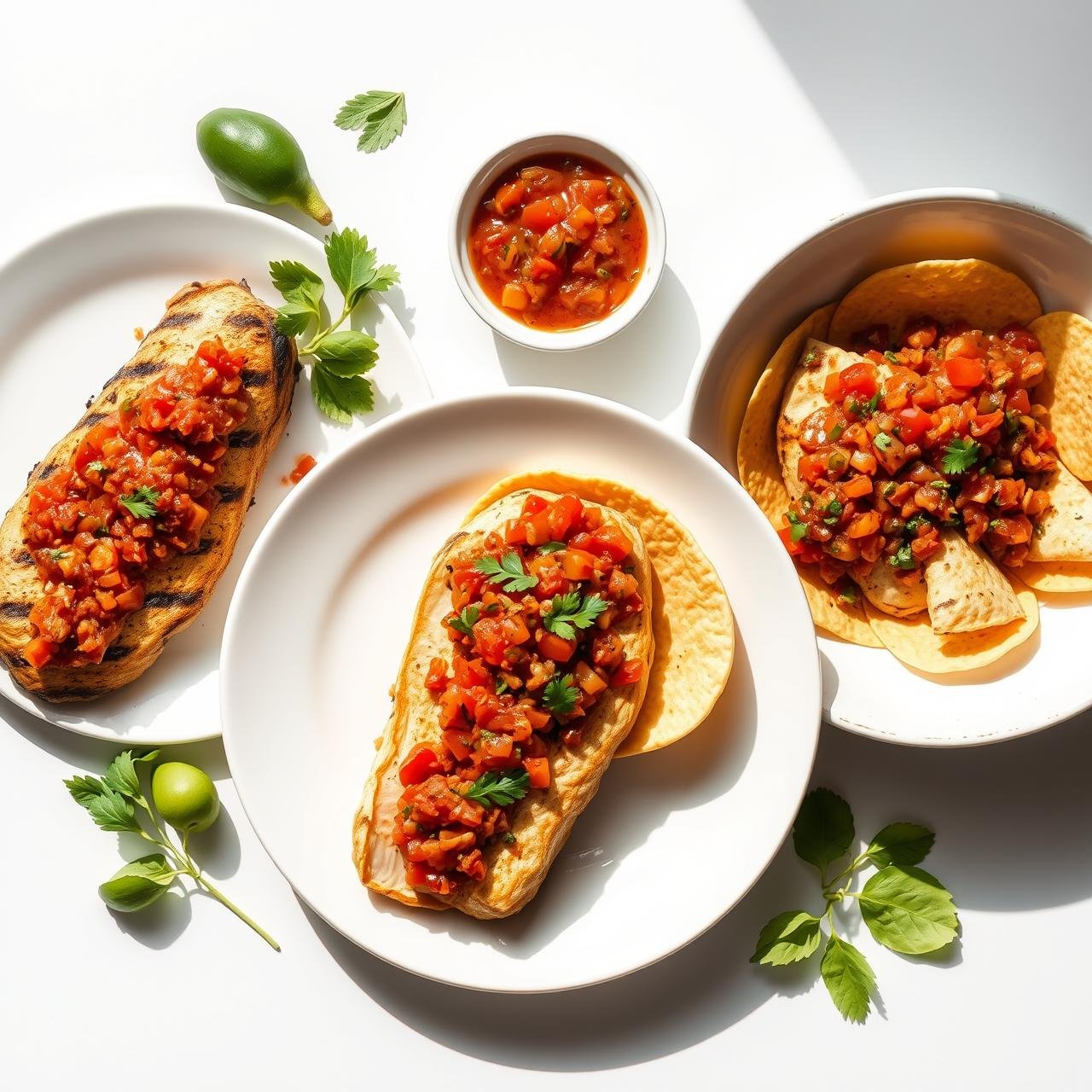
This salsa is incredibly versatile. While it’s a natural partner for tortilla chips, its potential goes far beyond. Try it as a topping for grilled fish like mahi-mahi or tilapia, spoon it over blackened chicken breasts, or use it to brighten up pork carnitas tacos. It’s also a fantastic, refreshing side for any summer barbecue.
Nutritional Profile: A Guilt-Free Indulgence
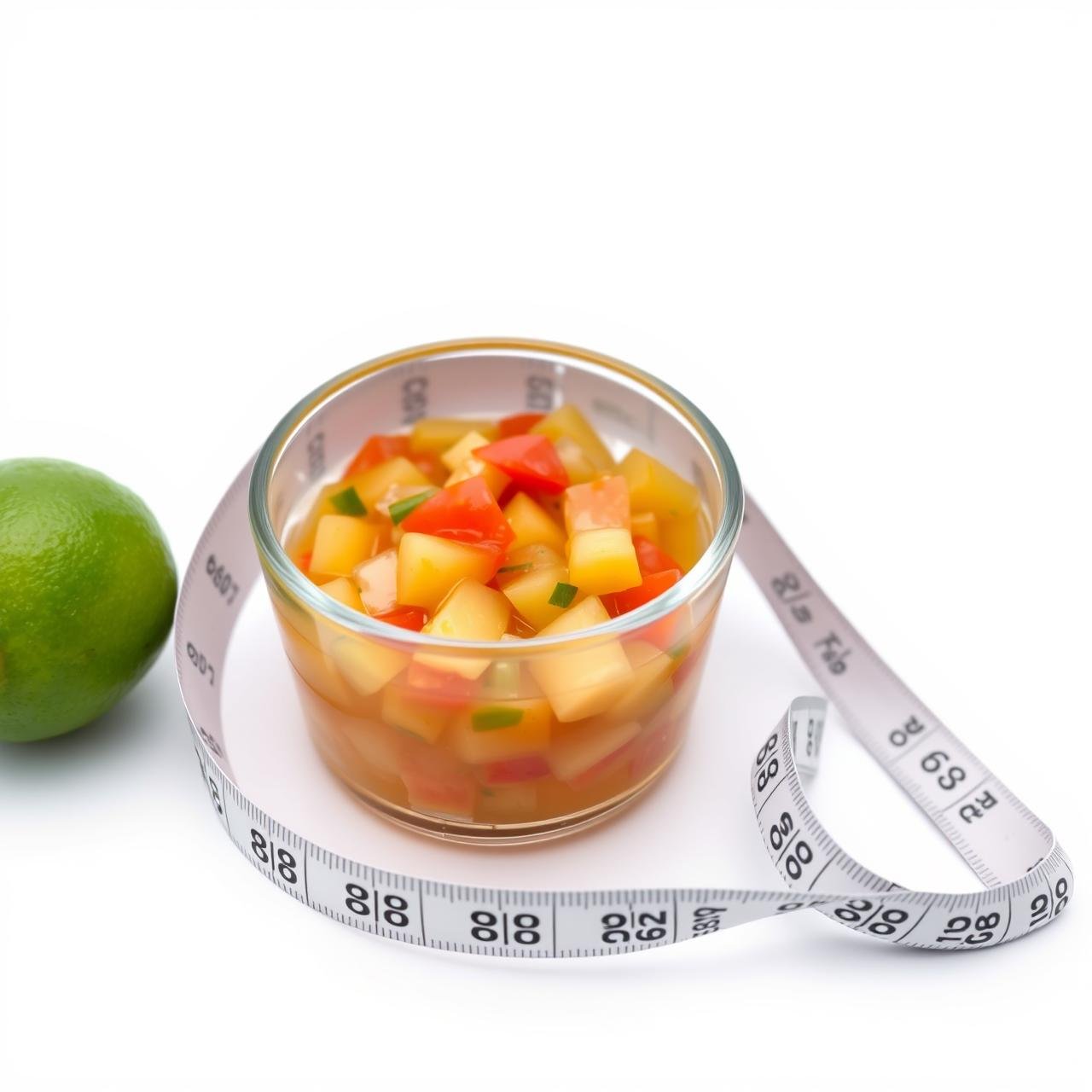
This salsa is designed to be a healthy addition to your diet. It’s packed with vitamins (especially Vitamin C from the pineapple and peppers), fiber, and flavor, all with virtually no fat. Below is an estimated nutritional breakdown per 1/4 cup serving. Please note these values are approximate and can vary based on the size and ripeness of your produce.
| Nutrient | Amount per Serving (approx.) |
|---|---|
| Calories | 25 kcal |
| Fat | 0g |
| Saturated Fat | 0g |
| Trans Fat | 0g |
| Cholesterol | 0mg |
| Sodium | 60mg |
| Carbohydrates | 6g |
| Dietary Fiber | 1g |
| Sugars | 4g (natural) |
| Protein | <1g |
| Vitamin C | ~40% Daily Value |
The beauty of this recipe lies in its simplicity and its reliance on whole foods. It’s a perfect example of how you can achieve incredible flavor without relying on fat, making it an ideal choice for anyone following a heart-healthy or low-fat diet.
Storing Your Salsa for Lasting Freshness
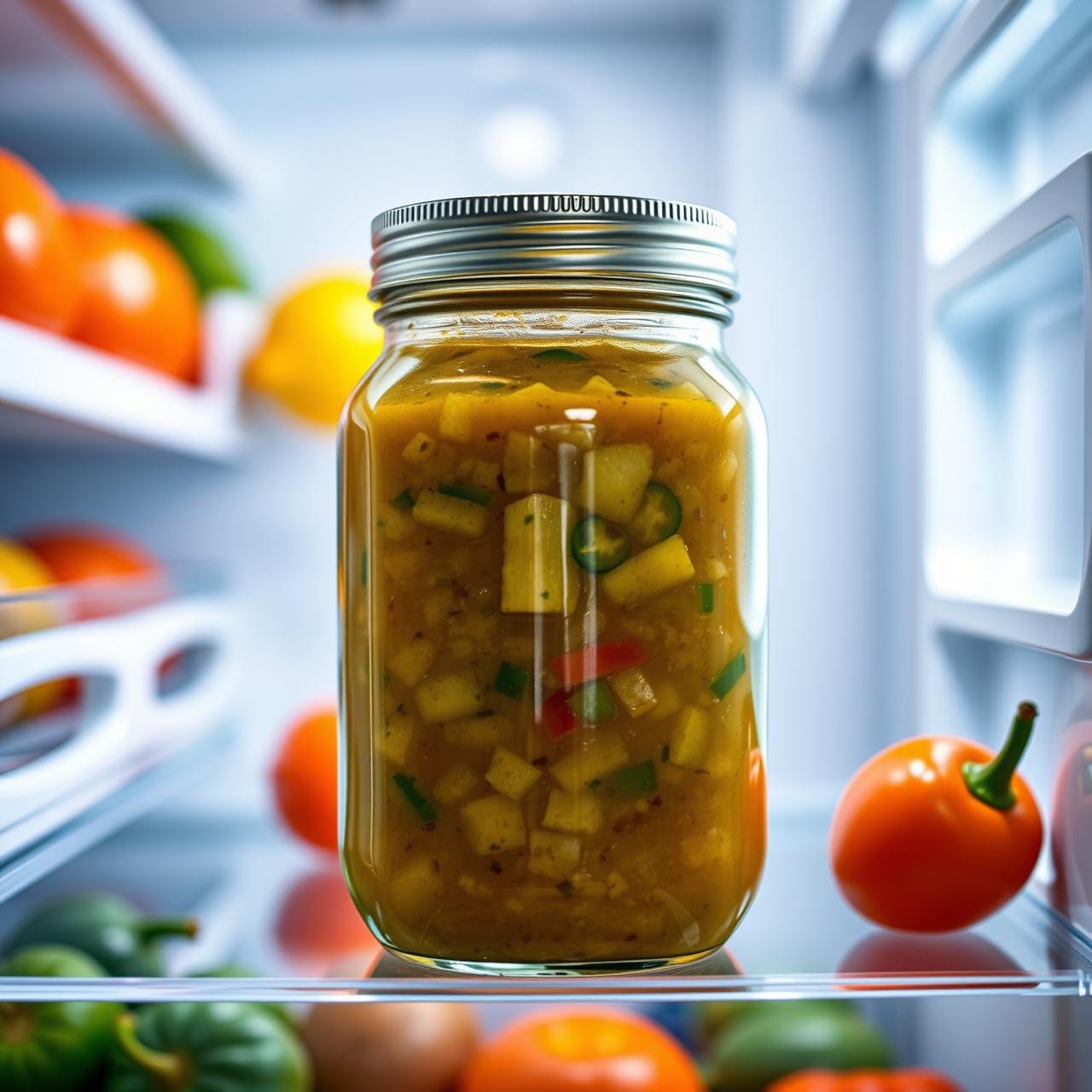
Proper storage is key to enjoying your homemade salsa for days. Once prepared, transfer the salsa to an airtight container. Glass jars with tight-fitting lids work exceptionally well, as they are non-reactive and won’t absorb odors or flavors.
Store the salsa in the refrigerator for up to 4-5 days. In fact, you’ll find that the flavors continue to develop and deepen overnight, making the salsa even more delicious on the second day. The lime juice acts as a natural preservative, keeping the ingredients fresh and vibrant.
Before each serving, give the salsa a good stir to redistribute the juices that may have settled at the bottom. I do not recommend freezing this salsa, as the freezing and thawing process will significantly break down the cellular structure of the pineapple and vegetables, resulting in a mushy and watery texture.
Conclusion
You have now created a batch of Zero Fat Pineapple Jalapeño Salsa that is bursting with fresh, vibrant flavor. This recipe is more than just a set of instructions; it’s a template for healthy, joyful eating. It proves that you don’t need to sacrifice taste for nutrition and that simple, budget-friendly ingredients can be transformed into something truly special. Whether you’re hosting a gathering, looking for a healthy snack, or aiming to add a punch of flavor to your weeknight meals, this salsa is your answer. Embrace the sweet heat, enjoy the guilt-free indulgence, and bring a bowl of sunshine into your kitchen.