Zero Calorie Noodle Stir Fry: The Detailed Recipe for Rapid Weight Loss
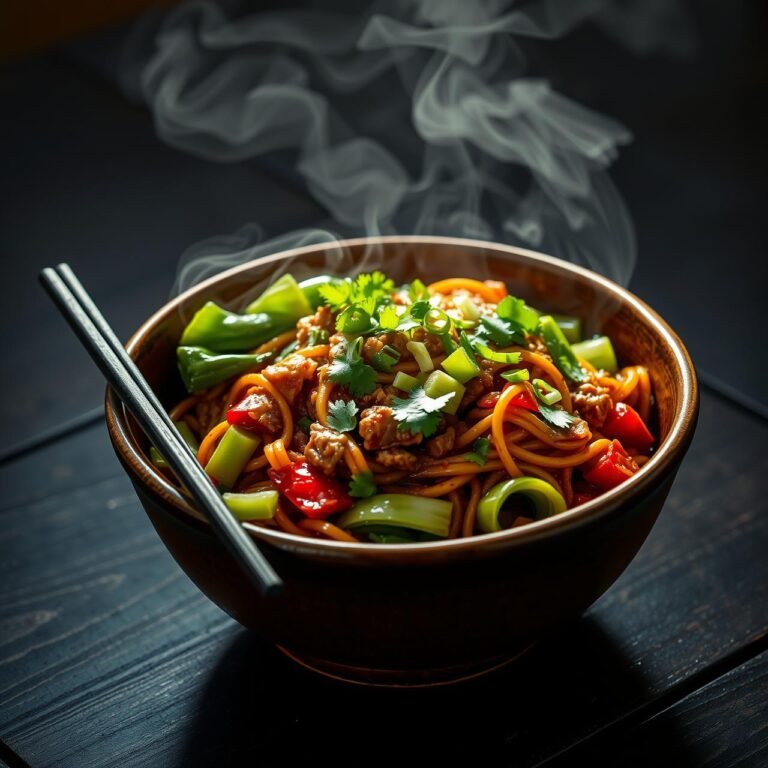
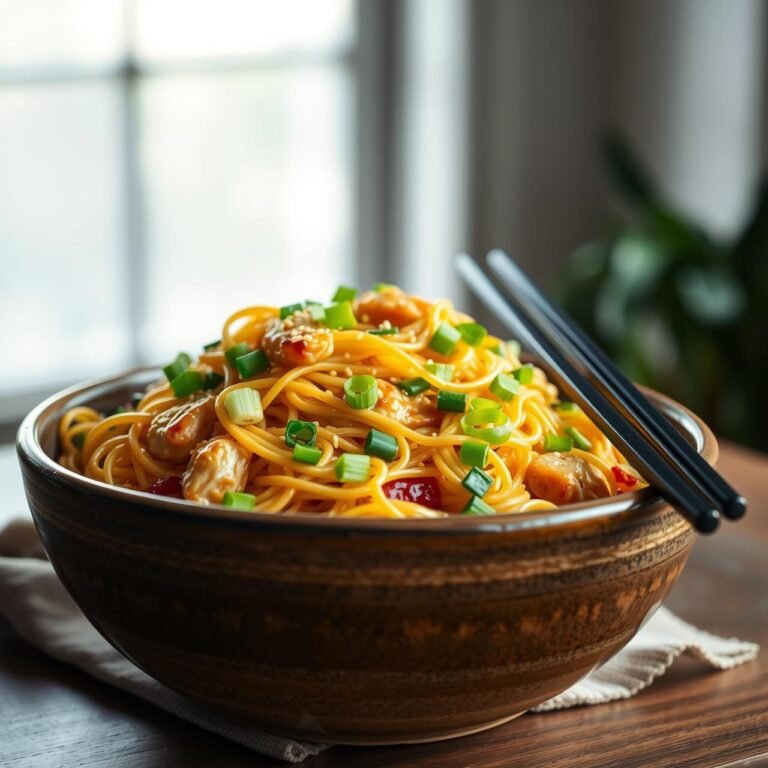
Imagine a heaping bowl of savory, saucy noodles, tangled with crisp-tender vegetables and your favorite protein, all sizzling hot from the wok. Now, imagine that this delicious, soul-satisfying meal has virtually no calories, carbs, or guilt attached. It sounds like a culinary fantasy, but I’m here to tell you it’s deliciously real. Welcome to the world of Zero Calorie Noodle Stir Fry, a game-changing dish for health enthusiasts, home cooks, and anyone on a weight loss journey who refuses to eat bland, boring food.
The secret lies in a remarkable ingredient: shirataki noodles. These translucent, gelatinous noodles, made from the root of the konjac yam, are a staple in Japanese cuisine and a miracle for the modern, health-conscious kitchen. They are composed almost entirely of water and glucomannan fiber, a soluble fiber that promotes feelings of fullness and offers numerous health benefits, all while containing negligible calories. This recipe isn’t about deprivation; it’s about culinary innovation. We’re going to show you how to transform these humble noodles into a stir-fry so vibrant and flavorful, you’ll forget you’re eating one of the healthiest meals on the planet. Prepare your palate for a dish that proves you can achieve your wellness goals while feasting on something truly spectacular.
The Magic Ingredient: What Are Zero-Calorie Noodles?
Before we fire up the wok, let’s get acquainted with our star ingredient. If you’ve never encountered shirataki noodles, you’re in for a treat. Often sold packed in liquid, they might seem unusual at first, but their culinary potential is immense. Known as ‘miracle noodles’ or ‘konjac noodles,’ they originate from the konjac plant, a root vegetable native to Asia.
The process is simple: the konjac root is ground into flour, mixed with water and a bit of limewater (which helps them hold their shape), and then boiled and shaped into various noodle forms like spaghetti, fettuccine, or even rice. The key to their ‘zero-calorie’ claim is the glucomannan fiber. Your body doesn’t digest this fiber in the same way it digests carbohydrates, so it passes through your system largely intact, without contributing calories or raising blood sugar levels. This makes them an incredible tool for anyone following a ketogenic, low-carb, gluten-free, or calorie-conscious diet.
Preparing Shirataki Noodles for Maximum Flavor
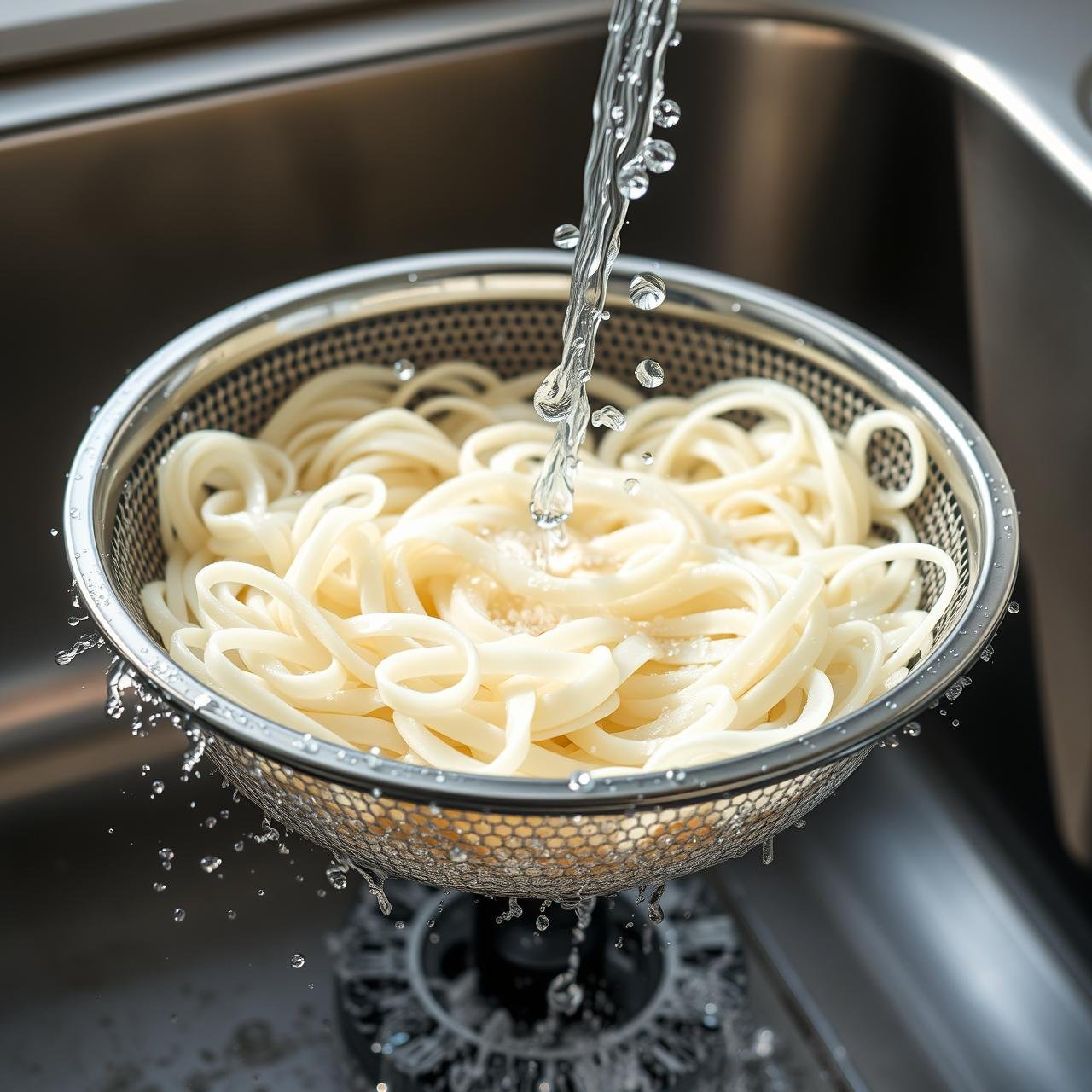
There’s one crucial step to unlocking the delicious potential of shirataki noodles: proper preparation. When you first open the package, you’ll notice a distinct, slightly fishy aroma. Don’t be alarmed! This is completely normal and is due to the liquid they are packed in. Getting rid of this scent is simple and essential.
- Rinse Thoroughly: Empty the noodles into a colander or fine-mesh sieve. Rinse them under cool, running water for 2-3 minutes. Agitate them with your hands to ensure every noodle is washed.
- Boil Briefly: For the best texture, drop the rinsed noodles into a pot of boiling water for just 1 minute. This helps to further remove any residual aroma and improves their texture.
- Dry Completely: This is the most important step! Drain the noodles well and then ‘dry-fry’ them. Place the drained noodles in a hot, dry, non-stick skillet or wok over medium-high heat. Toss them for several minutes until all the moisture has evaporated and they make a faint squeaking sound against the pan. This process removes excess water, giving them a more receptive, pasta-like texture that soaks up sauce beautifully instead of watering it down.
By following these steps, you transform the noodles from a neutral, watery base into the perfect blank canvas for our bold and savory stir-fry sauce.
Assembling Your Culinary Toolkit
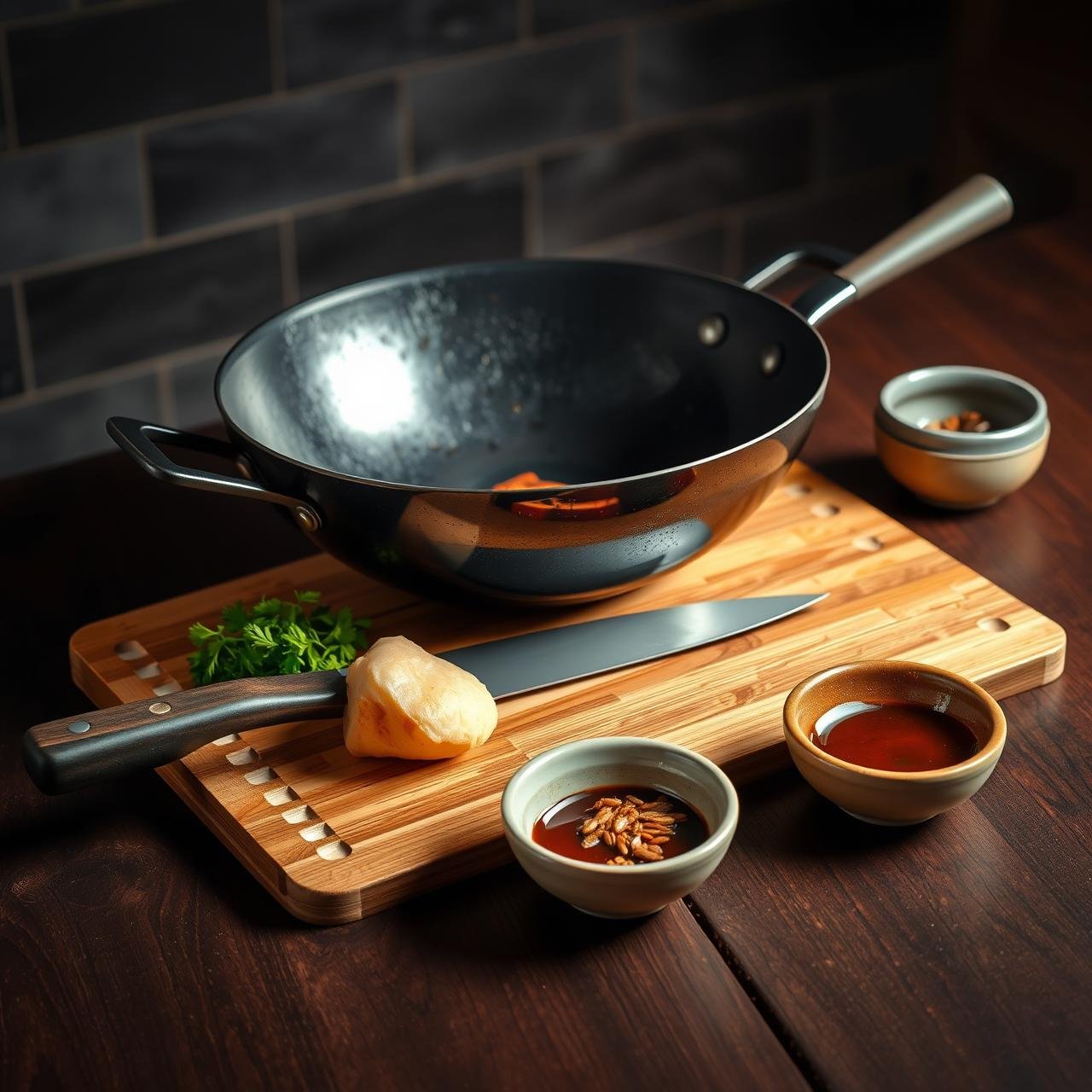
A great stir-fry is as much about technique and tools as it is about ingredients. Having the right equipment ready—a practice chefs call ‘mise en place’—ensures a smooth, fast, and enjoyable cooking process. High heat and quick cooking are key, so you won’t have time to search for a spatula once things get going. Here’s what you’ll need:
| Equipment | Chef’s Note |
|---|---|
| Wok or Large, Heavy-Bottomed Skillet | A wok is ideal due to its sloped sides, which allow for easy tossing and concentrated high heat at the bottom. If you don’t have one, a 12-inch cast-iron or stainless-steel skillet is a great alternative. |
| Sharp Chef’s Knife | Essential for uniformly slicing your vegetables and protein. Uniform cuts ensure everything cooks evenly and quickly. |
| Large Cutting Board | Provides a stable and ample surface for all your chopping. A board with a juice groove can be helpful. |
| Multiple Small Bowls (Ramekins) | The secret to an organized stir-fry. Use them to pre-measure and hold your chopped vegetables, protein, and sauce components so they’re ready to go. |
| Tongs or a Long-Handled Spatula | Needed for tossing and stirring ingredients in the hot wok safely and efficiently. |
| Colander or Fine-Mesh Sieve | Absolutely necessary for rinsing and draining your shirataki noodles properly. |
The Symphony of Fresh Ingredients
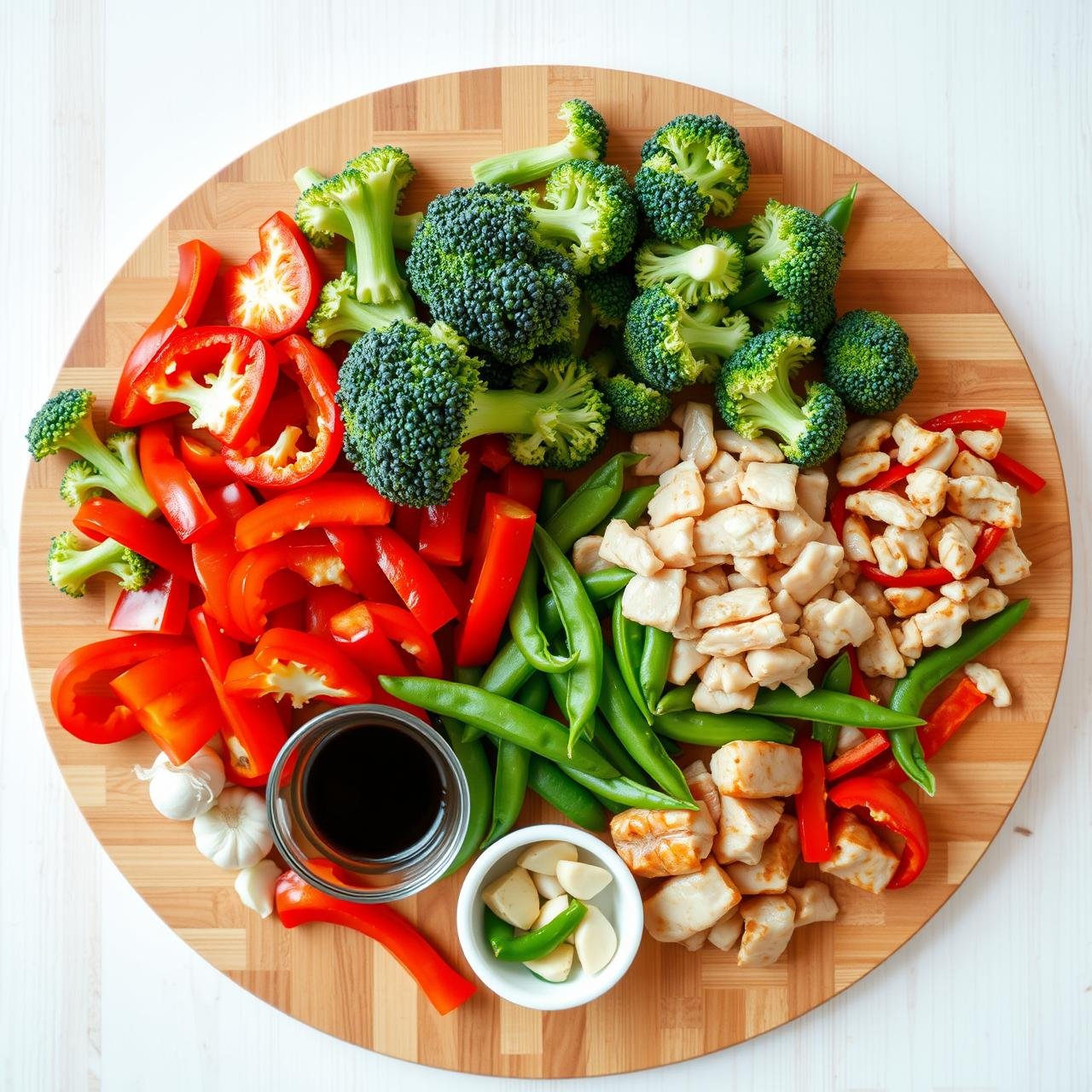
This recipe is a blueprint for flavor. Feel free to customize it with your favorite vegetables or protein. The key is a balance of color, texture, and taste. Here is our preferred combination for a perfectly balanced, nutrient-dense stir-fry.
For the Foundation
- 2 packages (14-16 oz total) Shirataki Noodles (any shape works)
For the Protein Power
- 1 lb boneless, skinless chicken breast, thinly sliced (or substitute with shrimp, firm tofu, or thinly sliced beef)
- 1 tbsp coconut aminos or tamari (for marinade)
- 1 tsp toasted sesame oil (for marinade)
For the Vibrant Vegetables
- 1 large red bell pepper, thinly sliced
- 1 cup broccoli florets, cut into small, bite-sized pieces
- 1 cup snap peas, strings removed
- 1/2 cup shredded carrots
- 4 scallions, sliced, whites and greens separated
- 3 cloves garlic, minced
- 1 tbsp fresh ginger, grated
For the Irresistible Savory Sauce
- 1/2 cup coconut aminos (or low-sodium tamari/soy sauce)
- 2 tbsp rice vinegar
- 1 tbsp toasted sesame oil
- 1-2 tsp sriracha or chili garlic sauce (adjust to your spice preference)
- Optional: A few drops of liquid stevia or monk fruit sweetener to balance the flavors, if desired.
For Garnish
- 1 tbsp toasted sesame seeds
- 1/4 cup fresh cilantro, chopped
Crafting Your Masterpiece: Step-by-Step Instructions
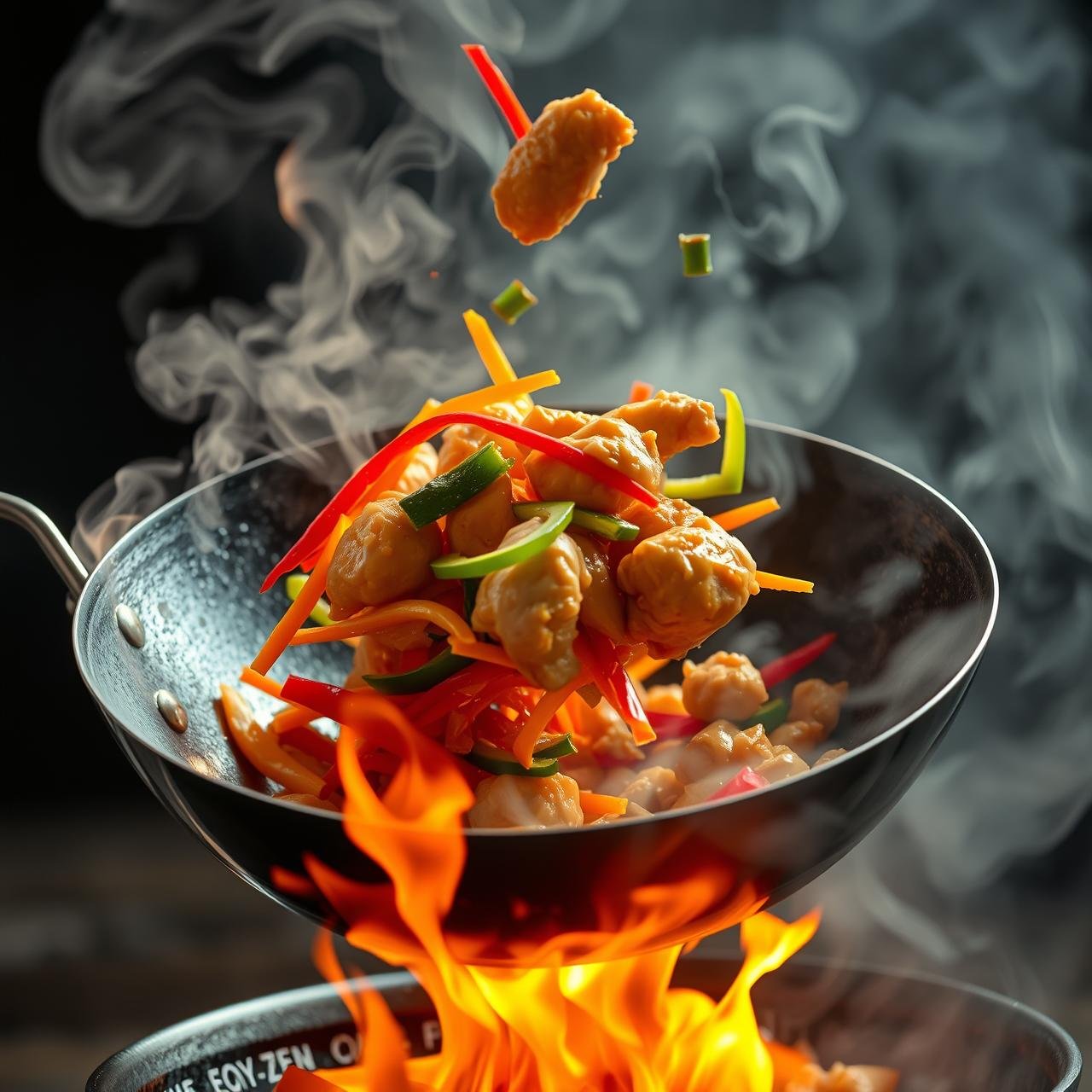
With our ingredients prepped and our tools at the ready, it’s time for the magic to happen. Remember, stir-frying is a fast process, so stay close to your stove and enjoy the sizzle!
- Prep the Noodles: Begin by preparing the shirataki noodles as described in the first section. Rinse, boil for one minute, drain well, and most importantly, dry-fry them in a hot, dry wok or skillet until all moisture is gone. Set the prepared noodles aside in a bowl.
- Marinate the Protein: In a medium bowl, toss your thinly sliced chicken (or protein of choice) with 1 tbsp of coconut aminos and 1 tsp of toasted sesame oil. Let it sit while you prepare the sauce and vegetables.
- Mix the Sauce: In a small bowl, whisk together all the sauce ingredients: 1/2 cup coconut aminos, 2 tbsp rice vinegar, 1 tbsp toasted sesame oil, and sriracha. Set aside.
- Sear the Protein: Heat your wok or skillet over high heat. Add 1 tbsp of avocado or coconut oil. Once the oil is shimmering, carefully add the marinated chicken in a single layer. Let it cook undisturbed for 2-3 minutes until golden brown on one side. Then, stir and cook for another 2-3 minutes until cooked through. Remove the chicken from the wok and set it aside.
- Cook the Aromatics: Lower the heat to medium-high. Add the minced garlic, grated ginger, and the white parts of the scallions to the wok. Stir-fry for about 30 seconds until fragrant. Be careful not to burn the garlic.
- Stir-Fry the Vegetables: Add the broccoli florets and shredded carrots to the wok. Stir-fry for 2-3 minutes. These are the heartiest vegetables, so they need a head start. Then, add the sliced red bell pepper and snap peas. Continue to stir-fry for another 2-3 minutes. You want the vegetables to be crisp-tender—brightly colored and slightly softened but still with a pleasant bite.
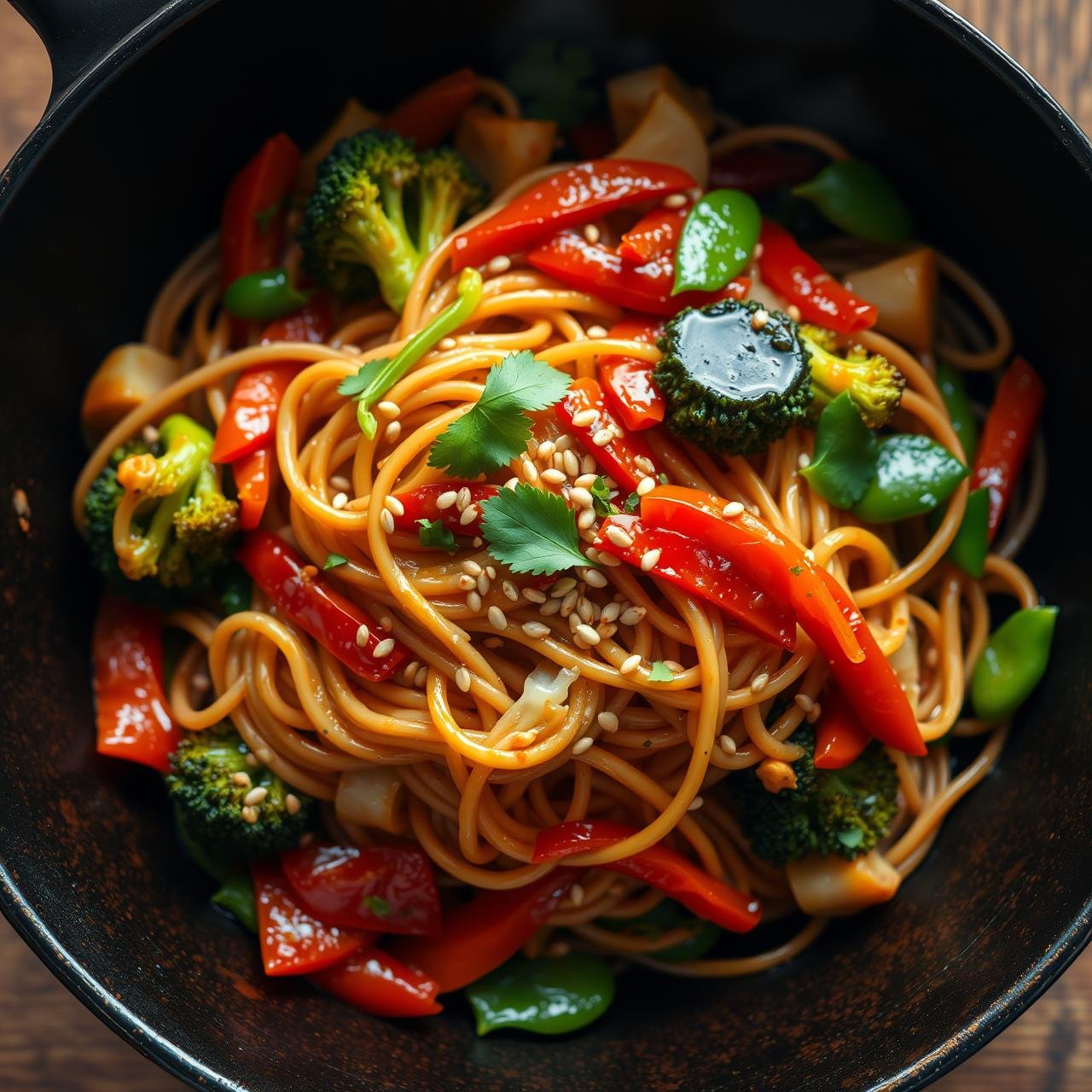
- Combine and Sauce: Return the cooked chicken and the dry-fried shirataki noodles to the wok with the vegetables. Pour the prepared sauce over everything. Use your tongs or spatula to toss everything together, ensuring the noodles, chicken, and vegetables are all generously coated in the glossy sauce. Cook for 1-2 minutes, allowing the sauce to heat through and slightly thicken.
- Finish and Serve: Turn off the heat. Stir in the green parts of the scallions. Serve immediately in warm bowls, garnished with a sprinkle of toasted sesame seeds and fresh, chopped cilantro.
Chef’s Secrets for Stir-Fry Success
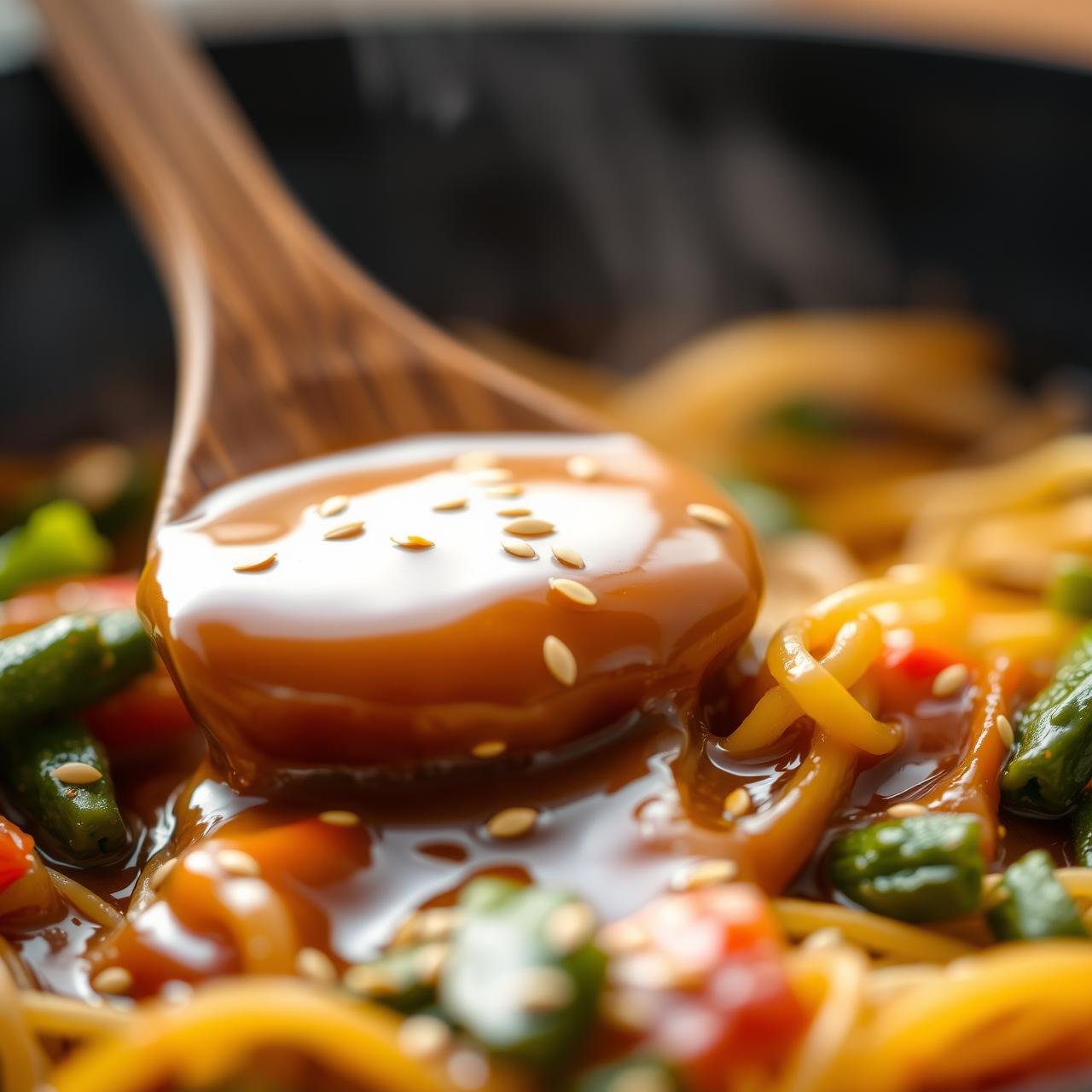
A few professional tips can elevate your stir-fry from good to unforgettable. Keep these secrets in your back pocket for a perfect result every time.
Mise en Place is Non-Negotiable
We mentioned it before, but it bears repeating. Stir-frying is a rapid cooking method. Once the wok is hot, you won’t have time to chop a bell pepper or mince garlic. Have every single ingredient—chopped, measured, and mixed—within arm’s reach before you even think about turning on the stove.
Don’t Crowd the Pan
Overloading your wok is the number one enemy of a good stir-fry. It drops the temperature of the pan, causing your ingredients to steam instead of sear. This leads to soggy vegetables and rubbery protein. If you’re doubling the recipe or have a smaller skillet, cook your ingredients in batches (protein first, then vegetables) and combine them all at the end.
High Heat is Your Friend
Authentic stir-frying relies on intense heat to cook food quickly, sealing in the juices and creating that signature ‘wok hei’—a subtle, smoky flavor. Get your pan very hot before adding any ingredients. A drop of water should sizzle and evaporate instantly.
Create a Slurry for a Thicker Sauce (Optional)
If you prefer a thicker, more clinging sauce, a simple cornstarch or arrowroot slurry is the answer. Mix 1 tsp of arrowroot powder or cornstarch with 1 tbsp of cold water until smooth. After you’ve added the sauce to the wok in the final step, pour in the slurry and stir continuously. The sauce will thicken up beautifully in under a minute.
Nutritional Profile: A Guilt-Free Powerhouse
This stir-fry isn’t just about what it lacks (calories and carbs), but also about what it provides. It’s a dish loaded with lean protein, fiber, vitamins, and minerals. The vegetables offer a wealth of antioxidants, while the chicken provides the essential amino acids needed for muscle repair and satiety. The true star, the shirataki noodle, keeps the calorie and carbohydrate count exceptionally low, making this a perfect meal for weight management, blood sugar control, and overall health.
| Nutrient | Amount per Serving (approx.) |
|---|---|
| Calories | ~320 kcal |
| Protein | 35g |
| Fat | 14g |
| Carbohydrates | 12g |
| Fiber | 5g |
| Net Carbs | 7g |
| Sodium | ~650mg (with low-sodium tamari) |
*Nutritional information is an estimate and can vary based on specific ingredients and portion sizes used.
Storing and Reheating Your Delicious Creation
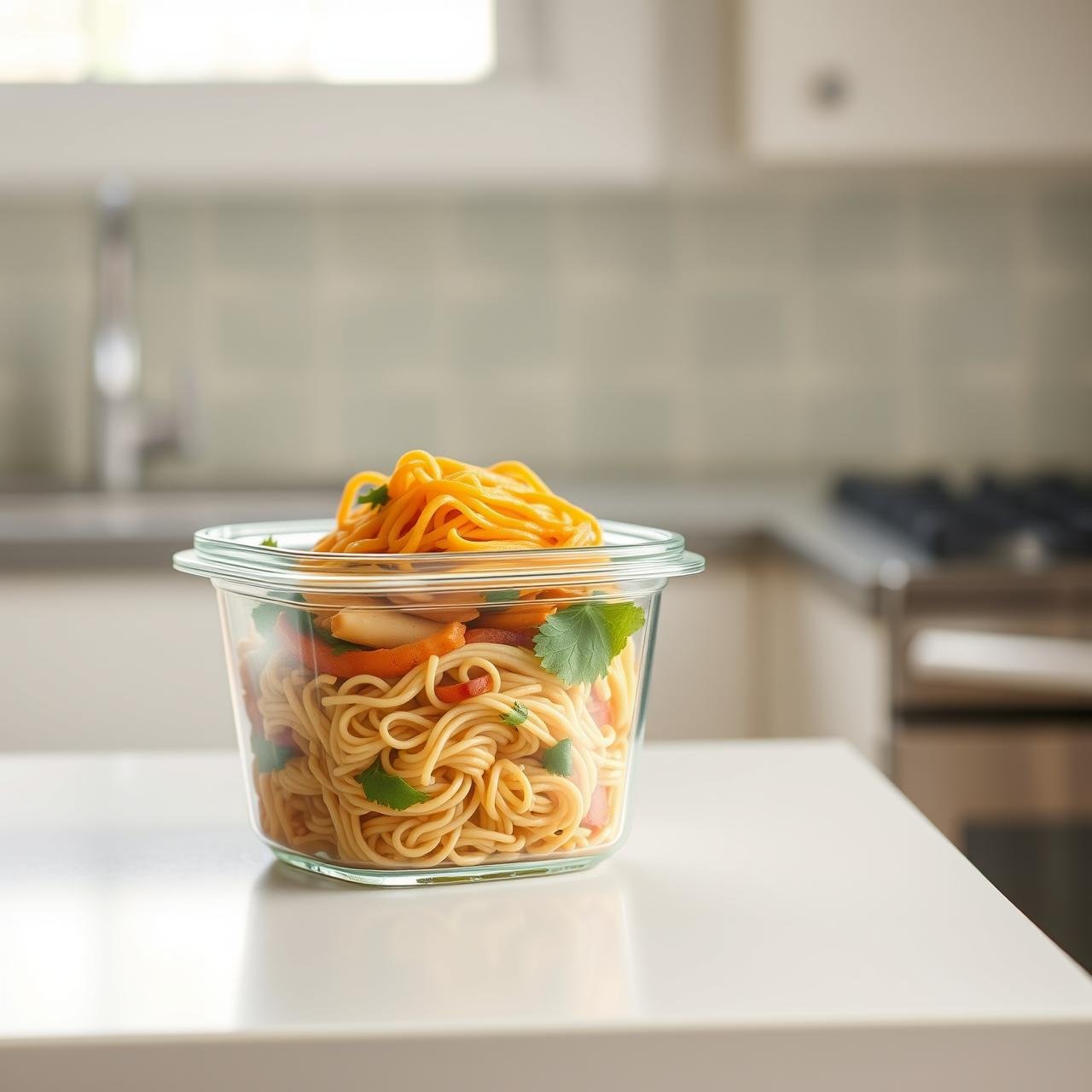
While this stir-fry is undeniably best when enjoyed fresh from the wok, leftovers make for a fantastic and healthy lunch the next day. Storing it correctly is key to preserving its texture and flavor.
Storage Instructions
Allow the stir-fry to cool to room temperature before storing. Transfer it to an airtight container and refrigerate for up to 3 days. The shirataki noodles hold up remarkably well in the fridge and won’t become mushy like traditional wheat-based noodles.
The Best Way to Reheat
For the best results, we recommend reheating your stir-fry on the stovetop. Place the desired portion in a skillet or wok over medium heat. Add a splash of water or broth to create a little steam and prevent it from drying out. Heat, stirring occasionally, until warmed through. While you can use a microwave in a pinch, the stovetop method does a much better job of reviving the crisp-tender texture of the vegetables.
Conclusion
You have now mastered the art of the Zero Calorie Noodle Stir Fry—a dish that powerfully demonstrates that healthy eating can be an exciting and deeply satisfying culinary adventure. By harnessing the unique properties of shirataki noodles and pairing them with fresh, vibrant ingredients and a bold, savory sauce, you’ve created a meal that nourishes your body and delights your taste buds. This recipe is more than just a path to weight loss; it’s a celebration of wholesome, delicious food that fits seamlessly into a healthy lifestyle. So, the next time a craving for a hearty bowl of noodles strikes, you can head to the kitchen with confidence, knowing a guilt-free feast is just minutes away.