You Will Love Veggies: Garlic Parmesan Roasted Broccoli and Cauliflower
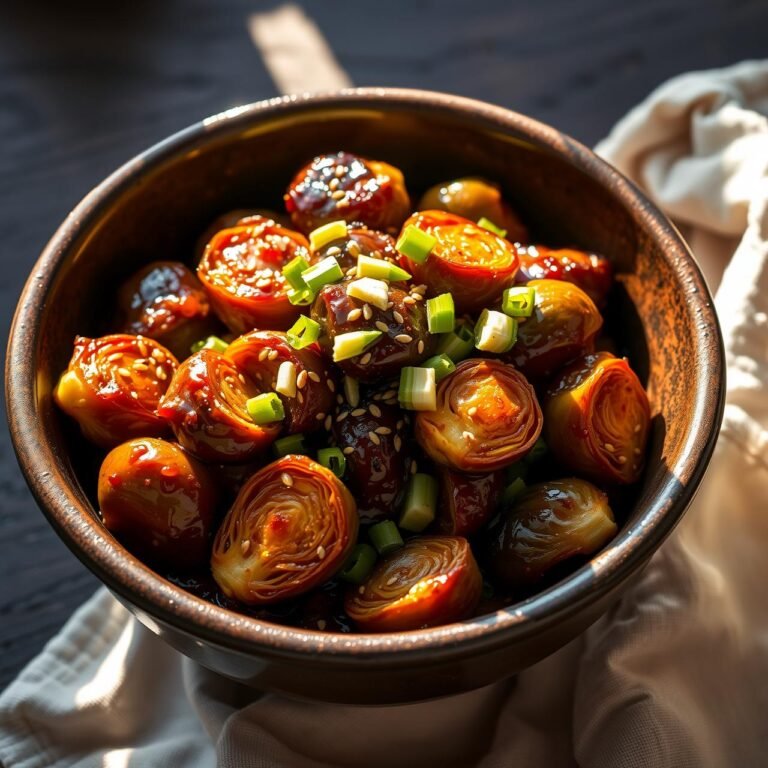
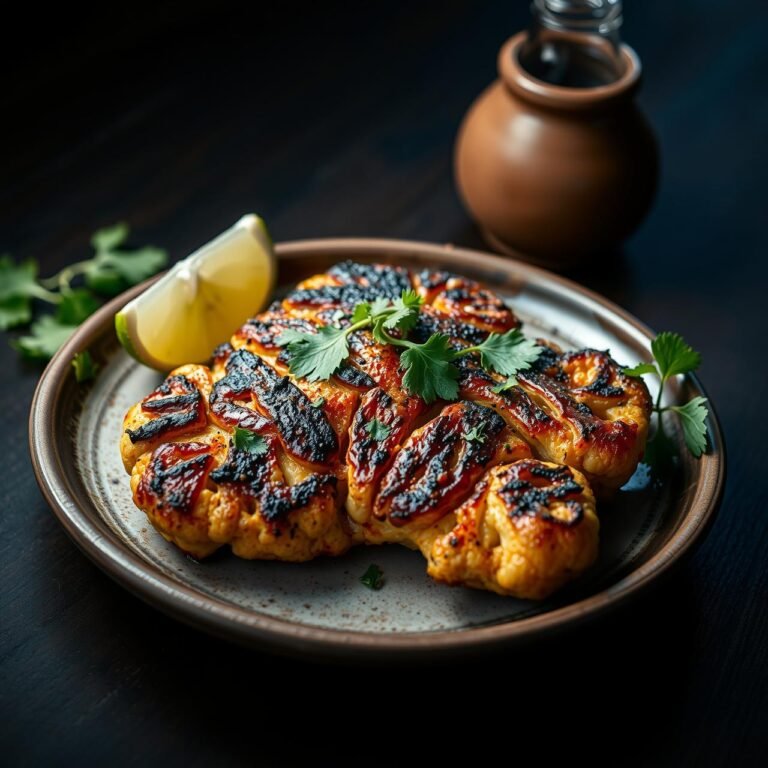
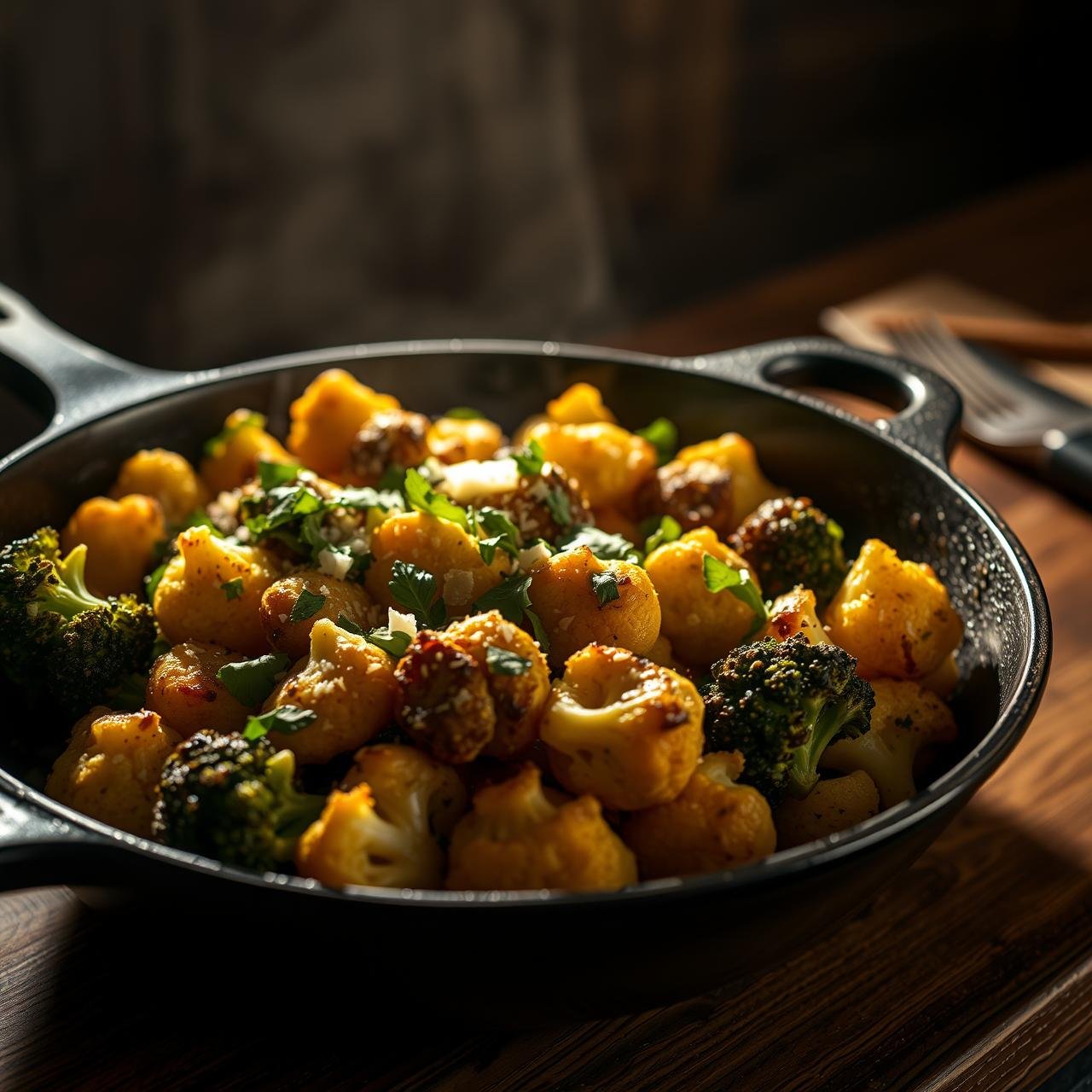
Forget everything you thought you knew about boiled, bland, or boring vegetables. We are about to embark on a culinary journey that transforms two of the most humble cruciferous vegetables—broccoli and cauliflower—into a dish so crave-worthy, you’ll find yourself making it week after week. The magic lies in a simple, time-honored technique: high-heat roasting. This process coaxes out the natural sugars, creating deeply caramelized, golden-brown edges and a tender, yet satisfyingly firm, interior. When you introduce the powerhouse trio of fragrant garlic, nutty, salty Parmesan cheese, and a drizzle of quality olive oil, you elevate these vegetables from a mere side dish to the star of the plate. This Garlic Parmesan Roasted Broccoli and Cauliflower isn’t just a recipe; it’s a revelation. It’s proof that healthy eating can be incredibly indulgent, that simple ingredients can yield complex flavors, and that with the right technique, you truly will fall in love with your veggies.
The Art and Science of Roasting: Why It Works Wonders
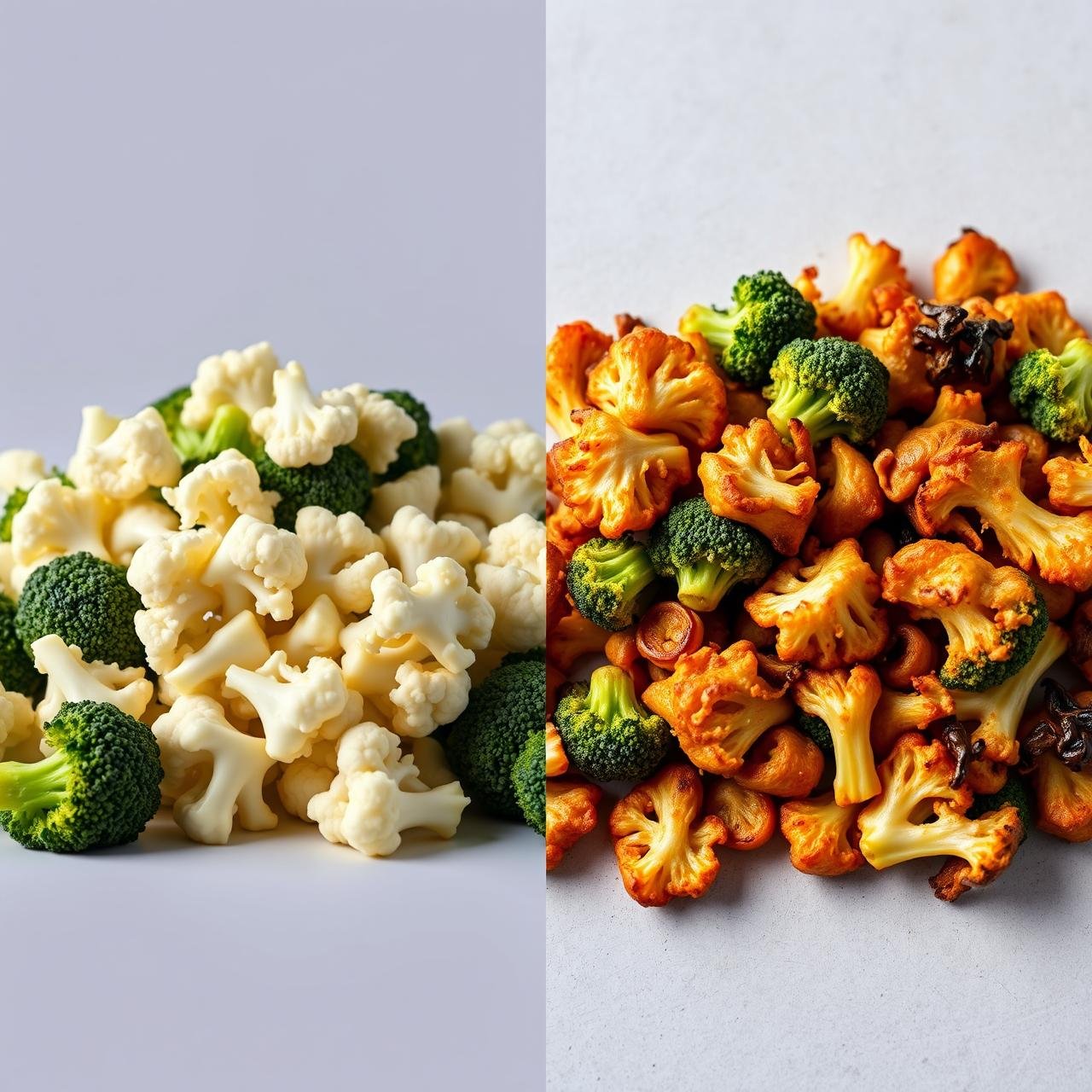
Before we even preheat the oven, let’s understand the culinary science that makes roasting so effective. Unlike steaming or boiling, which can leave vegetables waterlogged and bland, roasting uses dry, high heat. This environment is crucial for two key chemical reactions: caramelization and the Maillard reaction. Caramelization is the browning of sugar, which is what gives our roasted broccoli and cauliflower those subtly sweet, nutty notes. The Maillard reaction is a more complex interaction between amino acids and reducing sugars, responsible for creating hundreds of new aroma and flavor compounds. It’s the same reaction that gives seared steak its savory crust and toasted bread its comforting aroma.
To achieve this, three things are critical: high temperature (typically around 400-425°F or 200-220°C), adequate space on the baking sheet to prevent steaming, and a good coating of fat like olive oil, which helps conduct heat and promotes browning. By mastering these simple principles, you unlock a depth of flavor you simply can’t get any other way. You’re not just cooking the vegetables; you’re fundamentally transforming their texture and taste from raw and crunchy to crisp-tender and profoundly savory.
Sourcing Your Core Ingredients for Maximum Flavor
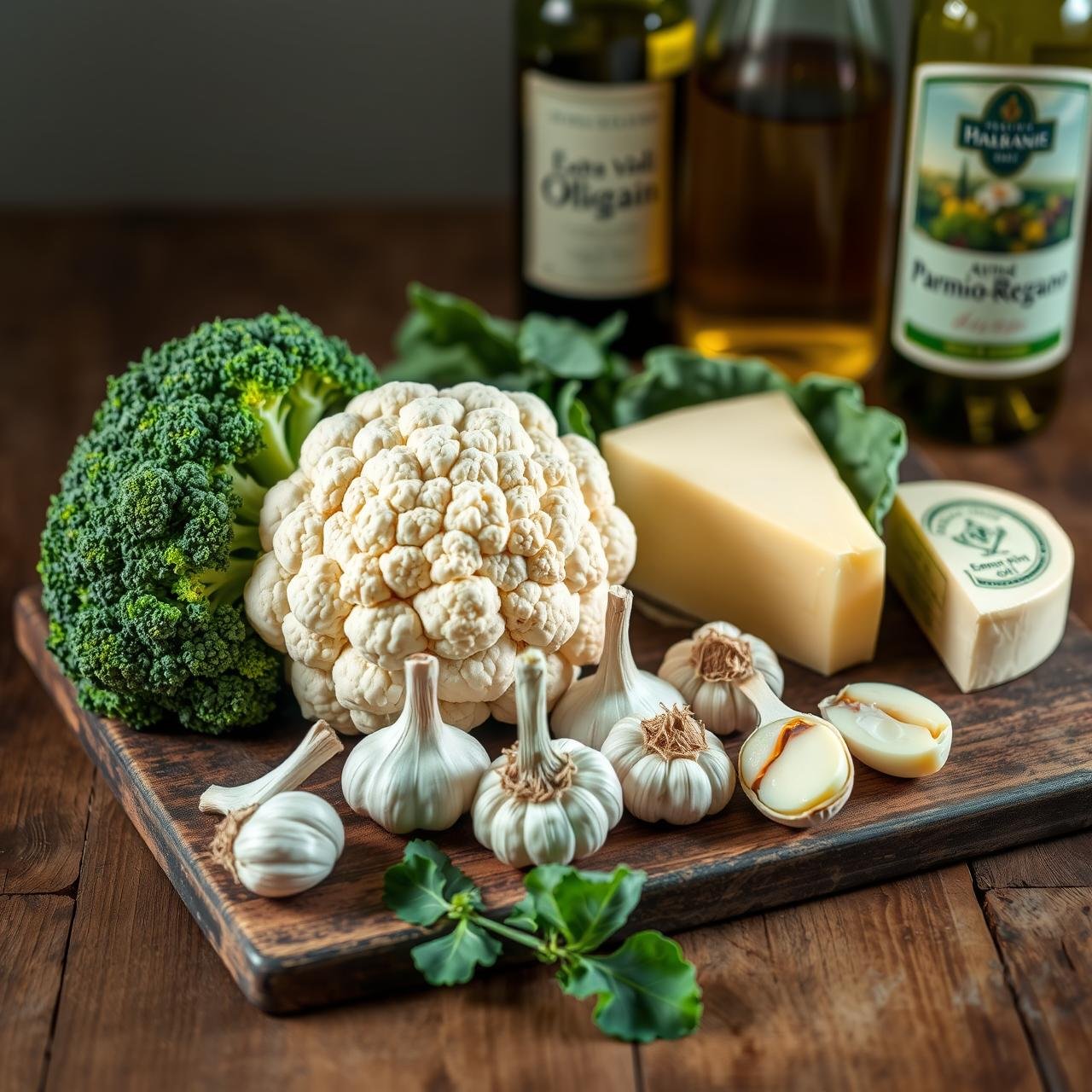
The Cruciferous Stars: Broccoli & Cauliflower
The quality of your final dish begins with the quality of your produce. When selecting your broccoli, look for a head with tight, firm florets and a deep, vibrant green color. Avoid any heads with yellowing spots or a soft, rubbery stem. For the cauliflower, choose a head that is creamy white, compact, and heavy for its size. The leaves should look fresh and crisp, not wilted. Brown spots are a sign of oxidation and age, so steer clear. Whenever possible, buying from a local farmers’ market can provide the freshest, most flavorful options.
The Flavor Trio: Garlic, Parmesan, and Olive Oil
These three ingredients are the heart of our flavor profile. For the garlic, always opt for fresh cloves over pre-minced jarred garlic. The flavor is brighter, more pungent, and lacks the chemical aftertaste sometimes found in preservatives. For the Parmesan, a true Parmigiano-Reggiano will offer the best results. A wedge you grate yourself provides a superior nutty, salty flavor and melts more beautifully than pre-shredded varieties, which often contain anti-caking agents. Finally, a good quality Extra Virgin Olive Oil is non-negotiable. It not only prevents sticking but also imparts its own fruity, peppery notes to the dish. Don’t be afraid to use a generous amount; it’s what helps create those irresistibly crispy edges.
Essential Kitchen Equipment
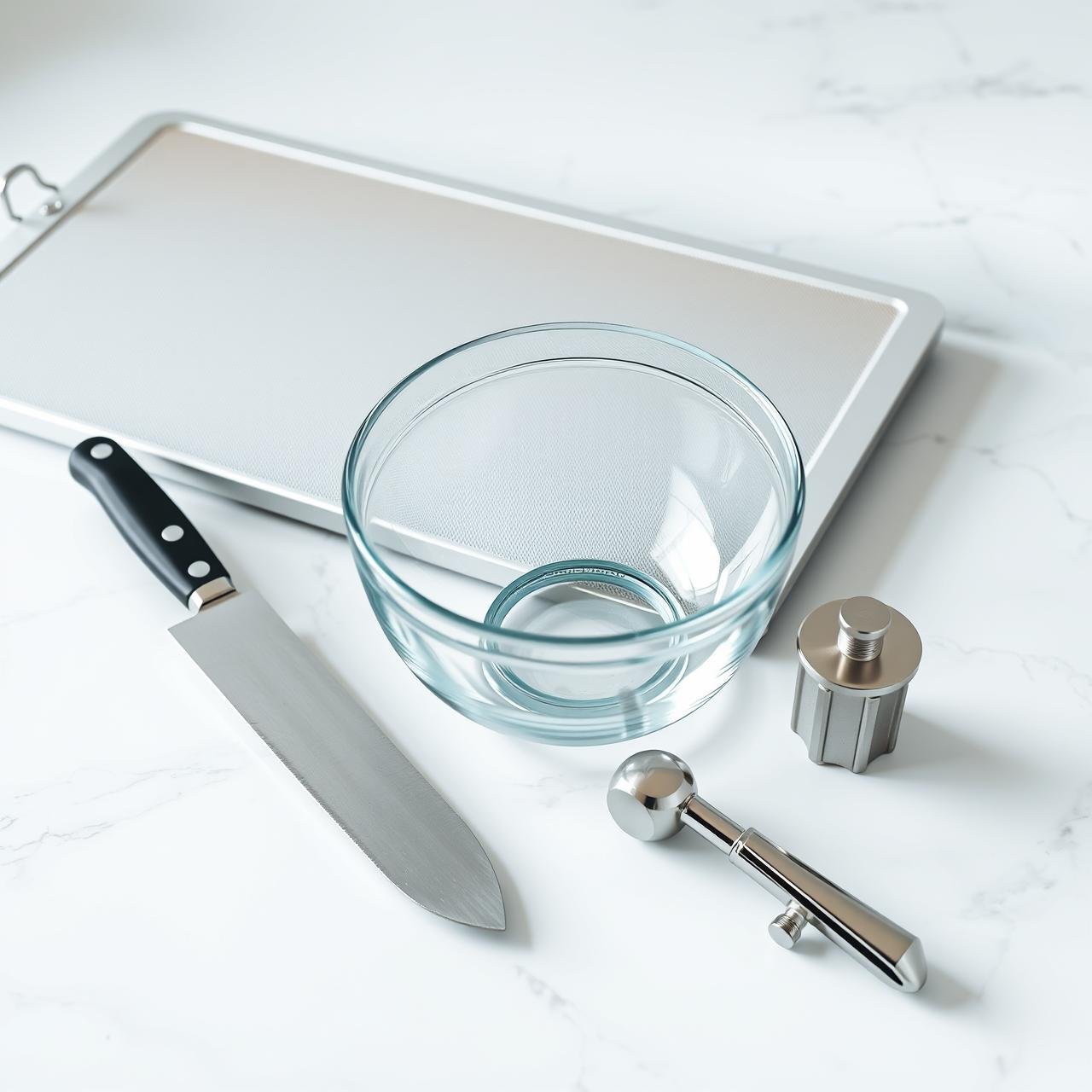
You don’t need fancy gadgets to create this masterpiece. A few basic, quality tools are all it takes to ensure roasting success. Having the right equipment makes the process smoother and the results more consistent.
| Tool | Chef’s Note |
|---|---|
| Large Rimmed Baking Sheet | This is arguably the most important tool. A large sheet provides enough surface area for the vegetables to roast in a single layer without overcrowding, which is key to browning, not steaming. |
| Chef’s Knife | A sharp, sturdy 8-inch chef’s knife will make breaking down the broccoli and cauliflower into uniform florets a safe and easy task. |
| Large Mixing Bowl | Using a large bowl allows you to thoroughly and evenly coat every nook and cranny of the florets with oil and seasonings. |
| Garlic Press or Microplane | For an even distribution of garlic flavor without large, bitter chunks, a press or microplane is ideal. If you don’t have one, mincing very finely with your knife works too. |
| Vegetable Peeler or Paring Knife | Useful for trimming the tough outer layer of the broccoli stem, which is delicious when roasted. |
| Spatula or Tongs | A wide, metal spatula is perfect for flipping the vegetables halfway through cooking to ensure even browning on all sides. |
The Recipe: Garlic Parmesan Roasted Broccoli and Cauliflower
Ingredients
This recipe focuses on simple, high-impact ingredients. The measurements are a guide; feel free to adjust to your personal taste.
- 1 large head of broccoli (about 1.5 lbs), cut into bite-sized florets
- 1 medium head of cauliflower (about 1.5 lbs), cut into bite-sized florets
- 4-6 cloves of fresh garlic, minced or pressed
- 1/3 cup of good quality extra virgin olive oil
- 1/2 cup freshly grated Parmesan cheese, divided
- 1 teaspoon sea salt (or to taste)
- 1/2 teaspoon freshly ground black pepper
- 1/2 teaspoon red pepper flakes (optional, for a little heat)
- 1 tablespoon fresh parsley, chopped (for garnish)
Step-by-Step Instructions
Follow these steps carefully for a perfect roast every time. The key is in the details, from the oven temperature to the timing of when you add the cheese.
- Preheat and Prepare: Place your oven rack in the middle position and preheat to 425°F (220°C). A hot oven is crucial for getting that initial sear. Do not put the vegetables in until the oven is fully preheated.
- Wash and Dry Thoroughly: Wash your broccoli and cauliflower florets and, most importantly, dry them completely. A salad spinner works wonders, or you can pat them dry with a clean kitchen towel. Excess moisture will create steam and prevent browning.
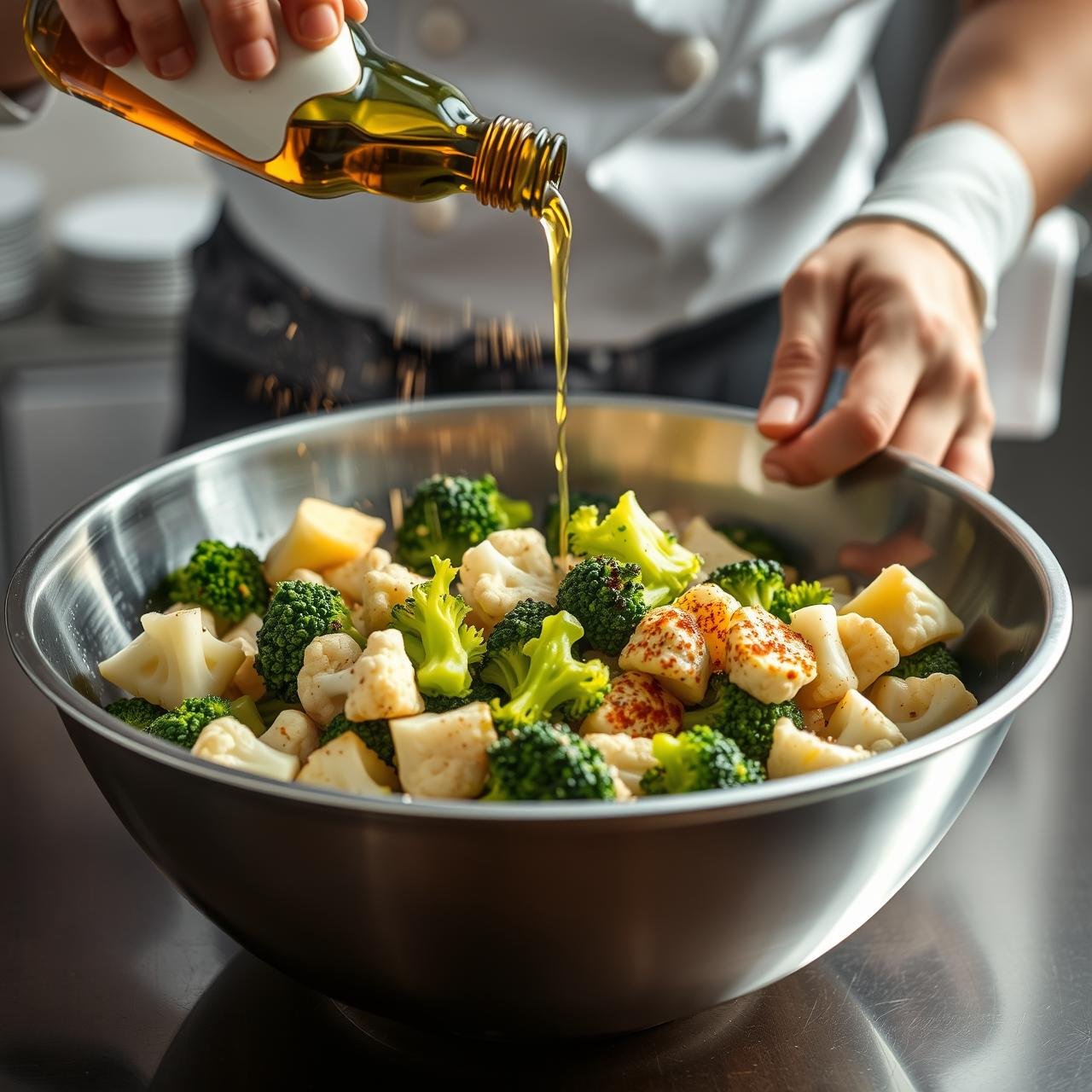
- Combine and Coat: In a large mixing bowl, combine the broccoli and cauliflower florets. Add the minced garlic, olive oil, sea salt, black pepper, and optional red pepper flakes. Use your hands or a large spoon to toss everything together until every floret is evenly and generously coated in the oil and seasonings.
- Arrange on Baking Sheet: Pour the seasoned vegetables onto your large, rimmed baking sheet. Spread them out into a single, even layer. Do not overcrowd the pan! If necessary, use two baking sheets. This space is critical for roasting, not steaming.
- First Roast: Place the baking sheet in the preheated oven and roast for 15 minutes. The vegetables should start to become tender and you’ll see some browning begin on the edges.
- Flip and Add Cheese: Remove the baking sheet from the oven. Using a spatula, flip the vegetables over. Now, sprinkle half of the grated Parmesan cheese over the top. The reason we wait is to prevent the cheese from burning during the long initial roast.
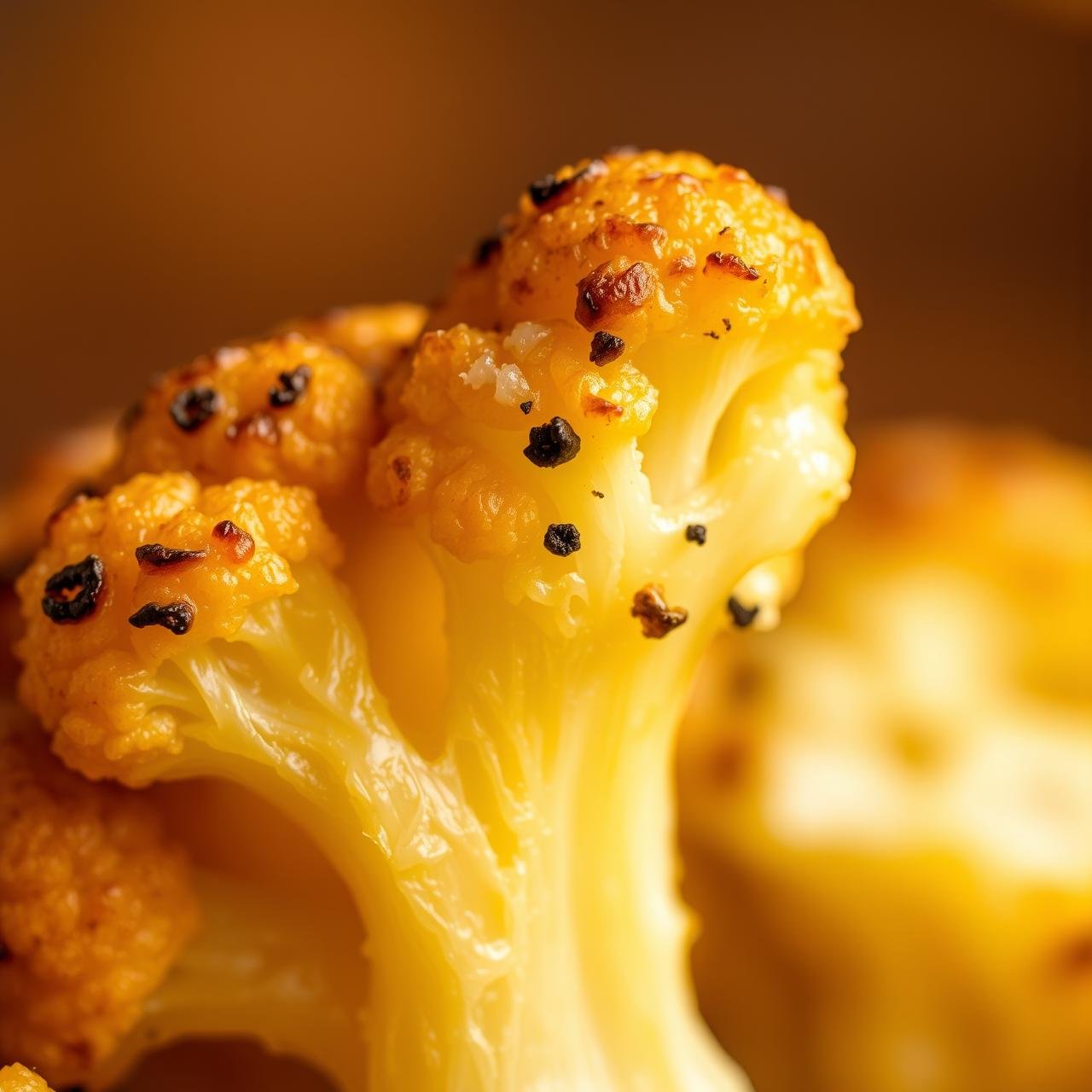
- Second Roast: Return the pan to the oven and roast for another 10-15 minutes. The vegetables are done when they are tender all the way through and have deep, golden-brown, crispy edges. The cheese should be melted and slightly browned.
- Finish and Serve: Remove from the oven. Immediately sprinkle the remaining fresh Parmesan and the chopped fresh parsley over the hot vegetables. The residual heat will gently melt the cheese. Serve immediately for the best texture and flavor.
Chef’s Secrets for Roasting Perfection
Don’t Crowd the Pan
This is the golden rule of roasting. If the vegetables are piled on top of each other, they will trap steam and become soggy. Give them space to breathe! If your pan is too small for the amount of vegetables you have, it’s always better to use two pans than to crowd one.
Uniform Size Matters
Try to cut your broccoli and cauliflower florets into roughly the same size. This ensures they all cook at the same rate. If you have some tiny pieces and some huge ones, the small ones will burn before the large ones are tender. Don’t forget the stems! Peel the tough outer layer of the broccoli stem and slice it into coins; they become wonderfully sweet and tender when roasted.
When to Add Your Aromatics
Finely minced garlic can burn easily in a hot oven. If you find your garlic is becoming too dark or bitter by the end of the cooking time, you have two options: either slice the garlic instead of mincing it (larger pieces take longer to burn) or add the minced garlic during the last 10 minutes of roasting when you add the first half of the Parmesan.
Variations and Add-Ins
This recipe is a fantastic canvas for experimentation. Try adding a squeeze of fresh lemon juice at the end for a bright, acidic finish. You could also toss in a teaspoon of Italian seasoning or smoked paprika with the salt and pepper. For a more substantial dish, add some sliced red onion or bell peppers to the mix before roasting.
Nutritional Profile: A Healthy Indulgence
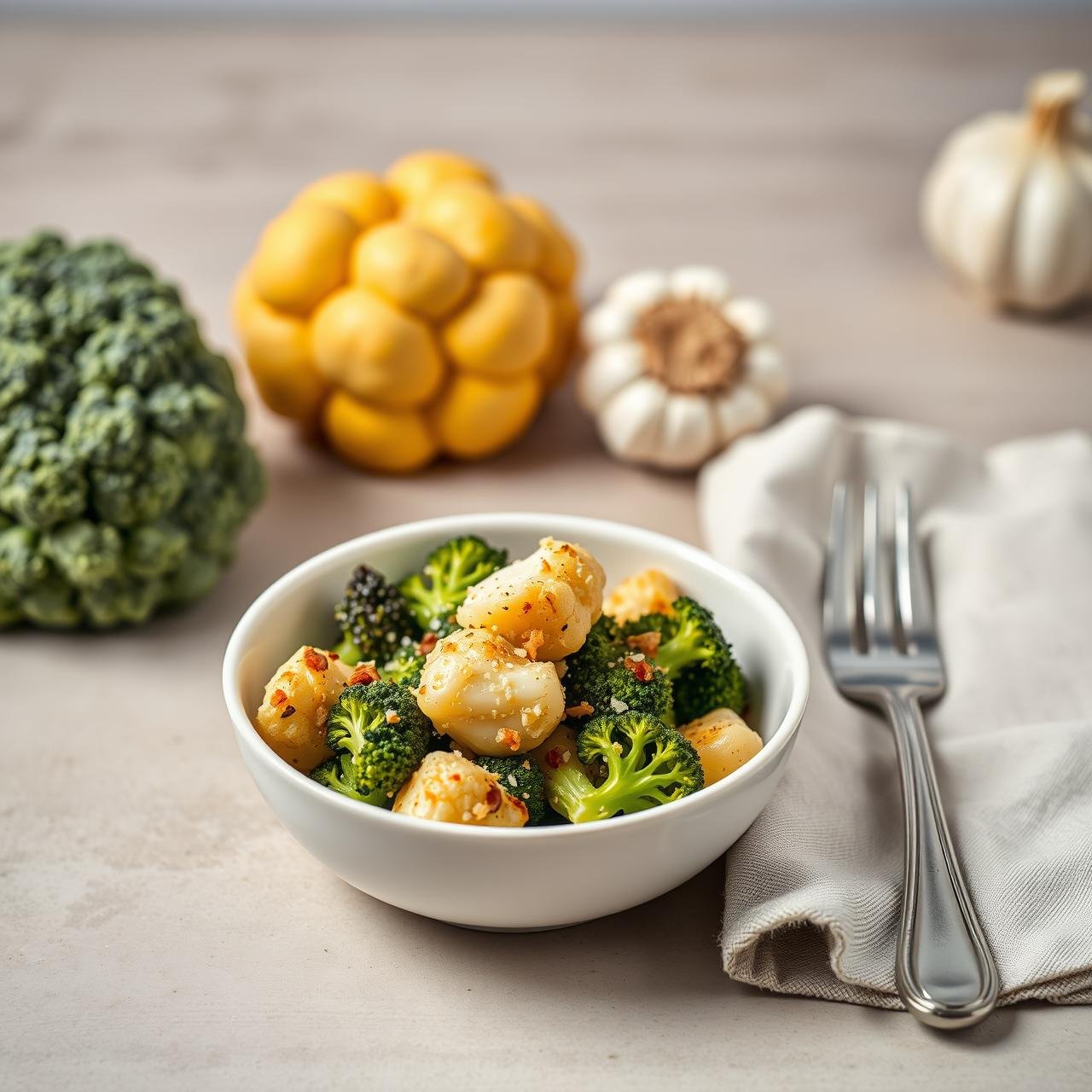
This dish is a powerhouse of nutrients, making it a perfect choice for health-conscious foodies. Broccoli and cauliflower are rich in fiber, vitamins C and K, and antioxidants. The use of heart-healthy olive oil adds beneficial monounsaturated fats. While Parmesan cheese does add some fat and sodium, it’s also a good source of protein and calcium. This is a side dish you can feel great about serving.
| Nutrient | Amount Per Serving (Approx.) |
|---|---|
| Calories | 180 kcal |
| Protein | 7 g |
| Carbohydrates | 10 g |
| – Fiber | 4 g |
| – Sugars | 4 g |
| Fat | 13 g |
| – Saturated Fat | 3 g |
| Sodium | 350 mg |
| Vitamin C | >100% DV |
| Vitamin K | >100% DV |
*Nutritional information is an estimate and can vary based on ingredient size and specific products used. This calculation assumes the recipe serves 6.
Perfect Pairings and Serving Suggestions
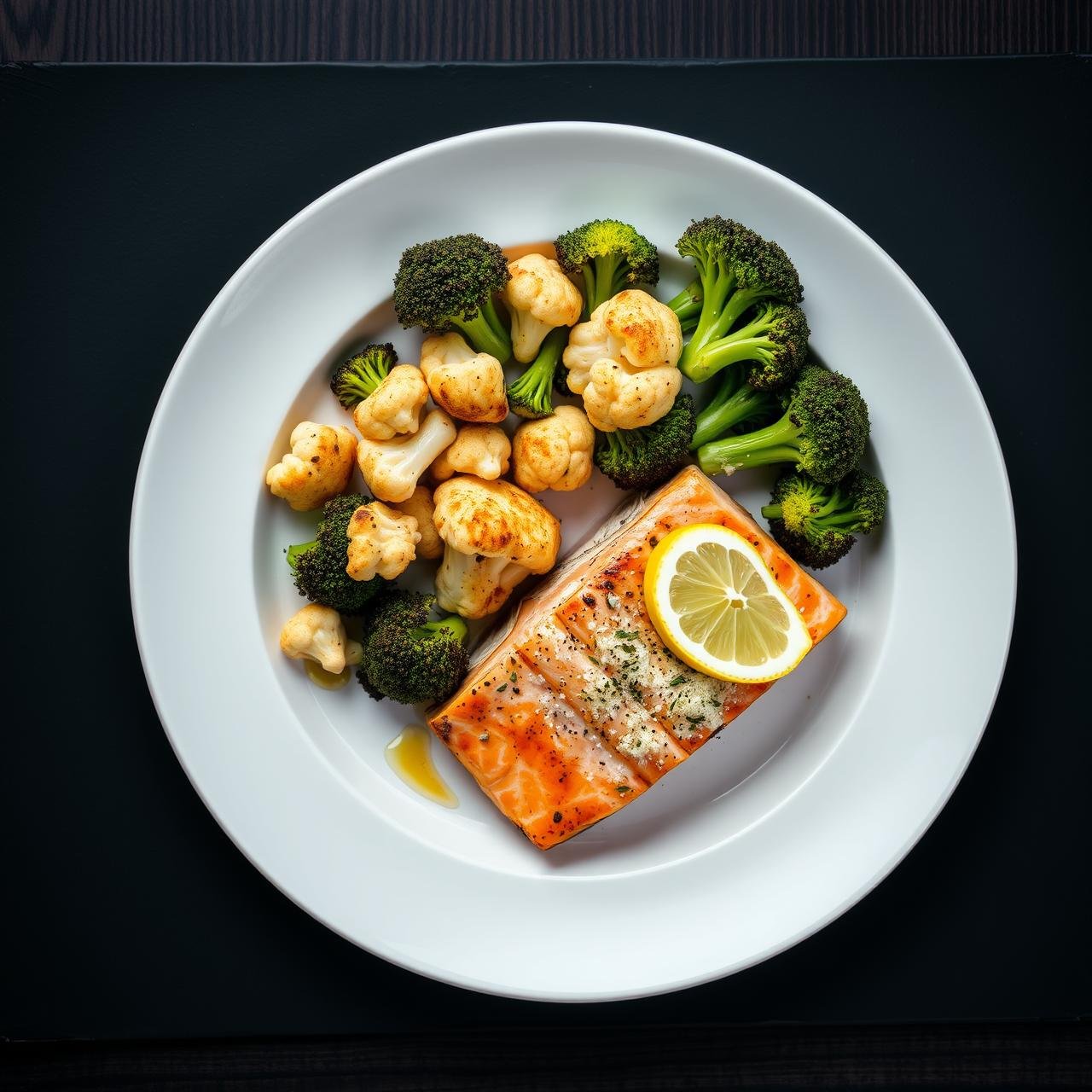
While this dish is magnificent on its own (I’ve been known to eat a whole bowl for lunch), it also plays beautifully with a wide variety of main courses. Its savory, cheesy profile makes it an incredibly versatile side.
For a Rustic Homestyle Dinner
Serve it alongside a perfectly roasted chicken, a hearty pork loin, or a juicy pan-seared steak. The robust flavors of the vegetables stand up well to rich meats and provide a wonderful textural contrast.
For the Gourmet Foodie
Pair it with a delicate piece of baked salmon or cod. The cheesy notes of the vegetables complement the fish without overpowering it. You can also chop the roasted vegetables and toss them with pasta, a splash of pasta water, and a bit more olive oil for an incredible main course.
For a Healthy & Clean Meal
Serve a generous portion alongside a scoop of quinoa or brown rice and a lean protein like grilled chicken breast or chickpeas for a balanced, satisfying, and nutrient-dense meal bowl.
Storing and Reheating for Lasting Flavor
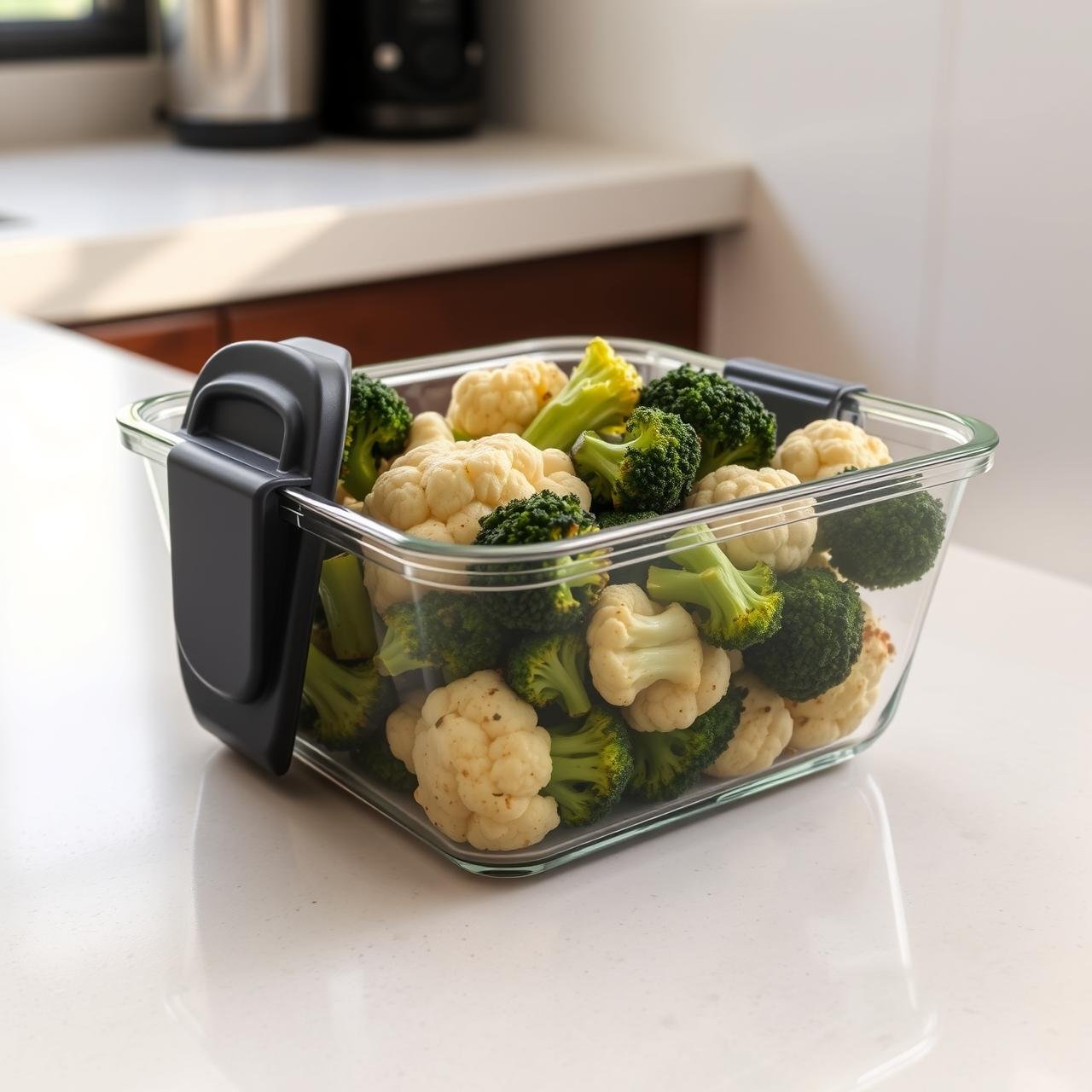
One of the best things about this recipe is that it’s fantastic for meal prep. While the vegetables are at their absolute crispiest right out of the oven, they store and reheat surprisingly well, making them a great option for budget-conscious cooks and busy families.
Storage
Allow the roasted vegetables to cool completely to room temperature. This is important to prevent condensation from forming in the container, which would make them soggy. Once cooled, transfer them to an airtight container and store them in the refrigerator for up to 4 days.
Reheating
While you can microwave them in a pinch, you’ll lose all that wonderful crispy texture. The best way to reheat roasted vegetables is to bring them back to life in the oven or an air fryer. Spread them on a baking sheet and heat in a 400°F (200°C) oven for 5-7 minutes, or until heated through and re-crisped. An air fryer at the same temperature for 3-5 minutes also works wonders. This extra step is well worth it to revive that fresh-from-the-oven taste and texture.
Conclusion
There you have it—a simple, elegant, and profoundly flavorful way to prepare broccoli and cauliflower that will convert even the most ardent vegetable skeptic. The combination of high-heat roasting, aromatic garlic, and savory Parmesan creates a symphony of textures and tastes that is both comforting and sophisticated. This dish is a testament to the idea that cooking doesn’t need to be complicated to be extraordinary. It’s perfect for a quick weeknight side, a healthy meal-prep component, or an impressive addition to a holiday spread. So, preheat your oven, grab your baking sheet, and get ready to fall head over heels for vegetables all over again.