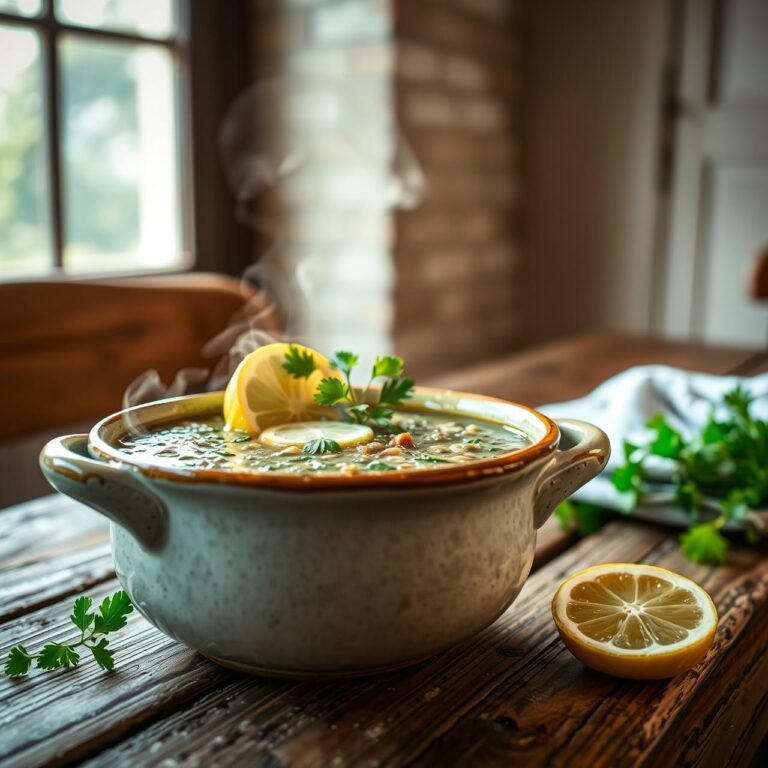
Yellow Moong Dal Tadka: The Belly Fat Burning Indian Soup
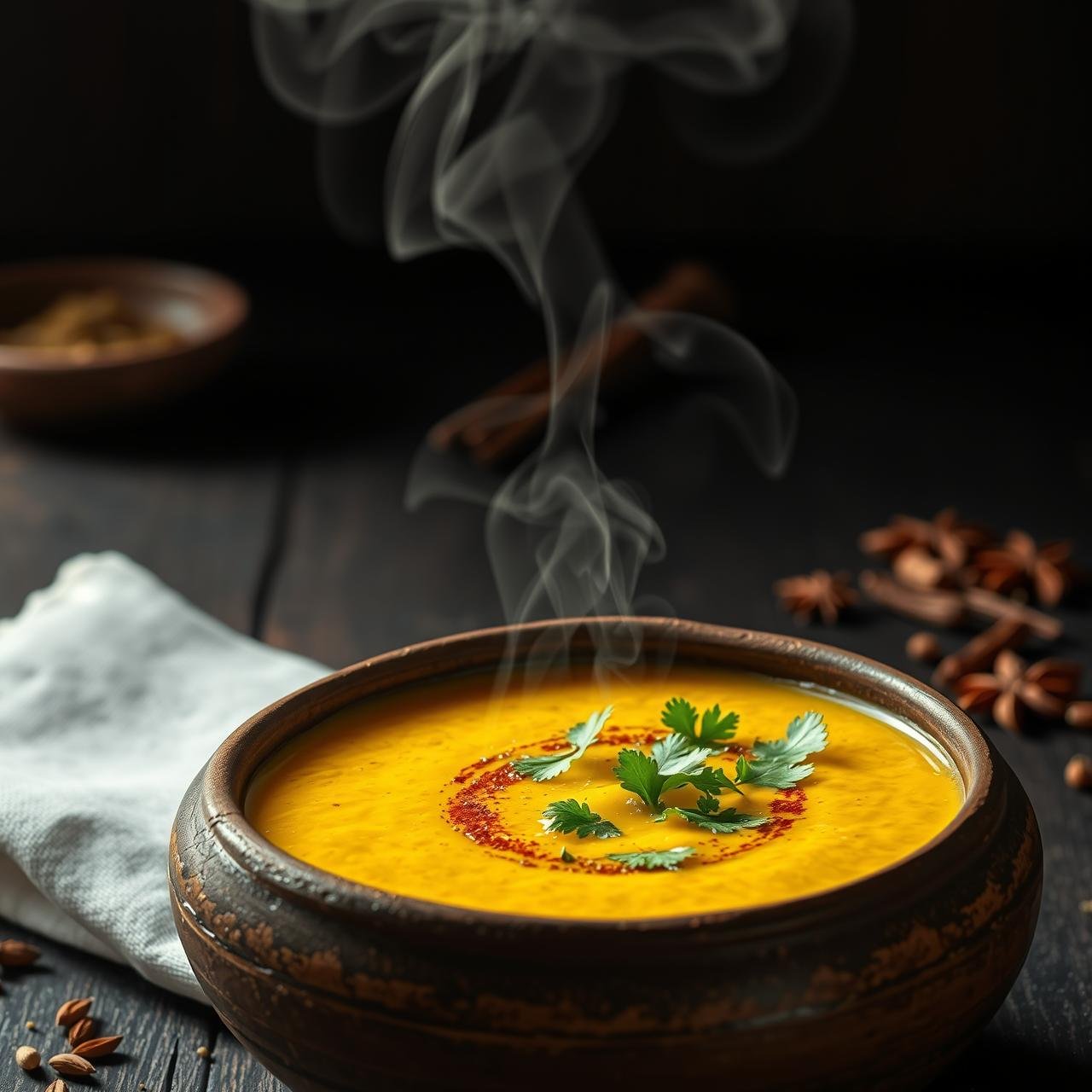
There are few things in the culinary world as soul-soothing and deeply comforting as a warm bowl of dal. In the vast tapestry of Indian cuisine, dal is a cornerstone, a daily staple that nourishes millions. And among the many varieties, Yellow Moong Dal holds a special place. It’s cherished for its delicate flavor, creamy texture, and, most importantly, its incredible digestibility. This isn’t just any lentil soup; this is Moong Dal Tadka, a golden elixir that marries rustic simplicity with profound flavor.
But this recipe offers more than just comfort. We’re diving deep into why this specific preparation is hailed as a ‘belly fat burning’ soup. Packed with plant-based protein, brimming with fiber, and incredibly light on the stomach, this dal is a perfect ally in your journey towards a healthier lifestyle. We will walk you through the entire process, from understanding the wholesome ingredients to mastering the art of the ‘tadka’—the sizzling, aromatic tempering of spices in ghee that dramatically transforms the dish from simple to sublime. Prepare to nourish your body and delight your taste buds with a recipe that is as wholesome as it is delicious.
The Golden Elixir: Why Moong Dal Supports a Healthy Metabolism
The claim ‘belly fat burning’ might sound bold, but when we look at the nutritional science behind yellow moong dal, it’s easy to see why it’s a favorite among health enthusiasts. This isn’t about magic; it’s about smart, wholesome nutrition that works with your body, not against it. Let’s break down the benefits:
Packed with Plant-Based Protein
Moong dal is one of the best plant-based sources of protein. Protein is crucial for weight management as it promotes satiety, meaning it helps you feel fuller for longer. A single serving can significantly curb cravings and reduce overall calorie intake. Furthermore, protein requires more energy to digest (a process known as the thermic effect of food), subtly boosting your metabolism.
Rich in Dietary Fiber
Fiber is another hero component. Moong dal is loaded with both soluble and insoluble fiber, which aids in digestion, promotes a healthy gut microbiome, and prevents constipation. This digestive regularity is key to reducing bloating and maintaining a flatter stomach. The fiber also slows down the absorption of sugar, preventing sharp spikes in blood glucose levels.
Low Glycemic Index
Foods with a low glycemic index (GI) release sugar into the bloodstream slowly and steadily. This prevents the dreaded sugar crash and subsequent cravings for unhealthy snacks. By keeping your blood sugar stable, moong dal helps manage appetite and energy levels, making it an excellent choice for those managing their weight or diabetes.
Incredibly Light and Easy to Digest
Among all lentils, split and hulled moong dal is renowned for being the easiest to digest. In Ayurvedic traditions, it’s often recommended during illness or recovery for this very reason. Its gentle nature means less bloating and digestive discomfort, contributing to a feeling of lightness and well-being.
The Power of Spices
The spices used in the tadka, such as turmeric, cumin, and asafoetida (hing), are not just for flavor. Turmeric contains curcumin, a powerful anti-inflammatory compound. Cumin aids in digestion and can boost metabolism. Asafoetida is famed for its anti-bloating properties. Together, they create a synergistic blend that enhances the meal’s health benefits.
Your Culinary Toolkit: Equipment for the Perfect Dal
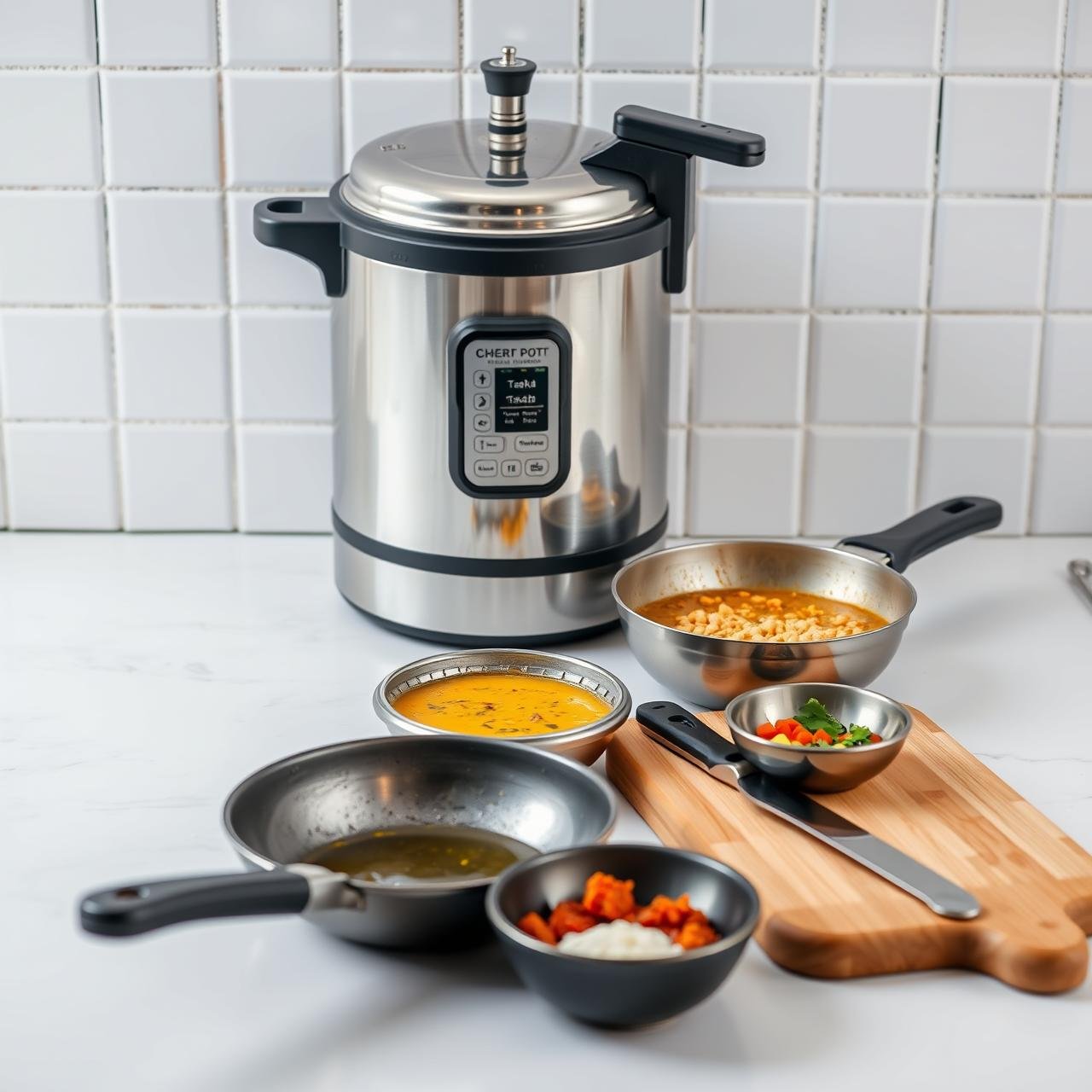
You don’t need a host of fancy gadgets to create this rustic masterpiece. Basic kitchen equipment will do the job perfectly. Having everything ready before you start, a practice known as ‘mise en place’, will make the cooking process smooth and enjoyable.
| Equipment | Chef’s Note |
|---|---|
| Pressure Cooker (3-5 Liters) or Instant Pot | This is the traditional and fastest way to cook lentils until they are perfectly soft and creamy. An Instant Pot works just as well on the pressure cook setting. |
| Heavy-Bottomed Pot or Dutch Oven | If you don’t have a pressure cooker, a standard pot will work. You’ll just need to increase the cooking time and keep an eye on the water level. |
| Small Pan or Tadka Pan | A small, dedicated pan (often called a ‘tadka’ or ‘vaghar’ pan) is ideal for the tempering. Its small size and high sides prevent the hot oil from splattering. A small frying pan also works. |
| Wire Whisk | Essential for breaking down the cooked lentils to achieve that signature creamy, homogenous consistency. |
| Knife and Cutting Board | For chopping your aromatics like onion, tomato, ginger, and garlic. |
| Measuring Cups and Spoons | For accurate measurement of dal, water, and spices to ensure a consistent result every time. |
Gather Your Ingredients: The Anatomy of a Perfect Dal Tadka
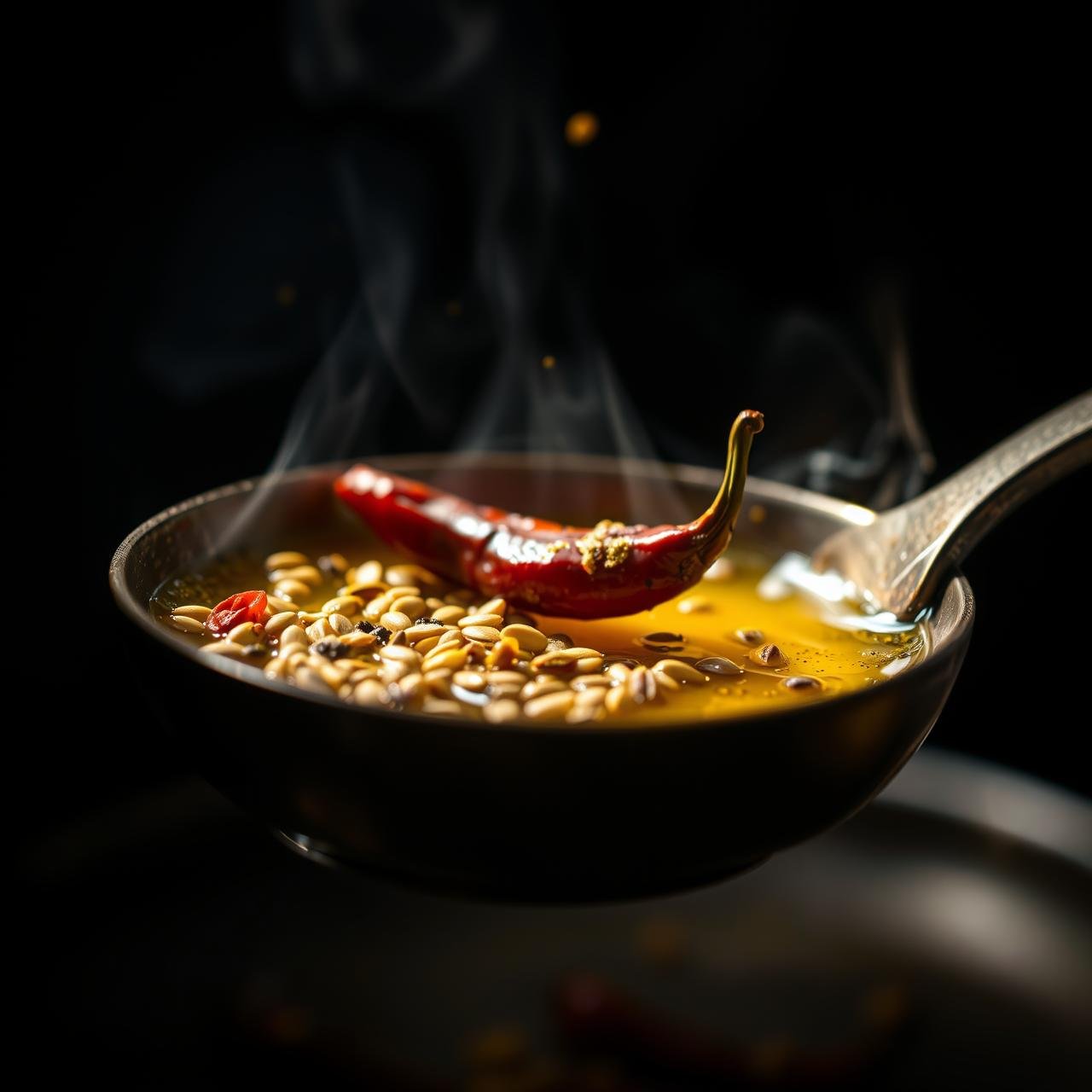
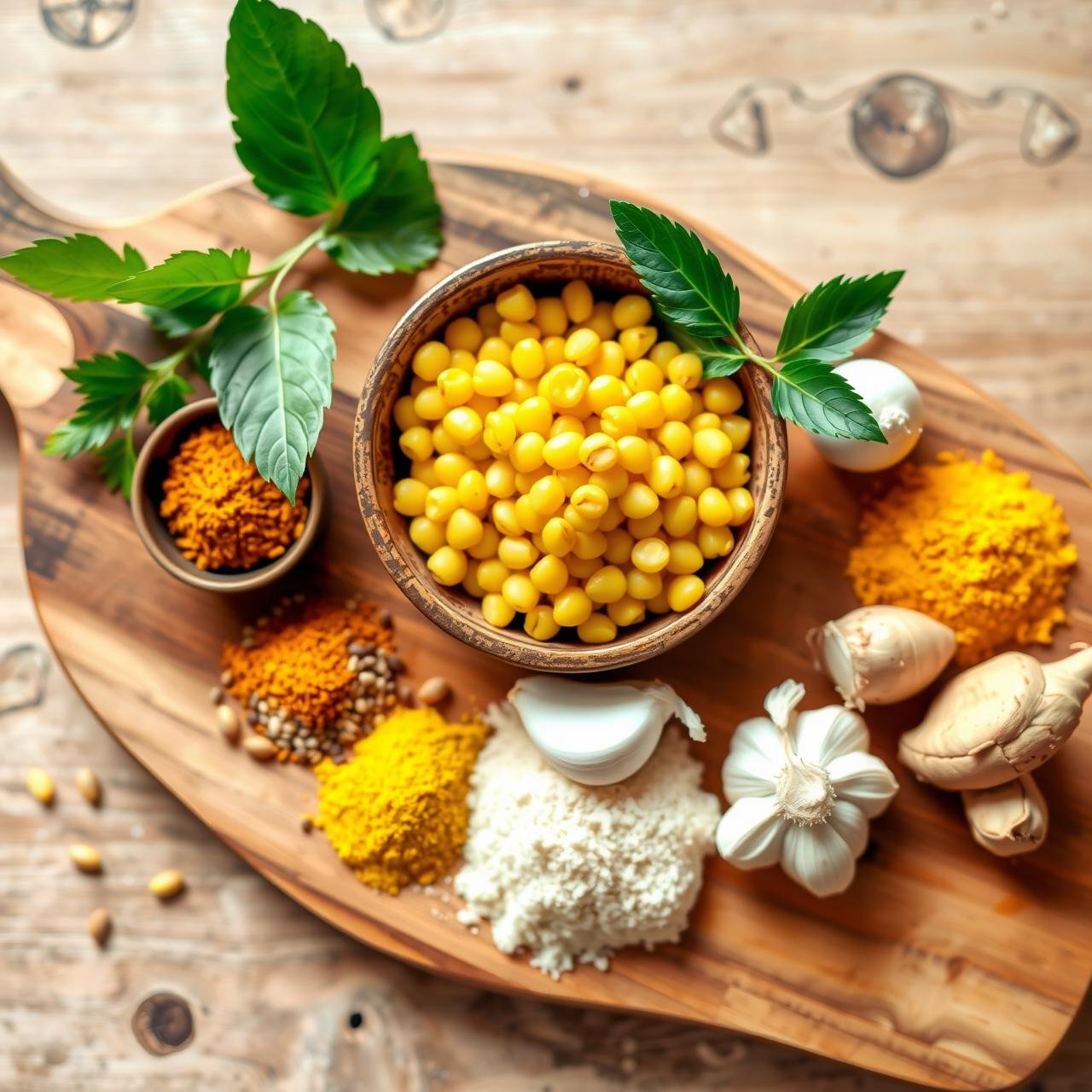
The beauty of this dish lies in its simple, wholesome ingredients. Using fresh aromatics and good quality spices will elevate the flavor immensely. This recipe serves approximately 4 people.
For Cooking the Dal
- 1 cup Yellow Moong Dal (split and hulled yellow lentils)
- 4 cups Water, plus more to adjust consistency
- 1/2 teaspoon Turmeric Powder
- 1 teaspoon Salt, or to taste
- 1 inch Ginger, finely grated or minced
- 2 cloves Garlic, finely minced
For the Tadka (Tempering)
- 2 tablespoons Ghee (clarified butter), or a neutral oil for a vegan option
- 1 teaspoon Cumin Seeds (Jeera)
- 1/2 teaspoon Mustard Seeds (Rai)
- 1 pinch Asafoetida (Hing)
- 2 Dried Red Chilies, whole
- 1 medium Onion, finely chopped
- 1 medium Tomato, finely chopped
- 1/4 teaspoon Red Chili Powder (optional, for extra heat)
- 1/2 teaspoon Garam Masala
- A handful of fresh Cilantro (Coriander leaves), chopped for garnish
- 1 tablespoon Lemon Juice, freshly squeezed for serving
Crafting Comfort: A Step-by-Step Guide to Your Dal Tadka
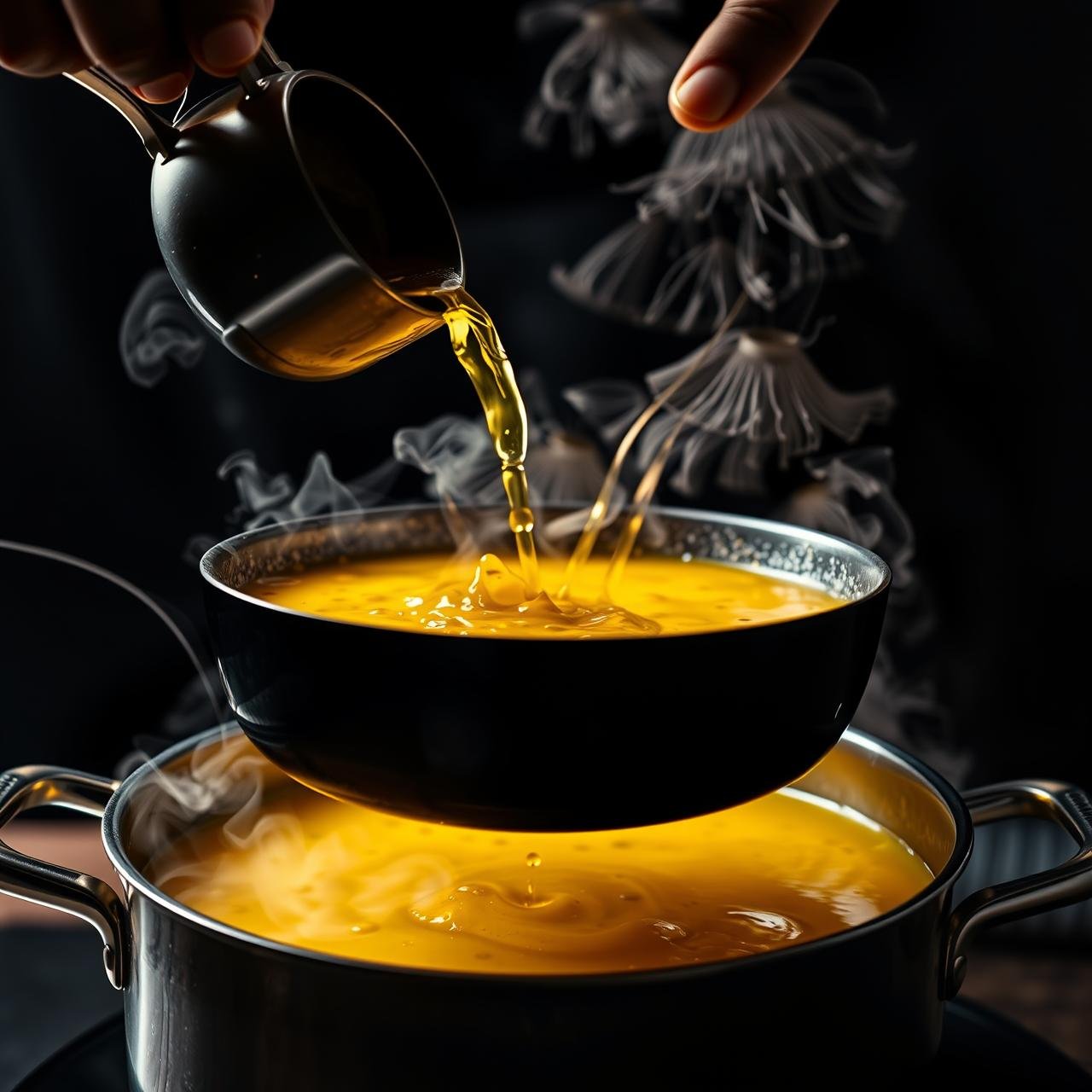
Follow these steps closely to create a dal that is creamy, aromatic, and perfectly spiced. The process is divided into two main parts: cooking the dal and preparing the tadka.
-
Prepare the Dal:
Rinse the 1 cup of yellow moong dal under cold running water until the water runs clear. This removes excess starch and any impurities. Soak the dal in fresh water for at least 30 minutes. This step is crucial for faster cooking and improved digestibility. After soaking, drain the water completely.
-
Cook the Dal:
In a pressure cooker, combine the drained dal, 4 cups of water, 1/2 tsp turmeric powder, 1 tsp salt, the minced ginger, and garlic. Secure the lid and cook on medium-high heat. For a traditional stovetop pressure cooker, cook for 3-4 whistles (about 10-12 minutes). For an Instant Pot, cook on high pressure for 8 minutes. Let the pressure release naturally.
-
Achieve the Perfect Consistency:
Once the pressure has released, open the cooker. The dal should be completely soft. Use a wire whisk to vigorously mix the dal. This breaks down the lentils and emulsifies them with the water, creating a beautifully creamy and consistent soup. If the dal seems too thick, add a little hot water and whisk again until you reach your desired consistency. Keep it on low heat while you prepare the tadka.
-
Prepare the Tadka (The Flavor Bomb):
In a small pan, heat the 2 tbsp of ghee over medium heat. Once hot, add the 1 tsp cumin seeds and 1/2 tsp mustard seeds. Let them crackle and pop for about 30 seconds. This ‘blooming’ process releases their essential oils. Add the pinch of asafoetida and the 2 dried red chilies, and sauté for another 10 seconds.
-
Sauté the Aromatics:
Add the finely chopped onion to the pan. Sauté until it turns soft and translucent, about 3-4 minutes. Then, add the chopped tomato and cook until it becomes soft and mushy, and the oil starts to separate from the mixture. This is a sign that your base is well-cooked.
-
Add the Final Spices:
Stir in the 1/4 tsp red chili powder (if using) and 1/2 tsp garam masala. Cook for just 30 seconds more until fragrant. Be careful not to burn the powdered spices.
-
The Grand Finale:
Carefully pour the entire sizzling tadka mixture directly into the pot of cooked dal. You will hear a satisfying sizzle, which releases a cloud of incredible aroma. Immediately cover the pot with a lid for a minute to trap all the flavors.
-
Garnish and Serve:
Uncover the pot, stir everything together well. Stir in the chopped fresh cilantro and the fresh lemon juice. Taste and adjust the salt if necessary. Serve hot with steamed basmati rice, roti, or simply enjoy it as a hearty, nourishing soup.
From a Good Dal to a Great Dal: Chef’s Secrets
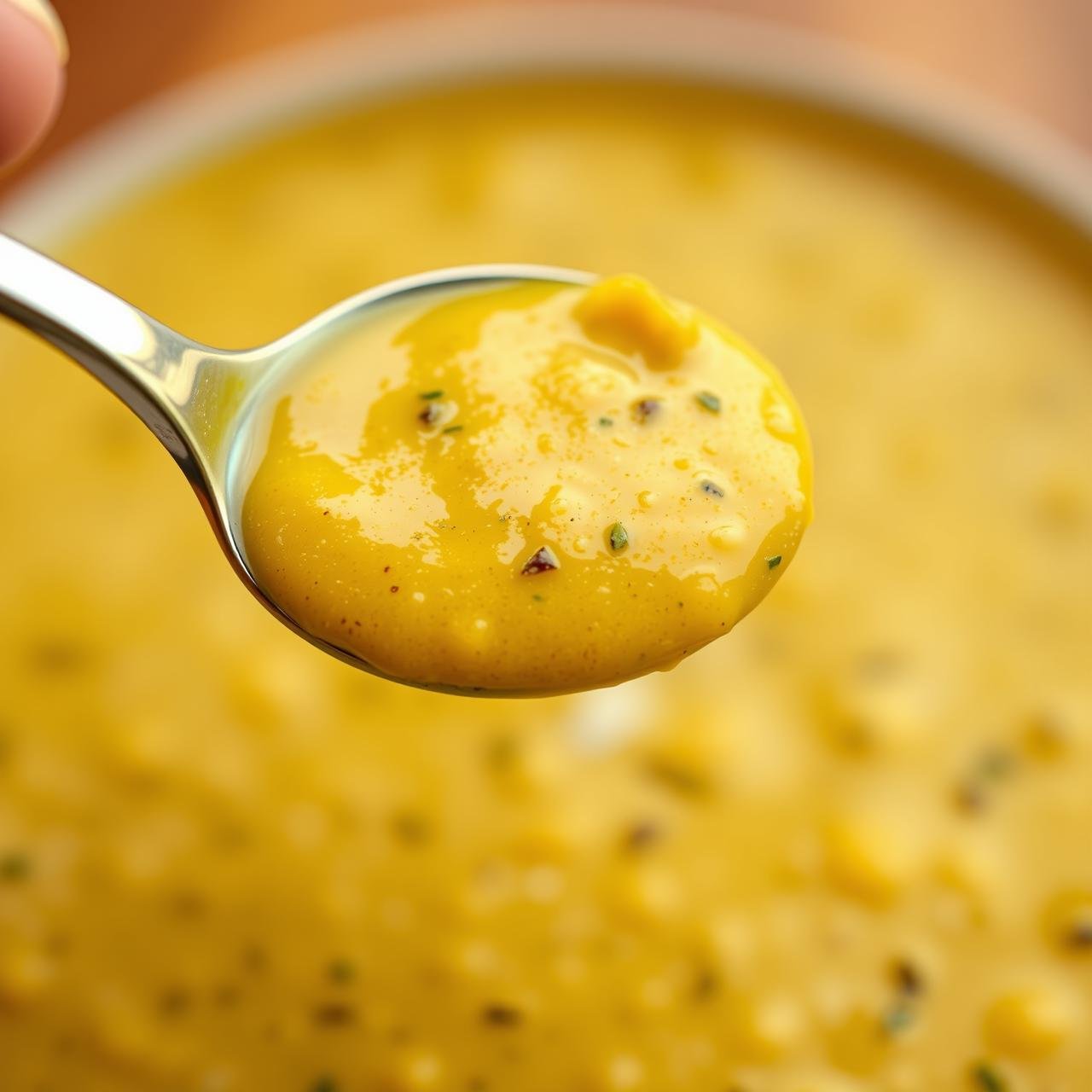
While the recipe is straightforward, these professional tips can elevate your dal from simply good to unforgettably great.
- Don’t Skip the Soak: Soaking the dal is non-negotiable for a creamy texture and for making it easier on your digestive system. Even 30 minutes makes a significant difference.
- The Ghee Advantage: While oil works, ghee imparts a nutty, rich flavor that is characteristic of authentic dal tadka. It has a high smoke point, making it perfect for tempering spices.
- Control the Tadka Heat: The key to a perfect tadka is temperature control. The oil should be hot enough for the seeds to pop, but not so hot that they burn. Burnt spices will make the entire dish bitter.
- The ‘Double Tadka’ Technique: For a restaurant-style finish, reserve half of the tadka. Add the first half to the dal as instructed. When serving, pour a little of the remaining sizzling tadka over each individual bowl for an extra burst of fresh flavor and a beautiful presentation.
- Bloom Your Spices: Always add whole spices (like cumin and mustard seeds) first to the hot ghee. This allows them to ‘bloom’ and release their full aromatic potential before you add the other ingredients.
- Freshness is Key: Use fresh ginger, garlic, and cilantro. The flavor difference between fresh and powdered or paste versions is immense and will define the final taste of your dal.
- Lemon is the Finisher: The final squeeze of lemon juice at the end is vital. It brightens all the flavors, cuts through the richness of the ghee, and adds a lovely, fresh acidity that balances the dish.
Nourishment in Every Spoonful: Nutritional Profile
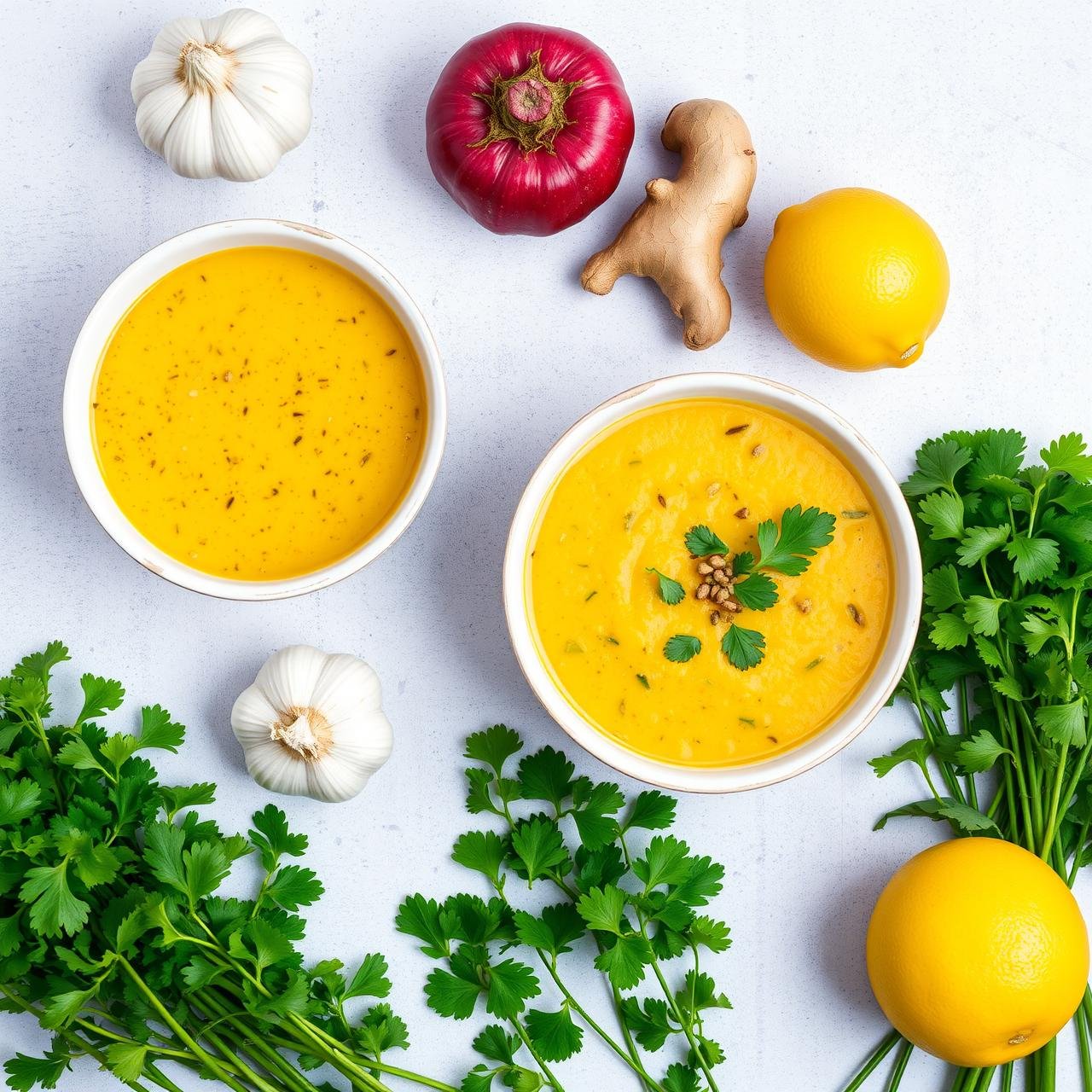
This dal is a nutritional powerhouse, offering a balanced profile of macronutrients and essential minerals. It’s a perfect meal for anyone looking for food that is both satisfying and genuinely good for them. The values below are an approximation for one serving (recipe serves four).
| Nutrient | Approximate Amount per Serving |
|---|---|
| Calories | 280 kcal |
| Protein | 15 g |
| Carbohydrates | 35 g |
| Dietary Fiber | 12 g |
| Fat | 8 g |
| Sodium | 600 mg |
Disclaimer: Nutritional information is estimated and can vary based on the specific ingredients and quantities used.
Savoring Later: Storage and Reheating
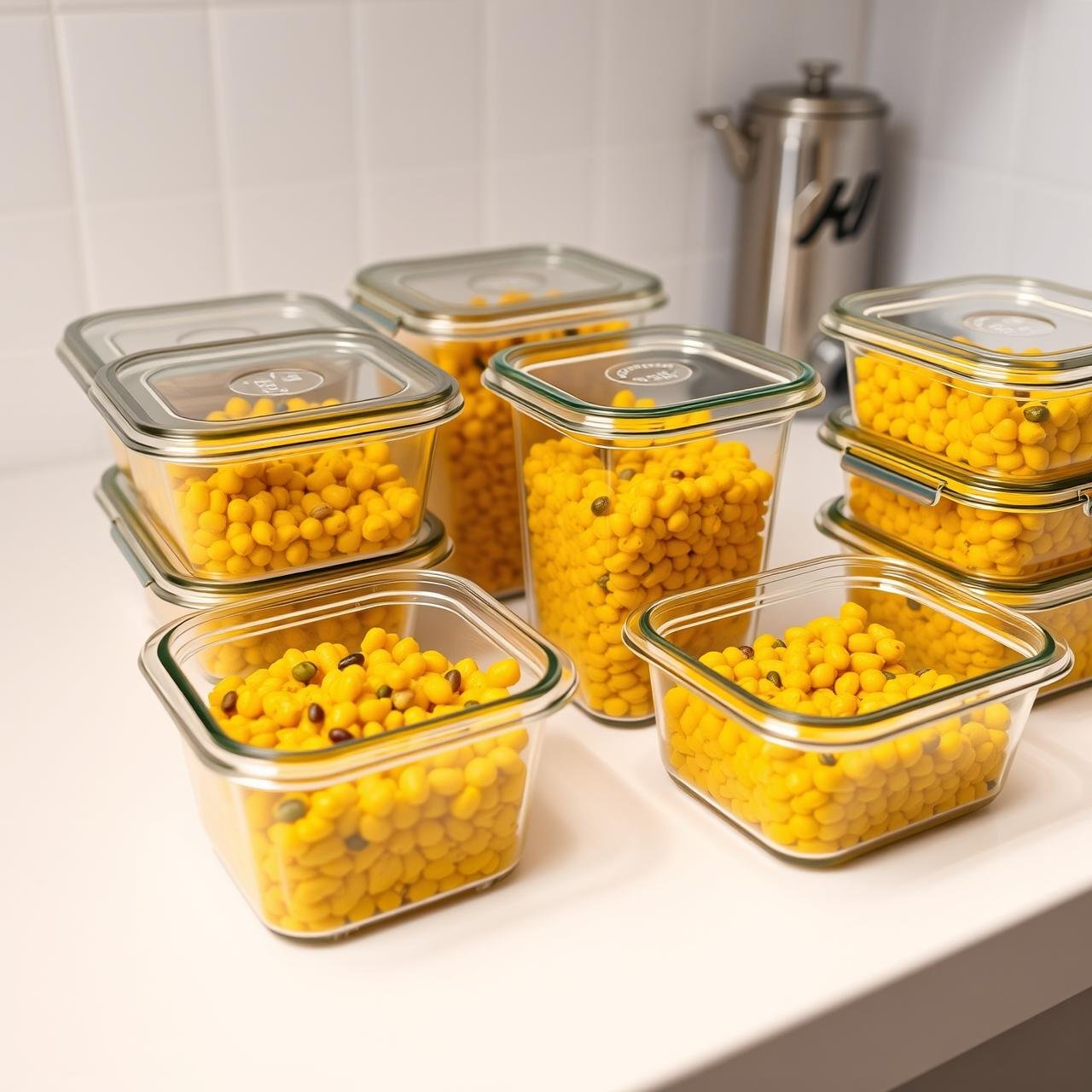
Moong Dal Tadka is an excellent dish for meal prepping as its flavors often deepen overnight. Here’s how to store and reheat it properly to enjoy later.
Refrigeration
Allow the dal to cool completely to room temperature. Transfer it to an airtight container and store it in the refrigerator for up to 3-4 days. The dal will thicken considerably when chilled.
Freezing
For longer storage, this dal freezes beautifully. Cool it completely, then pour it into freezer-safe containers or sturdy zip-top bags. Leave about an inch of space at the top to allow for expansion. It can be frozen for up to 2 months. To use, thaw it overnight in the refrigerator.
Reheating
The best way to reheat dal is on the stovetop. Pour the chilled dal into a saucepan over medium-low heat. As it will have thickened, add a splash of hot water (a few tablespoons at a time) and stir until it reaches your desired consistency. Heat until it’s warmed through completely. While you can use a microwave, stovetop reheating gives a better, more even result.
Pro-Tip for Reheating:
To revive the flavors and make leftovers taste freshly made, prepare a small, fresh tadka with a teaspoon of ghee, a pinch of cumin seeds, and some chopped garlic or chili. Pour this over the reheated dal just before serving. It makes all the difference!
Conclusion
Yellow Moong Dal Tadka is more than just a recipe; it’s an embrace in a bowl. It’s a testament to the fact that food can be incredibly delicious, deeply comforting, and wonderfully healthy all at once. By understanding the properties of its simple ingredients and mastering the art of the tadka, you’ve unlocked a dish that can nourish your family on a busy weeknight or impress guests with its authentic, rustic charm. It’s a perfect example of how traditional cooking holds timeless secrets to well-being, offering a flavorful path to supporting your health goals without ever sacrificing taste. We invite you to make this golden soup a regular part of your culinary repertoire and experience the wholesome magic of Moong Dal Tadka for yourself.