Velvety Asparagus Soup: The Secret Dairy-Free Ingredient for Creaminess
There’s a certain magic in the air when spring finally arrives. The world awakens, and with it, the farmers’ markets begin to overflow with verdant treasures. Among the most celebrated is asparagus, with its slender spears heralding warmer days and fresher flavors. For any chef or home cook, this is a time of pure inspiration. My favorite way to honor this seasonal star is in a soup—not just any soup, but one that is profoundly creamy, deeply flavorful, and soul-soothingly warm.
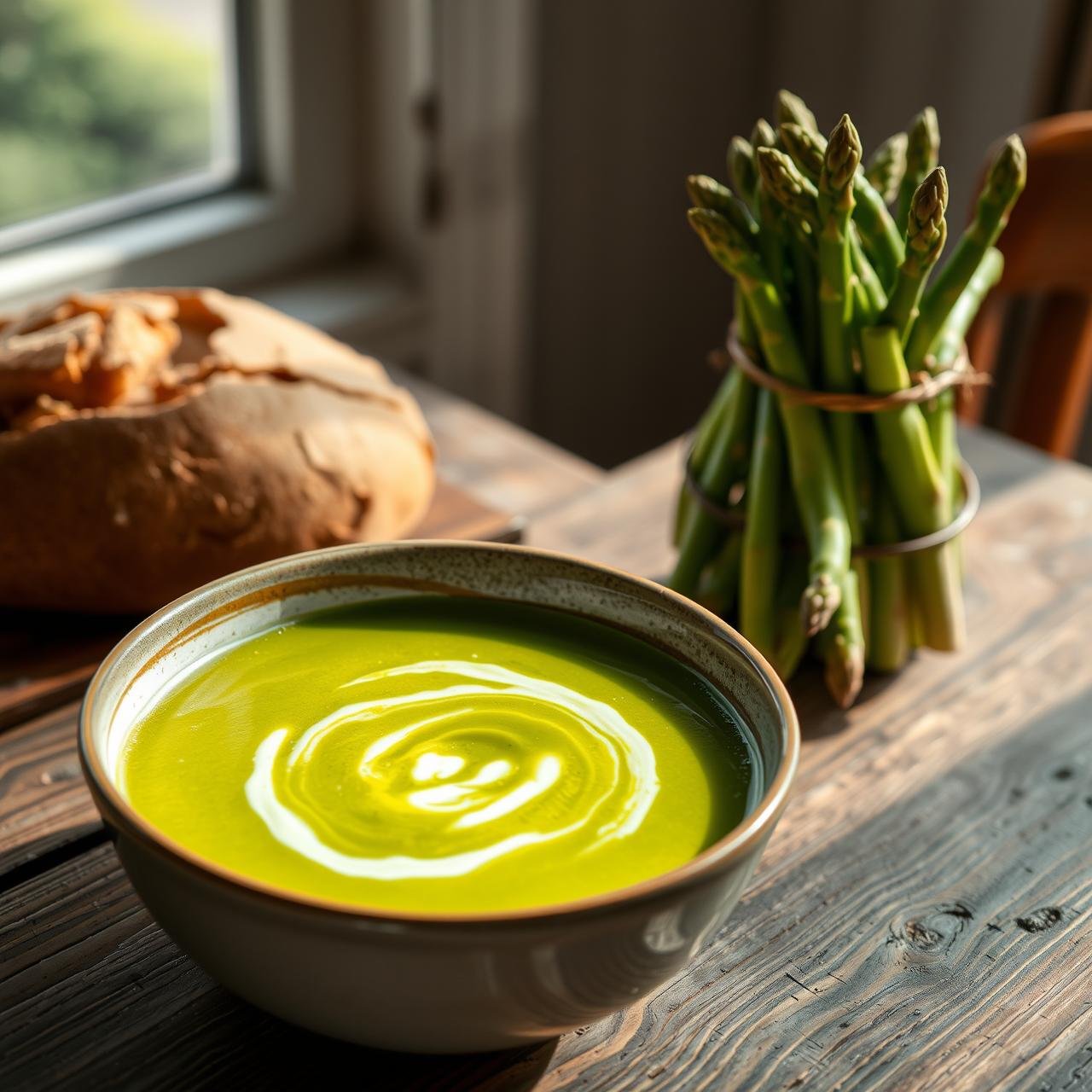
For years, the challenge was achieving that luxurious, velvety texture without resorting to heavy cream or dairy. I wanted a soup that was both indulgent and light, clean yet satisfying. After countless experiments, I unlocked a secret, a humble ingredient hidden in plain sight that transforms this simple soup into a culinary masterpiece. It’s a trick that relies on nature’s own starches to create a texture so silky, you’ll swear there’s cream involved. Today, I’m sharing that secret with you. Prepare to be amazed by the power of simplicity and to create the most stunning, dairy-free Velvety Asparagus Soup you’ve ever tasted.
The Secret to Silky Smoothness: Revealed!
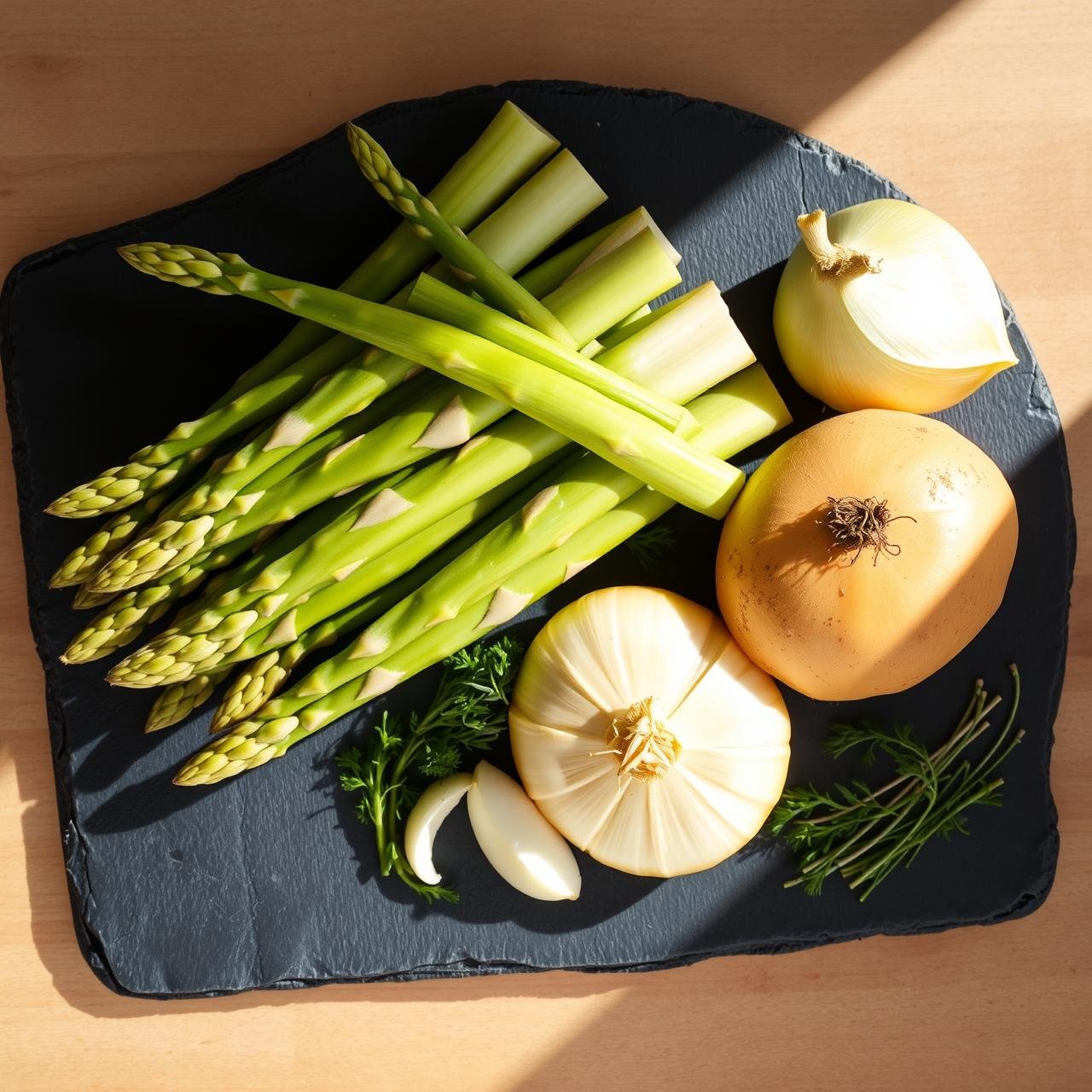
The heart of this recipe, the key to its incredible creaminess, is not an exotic nut or a processed creamer. It’s the humble, ever-reliable Russet potato. It might sound unassuming, but its culinary power is extraordinary. When cooked and blended, the high starch content of the Russet potato breaks down, creating a natural, flawless emulsion. It thickens the soup to a perfect, velvety consistency without altering the delicate, earthy flavor of the asparagus. In fact, it enhances it, providing a neutral, creamy canvas that lets the star ingredient shine.
Why a Potato?
- Neutral Flavor: Unlike coconut milk, which can impart a tropical taste, or cashews, which can be heavy and nutty, the potato is a blank slate. It adds body and texture without competing with the fresh, green notes of the asparagus.
- Allergen-Friendly: This recipe is naturally free from dairy, nuts, and soy, making it accessible to almost everyone.
- Budget-Friendly: Potatoes are one of the most affordable and readily available vegetables, making this gourmet-tasting soup surprisingly economical.
- Nutritional Boost: Potatoes add potassium and vitamin C, contributing to a soup that is as nourishing as it is delicious.
By embracing this simple technique, you elevate the soup from a basic purée to a truly elegant dish, proving that the most remarkable results often come from the simplest of ingredients.
Your Culinary Toolkit: Essential Equipment
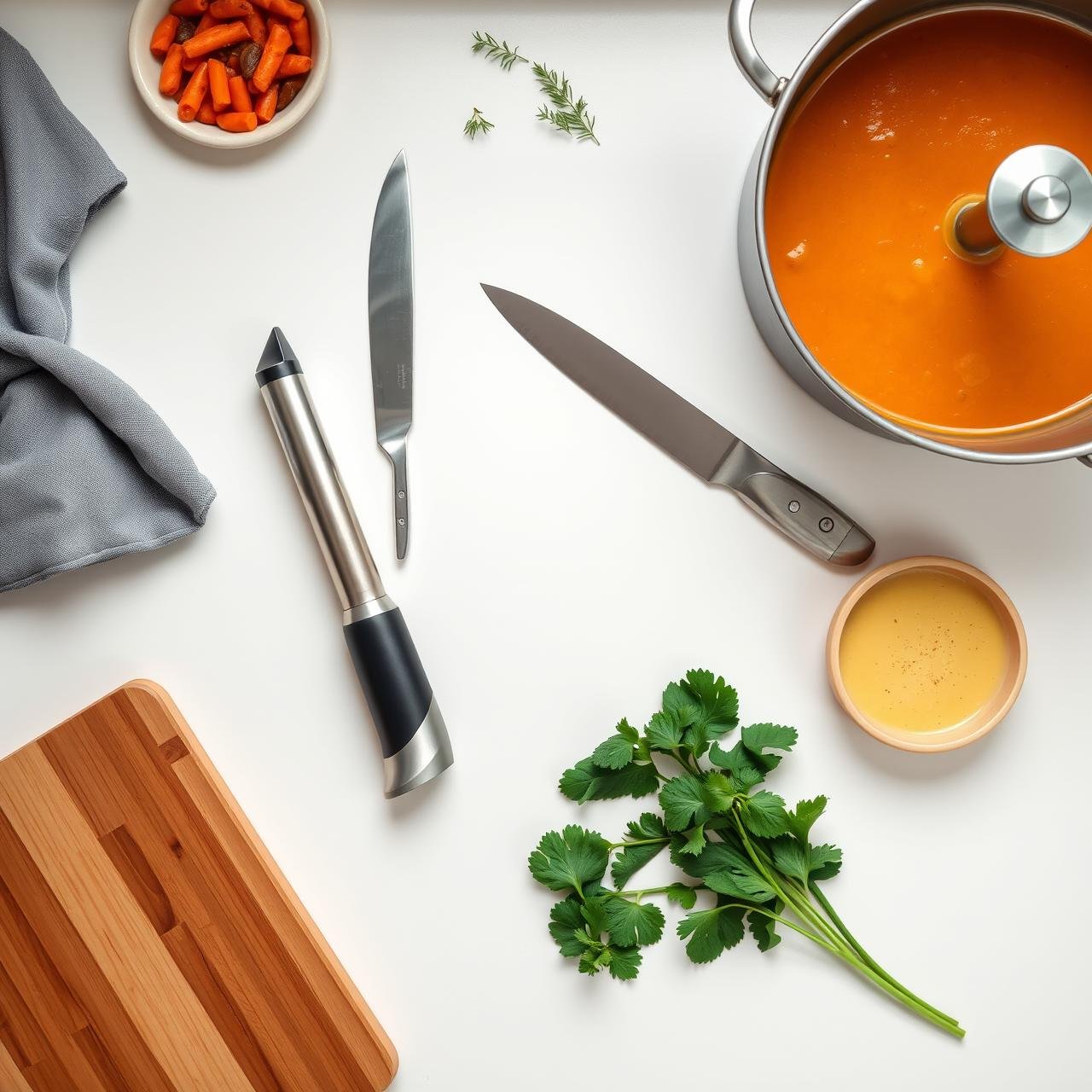
Great cooking often starts with the right tools. You don’t need a professional kitchen, just a few key pieces to ensure a smooth process and flawless results.
| Equipment | Chef’s Note |
|---|---|
| Large Pot or Dutch Oven | A heavy-bottomed pot provides even heat distribution, which is crucial for sweating the aromatics without browning them, building a deep flavor base. |
| High-Powered Blender or Immersion Blender | This is essential for achieving the signature velvety texture. An immersion blender is convenient for blending directly in the pot, while a stand blender (like a Vitamix) can yield an even silkier result. |
| Sharp Chef’s Knife | For uniform chopping of your vegetables. Consistent cuts ensure everything cooks evenly. |
| Large Cutting Board | Provides a stable and ample surface for prepping your fresh ingredients safely. |
| Fine-Mesh Sieve (Optional) | For the ultimate gourmet experience, passing the soup through a sieve after blending will remove any remaining fibrous bits, resulting in an impossibly smooth liquid silk. |
Gathering Your Spring Harvest: The Ingredients
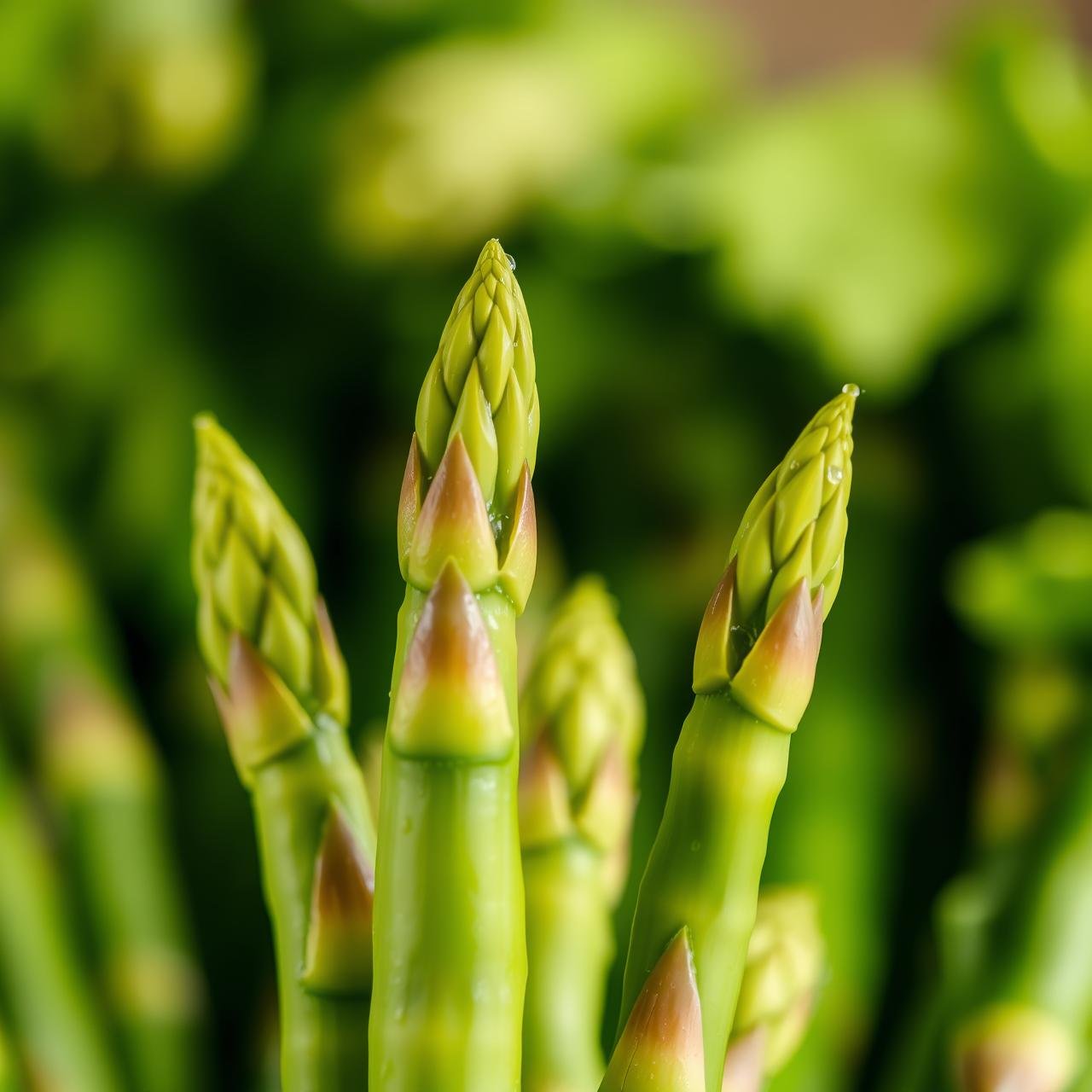
The quality of your soup is a direct reflection of the quality of your ingredients. Choose the freshest produce you can find for the most vibrant flavor and color.
For the Soup
- 2 tbsp Olive Oil, extra virgin
- 1 large Yellow Onion, chopped
- 2 cloves Garlic, minced
- 2 medium Russet Potatoes (about 1 lb or 450g), peeled and diced
- 2 lbs Fresh Asparagus, tough woody ends snapped off
- 6 cups Vegetable Broth, low sodium
- 1 tsp Sea Salt, or to taste
- 1/2 tsp Black Pepper, freshly ground
For Garnish (Optional)
- Reserved asparagus tips
- A drizzle of high-quality extra virgin olive oil or truffle oil
- Freshly chopped chives or dill
- Toasted pumpkin seeds or homemade croutons
- A pinch of red pepper flakes for heat
Crafting the Soup: A Step-by-Step Guide
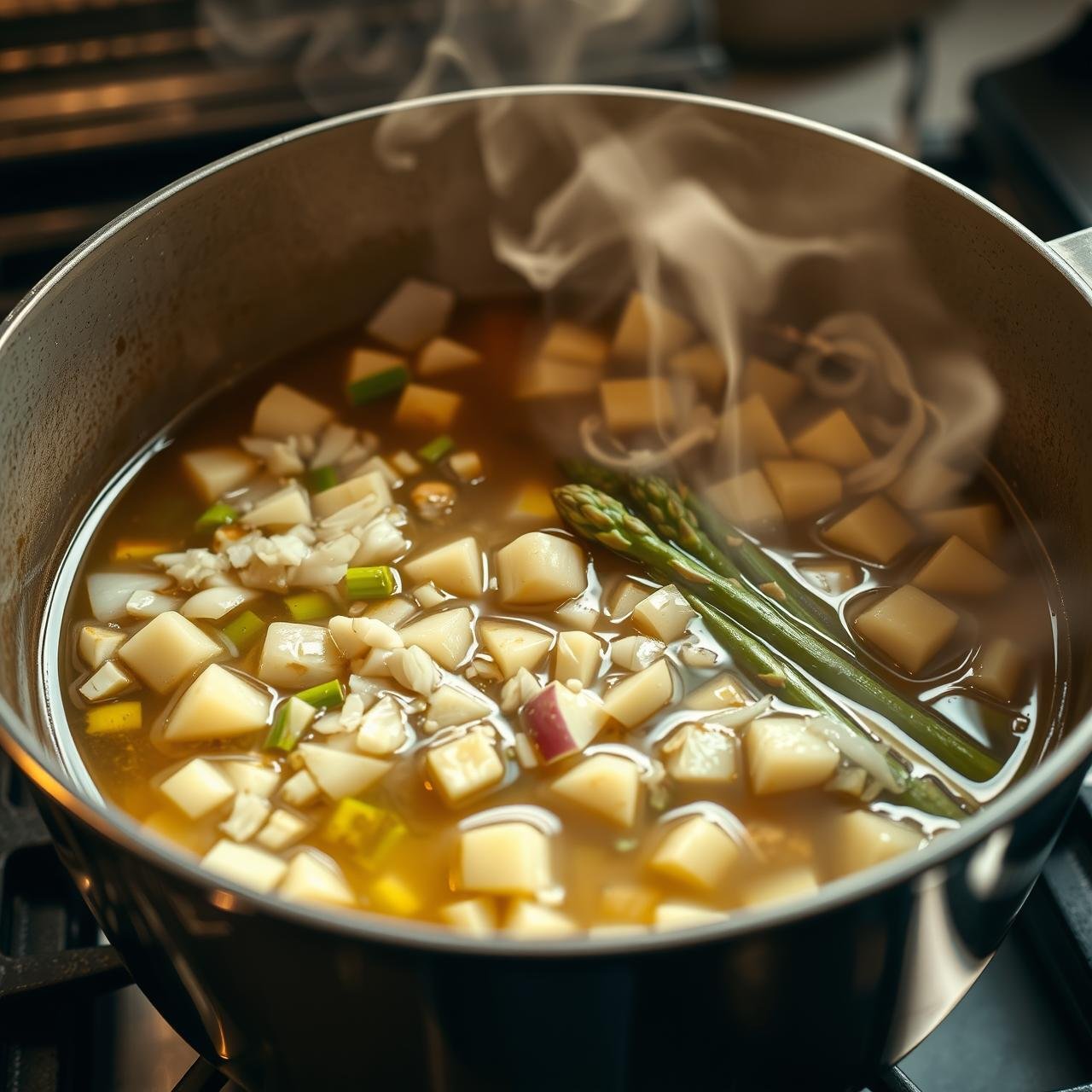
Follow these steps carefully to build layers of flavor and achieve the perfect texture. This is a process of patience and care that pays off beautifully in the final dish.
- Prepare the Asparagus: Start by preparing your star ingredient. Wash the asparagus spears thoroughly. Snap off the tough, woody ends (they will break naturally at the right point). Cut the tender tips off the top 2 inches of about half the spears and set them aside. These will be our elegant garnish. Chop the remaining asparagus stalks into 1-inch pieces.
- Sauté the Aromatics: In your large pot or Dutch oven, heat the olive oil over medium heat. Add the chopped yellow onion and sauté for 5-7 minutes, until softened and translucent, but not browned. This slow sweating process builds a sweet, deep flavor base. Add the minced garlic and cook for another minute until fragrant.
- Build the Soup Base: Add the diced Russet potatoes and the chopped asparagus stalks (not the reserved tips!) to the pot. Stir everything together to coat with the oil and aromatics. Pour in the vegetable broth, ensuring the vegetables are fully submerged.
- Simmer to Perfection: Bring the soup to a boil, then reduce the heat to low, cover, and let it simmer gently for 15-20 minutes. The soup is ready for the next step when the potatoes are fork-tender and the asparagus is soft and a dull olive green. This indicates the vegetables are fully cooked and ready to be blended.
- Blanch the Garnish: While the soup simmers, bring a small pot of salted water to a boil. Add the reserved asparagus tips and blanch for just 1-2 minutes, until they are bright green and tender-crisp. Immediately transfer them to a bowl of ice water to stop the cooking process and lock in their vibrant color. Drain and set aside.
The Blending Technique for a Flawless Finish
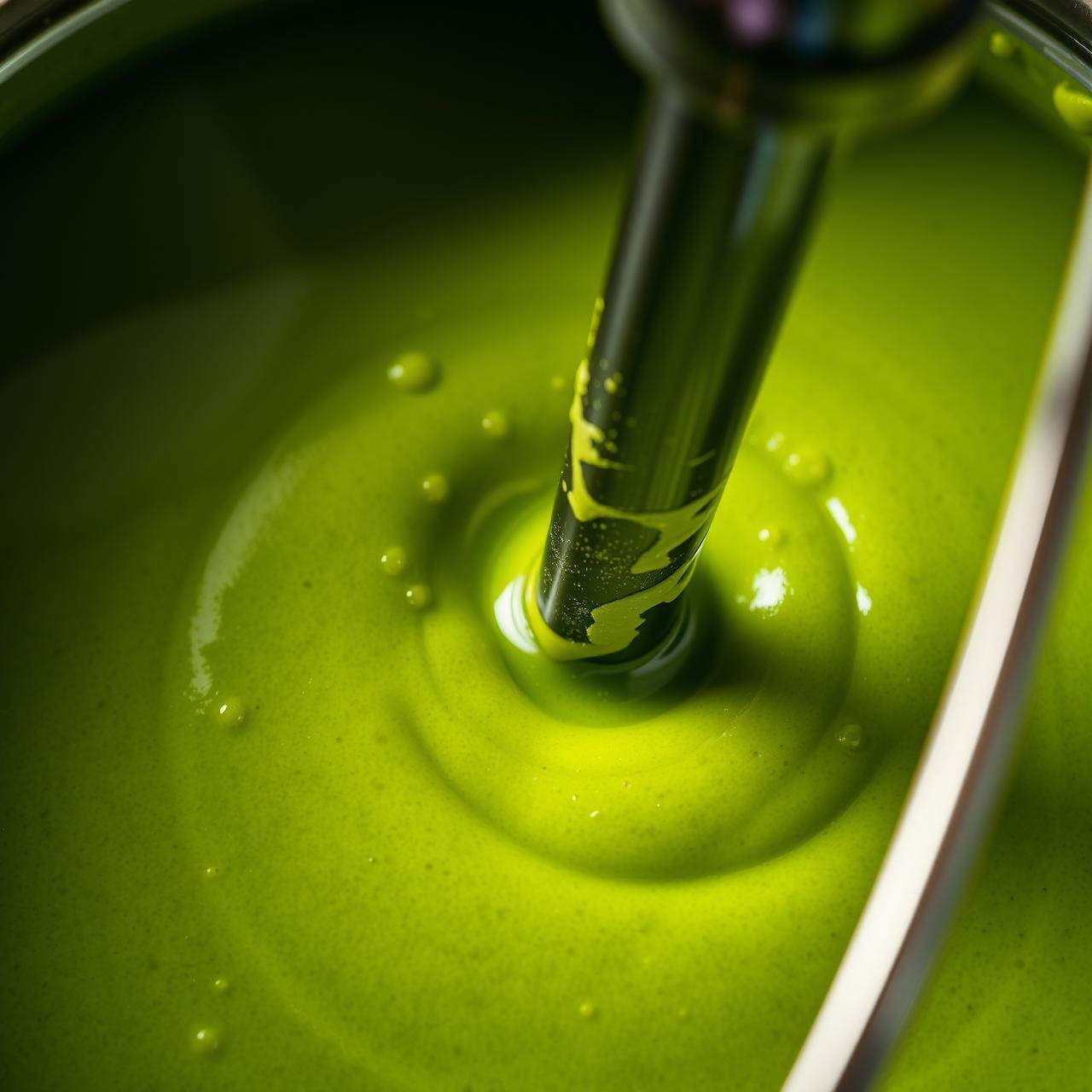
This is the most critical step for achieving that signature velvety texture. Whether using an immersion blender or a stand blender, the goal is to obliterate every fiber until the soup is impossibly smooth.
Using an Immersion Blender:
This is the simplest method. Insert the immersion blender directly into the pot, ensuring the head is fully submerged to avoid splattering. Start on a low speed and gradually increase. Move the blender around the pot, tilting it slightly to create a vortex that pulls all the solids into the blades. Blend for a solid 2-3 minutes, much longer than you think you need, until the soup is completely uniform and silky.
Using a Stand Blender:
For the absolute smoothest result, a high-powered stand blender is unmatched. CAUTION: Blending hot liquids can be dangerous as steam can build pressure. Work in batches, filling the blender no more than halfway. Remove the small plastic cap from the blender lid and cover the opening with a folded kitchen towel. This allows steam to escape safely. Start on low and gradually ramp up to high speed. Blend each batch for at least 60-90 seconds. Pour the blended soup into a clean pot or large bowl. Once all batches are blended, return the soup to the pot to re-warm if needed.
After blending, stir in the salt and pepper. Taste and adjust the seasoning as needed. This is your moment to perfect the flavor profile.
From My Kitchen to Yours: Expert Tips & Variations
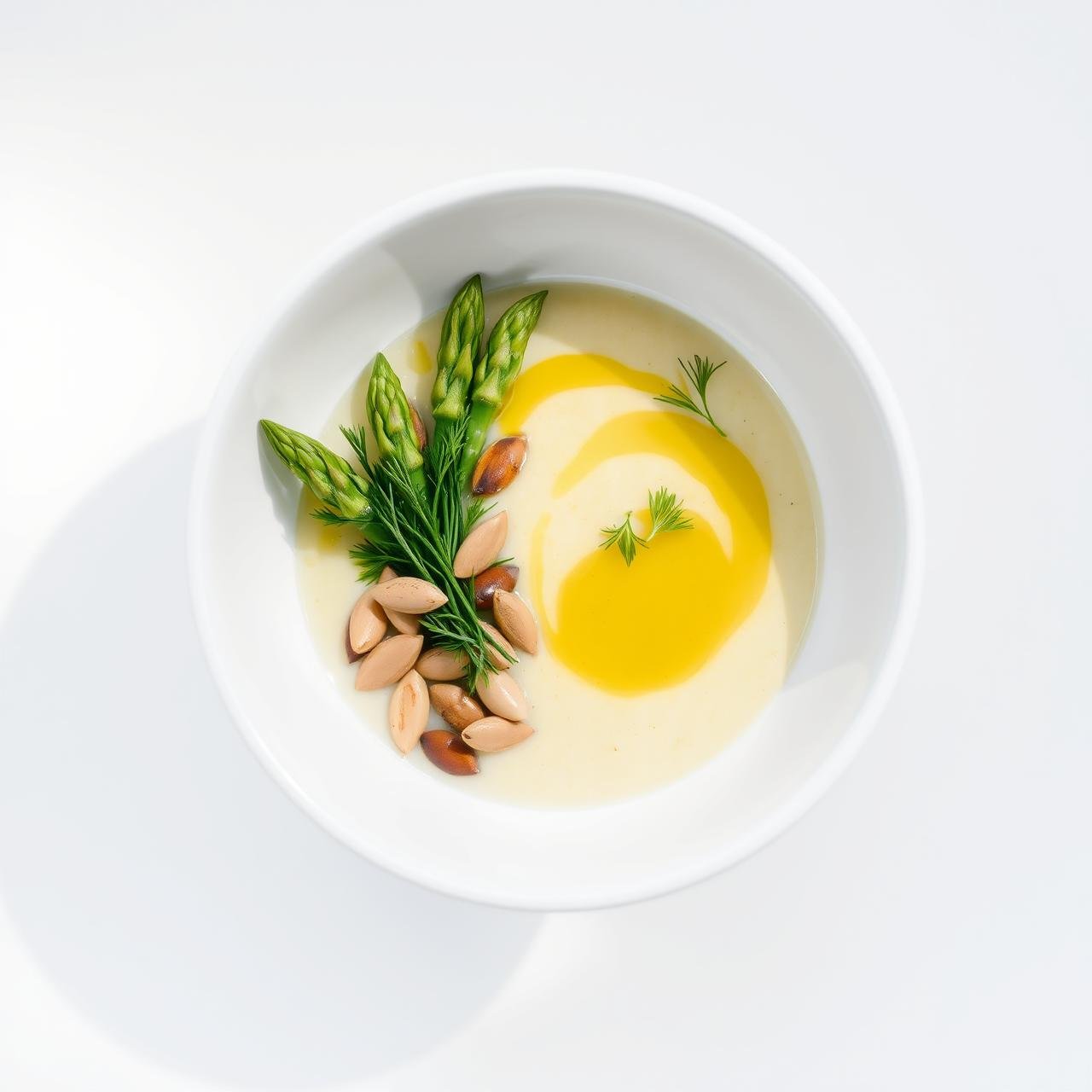
A great recipe is a starting point. Here are some professional tips and creative variations to make this soup your own.
Expert Tips for Success
- Don’t Overcook the Asparagus: While the asparagus needs to be soft for blending, cooking it for too long will result in a brownish, less appealing color. The 15-20 minute simmer time is the sweet spot.
- Roast for Deeper Flavor: For a smokier, more intense flavor, toss the asparagus stalks and potatoes with olive oil, salt, and pepper, and roast them at 400°F (200°C) for 20-25 minutes before adding them to the pot with the broth.
- Use Quality Broth: The broth makes up a large portion of this soup, so use a high-quality, flavorful vegetable broth. Better yet, make your own! You can even use the woody asparagus ends to infuse it with more flavor.
- A Squeeze of Lemon: Acidity brightens flavor. A fresh squeeze of lemon juice stirred in just before serving can elevate all the earthy, green notes of the soup.
Flavor Variations to Explore
- Herbal Infusion: Add a bay leaf to the soup while it simmers, or blend in a handful of fresh parsley, dill, or tarragon for a fresh, herbaceous kick.
- Spicy Edition: Sauté a pinch of red pepper flakes with the garlic, or add a dash of cayenne pepper during the blending process for a gentle, warming heat.
- Pesto Swirl: Swirl a spoonful of dairy-free basil pesto into each bowl before serving for a burst of fresh, nutty, and garlicky flavor.
- White Bean Boost: For added protein and even more creaminess, add a can of rinsed and drained cannellini beans to the pot along with the potatoes.
A Look at the Nutrition

This soup is a powerhouse of nutrients, offering a clean, plant-based meal that nourishes from the inside out. The following is an estimated nutritional breakdown per serving (assuming the recipe makes 6 servings).
| Nutrient | Amount Per Serving |
|---|---|
| Calories | ~150 kcal |
| Protein | ~5 g |
| Fat | ~5 g |
| Carbohydrates | ~22 g |
| Fiber | ~6 g |
| Sugar | ~6 g |
| Sodium | ~450 mg (with low-sodium broth) |
| Vitamin K | High |
| Folate | High |
| Potassium | Moderate |
Disclaimer: Nutritional information is an estimate and can vary based on the specific ingredients and quantities used.
Making it Last: Storage and Reheating
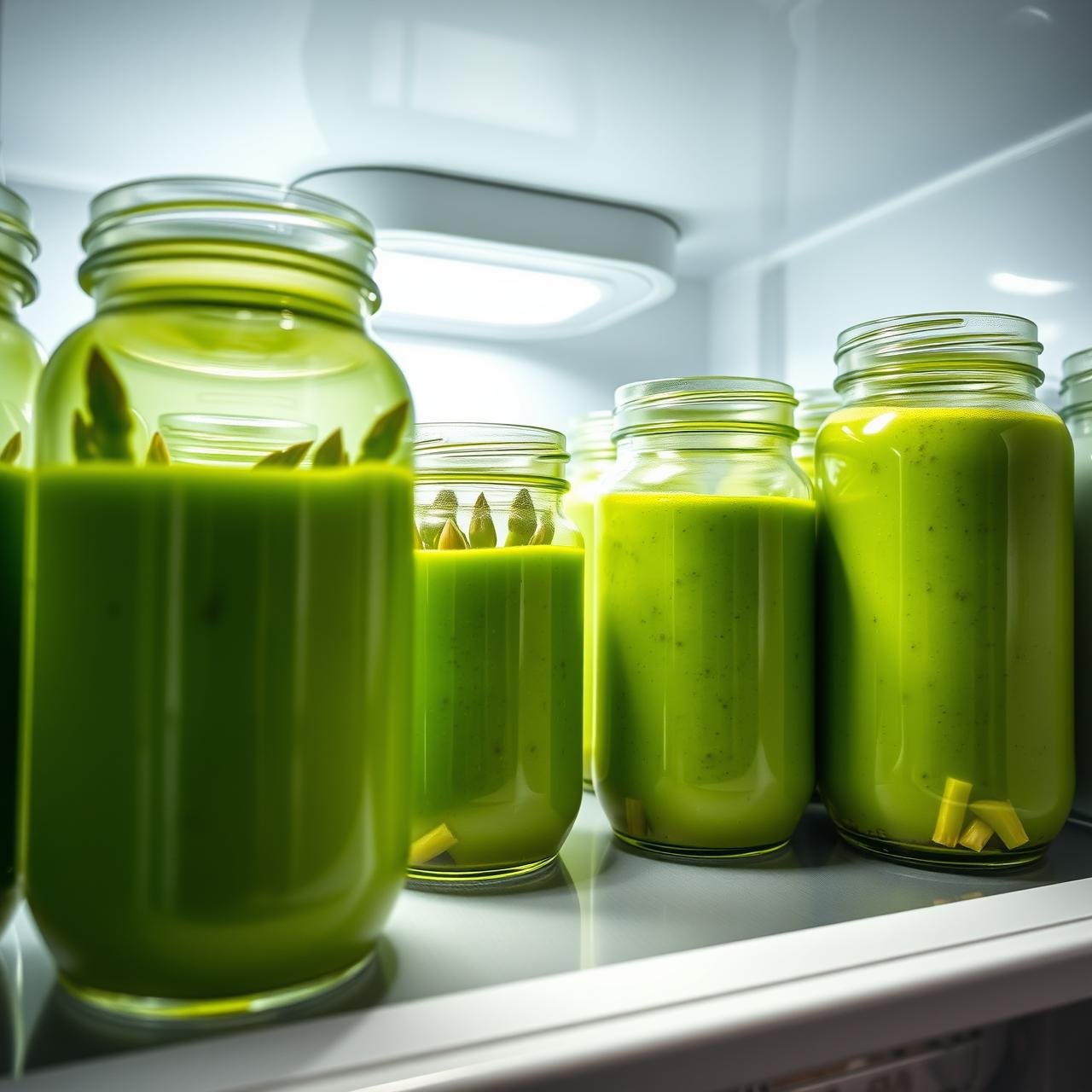
This soup is wonderful for meal prep and tastes just as delicious the next day. Proper storage is key to maintaining its flavor and texture.
Refrigeration
Allow the soup to cool completely to room temperature. Transfer it to an airtight container and store it in the refrigerator for up to 4 days. The flavors may even deepen and meld overnight.
Freezing
This soup freezes beautifully. Once cooled, pour it into freezer-safe containers or resealable bags, leaving about an inch of headspace for expansion. It can be frozen for up to 3 months. To thaw, transfer it to the refrigerator overnight.
Reheating
Gently reheat the soup in a saucepan over medium-low heat, stirring occasionally until it is warmed through. Avoid boiling it, as this can affect the texture. If the soup has thickened too much upon standing, you can whisk in a splash of vegetable broth or water until it reaches your desired consistency. Adjust seasoning if necessary before serving.
Conclusion
There you have it—a soup that is the very essence of spring. It’s a testament to the idea that luxurious, satisfying food can also be simple, healthy, and born from the most humble ingredients. The magic of the potato creates a creamy, dairy-free base that allows the fresh, vibrant flavor of asparagus to take center stage. This Velvety Asparagus Soup is more than just a recipe; it’s a technique, a celebration of the season, and a nourishing meal that will delight everyone at your table. I encourage you to head to your local market, grab a beautiful bunch of asparagus, and experience this culinary alchemy for yourself. Happy cooking!