Unstuffed Cabbage Casserole: All The Flavor, None of the Work (No Fluff)
There are certain dishes that taste like home, recipes steeped in tradition and passed down through generations. Stuffed cabbage rolls are undeniably one of them. The tender cabbage leaves encasing a savory mixture of meat and rice, all simmered in a tangy tomato sauce, is the epitome of comfort food. Yet, let’s be honest: the process is a labor of love. Blanching leaves, carefully rolling, and arranging them just so can take up the better part of an afternoon. What if you could capture that same soul-warming flavor without all the fuss? Enter the Unstuffed Cabbage Casserole.
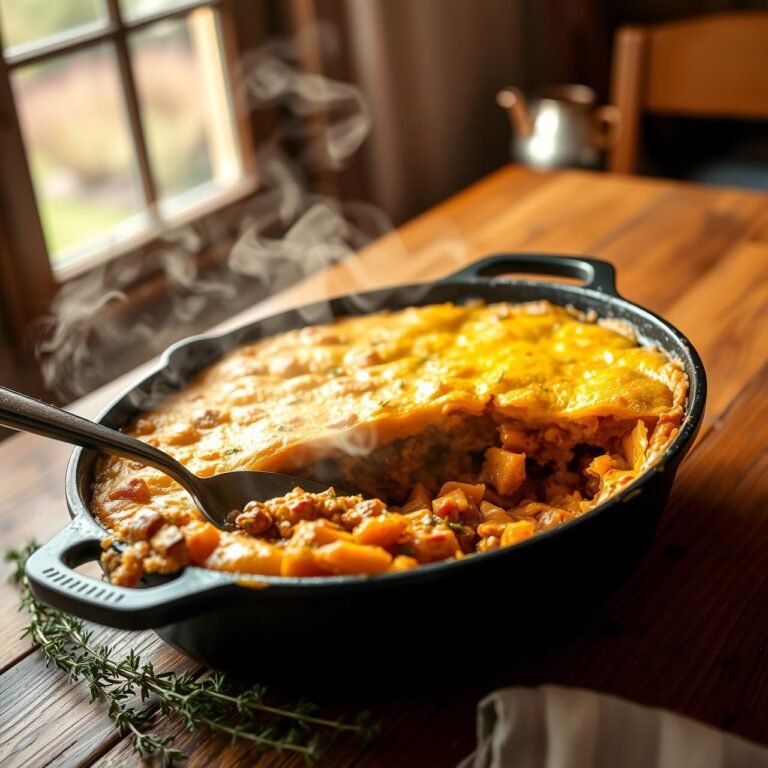
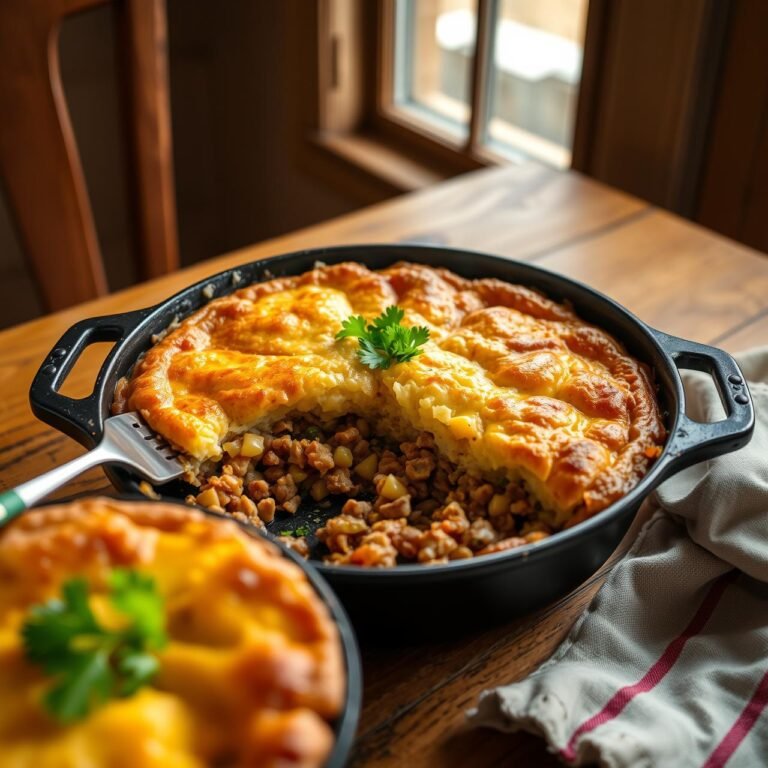
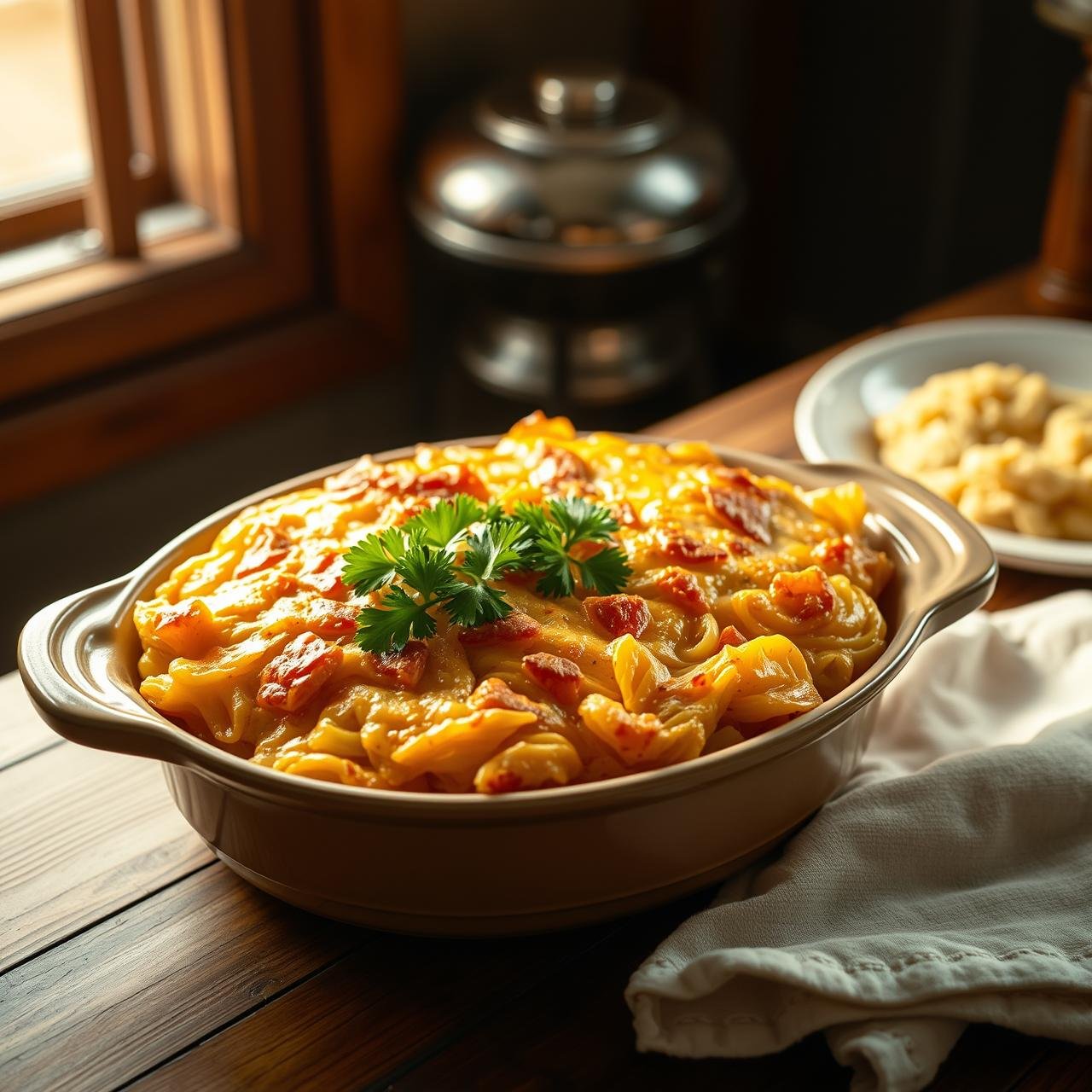
This recipe is the answer for the modern home cook who craves rustic, homestyle flavor but operates on a weeknight schedule. We deconstruct the classic, layering all the beloved components into a simple, hearty casserole that bakes to perfection in one dish. It’s a practical, no-fluff approach to a timeless classic, ensuring you get all the delicious results with a fraction of the effort. Prepare to make this your new family favorite; it’s a culinary shortcut that sacrifices nothing in taste.
The Philosophy: Why Deconstructed Cabbage Rolls Work
The magic of this dish lies in its simplicity. By forgoing the individual rolls, we transform a multi-step, complex recipe into a straightforward layering process. All the core components remain: savory ground meat, tender-crisp cabbage, fluffy rice, and a rich, tangy tomato sauce. When baked together, these ingredients meld and marry, creating a cohesive dish where every spoonful delivers the perfect ratio of flavors and textures. The cabbage softens beautifully, absorbing the savory juices from the meat and the bright acidity of the tomatoes, while the rice soaks up the sauce, becoming plump and flavorful. It’s a testament to the idea that great food doesn’t need to be complicated; it just needs to be well-conceived with quality ingredients.
Essential Kitchen Equipment
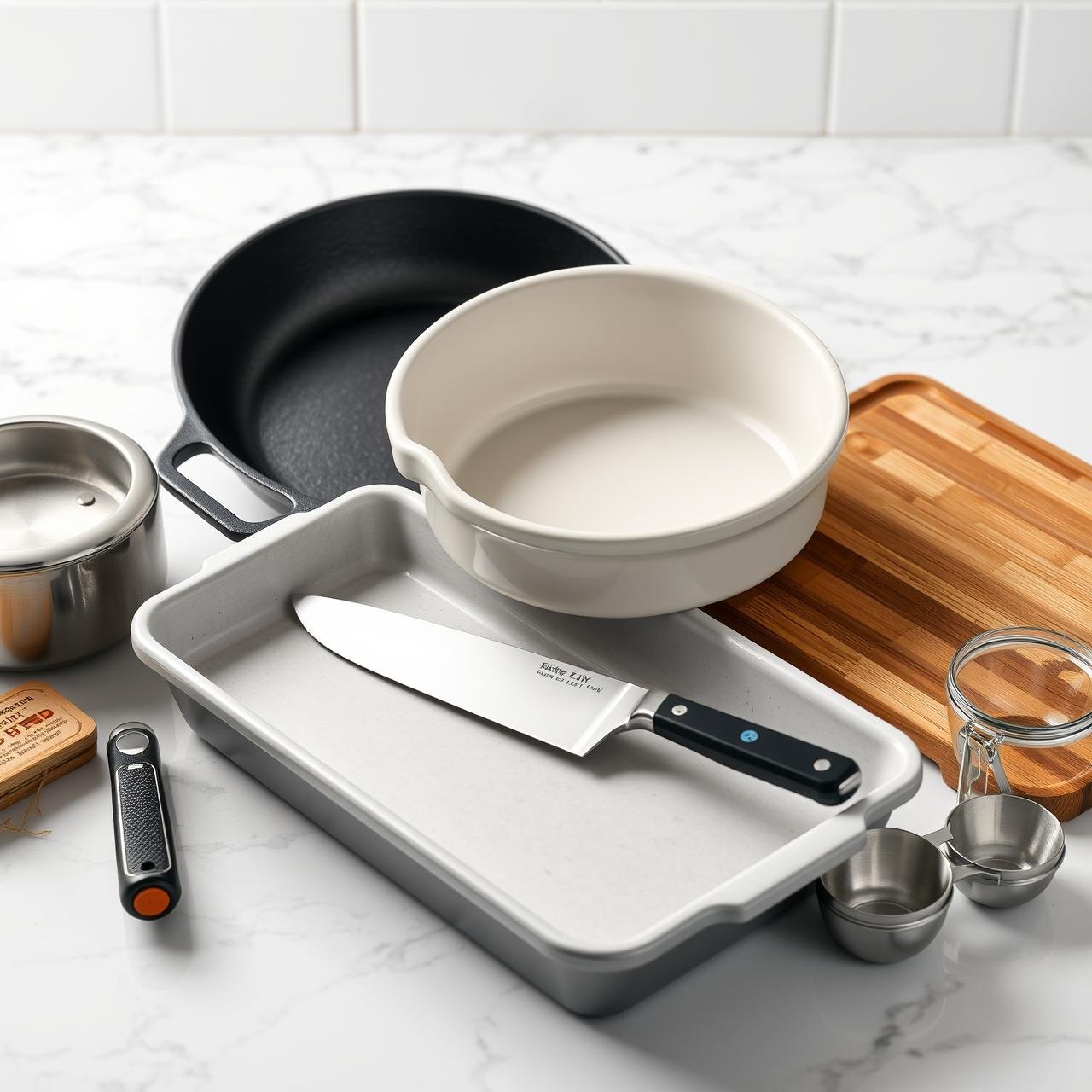
You don’t need any fancy gadgets for this rustic dish. The beauty is in its simplicity, which extends to the tools required. Here is what you’ll need to have on hand:
- Large Skillet or Dutch Oven: A heavy-bottomed pan with high sides is essential for browning the meat and sautéing the aromatics. Cast iron is an excellent choice for even heat distribution.
- 9×13-inch Casserole Dish: This is the standard size for this recipe, providing enough surface area for a nice golden-brown top. A ceramic or glass dish works perfectly.
- Large Cutting Board and Chef’s Knife: For efficiently chopping the cabbage, onion, and garlic.
- Mixing Bowls: A large bowl for combining the meat mixture and a smaller one for the sauce.
- Measuring Cups and Spoons: For accurate ingredient portions, which is key to a balanced sauce.
- Spatula or Wooden Spoon: For breaking up the ground meat and stirring the ingredients in the skillet.
Ingredient Breakdown: The Building Blocks of Flavor
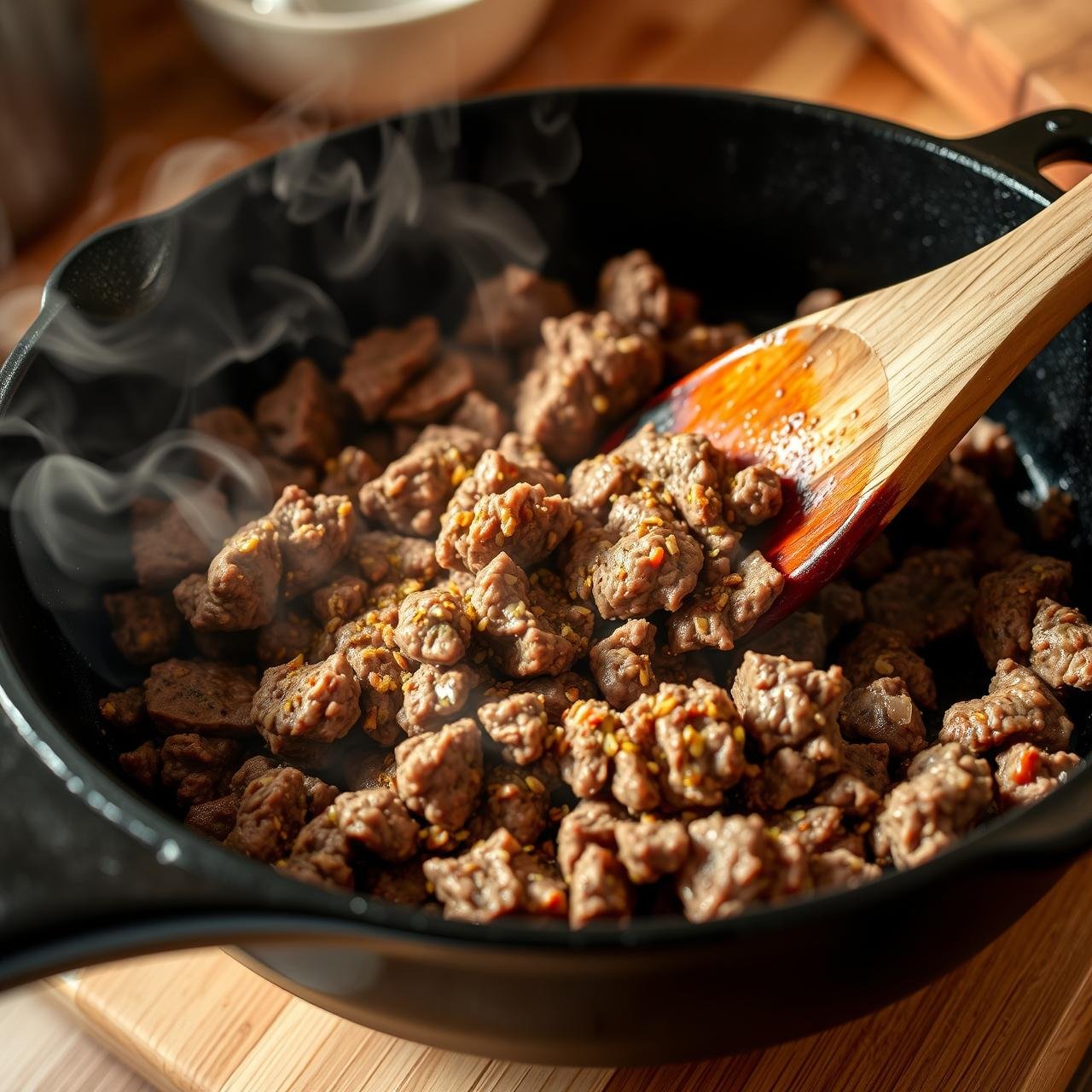
The quality of your casserole is directly tied to the quality of your ingredients. Here’s a chef’s look at what you need and why:
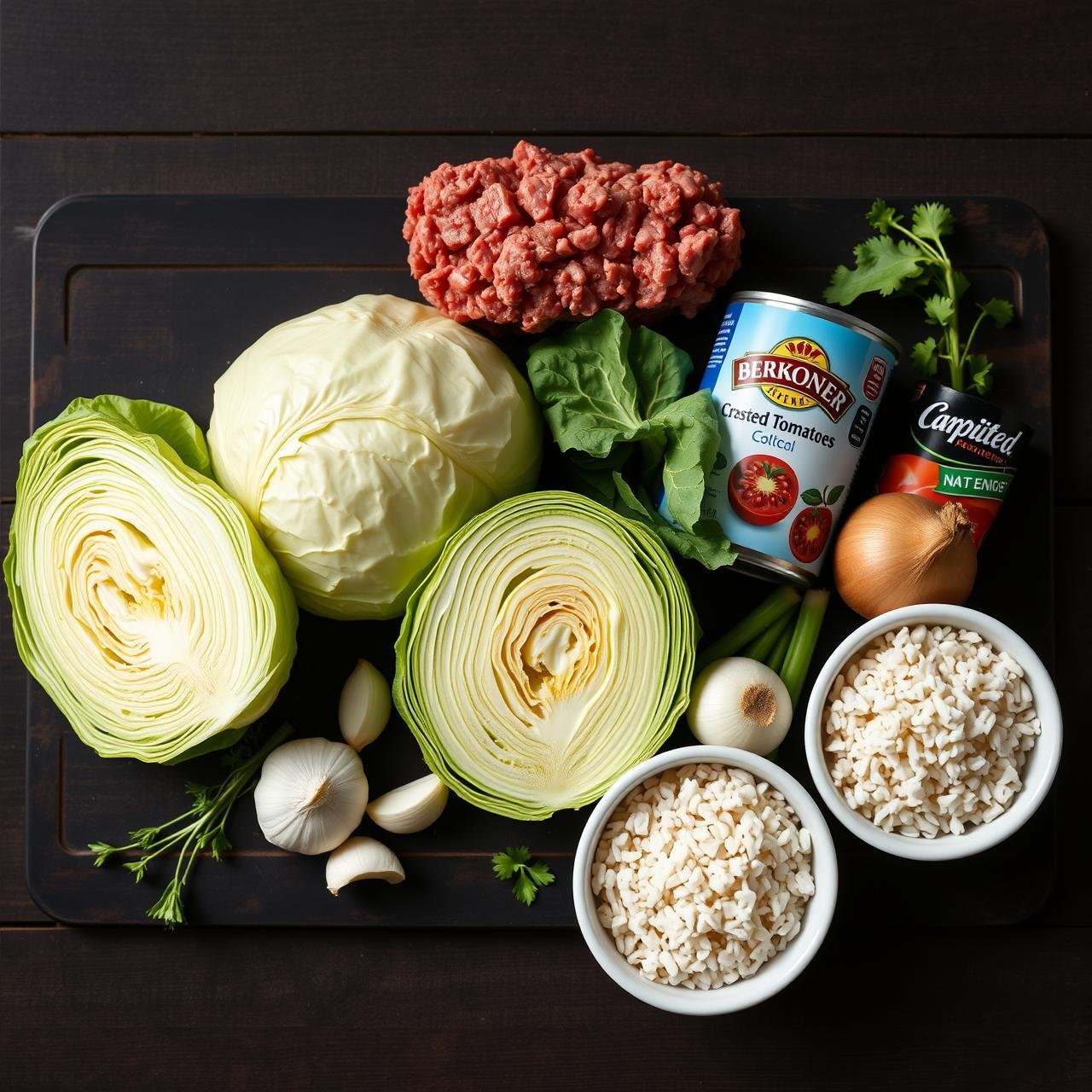
- Ground Beef: 2 pounds of 85/15 ground beef is ideal. The 15% fat content provides incredible flavor and moisture, preventing the casserole from becoming dry. You can also use ground turkey, chicken, or a mix of pork and beef.
- Green Cabbage: 1 large head, cored and roughly chopped. You want bite-sized pieces, not a fine shred. The cabbage will cook down significantly, so don’t be shy with the amount.
- Onion & Garlic: 1 large yellow onion, diced, and 4 cloves of garlic, minced. These are the foundational aromatics that build the savory base of the dish.
- Long-Grain White Rice: 1 cup, uncooked. The rice cooks directly in the casserole, absorbing the sauce and juices. Long-grain varieties like Jasmine or Basmati hold their shape well. Do not use instant rice.
- Crushed Tomatoes: 1 (28-ounce) can. Crushed tomatoes provide the perfect consistency for the sauce—not too chunky, not too thin.
- Tomato Sauce: 1 (15-ounce) can. This adds depth and a smoother texture to the overall sauce base.
- Beef Broth: 1 cup of low-sodium beef broth. This provides the necessary liquid to cook the rice and cabbage, while also enriching the meat flavor.
- Brown Sugar: 2 tablespoons, packed. This may seem unusual, but it’s a traditional secret. It balances the acidity of the tomatoes, creating a wonderfully complex, sweet-and-sour flavor profile.
- Apple Cider Vinegar: 2 tablespoons. This adds a crucial tangy note that brightens the entire dish and cuts through the richness of the meat.
- Worcestershire Sauce: 1 tablespoon. For a deep, umami kick that elevates the savory notes.
- Seasoning: 1 teaspoon each of dried thyme, salt, and black pepper, plus more to taste.
- Olive Oil: 2 tablespoons for sautéing.
The Method: Step-by-Step Casserole Construction
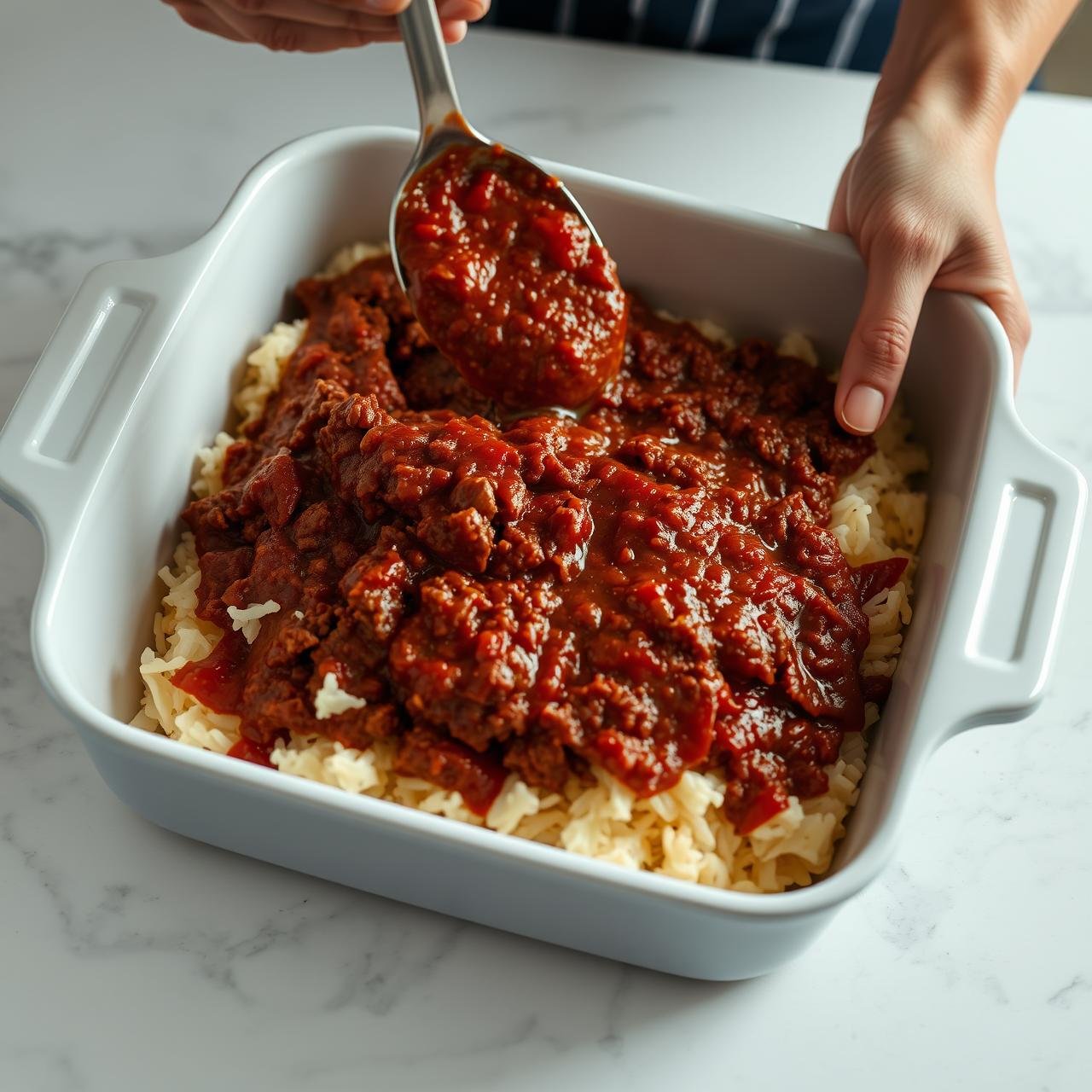
Follow this blueprint carefully for a perfect result every time. The key is to build layers of flavor from the very beginning.
Step 1: Prepare Your Components
- Preheat your oven to 375°F (190°C). Lightly grease your 9×13-inch casserole dish.
- Core the head of cabbage and chop it into roughly 1-inch pieces. Dice the onion and mince the garlic. Set aside.
Step 2: Build the Flavor Base
- In your large skillet or Dutch oven, heat the olive oil over medium-high heat. Add the diced onion and cook until softened and translucent, about 5-7 minutes.
- Add the ground beef to the skillet. Use a spatula to break it apart and cook until it is browned all over, about 8-10 minutes. Drain off any excess grease.
- Stir in the minced garlic, dried thyme, salt, and pepper. Cook for another minute until the garlic is fragrant.
Step 3: Create the Sauce
- To the skillet with the meat mixture, add the crushed tomatoes, tomato sauce, beef broth, brown sugar, apple cider vinegar, and Worcestershire sauce.
- Stir everything together until well combined. Bring the mixture to a gentle simmer and let it cook for 5 minutes to allow the flavors to meld. Taste and adjust seasoning if necessary.
Step 4: Assemble the Casserole
- Spread half of your chopped cabbage evenly across the bottom of the prepared casserole dish.
- Sprinkle the 1 cup of uncooked long-grain white rice evenly over the cabbage layer.
- Carefully spoon the entire meat and sauce mixture over the rice and cabbage.
- Top the meat mixture with the remaining half of the chopped cabbage, spreading it into an even layer.
Step 5: Bake to Perfection
- Cover the casserole dish tightly with aluminum foil. This is a critical step, as it traps the steam needed to cook the cabbage and rice thoroughly.
- Bake in the preheated oven for 45 minutes.
- After 45 minutes, carefully remove the foil. Return the casserole to the oven and bake, uncovered, for another 15-20 minutes. This allows the top to brown slightly and any excess liquid to evaporate.
- The casserole is done when the cabbage is tender, the rice is fully cooked, and the sauce is bubbly. Let it rest for 10 minutes before serving. This allows the casserole to set, making it easier to serve.
Expert Tips and Variations
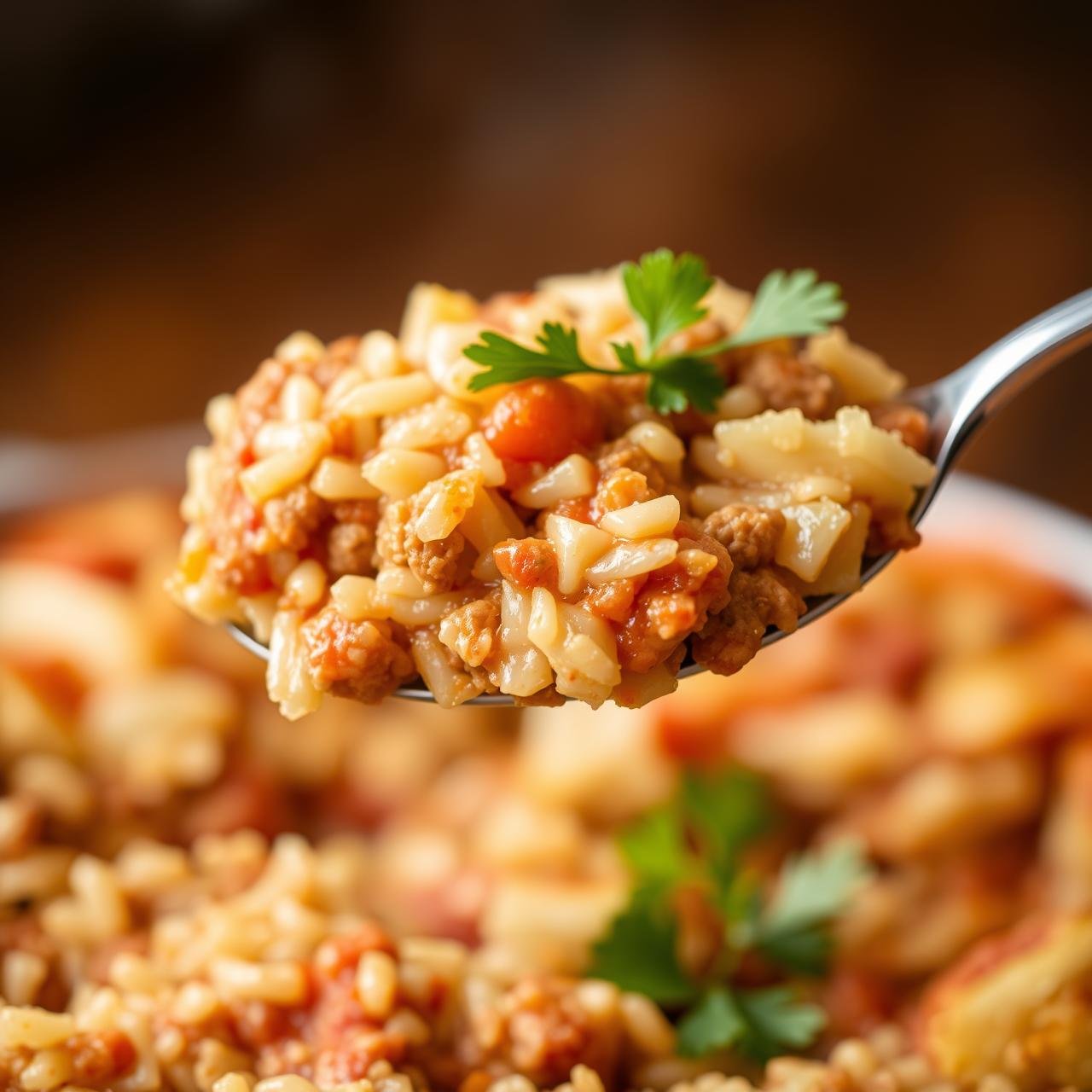
Making it Your Own
A great recipe is a starting point. Here are some professional tips and variations to customize this dish to your liking.
- Cheese Topping: For an extra decadent version, sprinkle 1 cup of shredded mozzarella or sharp cheddar cheese over the top during the last 15 minutes of uncovered baking.
- Spice it Up: Add 1/2 teaspoon of red pepper flakes to the meat mixture along with the other seasonings for a gentle, warming heat.
- Grain Variations: You can substitute the white rice with brown rice, but you will need to increase the beef broth by 1/2 cup and the initial covered baking time by about 15-20 minutes, as brown rice takes longer to cook. Quinoa also works well for a higher-protein option.
- Add Veggies: Feel free to incorporate other vegetables. Shredded carrots or finely diced bell peppers can be sautéed with the onion for extra nutrition and sweetness.
- Make-Ahead Instructions: You can assemble the entire casserole up to 24 hours in advance. Cover it tightly and refrigerate. When ready to bake, you may need to add 10-15 minutes to the initial covered baking time since it will be starting from cold.
Nutritional Information
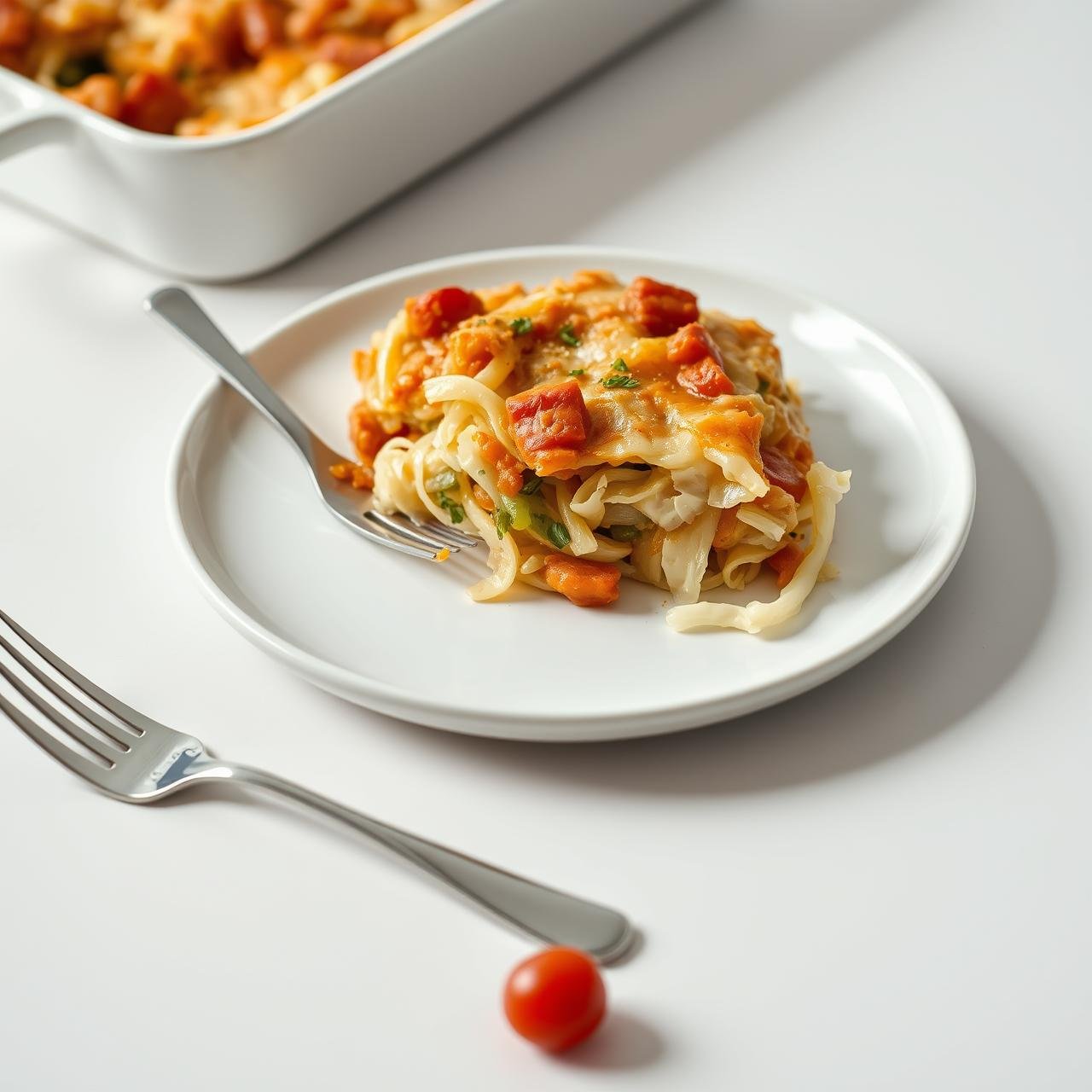
Here is an estimated nutritional profile per serving, assuming the recipe makes 8 servings. Please note that these values are approximate and can vary based on the specific ingredients used.
| Nutrient | Amount Per Serving |
|---|---|
| Calories | 450 kcal |
| Protein | 28g |
| Carbohydrates | 35g |
| Fat | 22g |
| Saturated Fat | 9g |
| Fiber | 6g |
| Sugar | 12g |
| Sodium | 680mg |
Storage and Reheating Instructions
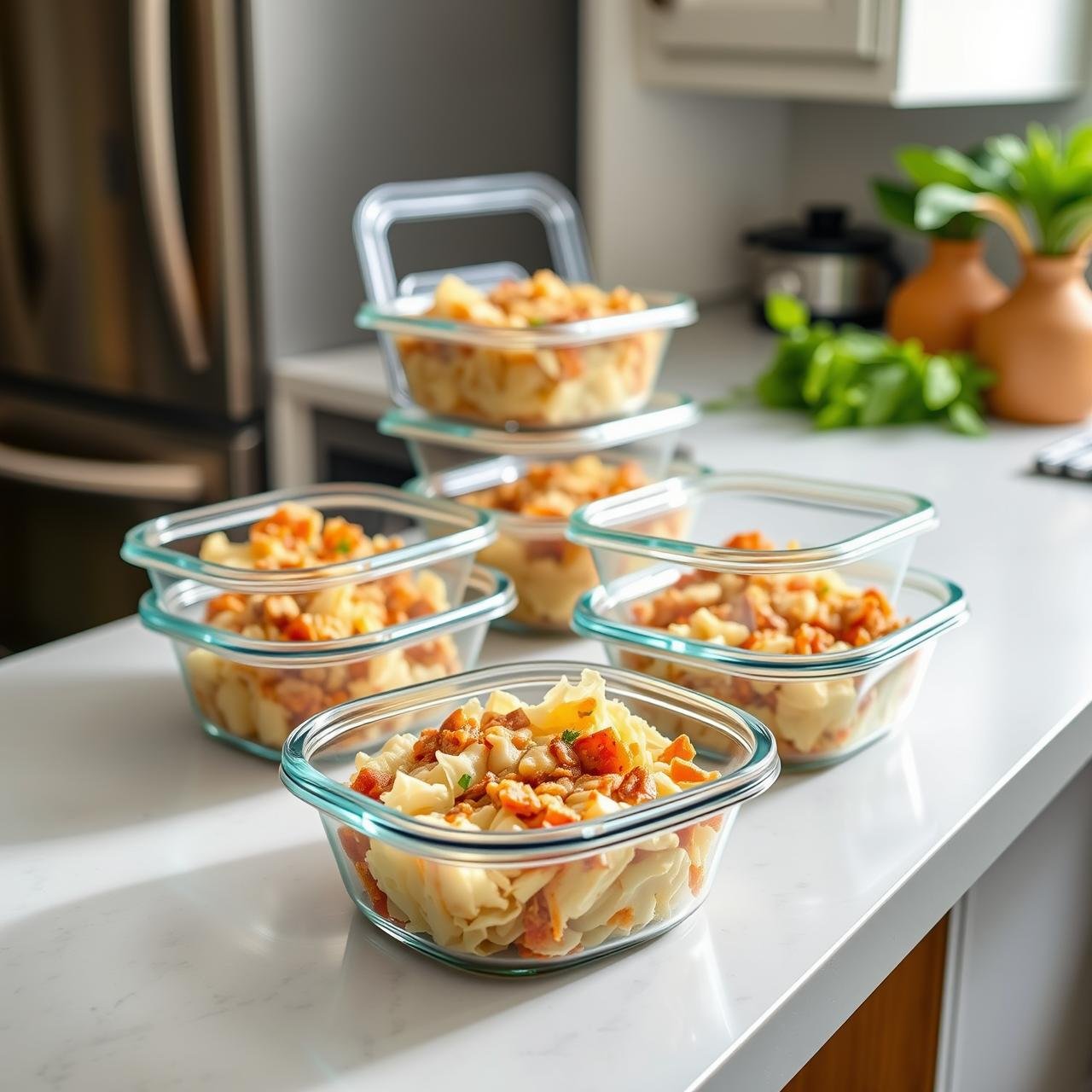
This casserole is fantastic for meal prep, as the flavors continue to deepen overnight. Proper storage is key to enjoying it for days to come.
Refrigeration
Allow the casserole to cool completely to room temperature. Transfer it to an airtight container or cover the baking dish tightly with plastic wrap or foil. It can be stored in the refrigerator for up to 4 days.
Freezing
For longer storage, this dish freezes beautifully. You can freeze the entire casserole in a freezer-safe dish or portion it into individual airtight containers. It will keep well in the freezer for up to 3 months.
Reheating
To reheat from the refrigerator, you can microwave individual portions for 2-3 minutes or until hot. To reheat a larger portion, place it in an oven-safe dish, cover with foil, and bake at 350°F (175°C) for 20-25 minutes, or until heated through. If reheating from frozen, it’s best to thaw it in the refrigerator overnight first. You may want to add a splash of beef broth or water before reheating to restore moisture.
Conclusion
This Unstuffed Cabbage Casserole is more than just a recipe; it’s a celebration of flavor, convenience, and the joy of a home-cooked meal. It proves that you don’t need to spend hours in the kitchen to create something deeply nourishing and delicious. By embracing this simple, deconstructed approach, you reclaim your time while still honoring the rustic, comforting flavors of a cherished classic. We invite you to bring this dish into your kitchen, make it your own, and share the warmth and satisfaction with your loved ones. It’s a meal that’s sure to be requested again and again.