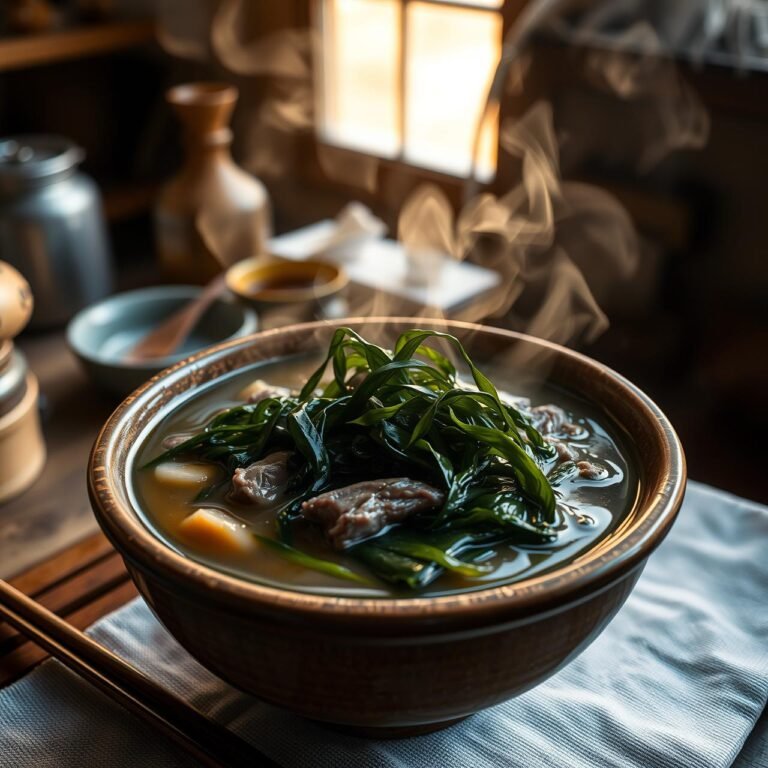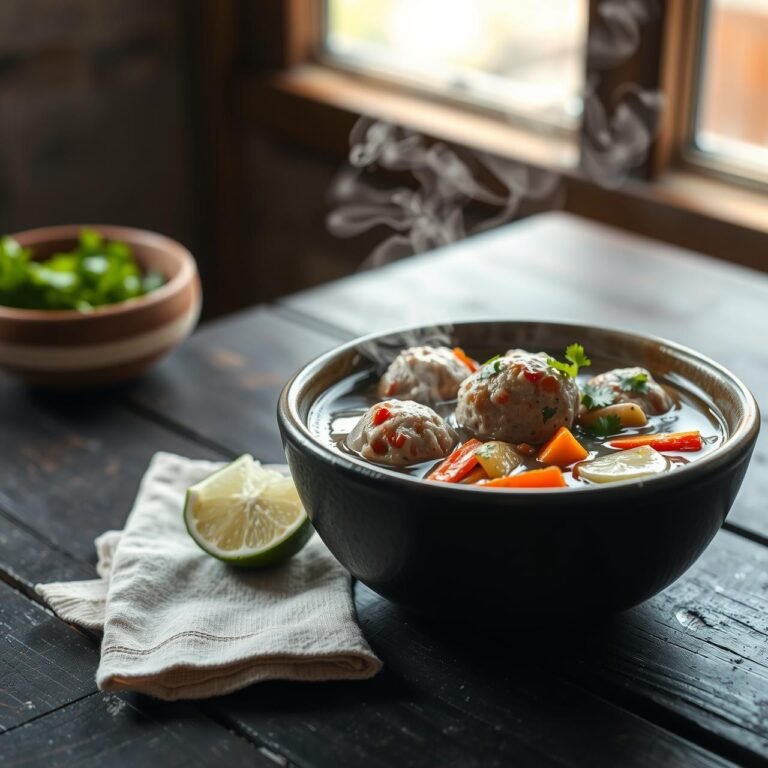
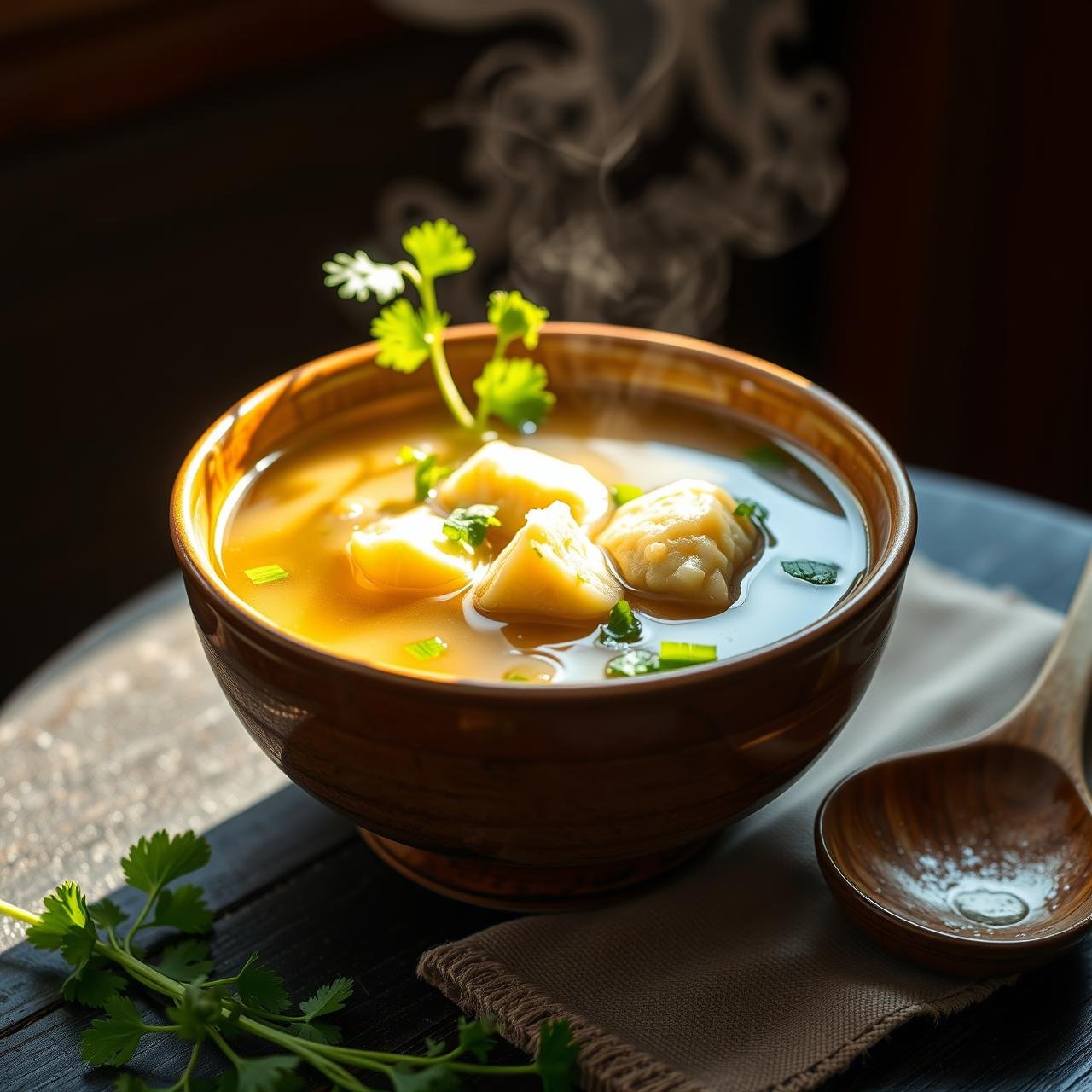
Traditional Stuffed Bitter Melon Soup: A Natural Metabolism Booster
There are certain dishes that transport you straight to a family kitchen, filled with the comforting aromas of a slow-simmered broth and the quiet hum of generations-old wisdom. Traditional Stuffed Bitter Melon Soup, or Canh Khổ Qua Nhồi Thịt as it’s known in Vietnamese, is one of those dishes. At first glance, the star ingredient—the bitter melon—might seem intimidating. Its bumpy, rugged exterior and famously bitter taste can be a culinary challenge. But I invite you to look beyond that, to see it as a delicious puzzle waiting to be solved.
In many Asian cultures, bitterness in food is not something to be avoided, but rather embraced as a sign of potent medicinal properties. This soup is the perfect embodiment of that philosophy. It’s a dish built on balance, where the assertive bitterness of the gourd is lovingly tamed and transformed by a savory, juicy pork filling and a delicate, clean broth. The result is a soup that is profoundly comforting, surprisingly light, and deeply nourishing. More than just a meal, it’s considered a natural tonic, celebrated for its ability to purify the body and, as we’ll explore, give your metabolism a gentle, natural boost. Join me in the kitchen as we unravel the secrets to this cherished, homestyle classic.
The Star of the Show: Embracing the Bitter Melon
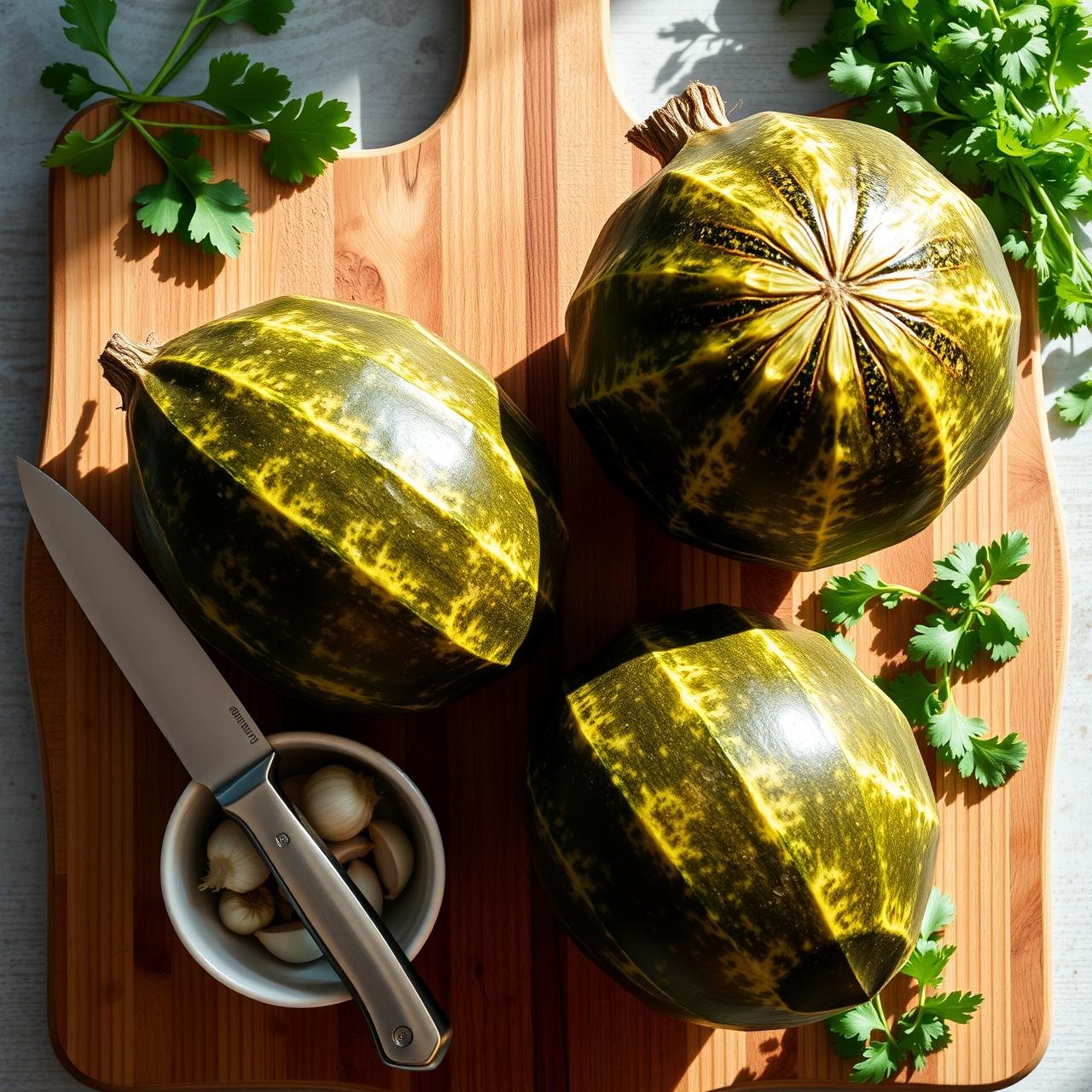
Before we begin cooking, let’s pay homage to our main ingredient. The bitter melon, also known as bitter gourd or khổ qua, is a vegetable that commands respect. Its bitterness comes from powerful compounds like momordicin and charantin, which are the very source of its incredible health benefits. Traditionally, it’s been used in herbal medicine for centuries to help regulate blood sugar levels, improve digestion, and cleanse the system. Its reputation as a metabolism booster stems from its ability to stimulate the liver and improve fat metabolism.
When selecting your bitter melons, look for ones that are firm to the touch with a vibrant, bright green color. Avoid any with soft spots or a yellowish hue, as they tend to be overly bitter and less fresh. Smaller to medium-sized melons are often preferred as they are typically less bitter and have thinner skin. The key to this dish is not to eliminate the bitterness entirely—that would be missing the point—but to mellow it, to bring it into a beautiful, savory harmony with the other ingredients. We will achieve this through a simple but crucial preparation technique.
Your Culinary Toolkit: Essential Equipment
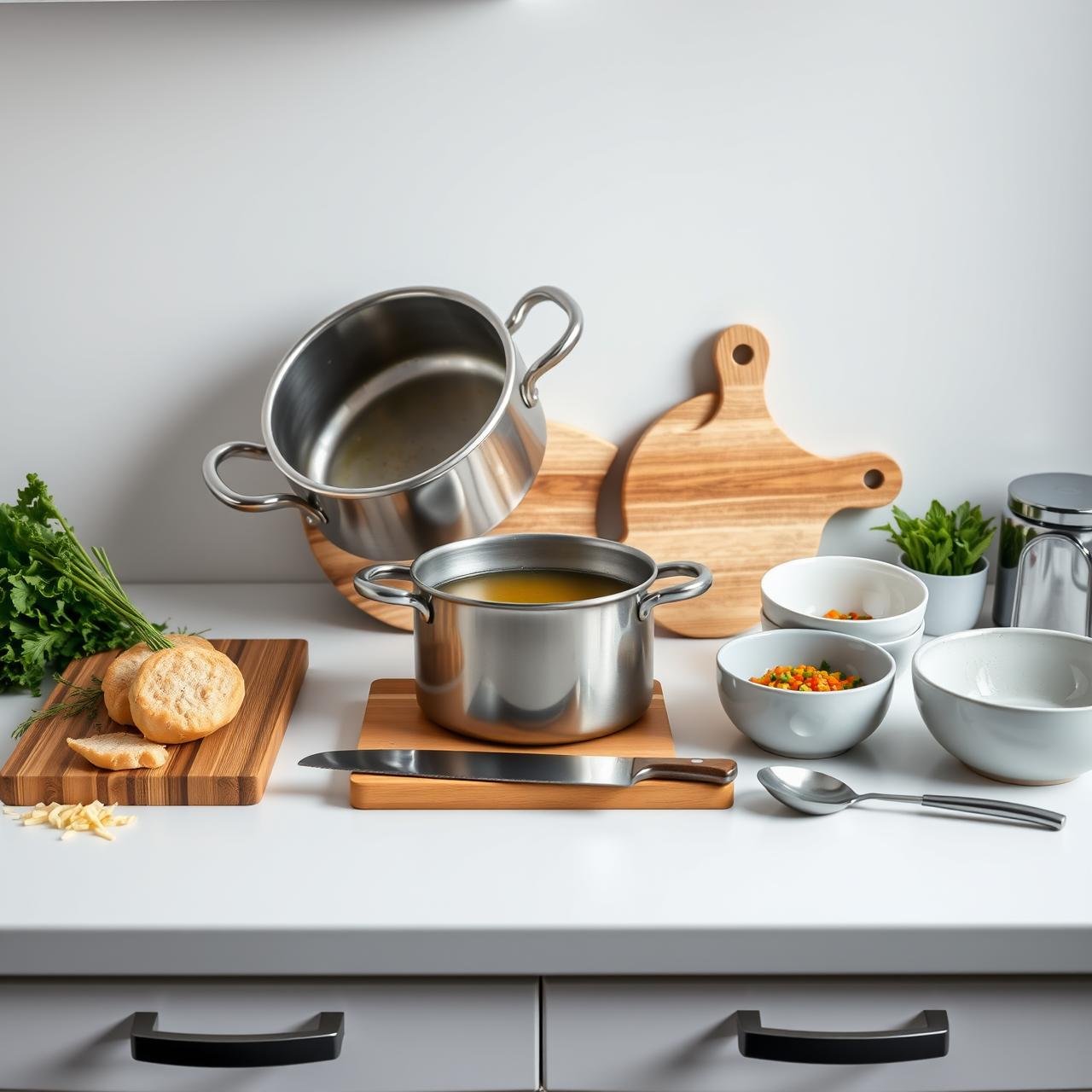
Great cooking often starts with simple tools. This rustic soup doesn’t require any fancy gadgets, just a few reliable kitchen essentials to get the job done right. Having your equipment ready, or mise en place, makes the entire cooking process smoother and more enjoyable.
| Equipment | Purpose |
|---|---|
| Large Stockpot or Dutch Oven | For simmering the soup gently and evenly. A heavy bottom is ideal to prevent scorching. |
| Large Mixing Bowl | To combine all the delicious components of the pork stuffing. |
| Sharp Chef’s Knife & Cutting Board | For chopping aromatics and preparing the bitter melon. |
| Small Spoon (like a teaspoon) | The perfect tool for neatly hollowing out the seeds and pith from the bitter melon. |
| Ladle | For skimming the broth and serving the finished soup. |
| Spider Skimmer or Slotted Spoon | Useful for carefully removing the blanched melon pieces from hot water. |
A Symphony of Flavors: The Ingredients List
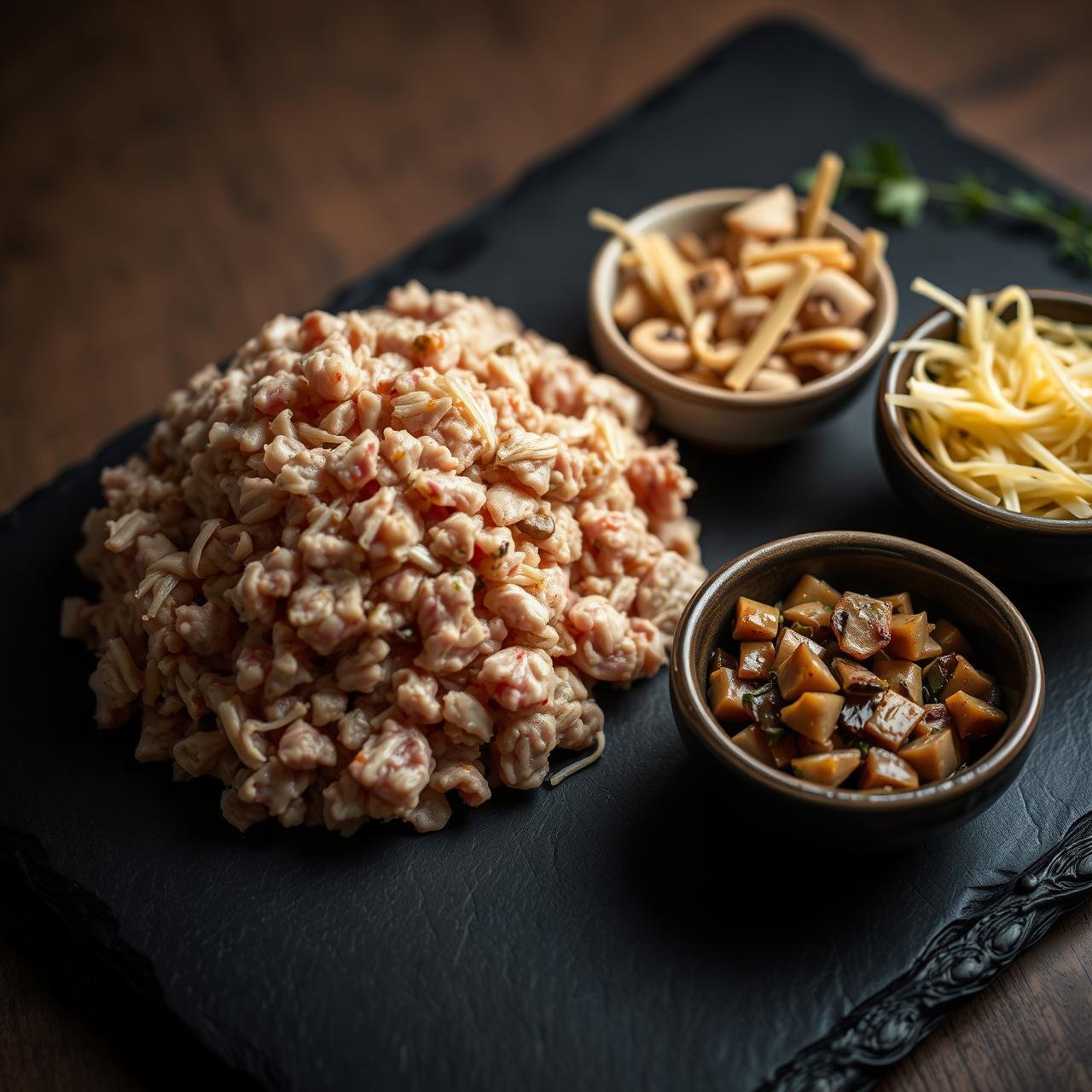
This recipe is all about quality ingredients coming together in perfect harmony. The richness of the pork, the earthiness of the mushrooms, and the umami-packed broth all work to complement and balance the bitter melon.
For the Stuffed Bitter Melon:
- Bitter Melons: 3-4 medium-sized (about 1.5 lbs total), fresh and bright green.
- Ground Pork: 1 lb (450g). Choose a blend with about 15-20% fat for the most juicy and flavorful filling.
- Dried Wood Ear Mushrooms: 1/4 cup, also known as black fungus. These add a delightful, slightly crunchy texture.
- Bean Thread Noodles (Glass Noodles): 1 small bundle (about 40g), to be soaked and chopped.
- Shallot: 1 large, finely minced. Adds a delicate, sweet aromatic base.
- Garlic: 3 cloves, finely minced.
- Fish Sauce: 1 tablespoon. Use a high-quality brand for the best umami flavor.
- Ground Black Pepper: 1 teaspoon, freshly ground is best.
- Sugar: 1/2 teaspoon, to balance the flavors.
- Chicken or Mushroom Bouillon Powder: 1 teaspoon (optional, for an extra flavor boost).
For the Broth:
- Water or Unsalted Stock: 8-10 cups. Use pork or chicken stock for a richer flavor.
- Fish Sauce: 2-3 tablespoons, or to taste.
- Sugar: 1 teaspoon, or to taste. This is crucial for balancing the broth’s bitterness.
- Salt: 1/2 teaspoon, or to taste.
- Garnishes: Freshly chopped scallions and cilantro.
The Heart of the Matter: Preparing and Stuffing the Melon
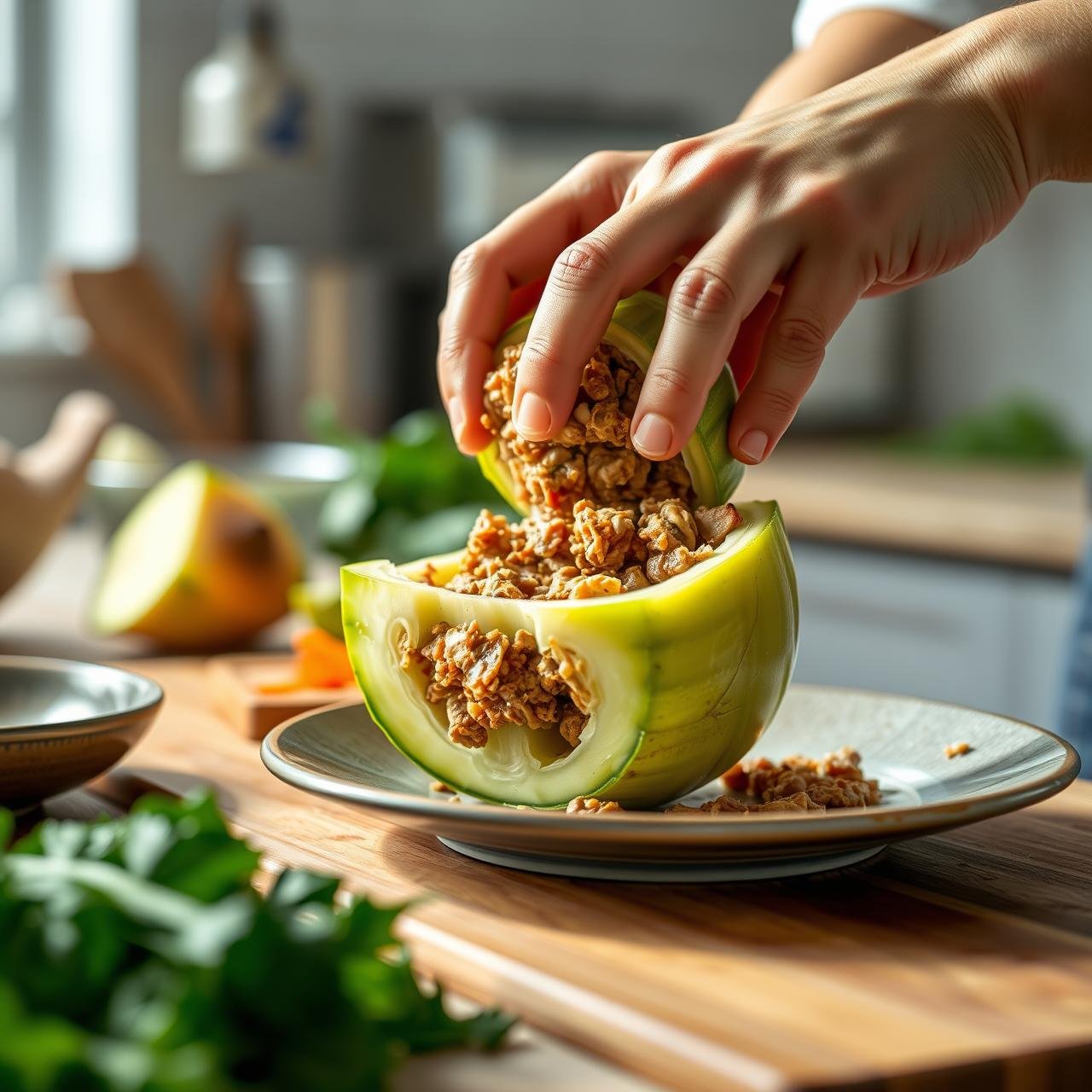
This is where the magic begins. The preparation of the bitter melon is a mindful process that sets the foundation for the entire dish. Take your time and enjoy the craft.
- Prepare the Filling Components: Start by soaking the dried wood ear mushrooms and bean thread noodles in separate bowls of warm water for about 15-20 minutes until they are softened and rehydrated. Once soft, drain them thoroughly. Finely chop the wood ear mushrooms and cut the noodles into small, 1-inch pieces.
- Mix the Stuffing: In your large mixing bowl, combine the ground pork, rehydrated mushrooms and noodles, minced shallot, minced garlic, 1 tablespoon of fish sauce, black pepper, sugar, and optional bouillon powder. Use your hands to mix everything together until it’s just combined. Be careful not to overwork the mixture, as this can make the filling tough.
- Prepare the Bitter Melons: Wash the bitter melons thoroughly. Trim off both ends. Cut each melon crosswise into 1.5 to 2-inch thick sections, creating little barrels. Now, use your small spoon to carefully scrape out the seeds and the white, spongy pith from the center of each section. Removing as much of the white pith as possible is a key step to reducing the bitterness.
- Blanch the Melon (Optional but Recommended): Bring a separate pot of water to a boil with a pinch of salt. Briefly blanch the hollowed-out melon pieces for about 1-2 minutes. This helps to mellow the bitterness and locks in their vibrant green color. Immediately remove them with a spider skimmer and plunge them into a bowl of ice water to stop the cooking process. Drain well.
- Stuff the Melons: Carefully take a portion of the pork mixture and pack it firmly into each hollowed-out melon section. The filling should be level with the edges or slightly mounded. This process is the heart of the recipe, so work with care.
The Simmering Elixir: Crafting the Perfect Broth
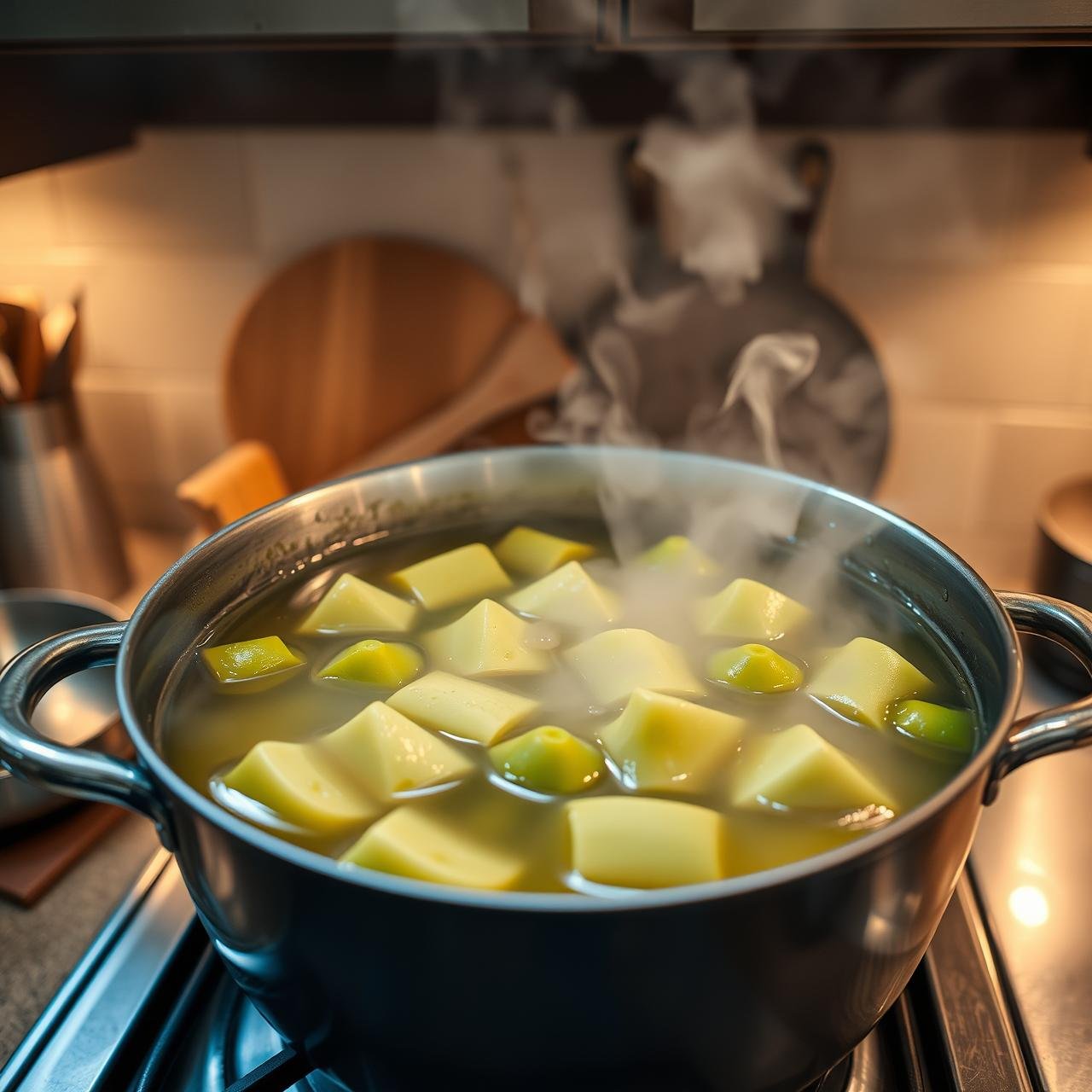
With our melons stuffed and ready, it’s time to create the clear, flavorful broth that will bring everything together. The secret here is a gentle, patient simmer.
- Start the Broth: In your large stockpot, bring your 8-10 cups of water or stock to a gentle boil over medium-high heat.
- Add the Stuffed Melons: Carefully lower each piece of stuffed bitter melon into the simmering liquid. Ensure they are mostly submerged. If you have any leftover pork filling, you can roll it into small meatballs and add them to the pot as well.
- Simmer Gently: Reduce the heat to low, cover the pot, and let the soup simmer gently for 45-60 minutes. Do not allow it to boil vigorously, as this can cloud the broth and cause the filling to separate from the melon. The goal is a slow, patient simmer that makes the melon fork-tender and allows the flavors from the pork to infuse the broth.
- Skim for Clarity: During the first 10-15 minutes of simmering, you may see some foam or impurities rise to the surface. Use a ladle or a fine-mesh skimmer to carefully remove this scum. This is the chef’s secret to achieving a beautifully clear and clean-tasting broth.
- Season the Soup: Towards the end of the cooking time, season the broth. Add 2-3 tablespoons of fish sauce, 1 teaspoon of sugar, and salt. Stir gently and taste. Adjust the seasoning as needed. The broth should have a savory, slightly sweet flavor that perfectly counters the melon’s bitterness.
- Garnish and Serve: Once the melon is tender and the flavors have melded, your soup is ready. Turn off the heat. Stir in a generous amount of chopped scallions and cilantro. Ladle the soup into individual bowls, ensuring each person gets a few pieces of the stuffed melon. Serve immediately with a side of steamed jasmine rice.
From My Kitchen to Yours: Expert Tips for Success
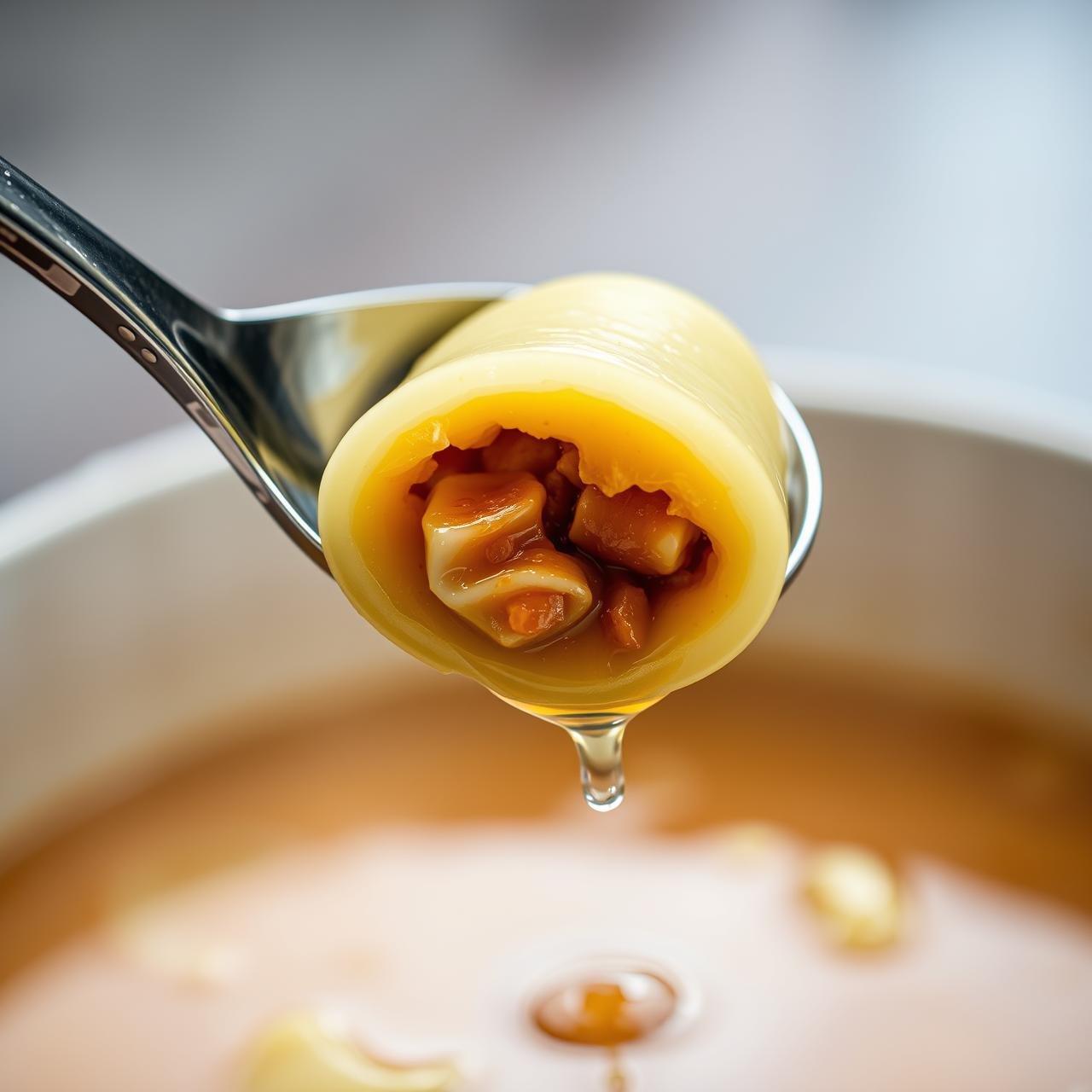
Mastering this soup is a rewarding journey. Here are a few extra tips to ensure your Canh Khổ Qua is perfect every time.
- Taming the Bitterness: Besides blanching, you can also sprinkle the hollowed-out melon pieces with salt and let them sit for 15 minutes before rinsing and blanching. This draws out some of the bitter juices.
- The Perfect Stuffing: For an extra layer of flavor, add a tablespoon of toasted sesame oil or a finely minced stalk of lemongrass to your pork mixture.
- Crystal Clear Broth Guaranteed: The key is a low simmer. A rolling boil will emulsify the fats and proteins, resulting in a cloudy broth. Patience is your best friend here. If you are using pork bones to make your stock from scratch, parboiling them first will also significantly help in achieving a clearer soup.
- Make-Ahead Magic: This soup tastes even better the next day! The flavors have more time to meld and the bitterness of the melon mellows further into the broth. Store it in an airtight container in the refrigerator and reheat gently on the stovetop.
- Serving Suggestions: This soup is a complete meal in itself, but it truly shines when served as part of a larger family-style Vietnamese meal. It pairs beautifully with steamed jasmine rice, a salty side dish like braised pork (Thit Kho), and a plate of fresh herbs and vegetables.
Nourishment in Every Spoonful: Nutritional Information
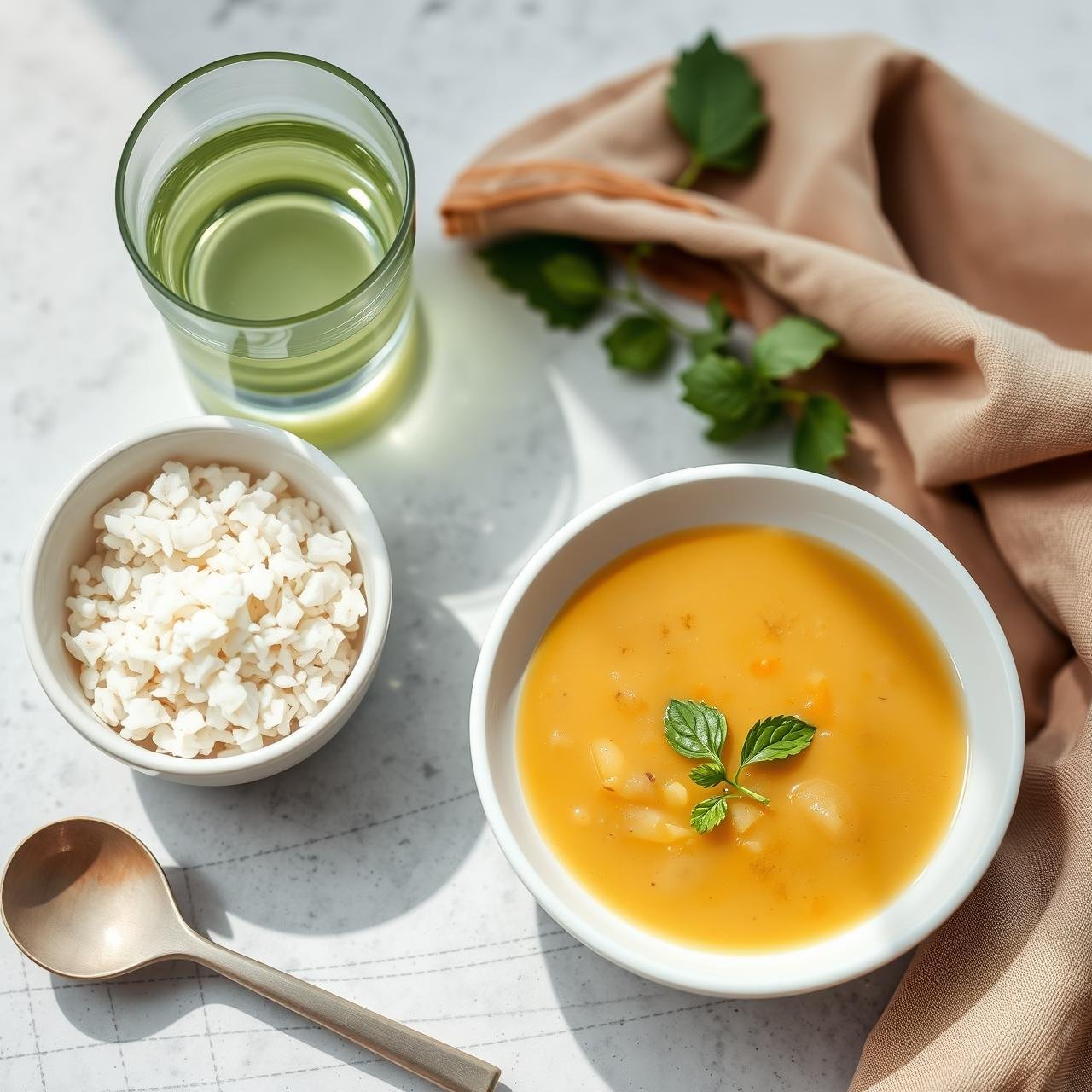
This soup is a prime example of food as medicine. It’s light yet satisfying, low in carbohydrates, and packed with protein and beneficial plant compounds. It’s a dish you can feel good about eating, one that nourishes the body as much as it comforts the soul.
| Nutrient | Estimated Amount per Serving |
|---|---|
| Calories | ~280 kcal |
| Protein | ~25g |
| Fat | ~15g |
| Carbohydrates | ~8g |
| Fiber | ~3g |
| Sodium | ~950mg |
Disclaimer: These are estimated values and can vary based on specific ingredients and portion sizes.
Savoring Later: Storage and Reheating Instructions
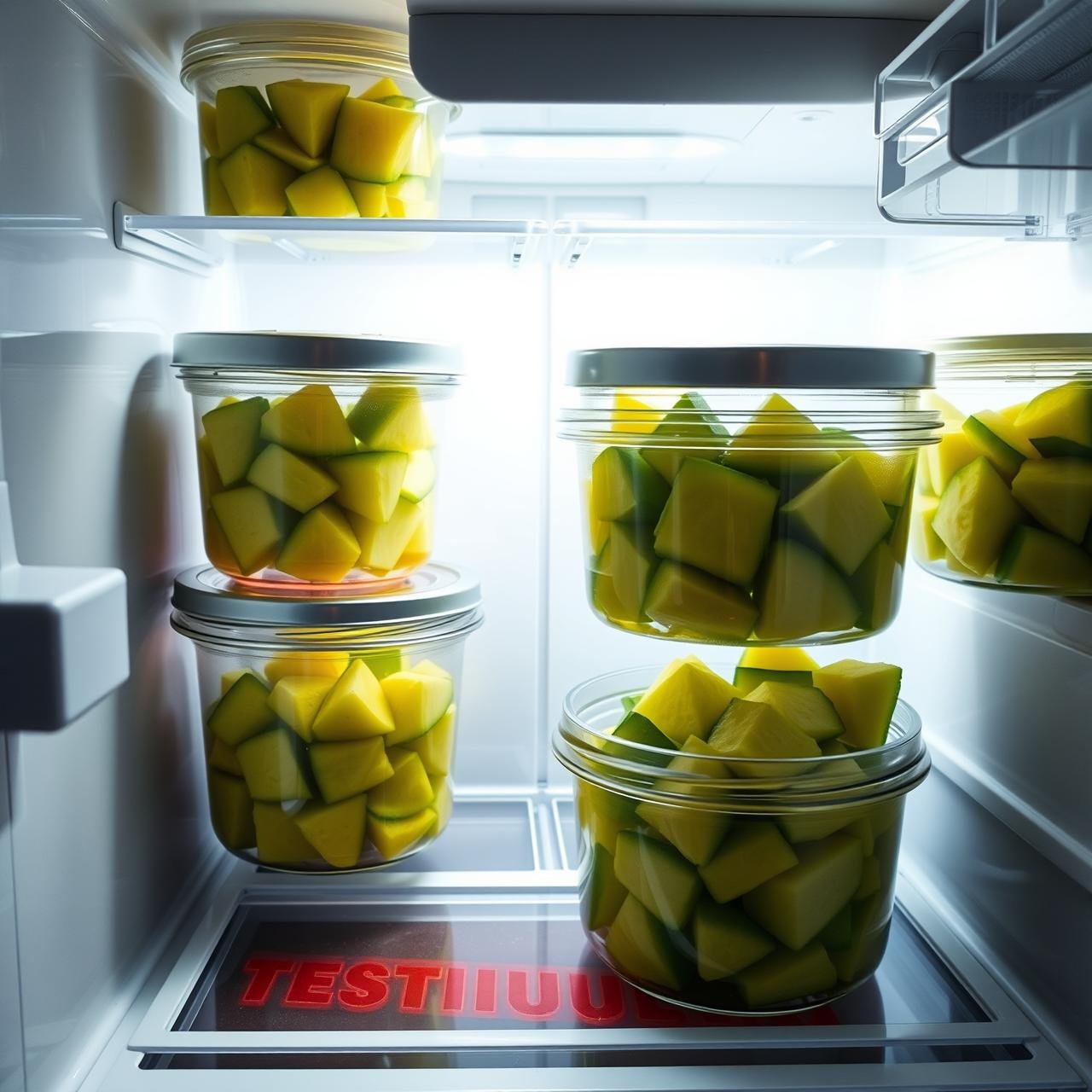
One of the best qualities of this soup is how well it keeps. The flavors deepen and become even more complex overnight, making leftovers a true treat. To store, allow the soup to cool completely to room temperature. Transfer it to an airtight container and place it in the refrigerator, where it will keep well for up to 3-4 days.
When you’re ready to enjoy it again, avoid the microwave. The best way to reheat the soup is to pour it into a small saucepan and warm it gently over medium-low heat until it is steaming. This method preserves the delicate texture of the stuffed melon and ensures the broth heats evenly without becoming cloudy. You can add a splash of fresh water or stock if the broth has reduced. Garnish with a fresh handful of cilantro and scallions before serving to brighten up the flavors.
Conclusion
Making Traditional Stuffed Bitter Melon Soup is more than just following a recipe; it’s an act of love and a connection to a rich culinary heritage. It’s a lesson in balance, teaching us that even something perceived as challenging, like bitterness, can become the cornerstone of a beautiful and deeply satisfying dish. Every spoonful tells a story of homestyle comfort, wholesome nourishment, and the simple joy of transforming humble ingredients into something truly special. I hope you embrace the journey of making this soup, find comfort in its warmth, and share its unique, healthful flavors with the ones you love. It’s a taste of tradition that’s well worth the effort, a delicious reminder that the best meals are often those that nourish us from the inside out.