
This Golden Bone Broth Melts Belly Fat Fast (Detailed Recipe)
In the heart of every traditional kitchen, from rustic farmhouses to bustling city bistros, lies a simmering pot of liquid nourishment—the humble bone broth. For generations, this elixir has been revered not just for its soul-warming comfort but for its profound restorative properties. Today, we’re elevating this ancient tradition with our Golden Bone Broth, a recipe meticulously crafted to be a cornerstone of a healthy, vibrant lifestyle. This isn’t just soup; it’s a potent infusion of anti-inflammatory turmeric, zesty ginger, and gut-healing collagen, slow-simmered to perfection.
While the title is bold, the science behind it is rooted in holistic wellness. This broth isn’t a magic potion, but a powerful tool to support your body’s natural processes. The high protein and collagen content promotes satiety, helping you feel fuller for longer and reducing cravings. The incredible blend of nutrients supports a healthy gut microbiome, which is intrinsically linked to metabolism and weight management. By nourishing your body from the inside out, you’re creating an environment where it can thrive. So, let’s roll up our sleeves and begin the beautiful, patient process of crafting this liquid gold right in your own kitchen.
The Alchemy of ‘Golden’ Broth: More Than Just a Soup
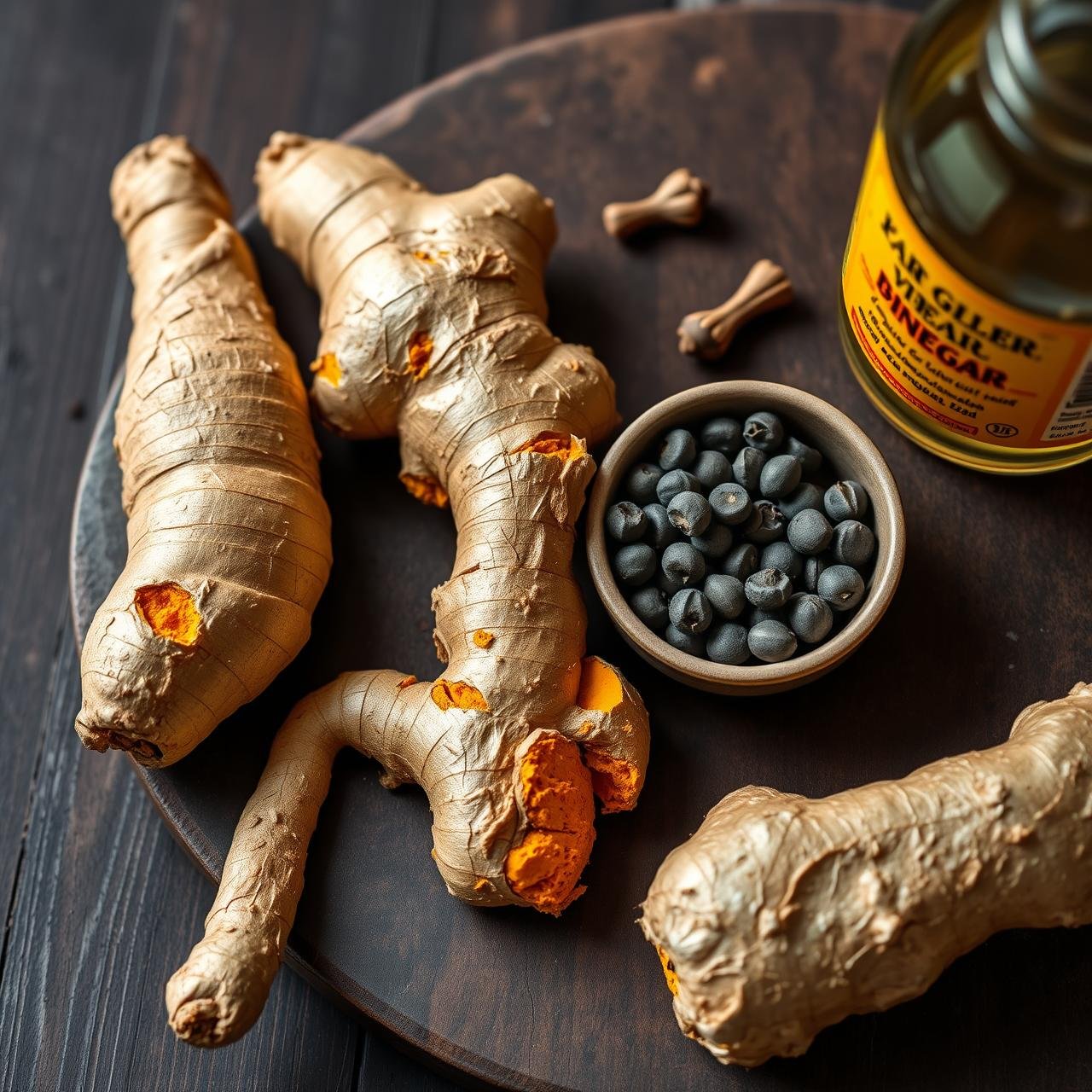
What transforms a simple bone broth into ‘liquid gold’? It’s the thoughtful synergy of powerful, whole-food ingredients, each chosen for its specific contribution to the final elixir. This isn’t just about flavor; it’s about creating a nutritionally dense infusion that works in harmony with your body.
The Core Components:
- Grass-Fed Bones: This is the foundation. We use a mix of marrow, knuckle, and joint bones, which are rich in collagen, gelatin, amino acids (like glycine and proline), and essential minerals. When simmered, the collagen breaks down into gelatin, which is renowned for its ability to help seal the gut lining, support joint health, and improve skin elasticity.
- Apple Cider Vinegar: The secret weapon. A small amount of acid is crucial for pulling all the valuable minerals from the bones into the water. We use raw, unfiltered apple cider vinegar with ‘the mother’ for its added probiotic benefits.
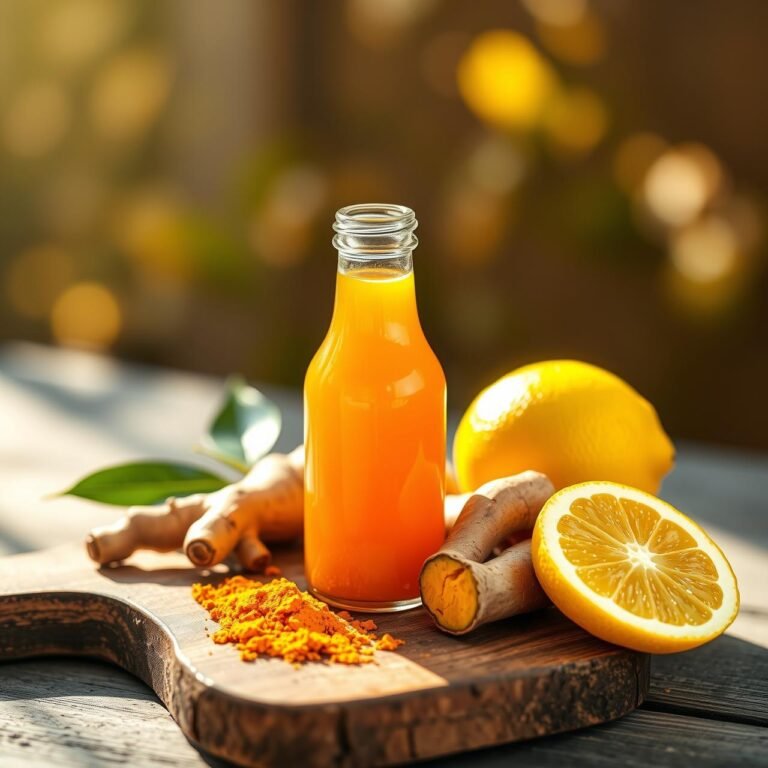
- The Golden Trio (Turmeric, Ginger, Black Pepper): This is where the magic happens. Turmeric contains curcumin, a powerful anti-inflammatory compound. Ginger is a celebrated digestive aid that soothes the stomach and also boasts anti-inflammatory properties. Black Pepper contains piperine, a compound that has been scientifically shown to increase the bioavailability of curcumin by up to 2000%, ensuring your body absorbs all that golden goodness.
Together, these ingredients create a broth that does more than just hydrate. It actively soothes, nourishes, and supports your body’s core functions, from digestion to immune response.
The Essential Culinary Toolkit: Gearing Up for Success
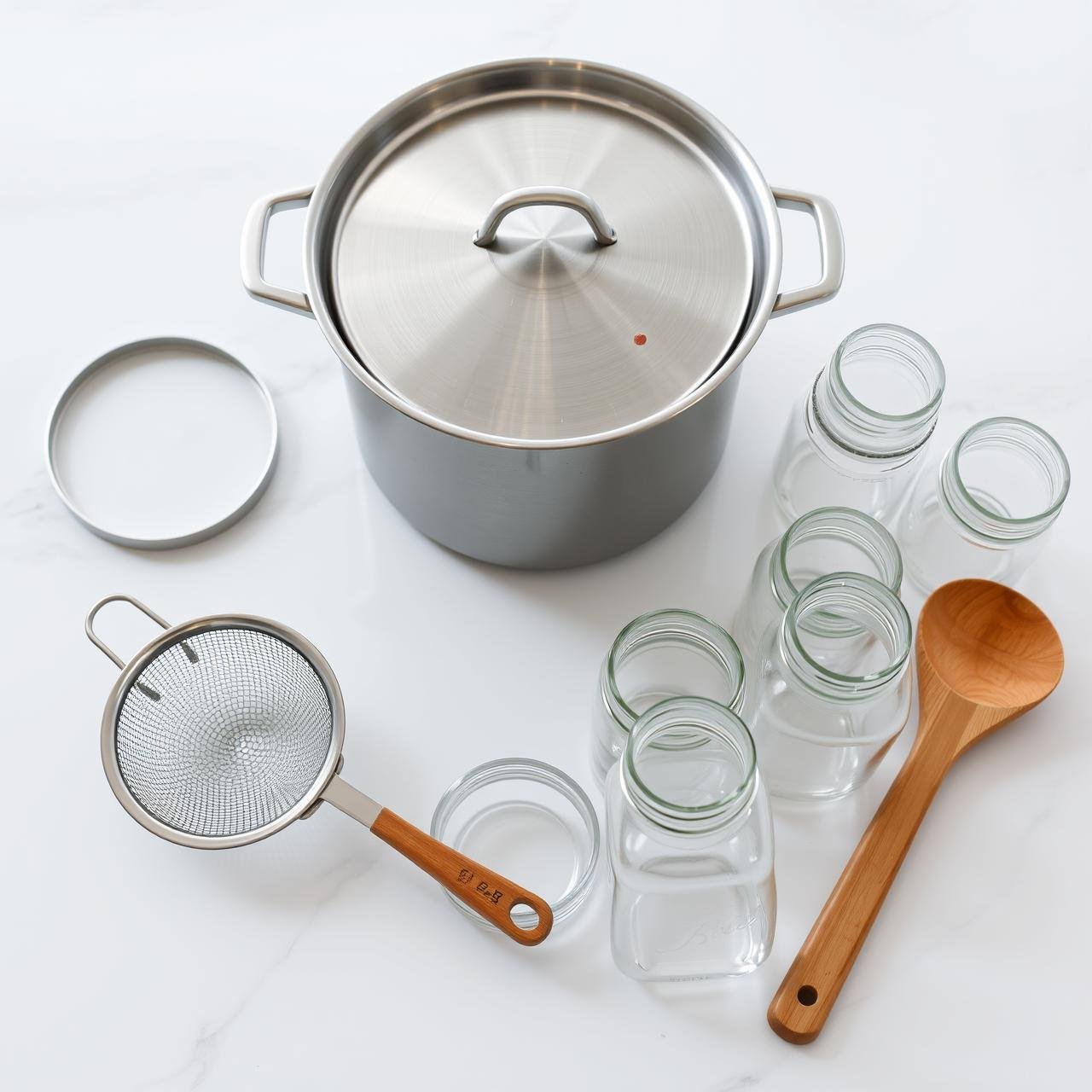
Crafting the perfect bone broth doesn’t require a professional kitchen, but having the right tools makes the process seamless and enjoyable. Before you begin, gather these essentials. The star of the show is a large, heavy-bottomed pot that can handle a long, slow simmer without scorching.
| Tool | Purpose & Chef’s Note |
|---|---|
| Large Stockpot or Slow Cooker | You’ll need at least an 8-quart pot, but a 12-quart is ideal. A slow cooker is an excellent, energy-efficient alternative for a hands-off simmer. |
| Rimmed Baking Sheet | Essential for roasting the bones, a non-negotiable step for developing deep, savory flavor. |
| Fine-Mesh Sieve or Strainer | Crucial for separating the liquid gold from the bones and aromatics. For an exceptionally clear broth, line it with cheesecloth. |
| Large Bowl or Second Pot | You’ll need a large, heatproof vessel to strain the finished broth into. |
| Ladle & Tongs | For safely skimming the surface and handling the hot bones. |
| Glass Storage Jars | Glass is best for storing broth as it doesn’t leach chemicals. Wide-mouth mason jars are perfect for both refrigeration and freezing (leave headspace!). |
Ingredient Spotlight: The Building Blocks of Liquid Gold
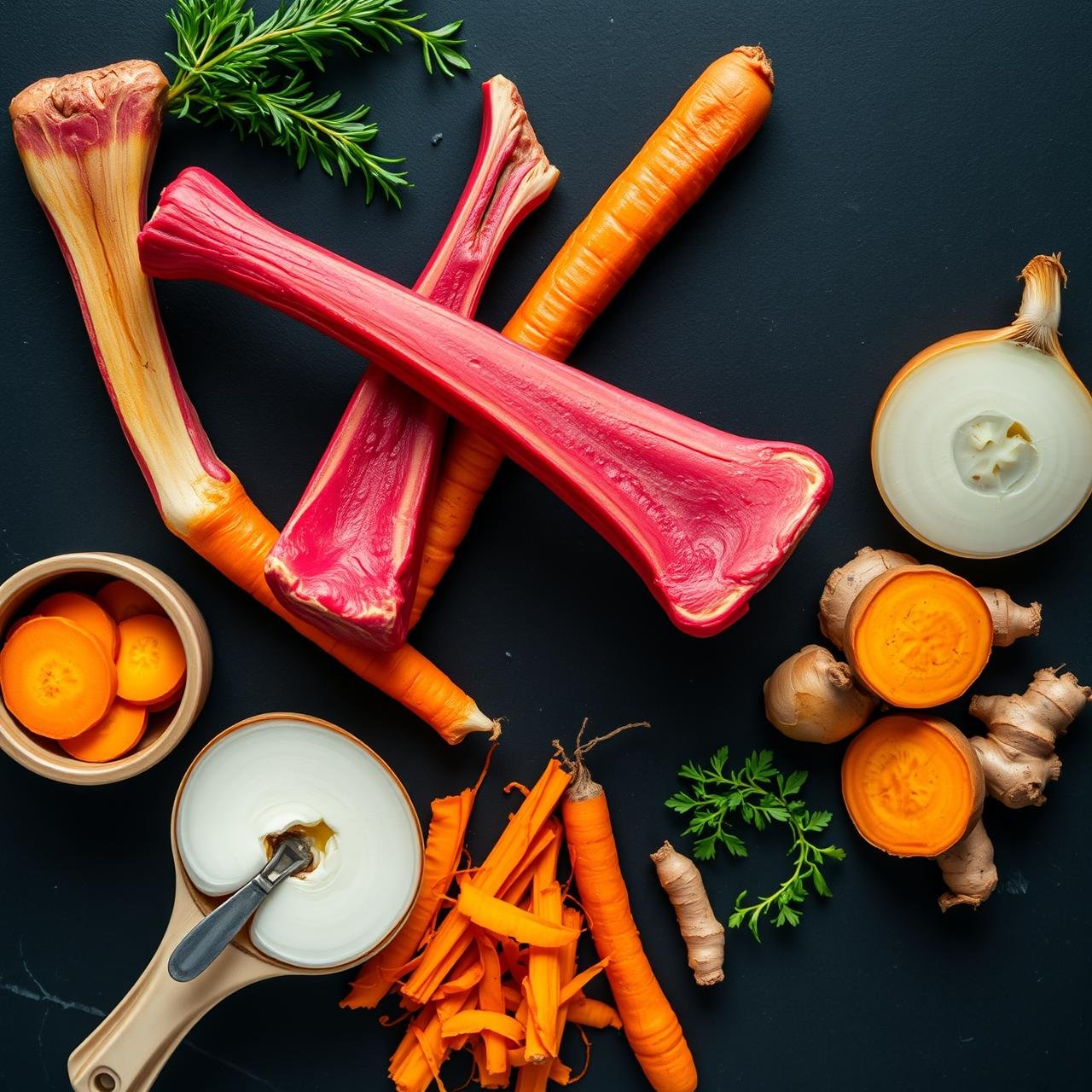
The quality of your bone broth is a direct reflection of the quality of your ingredients. Sourcing the best possible components is the first step toward a truly nourishing final product. Think of this not as a way to use up scraps, but as a deliberate act of crafting medicine for your body.
- Bones: 4-5 pounds of high-quality, grass-fed beef bones. A mix is key! Ask your butcher for a combination of marrow bones (for richness), knuckle/joint bones (for collagen and gelatin), and a few meaty bones like oxtail or short ribs (for flavor). Quality matters—bones from pasture-raised animals are more nutrient-dense.
- Acid: 2 tablespoons of raw, unfiltered apple cider vinegar. This small amount makes a huge difference in mineral extraction.
- Vegetable Mirepoix: 2 large carrots, roughly chopped; 3 celery stalks, roughly chopped; 1 large yellow onion, quartered with the skin on (the skin adds a beautiful golden color!). No need for precise knife cuts here; rustic is perfect.
- Aromatics & Spices: 1 entire head of garlic, sliced in half crosswise; a 3-inch piece of fresh ginger, sliced; a 3-inch piece of fresh turmeric, sliced (or 2 tablespoons of dried turmeric); 1 tablespoon of whole black peppercorns; and 2 bay leaves.
- Water: Approximately 1 to 1.5 gallons of cold, filtered water. Always start with cold water, as it helps in creating a clearer broth.
Crafting Your Golden Elixir: A Step-by-Step Guide

This is where patience and process come together. Follow these steps with care, and you’ll be rewarded with a broth that is rich, gelatinous, and deeply flavorful. The long simmer is not active time, so you can let the pot do its work while you go about your day.
- Roast the Bones: Preheat your oven to 400°F (200°C). Spread the bones in a single layer on your rimmed baking sheet. Roast for 30-45 minutes, or until they are deeply browned and fragrant. This Maillard reaction is a critical step for developing a rich, complex flavor profile. Do not skip this!
- Deglaze the Pan: Once the bones are roasted, carefully transfer them to your large stockpot or slow cooker. There will be browned bits stuck to the baking sheet—that’s pure flavor! Pour a little water onto the hot pan and use a spatula to scrape up all those bits. Pour this flavorful liquid directly into your stockpot.
- Combine and Soak: Add the chopped carrots, celery, onion, garlic, ginger, turmeric, peppercorns, and bay leaves to the pot with the bones. Pour in the 2 tablespoons of apple cider vinegar. Now, add enough cold, filtered water to cover everything by about two inches. Let this mixture sit for 30-60 minutes. This gives the vinegar time to begin its work on the bones.
- The Gentle Simmer: Place the pot on the stove and bring it slowly to a boil. As soon as it reaches a boil, immediately reduce the heat to the lowest possible setting. You want the barest of simmers, with a bubble breaking the surface only every few seconds. A rolling boil will create a cloudy broth and break down the delicate gelatin.
- Skim and Simmer: During the first hour of simmering, a layer of foam or ‘scum’ may rise to the surface. Use a ladle to carefully skim this off and discard it. This will result in a cleaner, clearer final product.
- The Long Haul: Cover the pot and let it simmer for a minimum of 12 hours. For beef bones, we highly recommend a full 24 hours to extract every last bit of goodness. The aroma that will fill your home is absolutely incredible.
- Strain with Care: Turn off the heat and let the broth cool slightly so it’s safe to handle. Place your fine-mesh sieve (lined with cheesecloth if desired) over a large, clean bowl or pot. Carefully ladle the broth through the strainer. Discard the spent bones and vegetables.
- Chill and Defat: Transfer the strained broth to glass jars and let it cool to room temperature before placing it in the refrigerator. As it chills completely (overnight is best), a layer of fat will rise to the top and solidify. You can either discard this fat or, better yet, save this nutrient-rich tallow for high-heat cooking. Beneath it will be your prize: a jiggly, gelatinous, golden broth.
From Broth to Jelly: Pro Tips for Maximum Gelatin
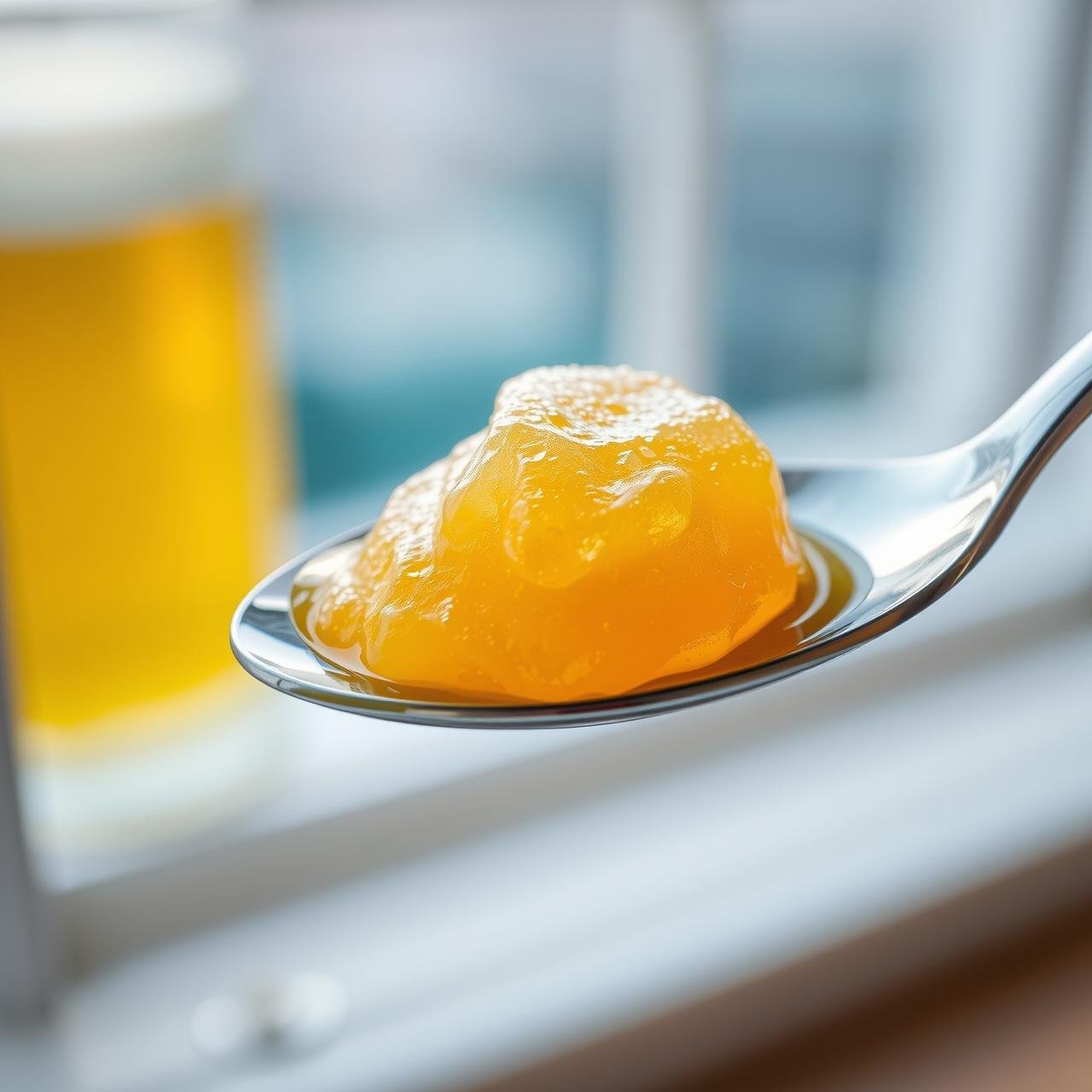
The ultimate sign of a successful, collagen-rich bone broth is its transformation into a firm, savory jelly when chilled. This ‘jiggle’ is visual proof of the gelatin you’ve worked so patiently to extract. If your broth isn’t gelling, don’t worry! It’s still nutritious. But if you’re aiming for that perfect gel, here are some chef-approved secrets:
Key Factors for a Great Gel:
- Bone Selection is Paramount: You must include bones that are high in cartilage and connective tissue. This means prioritizing knuckle bones, joints, and even chicken or pig’s feet. Marrow bones provide richness, but joint bones provide the gel. A 50/50 mix is a great starting point.
- Don’t Drown Your Bones: The water-to-bone ratio is critical. A common mistake is adding too much water, which dilutes the gelatin. The water should cover the bones by only one to two inches. You want a concentrated broth.
- The Enemy is the Boil: We can’t stress this enough. A rolling boil will agitate the proteins and prevent a strong gel from forming. You must maintain a very low, ‘lazy’ simmer—what French chefs call a frémir.
- Time is Your Ally: Collagen takes a very long time to break down into gelatin. Don’t cut the simmering time short. For beef bones, 18-24 hours is the sweet spot for maximum extraction.
Storing and Using Your Liquid Gold
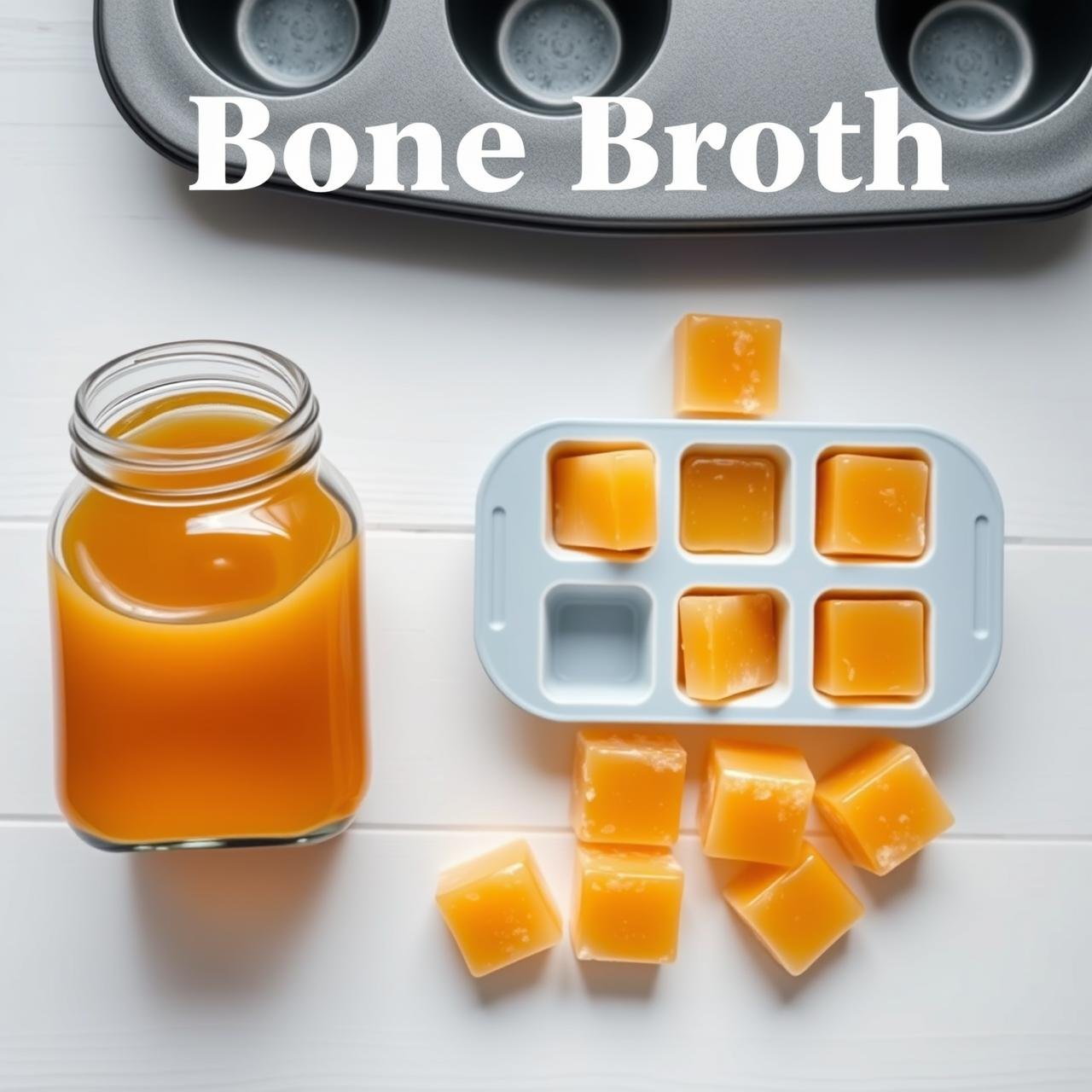
You’ve invested time and care into creating this nourishing elixir; now it’s time to make it a seamless part of your daily routine. Proper storage is key to preserving its freshness and potency.
Storage Solutions:
- Refrigeration: Once chilled and defatted, your golden bone broth will last for 5-7 days in an airtight container (like a glass mason jar) in the refrigerator.
- Freezing: For longer-term storage, freezing is the best method. It will keep for at least 6 months in the freezer. We highly recommend freezing it in various portion sizes for convenience.
Smart Freezing Techniques:
- Ice Cube Trays: Pour the broth into silicone ice cube trays. Once frozen, pop the golden cubes out and store them in a freezer bag. This is perfect for adding a small, flavorful boost to sauces, sautés, or for cooking grains.
- Muffin Tins: For slightly larger, single-serving portions (about ½ cup), silicone muffin tins work wonderfully.
- Glass Jars: You can freeze directly in wide-mouth, freezer-safe glass jars. The critical rule is to leave at least 2 inches of headspace at the top to allow for expansion as the liquid freezes, preventing the glass from cracking.
How to Enjoy Your Broth:
The beauty of bone broth is its versatility. You can sip a warm mug of it in the morning seasoned with a pinch of sea salt, use it as the base for any soup or stew, or use it in place of water to cook rice, quinoa, or lentils for a huge upgrade in flavor and nutrition.
Conclusion
The journey of making golden bone broth is as rewarding as the final product itself. It’s a slow, intentional process that reconnects us with the traditions of our ancestors and the profound wisdom of whole-food nourishment. Each simmering hour fills your home with an aroma of deep comfort, and every sip is an act of self-care. This broth is more than a recipe; it’s a foundational element for a healthy kitchen, a soothing remedy for a weary body, and a flavorful base that will elevate countless future meals.
By embracing this practice, you’re not just making food; you’re creating a powerful tool for wellness that supports your digestion, strengthens your joints, and nourishes you on a cellular level. We invite you to make this golden elixir a regular ritual in your home. Let it warm you on cold days, restore you when you’re feeling rundown, and serve as a delicious reminder of the power of simple, real ingredients.