The Underrated Veggie That Mimics Potatoes: Roasted Kohlrabi Detailed Recipe
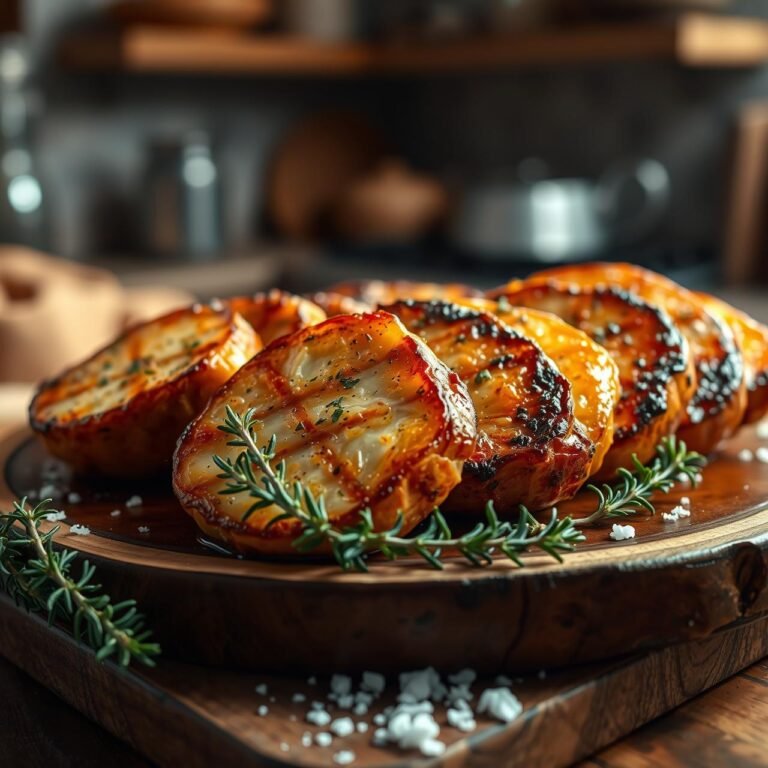
In the vast and wonderful world of vegetables, there are unsung heroes quietly waiting for their moment in the spotlight. Enter kohlrabi, a humble, Sputnik-shaped brassica that might just be the most versatile vegetable you’re not using. Often overlooked in the produce aisle, kohlrabi possesses a remarkable secret: when roasted, it undergoes a magical transformation, developing a tender, creamy interior and sweet, nutty, caramelized edges that uncannily mimic the comforting satisfaction of a roasted potato. It’s a game-changer for health enthusiasts, a delight for gourmet foodies, and a simple, budget-friendly staple for any home cook.
This detailed guide isn’t just a recipe; it’s an exploration of kohlrabi’s potential. We’ll walk you through everything from selecting the perfect bulb to mastering the high-heat roasting technique that unlocks its deepest flavors. Forget bland, watery vegetable sides. Prepare to be captivated by a dish that is robust, deeply savory, and astonishingly simple to prepare. This Roasted Kohlrabi is destined to become a new staple on your table, satisfying cravings for hearty, rustic fare in the healthiest, most delicious way possible.
What is Kohlrabi, and Why Should You Be Roasting It?
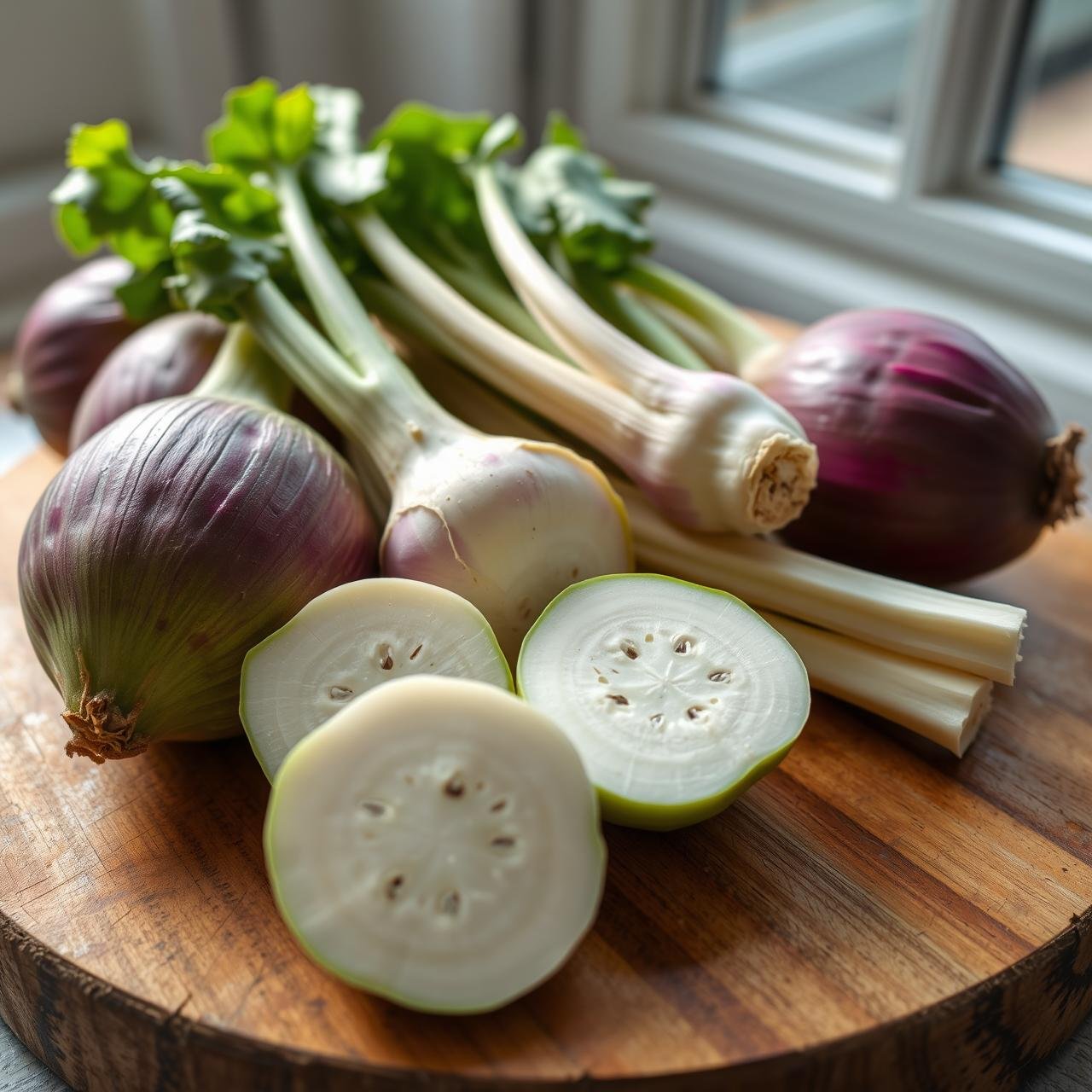
Before we fire up the oven, let’s get properly acquainted with our star ingredient. Kohlrabi, whose name is a German mash-up of ‘kohl’ (cabbage) and ‘rabi’ (turnip), is a member of the cabbage family, counting broccoli, cauliflower, and kale as its cousins. Despite its root-like appearance, the bulbous part we eat is actually a swollen stem that grows above the ground. It has a crisp, juicy texture reminiscent of a broccoli stem or jicama when raw, with a mild, slightly sweet, and peppery flavor.
So, why roast it? While kohlrabi is delightful raw in slaws and salads, roasting transforms it entirely. The high, dry heat coaxes out its natural sugars, leading to a process called Maillard reaction and caramelization. This creates a deep, nutty sweetness and a savory complexity that raw kohlrabi only hints at. The texture softens from a crisp crunch to a fork-tender, creamy bite that is incredibly satisfying. For anyone seeking a lower-carb, nutrient-dense alternative to potatoes, roasted kohlrabi is a revelation. It provides that same hearty, comforting quality with a fraction of the carbohydrates and a boost of Vitamin C and fiber.
Essential Kitchen Equipment
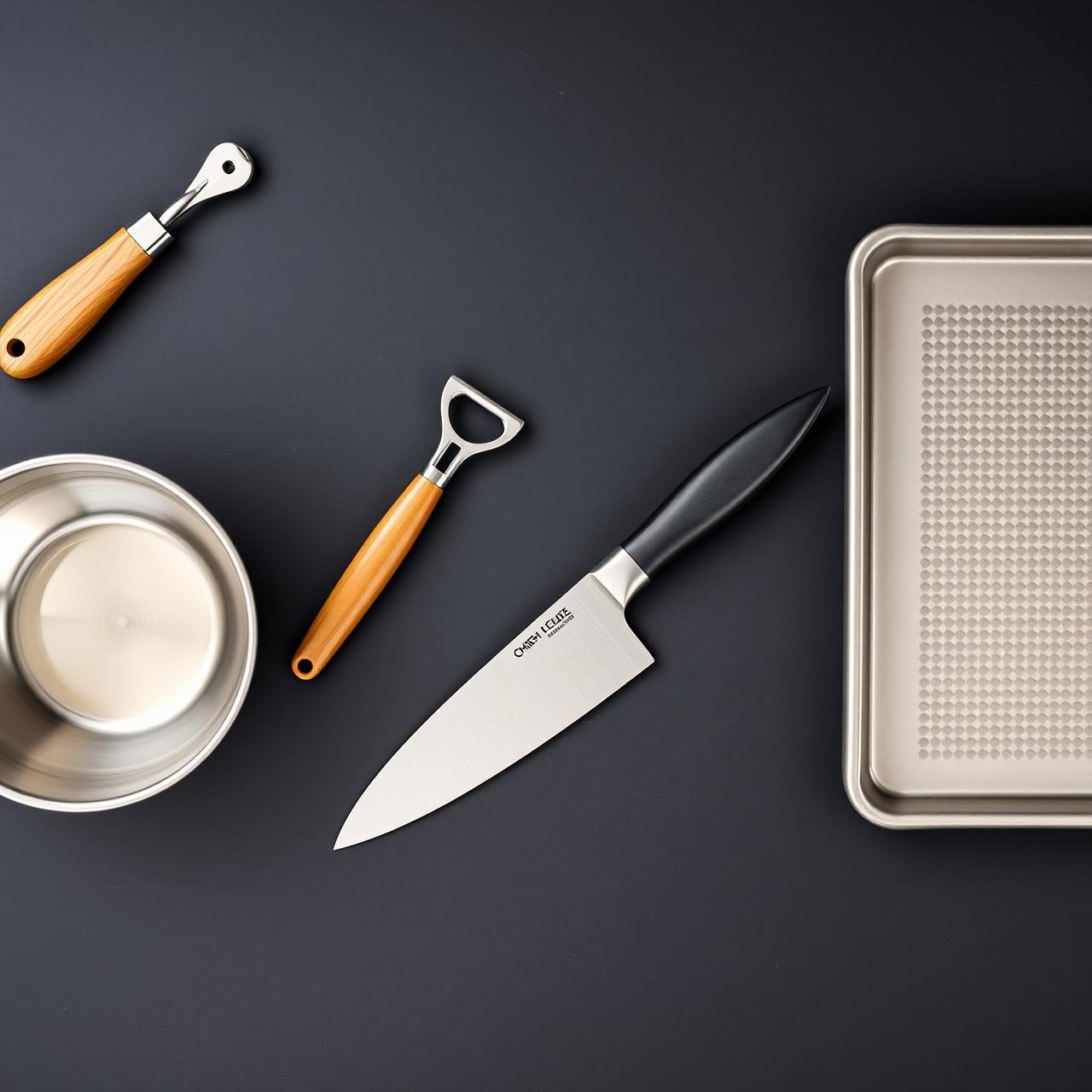
A great dish starts with the right tools. Fortunately, this rustic recipe doesn’t require any fancy gadgets. Here’s what you’ll need to have on hand for perfect roasted kohlrabi every time.
| Tool | Purpose & Chef’s Note |
|---|---|
| Chef’s Knife | A sharp, sturdy knife is non-negotiable for peeling and cubing the firm kohlrabi bulb safely and efficiently. |
| Vegetable Peeler | While a knife works, a good Y-peeler makes quick work of the tough outer skin. |
| Large Mixing Bowl | Essential for evenly tossing the kohlrabi with oil and seasonings without making a mess. |
| Heavy-Duty Rimmed Baking Sheet | A large, sturdy sheet pan allows the kohlrabi to spread out in a single layer, which is crucial for roasting, not steaming. Avoid flimsy pans that can warp under high heat. |
| Spatula | A metal or high-heat resistant spatula is needed for flipping the kohlrabi halfway through cooking to ensure even browning. |
Ingredients for Perfect Roasted Kohlrabi
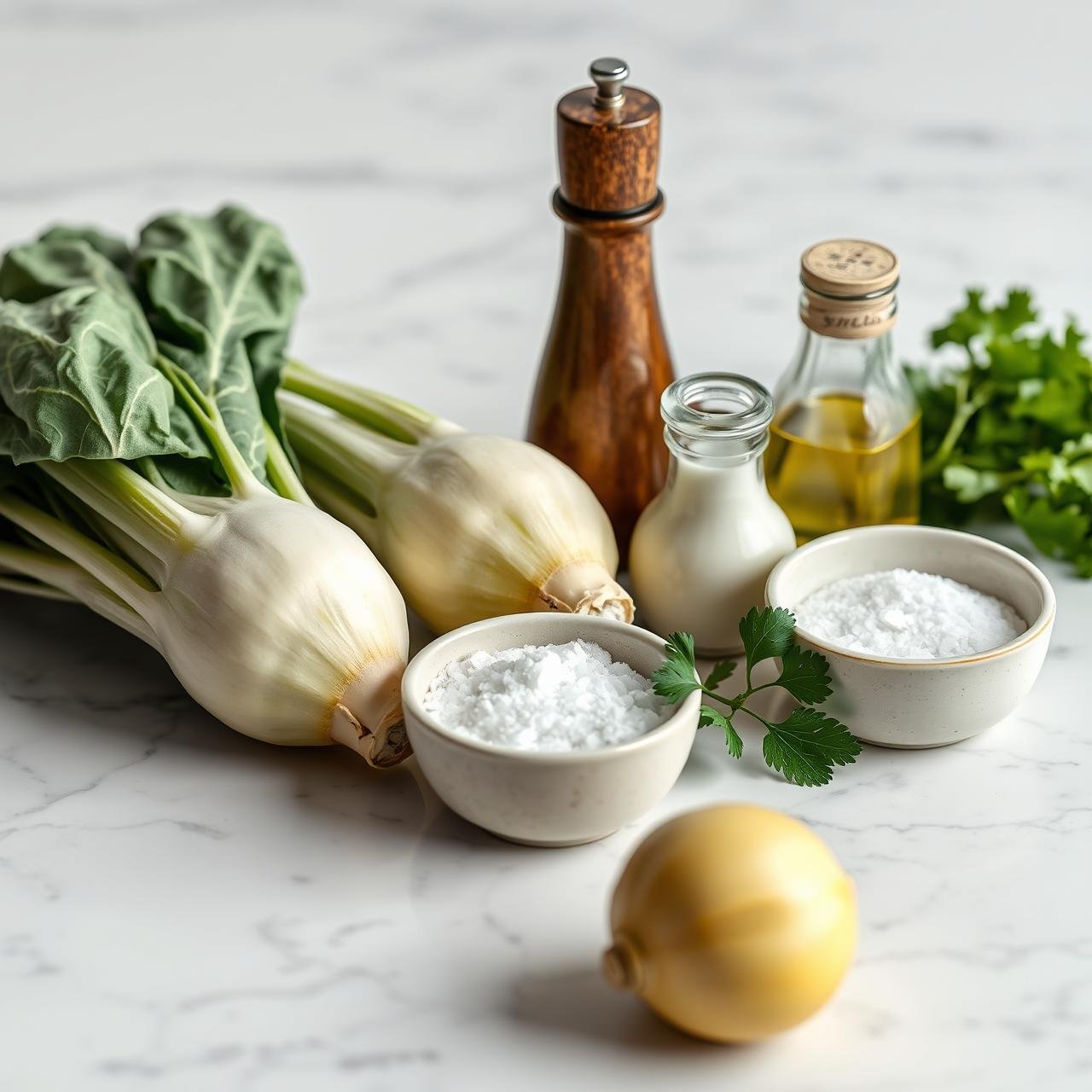
Simplicity is key to letting the kohlrabi’s natural flavor shine. This recipe uses a classic combination of seasonings, but feel free to experiment with the variations mentioned later.
- 2 pounds kohlrabi (about 2-3 medium bulbs)
- 2 tablespoons high-quality olive oil or avocado oil
- 1 teaspoon kosher salt, or to taste
- ½ teaspoon freshly cracked black pepper
- 1 teaspoon garlic powder
- ½ teaspoon smoked paprika (optional, for a smoky depth)
- 1 tablespoon fresh parsley, finely chopped (for garnish)
Step-by-Step Roasting Instructions
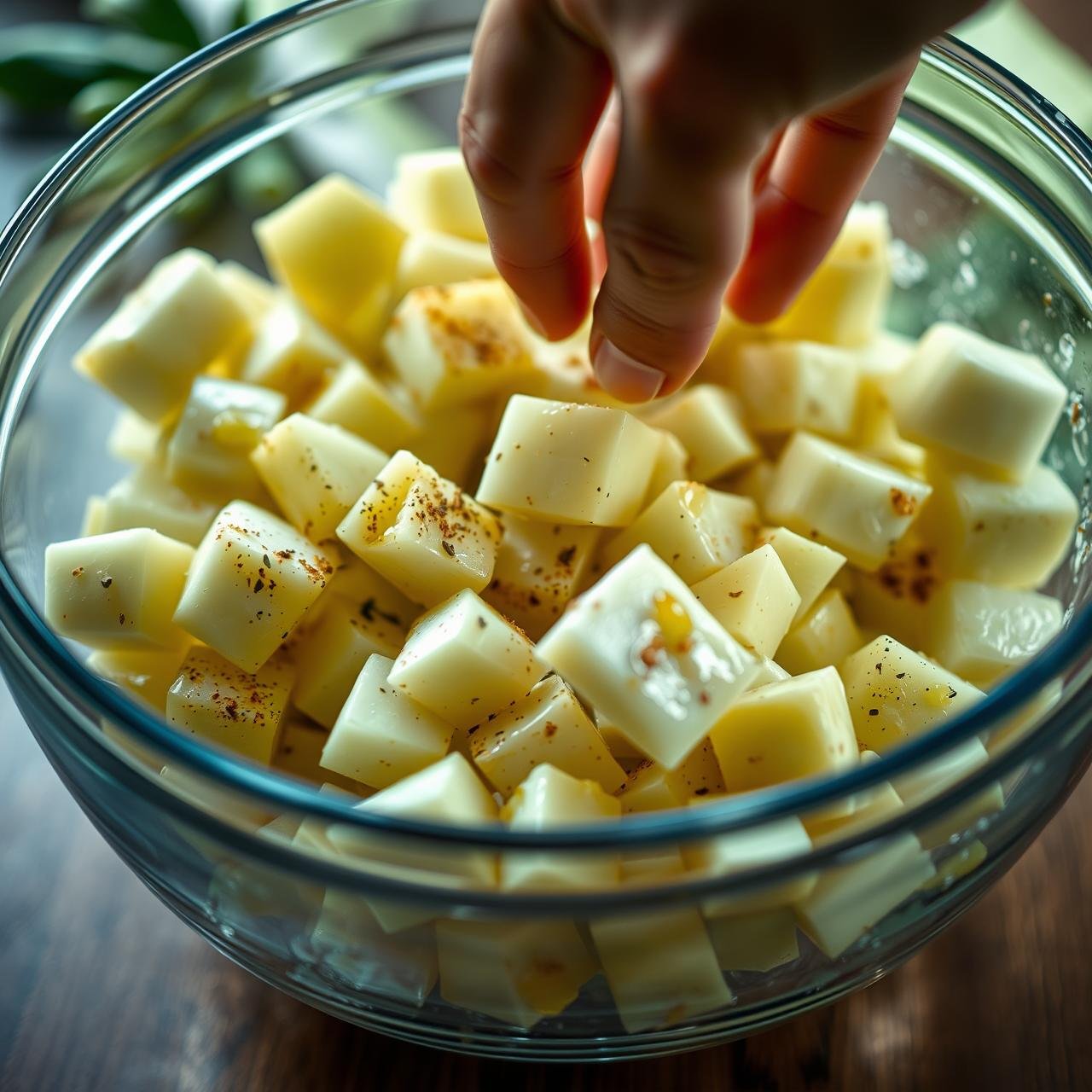
Follow these steps closely for kohlrabi that is tender on the inside, crispy on the outside, and packed with flavor.
-
Prepare the Oven and Pan:
First things first, position an oven rack in the center of your oven and preheat it to a robust 425°F (220°C). High heat is essential for achieving those coveted crispy, caramelized edges. Do not place your baking sheet in the oven to preheat; we’ll add the kohlrabi to a room-temperature pan.
-
Prep the Kohlrabi:
Wash and dry the kohlrabi bulbs thoroughly. Trim off the top stems and the bottom root end. The outer skin of kohlrabi is quite fibrous and tough, so it needs to be removed. Using a sharp vegetable peeler or a paring knife, peel away the entire outer layer until you reach the tender, pale flesh underneath. Be thorough, as any remaining peel can be woody. Once peeled, slice the kohlrabi into planks and then cut them into uniform ¾-inch to 1-inch cubes. Uniformity is key for even cooking.
-
Season Generously:
Place the kohlrabi cubes into your large mixing bowl. Drizzle with the olive oil, then sprinkle over the kosher salt, black pepper, garlic powder, and smoked paprika (if using). Use your hands or a large spoon to toss everything together until each cube is evenly coated in a thin layer of oil and spices. This ensures every single bite is flavorful.
-
Arrange for Roasting:
Spread the seasoned kohlrabi onto your rimmed baking sheet in a single, even layer. This is the most critical step for getting a good roast. If the pieces are crowded, they will steam instead of roast, resulting in a soft, pale vegetable. If you need to, use two baking sheets to give them enough space.
-
Roast to Golden Perfection:
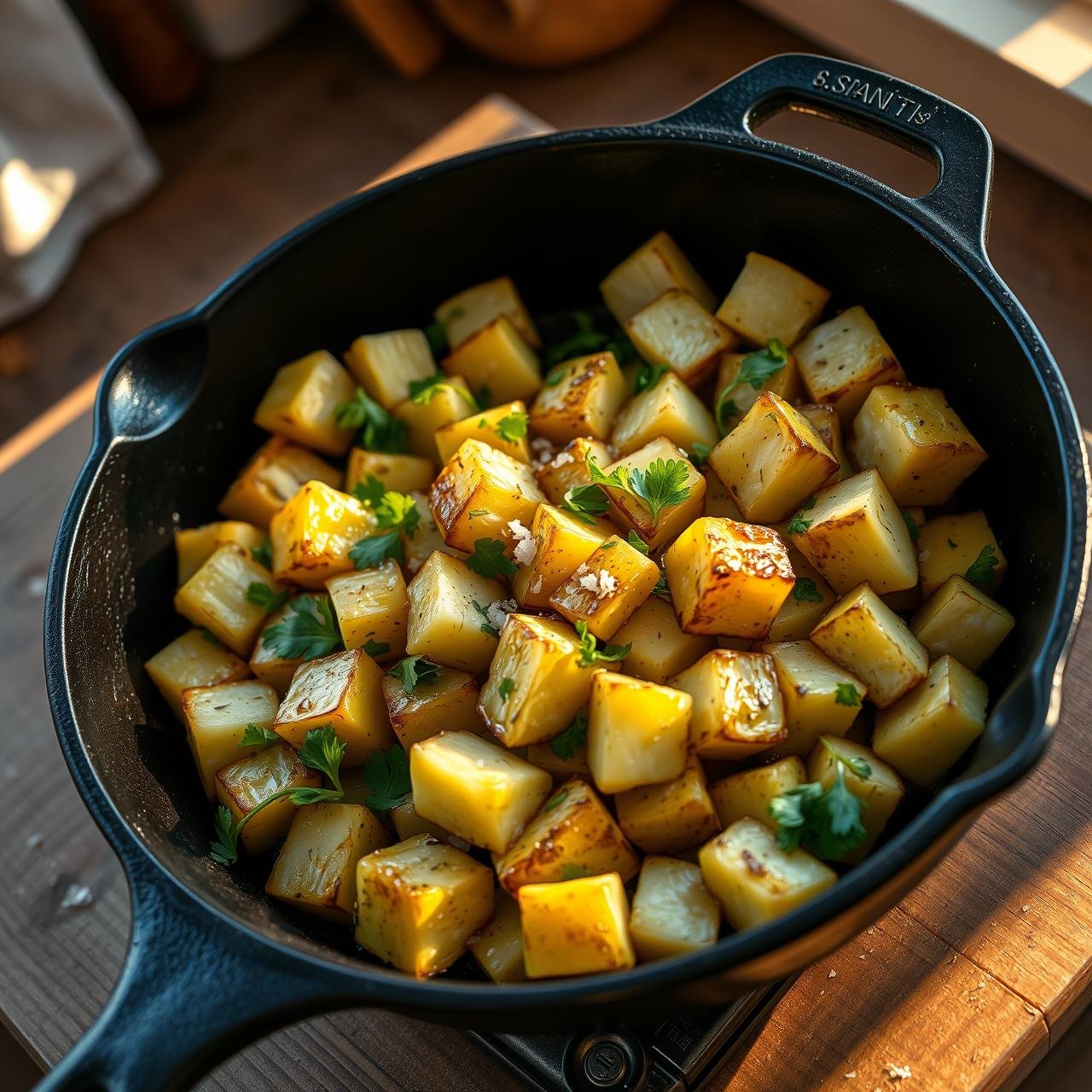
Place the baking sheet in the preheated oven. Roast for 20 minutes. After 20 minutes, remove the pan from the oven and use a spatula to flip the kohlrabi pieces over. Return the pan to the oven and continue to roast for another 15-20 minutes, or until the kohlrabi is fork-tender and beautifully golden brown with crispy, caramelized edges.
-
Garnish and Serve:
Once roasted to your liking, remove the pan from the oven. Transfer the hot kohlrabi to a serving dish and garnish with the freshly chopped parsley. Serve immediately while warm for the best texture and flavor.
Chef’s Tips and Flavor Variations
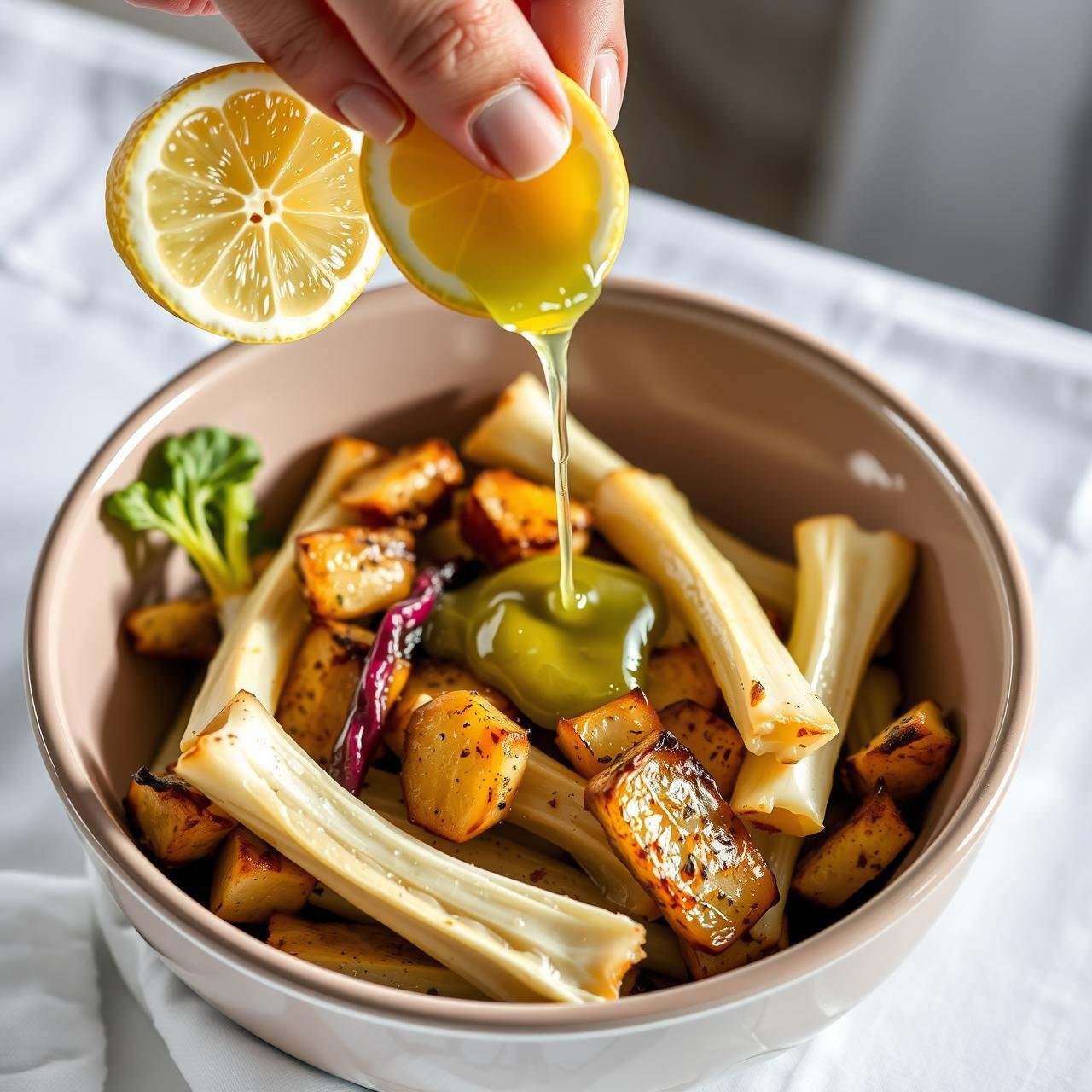
Tips for Success:
- Don’t Crowd the Pan: This bears repeating! Give your kohlrabi space to breathe on the baking sheet. A single layer is the secret to a crispy, roasted texture.
- Uniform Size: Cutting the kohlrabi into evenly sized cubes ensures that they all cook at the same rate. No one wants a mix of burnt and undercooked pieces.
- High Heat is Your Friend: Roasting at a lower temperature will result in softer, less flavorful kohlrabi. The 425°F (220°C) heat is perfect for caramelization.
Flavor Variations to Explore:
- Herby & Lemony: Toss the roasted kohlrabi with fresh thyme, rosemary, and a squeeze of fresh lemon juice after it comes out of the oven.
- Spicy & Smoky: Add a pinch of cayenne pepper or chipotle powder along with the smoked paprika for a fiery kick.
- Cheesy Goodness: In the last 5 minutes of roasting, sprinkle the kohlrabi with grated Parmesan or Pecorino cheese until it’s melted and bubbly.
- Sweet & Savory: Drizzle with a touch of maple syrup or honey during the last 10 minutes of roasting for a sweet glaze that complements its natural nuttiness.
Nutritional Profile: A Healthy Powerhouse
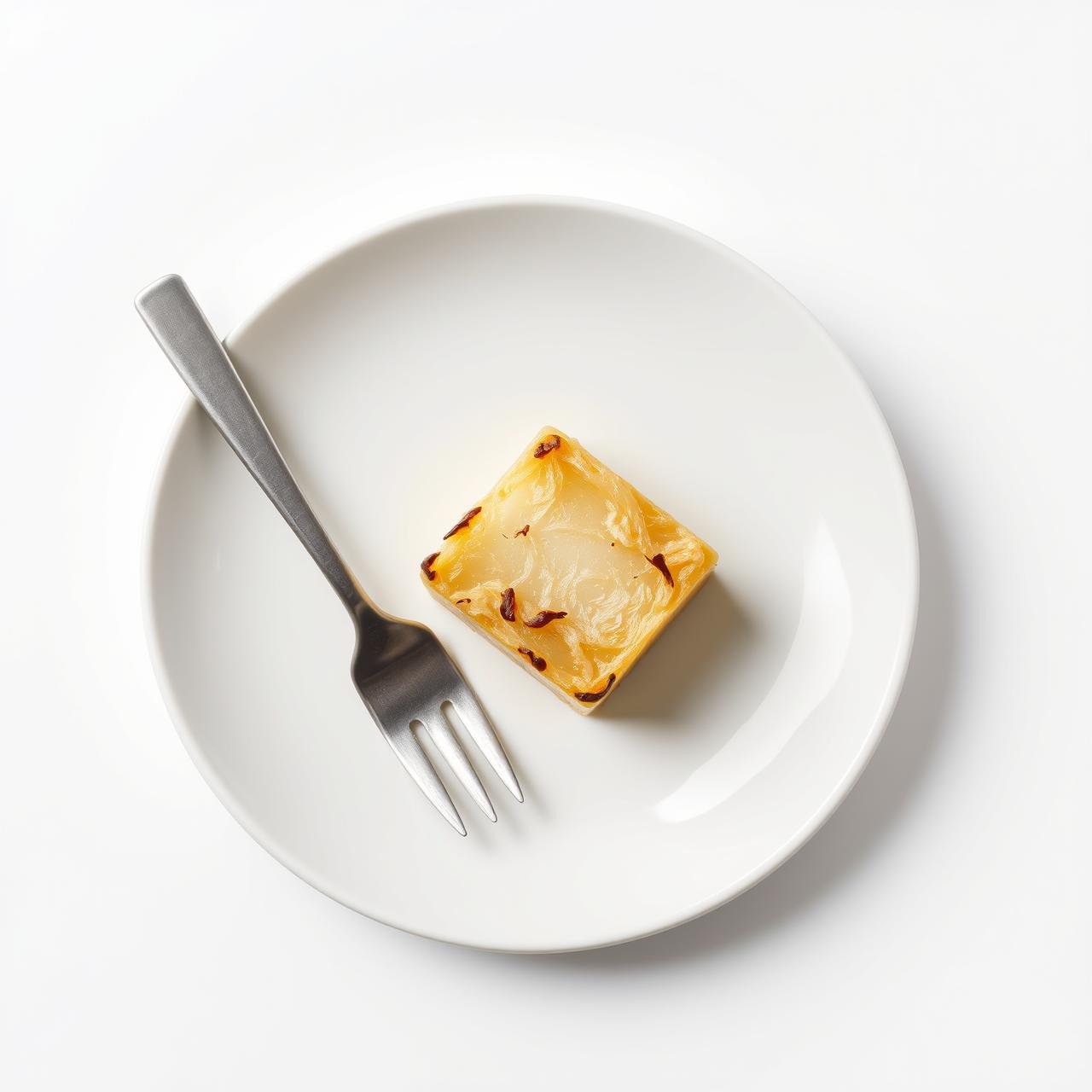
Kohlrabi is not just a tasty potato substitute; it’s a nutritional champion. It’s exceptionally low in calories and carbohydrates while being packed with essential nutrients, making it a fantastic choice for a wide range of dietary needs, from keto to simply clean eating.
| Nutrient | Amount per Serving (approx. 1 cup) | % Daily Value |
|---|---|---|
| Calories | ~50 kcal | 2.5% |
| Carbohydrates | ~11 g | 4% |
| Dietary Fiber | ~5 g | 18% |
| Sugars | ~4 g | N/A |
| Protein | ~3 g | 6% |
| Vitamin C | ~93 mg | 103% |
| Potassium | ~500 mg | 11% |
| Vitamin B6 | 0.2 mg | 12% |
| Fat | ~0.2 g | 0% |
*Nutritional information is an estimate and can vary based on the size of the kohlrabi and the exact amount of oil used.
Storing and Reheating Your Roasted Kohlrabi
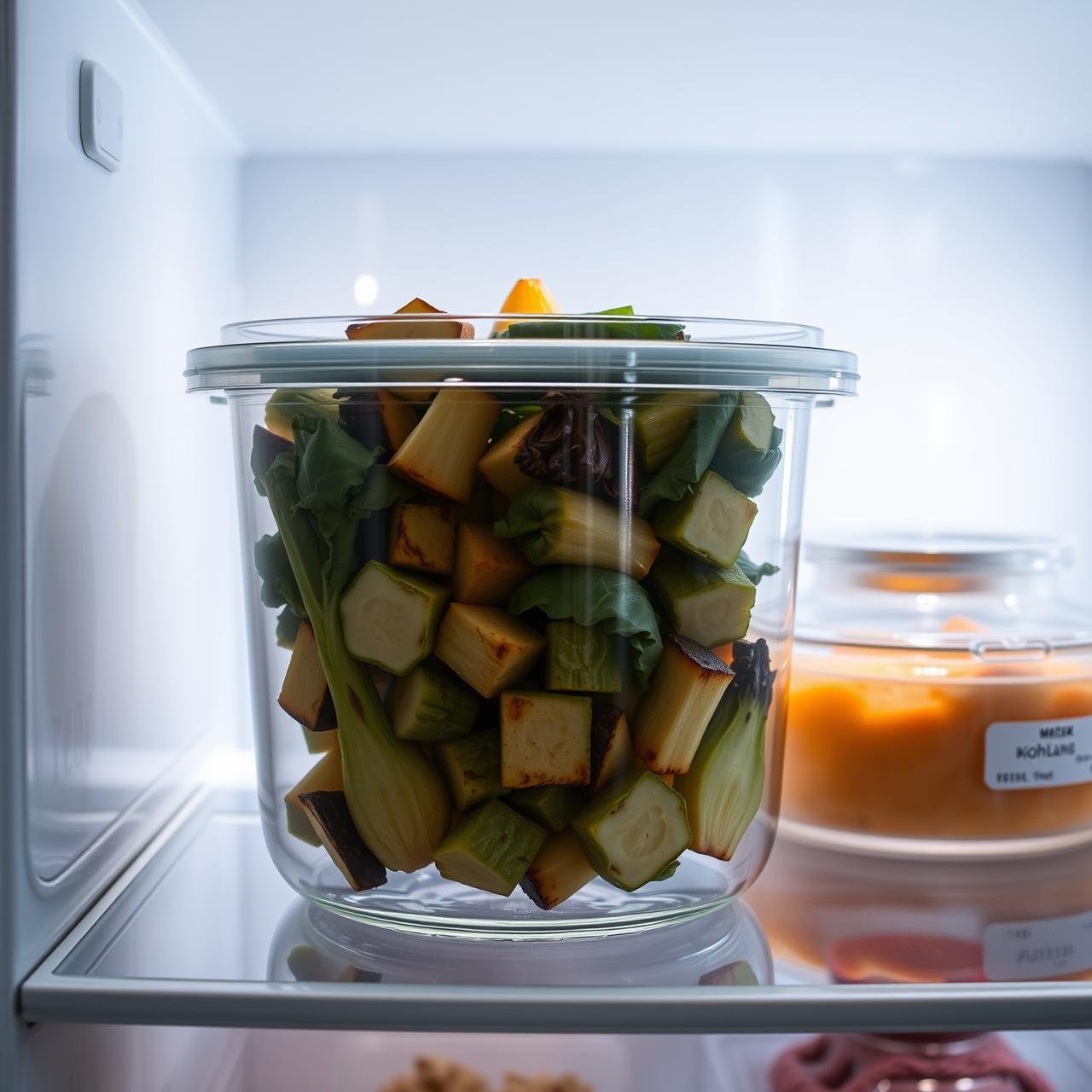
While roasted kohlrabi is undeniably best when served fresh from the oven, leftovers are still delicious and can be enjoyed for days. Proper storage is key to maintaining as much of the original texture and flavor as possible.
Storage:
Allow the roasted kohlrabi to cool completely to room temperature. This prevents condensation from forming in the storage container, which can make the kohlrabi soggy. Once cooled, transfer the pieces to an airtight container and store them in the refrigerator for up to 4 days.
Reheating:
For the best results that bring back some of the original crispiness, avoid the microwave. The best way to reheat roasted kohlrabi is in the oven or an air fryer. Spread the kohlrabi on a baking sheet and heat in a 400°F (200°C) oven for about 5-10 minutes, or until heated through and slightly re-crisped. An air fryer at 375°F (190°C) for 3-5 minutes also works wonders.
Conclusion
Kohlrabi is a testament to the idea that the most humble ingredients can often yield the most extraordinary results. By embracing the simple, transformative power of high-heat roasting, you can turn this underrated vegetable into a side dish that rivals—and in many ways, surpasses—the classic roasted potato. It’s a dish that beautifully marries rustic comfort with clean, healthful eating, proving that you never have to sacrifice flavor for nutrition.
We encourage you to step outside your culinary comfort zone, grab one of those strange-looking bulbs from the market, and give this recipe a try. Whether you’re a seasoned chef or a curious home cook, you’ll be rewarded with a side dish that is nutty, sweet, tender, and utterly delicious. Welcome roasted kohlrabi to your table; it’s an underrated hero that’s more than ready for its moment to shine.