The Ultimate Satiety Superfood: Homemade Chicken Liver Pate (No Fluff)
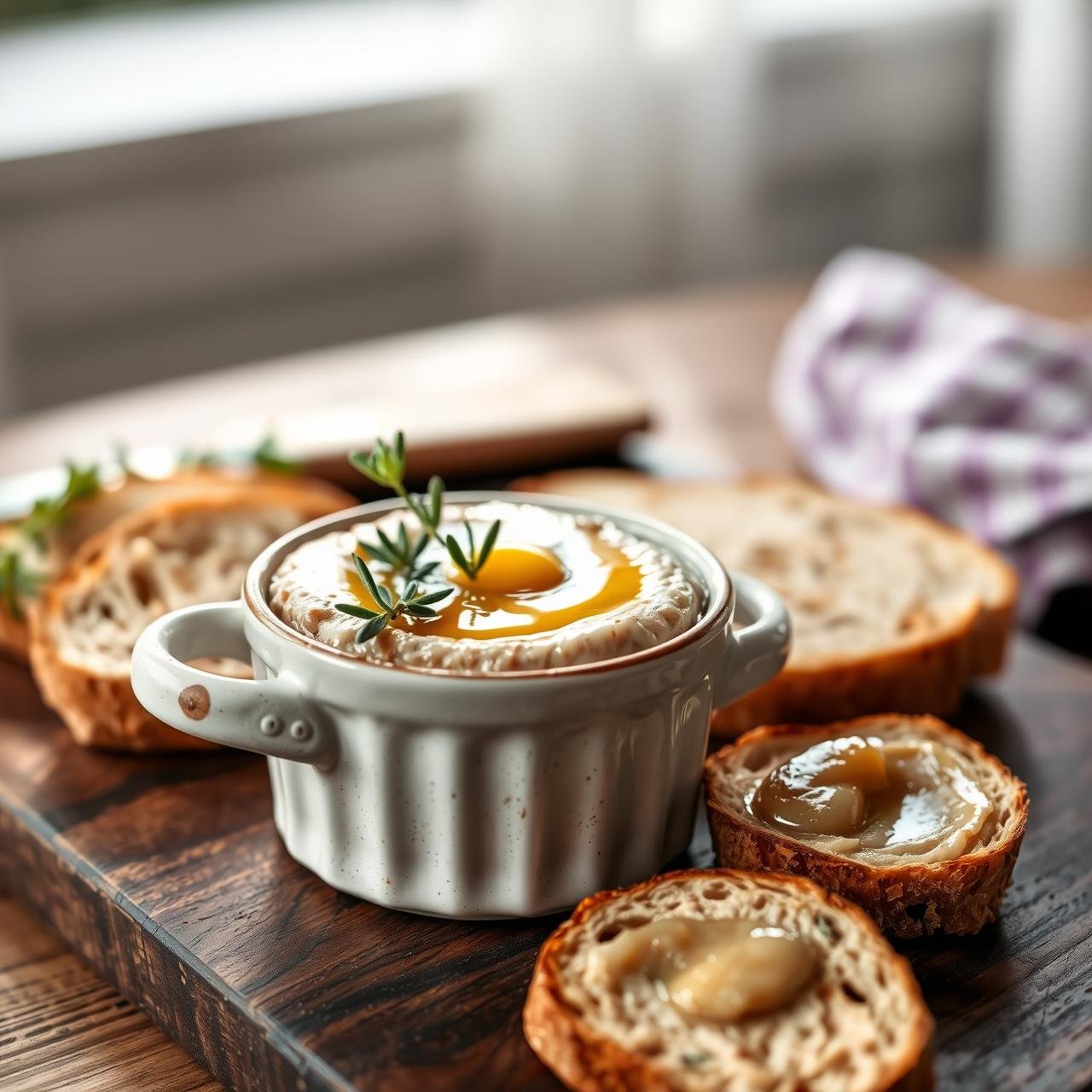
Forget everything you think you know about liver. Cast aside those memories of grey, rubbery school-day meals. We’re here to reclaim one of nature’s most potent superfoods and transform it into something truly sublime: a silky, decadent, and deeply savory chicken liver pâté. This isn’t just an appetizer; it’s a nutritional powerhouse masquerading as a gourmet indulgence. It’s the kind of food that nourishes you from the inside out, providing long-lasting energy and a feeling of profound satiety that few other foods can match.
This recipe is the antidote to overly complicated, fussy culinary projects. It is, as promised, ‘no fluff.’ We will guide you, step-by-step, through a straightforward process that demystifies pâté-making forever. Using simple, high-quality ingredients and a few key chef techniques, you will create a spread so rich, creamy, and flavorful, you’ll wonder why you ever bought the pre-made stuff. Prepare to embrace the rustic elegance and profound health benefits of homemade chicken liver pâté.
Why This Pâté is a Game-Changer
Before we dive into the ‘how,’ let’s talk about the ‘why.’ This isn’t just another recipe; it’s an upgrade to your culinary repertoire and your well-being. Here’s why this homemade pâté deserves a permanent spot in your fridge:
- Nutritional Royalty: Chicken liver is one of the most nutrient-dense foods on the planet. It’s packed with bioavailable Vitamin A (for vision and immune function), Vitamin B12 (for energy and brain health), iron (to combat fatigue), and folate. It’s a true superfood that supports your body on a cellular level.
- The Satiety Secret: Rich in protein and healthy fats, this pâté keeps you feeling full and satisfied for hours. A small amount on some quality toast or vegetable sticks can curb cravings and prevent mindless snacking, making it a powerful ally for health enthusiasts.
- Budget-Friendly Luxury: Experience the flavor and texture of a high-end restaurant appetizer for a fraction of the cost. Chicken livers are incredibly inexpensive, allowing you to create something that feels utterly luxurious without breaking the bank.
- Deceptively Simple: While the final product tastes complex and sophisticated, the process is surprisingly simple. With about 30 minutes of active cooking time, you can create a batch that will last you for days. This is rustic homestyle cooking at its finest.
The Anatomy of Perfect Pâté: A Deep Dive into the Ingredients
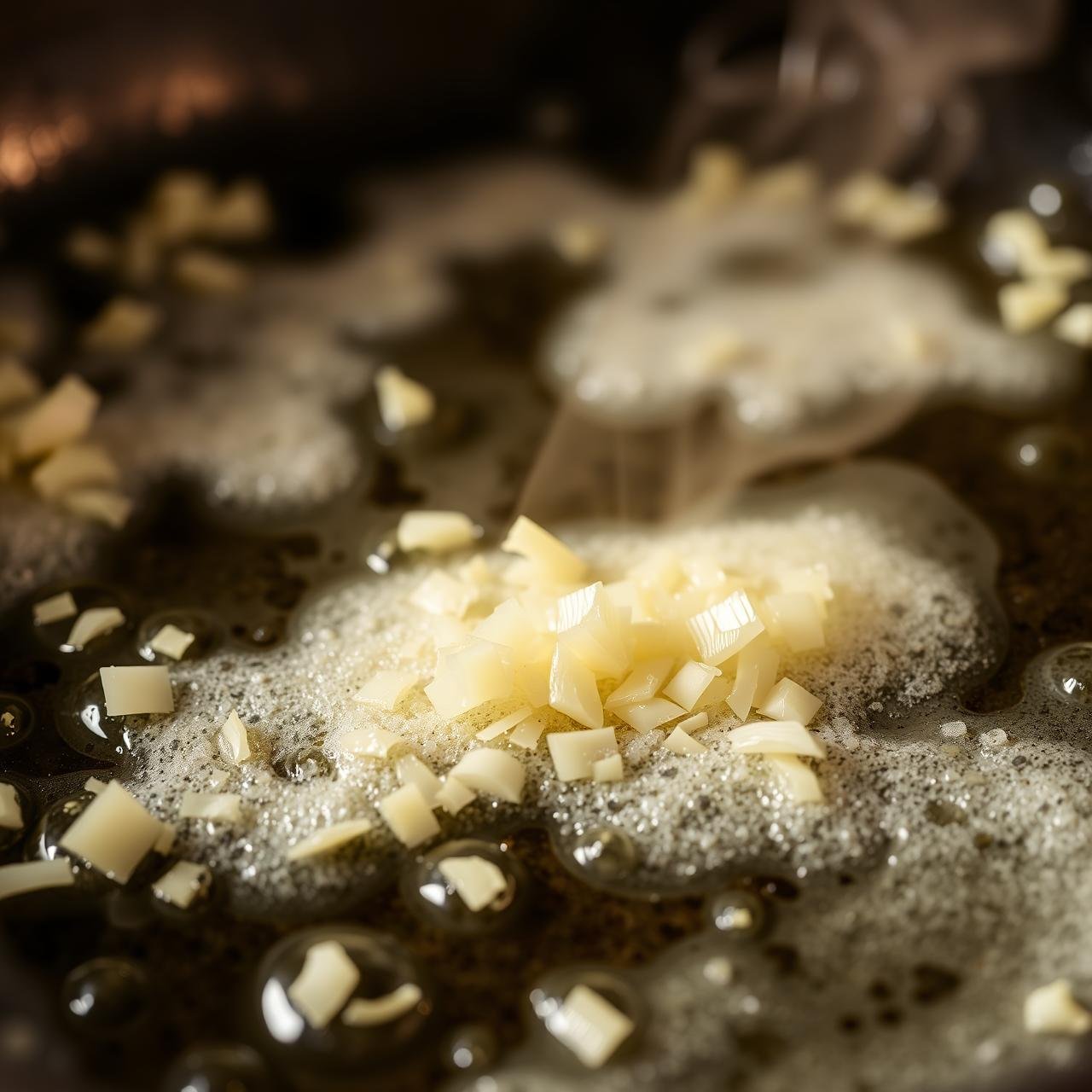
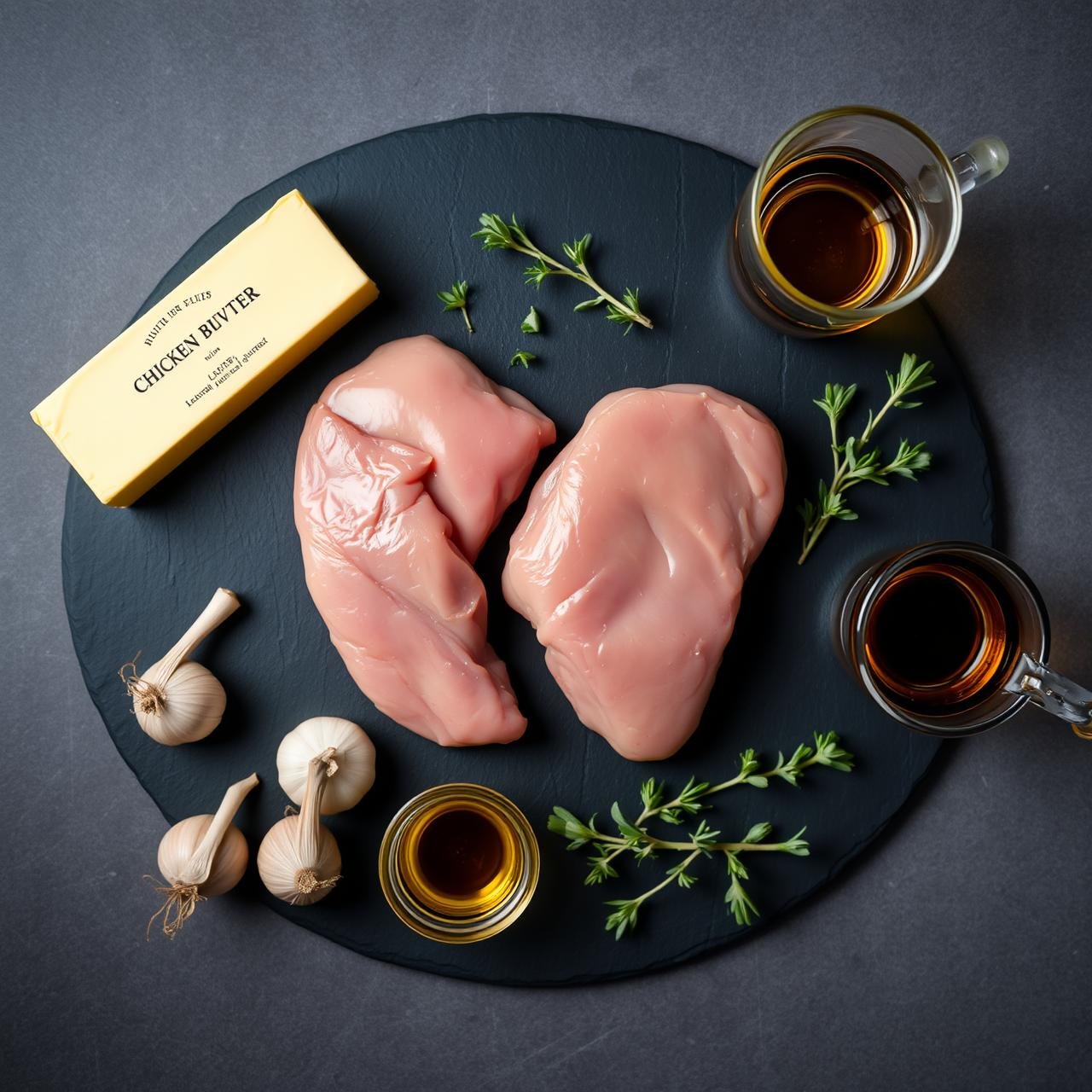
The beauty of this recipe lies in its simplicity and the quality of its components. Each ingredient plays a crucial role in building the final, harmonious flavor profile. Understanding them is the first step to mastery.
Chicken Livers
The star of the show. Seek out the freshest chicken livers you can find, preferably from pasture-raised chickens. They should be plump, with a deep, glossy, reddish-brown color. Avoid any that look grey or have an off smell. We’ll be trimming them of any connective tissue to ensure a perfectly smooth final product.
Unsalted Butter
We use a generous amount, so quality matters. Opt for a good European-style or grass-fed butter. It has a higher fat content and a richer, nuttier flavor that cheap butter lacks. We use it for sautéing and for the final seal, which preserves the pâté and adds another layer of creamy flavor.
Shallots & Garlic
This aromatic duo forms the flavor foundation. We choose shallots over onions for their milder, sweeter flavor that complements the liver without overpowering it. Fresh garlic adds a pungent, savory depth that is essential.
Fresh Thyme
The subtle, earthy, and slightly floral notes of fresh thyme are the perfect herbal counterpoint to the richness of the liver. It cuts through the fat and adds a classic, rustic French character to the pâté.
Brandy or Cognac
This is not just for show; it’s a critical flavor-building step. Deglazing the pan with a splash of brandy lifts all the delicious caramelized bits (the ‘fond’) from the bottom of the skillet, adding incredible depth and a hint of sophisticated sweetness. You can also use dry sherry or Madeira.
Heavy Cream
A touch of heavy cream is our secret to an ultra-creamy, luscious texture. It smooths out the mouthfeel and balances the intensity of the liver, resulting in a more mellow and refined final product.
Salt & Pepper
Proper seasoning is paramount. We use fine sea salt to enhance all the other flavors and freshly cracked black pepper for a touch of warmth and spice. Remember to taste and adjust before chilling, as cold temperatures can dull flavors.
Essential Kitchen Tools for Pâté Perfection
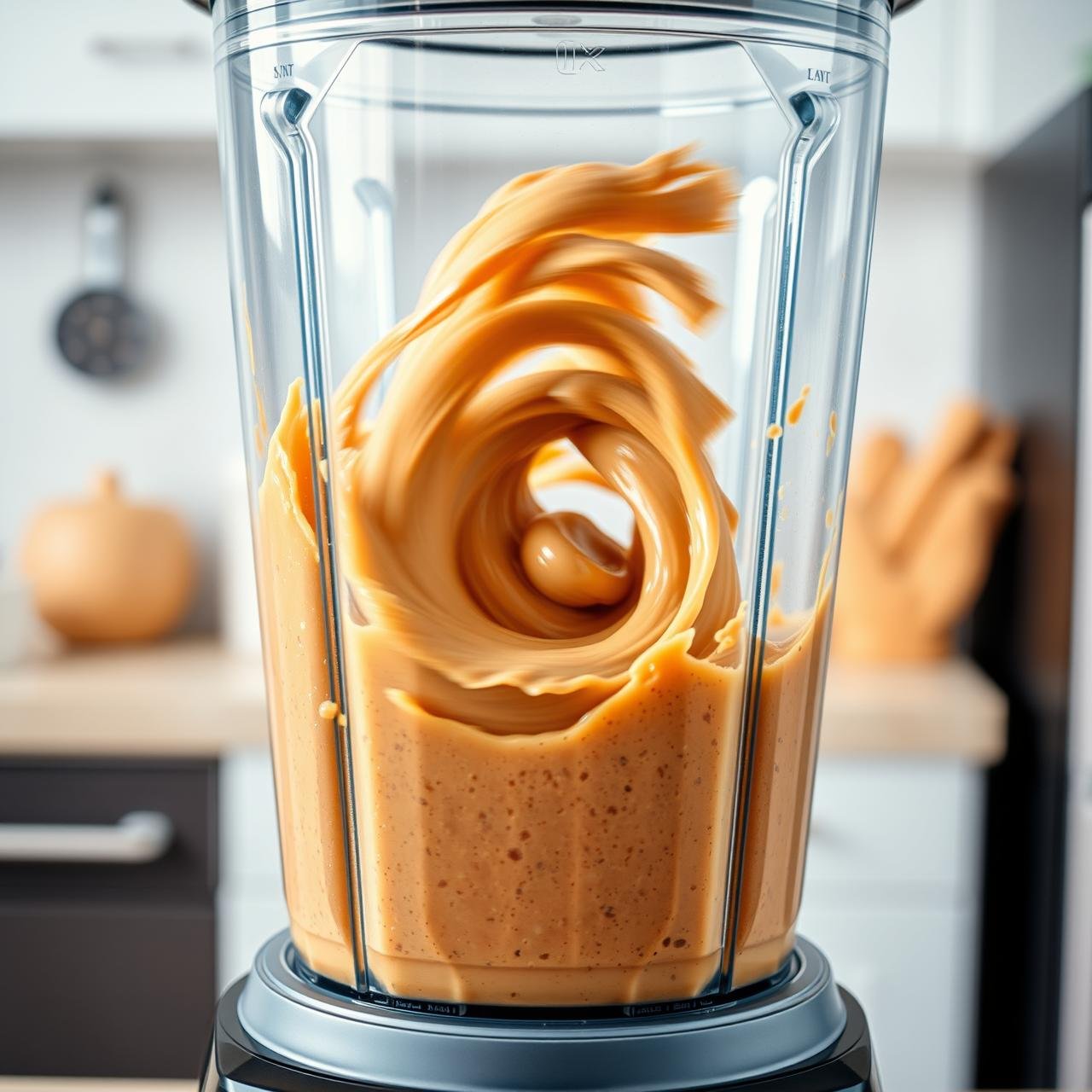
You don’t need a professional kitchen, but having the right tools makes the process seamless and guarantees a superior result. Here’s your checklist:
| Tool | Purpose |
|---|---|
| Large Skillet | A heavy-bottomed skillet (cast iron or stainless steel) provides even heat for perfectly searing the livers without overcooking them. |
| Food Processor or High-Powered Blender | This is non-negotiable for achieving a silky-smooth texture. A powerful motor will make quick work of the mixture. |
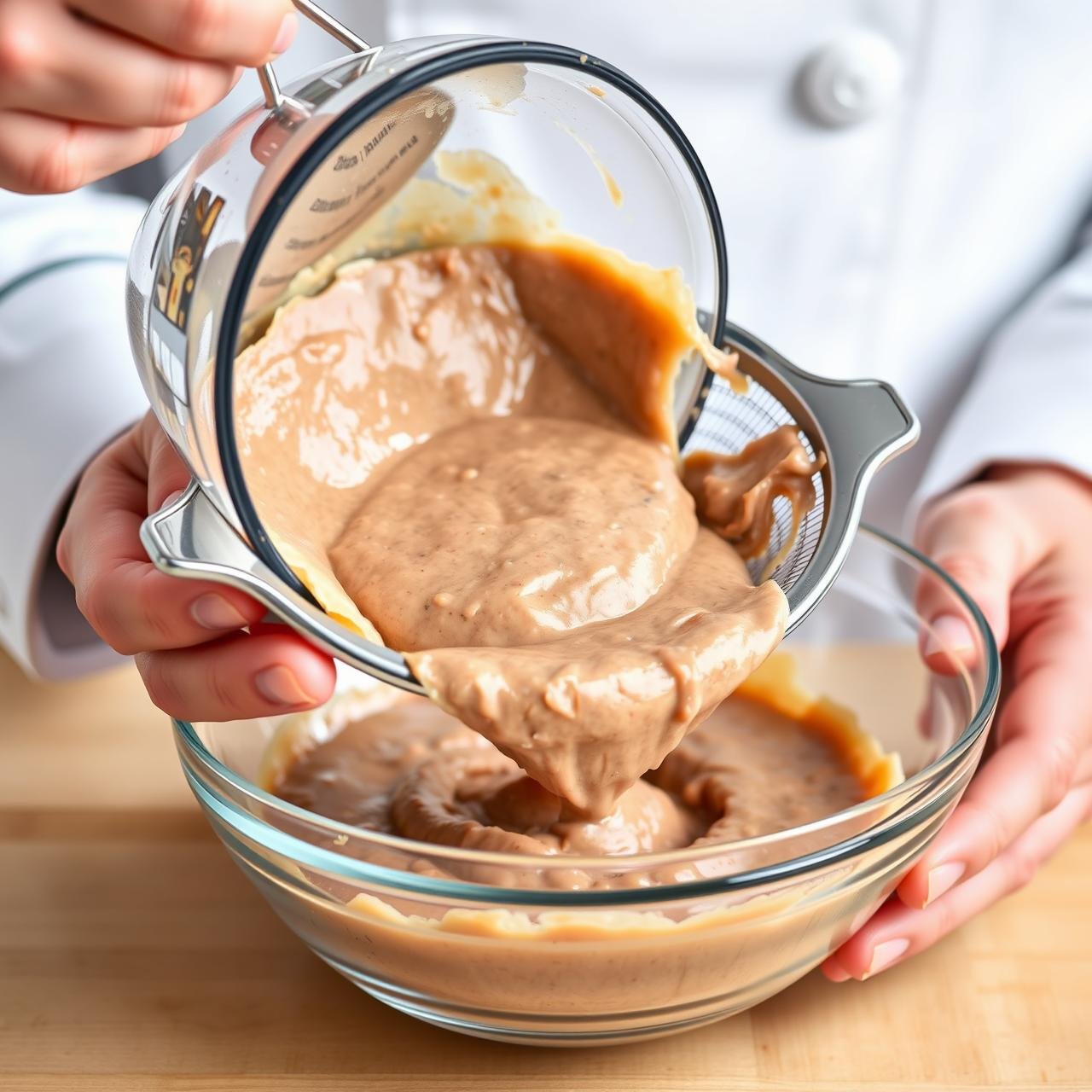
| Fine-Mesh Sieve | The chef’s secret weapon. Pushing the puréed mixture through a sieve removes any tiny bits of connective tissue, ensuring an impeccably smooth, velvety final pâté. |
| Silicone Spatula | Essential for scraping every last bit of deliciousness from the pan and the blender. |
| Ramekins or a Terrine Dish | Individual ramekins are perfect for serving, but a single larger terrine dish or even a glass jar works beautifully for storing the pâté. |
Mastering the Method: A Step-by-Step Guide to Silky Pâté
Follow these steps closely, and you’ll be rewarded with a perfect pâté. Read through them once before you begin to familiarize yourself with the process.
The Ingredients List
- 1 lb (450g) fresh chicken livers
- 8 tbsp (1/2 cup / 113g) unsalted butter, divided
- 1 large shallot, finely chopped
- 2 cloves garlic, minced
- 1 tsp fresh thyme leaves
- 3 tbsp brandy or cognac
- 1/4 cup (60ml) heavy cream
- 3/4 tsp fine sea salt (or to taste)
- 1/2 tsp freshly cracked black pepper (or to taste)
The Instructions
- Prepare the Livers: Rinse the chicken livers under cold water and pat them thoroughly dry with paper towels. This is key for getting a good sear. Using a small paring knife, trim away any greenish spots (bile) and the tough connective tissues. Cut larger livers into uniform, bite-sized pieces.
- Sauté the Aromatics: In a large skillet over medium heat, melt 4 tbsp of the butter. Once it’s foaming, add the chopped shallot and sauté for 3-4 minutes until softened and translucent. Add the minced garlic and fresh thyme and cook for another minute until fragrant. Do not let them brown.
- Cook the Livers: Increase the heat to medium-high. Add the prepared livers to the skillet in a single layer. Cook for 2-3 minutes per side. The goal is to get a nice brown crust on the outside while the inside remains slightly pink. Do not overcook them! Overcooked livers will result in a grainy, metallic-tasting pâté.
- Deglaze the Pan: Remove the skillet from the heat. Carefully pour in the brandy. Return the skillet to the heat and use a wooden spoon to scrape up all the browned bits from the bottom of the pan as the alcohol bubbles away. Let it cook for about 30-60 seconds until the strong alcohol smell has dissipated.
- Blend to Perfection: Transfer the entire contents of the skillet to your food processor or blender. Add the remaining 4 tbsp of butter (cubed), the heavy cream, salt, and pepper. Blend on high for 1-2 minutes, scraping down the sides as needed, until the mixture is completely and utterly smooth.
- The Secret Step: Strain It! Position a fine-mesh sieve over a clean bowl. Pour the pâté mixture into the sieve and use a spatula to press it through. This step is crucial and separates good pâté from great pâté. It removes any last bits of membrane, resulting in a luxuriously silky texture. Discard the solids left in the sieve.
- Pot and Chill: Pour the strained pâté into your chosen ramekin(s) or terrine. Tap the container on the counter a few times to release any air bubbles. Cover with plastic wrap, pressing it directly onto the surface of the pâté to prevent a skin from forming. Refrigerate for at least 4 hours, or preferably overnight, to allow the flavors to meld and the pâté to set completely.
- The Optional Butter Seal: For longer storage and a classic presentation, you can create a butter seal. Once the pâté is fully chilled, melt 2-3 tbsp of butter. Let it cool slightly, then pour it over the surface of the set pâté. You can add a fresh thyme sprig for decoration. Return to the fridge to allow the butter to solidify. This seal will help keep the pâté fresh for up to a week.
A Chef’s Secrets for Flawless Pâté Every Time
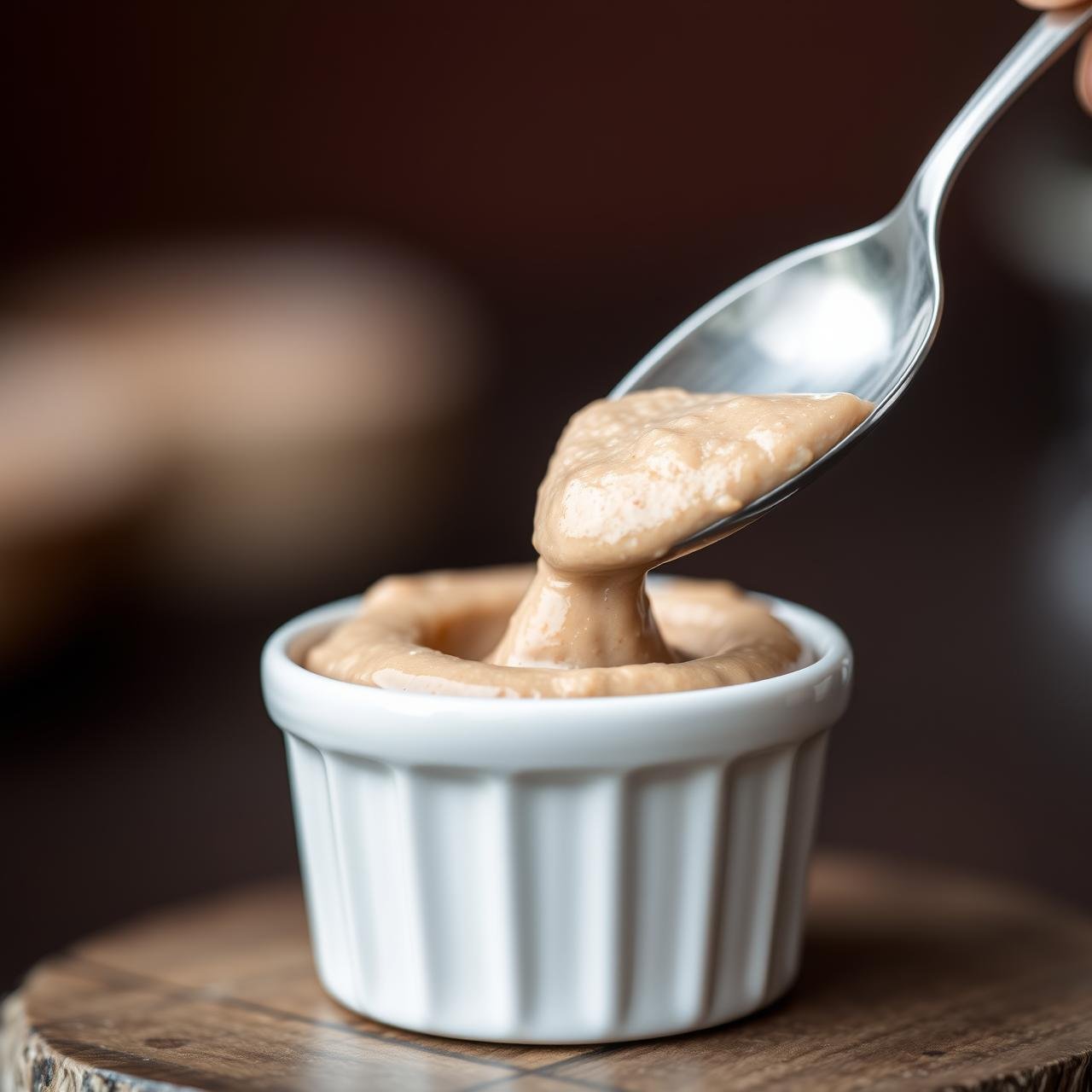
These small details make a world of difference. Keep them in mind to elevate your pâté from homemade to gourmet.
- The Pink Center is Key: The most common mistake is overcooking the livers. This develops a bitter, metallic taste and a grainy texture. Break one open as you cook – it should be rosy pink in the middle. The residual heat will finish the cooking process as it rests and blends.
- Room Temperature Ingredients: For the blending step, using butter that’s softened (not melted) and cream that’s not ice-cold will help the mixture emulsify better, creating a more stable and creamy final product.
- Taste Before You Chill: The flavor of the pâté will change and mellow as it cools. However, it’s essential to taste the warm purée (be careful!) and adjust the salt and pepper. Cold dulls seasoning, so the warm mixture should taste slightly more seasoned than you think it needs to be.
- Patience is a Virtue: The hardest part of this recipe is waiting. Do not rush the chilling process. The pâté needs several hours to fully set and for the complex flavors to meld together. The taste is significantly better the next day.
The Nutritional Powerhouse: Understanding Pâté’s Benefits
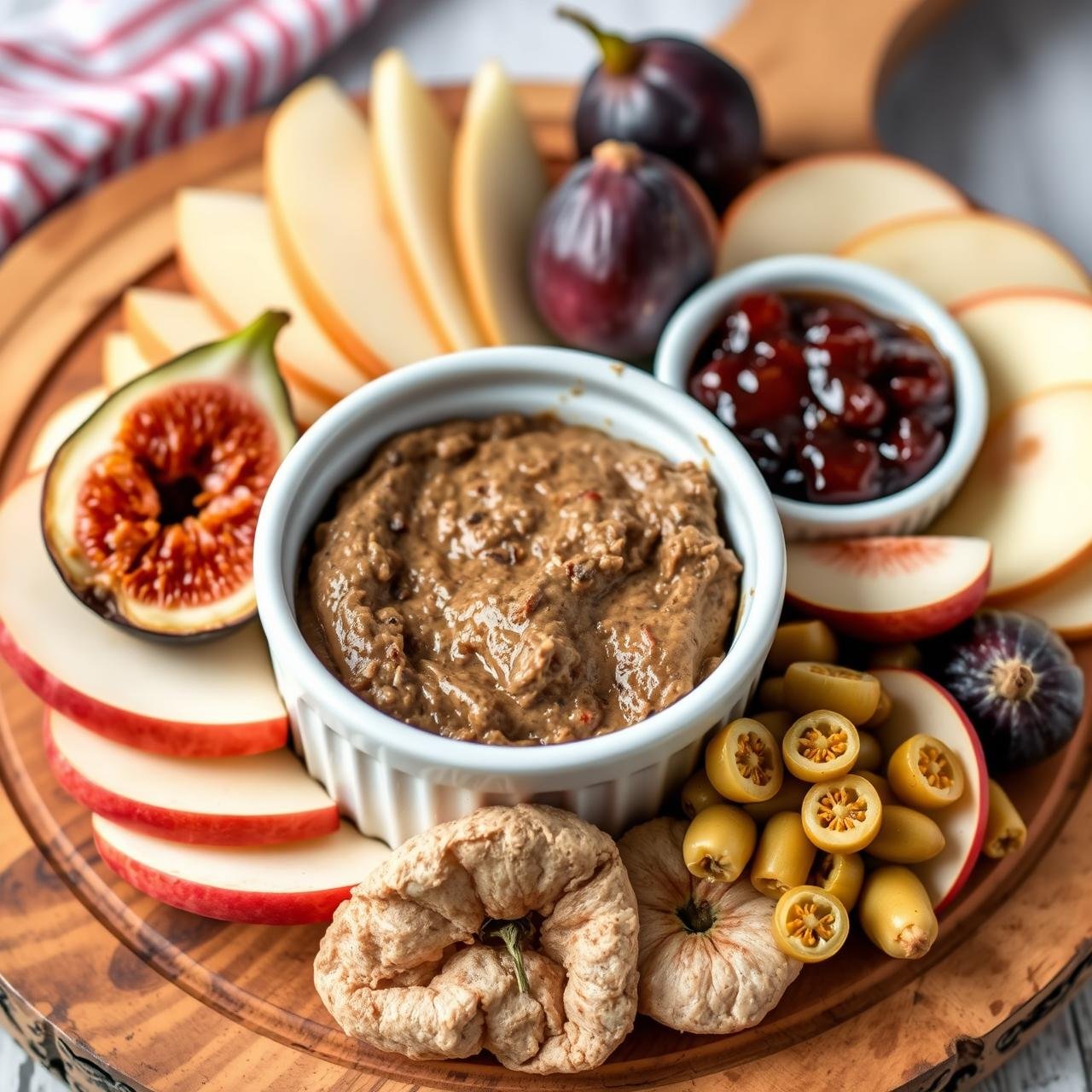
This pâté is more than just delicious; it’s a concentrated source of vital nutrients that are often lacking in the modern diet. A small serving delivers a significant dose of essential vitamins and minerals, particularly Vitamin A for immune health, a spectrum of B vitamins (especially B12) for energy metabolism, and highly absorbable heme iron for oxygen transport. It’s a true ‘food as medicine’ recipe that tastes like a decadent treat.
| Nutrition Facts (Approximate per 2 tbsp serving) | |
|---|---|
| Calories | 120 kcal |
| Protein | 5g |
| Fat | 11g |
| Carbohydrates | 1g |
| Vitamin A | >300% DV |
| Vitamin B12 | >200% DV |
| Iron | ~30% DV |
| Folate | ~60% DV |
Serving, Pairing, and Storing Your Homemade Luxury
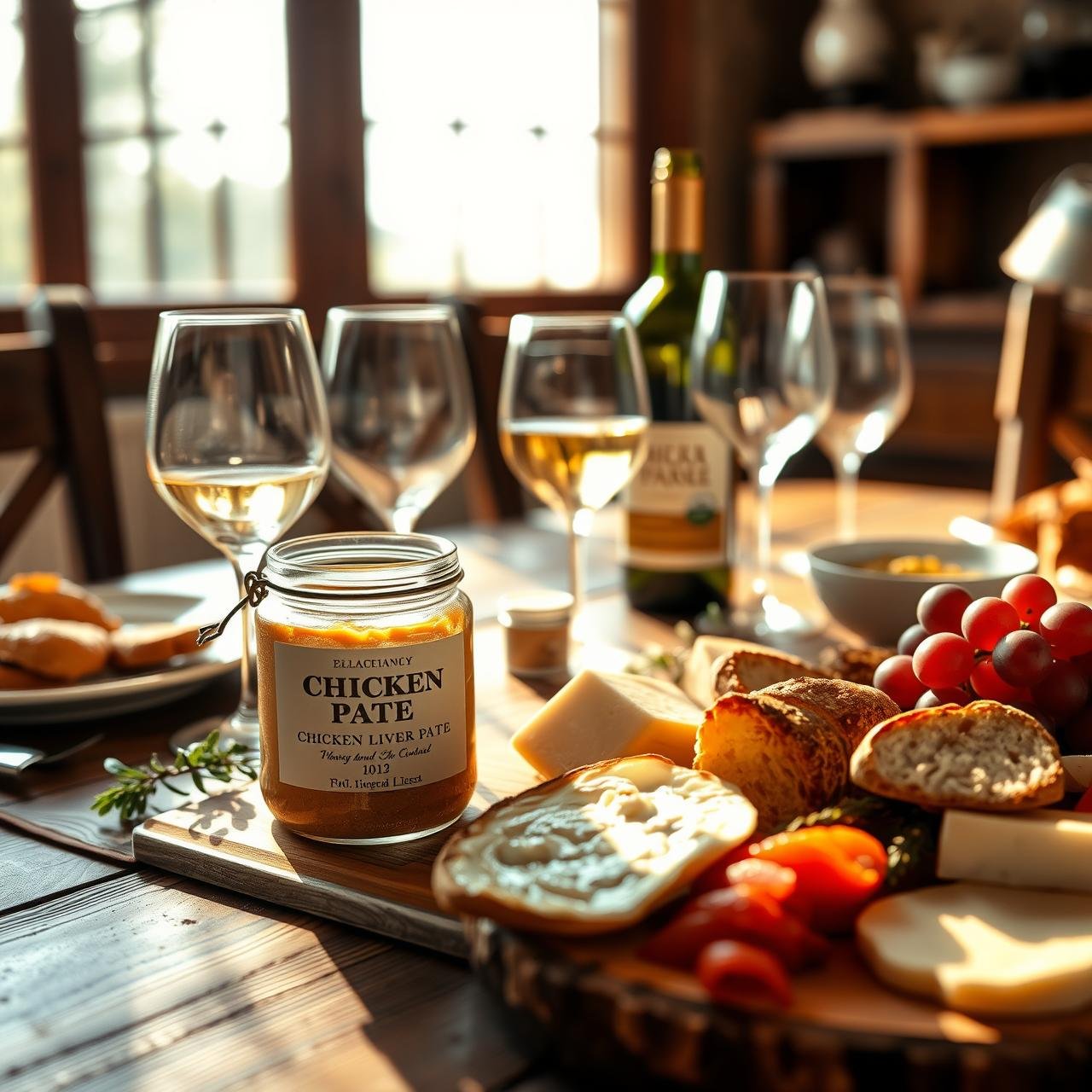
Now for the best part: enjoying your creation. Let the pâté sit at room temperature for about 20-30 minutes before serving to soften slightly and allow the flavors to bloom.
Serving Suggestions
The classic vehicle is a slice of crusty, toasted baguette or sourdough. But don’t stop there. It’s also fantastic with artisanal crackers, crisp apple or pear slices, celery sticks, cucumber rounds, or even sturdy endive leaves for a low-carb option.
Perfect Pairings
Balance is key. The richness of the pâté loves to be paired with something acidic or sweet.
- Acidic: Cornichons, pickled onions, or a grainy mustard cut through the fat beautifully.
- Sweet: A dollop of fig jam, onion marmalade, or fruit chutney provides a delightful contrast.
- Wine: A sweet wine like a Sauternes is a classic, luxurious pairing. A crisp, dry white wine or a light-bodied red also works well.
Storage and Longevity
Store your pâté in an airtight container in the refrigerator. Without a butter seal, it will last for 3-4 days. The surface may oxidize and darken, which is harmless, but a butter seal prevents this and extends its life to about one week. For longer storage, pâté freezes exceptionally well. Portion it into small containers, cover the surface with plastic wrap, and freeze for up to 3 months. Thaw it overnight in the refrigerator before serving.
Conclusion
You’ve done it. You’ve taken one of the most humble, affordable, and nutrient-dense ingredients in the butcher’s case and transformed it into something elegant, deeply satisfying, and profoundly nourishing. This homemade chicken liver pâté is a testament to the fact that wholesome, rustic food can also be the most luxurious. It’s a recipe that connects us to a more traditional way of eating, utilizing the whole animal and packing incredible nutrition into every single bite.
We encourage you to make this recipe your own. Share it at your next gathering, enjoy it as a satisfying snack, or savor it for a simple, elegant lunch. Welcome to the world of real food, where simple ingredients and solid technique create magic. Enjoy every silky, savory spoonful.