The Ultimate Metabolism Booster: Filipino Ginger Chicken Tinola
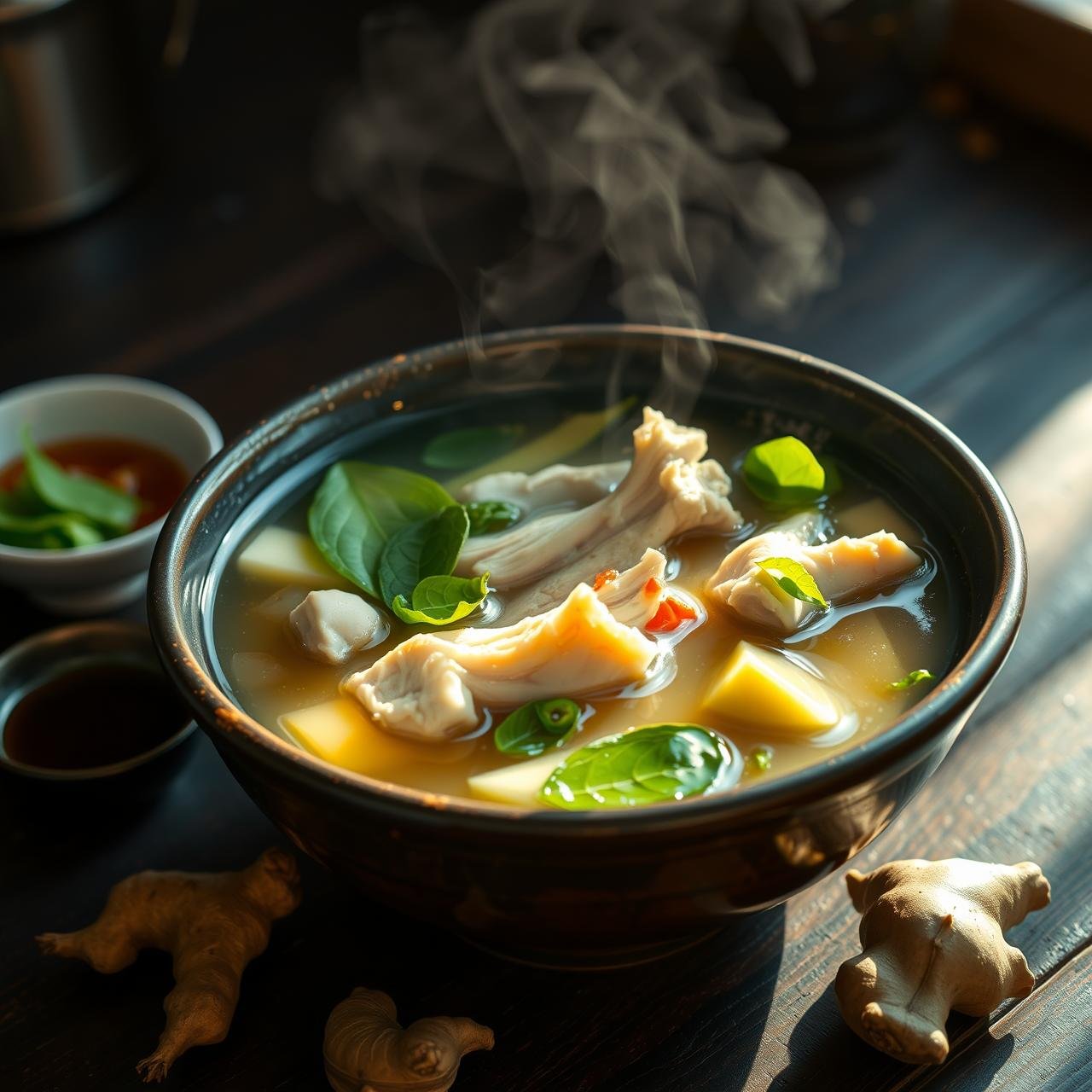
There are few dishes that encapsulate the feeling of home, health, and heritage in a single bowl quite like Filipino Ginger Chicken Tinola. It’s a culinary embrace, a brothy, aromatic soup that has warmed Filipino families for generations. But beyond its comforting allure lies a potent secret: this humble dish is a powerhouse of wellness, centered around the fiery, metabolism-igniting magic of fresh ginger. Imagine a clear, savory broth, deeply infused with the pungent spice of ginger and the savory essence of chicken, studded with tender chunks of green papaya and wilted, nutrient-dense greens. Every spoonful is a journey—clean, restorative, and profoundly satisfying. This isn’t just a recipe; it’s a ritual. It’s the art of slow-simmering simple, wholesome ingredients to create something that not only tantalizes your taste buds but also actively works to nourish and revitalize your body from the inside out. Join us as we delve into the heart of this beloved Filipino classic, transforming your kitchen into a sanctuary of rustic, healthy, and unbelievably delicious cooking.
The Soul of Tinola: Unpacking the Core Ingredients
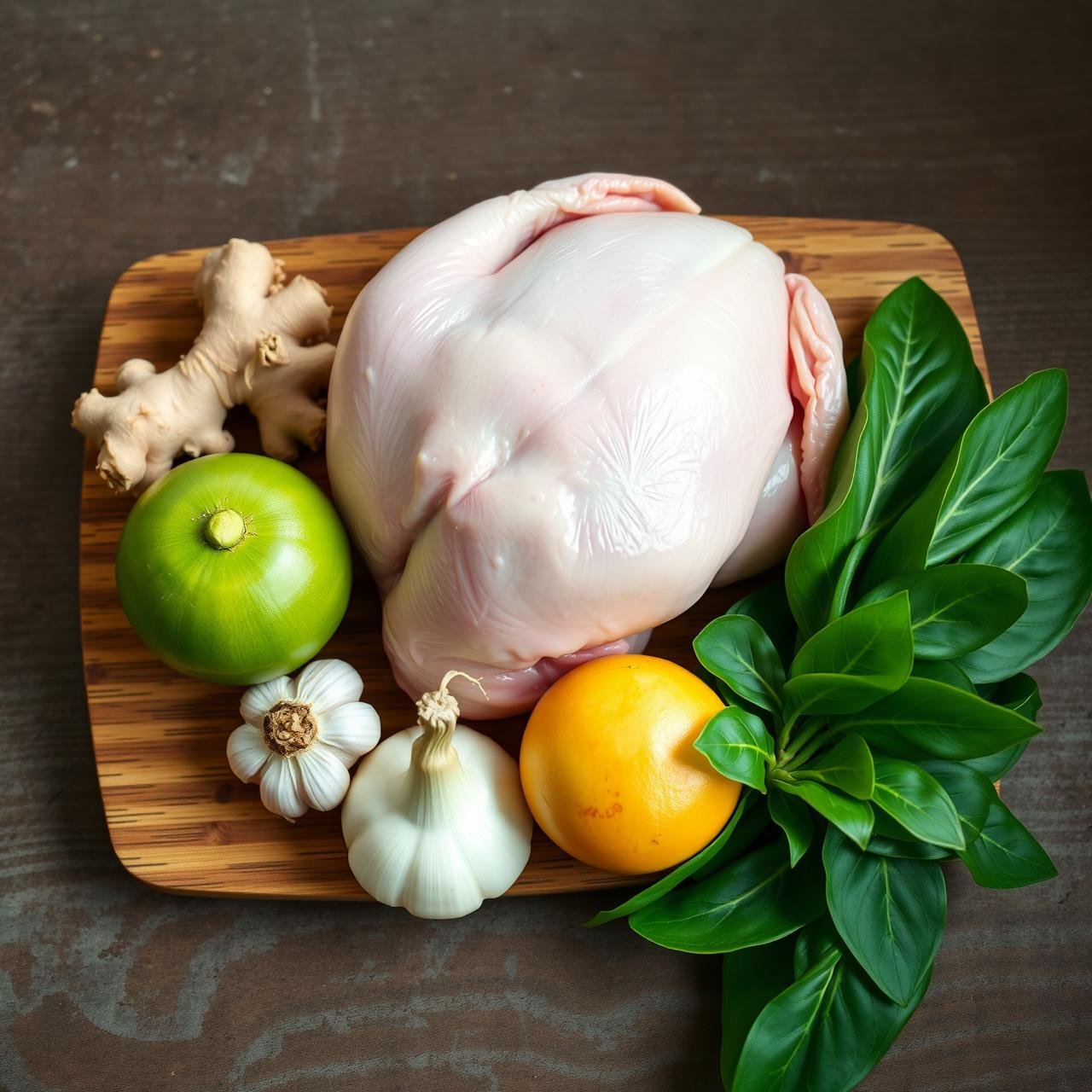
The beauty of Tinola lies in its simplicity and the integrity of its ingredients. Each component plays a crucial role, creating a symphony of flavor and texture that is both complex and comforting. Understanding these key players is the first step to mastering this dish.
The Foundation: Chicken and Aromatics
- Bone-in, Skin-on Chicken: For the most flavorful and gelatinous broth, using 1.5 kg (about 3.3 lbs) of bone-in, skin-on chicken pieces is non-negotiable. The bones release collagen and deep, savory flavor during the slow simmer, creating a broth with body and richness. A whole chicken, expertly cut into serving pieces, is traditional and ideal.
- Fresh Ginger: The star of the show. You’ll need a generous 3-inch piece, peeled and julienned. The ginger provides the signature warm, spicy kick that cuts through the richness of the chicken and is renowned for its digestive and metabolism-boosting properties.
- Garlic and Onion: The essential aromatic base. Six cloves of garlic, roughly chopped, and one large yellow onion, diced, are sautéed to release their fragrant oils, building the first layer of flavor.
- Patis (Fish Sauce): This is the secret weapon of Filipino cooking. About 3 tablespoons of high-quality fish sauce adds a profound umami depth that salt alone cannot replicate. Don’t be afraid of the aroma; it mellows into a beautiful savory note as it cooks.
The Body and Greens: Vegetables
- Green Papaya or Sayote (Chayote): Traditionally, unripe green papaya is used. You’ll need one medium-sized green papaya, peeled, seeded, and cut into 2-inch chunks. It holds its shape well and soaks up the broth, offering a subtle sweetness. If you can’t find it, sayote is an excellent substitute.
- Malunggay (Moringa) or Chili Leaves: For the final touch of freshness and a huge nutritional boost, a generous 2 cups of fresh leaves are stirred in at the end. Malunggay is a superfood packed with vitamins, while chili leaves (from the siling labuyo plant) add a mild, peppery note without the heat of the chili itself. Spinach is a common and accessible alternative.
Essential Kitchen Tools for Crafting Tinola
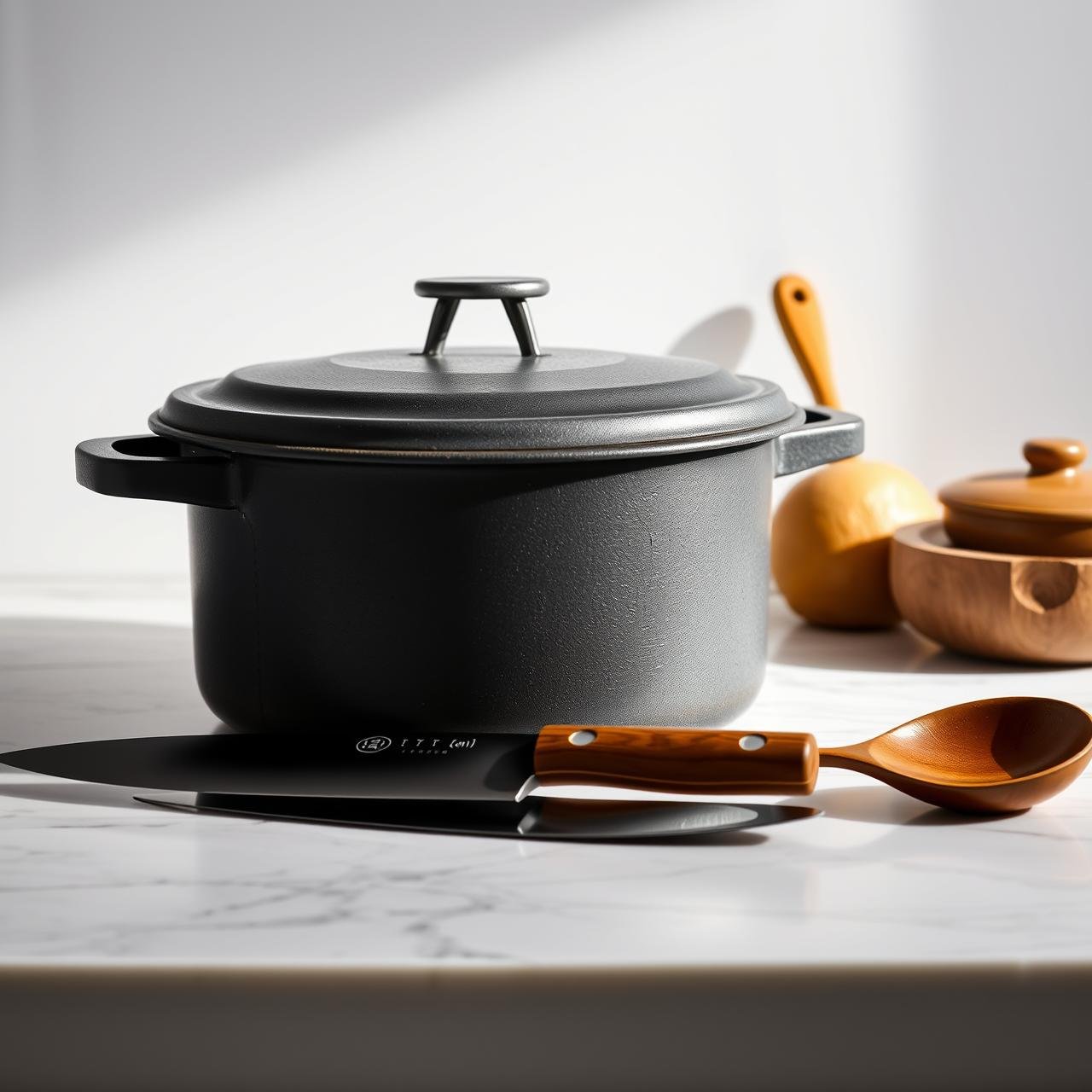
You don’t need a professional kitchen to make exceptional Tinola. This is a homestyle dish that relies on basic, sturdy cookware. Here’s what you’ll need to have ready:
| Tool | Purpose |
|---|---|
| Large Dutch Oven or Stockpot | A heavy-bottomed pot with a capacity of at least 6 quarts is essential for browning the chicken and simmering the soup without crowding, ensuring an even cook. |
| Sharp Chef’s Knife | For efficiently chopping the aromatics, cutting the chicken (if starting with a whole one), and preparing the papaya or sayote. |
| Cutting Board | A large, stable cutting board. It’s wise to use one designated for raw meat to prevent cross-contamination. |
| Wooden Spoon or Spatula | Ideal for sautéing the aromatics and stirring the soup, as it won’t scratch the bottom of your pot. |
| Ladle | For skimming any impurities from the surface of the broth and for serving the finished soup. |
Step-by-Step Culinary Journey: Crafting the Perfect Tinola
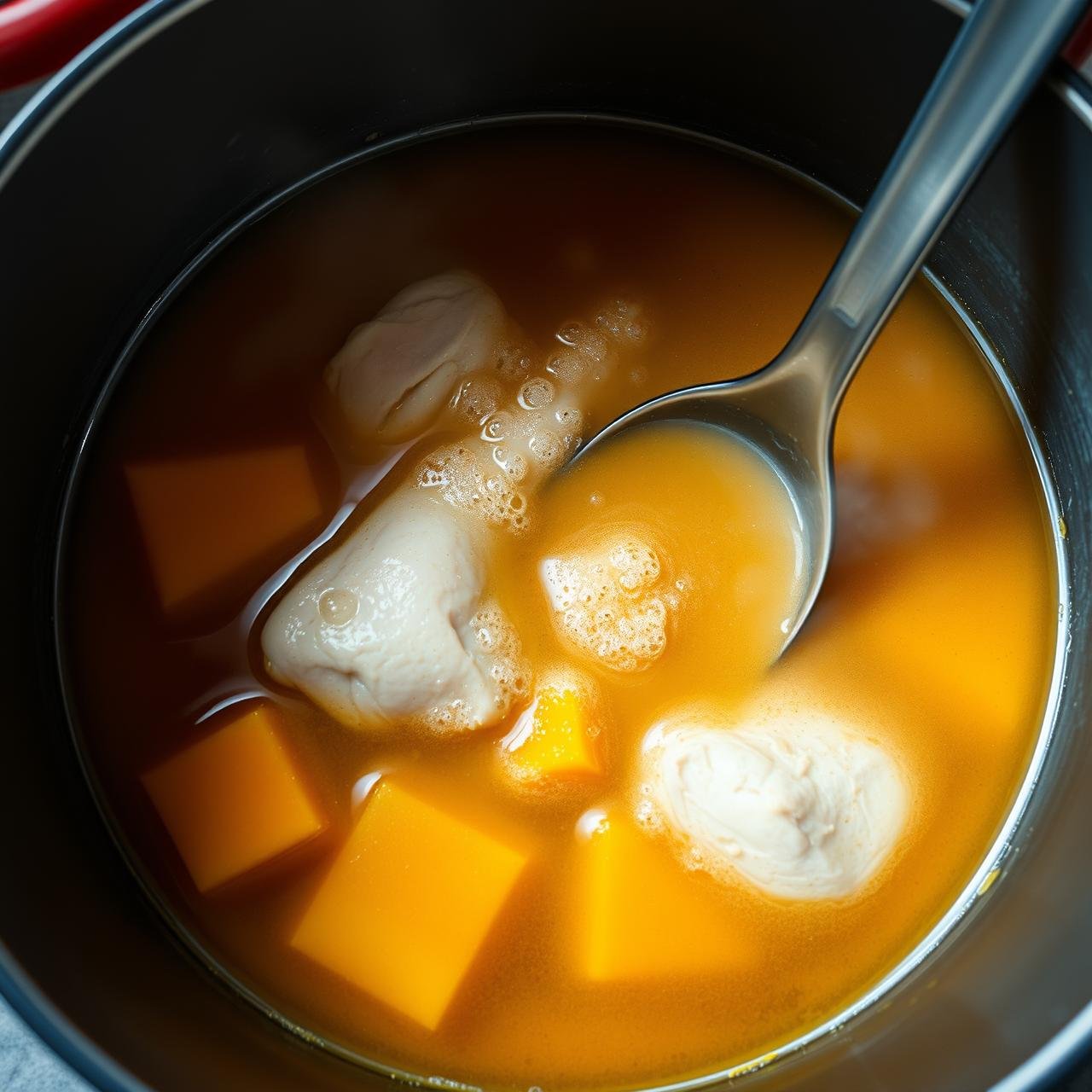
Follow these steps closely to build layers of flavor, resulting in a broth that is both crystal clear and deeply savory. The process is a meditation in itself, a slow and rewarding journey to a perfect bowl of soup.
-
Sauté the Aromatics
Heat 2 tablespoons of neutral oil (like avocado or canola) in your large Dutch oven over medium-high heat. Once the oil shimmers, add the julienned ginger and cook for 1-2 minutes until it becomes incredibly fragrant. This step toasts the ginger slightly, intensifying its flavor. Add the chopped garlic and diced onion, and sauté for another 3-4 minutes, until the onions are translucent and soft.
-
Sear the Chicken and Bloom the Patis
Add the chicken pieces to the pot. Arrange them in a single layer if possible. Let the chicken sear for 3-5 minutes per side, until the skin is lightly browned. This browning process, known as the Maillard reaction, creates a huge amount of flavor. Pour in the 3 tablespoons of fish sauce around the chicken. Let it sizzle and cook for about 1 minute. This ‘blooming’ of the patis cooks off any harshness and deepens its umami flavor.
-
Build the Broth
Pour in 8-10 cups of water or chicken stock—enough to cover the chicken by about 2 inches. Using a quality chicken stock will result in a richer soup, but water works perfectly fine as the chicken bones will create their own broth. Bring the liquid to a boil, then immediately reduce the heat to a gentle simmer.
-
The Slow Simmer
Cover the pot partially, leaving a small gap for steam to escape. Let the soup simmer gently for at least 30-45 minutes, or until the chicken is tender and cooked through. During this time, use a ladle to skim off any foam or scum that rises to the surface. This is key to achieving a beautifully clear and clean-tasting broth.
-
Cook the Vegetables
Add the chunks of green papaya or sayote to the pot. Continue to simmer for another 10-15 minutes, or until the papaya is tender but not mushy (it should be easily pierced with a fork). Taste the broth and season with black pepper and additional fish sauce, if needed. The broth should be savory and deeply gingery.
-
Wilt the Greens
Turn off the heat. Add the 2 cups of malunggay or chili leaves to the pot. Gently stir them into the hot broth. The residual heat is enough to wilt them perfectly in about 1 minute, preserving their vibrant color and nutrients. Do not overcook the greens.
A Chef’s Secrets: Tips for Tinola Perfection
Choosing Your Chicken
While any bone-in chicken works, using a whole free-range or organic chicken, cut into 8 pieces, yields the most superior flavor. The combination of dark and light meat adds complexity, and higher-quality birds simply make a better broth.
Maximizing Ginger Flavor
For an even more potent ginger kick, give the julienned ginger a quick smash with the flat side of your knife before adding it to the pot. This helps release more of its essential oils and aromatic compounds.
The Rice Washing Trick
A classic Filipino technique is to use ‘hugas bigas’—the water from the second rinsing of rice—as the base for the soup instead of plain water. This starchy water adds a subtle creaminess and body to the broth that is truly authentic and delicious.
Serving Suggestions
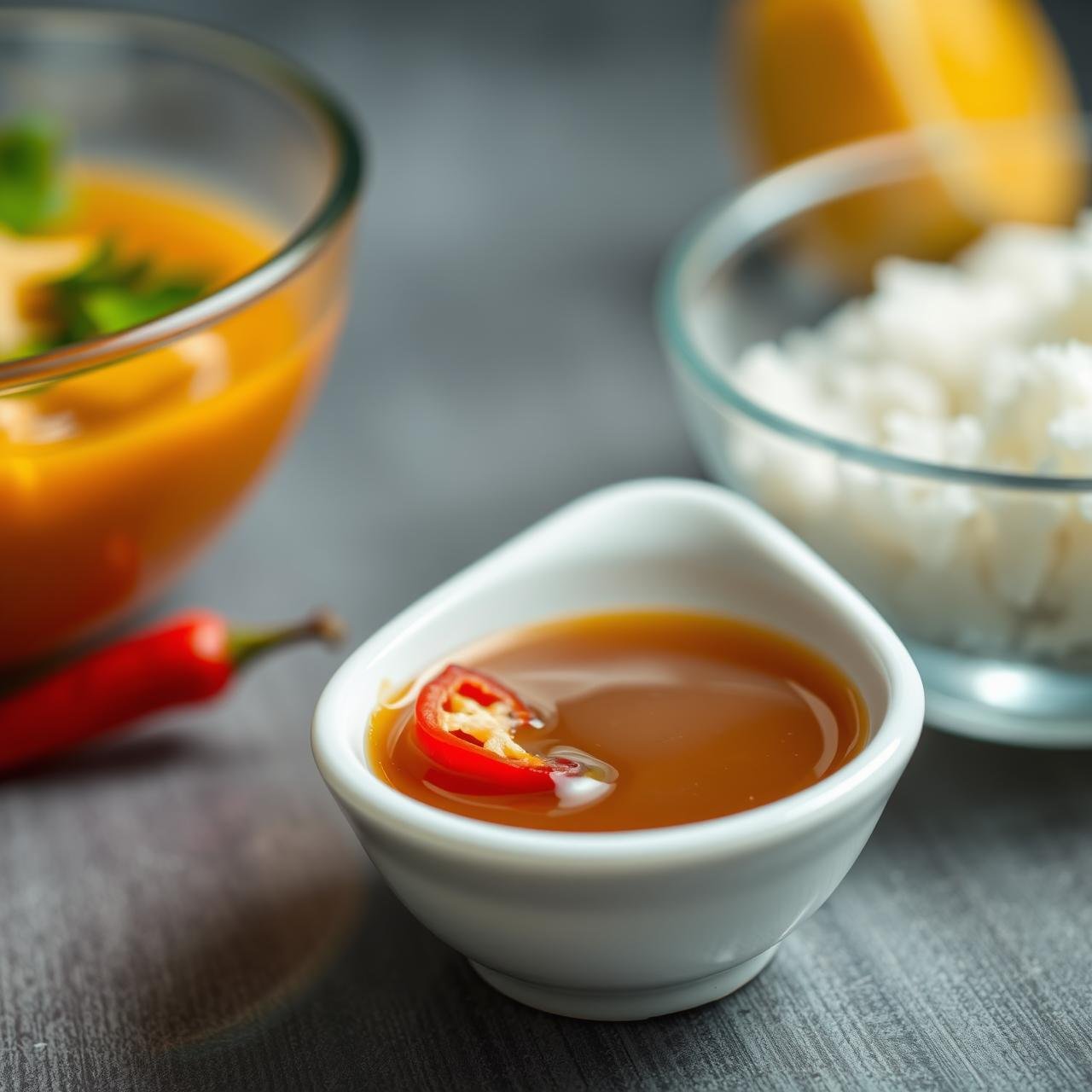
Tinola is traditionally served hot as a main course with a side of steamed white rice. Each person should also have a small dipping saucer (‘sawsawan’) of fish sauce with crushed siling labuyo (bird’s eye chili) for an extra kick of salt and spice. This allows individuals to season their own chicken pieces as they eat.
Nutritional Profile: A Bowl of Wellness
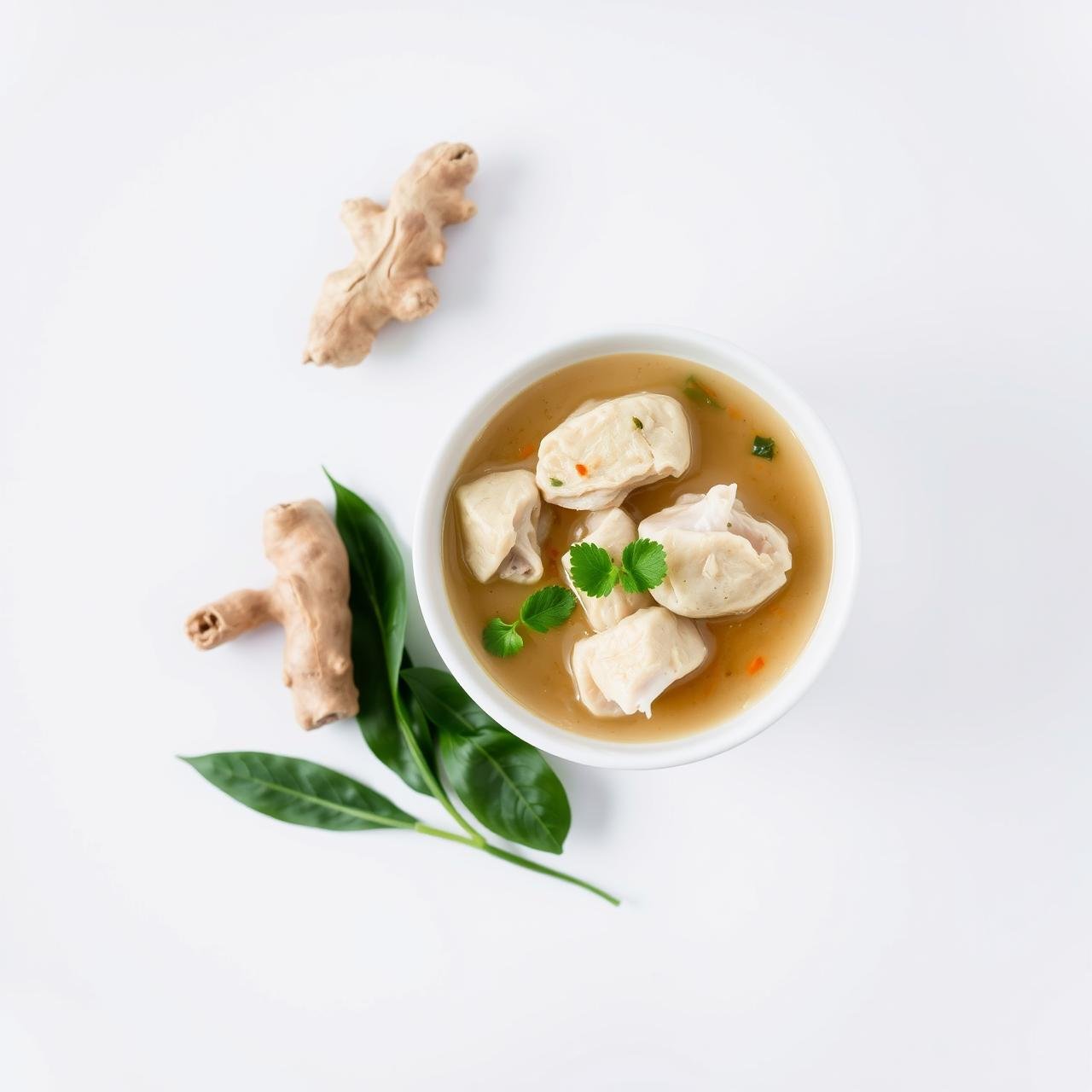
This soup is a nutritional champion. It’s low in fat, high in protein, and loaded with vitamins and anti-inflammatory compounds from the ginger and greens. It’s the perfect meal for when you’re feeling under the weather or simply need a clean, restorative dish.
| Estimated Nutritional Information (per serving) | |
|---|---|
| Calories | ~350 kcal |
| Protein | ~40 g |
| Fat | ~15 g |
| Carbohydrates | ~10 g |
| Sodium | ~900 mg (varies with fish sauce) |
| Key Nutrients | Excellent source of Iron, Vitamin C, Vitamin A, and Potassium |
Disclaimer: These values are an approximation and can vary based on the specific ingredients and portion sizes used.
Storing and Reheating Your Culinary Creation
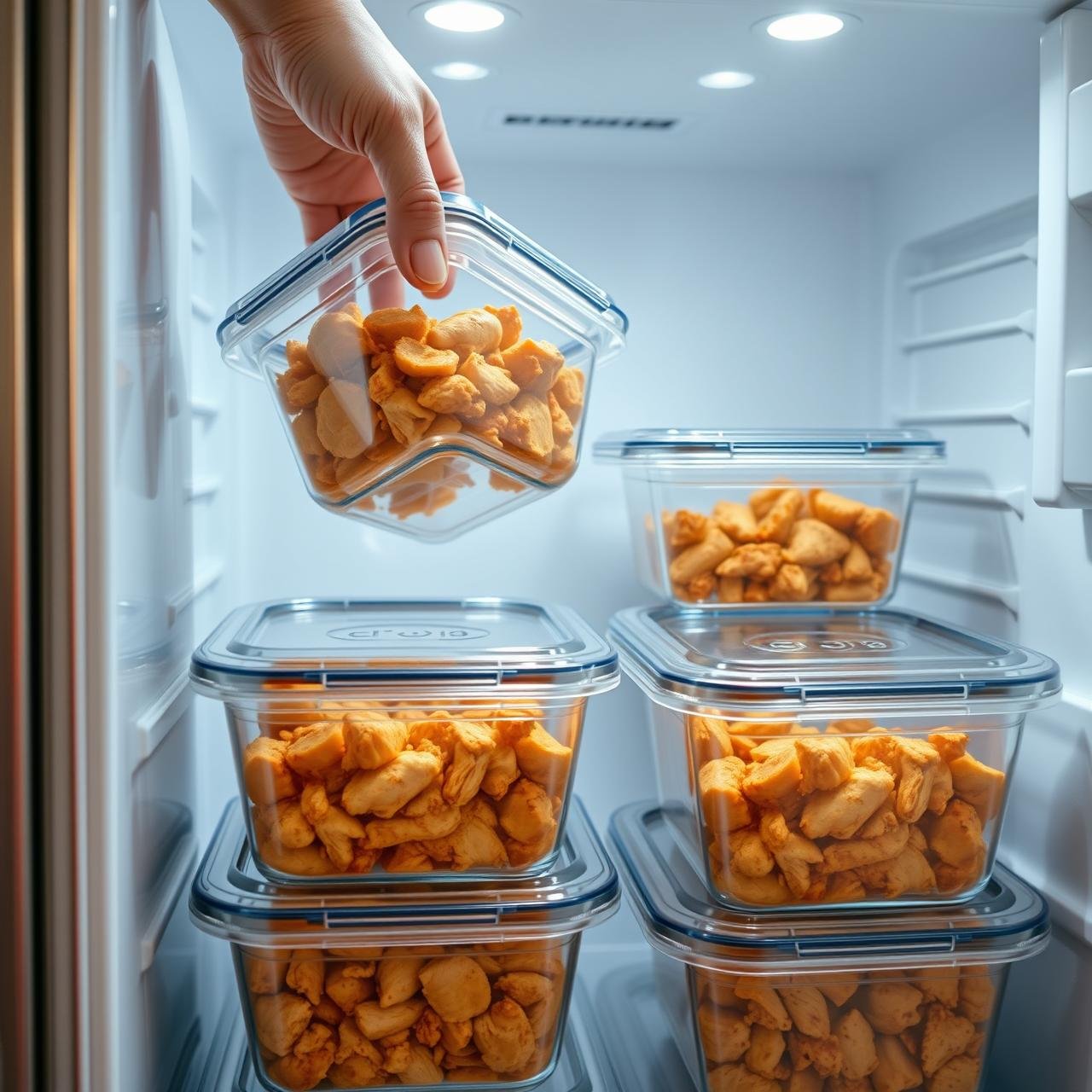
Tinola, like many soups, tastes even better the next day as the flavors continue to meld and deepen. Proper storage is key to enjoying it again.
- Refrigeration: Allow the Tinola to cool completely to room temperature before transferring it to an airtight container. It can be stored in the refrigerator for up to 3-4 days.
- Freezing: For longer storage, Tinola freezes surprisingly well. However, the texture of the papaya or sayote may soften upon thawing. Store in a freezer-safe container for up to 2 months. Thaw overnight in the refrigerator before reheating.
- Reheating: Gently reheat the soup in a saucepan over medium-low heat until it is warmed through. Avoid boiling it, as this can make the chicken tough. If the soup has thickened, you can add a small splash of water or chicken broth to reach your desired consistency.
Conclusion
Filipino Ginger Chicken Tinola is far more than a simple chicken soup. It is a testament to the power of fresh, humble ingredients and the wisdom of traditional cooking. It’s a dish that warms you from the inside out, a fragrant, savory broth that carries with it the spicy warmth of ginger, the richness of slow-simmered chicken, and the fresh, green notes of just-wilted leaves. Whether you’re a gourmet foodie seeking authentic flavors, a health enthusiast looking for a nutritious meal, a budget cook making the most of a whole chicken, or a home cook wanting to create a comforting memory, Tinola delivers on every level. Embrace the process, savor the aroma that fills your home, and serve up a bowl of this metabolism-boosting, soul-soothing masterpiece. You’re not just making dinner; you’re crafting wellness.