The “Soup Cure” For Bloating: Tuscan White Bean & Kale (No Fluff)
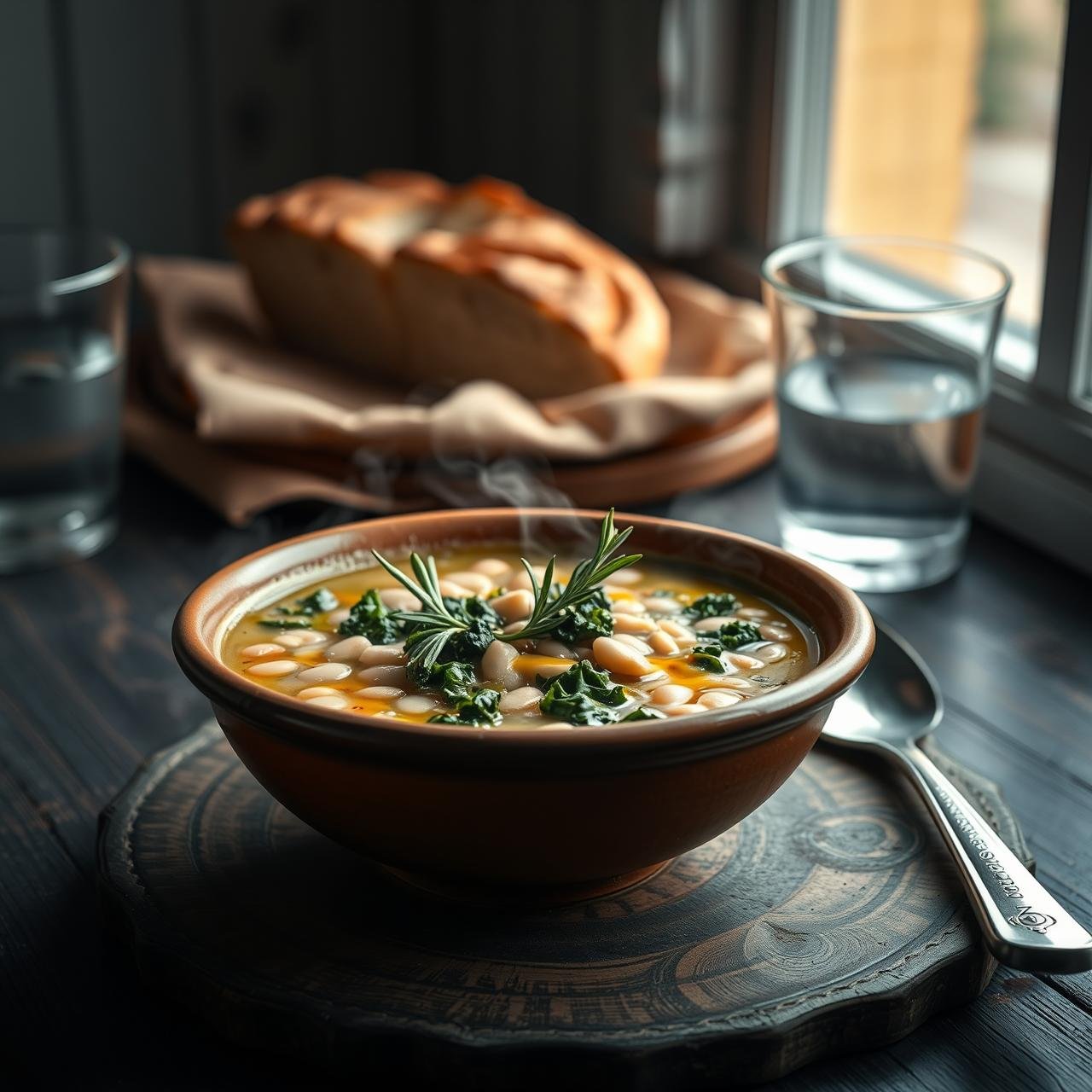
That uncomfortable, tight feeling in your belly—we’ve all been there. Bloating can derail your day, leaving you feeling sluggish and discouraged. While the wellness world is full of complicated fixes and expensive supplements, the answer can often be found in a simpler, more wholesome place: your kitchen. Enter the “Soup Cure,” a soul-soothing, gut-friendly Tuscan White Bean and Kale Soup designed not just to comfort, but to actively combat bloating.
This isn’t just another soup recipe. It’s a culinary strategy rooted in the rustic traditions of Tuscany, where simple, high-quality ingredients are transformed into something truly nourishing. We’re stripping away the unnecessary fluff to focus on a core set of powerful, natural ingredients that work in harmony to support your digestive system. We’ll explore the science behind why creamy cannellini beans, robust Lacinato kale, and a fragrant blend of herbs can offer such profound relief. Prepare to simmer your way to a happier gut with a recipe that is as delicious as it is effective.
Why This Soup Soothes Your System: The Science of Debloating
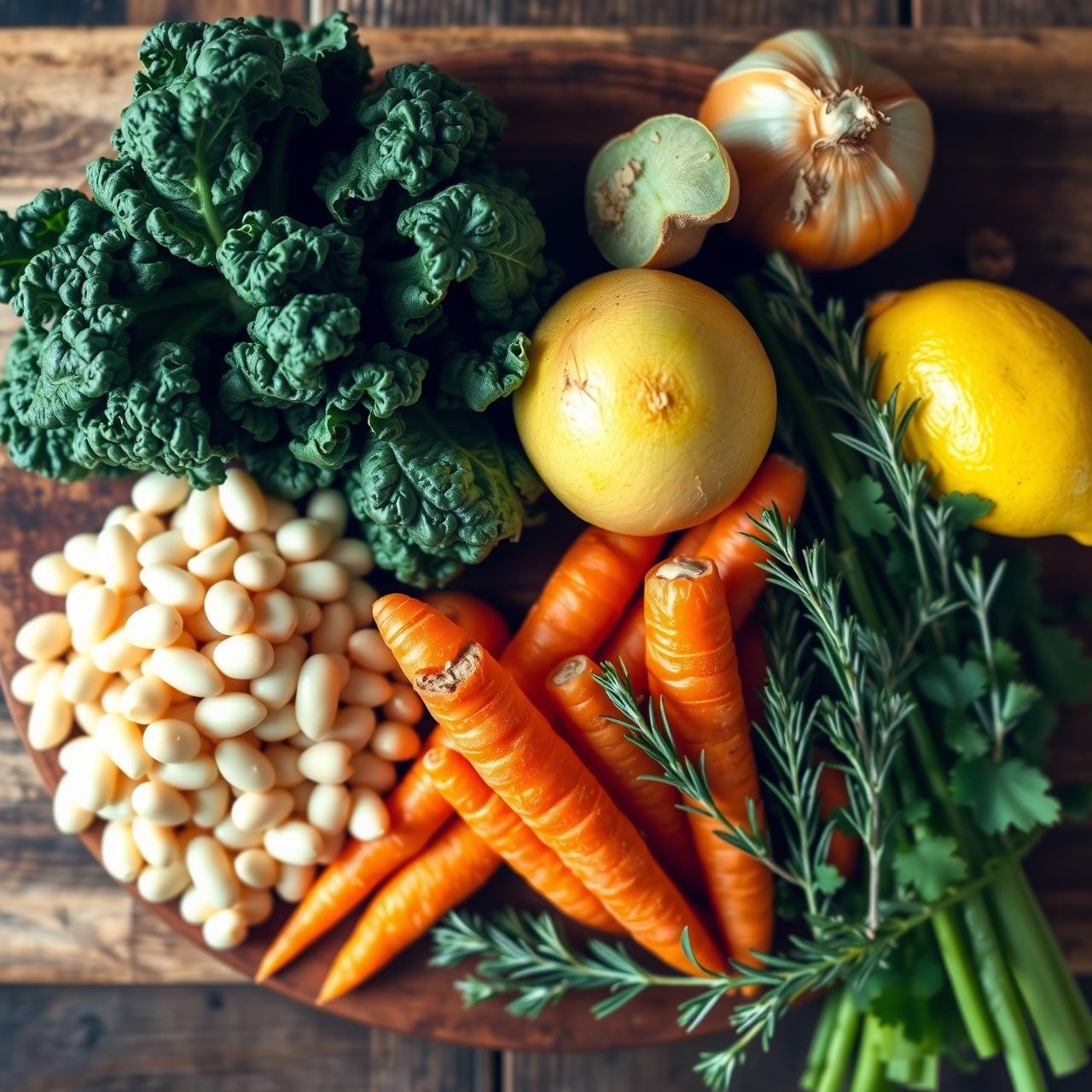
Before we even pick up a knife, it’s crucial to understand why this specific combination of ingredients is so effective. This soup is a nutritional powerhouse, carefully constructed to be gentle on your digestive tract while providing the tools it needs to function optimally. Each spoonful delivers a blend of fiber, vitamins, and anti-inflammatory compounds.
Cannellini Beans: The Gentle Fiber Powerhouse
Creamy, delicate cannellini beans are the heart of this soup. They are an incredible source of soluble fiber. Unlike insoluble fiber, which can sometimes be harsh, soluble fiber dissolves in water to form a gel-like substance in your digestive tract. This gel helps to regulate digestion, prevent constipation (a major cause of bloating), and acts as a prebiotic—food for the beneficial bacteria in your gut. A healthy gut microbiome is essential for reducing gas and bloating.
Lacinato Kale: The Nutrient-Dense Debloater
We specifically call for Lacinato kale (also known as Tuscan or dinosaur kale) for its tender texture and earthy flavor. More importantly, it’s packed with nutrients that fight fluid retention. It’s rich in potassium, an electrolyte that helps counterbalance sodium levels and flush excess water from your system. Furthermore, its fiber content supports regularity, and its magnesium content can help relax intestinal muscles, easing cramps and discomfort.
Lemon & Herbs: The Digestive Zest
The finishing touches of this soup are not just for flavor. A bright squeeze of fresh lemon juice helps to stimulate the production of stomach acid and digestive enzymes, ensuring that your food is broken down more efficiently. Aromatic herbs like rosemary and thyme are not only classic Tuscan flavors but are also known as carminatives—herbs that help to prevent the formation of gas in the gastrointestinal tract and facilitate its expulsion.
Aromatic Base: The Gut-Friendly Foundation
The soup begins with a classic Italian soffritto of onion, carrots, and celery gently sautéed in olive oil. This simple step does more than build a deep, savory flavor foundation. It cooks down the vegetables, making them easier to digest. By using these whole-food aromatics instead of processed powders or high-sodium bouillon, we create a soup that is naturally flavorful and gentle on your system.
Essential Kitchen Tools

This recipe celebrates simplicity, and the tools required reflect that. You don’t need any fancy gadgets, just a few reliable kitchen staples.
| Tool | Purpose |
|---|---|
| Large Dutch Oven or Heavy-Bottomed Pot | Ensures even heat distribution for sautéing and simmering, preventing scorching. A 5-quart pot is ideal. |
| Chef’s Knife | A sharp, reliable knife is essential for efficiently chopping the vegetables for the soffritto. |
| Large Cutting Board | Provides a stable, ample surface for all your prep work. |
| Wooden Spoon or Spatula | Perfect for sautéing the aromatics and stirring the soup without scratching your pot. |
| Ladle | For serving the finished soup cleanly. |
Ingredients for Your Tuscan Elixir
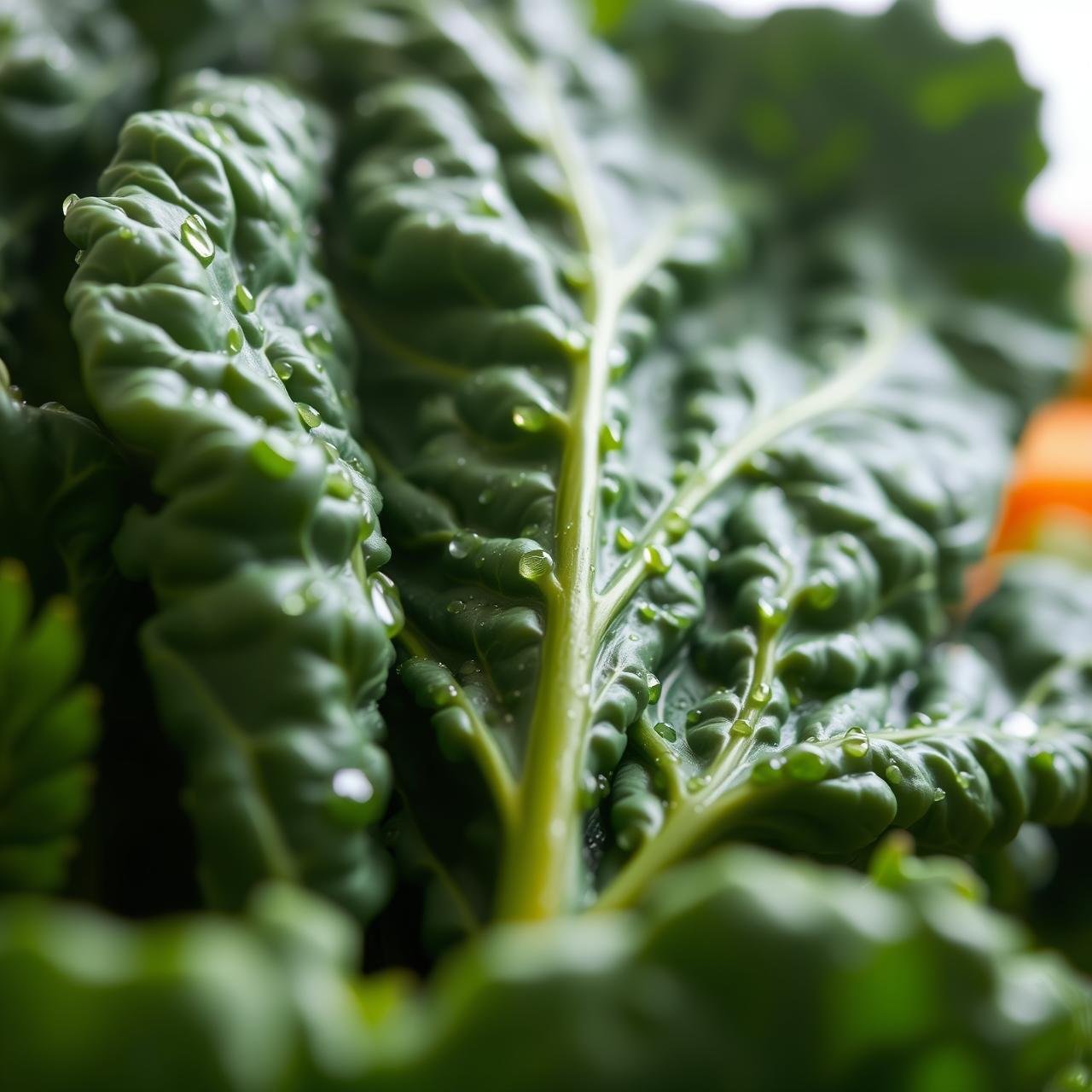
Quality ingredients are the key to this soup’s flavor and efficacy. Opt for fresh, organic produce when possible to maximize the nutritional benefits.
- 2 tablespoons extra-virgin olive oil, plus more for drizzling
- 1 large yellow onion, finely chopped
- 2 medium carrots, finely chopped
- 2 celery stalks, finely chopped
- 4 cloves garlic, minced
- 1 teaspoon fresh thyme leaves, chopped (or 1/2 teaspoon dried)
- 1 teaspoon fresh rosemary, chopped (or 1/2 teaspoon dried)
- 1/2 teaspoon red pepper flakes (optional, for a gentle warmth)
- 6 cups low-sodium vegetable broth
- 2 (15-ounce) cans cannellini beans, rinsed and drained
- 1 large bunch Lacinato kale (about 8-10 ounces), stems removed and leaves roughly chopped
- 1 Parmesan rind (optional, for umami depth)
- Salt and freshly ground black pepper to taste
- Juice of 1/2 lemon, for finishing
- Freshly grated Parmesan cheese, for serving (optional)
Crafting the “Soup Cure”: A Step-by-Step Guide

Follow these steps closely to build layers of flavor and create a perfectly balanced, restorative soup. The process is meditative and the results are deeply rewarding.
-
Build the Aromatic Base (Soffritto)
Heat the 2 tablespoons of olive oil in your Dutch oven or large pot over medium heat. Once shimmering, add the chopped onion, carrots, and celery. Sauté, stirring occasionally, for 8-10 minutes, until the vegetables have softened and the onion is translucent. This slow sauté is crucial for developing a sweet, savory foundation. Do not rush this step.
-
Bloom the Aromatics
Add the minced garlic, chopped thyme, rosemary, and red pepper flakes (if using) to the pot. Stir constantly for 1 minute until fragrant. This process, known as blooming, toasts the aromatics and unlocks their essential oils, infusing the entire soup with their flavor.
-
Deglaze and Simmer
Pour in a splash of the vegetable broth to deglaze the pot, scraping up any browned bits from the bottom with your wooden spoon—this is pure flavor! Add the remaining vegetable broth, the rinsed cannellini beans, and the Parmesan rind (if using). Season with a generous pinch of salt and pepper. Bring the soup to a boil, then reduce the heat to low, cover, and let it simmer for at least 20 minutes to allow the flavors to meld together.
-
Wilt the Kale
Uncover the pot and remove the Parmesan rind. Add the chopped Lacinato kale to the soup in batches, stirring until it begins to wilt. It may seem like a lot of kale, but it will cook down significantly. Cover the pot again and let it cook for another 5-10 minutes, or until the kale is tender to your liking.
-
The Finishing Touches
Turn off the heat. Stir in the fresh lemon juice. Taste the soup and adjust the seasoning with more salt and pepper as needed. The lemon juice will brighten all the flavors and cut through the richness.
-
Serve and Garnish
Ladle the hot soup into bowls. Drizzle generously with high-quality extra-virgin olive oil and top with freshly grated Parmesan cheese, if desired. Serve immediately with a slice of crusty bread for dipping.
From My Kitchen to Yours: Pro Tips for Perfection

A great recipe is a starting point. Here are some chef-tested tips to elevate your soup, adapt it to your needs, and ensure perfect results every time.
For the Gourmet Foodie: Creaminess Without Cream
To achieve a richer, creamier texture without adding any dairy, use an immersion blender. Before adding the kale, carefully blend about a quarter of the soup directly in the pot until smooth. Alternatively, you can transfer 2 cups of the soup (mostly beans and liquid) to a regular blender, blend until silky, and then stir it back into the pot. This technique thickens the soup beautifully and enhances the creamy mouthfeel of the cannellini beans.
For the Health Enthusiast: Boost the Benefits
Amplify the soup’s anti-inflammatory properties by adding 1/2 teaspoon of ground turmeric along with the other aromatics in step 2. You can also add a knob of freshly grated ginger with the garlic for an extra digestive aid and a zesty kick.
For the Budget Cook: Dried Beans & Smart Swaps
Using dried beans is more economical and often yields a better texture. To substitute, soak 1 cup of dried cannellini beans overnight. Drain, then add them to the pot with the broth and simmer for 60-90 minutes, or until tender, before proceeding with the recipe. If Lacinato kale isn’t available or is too pricey, curly kale or Swiss chard are excellent substitutes.
For the Home Cook: Make-Ahead Magic
This soup tastes even better the next day as the flavors deepen. You can also prep all your vegetables (onion, carrots, celery, garlic) up to 3 days in advance and store them in an airtight container in the refrigerator. This turns a weekend cooking project into a quick weeknight meal.
The Nutritional Breakdown
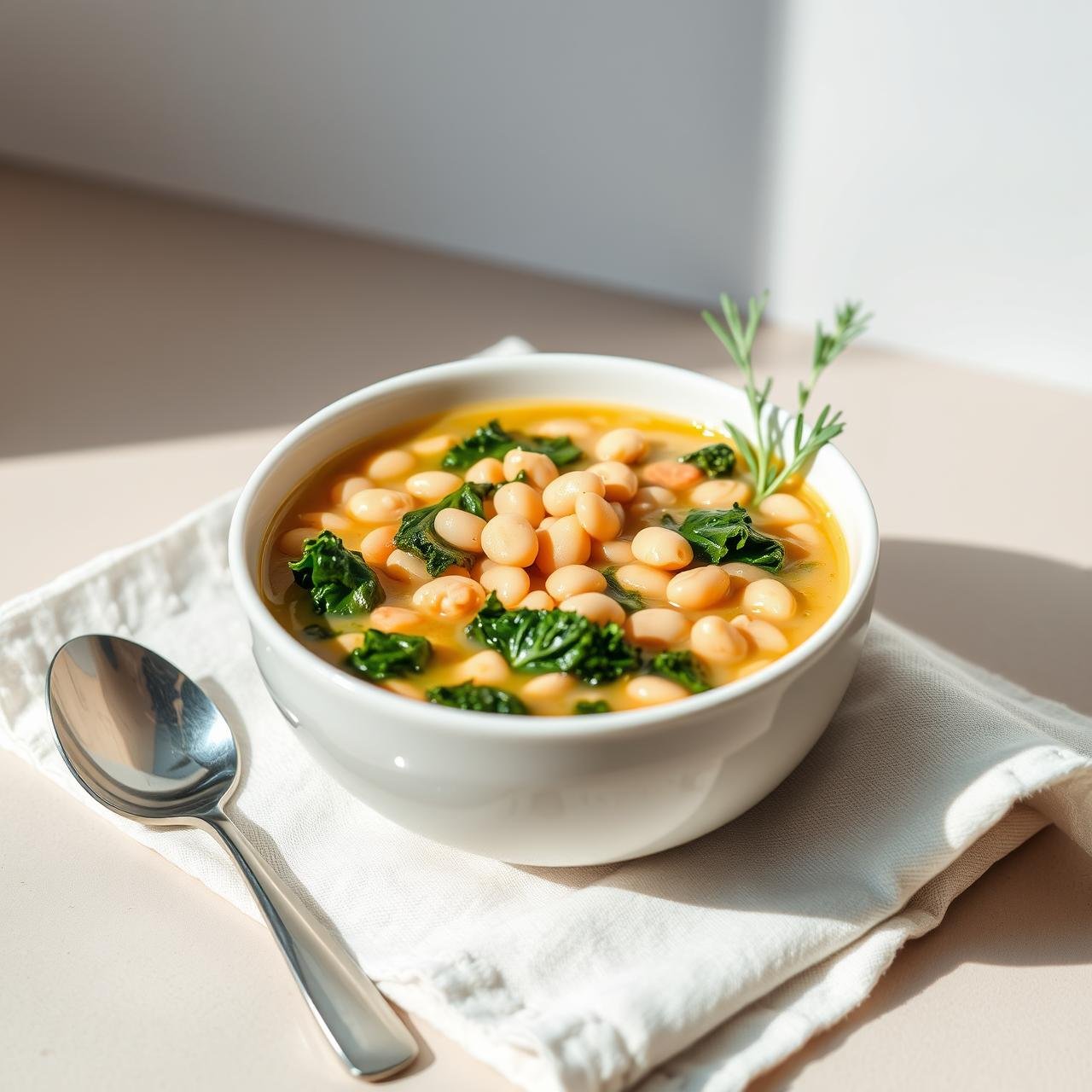
This is an estimation per serving, assuming the recipe serves 6. Actual values may vary based on specific ingredients used.
| Nutrient | Amount per Serving |
|---|---|
| Calories | ~280 kcal |
| Protein | ~12 g |
| Carbohydrates | ~40 g |
| Dietary Fiber | ~10 g |
| Sugars | ~7 g |
| Fat | ~8 g |
| Saturated Fat | ~1.5 g |
| Sodium | ~450 mg (with low-sodium broth) |
| Potassium | ~700 mg |
Storing and Reheating for Later

This soup is an excellent candidate for meal prep. Its robust flavors not only hold up but actually improve with time. Here’s how to store it properly to enjoy later.
Refrigeration
Allow the soup to cool completely to room temperature. Transfer it to airtight containers and store it in the refrigerator for up to 5 days. The soup will thicken as it sits; you may need to add a splash of water or vegetable broth when reheating to reach your desired consistency.
Freezing
This soup freezes wonderfully. Let it cool completely, then ladle it into freezer-safe containers or heavy-duty freezer bags. Be sure to leave about an inch of headspace to allow for expansion. It can be frozen for up to 3 months. To reheat, thaw it overnight in the refrigerator and then gently warm it on the stovetop over medium-low heat. Avoid boiling, which can make the beans and kale mushy. Finish with a fresh squeeze of lemon juice to wake up the flavors.
Conclusion
In a world of quick fixes, this Tuscan White Bean and Kale Soup stands as a testament to the power of real, whole foods. It’s more than just a meal; it’s a comforting ritual and a proactive step towards better digestive health. By embracing the simple, rustic wisdom of Tuscan cooking, you can create a delicious “Soup Cure” that nourishes your body, soothes your gut, and satisfies your soul. Keep this recipe in your back pocket for those days when you need a gentle reset. Your belly will thank you.