The Leanest Protein In The Sea: Grilled Octopus Detailed Recipe
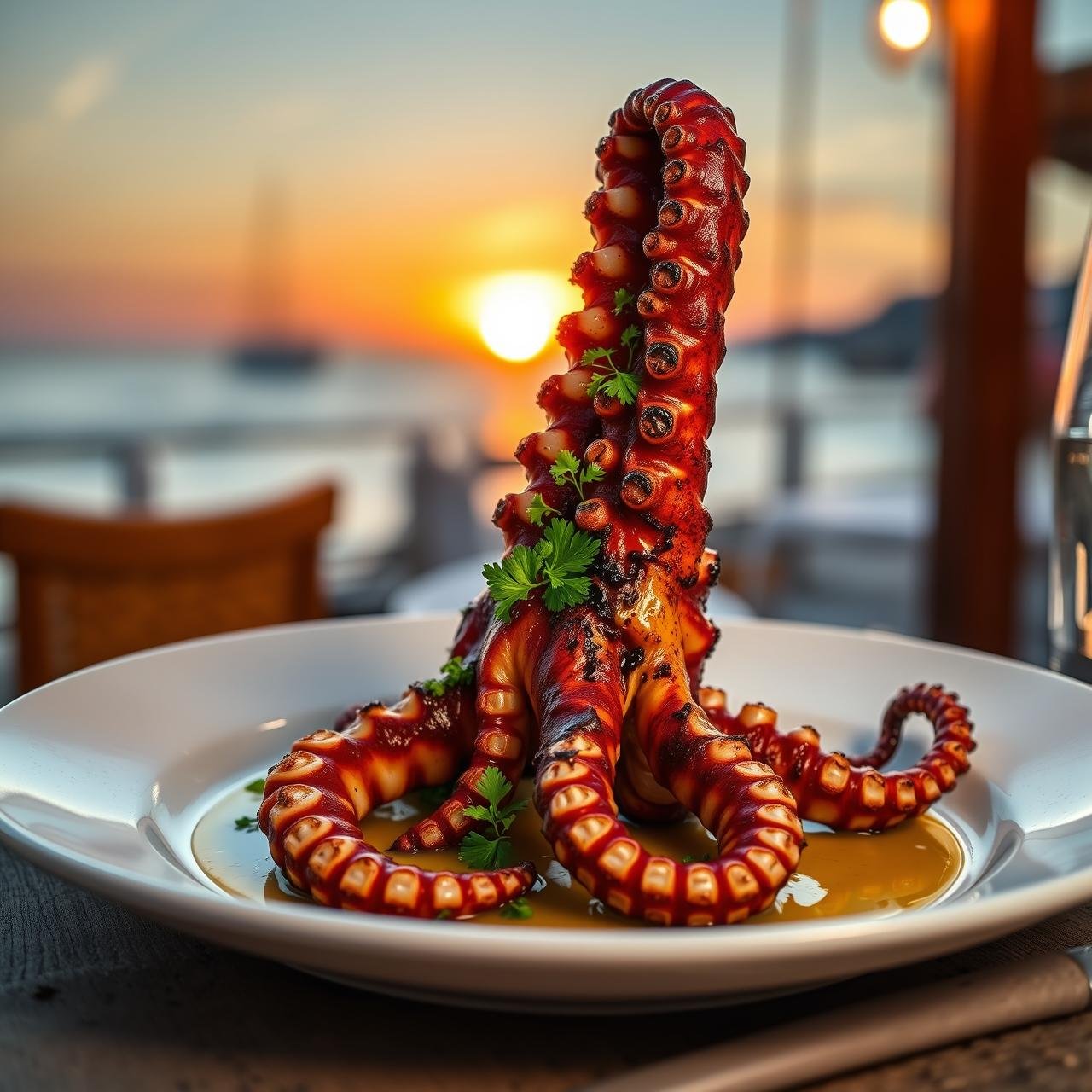
Imagine yourself seated at a seaside taverna on a sun-drenched Greek island. The air is warm, carrying the scent of salt and wild oregano. A plate arrives, holding the star of the coastal cuisine: perfectly grilled octopus, its tentacles impossibly tender with delightfully charred, crispy edges. That smoky, savory, and subtly sweet flavor is pure Mediterranean magic. For too long, this delicacy has been seen as a restaurant-only treat, a mysterious creature of the deep that’s too intimidating for the home cook. Today, we shatter that myth.
This guide is your passport to mastering grilled octopus. We’ll walk you through every step, from selecting the right octopus (hint: your freezer aisle is your best friend) to the crucial two-step cooking process that guarantees a tender, never-rubbery result. More than just a gourmet experience, octopus is a nutritional powerhouse. It stands as one of the leanest, most protein-packed options from the sea, making it a perfect choice for health enthusiasts and anyone looking to fuel their body with clean, delicious food. Get ready to fire up your grill and bring the rustic charm of the Mediterranean to your table.
Why Octopus is the Ultimate Lean Protein
Before we dive into the cooking, let’s appreciate what makes octopus a champion of healthy eating. In a world of protein powders and supplements, octopus is nature’s whole-food answer to building and maintaining lean muscle. It’s a clean, efficient fuel source that nourishes the body on multiple levels.
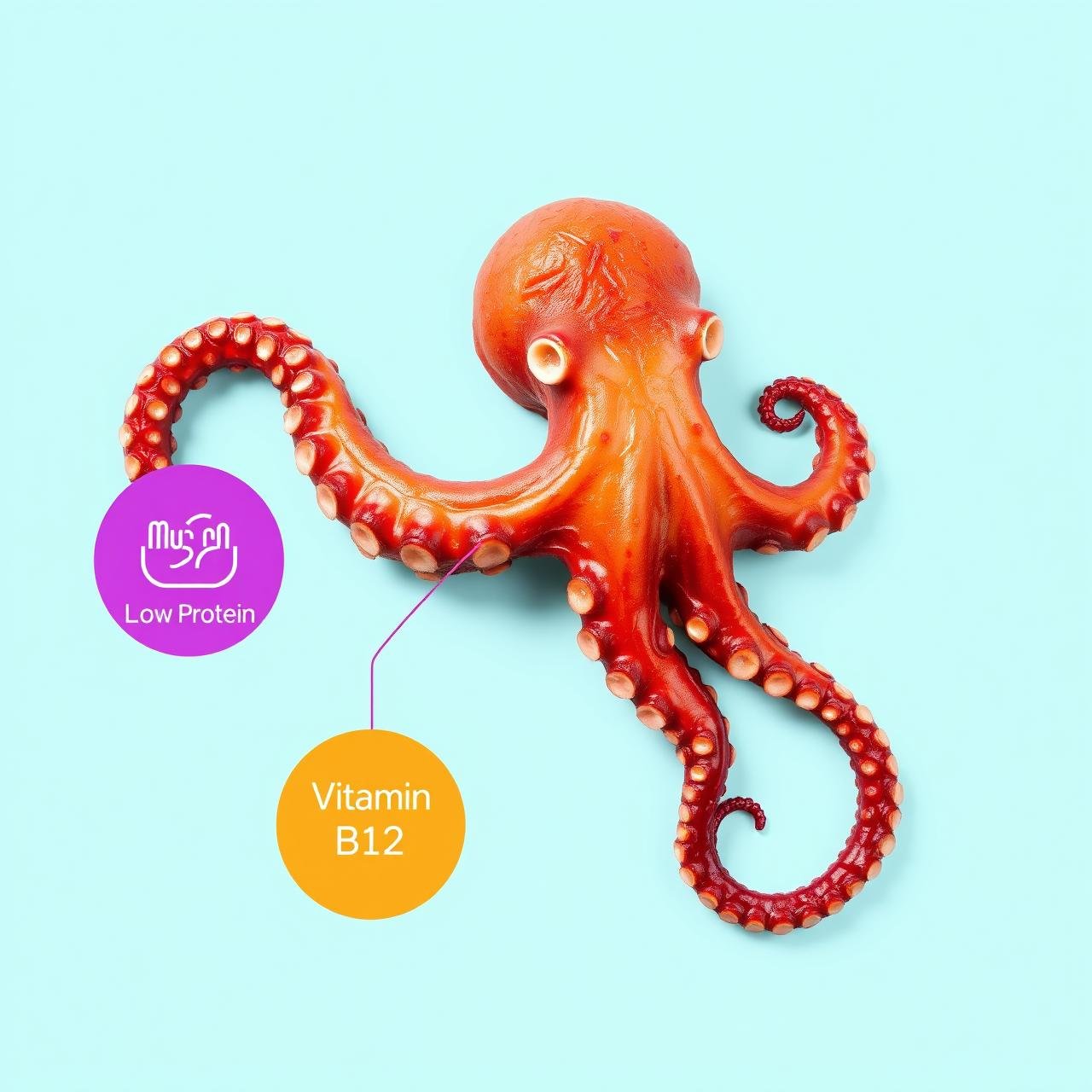
A single 4-ounce (113g) serving of cooked octopus packs a staggering 30 grams of protein while containing less than 2 grams of fat and around 160 calories. This incredible protein-to-fat ratio makes it a superior choice for muscle repair, satiety, and weight management. But its benefits don’t stop there. Octopus is also rich in essential vitamins and minerals:
- Vitamin B12: Crucial for nerve function and the formation of red blood cells.
- Iron: Essential for transporting oxygen throughout the body and preventing fatigue.
- Selenium: A powerful antioxidant that helps protect cells from damage.
- Taurine: An amino acid that supports cardiovascular health and metabolic function.
By choosing octopus, you’re not just preparing a meal; you’re embracing a cornerstone of the Mediterranean diet, a lifestyle celebrated for its heart-healthy and longevity-promoting benefits. It’s proof that healthy eating can be profoundly delicious and satisfying.
Sourcing the Best Octopus: The Fresh vs. Frozen Debate
The Surprising Winner: Frozen
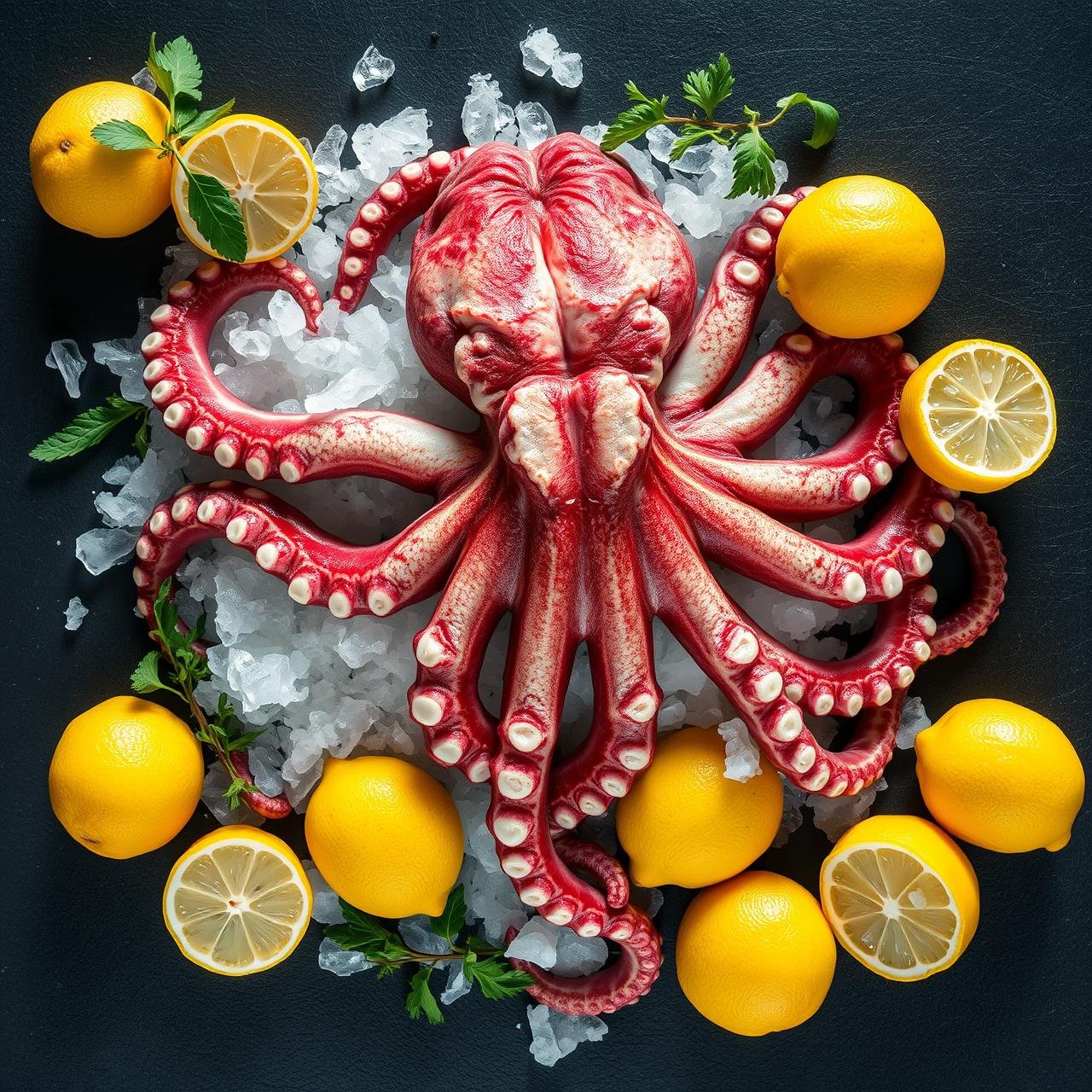
When it comes to octopus, your instinct might be to seek out the freshest catch possible. However, this is one of the rare instances in seafood where frozen is not only more convenient and budget-friendly but often superior for achieving a tender texture. The freezing process helps to break down the octopus’s tough muscle fibers, essentially giving you a head start on the tenderizing process. Most ‘fresh’ octopus you see at the fish counter was likely frozen and thawed anyway.
What to Look For
Whether you buy it from a trusted fishmonger or the freezer section of your grocery store, here’s your checklist:
- Size: Look for a whole, cleaned octopus that is between 2 to 4 pounds. This size is ideal for yielding substantial, meaty tentacles that won’t dry out on the grill.
- Appearance: It should have a clean, fresh-from-the-sea scent. The skin should be intact, with a grayish, purplish, or creamy-white color. Avoid any octopus that looks slimy or has a strong, unpleasant odor.
- ‘Cleaned’: Ensure it’s labeled as ‘cleaned’ or ‘gutted’. This means the head has been emptied of the beak, ink sac, and internal organs, saving you a significant and messy amount of prep work.
To thaw, simply place the frozen octopus in a colander set inside a large bowl in the refrigerator for 24-48 hours. This slow, gentle thaw is the best way to preserve its quality and texture.
Essential Tools & Ingredients
Equipment You’ll Need
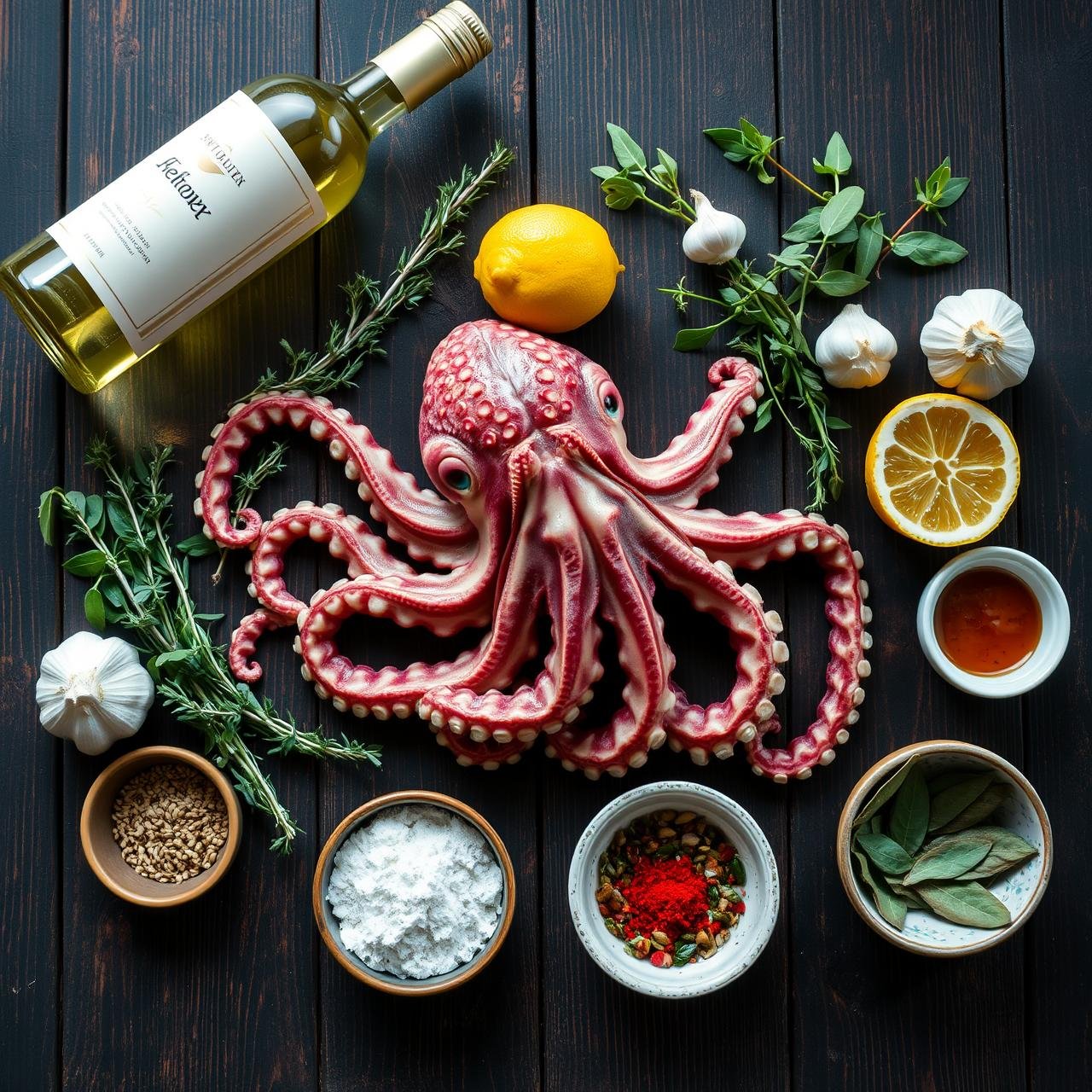
You don’t need a professional kitchen for this recipe. The beauty of this rustic dish is its simplicity. Here is what you will need to have on hand:
| Tool | Purpose |
|---|---|
| Large Stockpot or Dutch Oven | For the initial, gentle braising step to tenderize the octopus. |
| Tongs | For safely handling the octopus in hot liquid and on the grill. |
| Grill (Gas or Charcoal) | The source of the signature smoky char. A cast-iron grill pan also works. |
| Large Bowl | For marinating the octopus after braising. |
| Cutting Board & Chef’s Knife | For portioning the octopus after cooking. |
A Symphony of Mediterranean Flavors
We are building a flavor profile that is simple, bright, and lets the octopus shine.
- For the Braising Liquid:
- 1 whole octopus, about 3-4 pounds, thawed if frozen
- 1/2 cup dry white wine (like Sauvignon Blanc or Pinot Grigio)
- 1 cork from a wine bottle (an old fisherman’s tale, but it’s said to help with tenderizing!)
- 1 yellow onion, quartered
- 2 bay leaves
- A few black peppercorns
- For the Marinade & Grilling:
- 1/4 cup extra-virgin olive oil, plus more for drizzling
- 2 cloves garlic, minced
- 1 teaspoon dried oregano
- Zest and juice of 1 large lemon
- 1/2 teaspoon smoked paprika
- A pinch of red pepper flakes (optional, for heat)
- Coarse sea salt and freshly ground black pepper to taste
- Fresh parsley, chopped, for garnish
The Two-Step Secret to Tenderness: Braise Then Grill

This is the most critical part of the recipe. Rushing the octopus straight to the grill results in a tough, rubbery texture. The secret lies in a two-stage cooking method: a gentle, wet-heat braise followed by a fast, high-heat sear on the grill. This method first breaks down the connective tissues for ultimate tenderness, then adds that irresistible smoky flavor and char.
Part 1: The Tenderizing Braise
- Rinse the Octopus: Thoroughly rinse the thawed octopus under cold running water. Pat it completely dry with paper towels.
- Prepare the Pot: In a large stockpot or Dutch oven, combine the white wine, onion, bay leaves, peppercorns, and the wine cork. Add enough water to ensure the octopus will be fully submerged. Do NOT add salt to the braising liquid, as this can toughen the meat.
- Bring to a Simmer: Bring the liquid to a gentle simmer over medium-high heat. You want soft bubbles, not a rolling boil.
- Blanch the Tentacles (Optional but Recommended): Holding the octopus by its head, dip the tentacles into the simmering water for 10 seconds, then pull them out. Repeat this process 3-4 times. You’ll see the tentacles curl up beautifully. This step helps set the skin and shape.
- Simmer Gently: Lower the entire octopus into the pot. Reduce the heat to low, cover, and let it simmer very gently. The key here is low and slow. Cook for approximately 45-60 minutes per 2 pounds of octopus. The exact time will vary.
- Check for Doneness: The octopus is perfectly tender when a sharp knife or skewer can be inserted into the thickest part of a tentacle with very little resistance. It should feel like piercing a cooked potato.
- Cool in the Liquid: Once tender, turn off the heat and let the octopus cool down in its cooking liquid for at least 30 minutes. This allows the meat to reabsorb moisture and become even more flavorful and tender.
Part 2: The Char-Kissed Grill
- Prepare the Octopus for Grilling: Carefully remove the cooled octopus from the pot and place it on a cutting board. The braising liquid can be discarded. Gently pat the octopus completely dry with paper towels—this is crucial for getting a good sear. You can now separate the tentacles from the head with a knife. The head is also delicious when grilled!
- Marinate: In a large bowl, whisk together the 1/4 cup of olive oil, minced garlic, oregano, lemon zest and juice, smoked paprika, and red pepper flakes. Add the octopus pieces and toss gently to coat everything evenly. Let it marinate for at least 15 minutes at room temperature, or up to 4 hours in the refrigerator.
- Preheat the Grill: Preheat your grill to high heat (around 450-500°F or 230-260°C). Clean the grates well and lightly oil them to prevent sticking.
- Grill for Char: Remove the octopus from the marinade, allowing any excess to drip off. Season generously with salt and pepper. Place the tentacles and head directly on the hot grates. Grill for about 2-4 minutes per side. You’re not trying to ‘cook’ it further; you’re just heating it through and creating a beautiful, smoky char on the outside. Look for those deep grill marks and slightly crispy suction cups.
- Rest and Serve: Remove the octopus from the grill and transfer it to a clean cutting board. Let it rest for a minute before serving.
Serving Suggestions & Plating
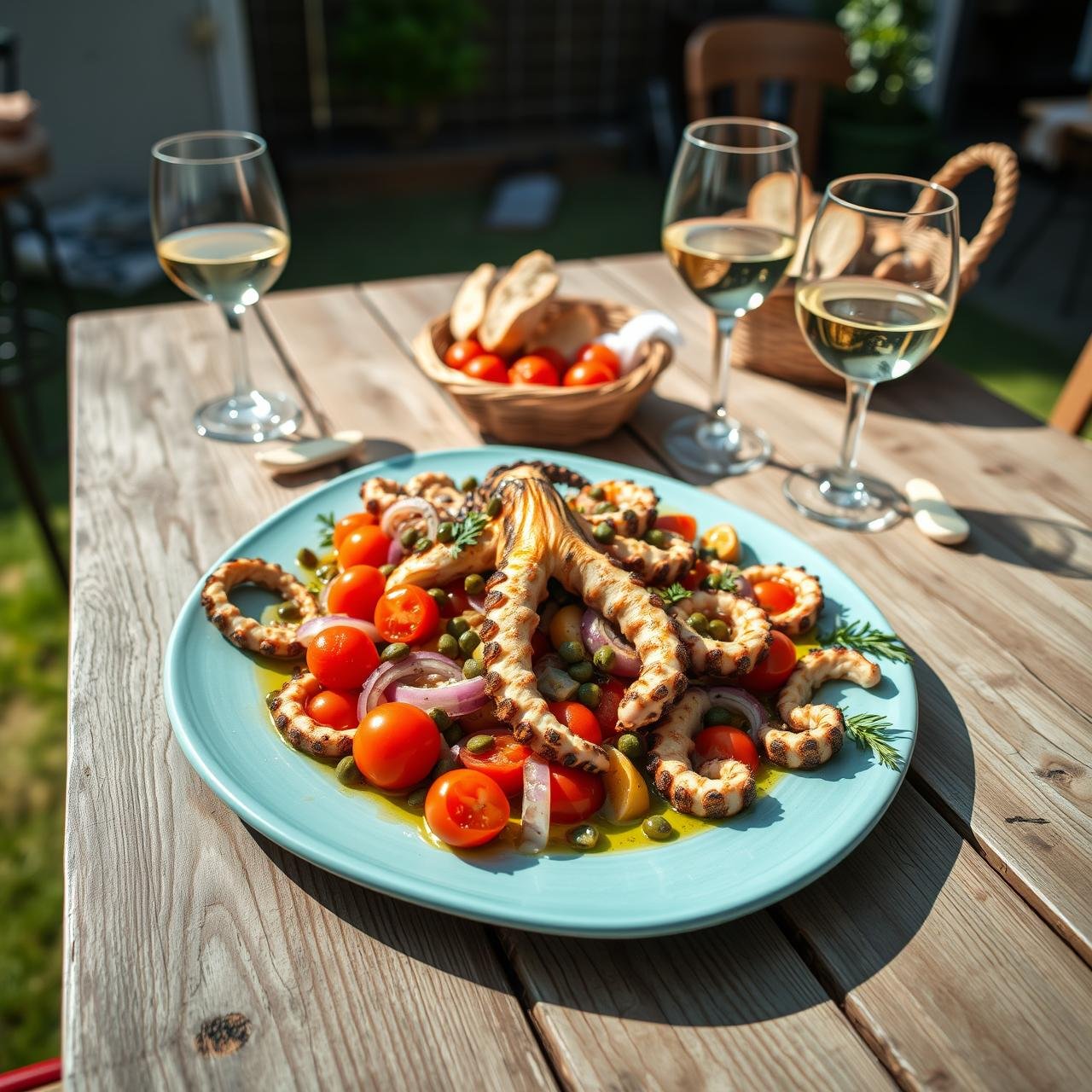
Once your octopus is perfectly grilled, the final step is to present it in a way that honors its incredible flavor and texture. You can serve the tentacles whole for a dramatic, rustic presentation, or slice them into bite-sized medallions.
Classic Mediterranean Style
This is the purest way to enjoy your masterpiece. Arrange the grilled octopus on a large platter. Drizzle generously with a high-quality extra-virgin olive oil, give it a final squeeze of fresh lemon juice, and scatter a handful of fresh, chopped parsley over the top. A final sprinkle of flaky sea salt is all it needs.
Accompaniments
Serve it alongside simple, flavor-packed sides that complement the smoky seafood:
- Lemony Roasted Potatoes: Crispy, fluffy potatoes tossed with lemon, garlic, and oregano.
- Simple Greek Salad: A refreshing mix of tomatoes, cucumber, red onion, Kalamata olives, and feta cheese.
- Fava Bean Purée: A creamy, earthy purée (known as ‘Fava’ in Greece) is a traditional and delicious pairing.
- Warm Crusty Bread: Essential for soaking up the flavorful olive oil and juices left on the plate.
Nutritional Profile
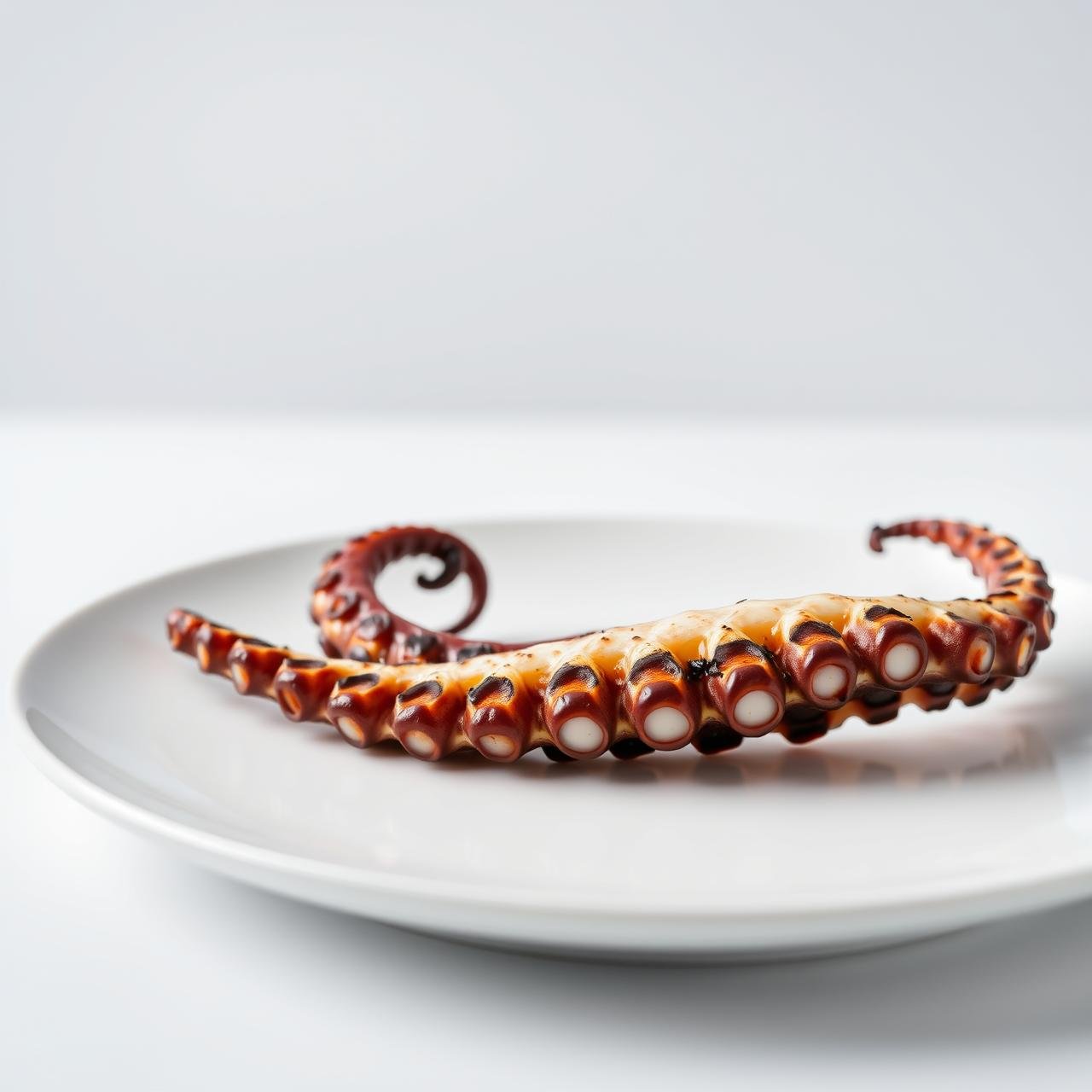
Here is an estimated nutritional breakdown for a standard serving of this grilled octopus. Please note that values can vary based on the exact size of the octopus and ingredients used.
| Nutrient | Amount per Serving (approx. 4oz / 113g) |
|---|---|
| Calories | ~180 kcal |
| Protein | ~32g |
| Total Fat | ~4g |
| Saturated Fat | ~1g |
| Carbohydrates | ~2g |
| Sodium | ~260mg |
| Iron | ~60% DV |
| Vitamin B12 | >500% DV |
Conclusion
You’ve done it. You’ve taken an ingredient often shrouded in mystery and transformed it into a rustic, elegant, and profoundly satisfying meal. That first bite—the smoky char giving way to the tender, succulent meat, brightened by lemon and herbs—is your reward. Cooking grilled octopus at home is more than just following a recipe; it’s about connecting with a timeless culinary tradition and discovering the joy of creating something truly special. No longer a dish reserved for seaside vacations, this lean, protein-packed delicacy is now a part of your culinary repertoire. So go ahead, share it with friends and family, and savor the delicious taste of your newfound kitchen confidence.