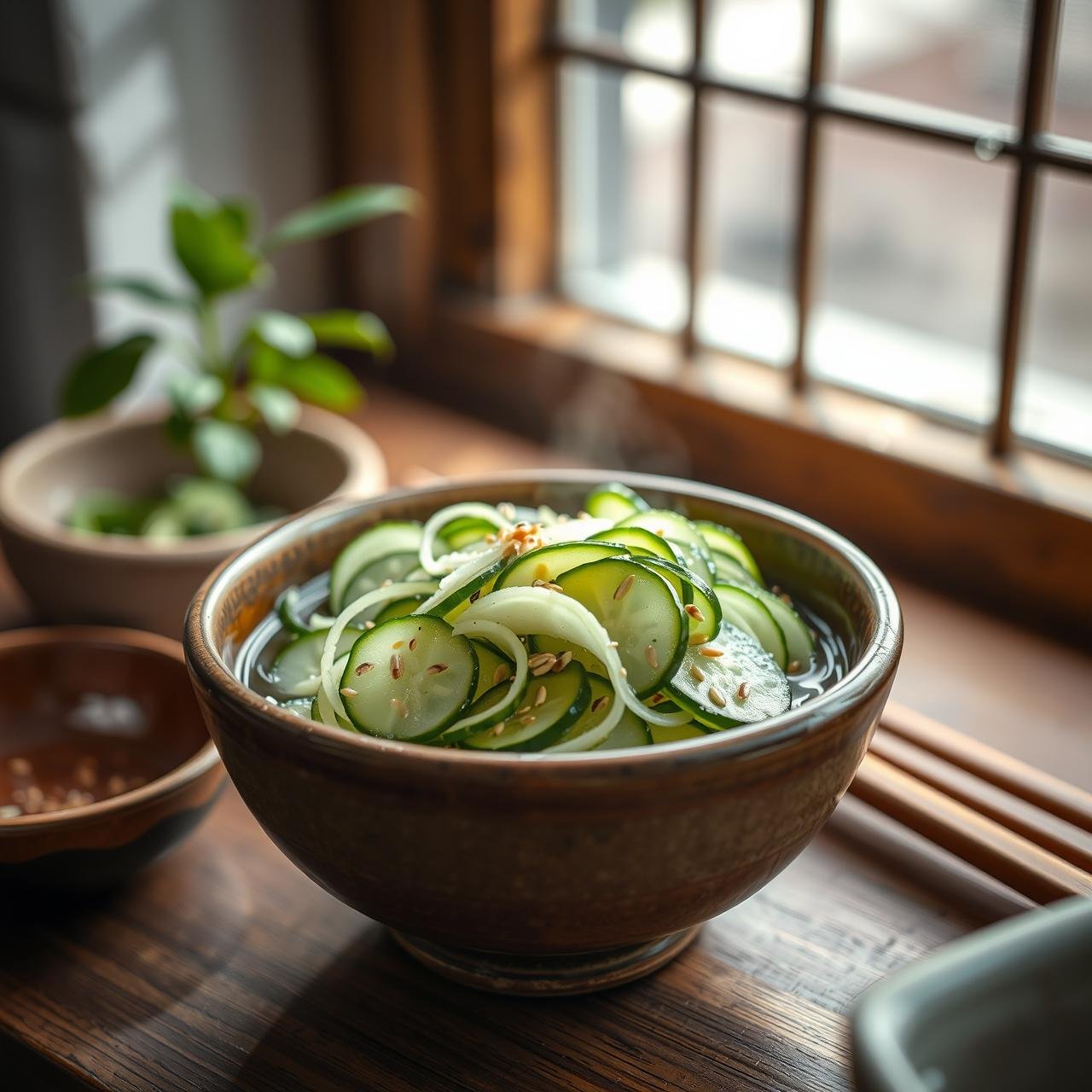
The 20 Calorie Side Dish: Detailed Recipe for Authentic Sunomono
In the world of culinary arts, there are dishes that shout for attention with bold flavors and complex preparations. And then there are those that whisper, offering a quiet, profound elegance that cleanses the palate and refreshes the soul. Sunomono, the classic Japanese cucumber salad, belongs firmly in the latter category. It is a testament to the Japanese principle of washoku, which emphasizes balance, simplicity, and a deep respect for natural flavors. At its heart, sunomono is a humble dish, yet its impact on a meal is immense.
This isn’t just another salad. It’s a culinary secret weapon—a bright, tangy, and subtly sweet side that can cut through the richness of fried foods, complement the delicate taste of grilled fish, or simply stand on its own as a virtuous snack. And the most astonishing part? A generous serving of this delightful dish contains a mere 20 calories. In this comprehensive guide, we will walk you through every detail of crafting authentic sunomono, from selecting the right cucumbers to mastering the perfect sweet-and-sour dressing. Prepare to elevate your home cooking with a dish that is as nourishing for the body as it is pleasing to the palate.
The Essence of Sunomono: More Than Just a Cucumber Salad
Before we pick up our knives, it’s essential to understand the philosophy behind what we’re making. The word ‘sunomono’ (酢の物) literally translates to ‘vinegared things.’ This places it in a broad category of Japanese dishes that use a vinegar-based dressing, known as ‘amazu’ (sweet vinegar). These dishes are designed to be appetizers or side dishes (‘kobachi’) that stimulate the appetite and provide a refreshing counterpoint to other components of the meal.
The star of our sunomono is the humble cucumber. In Japanese cuisine, the cucumber is prized for its cooling properties and crisp texture. The key to exceptional sunomono lies not in a long list of ingredients, but in the technique used to prepare this single vegetable. By thinly slicing and salting the cucumber, we perform a crucial step: drawing out excess water. This process concentrates the cucumber’s flavor and ensures it remains delightfully crunchy, even after being dressed. It prevents the final dish from becoming a watery disappointment and instead creates a salad where every bite is bursting with crisp texture and clean flavor. The resulting dish is a masterful balance of sweet, sour, and savory—a simple yet profound expression of Japanese culinary wisdom.
Your Culinary Toolkit: Essential Equipment for Perfect Sunomono
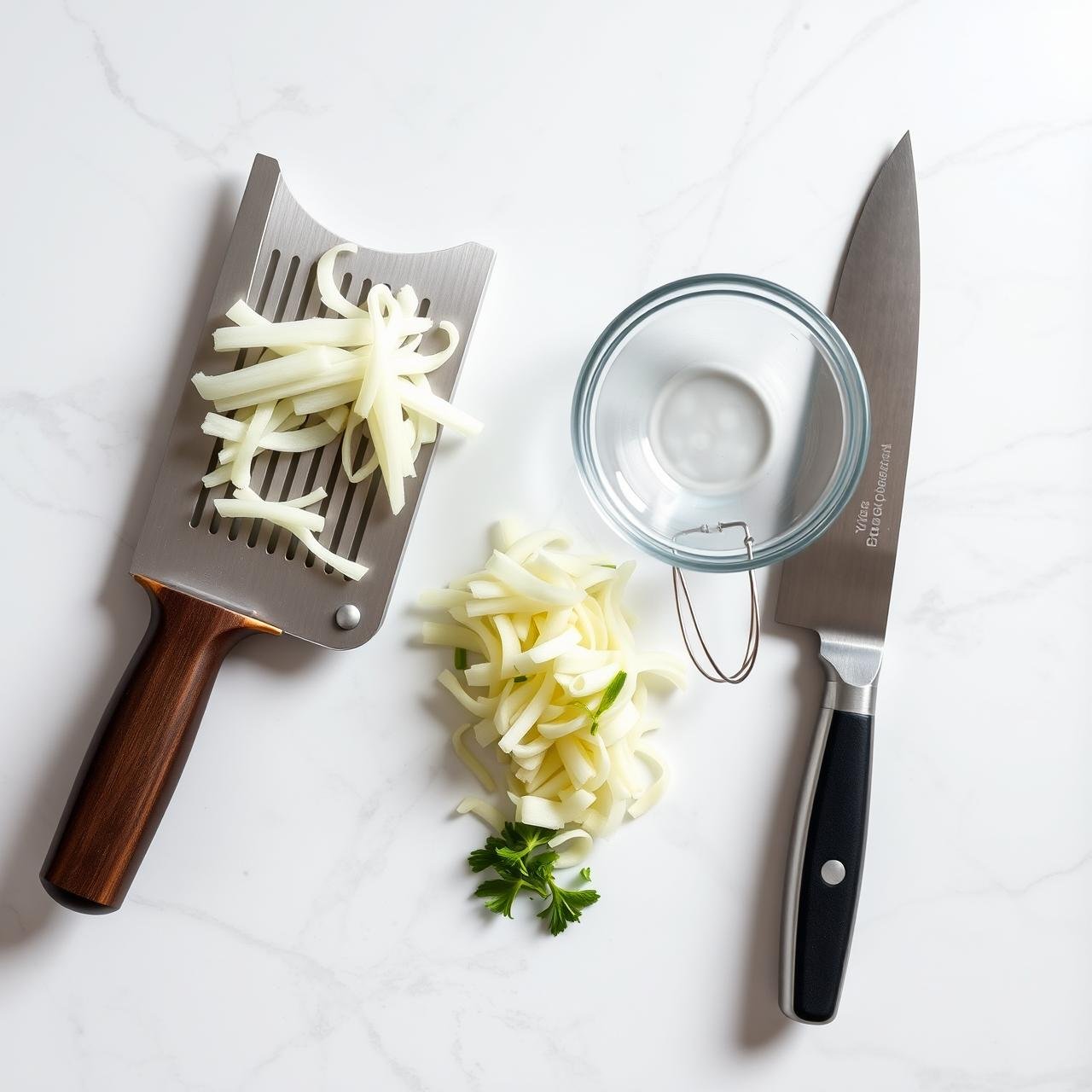
True to its simple nature, creating authentic sunomono does not require an arsenal of high-tech gadgets. The focus is on precision and technique, which can be achieved with a few basic kitchen tools. Having the right equipment on hand will make the process smoother and ensure you achieve that signature restaurant-quality texture.
Essential Tools:
- Mandoline Slicer or Very Sharp Chef’s Knife: This is arguably the most important tool. To achieve the paper-thin, almost translucent cucumber slices that define sunomono, a mandoline is your best friend. It provides uniformity and thinness that is difficult to replicate by hand. If you don’t own one, a freshly sharpened chef’s knife and a steady hand will suffice.
- Medium-Sized Mixing Bowl: You will need a non-reactive bowl (glass, ceramic, or stainless steel) for salting the cucumbers and mixing the final salad.
- Small Bowl and Whisk: For preparing the amazu dressing. A small whisk ensures the sugar dissolves completely into the vinegar, creating a smooth, balanced sauce.
- Colander or Sieve: Useful for draining the cucumbers after they have released their water, though not strictly necessary as you will be squeezing them.
- Clean Kitchen Towel or Cheesecloth: An indispensable tool for squeezing the excess moisture from the salted cucumbers. This step is critical for a crisp, not soggy, salad.
Gathering Your Ingredients: The Foundation of Flavor
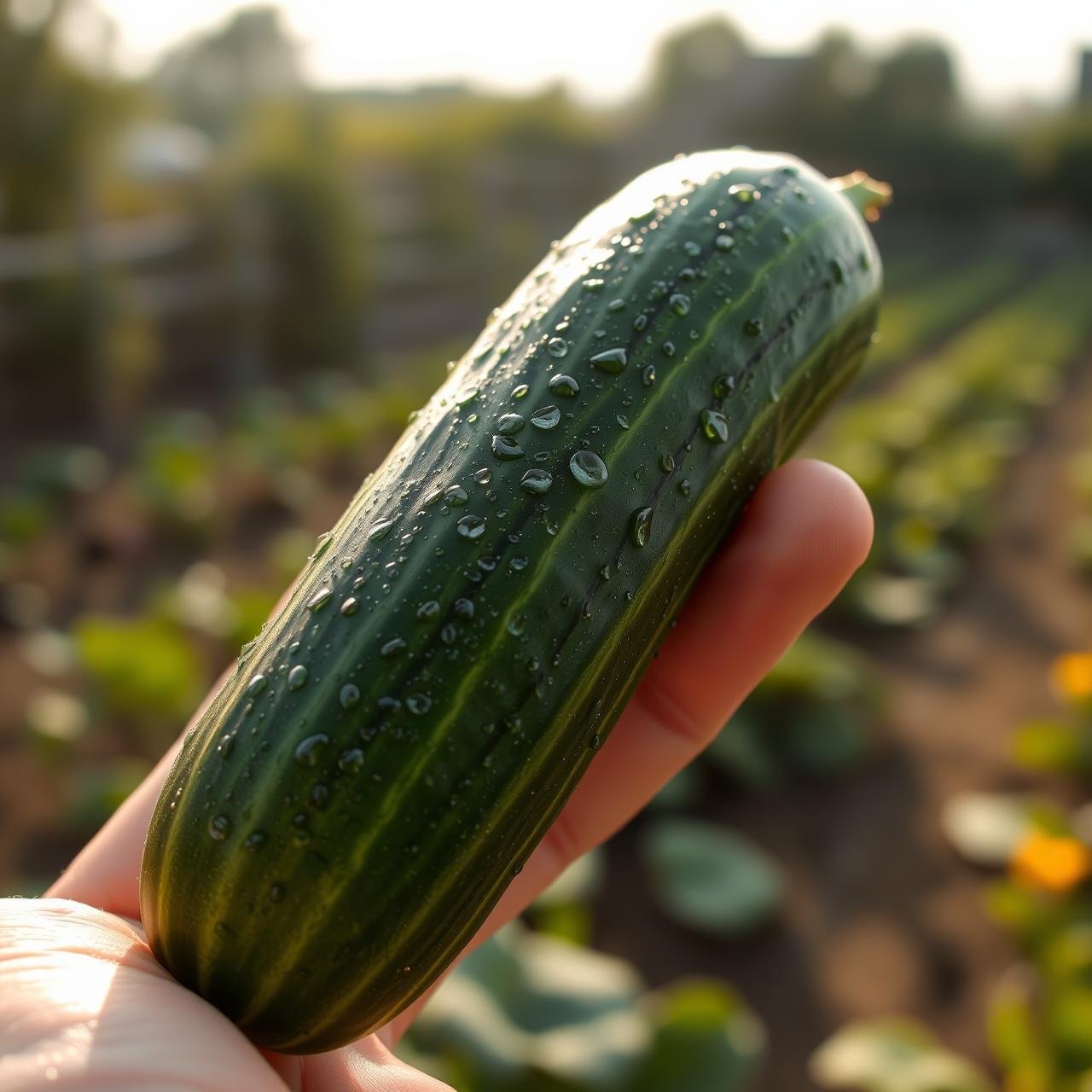
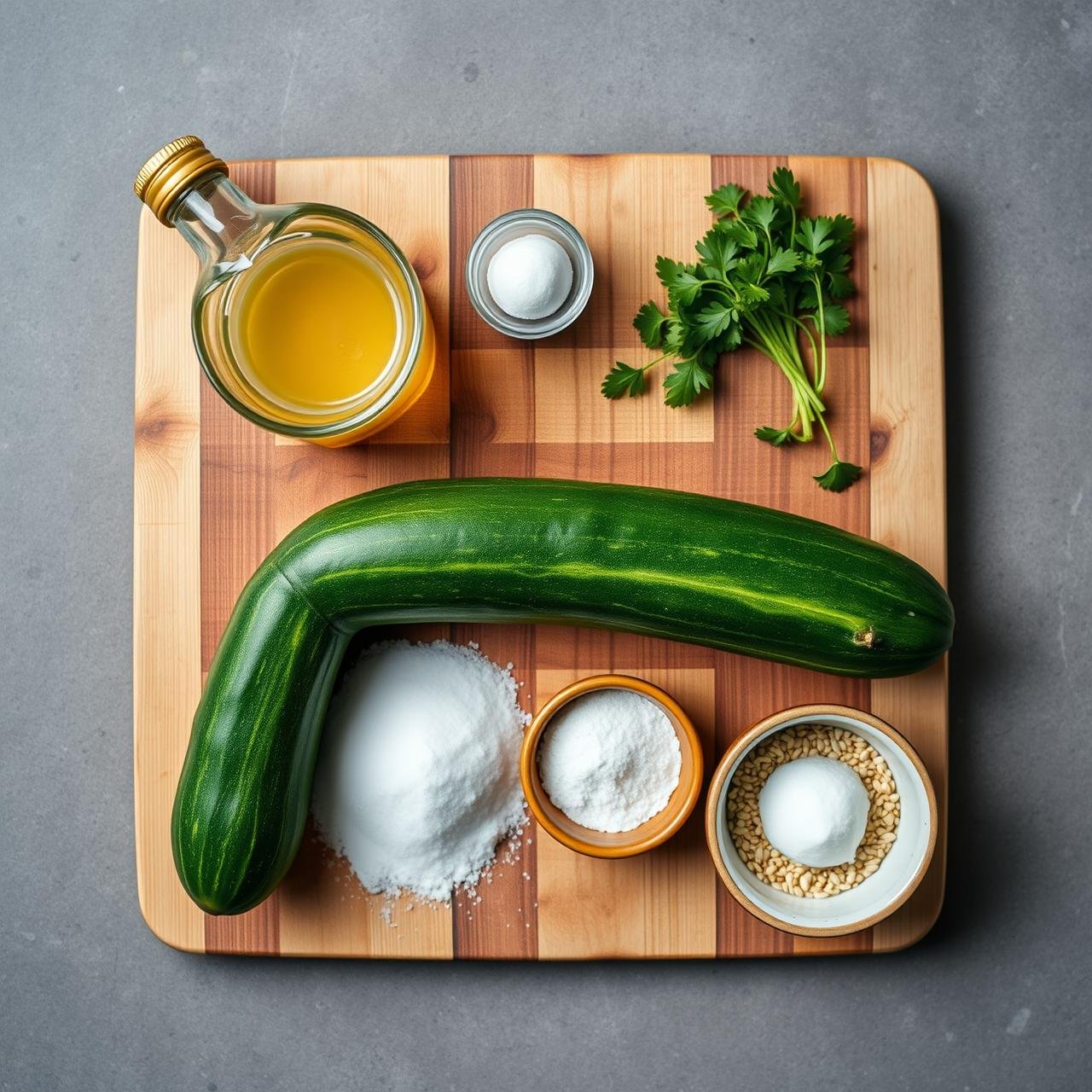
The beauty of sunomono lies in its minimalism. With only a handful of ingredients, the quality of each one shines through. There is no room to hide, so choose the best you can find. This recipe serves approximately 4 people as a side dish.
- Cucumbers: 2 large Japanese cucumbers or 4-5 smaller Persian cucumbers. These varieties are ideal due to their thin skin, minimal seeds, and crisp texture. Avoid standard American cucumbers, which have thick, waxy skins and large, watery seeds.
- Salt: 1 teaspoon of fine sea salt. This is used to draw moisture from the cucumbers, a process called osmosis. It seasons the cucumber from within while firming up its texture.
- Rice Vinegar: ⅓ cup (80ml) of unseasoned rice vinegar. This is the heart of the dressing. It provides a mild, clean acidity that is less harsh than white vinegar. Ensure it is ‘unseasoned,’ as ‘seasoned’ rice vinegar already contains sugar and salt, which would throw off the balance of our dressing.
- Sugar: 2 tablespoons of granulated sugar. This balances the sharpness of the vinegar, creating the classic sweet and sour profile of the amazu dressing.
- Soy Sauce (Optional): ½ teaspoon of soy sauce or tamari. While not always traditional in the simplest versions, a small dash adds a subtle layer of umami depth that beautifully rounds out the flavors.
- Toasted Sesame Seeds: 1 tablespoon for garnish. These add a nutty aroma, a pleasant textural contrast, and visual appeal to the finished dish.
Crafting Authentic Sunomono: A Step-by-Step Guide
Follow these steps with care and precision. The process is quick, but each stage is crucial for achieving the perfect balance of texture and flavor that defines authentic sunomono.
-
Prepare the Cucumbers
Wash and dry your cucumbers thoroughly. There is no need to peel them if you are using Japanese or Persian varieties, as the skin adds color and texture. Using your mandoline on its thinnest setting, or a very sharp knife, slice the cucumbers into paper-thin rounds. Strive for consistency in thickness to ensure they salt and dress evenly.
-
Salt and Sweat the Cucumbers
Place the cucumber slices in your medium-sized mixing bowl. Sprinkle the 1 teaspoon of fine sea salt over them and toss gently with your hands to distribute the salt evenly. Let the cucumbers sit at room temperature for 10 to 15 minutes. You will notice a significant amount of water pooling at the bottom of the bowl. This is exactly what you want.
-
Mix the Amazu Dressing
While the cucumbers are resting, prepare the dressing. In your small bowl, combine the ⅓ cup of rice vinegar and 2 tablespoons of sugar. If using, add the ½ teaspoon of soy sauce. Whisk vigorously until the sugar has completely dissolved. You should not feel any grit at the bottom of the bowl. Set aside.
-
Squeeze the Cucumbers
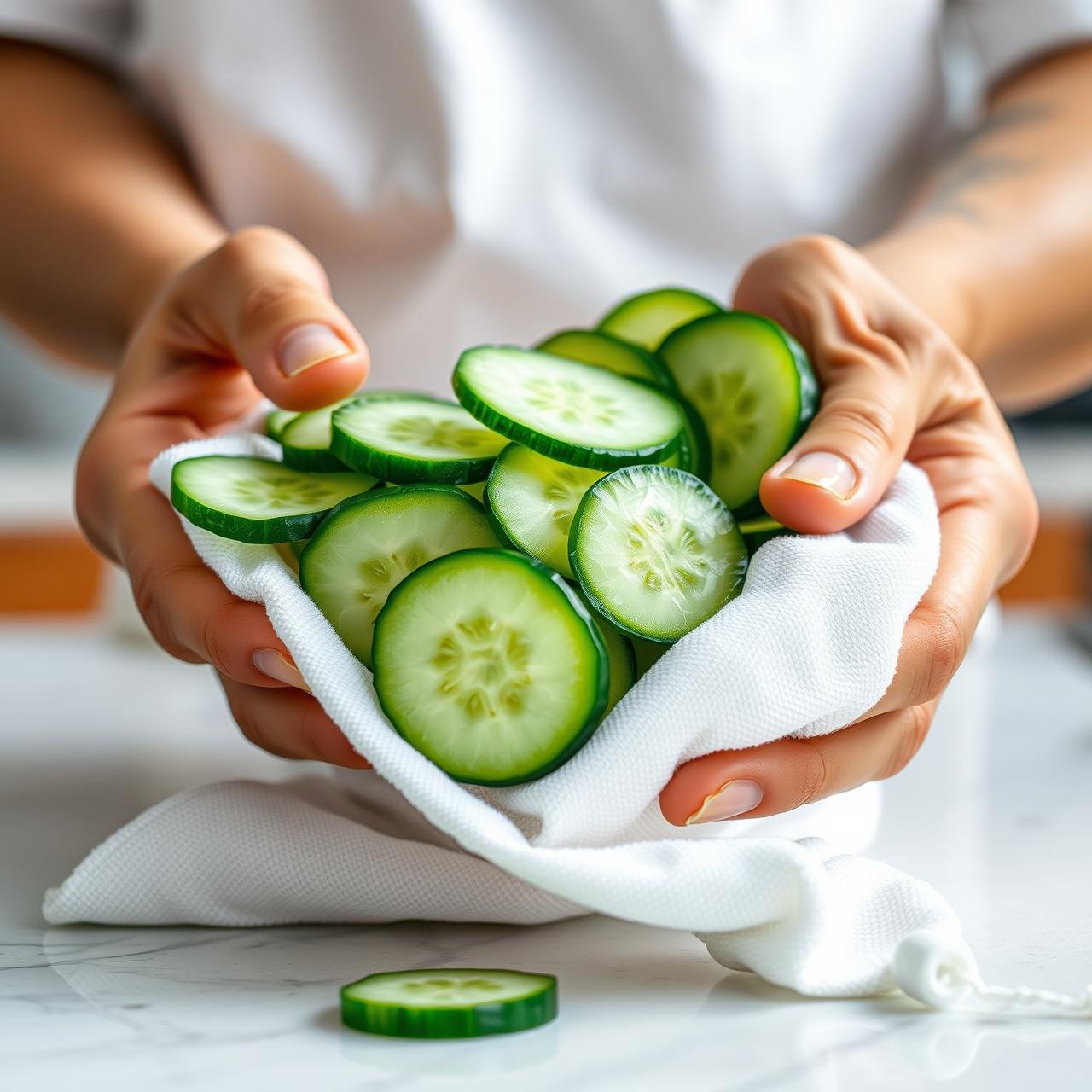
This is the most critical step for texture. Take handfuls of the salted cucumber slices and squeeze them firmly but gently to expel as much water as possible. For best results, place the slices in the center of a clean kitchen towel, gather the ends, and twist to wring out all the excess liquid. You will be amazed at how much water is released. The cucumbers will look wilted, but don’t worry—they will remain incredibly crisp.
-
Combine and Chill
Place the squeezed, dry cucumber slices back into a clean mixing bowl. Pour the prepared amazu dressing over them. Toss gently to ensure every slice is coated in the glistening dressing. For the best flavor, cover the bowl and let the sunomono chill in the refrigerator for at least 5 to 10 minutes. This allows the flavors to meld and the salad to become perfectly chilled.
-
Garnish and Serve
Just before serving, transfer the sunomono to a small serving bowl. Sprinkle generously with the 1 tablespoon of toasted sesame seeds. Serve immediately as a refreshing start to your meal or as a palate-cleansing side dish.
From My Kitchen to Yours: Expert Tips and Creative Variations
Once you’ve mastered the basic recipe, you can begin to experiment. Sunomono is a versatile base that welcomes a variety of additions. Here are some professional tips and creative twists to elevate your dish.
Expert Tips for Perfection
- Don’t Skip the Squeeze: I cannot overstate the importance of squeezing the cucumbers. This single step is the difference between a crisp, vibrant salad and a watery, diluted one.
- Taste and Adjust: Your palate is the ultimate guide. If you prefer a tangier dressing, reduce the sugar slightly. If you like it sweeter, add a little more. The ratio provided is a classic starting point.
- Serve Cold: Sunomono is at its best when served well-chilled. The cold temperature enhances its refreshing qualities and makes the cucumbers even crisper.
Creative Variations
-
Kyuri to Wakame no Sunomono (Cucumber and Seaweed)
This is a very common and delicious variation. Rehydrate 2 tablespoons of dried wakame seaweed in warm water for 5 minutes, then squeeze out the excess water. Add the wakame to the cucumbers along with the dressing.
-
Tako Sunomono (Octopus)
For a more substantial dish, add thinly sliced, cooked octopus. The chewy texture of the octopus provides a wonderful contrast to the crisp cucumber.
-
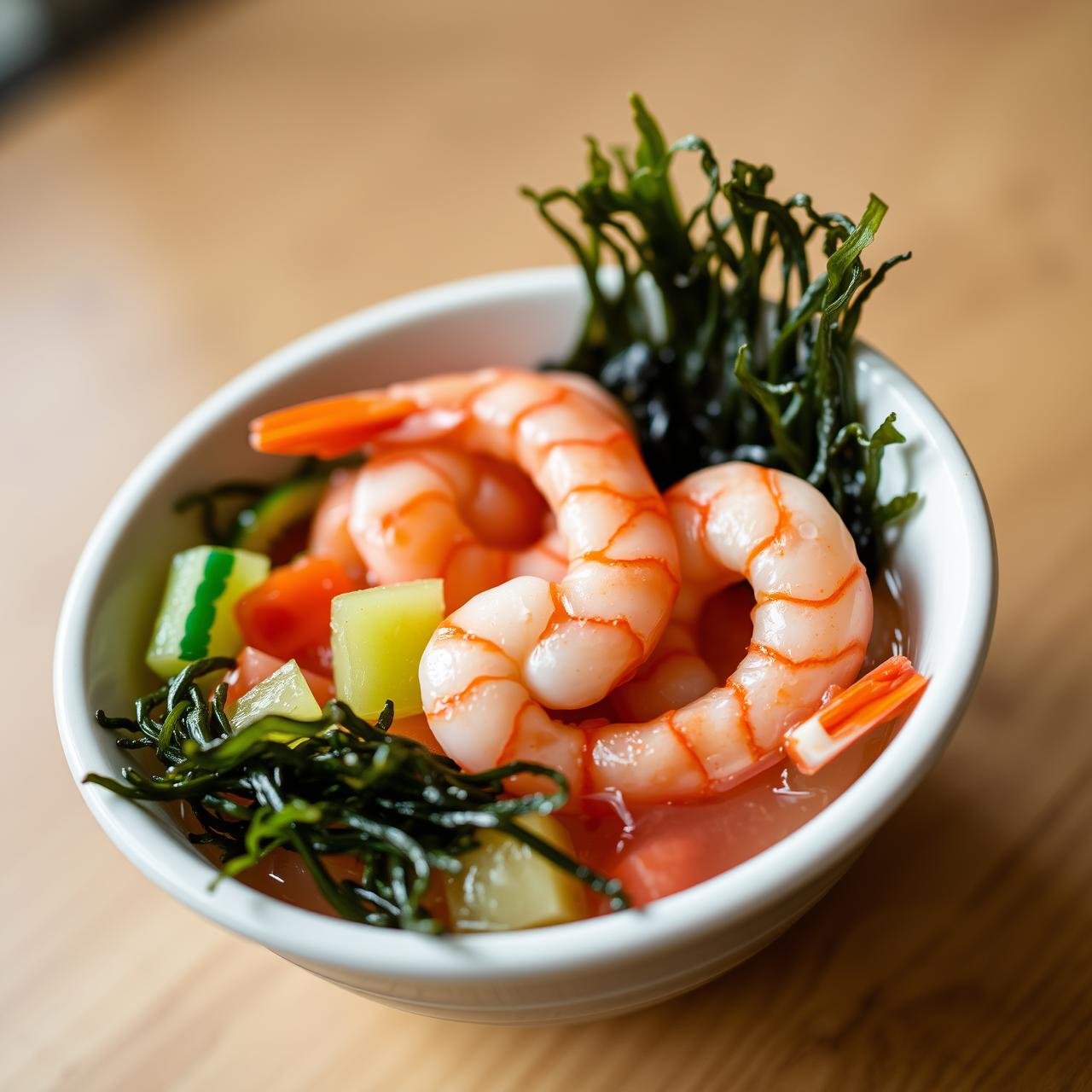
Ebi Sunomono (Shrimp)
Add a handful of small, cooked shrimp to the salad for a touch of sweetness and a boost of protein. This turns the simple side into a more robust appetizer.
-
Add Ginger:
For a zesty kick, add 1 teaspoon of finely grated fresh ginger to the amazu dressing. It adds a lovely warmth and complexity.
The 20-Calorie Wonder: A Nutritional Breakdown
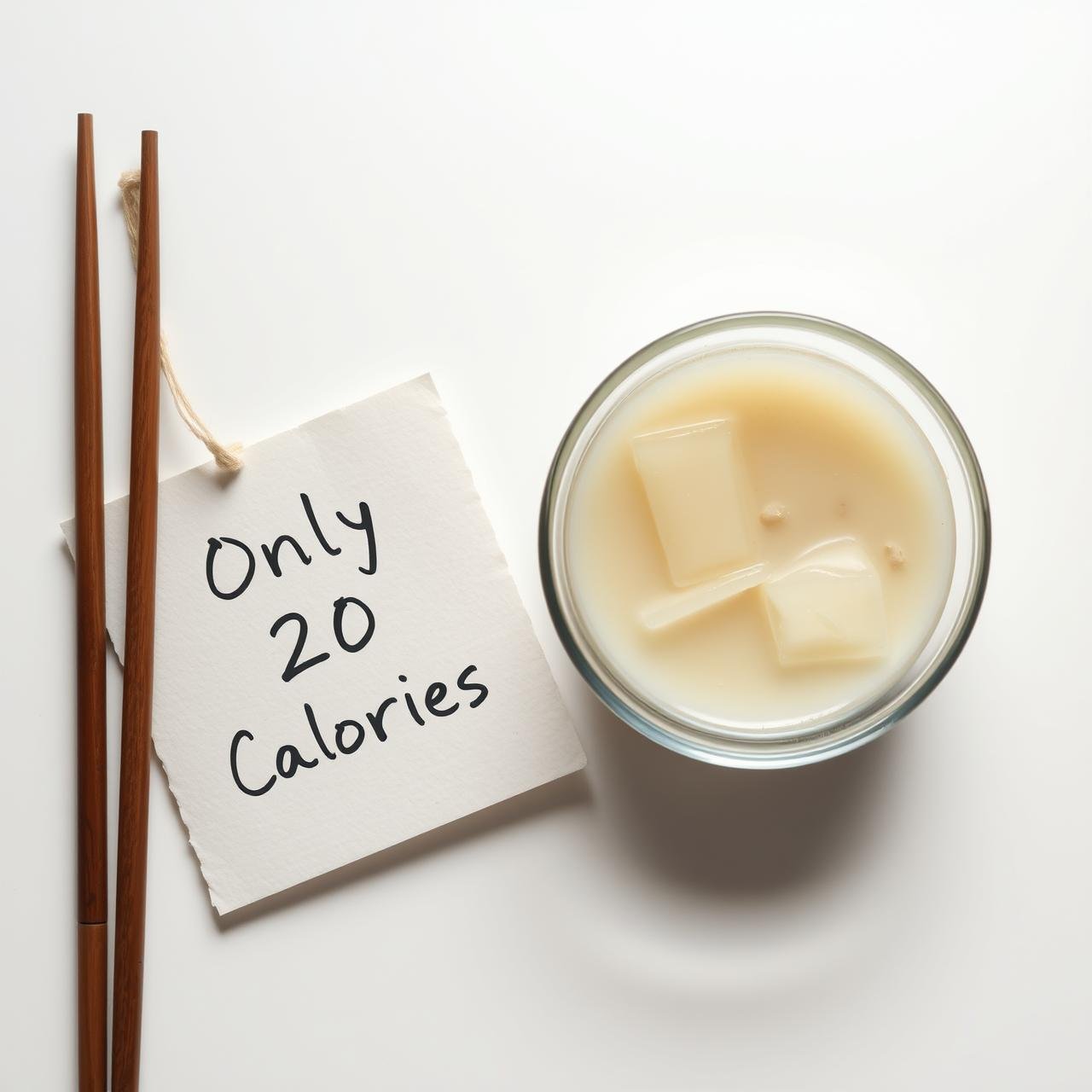
It’s rare to find a dish that is so satisfying yet so incredibly light. This sunomono recipe is perfect for anyone watching their calorie intake, managing a healthy lifestyle, or simply seeking a guilt-free addition to their meal. The nutritional information is based on the recipe serving four people.
| Nutrient | Amount Per Serving |
|---|---|
| Calories | 20 kcal |
| Carbohydrates | 4g |
| Protein | 0.5g |
| Fat | 0.2g |
| Sodium | 250mg |
| Sugar | 3g |
Note: Nutritional values are approximate and can vary based on ingredient size and specific brands used.
Storing and Serving Your Sunomono
Proper Storage
Sunomono is best enjoyed on the day it is made, preferably within a few hours, to retain its optimal crispness. However, if you have leftovers, they can be stored in an airtight container in the refrigerator for up to 24 hours. The cucumbers will soften slightly over time but will still be delicious. I do not recommend freezing sunomono, as the cucumbers will lose their texture completely upon thawing.
Perfect Pairings and Serving Suggestions
Sunomono’s versatility is one of its greatest strengths. It can be served in a small, individual bowl (kobachi) as part of a traditional Japanese meal or integrated into various other contexts. Consider these pairings:
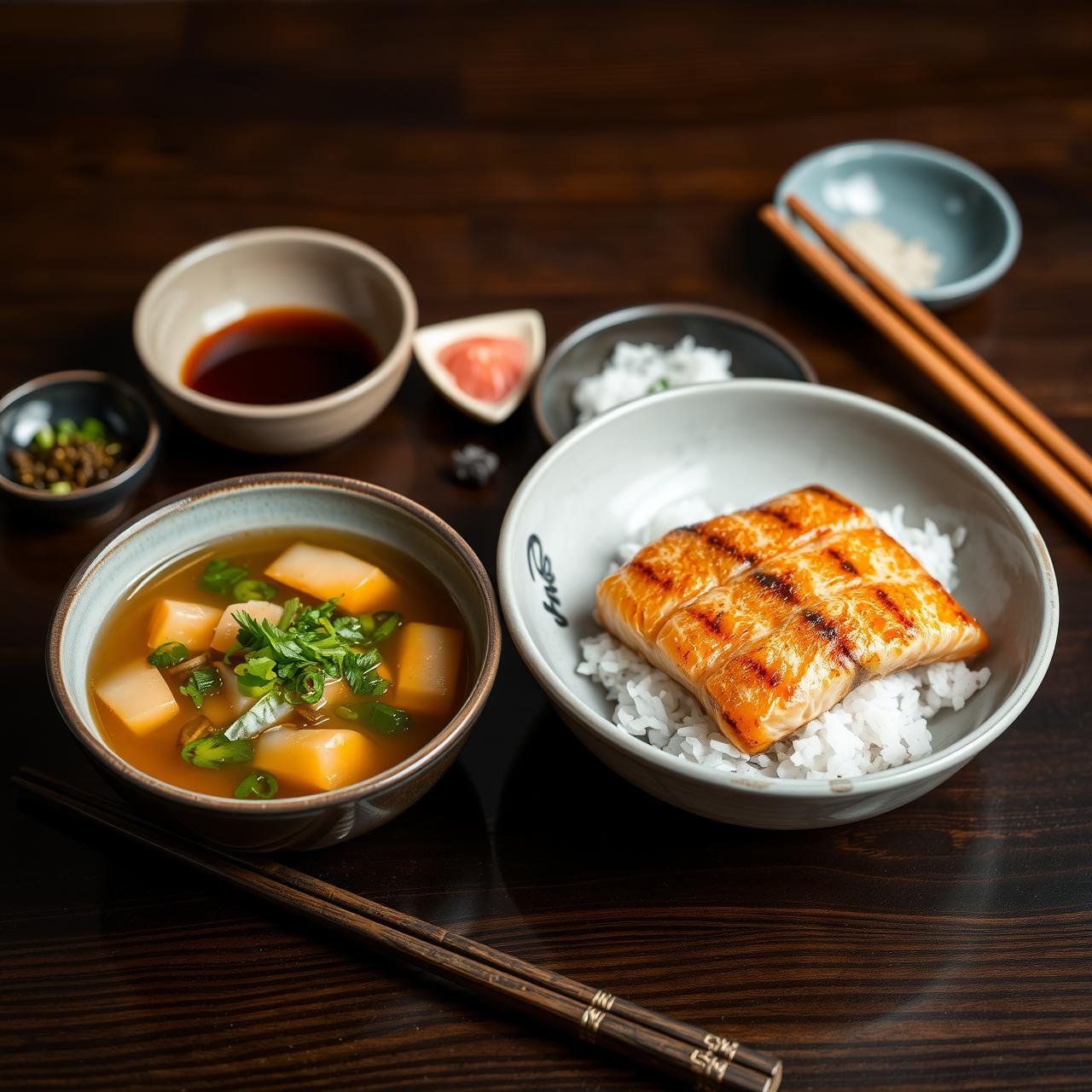
- With Grilled Meats and Fish: The bright acidity of sunomono is the perfect foil for the richness of grilled salmon, mackerel, or chicken teriyaki.
- Alongside Fried Foods: Serve it with tonkatsu (fried pork cutlet) or karaage (Japanese fried chicken) to cut through the richness and cleanse the palate between bites.
- In a Bento Box: A small portion of sunomono adds a vibrant, healthy, and refreshing element to any packed lunch.
- As a Light Appetizer: Begin your meal with sunomono to awaken the taste buds and set a fresh, clean tone for the dishes to follow.
Conclusion
Sunomono is more than just a recipe; it is an exercise in culinary mindfulness. It teaches us that with simple, fresh ingredients and careful technique, we can create something truly extraordinary. This 20-calorie side dish is a powerhouse of flavor, a champion of health, and a beautiful representation of the elegance found in simplicity. It is a dish that fits seamlessly into a budget-conscious lifestyle without ever sacrificing taste or satisfaction. We invite you to bring this authentic taste of Japan into your kitchen. Embrace the process, enjoy the crisp, refreshing result, and discover the profound joy of a simple dish, perfectly made.