Spicy Soft Tofu Stew: The Ultimate Comfort Food for Weight Loss
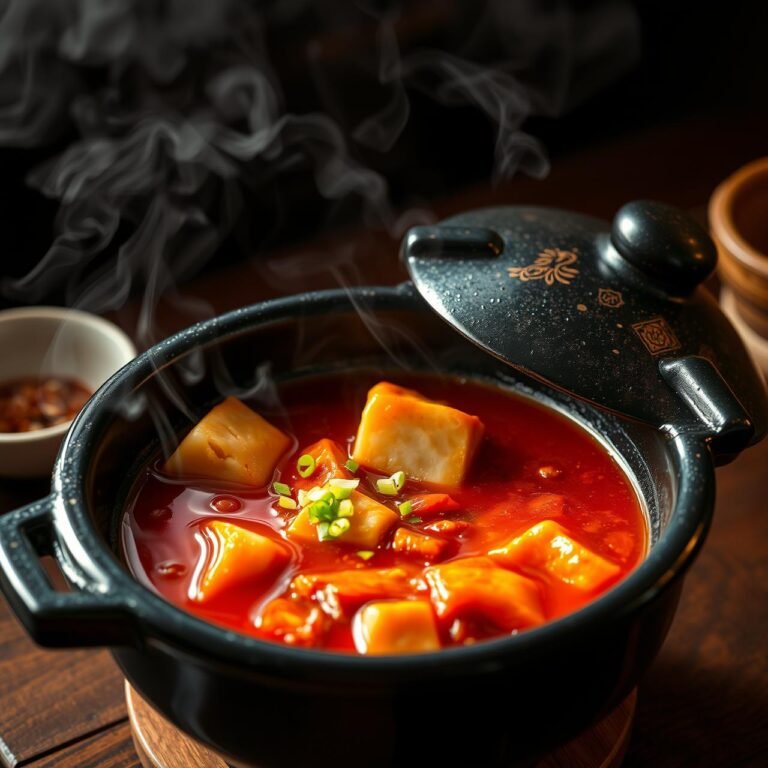
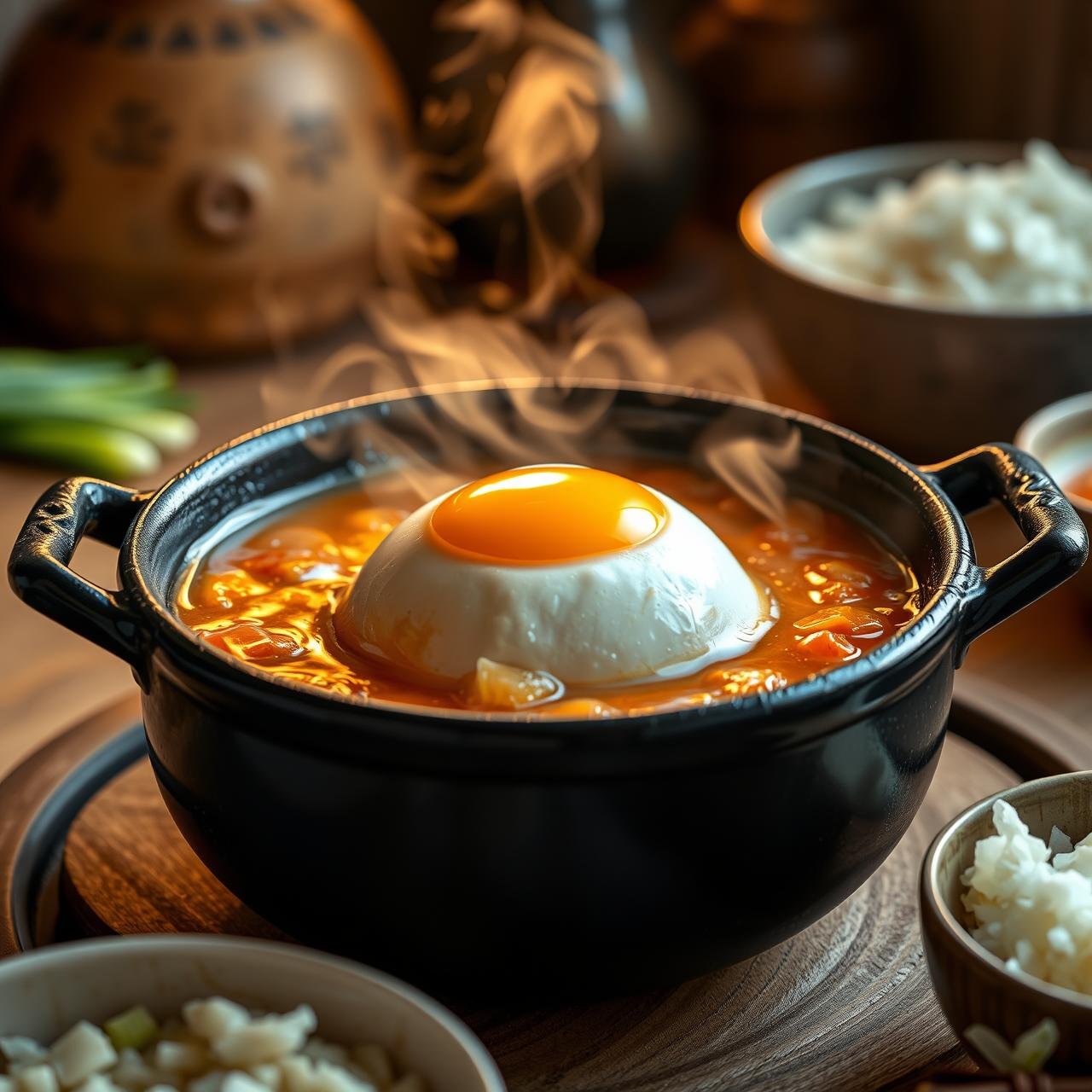
There are certain dishes that feel like a warm hug in a bowl, and at the very top of that list is the Korean classic, Sundubu Jjigae. Imagine a bubbling, fiery red cauldron arriving at your table, steam billowing up carrying the intoxicating aroma of chili, garlic, and savory broth. You dip your spoon in, breaking through a delicate, freshly cracked egg into a broth filled with clouds of impossibly silky, melt-in-your-mouth tofu. This isn’t just a meal; it’s a full sensory experience—a restorative, soul-soothing ritual.
But what if I told you that this incredibly indulgent and comforting dish is also a secret weapon for weight loss? It sounds too good to be true, but this Spicy Soft Tofu Stew is a nutritional powerhouse. It’s packed with lean protein, metabolism-boosting spices, and nourishing vegetables, all while remaining surprisingly low in calories and carbohydrates. It’s the ultimate culinary paradox: a rich, satisfying comfort food that helps you feel lighter, healthier, and more energized. Forget bland diet food; this recipe proves that you can nourish your body, delight your taste buds, and achieve your health goals, one delicious spoonful at a time.
What Makes This Tofu Stew a Weight-Loss Powerhouse?
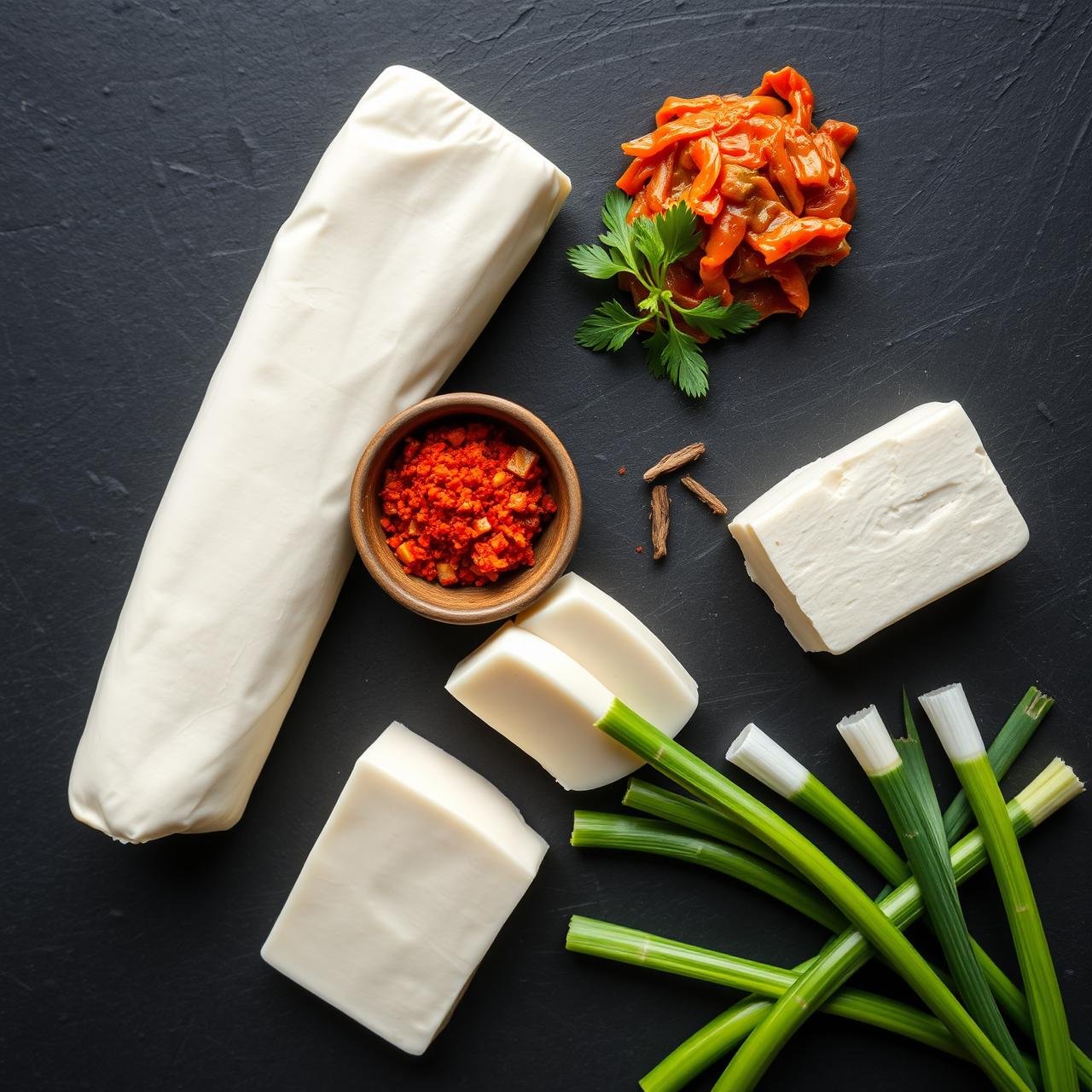
The magic of this stew lies in its brilliant synergy of ingredients. Each component is chosen not just for its flavor but for its powerful health benefits, creating a dish that works with your body, not against it.
The Silken Star: Unsung Hero of Lean Protein
The heart of Sundubu Jjigae is, of course, the sundubu (or silken tofu). Unlike its firmer cousins, silken tofu has an incredibly high water content, giving it that signature custard-like texture. This also means it’s exceptionally low in calories and fat. A generous portion provides a substantial amount of plant-based protein, which is crucial for weight management. Protein keeps you feeling full and satisfied for longer, reducing the temptation to snack. It also requires more energy to digest than fats or carbs (a phenomenon known as the thermic effect of food), giving your metabolism a gentle nudge. Furthermore, protein is essential for maintaining lean muscle mass, which is vital for a healthy metabolism, especially when you’re in a calorie deficit.
The Fiery Boost: Gochugaru’s Metabolic Magic
That beautiful, vibrant red hue comes from gochugaru (Korean chili flakes). This is not just for heat; it’s a key player in the stew’s weight-loss credentials. Gochugaru is rich in a compound called capsaicin, which has been extensively studied for its ability to boost metabolism and increase fat burning. Capsaicin can slightly raise your body temperature, causing your body to expend more energy. It can also act as a natural appetite suppressant. The clean, smoky heat it provides adds incredible depth of flavor without adding a single calorie.
Fermented Goodness: Kimchi and Gochujang
Fermented foods like kimchi and gochujang (Korean chili paste) are foundational to Korean cuisine and bring more than just tangy, umami-rich flavor. They are packed with probiotics, the beneficial bacteria that support a healthy gut microbiome. A balanced gut is linked to improved digestion, reduced inflammation, and even better weight regulation. The kimchi also adds fiber and vitamins with very few calories, adding bulk and nutrients to the stew.
Gather Your Tools: Kitchen Essentials
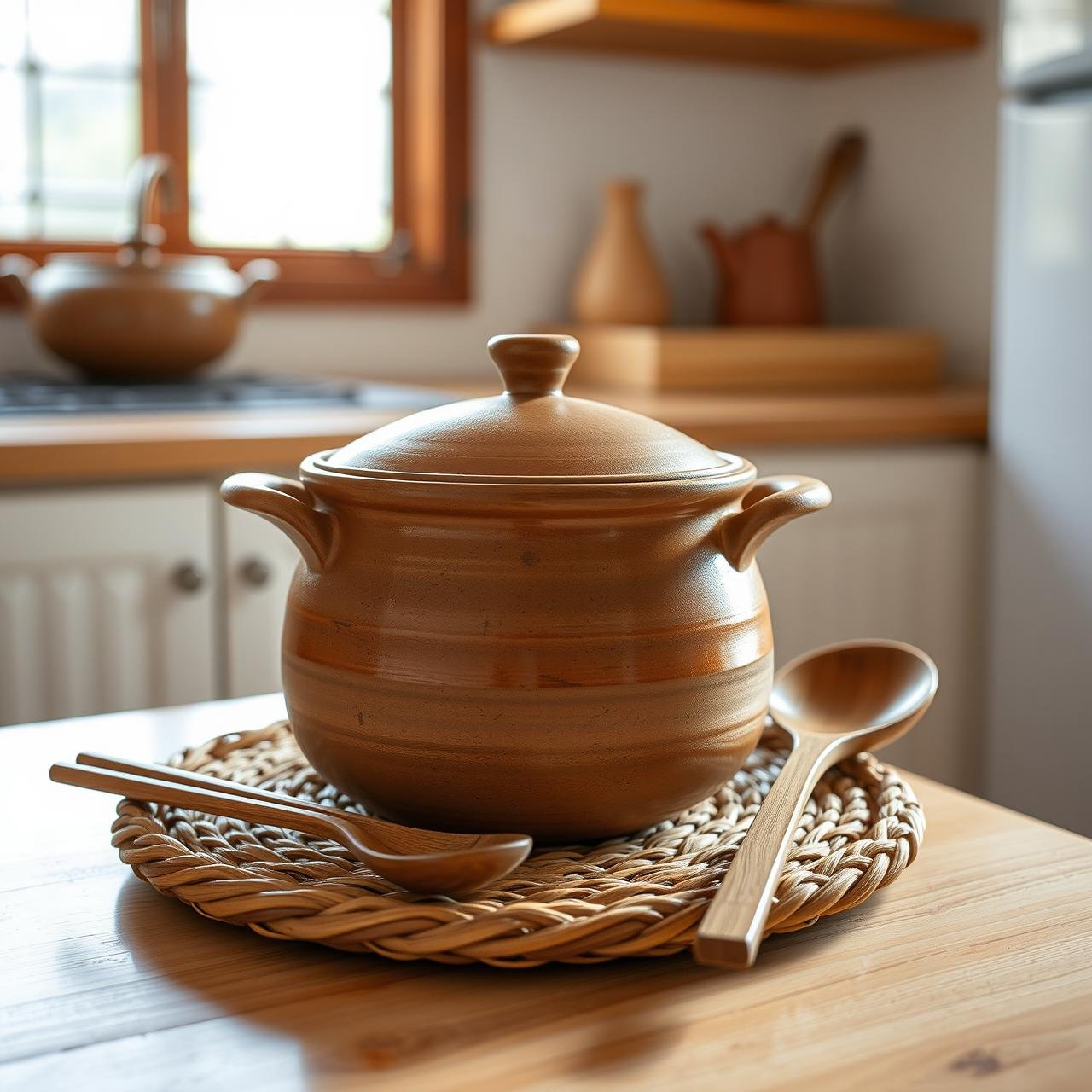
While you can make this stew in any sturdy pot, using the right tools can enhance the experience. A traditional Korean earthenware pot, or ttukbaegi, is ideal as it retains heat exceptionally well, keeping your stew bubbling hot from the kitchen to the table.
| Equipment | Purpose |
|---|---|
| Medium Pot or Ttukbaegi | A 4-5 cup capacity pot is perfect. A ttukbaegi provides the most authentic experience. |
| Cutting Board | For preparing your vegetables and aromatics. |
| Sharp Knife | Essential for clean cuts on your garlic, onion, and mushrooms. |
| Measuring Spoons & Cups | For accurate flavor balancing. |
| Wooden Spoon or Spatula | For sautéing the base without scratching your pot. |
A Symphony of Flavors: Your Shopping List
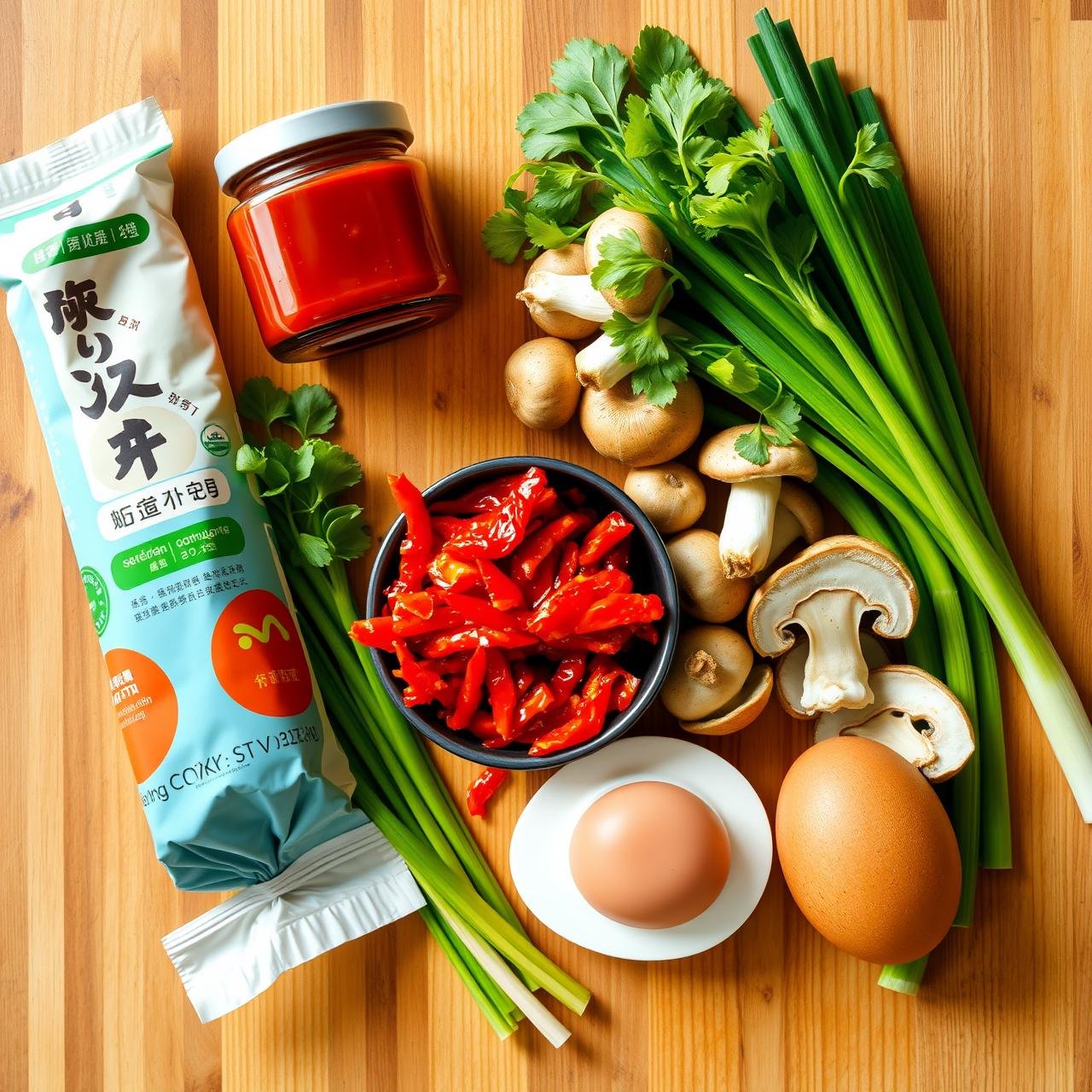
The quality of your ingredients will directly translate to the depth of flavor in your stew. Seek out Korean brands for gochugaru and gochujang if possible, as they offer a unique complexity you won’t find in other chili products.
For the Flavor Base
- Sesame Oil: 1 tablespoon. Toasted sesame oil provides a nutty, fragrant foundation.
- Minced Garlic: 3-4 cloves. Don’t be shy; garlic is key to the aromatic depth.
- Chopped Onion or Scallion Whites: 1/4 cup. Adds a layer of sweet allium flavor.
- Gochugaru (Korean Chili Flakes): 1-3 tablespoons. Use 1 for mild, 2 for medium, and 3 for a fiery kick. Coarse ground is traditional.
- Pork or Beef (Optional): 1/4 cup, thinly sliced or minced. Adds richness. For a leaner, vegetarian version, omit this.
For the Stew
- Kimchi: 1/2 cup, chopped, plus 2 tablespoons of kimchi juice. Use well-fermented, sour kimchi for the best flavor.
- Broth or Water: 2 cups. A simple anchovy stock (myeolchi yuksu) is traditional and adds immense umami. Vegetable broth or even water will also work.
- Gochujang (Korean Chili Paste): 1/2 tablespoon. Adds a touch of sweetness and fermented depth.
- Soy Sauce or Fish Sauce: 1-2 teaspoons, to taste. For seasoning and umami.
- Sundubu (Silken/Soft Tofu): 1 (12-16 oz) tube. This is the star; handle it gently.
- Mushrooms (Optional): 1/2 cup sliced shiitake or enoki mushrooms for earthy flavor and texture.
For Finishing
- Egg: 1 large. Cracked directly into the stew at the end to cook in the residual heat.
- Scallions: 2 tablespoons, chopped. For a fresh, sharp finish.
- A Drizzle of Sesame Oil: For a final burst of nutty aroma.
Crafting Your Comfort: Step-by-Step Instructions
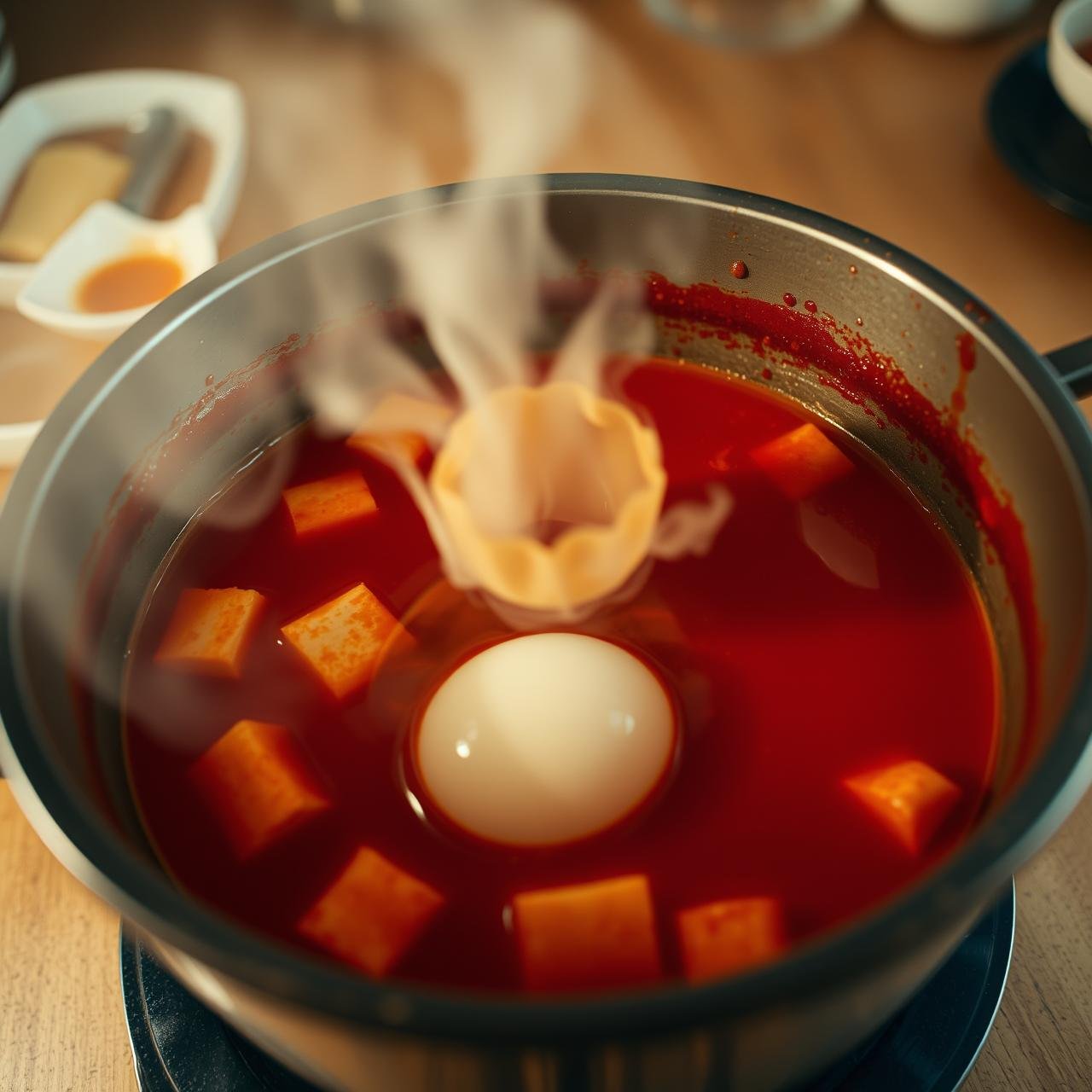
Follow these steps closely to build layers of flavor, resulting in a perfectly balanced and deeply satisfying stew. The process is quick, making this an ideal weeknight meal.
-
Create the Aromatic Base:
Place your ttukbaegi or pot over medium heat. Add the 1 tablespoon of sesame oil. Once it shimmers, add the minced garlic and chopped onion. If you’re using pork or beef, add it now. Sauté for 2-3 minutes, stirring constantly, until the aromatics are fragrant and the meat is lightly browned. The goal is to toast the ingredients, not burn them.
-
Bloom the Chili:
Add the 1-3 tablespoons of gochugaru to the pot. Stir it into the oil and aromatics for about 30 seconds. This crucial step, called ‘blooming,’ toasts the chili flakes, deepening their color and unlocking their smoky, complex flavor. It’s the secret to a truly rich broth.
-
Incorporate the Kimchi:
Add the 1/2 cup of chopped kimchi and the 2 tablespoons of kimchi juice. Continue to sauté for another 2-3 minutes. This melds the tangy flavor of the kimchi with the spicy, aromatic base.
-
Build the Broth:
Pour in the 2 cups of broth or water. Add the 1/2 tablespoon of gochujang and 1-2 teaspoons of soy sauce or fish sauce. Stir well to dissolve the paste and combine all the ingredients. Bring the mixture to a rolling boil.
-
Add the Tofu and Simmer:
Once boiling, reduce the heat to a lively simmer. Now, it’s time for the star. Carefully squeeze the tube of silken tofu directly into the pot, or slice it open and gently spoon it in. Use your spoon to break the tofu into large, rustic chunks. Add the optional mushrooms at this stage as well. Let it simmer for 5-7 minutes, allowing the tofu to heat through and absorb the flavors of the broth.
-
The Grand Finale:
Taste the broth and adjust seasoning if needed—more soy sauce for saltiness, a pinch of sugar if it’s too sour. Turn off the heat. The stew should be volcanically hot. Immediately crack the 1 large egg directly into the center of the stew. Do not stir. The residual heat will gently cook the egg white while leaving the yolk luxuriously runny.
-
Garnish and Serve:
Sprinkle generously with fresh scallions and finish with a final, light drizzle of sesame oil. Serve immediately in its pot with a side of steamed short-grain rice. Instruct diners to break the yolk and swirl it into the broth for a creamier, richer consistency.
Elevate Your Stew: Expert Tips & Variations
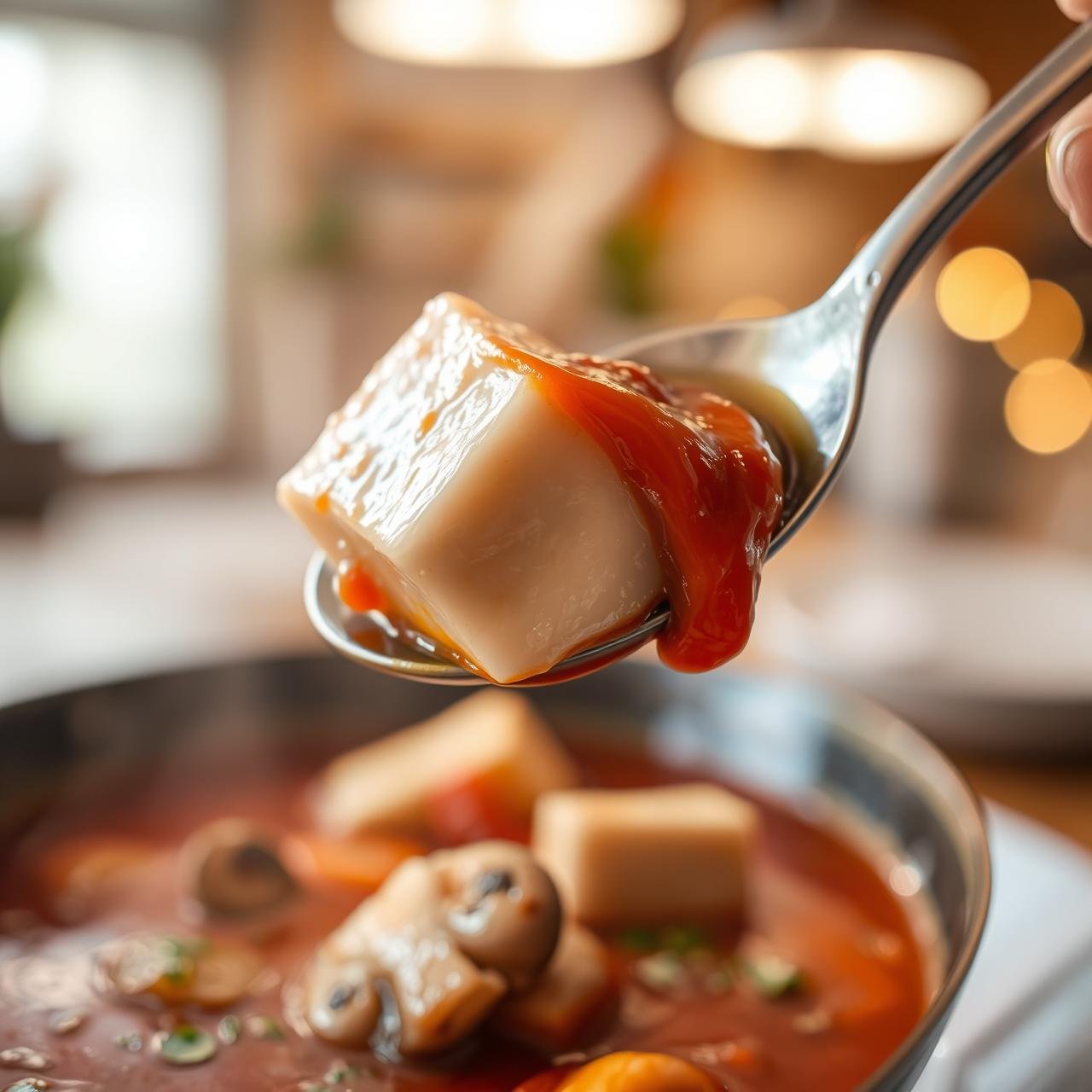
Once you’ve mastered the basic recipe, feel free to experiment. Sundubu Jjigae is a wonderfully versatile dish.
Achieving the Perfect Broth
While water works, a dedicated broth makes a world of difference. For a traditional flavor, make a simple Korean anchovy stock by simmering dried anchovies and a piece of dried kelp (dashima) in water for 15 minutes. For a rich vegetable version, simmer dried shiitake mushrooms, onion, and kelp. This umami-rich foundation will elevate your stew from good to unforgettable.
Customizing Your Spice Level
The beauty of this recipe is its adjustable heat. A single tablespoon of gochugaru will give you a pleasant, warming spice. Two tablespoons is a solid medium that most can enjoy. Three or more tablespoons is for the true spice aficionados. Remember that gochujang also adds some heat, so factor that in.
Protein Variations for Every Palate
- Seafood (Haemul Sundubu): Add a handful of clams, mussels, shrimp, or squid in the last 3-4 minutes of simmering for a taste of the sea.
- Pork Belly (Dwaejigogi Sundubu): Sauté thin slices of pork belly at the very beginning until crisp for a rich, savory flavor.
- Beef (Soegogi Sundubu): Use thinly sliced beef like ribeye or brisket, sautéing it with the aromatics.
Nutrient-Dense Vegetable Add-ins
Feel free to add more vegetables to boost the fiber and nutrient content. Sliced zucchini, baby spinach (stirred in at the end), or enoki mushrooms are fantastic additions that complement the flavors without overpowering the dish.
Nourishment by the Numbers
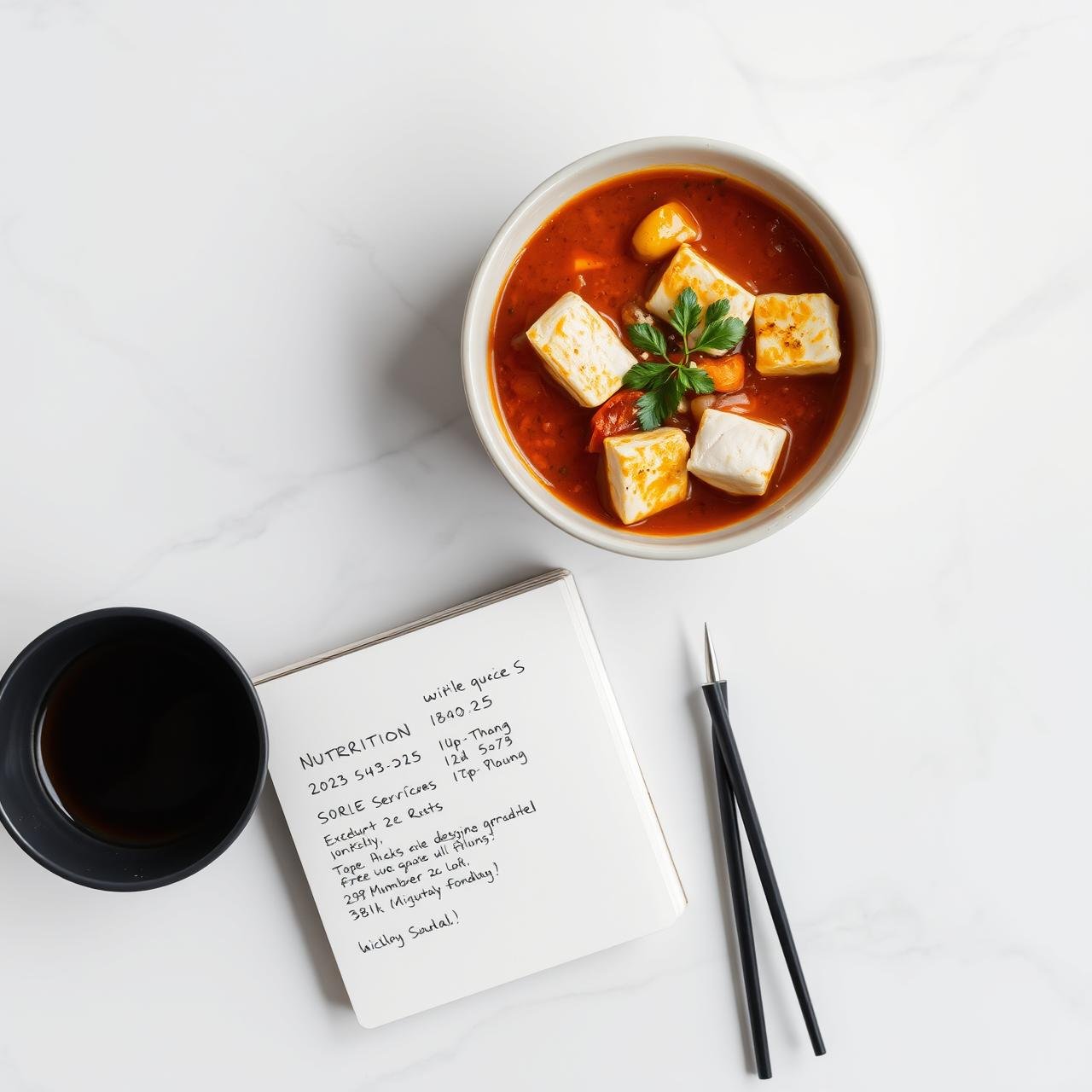
This nutritional breakdown is an estimate for a vegetarian version of the stew, serving one. Actual values may vary based on specific ingredients and portion sizes.
| Nutrient | Amount (Approximate) |
|---|---|
| Calories | 320 kcal |
| Protein | 20g |
| Fat | 18g |
| Carbohydrates | 15g |
| Fiber | 4g |
| Sodium | 950mg |
Note: The high protein and fiber content contribute to satiety, while the calorie count remains low, making it an ideal meal for a weight-conscious diet. To reduce sodium, use low-sodium soy sauce and be mindful of the amount of kimchi juice.
Savoring Later: Storage and Reheating
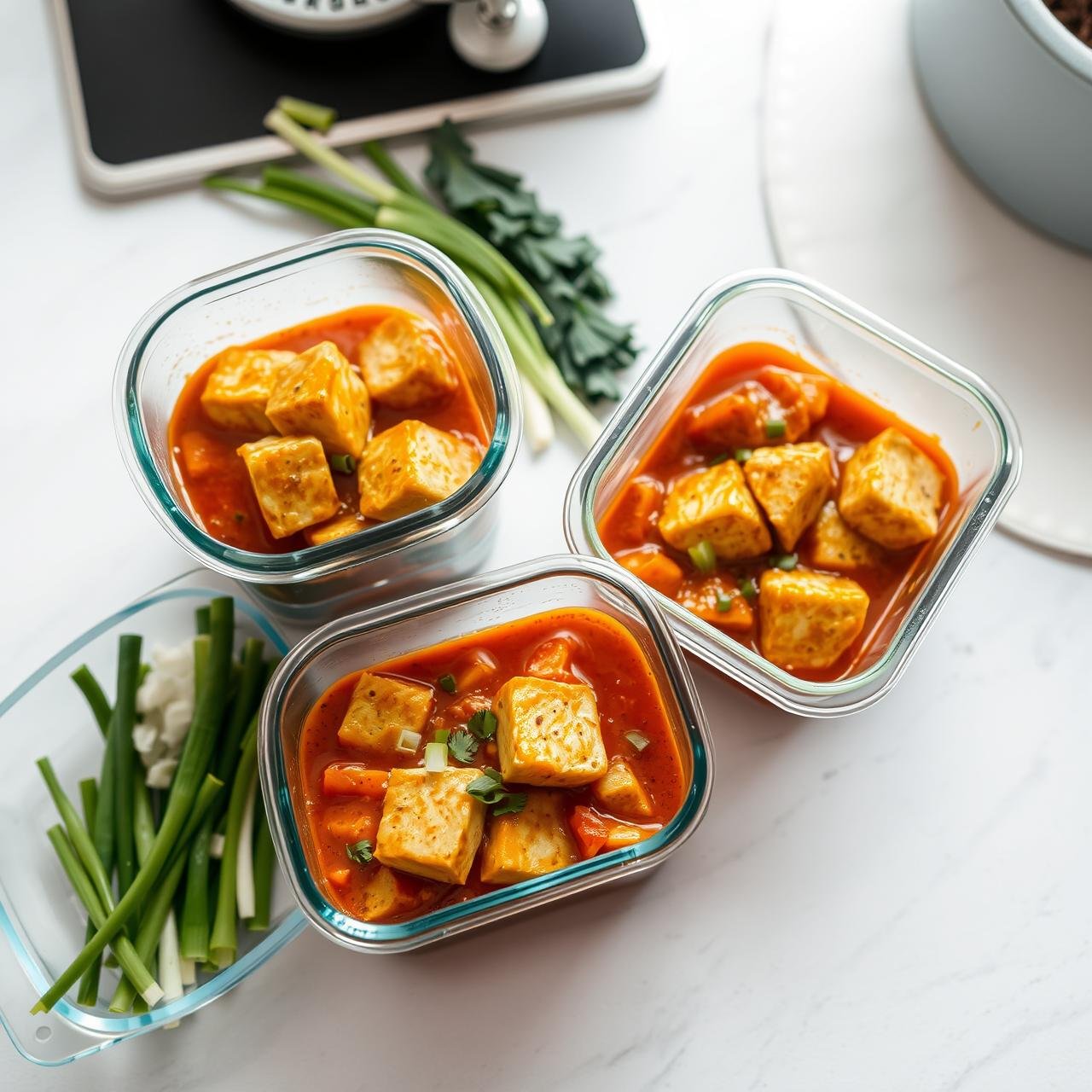
While Sundubu Jjigae is undeniably best enjoyed fresh and bubbling hot, leftovers can still be delicious if handled correctly.
Refrigeration
Allow the stew to cool down slightly before transferring it to an airtight container. It can be stored in the refrigerator for up to 3 days. Note that the tofu may firm up slightly upon chilling, but it will soften again when reheated. If you plan to store it, it’s best to add the egg only when you are reheating a portion to serve.
Reheating
The best way to reheat the stew is gently on the stovetop in a small pot over medium-low heat. Bring it to a gentle simmer, but avoid a hard boil, which can break down the delicate tofu. Once hot, you can crack a fresh egg into it if you wish. Microwaving is possible but not ideal, as it can sometimes alter the tofu’s texture. If you must use a microwave, heat it in 60-second intervals, stirring gently in between.
A Note on Freezing
Freezing this stew is generally not recommended. The high water content of silken tofu causes it to develop a spongy, unpleasant texture after being frozen and thawed.
Conclusion
Spicy Soft Tofu Stew is more than just a recipe; it’s a testament to the fact that healthy eating can be deeply comforting, exciting, and full of flavor. It’s a dish that warms you from the inside out, nourishing your body while delighting your senses. By embracing the power of wholesome ingredients like silken tofu and metabolism-boosting chili, you can enjoy a truly satisfying meal that aligns perfectly with your wellness journey. So, step into your kitchen, embrace the vibrant world of Korean flavors, and treat yourself to a bowl of this incredible, guilt-free comfort food. Your body and your taste buds will thank you.