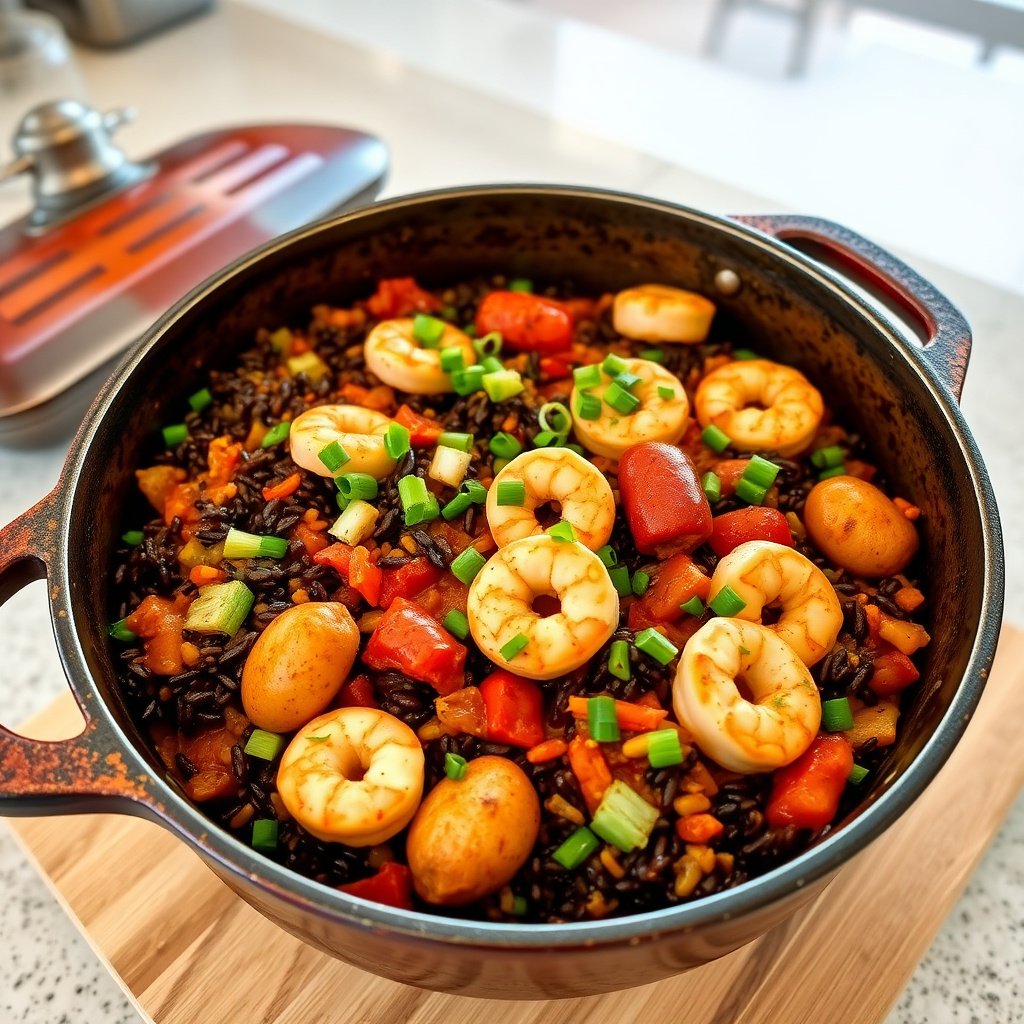
Spicy Healthy Jambalaya Recipe with Brown Rice (No Fluff Guide)
Spicy Healthy Jambalaya Recipe With Brown Rice (No Fluff Guide)
Welcome to the definitive guide to making a jambalaya that’s as nourishing as it is soulful. This isn’t your average recipe. We’re stripping away the excess and focusing on what matters: deep, authentic flavor, wholesome ingredients, and a straightforward method. Jambalaya, a cornerstone of Louisiana Creole cuisine, is a vibrant one-pot medley of meat, vegetables, and rice. Our version honors that rich heritage while making smart, health-conscious swaps. By using fiber-rich brown rice, lean proteins, and a controlled amount of sodium, we’ve created a dish that satisfies cravings without compromising on nutrition. This guide is designed to be your trusted resource, providing not just steps, but the ‘why’ behind them. Forget wading through long personal anecdotes; this is a no-fluff, expert-led journey to mastering a spectacular, spicy, and healthy jambalaya in your own kitchen.
25 minutes
1 hour 15 minutes
1 hour 40 minutes
6-8 servings
Main Course
One-Pot, Stovetop, Simmering
Creole
Healthy, High-Protein, High-Fiber, Gluten-Free
Why You’ll Love This Recipe
- Packed with over 30g of lean protein per serving from chicken and shrimp.
- Features whole-grain brown rice for increased fiber and sustained energy.
- A true one-pot meal, minimizing cleanup and maximizing flavor.
- Authentic Creole ‘holy trinity’ base for a deep, traditional taste.
- Fully customizable spice level, from a mild simmer to a fiery kick.
- Gluten-free and easily adaptable for different dietary needs.
Equipment You’ll Need
- Large Dutch oven or heavy-bottomed pot with a tight-fitting lid (at least 6 quarts)
- Chef’s knife
- Large cutting board
- Measuring cups and spoons
- Wooden spoon or silicone spatula
- Separate plate or bowl for cooked proteins
Ingredients
- 1 tbsp avocado oil or olive oil
- 8 oz andouille sausage (preferably nitrate-free chicken or turkey), sliced into 1/4-inch coins
- 1 lb boneless, skinless chicken breasts, cut into 1-inch cubes
- 1 large yellow onion, diced
- 2 celery stalks, diced
- 1 large green bell pepper, diced
- 4-6 cloves garlic, minced
- 1.5 cups long-grain brown rice, rinsed
- 1 (14.5 oz) can diced tomatoes, undrained
- 4 cups low-sodium chicken broth
- 2 tsp smoked paprika
- 1 tsp dried thyme
- 1 tsp dried oregano
- 1/2 tsp cayenne pepper (or more, to taste)
- 1/2 tsp black pepper
- 2 bay leaves
- 1 lb large shrimp, peeled and deveined
- 1/2 cup chopped green onions, for garnish
- 1/4 cup chopped fresh parsley, for garnish
Instructions
- Prepare Your Proteins: Heat the oil in the Dutch oven over medium-high heat. Add the sliced andouille sausage and cook, stirring occasionally, until browned and crispy, about 5-7 minutes. Use a slotted spoon to transfer the sausage to a plate, leaving the rendered fat in the pot.
- Cook the Chicken: Season the chicken cubes with a pinch of salt and pepper. Add them to the pot in a single layer (work in batches if necessary to avoid crowding). Cook until browned on all sides, about 5-6 minutes. The chicken does not need to be cooked through at this stage. Transfer the chicken to the plate with the sausage.
- Sauté the Holy Trinity: Reduce the heat to medium. Add the diced onion, celery, and bell pepper (the ‘holy trinity’ of Creole cooking) to the pot. Sauté, stirring occasionally, until the vegetables have softened and the onion is translucent, about 8-10 minutes. Scrape up any browned bits from the bottom of the pot.
- Bloom the Aromatics: Add the minced garlic and cook until fragrant, about 1 minute. Stir in the smoked paprika, thyme, oregano, cayenne pepper, and black pepper. Cook for another 30-60 seconds, stirring constantly, to toast the spices and deepen their flavor.
- Combine and Simmer: Add the rinsed brown rice to the pot and stir to coat it with the vegetables and spices. Pour in the undrained diced tomatoes and the low-sodium chicken broth. Add the bay leaves and stir everything together to combine. Increase the heat and bring the mixture to a boil.
- Cook the Rice: Once boiling, reduce the heat to low, cover the pot with a tight-fitting lid, and let it simmer. Do not lift the lid or stir. Cook for 45-50 minutes, or until the brown rice is tender and most of the liquid has been absorbed.
- Incorporate Proteins: Uncover the pot and gently stir in the cooked sausage and chicken. There should still be a small amount of liquid at the bottom. If it looks completely dry, add a splash more broth.
- Cook the Shrimp: Arrange the peeled and deveined shrimp over the top of the rice mixture. Place the lid back on the pot and cook for another 5-7 minutes, or until the shrimp are pink, opaque, and cooked through.
- Rest and Finish: Remove the pot from the heat and let it stand, covered, for 10 minutes. This allows the flavors to meld and any remaining liquid to be absorbed. After resting, remove the bay leaves.
- Serve: Gently fluff the jambalaya with a fork. Stir in most of the chopped green onions and parsley. Serve hot, garnished with the remaining fresh herbs.
Expert Cooking Tips
- The Importance of Browning: Don’t rush the initial steps of browning the sausage and chicken. This process, known as the Maillard reaction, creates a deep, savory foundation (the ‘fond’) at the bottom of the pot that is essential for a rich-tasting jambalaya.
- Resist the Urge to Stir: Once the rice is simmering, keep the lid on and do not stir. Stirring releases starches and can make the rice gummy. The steam trapped inside the pot is crucial for cooking the grains evenly.
- Rinse Your Rice: Rinsing the brown rice under cold water before cooking removes excess surface starch, helping to ensure the final grains are separate and not clumped together.
- Control the Heat: The long simmer for the brown rice requires a very low heat. If your stove runs hot, consider using a simmer plate to prevent the bottom from scorching.
- Don’t Overcook the Shrimp: Shrimp cook very quickly. Adding them at the very end and letting them steam on top of the hot rice is the best way to ensure they remain tender and juicy, not rubbery.
Substitutions and Variations
For a different protein profile, you can use diced pork loin instead of chicken or smoked turkey sausage instead of andouille. To make it pescatarian, omit the chicken and sausage and use vegetable broth, adding the shrimp at the end as directed. For a vegetarian version, replace all meat with a pound of firm tofu (pressed and cubed) and plant-based sausage; use vegetable broth and consider adding a can of kidney beans or black-eyed peas for extra protein and texture.
Common Mistakes to Avoid
The most common mistake is ending up with undercooked, crunchy rice or a scorched bottom. This is almost always due to improper heat management or an ill-fitting lid. Ensure your heat is on the lowest possible setting for the simmer and that your lid is tight to trap steam. Another pitfall is overcooking the shrimp by adding them too early. They need only a few minutes of gentle heat, which is why they are added last.
Serving Suggestions
This healthy jambalaya is a complete meal in a bowl. It pairs beautifully with a simple side salad with a light lemon vinaigrette to cut through the richness. For a more traditional, albeit less healthy, pairing, serve with a slice of warm cornbread. Offering a bottle of your favorite hot sauce on the side allows guests to customize the heat to their liking.
Storage and Reheating Tips
Allow the jambalaya to cool completely before storing. Transfer leftovers to an airtight container and refrigerate for up to 4 days. To reheat, place a serving in a microwave-safe bowl with a splash of water or chicken broth, cover, and heat until warmed through. You can also reheat it gently on the stovetop over low heat, adding a little liquid to prevent it from drying out.
Nutrition Facts (Estimated)
| Serving Size | 1 serving (approx. 1.5 cups) |
| Calories | 450 kcal |
| Fat | 12g |
| Saturated Fat | 4g |
| Unsaturated Fat | 8g |
| Trans Fat | 0g |
| Cholesterol | 85mg |
| Sodium | 650mg |
| Carbohydrates | 55g |
| Fiber | 8g |
| Sugar | 6g |
| Protein | 30g |
Frequently Asked Questions
What is the difference between Creole and Cajun jambalaya?
The primary difference lies in the use of tomatoes. Creole jambalaya, which has its roots in the city of New Orleans, includes tomatoes, giving it a reddish hue and a slightly sweeter flavor profile. This recipe is for a Creole-style jambalaya. Cajun jambalaya, from the rural parts of Louisiana, omits tomatoes and gets its rich brown color from deeply browning the meat and vegetables.
Can I use white rice instead of brown rice?
Yes, but you must adjust the recipe. Long-grain white rice cooks much faster and requires less liquid. Reduce the chicken broth to about 2.5-3 cups and decrease the initial simmer time (Step 6) to 15-20 minutes before proceeding with the rest of the steps.
My jambalaya seems too dry/wet. How can I fix it?
If the rice is still crunchy but the liquid is gone, add 1/4 cup of hot broth or water, cover, and continue to cook for another 5-10 minutes. If the rice is cooked but there’s excess liquid, remove the lid and cook for a few more minutes, allowing the extra liquid to evaporate. Let it rest for the full 10 minutes, as the rice will absorb more liquid as it sits.
Conclusion
You’ve now navigated the essentials of creating a truly exceptional Spicy Healthy Jambalaya. This recipe proves that you don’t have to choose between flavor and nutrition. By building layers of taste from the ground up and using wholesome, high-fiber brown rice, you have a powerhouse meal that’s perfect for a weeknight dinner or for impressing guests. Embrace the flexibility of this dish, adjust the spice to your preference, and enjoy the rich culinary tradition of Louisiana in a fresh, modern way.