Smoky Roasted Eggplant Baba Ganoush (Authentic Recipe)
Baba Ganoush is more than just a dip; it’s a taste of tradition, a culinary craft passed down through generations in the Levant region. Its heart and soul lie in one key element: smoke. True, authentic Baba Ganoush whispers tales of open flames and charred skins, a flavor profile that cannot be replicated by simply baking or boiling. This recipe is an ode to that authenticity. We will journey beyond the simple mashing of eggplant and delve into the transformative power of fire-roasting. The process coaxes out a profound, earthy sweetness from the eggplant, which then marries beautifully with nutty tahini, bright lemon, and pungent garlic. Forget the bland, one-dimensional dips you might have tried. Prepare to create a condiment that is rich, complex, and deeply satisfying—a rustic masterpiece you can proudly make in your own kitchen.
The Soul of Baba Ganoush: Why Smoking is Non-Negotiable
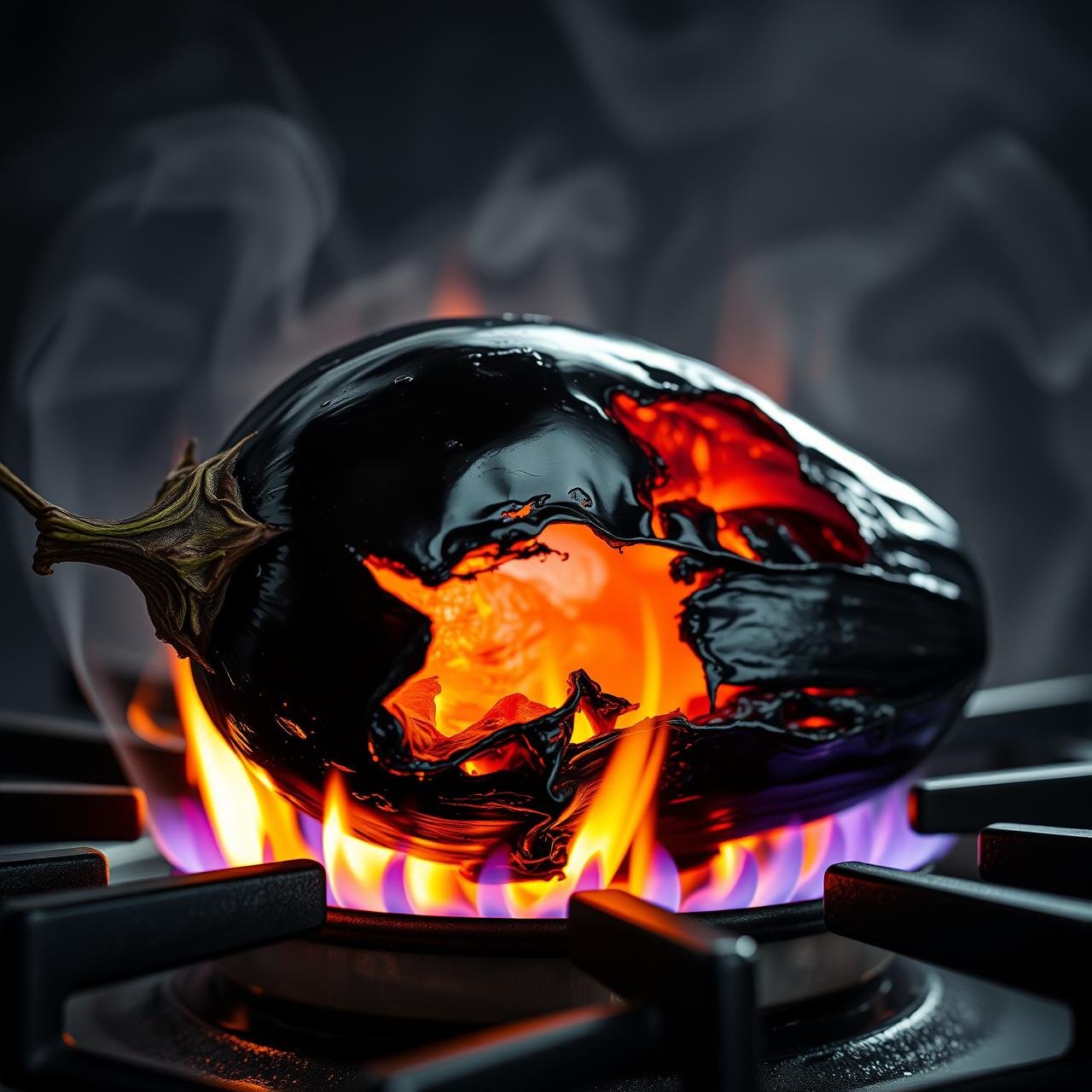
The defining characteristic that separates mediocre eggplant dip from transcendent Baba Ganoush is the smoky essence, or mutabbal, which literally means ‘spiced’ but is colloquially understood to imply this smoky quality. This flavor isn’t an additive; it’s an integral part of the eggplant’s transformation. Roasting the eggplant directly over an open flame—whether on a gas stovetop, a charcoal grill, or under a broiler—is the crucial first step. This high, direct heat does two things: it steams the interior flesh until it’s meltingly tender and, most importantly, it completely chars and blisters the skin. It is this blackened skin that infuses the pulp with its signature smoky aroma. As the skin collapses and the juices begin to weep, the eggplant is not just cooking; it’s absorbing the very essence of the fire. This is a rustic, slightly primal technique that rewards the cook with a depth of flavor that a standard oven cannot achieve. Draining the cooked eggplant flesh is another critical, often overlooked step. Eggplants hold a significant amount of water, which, if left in, can result in a watery, bland dip and dilute the precious smoky flavor. Allowing the pulp to rest in a colander sheds this excess liquid, concentrating the eggplant’s flavor and ensuring a thick, creamy final texture.
Essential Equipment for Perfect Baba Ganoush
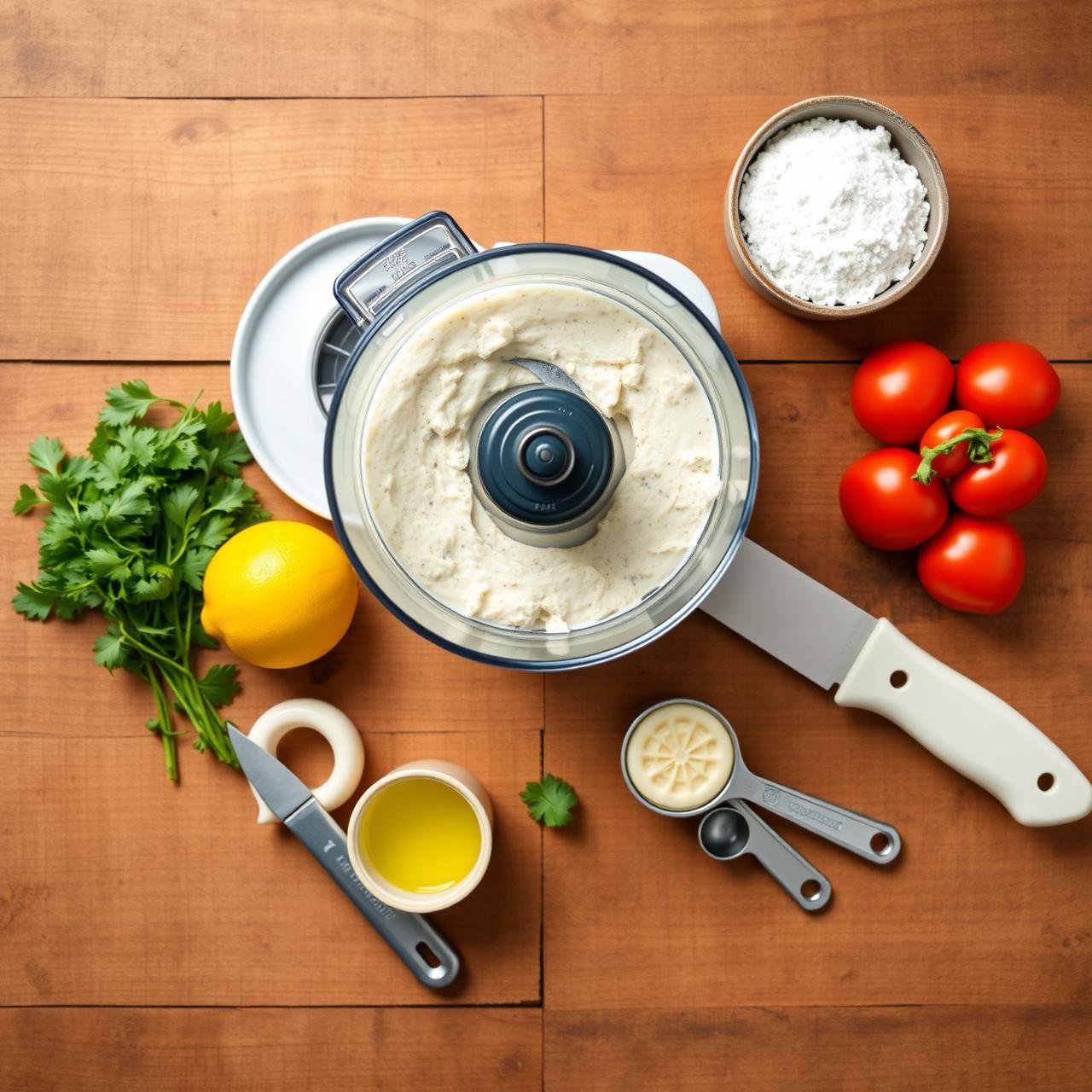
While this recipe honors ancient traditions, a few modern kitchen tools make the process smoother and more consistent. Having the right equipment on hand ensures you can focus on the technique without any hindrances.
| Equipment | Purpose |
|---|---|
| Gas Stove, Grill, or Broiler | Essential for charring the eggplant to achieve the smoky flavor. |
| Long-handled Tongs | For safely turning the hot eggplant over the flame. |
| Large Bowl | For cooling the eggplant and collecting the flesh. |
| Colander or Fine-mesh Sieve | Crucial for draining the excess bitter liquid from the eggplant pulp. |
| Food Processor or Fork/Whisk | A food processor creates a smoother dip, while a fork maintains a more rustic, traditional texture. |
| Chef’s Knife & Cutting Board | For chopping garlic and parsley. |
| Measuring Cups & Spoons | For accurate measurement of tahini, lemon juice, and seasonings. |
| Silicone Spatula | For scraping the bowl of the food processor to ensure everything is well combined. |
Gathering Your Ingredients: Quality is Key
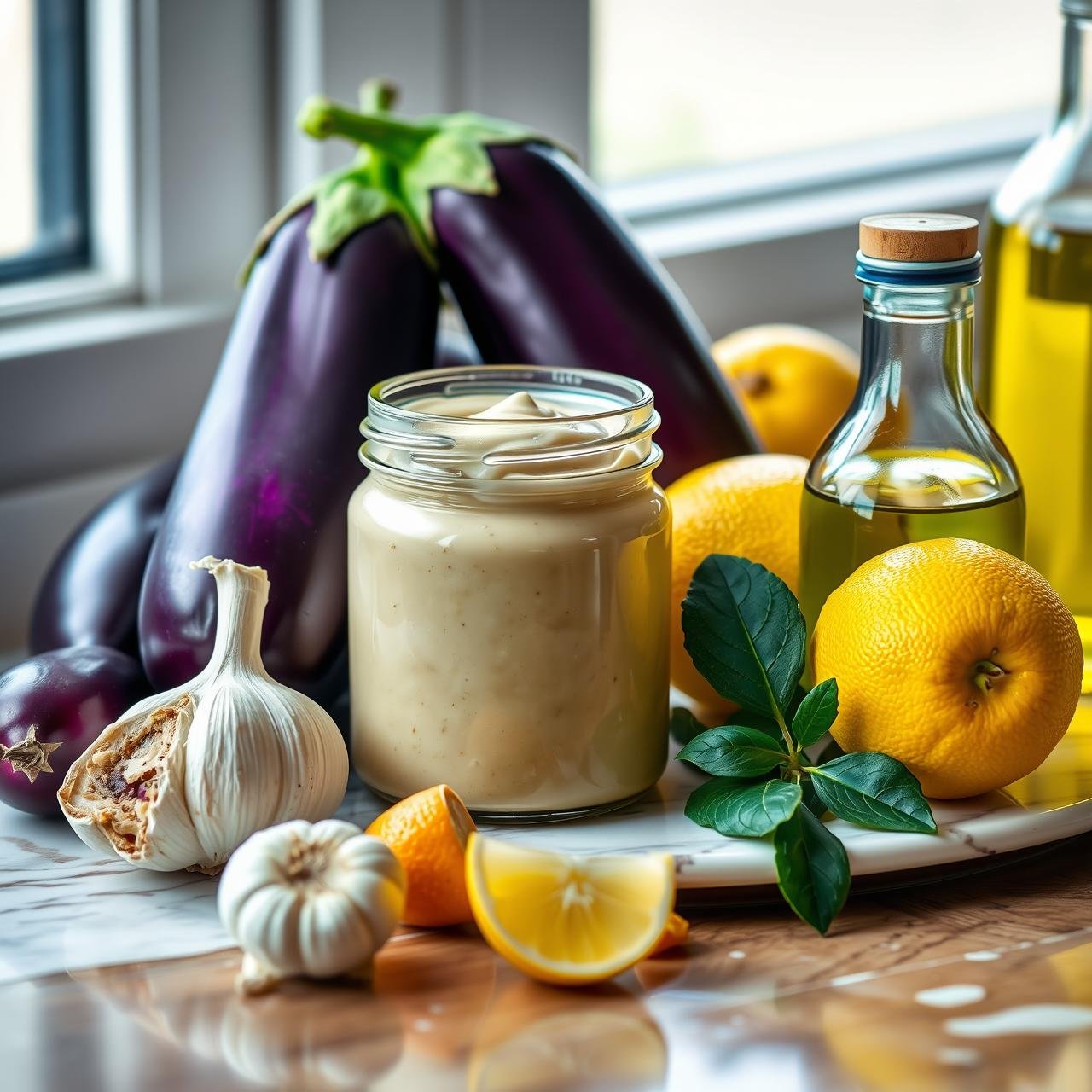
The beauty of Baba Ganoush lies in its simplicity, which means the quality of each ingredient shines through. Start with the best you can find for a truly superior result.
- 2 large globe eggplants (about 2.5 to 3 lbs total): Look for firm, heavy eggplants with smooth, shiny skin. These will have more flesh and fewer seeds.
- 1/2 cup high-quality tahini: This is a crucial flavor component. Use a well-stirred, creamy, and nutty-tasting tahini, not one that is bitter or separated.
- 2-3 cloves garlic, minced: Adjust to your preference. For a milder garlic flavor, you can mash it into a paste with the salt.
- 1/4 cup fresh lemon juice: Freshly squeezed is non-negotiable for its bright, clean flavor. Start with less and add more to taste.
- 2 tablespoons extra virgin olive oil, plus more for drizzling: A good quality olive oil adds richness and a peppery finish.
- 1 teaspoon sea salt, or to taste: Essential for seasoning and for drawing out moisture from the eggplant.
- 1/2 teaspoon ground cumin (optional): Adds a warm, earthy note that complements the smokiness.
- Fresh flat-leaf parsley, chopped, for garnish.
- Pomegranate seeds (optional), for garnish: Adds a beautiful color and a sweet-tart burst of flavor.
Step-by-Step Instructions: Crafting the Dip
-
Char the Eggplant
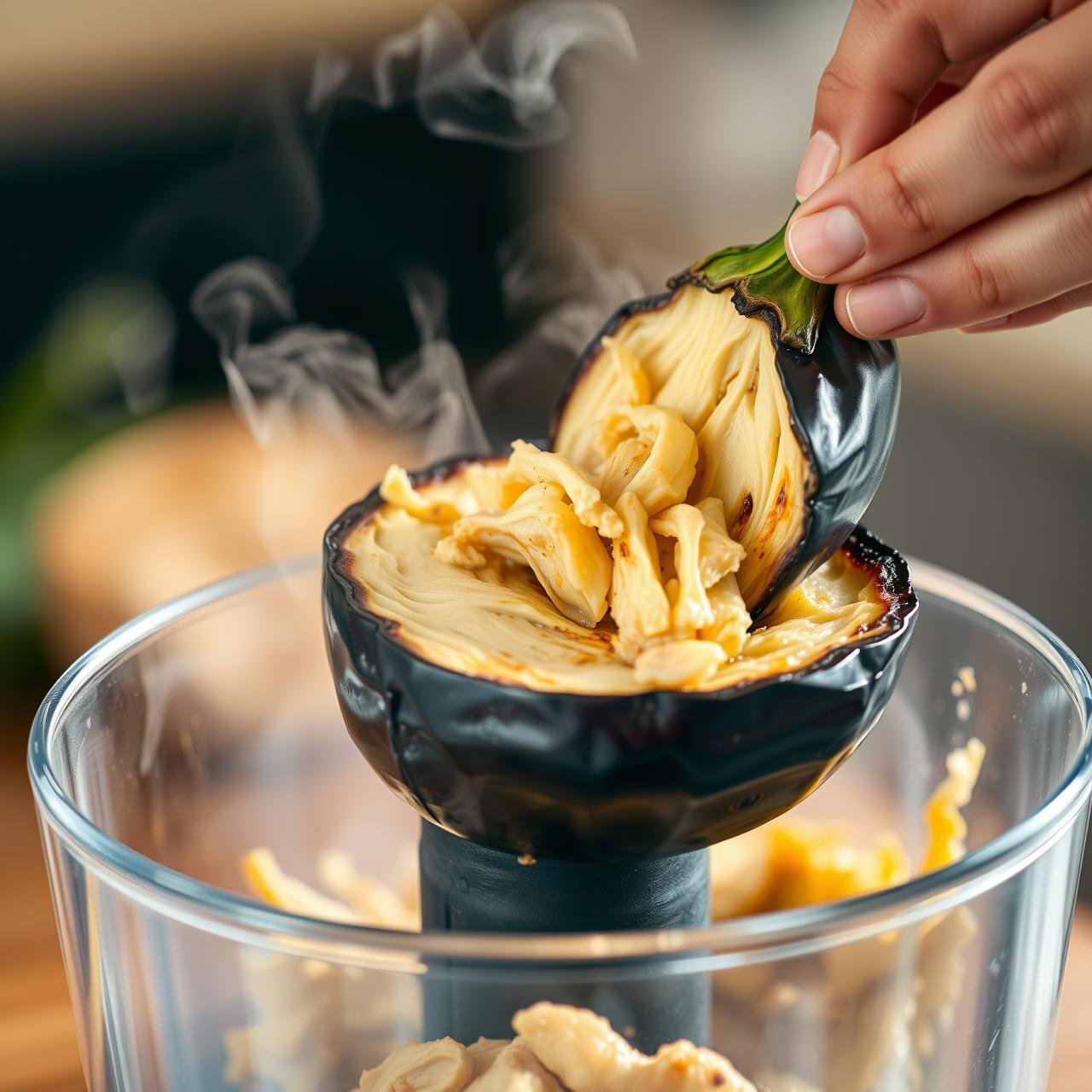
Pierce the eggplants in several places with a fork. This prevents them from exploding under the heat. Place the eggplants directly on the grates of a gas stove over a medium-high flame, on a hot grill, or on a baking sheet directly under a broiler set to high. Turn them every 5-7 minutes using tongs until the skin is completely blackened, blistered, and collapsing on all sides. The eggplant should be exceptionally soft to the touch. This process can take 15-25 minutes.
-
Steam and Cool
Immediately transfer the hot, charred eggplants to a bowl and cover it tightly with plastic wrap or a plate. Let them steam for 10-15 minutes. This step is crucial as it helps loosen the skin, making it much easier to peel, and allows the flesh to finish cooking.
-
Peel and Drain
Once cool enough to handle, split the eggplants open lengthwise. Use a spoon to scoop out the soft, tender flesh, leaving the bitter, blackened skin behind. Don’t worry if a few charred flecks get into the flesh; they add to the smoky flavor. Place the eggplant pulp into a colander or fine-mesh sieve set over a bowl. Let it drain for at least 15-20 minutes to release any excess, bitter liquid. You can gently press on the pulp to help this process along.
-
Combine the Ingredients
Transfer the drained eggplant flesh to the bowl of a food processor. Add the tahini, minced garlic, fresh lemon juice, olive oil, salt, and optional cumin. For a traditional, chunkier texture, you can do this step by hand in a bowl using a fork to mash the eggplant and a whisk to combine the ingredients.
-
Blend to Perfection
Pulse the mixture in the food processor until it is mostly smooth but still retains some texture. Be careful not to over-process, which can make the dip gummy. Scrape down the sides of the bowl as needed. Taste and adjust the seasonings. You may need more salt, a squeeze more lemon for brightness, or another clove of garlic for a punchier flavor.
-
Serve
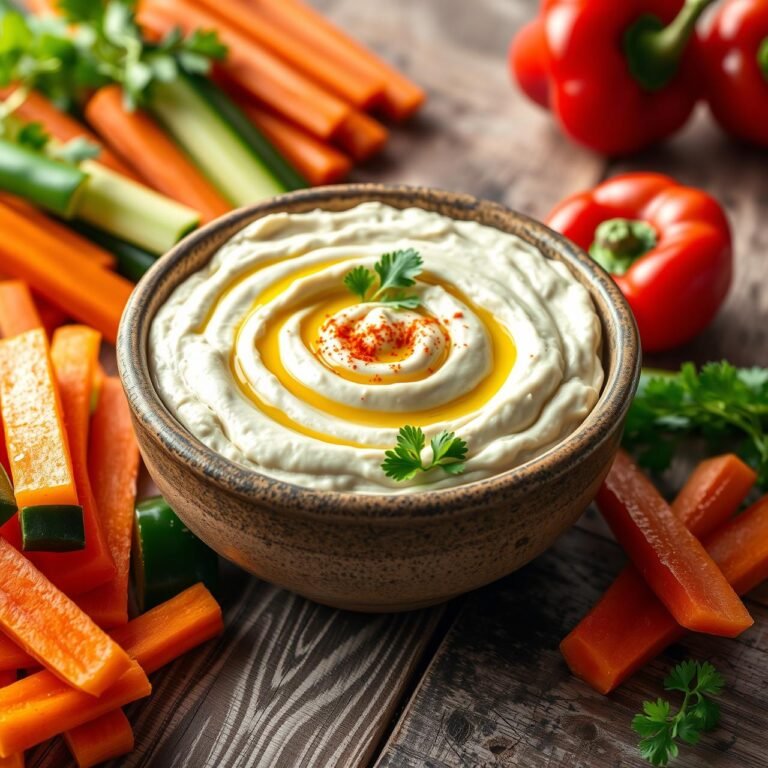
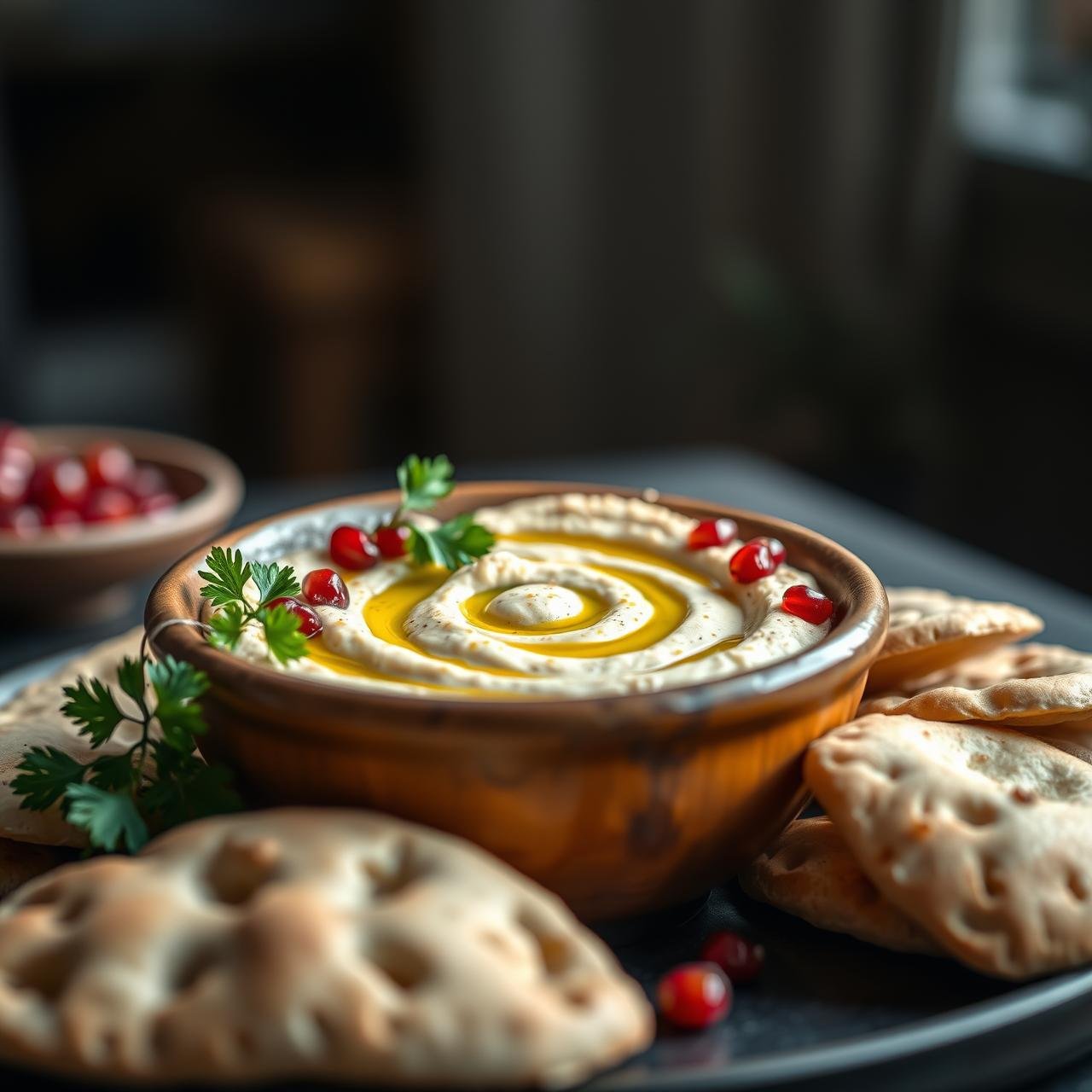
Transfer the Baba Ganoush to a shallow serving bowl. Use the back of a spoon to create a decorative swirl on top. Drizzle generously with high-quality extra virgin olive oil and garnish with chopped fresh parsley and pomegranate seeds, if using. Serve immediately with warm pita bread, crackers, or fresh vegetables.
Chef’s Tips for a Superior Baba Ganoush
Achieving the Perfect Texture
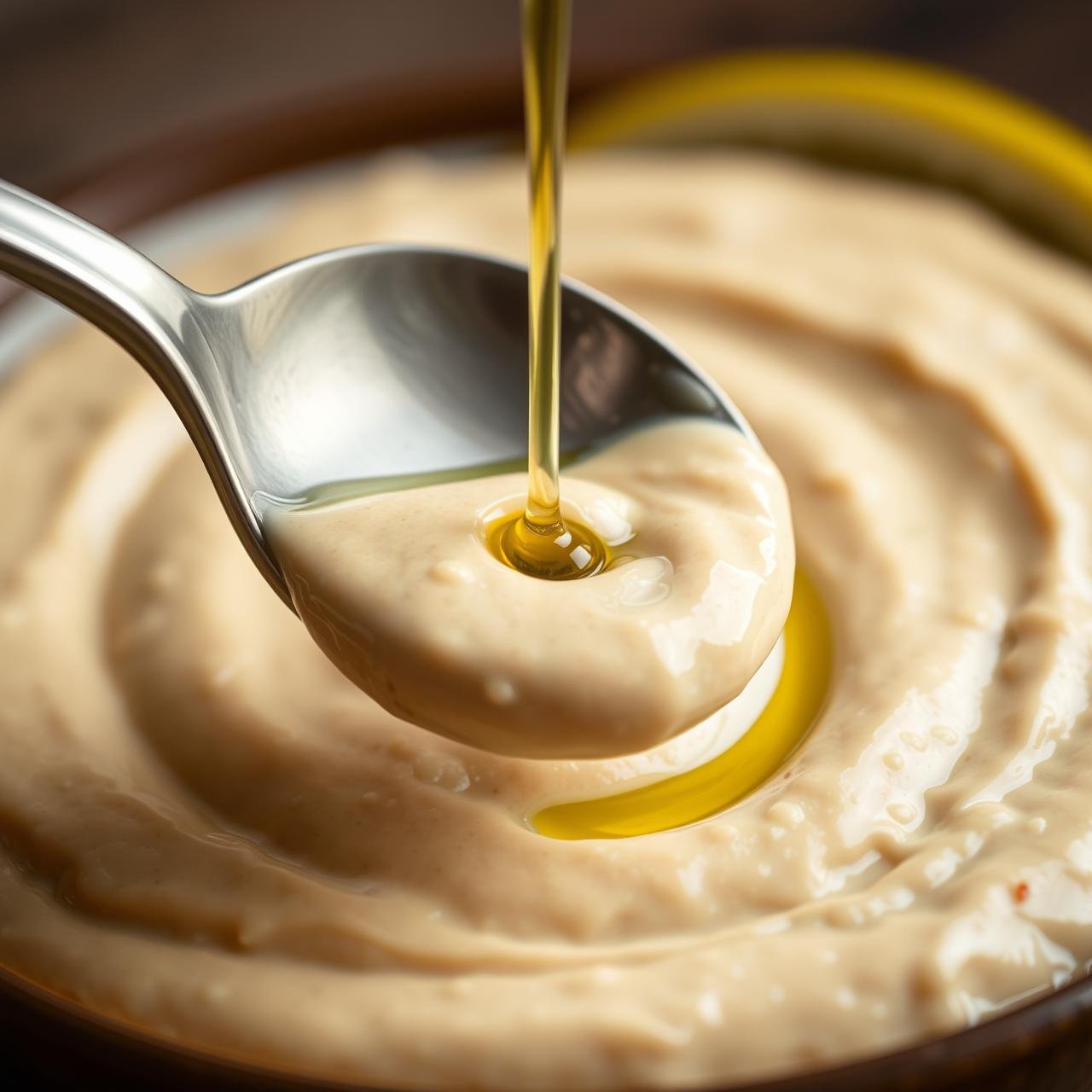
The texture of Baba Ganoush is a matter of personal preference. For a silky-smooth dip, let the food processor run a little longer. For a more rustic, traditional dip with more body, pulse it just a few times or mash everything by hand with a fork. Mashing by hand prevents the tahini from seizing and ensures a lighter texture.
Balancing Flavors
Taste as you go! The ‘perfect’ Baba Ganoush is balanced to your palate. If it tastes too bitter, it might be your tahini brand or you may not have drained the eggplant enough. A tiny pinch of sugar can sometimes balance bitterness. If it’s too thick, a teaspoon of ice-cold water blended in can loosen it up and make it creamier. If it’s bland, it likely needs more salt or lemon juice.
Alternative Smoking Methods
If you don’t have a gas stove or grill, the broiler is your best friend. Place the eggplants on a foil-lined baking sheet and position the rack as close to the broiler as possible. Broil on high, turning every 5-7 minutes, until the skin is charred on all sides. While it won’t be quite as smoky as the open-flame method, it’s the next best thing.
Make it Ahead
Baba Ganoush is one of those magical dishes that tastes even better the next day. The flavors meld and deepen overnight. If making ahead, store it in an airtight container in the refrigerator and let it come to room temperature for about 30 minutes before serving for the best flavor.
Nutritional Information
This dip is not only delicious but also packed with nutrients. It’s naturally vegan, gluten-free, and rich in healthy fats and fiber. The following is an estimation per serving (assuming the recipe makes 8 servings).
| Nutrient | Amount per Serving |
|---|---|
| Calories | ~120 kcal |
| Total Fat | 10g |
| Saturated Fat | 1.5g |
| Sodium | 350mg |
| Total Carbohydrates | 8g |
| Dietary Fiber | 4g |
| Sugars | 3g |
| Protein | 3g |
Serving and Storage Suggestions
How to Serve
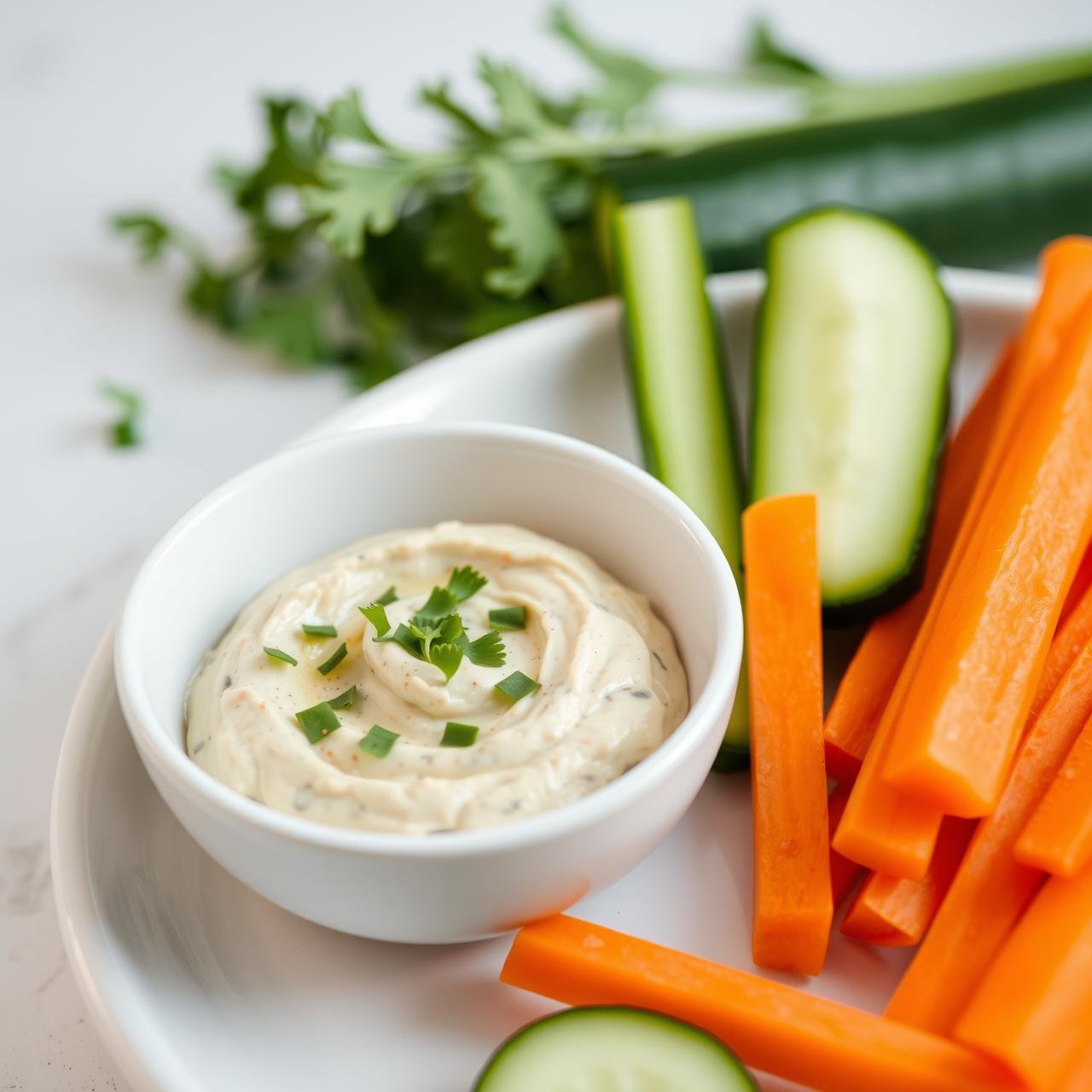
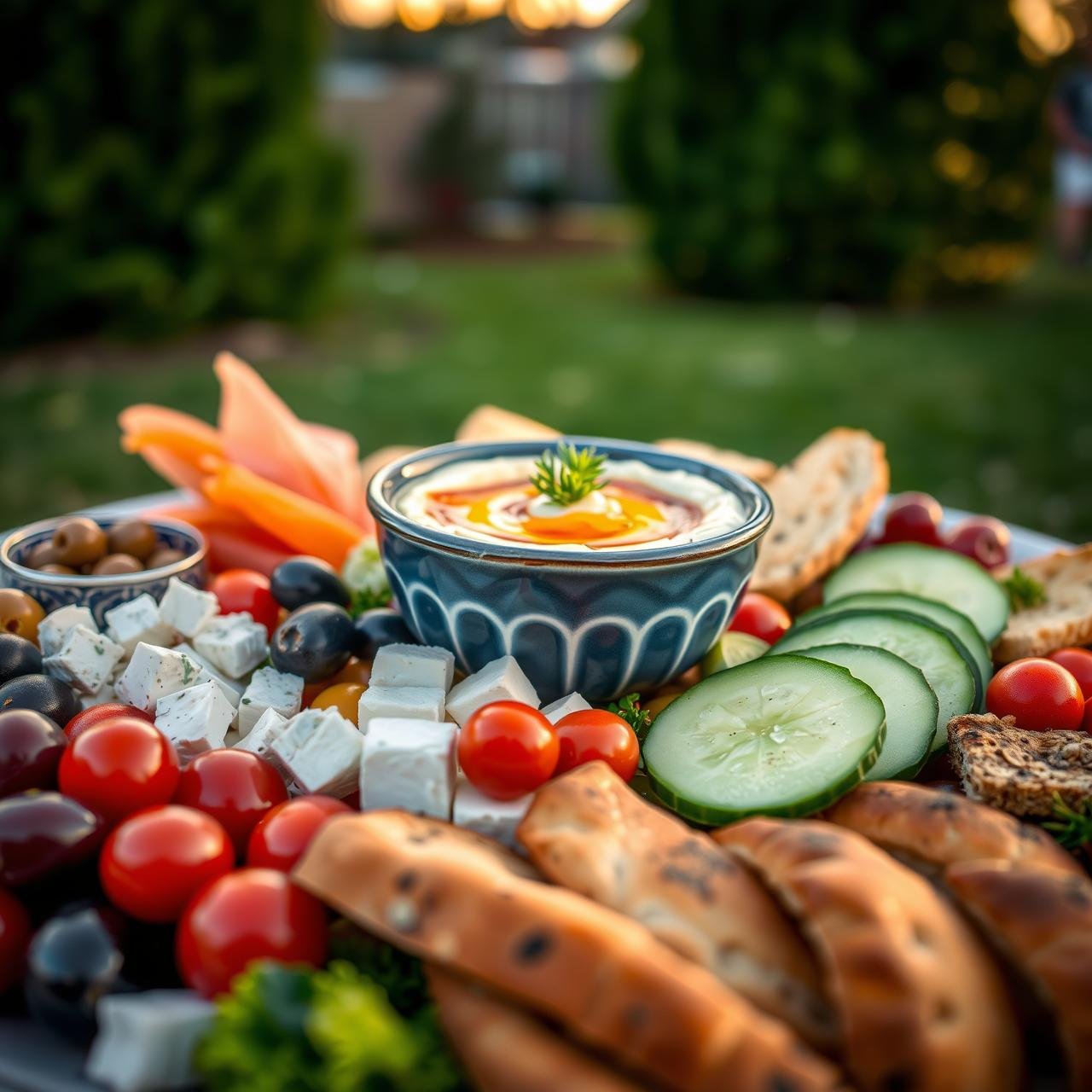
Baba Ganoush is a versatile star of any mezze platter. Its classic companion is warm, fluffy pita bread for dipping. It’s also wonderful with crisp pita chips, crackers, or an array of fresh vegetables like cucumber slices, carrot sticks, bell pepper strips, and cherry tomatoes. Beyond an appetizer, use it as a healthy and flavorful spread in sandwiches and wraps, or as a delicious side dish for grilled meats, chicken, or fish.
Proper Storage
Store any leftover Baba Ganoush in an airtight container in the refrigerator. To prevent a skin from forming on top, you can gently press a piece of plastic wrap directly onto the surface of the dip before sealing the container. It will keep well for up to 4-5 days. The flavors will continue to meld, so it often tastes even better on the second day. It is not recommended to freeze Baba Ganoush, as the texture can become watery and separated upon thawing.
Conclusion
Crafting authentic, smoky Baba Ganoush from scratch is a rewarding culinary experience that connects you to the rich traditions of Middle Eastern cuisine. By taking the time to properly char the eggplant, you unlock a depth of flavor that is simply unmatched. This recipe is more than a set of instructions; it’s a guide to a technique. Once mastered, you can adjust the garlic, lemon, and tahini to create a dip that is perfectly tailored to your taste. We encourage you to embrace the rustic process, enjoy the incredible aroma that will fill your kitchen, and share this wholesome, delicious dip with friends and family. It’s a taste of authenticity that’s well worth the effort.