Seared Beef Tataki: A Fancy High Protein Appetizer in Minutes
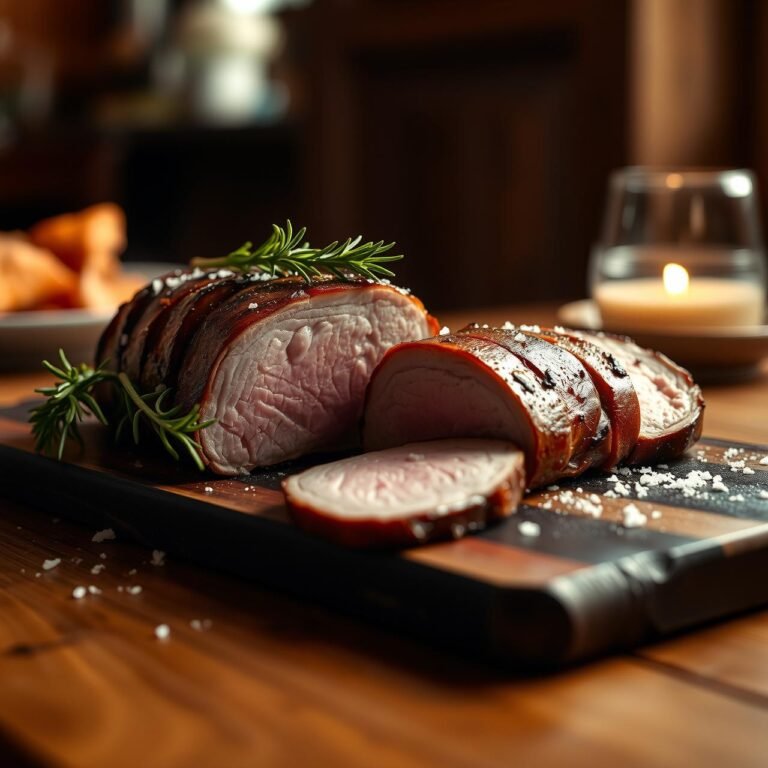
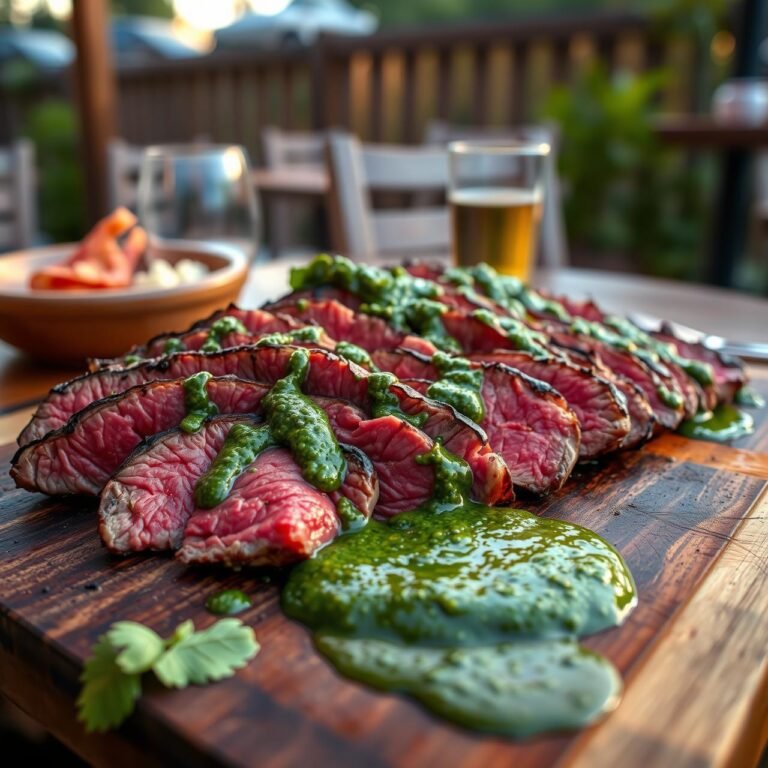
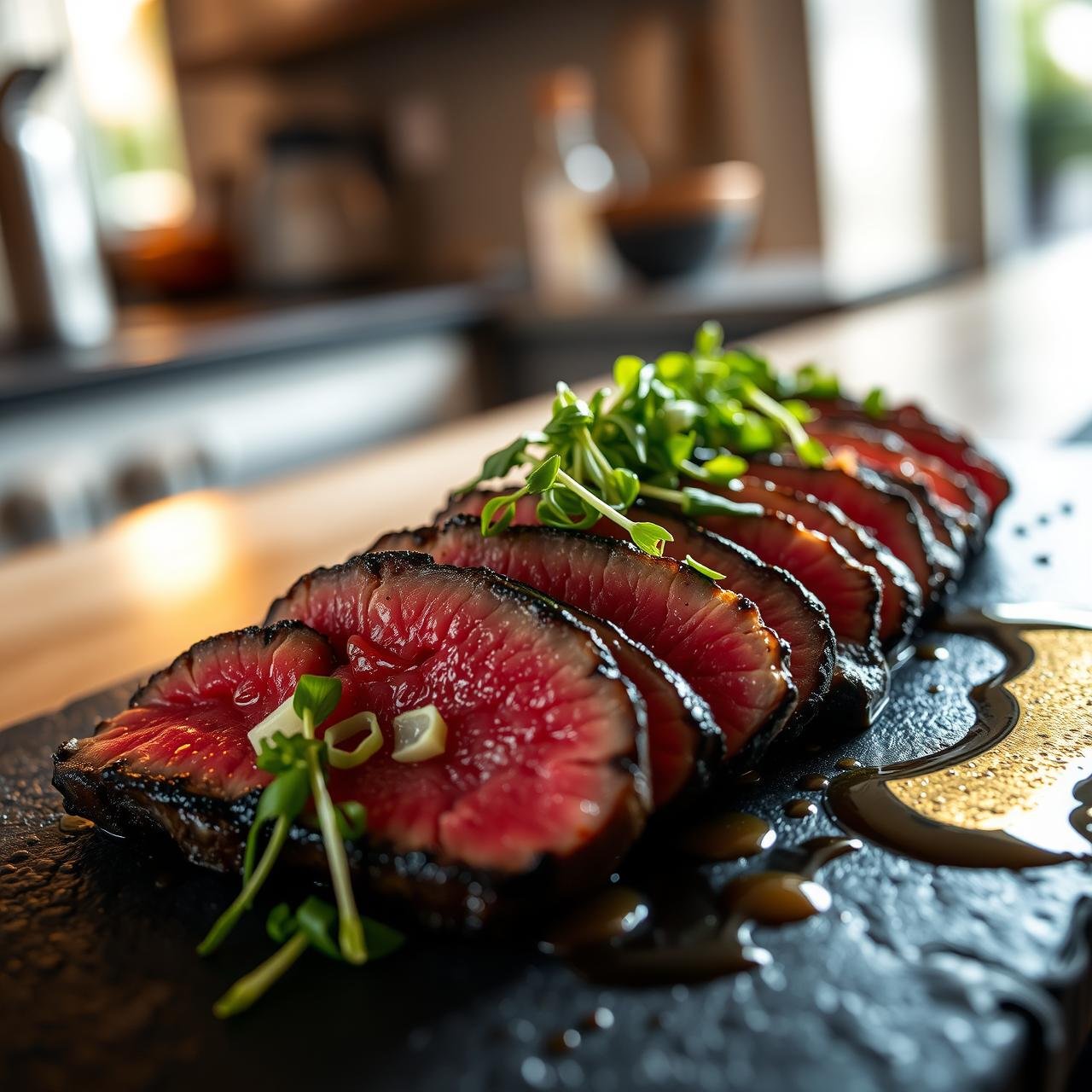
Imagine a dish that whispers of culinary elegance, a plate that looks like it emerged from a high-end Japanese kitchen, yet lands on your table in mere minutes. That’s the magic of Seared Beef Tataki. It’s a culinary paradox: incredibly simple to prepare, yet profoundly complex in flavor. This dish is a celebration of pristine ingredients, centered around a beautiful cut of beef, seared to perfection on the outside, leaving a tender, ruby-red, and succulent interior. It’s then bathed in an ice bath to halt the cooking instantly, locking in its delicate texture, before being thinly sliced and drenched in a vibrant, citrus-infused ponzu-style sauce.
For the health enthusiast, it’s a dream—packed with high-quality protein, minimal carbs, and bursting with clean, fresh flavors. For the gourmet foodie, it’s an exploration of the Japanese principle of celebrating ingredients in their purest form. And for the busy home cook, it’s a secret weapon—a show-stopping appetizer or light main that comes together faster than ordering takeout. Forget the intimidation factor; we’re about to walk you through every simple step, transforming you into a tataki master in your own rustic, homestyle kitchen.
The Art of Tataki: More Than Just Seared Beef
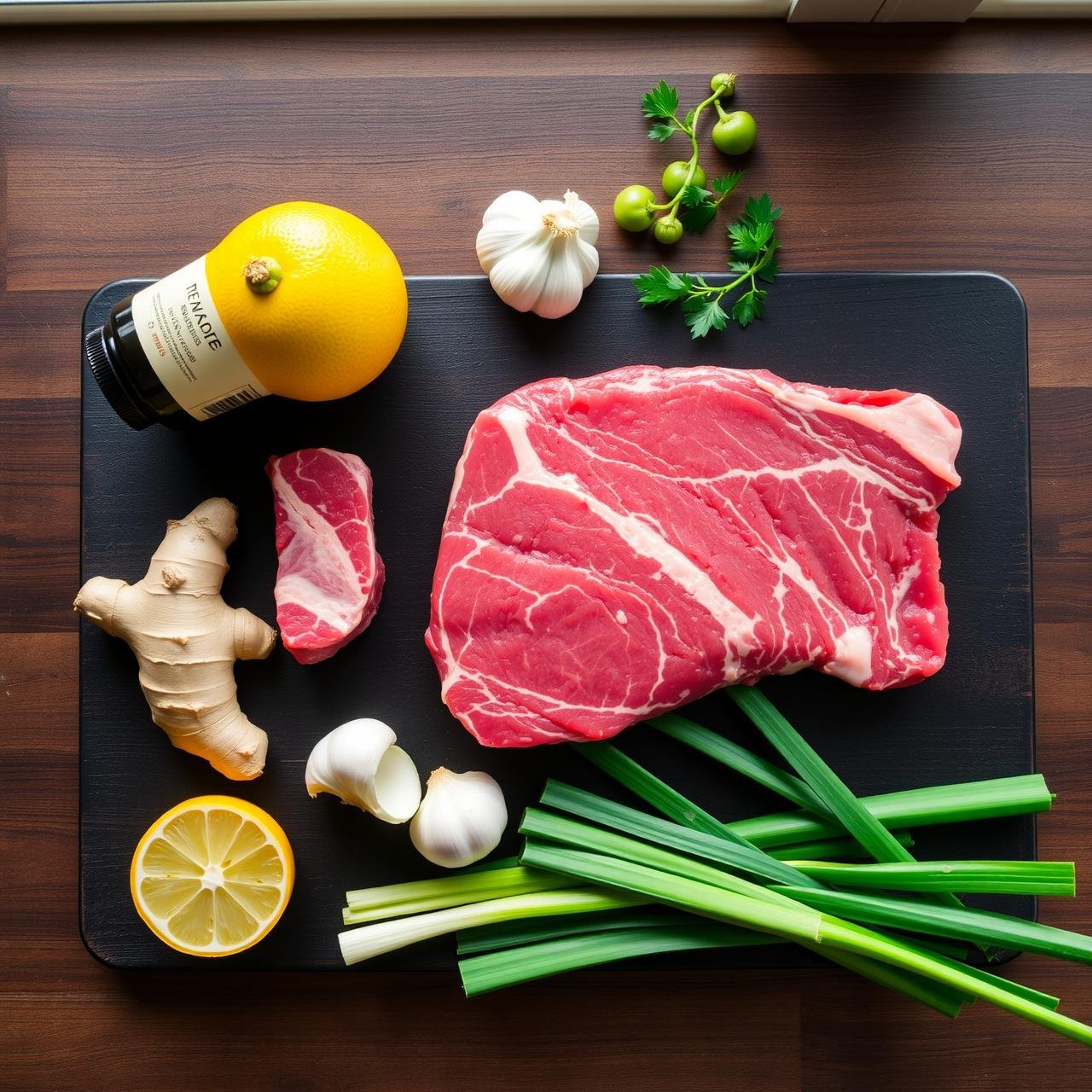
Before we fire up the skillet, let’s take a moment to appreciate the technique. ‘Tataki’ (Japanese for ‘pounded’ or ‘hit into pieces’) is a traditional Japanese cooking method. While the name might suggest otherwise, in this context, it refers to a specific process: searing a piece of meat or fish over a very high heat for a very short time, then rapidly cooling it, slicing it thinly, and serving it with a flavorful sauce. The goal is not to cook the protein through, but to create a textural and flavorful contrast—a smoky, savory crust giving way to a cool, tender, almost-raw interior.
This method perfectly encapsulates the Japanese culinary philosophy of minimalism and respect for the ingredient. The quick sear adds a layer of umami and complexity, while the raw center allows the pure, unadulterated flavor of the high-quality beef to shine. It’s a delicate dance of fire and ice, resulting in a dish that is both rustic and refined.
The Foundation of Flavor: Selecting the Perfect Beef
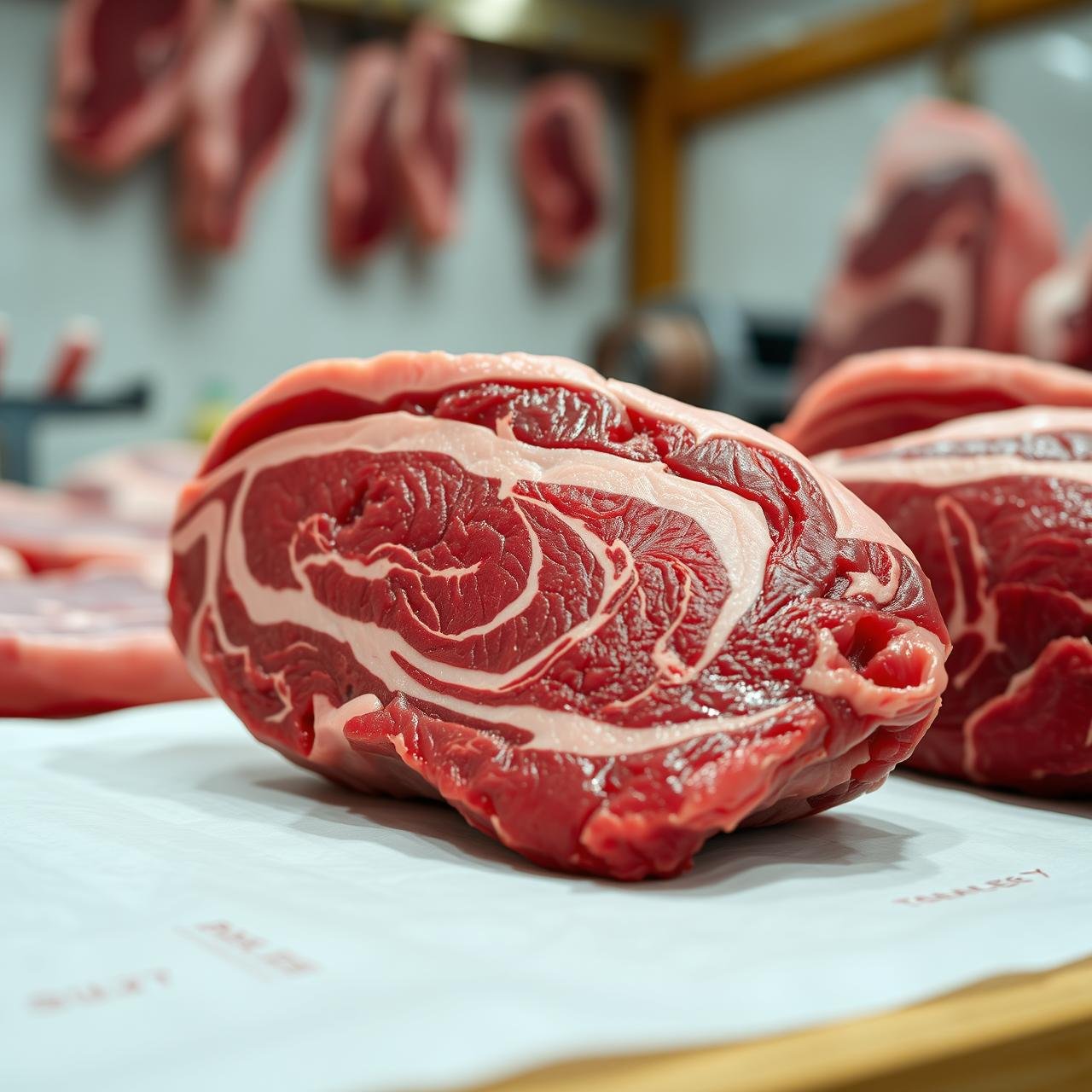
The star of this dish is undoubtedly the beef, so choosing the right cut is paramount. Since the center is served rare, you want a cut that is exceptionally tender and flavorful with minimal connective tissue. You are looking for a log-shaped, uniform piece about 2-3 inches thick to ensure an even sear and a substantial rare center.
Top-Tier Choices (Gourmet Foodie):
- Beef Tenderloin (Filet Mignon): This is the gold standard for tataki. It’s incredibly tender, lean, and has a mild, buttery flavor that allows the ponzu sauce to shine. Its uniform, cylindrical shape makes for perfect, round slices.
Excellent & Accessible Choices (Home Cook):
- Top Sirloin or Sirloin Tip: A fantastic and more budget-friendly option. Look for a center-cut piece with good marbling. It has a robust, beefy flavor that stands up well to the sear and the sauce.
What to Look For:
- Quality Grade: Opt for USDA Prime or Choice if your budget allows. The higher marbling (intramuscular fat) will translate to more flavor and tenderness.
- Color: Look for a bright, cherry-red color. Avoid any meat that looks dull or brownish.
- Freshness: As with any dish featuring raw or rare meat, freshness is non-negotiable. Purchase your beef from a reputable butcher and plan to make the tataki within a day or two.
Your Culinary Toolkit: Equipment for Perfect Tataki
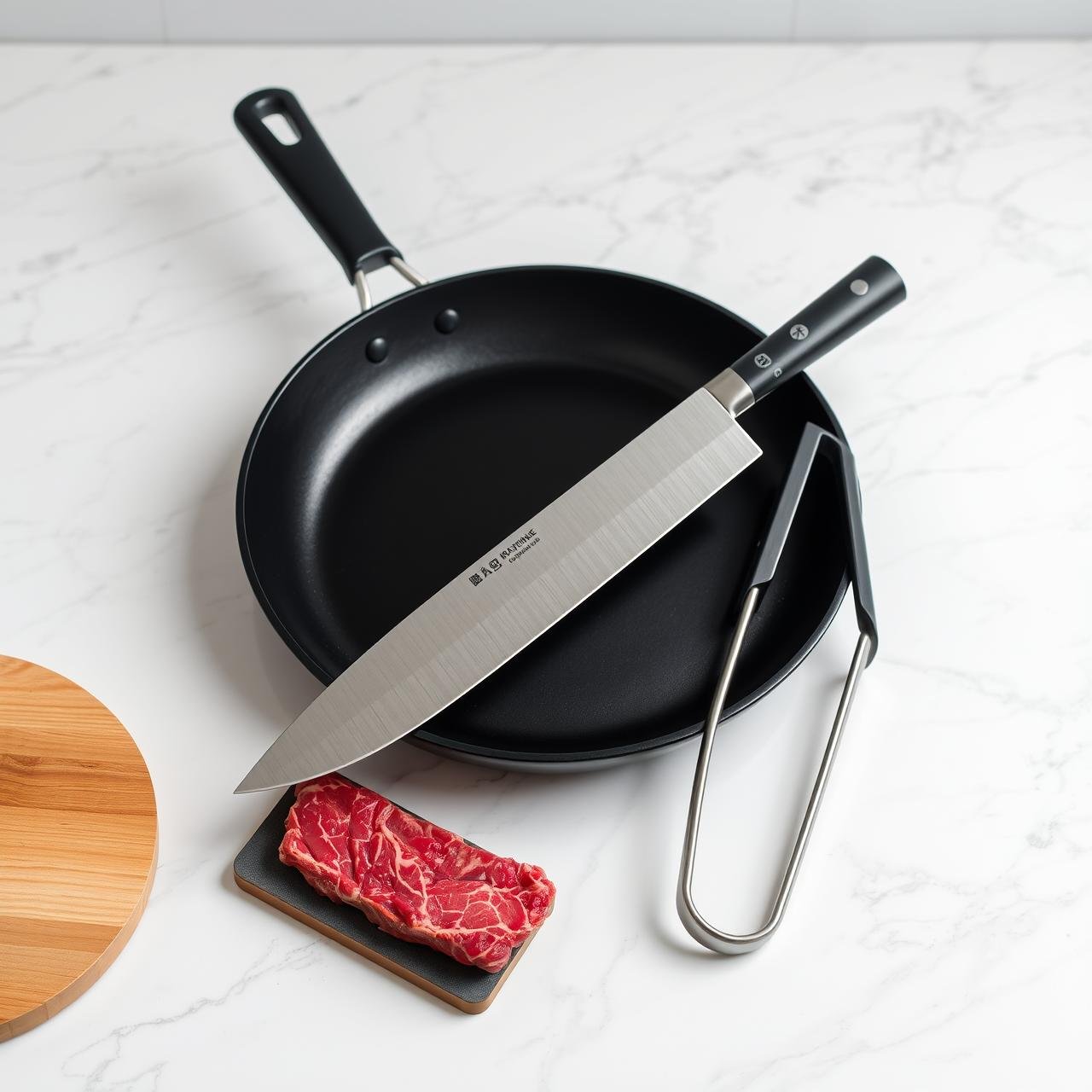
You don’t need a professional kitchen to achieve perfect results. A few key pieces of equipment will make all the difference in achieving that ideal sear and clean slice.
| Equipment | Why It’s Essential |
|---|---|
| Heavy-Bottomed Skillet | A cast-iron or heavy stainless-steel skillet is crucial. It retains high heat exceptionally well, which is necessary for creating a deep, dark crust in under a minute without overcooking the interior. |
| Extremely Sharp Knife | This is non-negotiable for slicing. A dull knife will tear and shred the delicate meat. A long, sharp chef’s knife, slicer, or santoku will allow you to make clean, single-motion cuts. |
| Long Tongs | Essential for safely placing, turning, and removing the beef from the scorching hot pan without piercing the meat and letting juices escape. |
| Large Bowl for Ice Bath | You need a bowl large enough to fully submerge the seared beef in ice and water. This step is critical to immediately stop the cooking process. |
| Cutting Board | A stable cutting board is a must for both preparation and slicing. Use a separate board for raw meat to avoid cross-contamination. |
A Symphony of Umami: The Ingredients
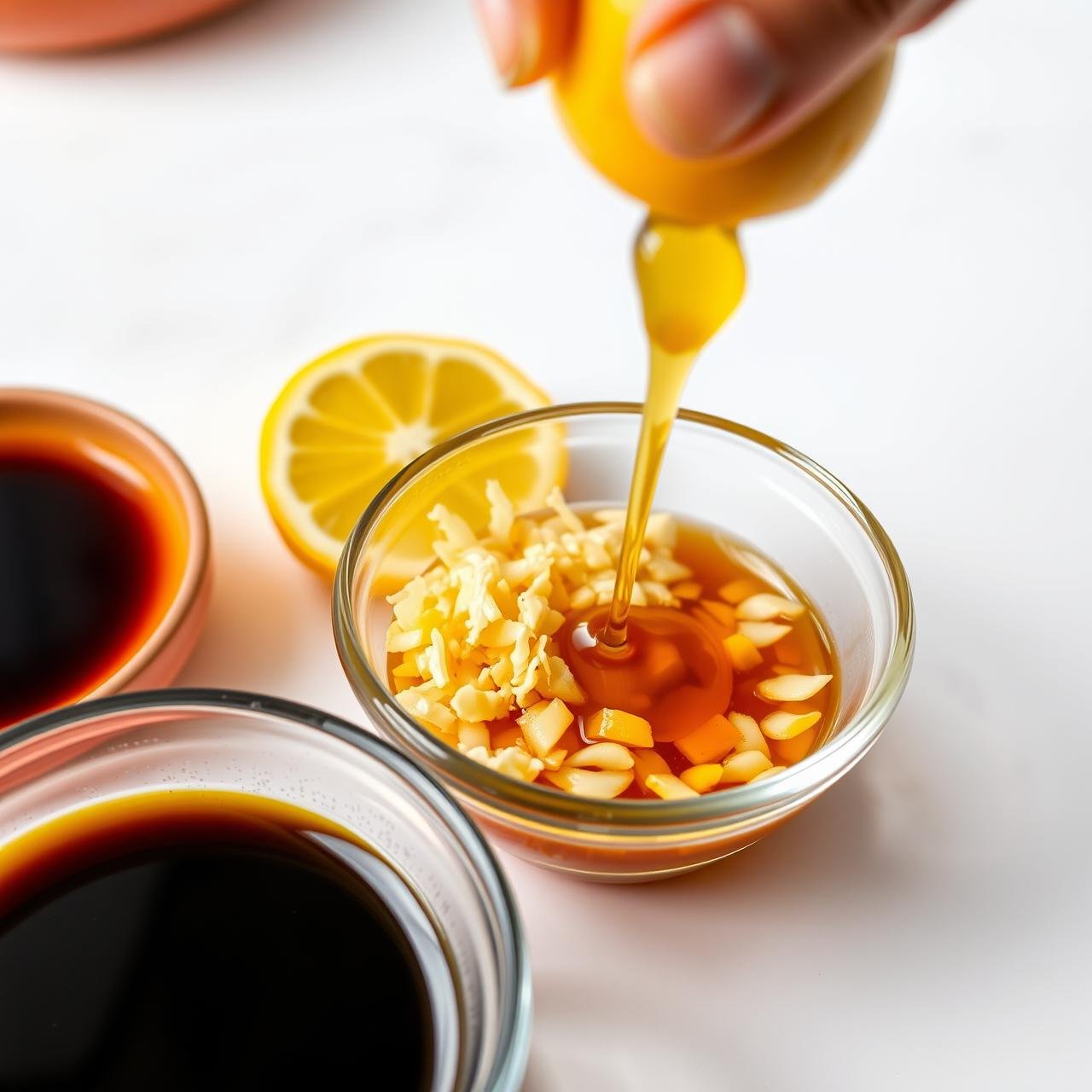
This recipe uses simple, clean ingredients to create a sauce that is bright, savory, and utterly addictive. The measurements are a guide; feel free to adjust to your personal taste.
For the Seared Beef:
- 1 lb beef tenderloin or top sirloin, in a uniform log shape
- 1 tbsp high-smoke-point oil (like avocado or grapeseed oil)
- 1/2 tsp coarse sea salt
- 1/2 tsp freshly cracked black pepper
For the Ponzu-Style Dipping Sauce & Marinade:
- 1/2 cup high-quality soy sauce or tamari (for gluten-free)
- 1/4 cup fresh citrus juice (a mix of yuzu, lemon, and/or lime is fantastic)
- 2 tbsp mirin (Japanese sweet rice wine)
- 1 tbsp rice vinegar
- 1 clove garlic, finely minced or grated
- 1-inch piece fresh ginger, peeled and finely grated
For Garnish (Optional but Recommended):
- 2 scallions, very thinly sliced
- 1 tbsp toasted sesame seeds
- Fresh microgreens or cilantro
- Thinly sliced red onion or shredded daikon radish
The Tataki Method: A Step-by-Step Guide
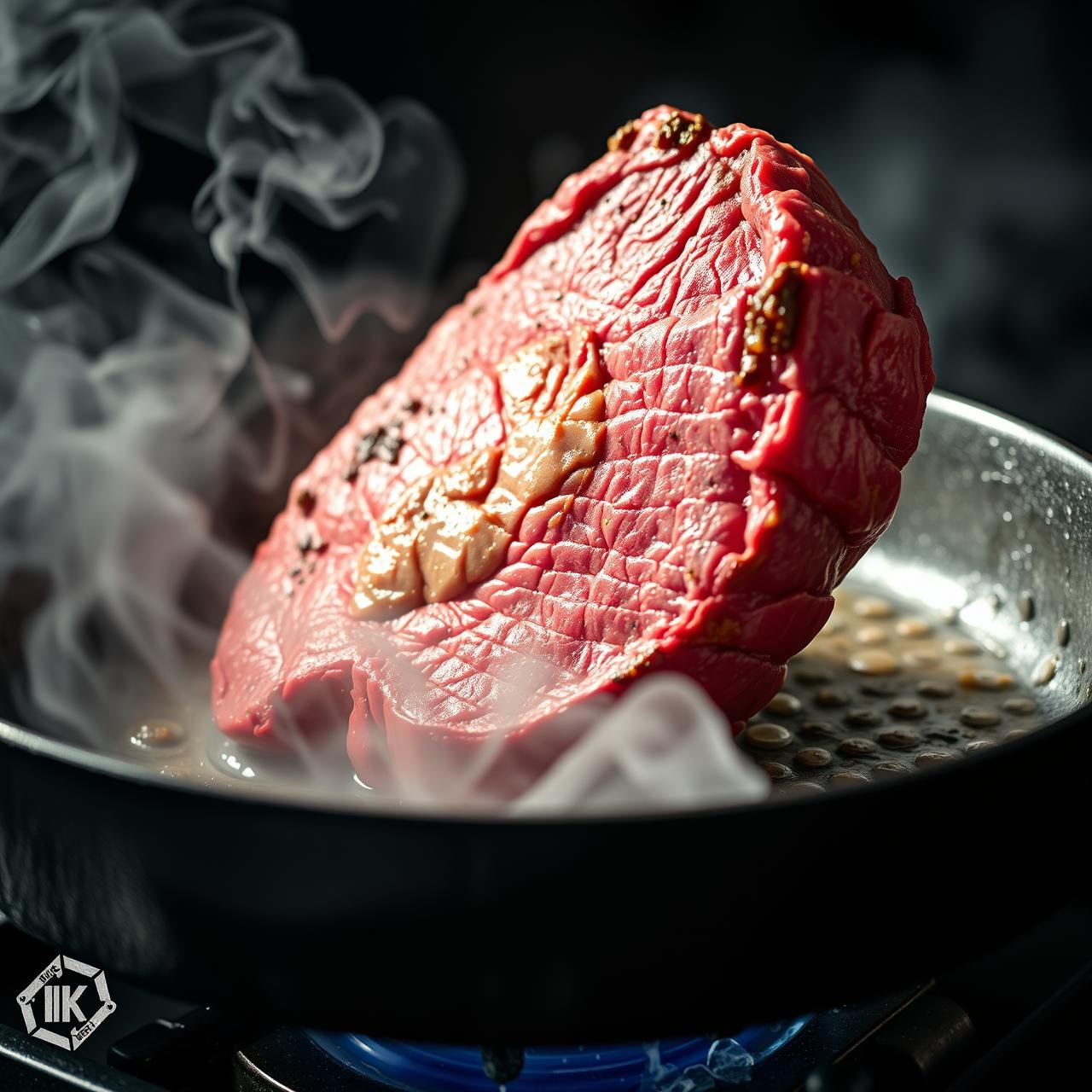
Follow these steps closely for a flawless result. The process is quick, so have all your components ready to go before you even think about turning on the stove—a classic ‘mise en place’.
- Prepare the Sauce: In a small bowl, whisk together all the ingredients for the ponzu-style sauce: soy sauce, citrus juice, mirin, rice vinegar, grated garlic, and grated ginger. Set aside. This can be done hours or even a day ahead to let the flavors meld.
- Prepare the Beef: Take the beef out of the refrigerator about 20-30 minutes before cooking to let it come to room temperature. This ensures a more even sear. Pat the beef completely dry with paper towels—this is one of the most critical steps for achieving a perfect crust. A wet surface will steam, not sear. Season it generously on all sides with coarse sea salt and black pepper.
- Prepare the Ice Bath: Fill a large bowl with equal parts ice and cold water. Have it right next to your stove. You will need to move quickly.
- Get the Pan Screaming Hot: Place your cast-iron or heavy-bottomed skillet over high heat. Let it get extremely hot. You’ll know it’s ready when a drop of water evaporates instantly, or the pan just begins to smoke. Add the tablespoon of high-smoke-point oil. It should shimmer immediately.
- Sear the Beef: Carefully place the seasoned beef loin in the hot skillet using your tongs. You should hear a loud, aggressive sizzle. Sear for 45-60 seconds per side, turning with tongs to get a deep, brown crust on all four ‘sides’ of the log. Don’t forget the ends! The total searing time should be no more than 3-4 minutes.
- The Critical Plunge: Immediately transfer the seared beef from the hot skillet directly into the prepared ice bath. This is the ‘shock’ that halts the cooking process and keeps the inside beautifully rare. Let it sit in the ice water for about 1-2 minutes, or until it’s cool to the touch.
- Dry and Rest: Remove the beef from the ice bath and pat it thoroughly dry with paper towels once more. Place it on a clean cutting board and let it rest for 5-10 minutes. This allows the juices to redistribute, ensuring a tender, flavorful bite. Do not skip this step!
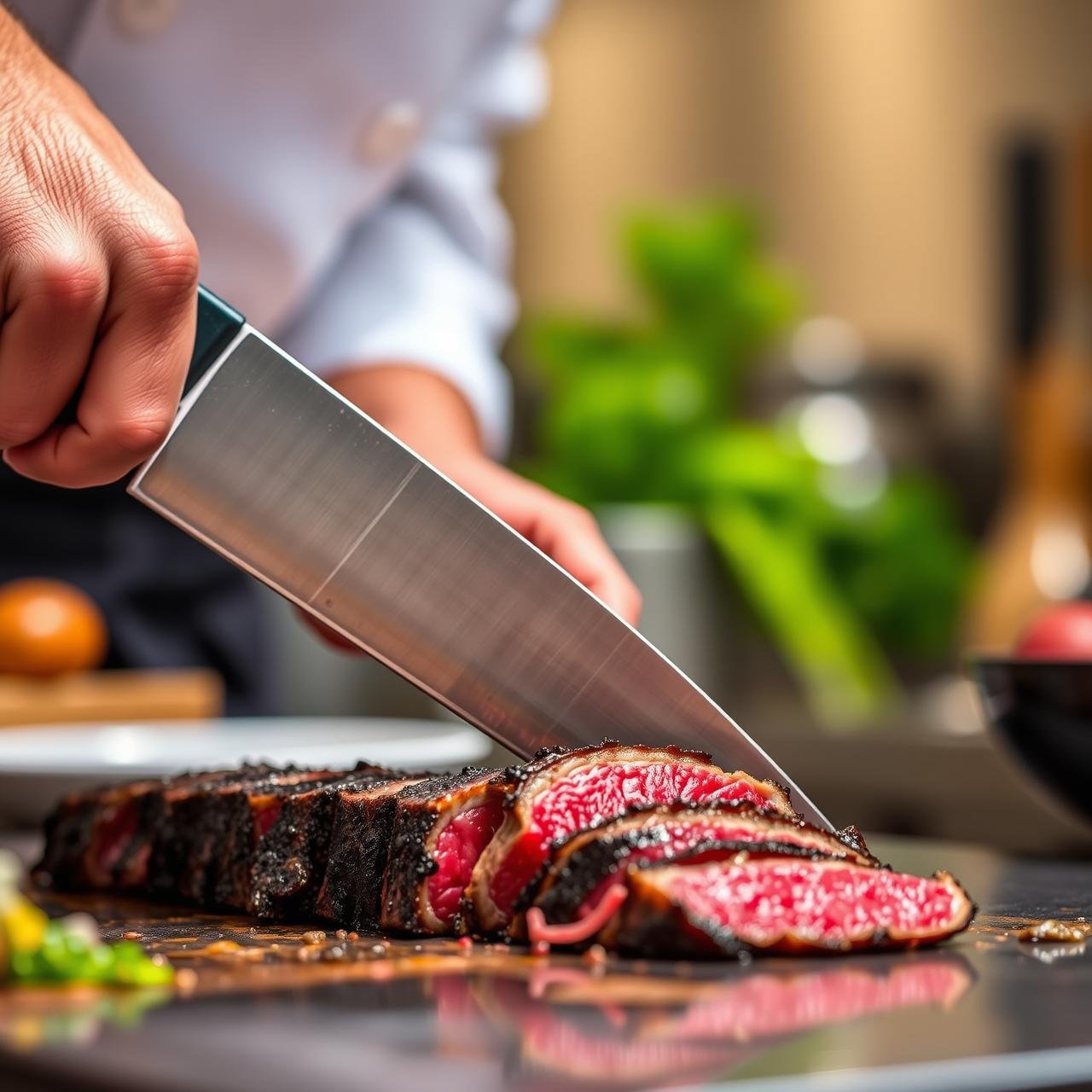
- Slice and Serve: Using your sharpest knife, slice the beef against the grain into thin, 1/8 to 1/4-inch thick pieces. Arrange the slices, slightly overlapping, on a platter. Drizzle generously with the prepared ponzu sauce and top with your desired garnishes like sliced scallions and toasted sesame seeds. Serve immediately.
Secrets from the Kitchen: Pro Tips & Troubleshooting
Achieving Tataki Perfection:
- Dry is Key: I cannot stress this enough. The surface of your beef must be bone-dry. Any moisture will create steam, which prevents the Maillard reaction (the chemical process that creates that delicious brown crust).
- Don’t Fear the Heat: Your pan needs to be incredibly hot. This is a fast, aggressive sear. Low heat will slowly cook the beef through, resulting in a grey, tough band instead of a thin crust and rare center.
- Slice Against the Grain: Look for the direction the muscle fibers are running in the meat. Position your knife perpendicular to those fibers when you slice. This shortens the fibers, making each bite significantly more tender.
Common Pitfalls to Avoid:
- The Grey Band of Sadness: If you have a thick, grey, overcooked layer beneath the crust, you either cooked it for too long or your pan wasn’t hot enough. It’s a quick sear, not a slow roast!
- Tough, Chewy Slices: This is usually a result of slicing with the grain or using a cut of meat with too much connective tissue.
- A Watery Plate: If your tataki releases a lot of liquid on the plate, you likely didn’t rest the meat long enough after the ice bath. Be patient and let those juices settle.
Nourish Your Body: A Look at the Nutrition
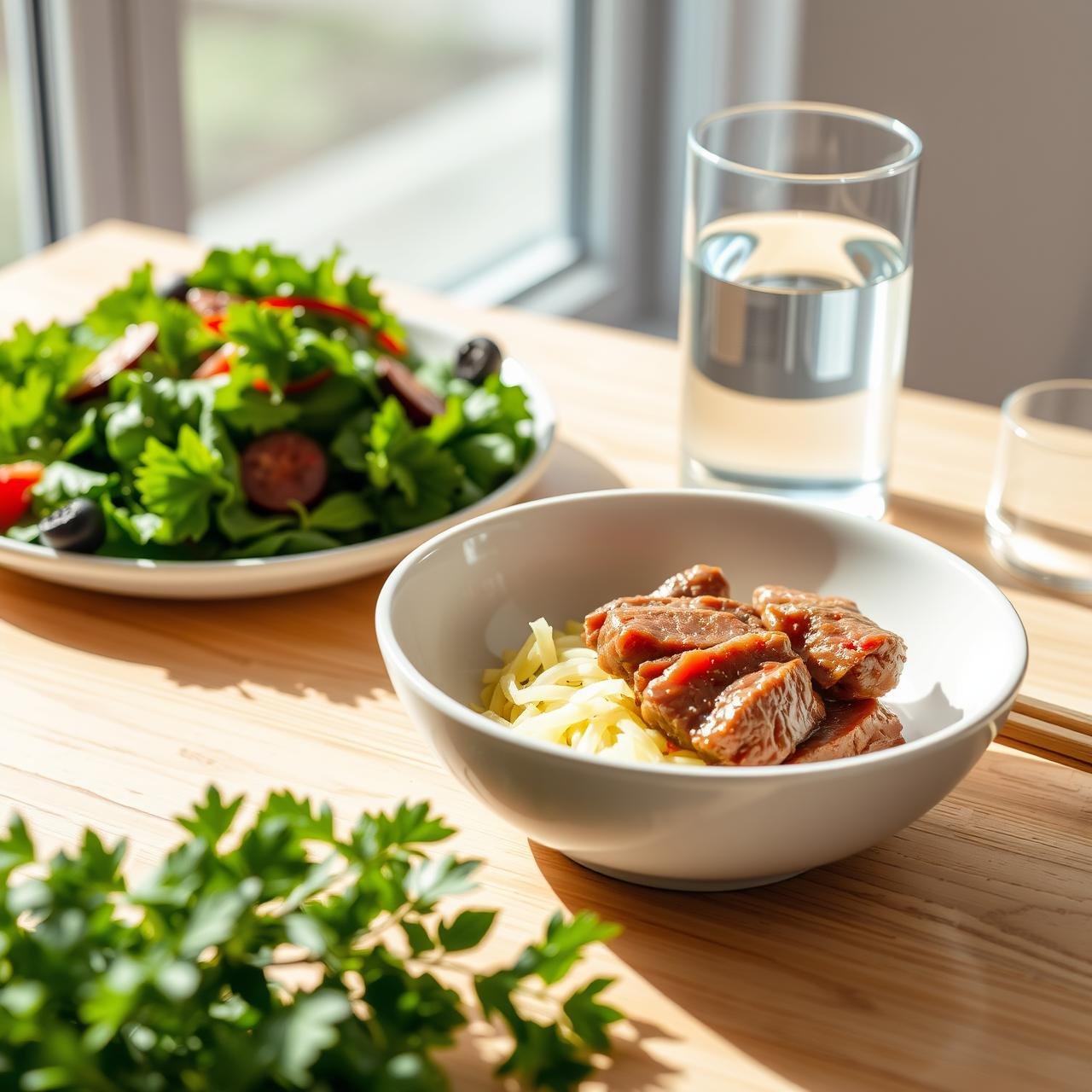
This dish is a powerhouse of nutrition, making it an ideal choice for anyone focused on a healthy, high-protein diet. It’s naturally low in carbohydrates and free of processed ingredients, aligning perfectly with a clean-eating lifestyle.
| Nutrient | Estimated Amount per Serving (4 oz) |
|---|---|
| Calories | ~250 kcal |
| Protein | ~30g |
| Fat | ~14g |
| Carbohydrates | ~2g |
| Sodium | ~450mg (from soy sauce) |
Disclaimer: These are estimates. Actual values will vary based on the specific cut of beef and sauce ingredients used.
Storing Your Tataki Safely
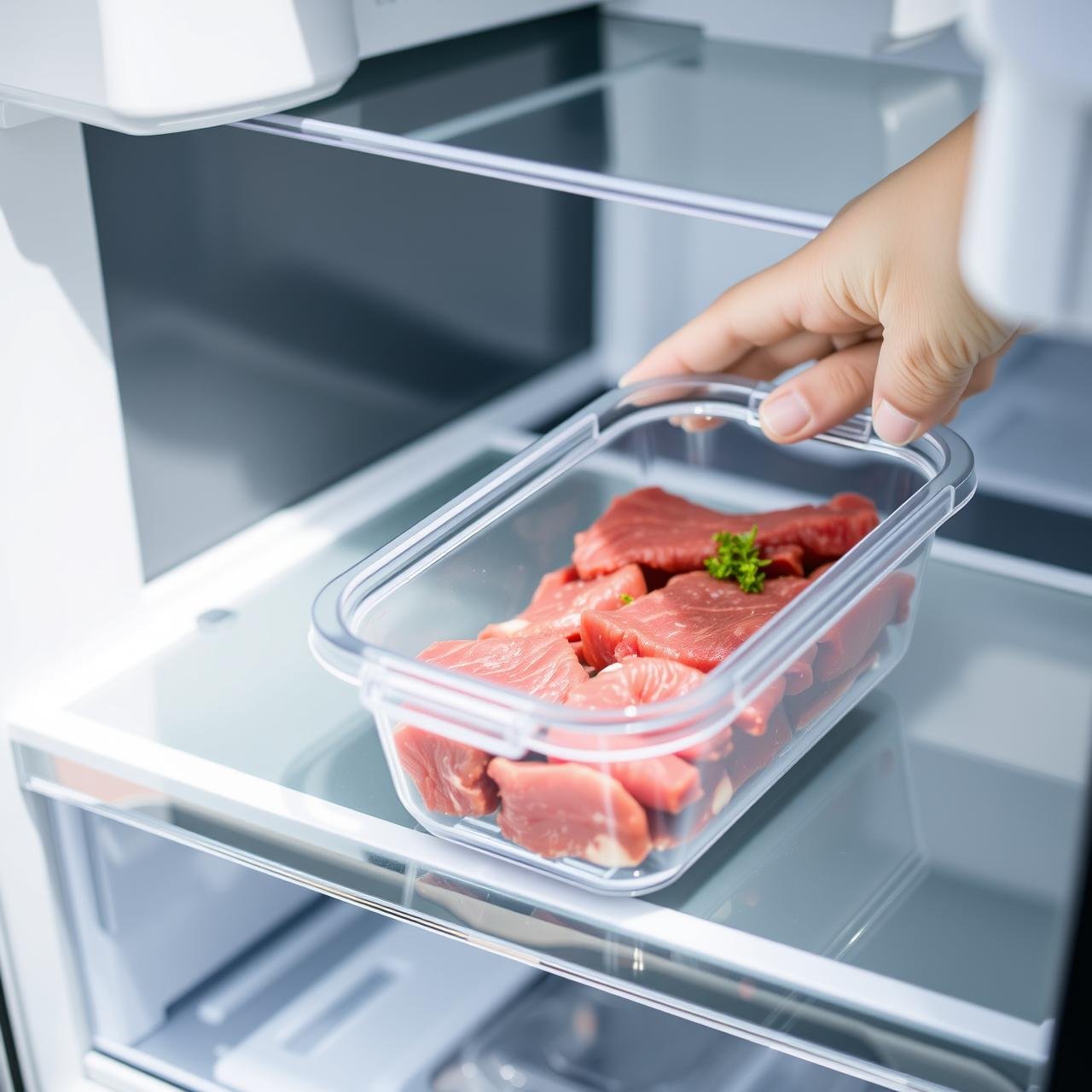
Due to its rare center, beef tataki is best enjoyed immediately after it’s prepared. The textural contrast and vibrant flavors are at their peak when fresh. However, if you do have leftovers, proper storage is crucial for food safety.
- Refrigeration: Store any leftover sliced tataki in an airtight container in the refrigerator. It is best consumed within 24 hours. The citrus in the ponzu sauce will begin to ‘cook’ the meat over time (like ceviche), changing its texture.
- Do Not Freeze: Freezing is not recommended for beef tataki. The freezing and thawing process will ruin the delicate texture of the rare beef, making it watery and mushy.
- Food Safety First: Always use high-quality, fresh beef from a trusted source. Practice good kitchen hygiene, including using separate cutting boards for raw meat and vegetables, to prevent any risk of cross-contamination.
Conclusion
There you have it—a dish that’s a testament to the idea that sophisticated, mouth-watering food doesn’t have to be complicated or time-consuming. Seared Beef Tataki is more than just a recipe; it’s a technique and a feeling. It’s the sizzle in the pan, the vibrant contrast of colors on the plate, and the explosion of umami and citrus on your palate. It’s proof that you can create something truly special, healthy, and impressive right in your own kitchen. So, embrace your inner chef, fire up that skillet, and prepare to wow yourself and your guests. We invite you to try this recipe and discover the simple joy of creating a restaurant-worthy dish at home.