Roasted Whole Artichoke With Garlic Dip (Fun To Eat & Diet Friendly)
There’s something primally satisfying about eating with your hands, and few dishes invite this simple pleasure more than a whole roasted artichoke. It’s more than just a meal; it’s an experience. Each leaf is a vessel, pulled away to reveal a tender morsel of flesh, perfect for scraping with your teeth and dipping into a luscious, savory sauce. It’s a slow, deliberate, and wonderfully social way to begin a meal.
Forget the canned hearts or complicated preparations. Roasting an artichoke whole transforms it from an intimidating, thorny vegetable into a culinary event. The high, dry heat of the oven coaxes out its natural sweetness, caramelizing the edges of the leaves while steaming the interior to succulent perfection. The result is an earthy, slightly nutty flavor profile that is utterly unique. Paired with a robust, creamy garlic dip, this dish is a journey of textures and tastes, culminating in the grand prize: the tender, meaty artichoke heart. This recipe is not only a delight for gourmet foodies but a perfect fit for health enthusiasts, proving that diet-friendly food can be incredibly indulgent and fun.
The Art of Choosing the Perfect Artichoke
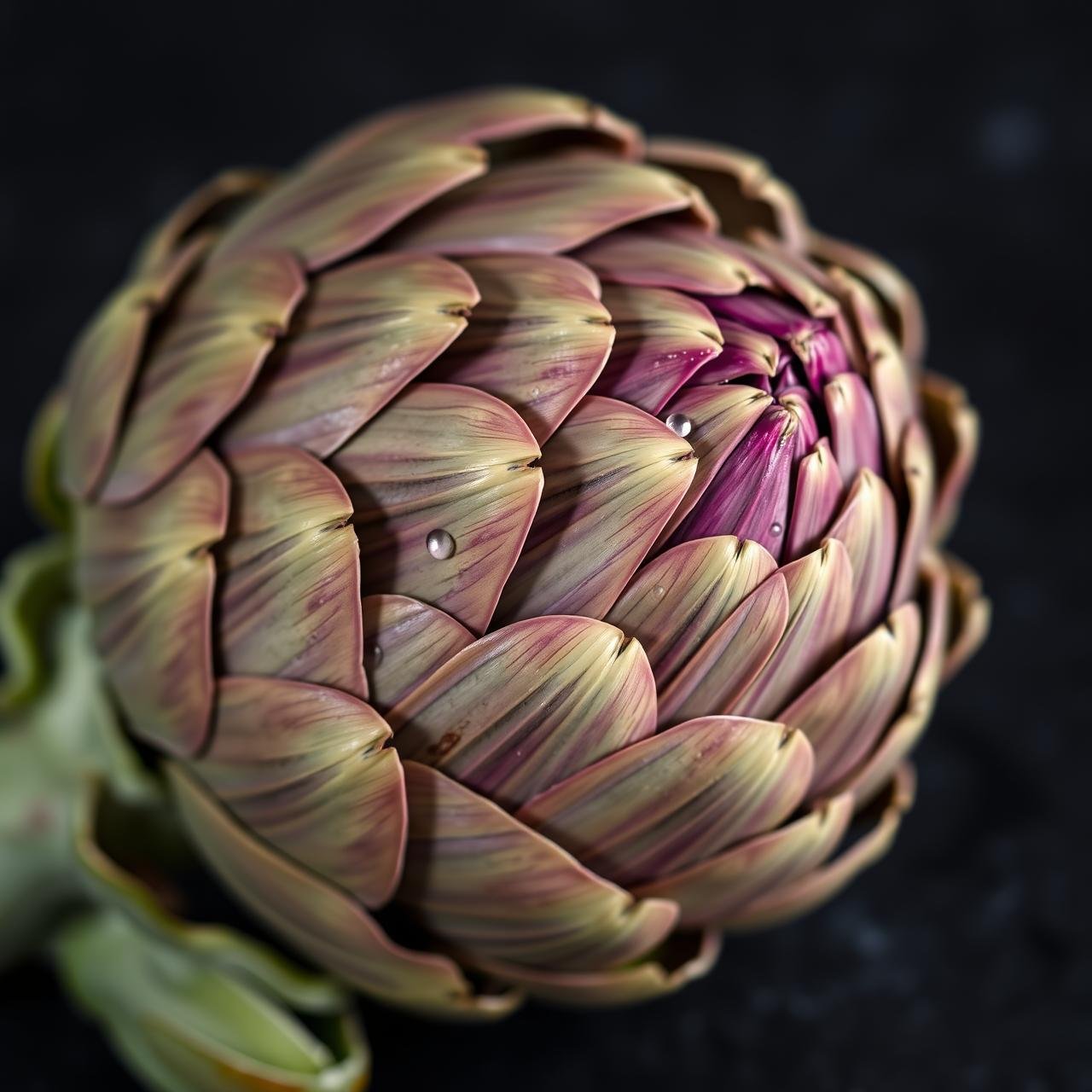
The foundation of a spectacular roasted artichoke begins at the market. Selecting the right one is a sensory process that guarantees the best texture and flavor. An artichoke is the immature flower bud of a thistle, and you want one that is fresh, heavy, and tightly packed.
What to Look For:
- Weight and Density: A great artichoke should feel heavy for its size. This indicates it’s well-hydrated and has a substantial, meaty heart.
- Compact Leaves: The leaves, or bracts, should be tightly closed and compact. If they are splayed open, the artichoke is likely old and on its way to blooming, which can result in a tougher texture and a hairy, unpleasant choke.
- Color and Feel: Look for a healthy, uniform olive-green color. Some brownish discoloration is normal, especially if it’s a ‘winter-kissed’ variety, which many chefs believe are sweeter. The leaves should ‘squeak’ when you squeeze the artichoke gently—a classic sign of freshness.
- Stem: Don’t neglect the stem! A fresh artichoke will have a stem that is firm and not shriveled or dry. The stem is an extension of the heart and is just as delicious when cooked.
What to Avoid:
- Lightness: If it feels light, it’s likely dehydrated and will be dry and less flavorful.
- Open or Dry Leaves: Spreading, dry, or split leaves are a sign of age. The artichoke will be less tender.
- Dark Spots or Sponginess: While some browning can be okay, avoid artichokes with significant dark spots or a spongy, soft feel, which can indicate decay.
By taking a moment to choose wisely, you set the stage for a truly memorable dish. Your reward will be a perfectly tender, flavorful vegetable that is the star of the show.
Essential Tools for Artichoke Mastery
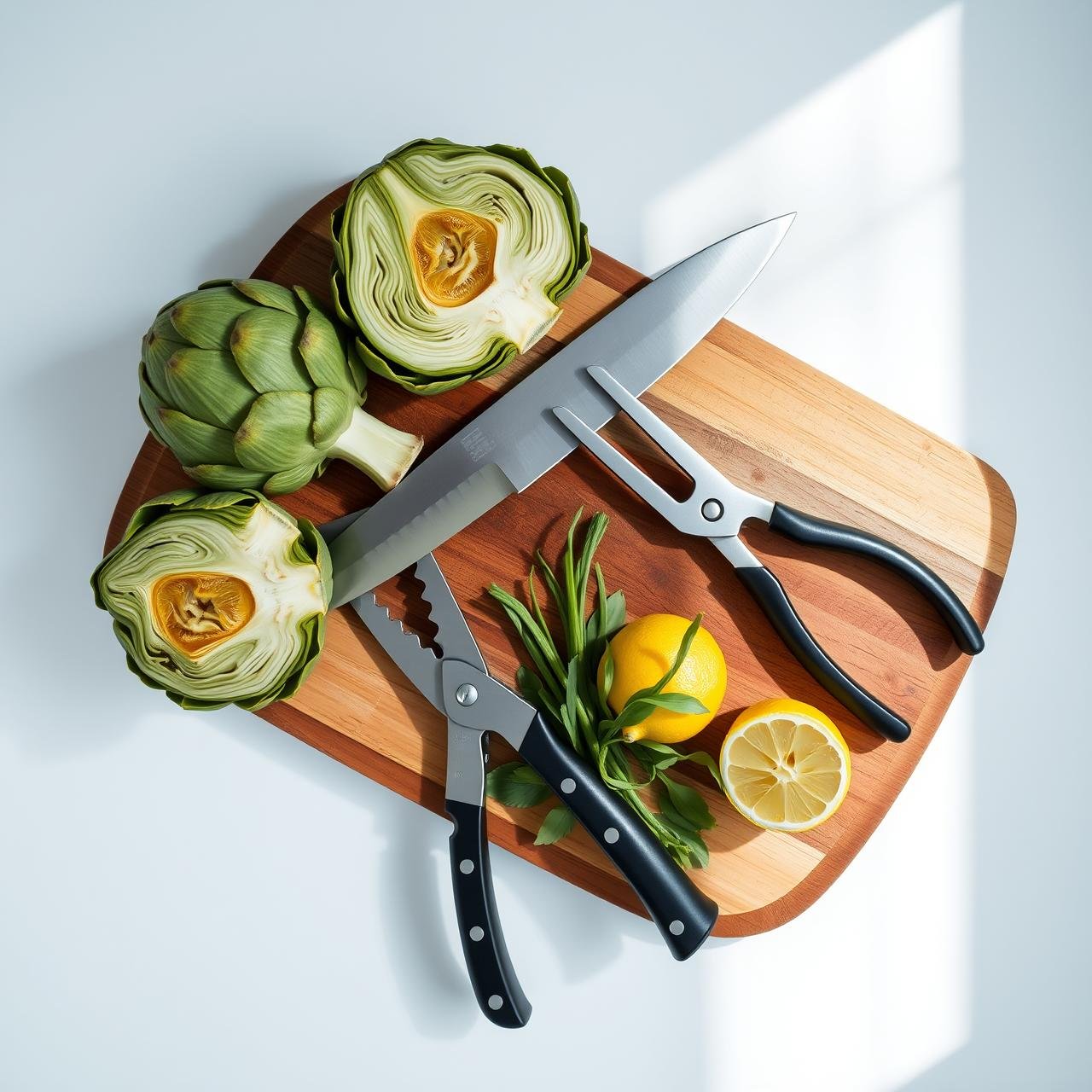
Preparing an artichoke might seem daunting, but with the right tools, it’s a straightforward and satisfying process. Having these essentials on hand will make trimming and preparing your artichokes a breeze.
| Tool | Purpose |
|---|---|
| Sharp Chef’s Knife | For cutting off the top third of the artichoke and trimming the stem. A sturdy, sharp knife is crucial for a clean cut through the dense vegetable. |
| Serrated Bread Knife | An excellent alternative for cutting the top of the artichoke. The serrated edge can make it easier to saw through the tough leaves without slipping. |
| Kitchen Shears | Indispensable for snipping off the sharp, thorny tips of the outer leaves. This makes the artichoke safe to handle and eat. |
| Vegetable Peeler or Paring Knife | Used to peel the tough outer layer of the stem, revealing the tender core which is just as delicious as the heart. |
| Large Bowl | To create an acidulated water bath (water with lemon juice or vinegar) to prevent the cut surfaces of the artichoke from oxidizing and turning brown. |
| Large Spoon or Melon Baller | For scooping out the fuzzy ‘choke’ from the center after roasting, just before serving. |
Gather Your Ingredients
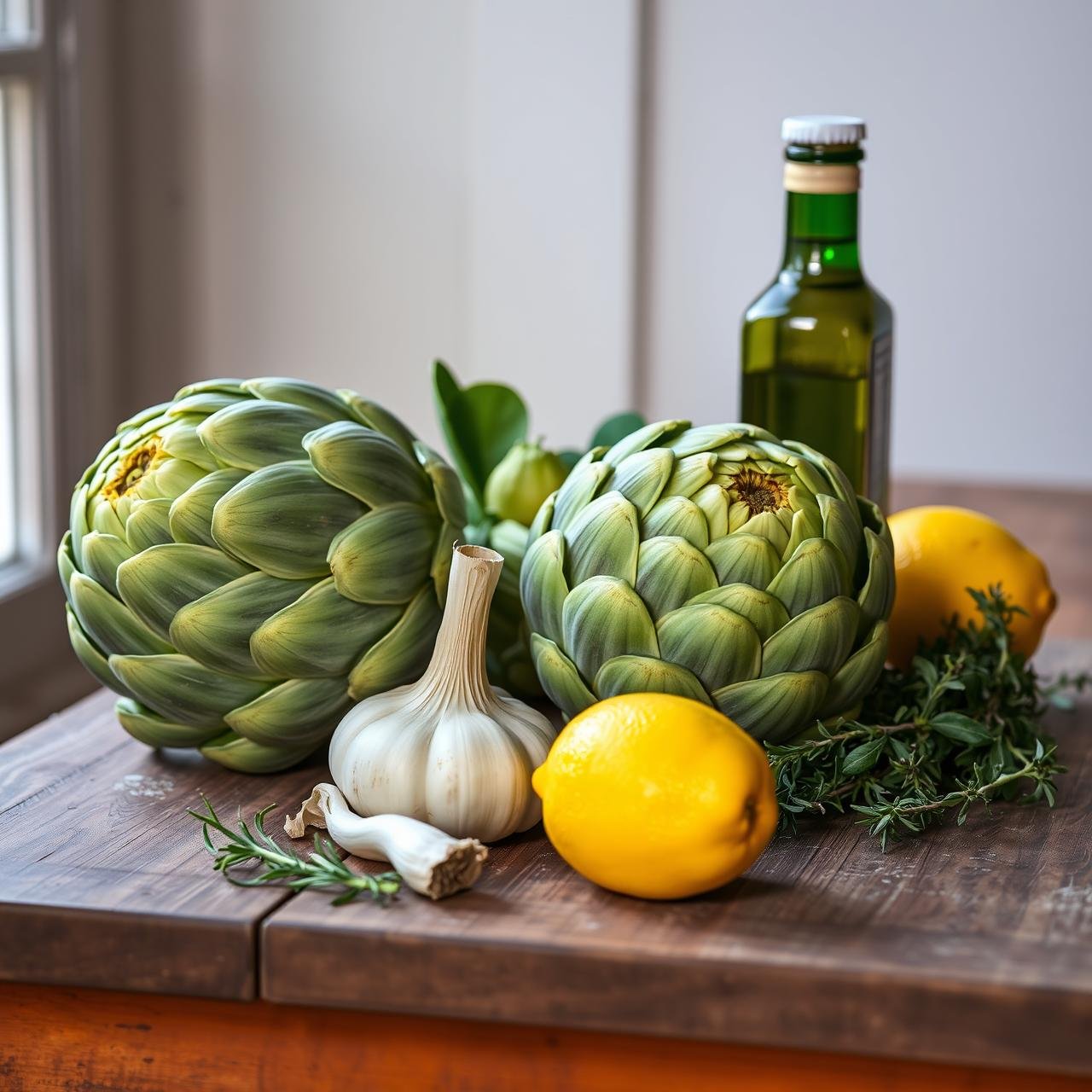
This recipe celebrates simplicity and freshness. The clean, earthy flavor of the artichoke is enhanced by classic Mediterranean accompaniments. For the dip, we’re creating a simple yet profoundly flavorful aioli-style sauce that is the perfect creamy counterpoint.
For the Roasted Artichokes:
- 2 large globe artichokes, fresh and heavy
- 2 tablespoons extra virgin olive oil
- 1 whole lemon, halved
- 4-6 cloves of garlic, peeled and lightly smashed
- 2 sprigs of fresh thyme or rosemary (optional)
- Coarse sea salt, to taste
- Freshly ground black pepper, to taste
For the Creamy Garlic Dip:
- 1/2 cup high-quality mayonnaise or plain Greek yogurt for a lighter version
- 2 cloves garlic, minced or pressed into a paste
- 1 tablespoon fresh lemon juice
- 1 tablespoon finely chopped fresh parsley
- 1/2 teaspoon Dijon mustard
- A pinch of cayenne pepper or red pepper flakes (optional, for heat)
- Salt and freshly ground black pepper, to taste
Step-by-Step: Roasting the Perfect Whole Artichoke
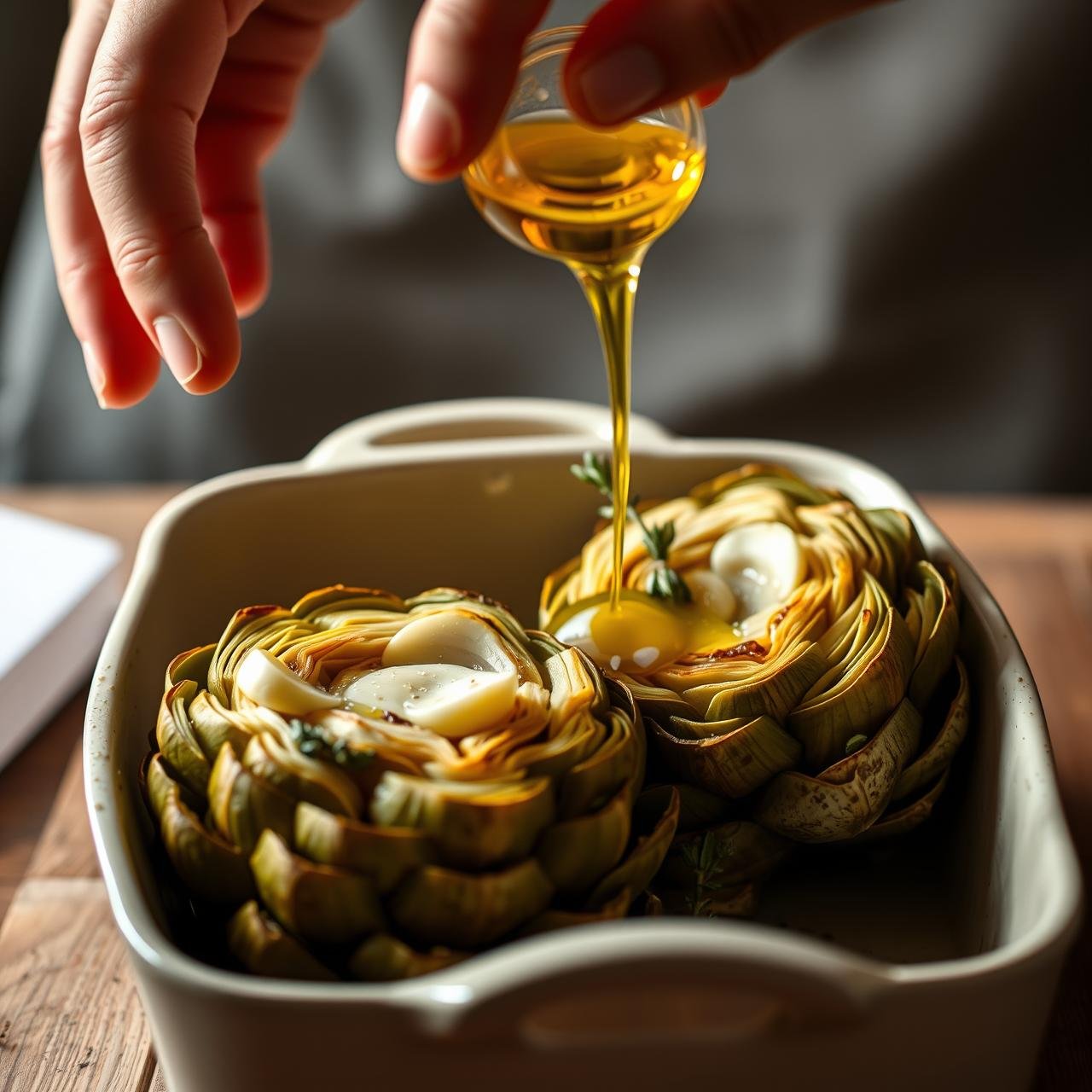
Follow these steps carefully to achieve artichoke perfection. The process is divided into three key stages: preparation, roasting, and creating the dip while they cook.
Part 1: Prepping the Artichokes
- Prepare the Acidulated Water: Fill a large bowl with cold water and squeeze the juice of half a lemon into it. Drop the squeezed lemon half into the water. This will be the temporary home for your artichokes once they are cut, preventing them from browning.
- Trim the Stem: Using your chef’s knife, trim the bottom of the stem, leaving about 1 to 1.5 inches attached. Use a vegetable peeler to shave off the tough, fibrous outer layer of the remaining stem. The inner core is tender and delicious.
- Remove Tough Outer Leaves: Pull off the smallest, toughest leaves at the base of the artichoke.
- Cut the Top: With a sharp chef’s or serrated knife, slice off the top inch of the artichoke. This removes the cluster of sharp tips at the top and allows seasonings to penetrate.
- Snip the Tips: Using kitchen shears, snip off the sharp, thorny tip from each of the remaining outer leaves. This is for aesthetics and for safety when handling and eating.
- Rinse and Bathe: Thoroughly rinse the trimmed artichokes under cold running water, gently prying the leaves apart to wash out any grit. Immediately place them in the prepared lemon water.
Part 2: Seasoning and Roasting
- Preheat Oven: Preheat your oven to 400°F (200°C).
- Season the Artichokes: Remove the artichokes from the water and pat them dry. Place them on a large piece of aluminum foil or in a small baking dish. Gently open the leaves and drizzle the 2 tablespoons of olive oil over and into the crevices. Squeeze the juice from the other lemon half over them.
- Add Aromatics: Stuff the smashed garlic cloves and fresh thyme or rosemary sprigs in between the leaves. Season generously all over with coarse sea salt and freshly ground black pepper.
- Wrap and Roast: Tightly wrap each artichoke in aluminum foil, creating a sealed packet. This will trap steam and help cook the artichoke from the inside out. Place the packets directly on the oven rack or in a baking dish.
- Roast to Perfection: Roast for 60 to 80 minutes. The cooking time will vary depending on the size of your artichokes. They are done when a paring knife inserted into the base meets no resistance, and an outer leaf can be pulled off easily.
- Final Char (Optional but Recommended): For beautiful caramelized edges, carefully open the foil packets for the last 10-15 minutes of roasting. This will allow the tips of the leaves to get slightly browned and crispy.
Part 3: Making the Creamy Garlic Dip
- Combine Ingredients: While the artichokes are roasting, prepare the dip. In a small bowl, combine the mayonnaise or Greek yogurt, minced garlic paste, fresh lemon juice, chopped parsley, and Dijon mustard.
- Season: Stir everything together until smooth. Season with salt, pepper, and a pinch of cayenne if you like a little heat.
- Chill: For the best flavor, cover the dip and let it chill in the refrigerator for at least 30 minutes. This allows the flavors to meld and deepen.
The Grand Finale: How to Eat a Whole Roasted Artichoke
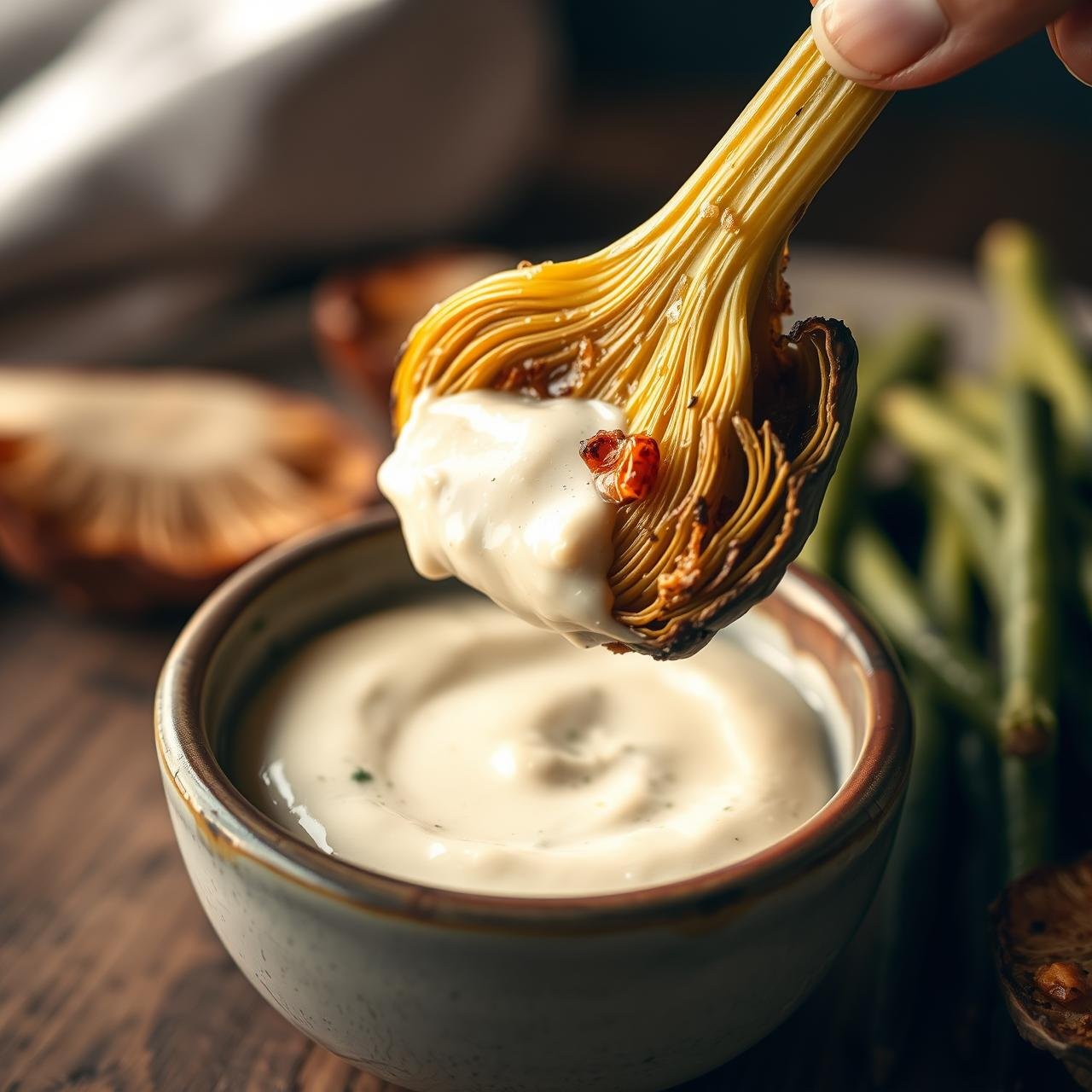
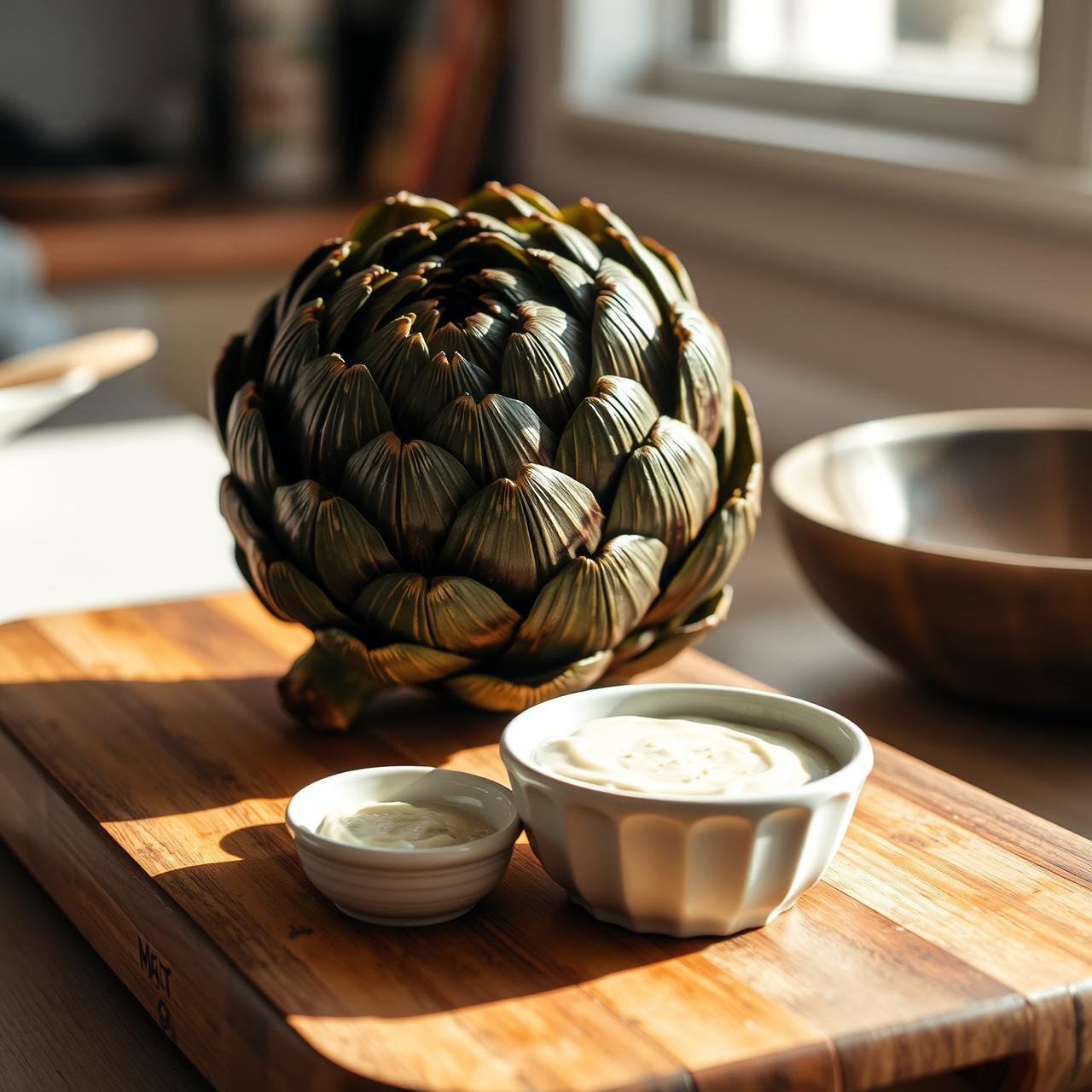
Once the artichokes are tender and fragrant, let them rest for a few minutes until they are cool enough to handle. Serve them whole on a platter with the bowl of creamy garlic dip on the side.
- Pull a Leaf: Start by pulling off one of the outer leaves.
- Dip and Scrape: Dip the fleshy base of the leaf into the garlic dip. Place the leaf between your teeth and scrape off the soft, pulpy portion at the bottom. Discard the tough, fibrous upper part of the leaf.
- Work Your Way In: Continue this process, working your way around the artichoke. As you move toward the center, the leaves will become smaller and more tender.
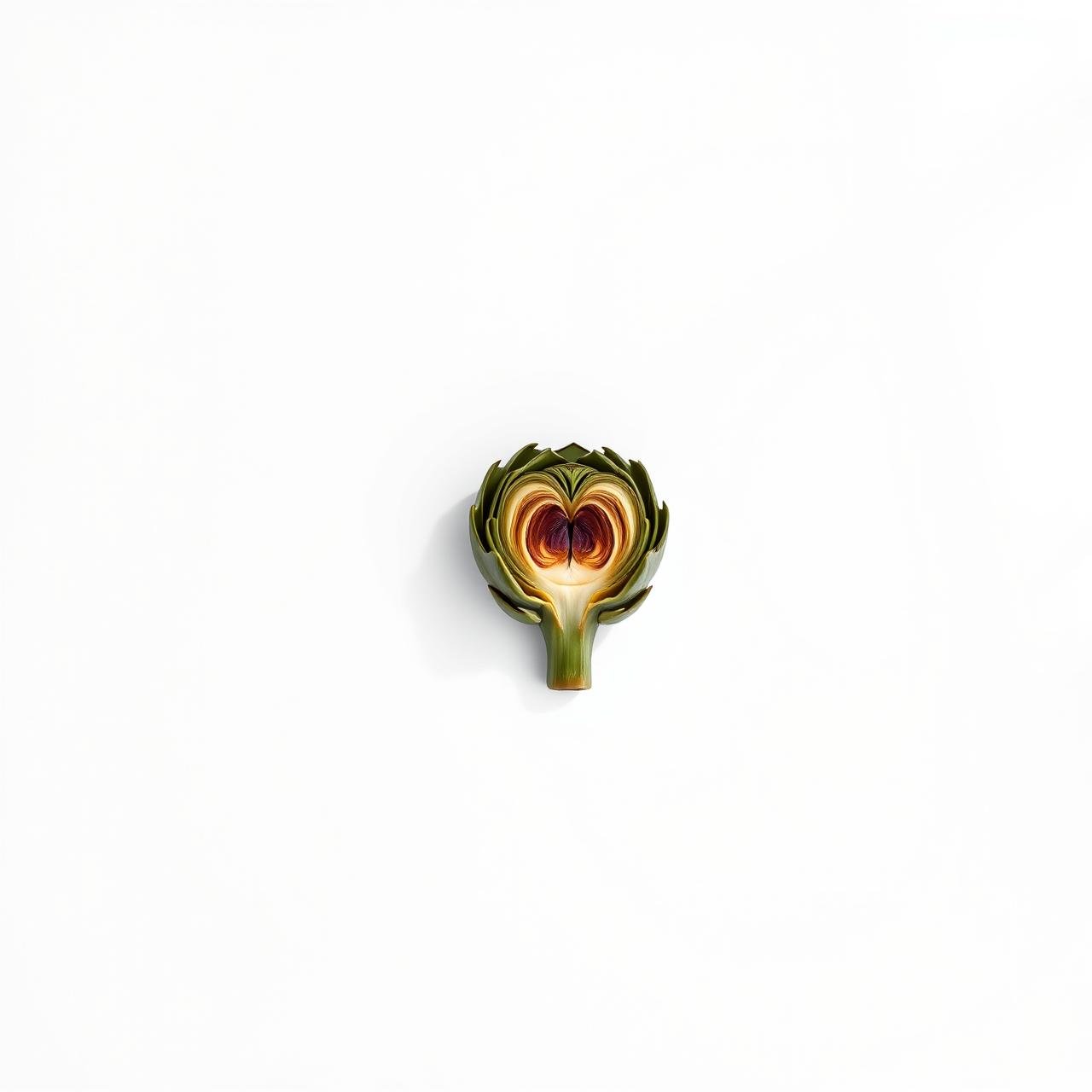
- Reveal the Heart: Eventually, you will reach a cone of thin, papery, purple-tipped leaves. These are too delicate to eat. Gently pull them out to reveal the fuzzy center, known as the ‘choke’.
- Remove the Choke: Using a spoon or the side of a knife, carefully scrape out and discard the inedible fuzzy choke.
- Enjoy the Prize: Below the choke lies the best part: the artichoke heart. It is entirely edible, with a firm, meaty texture and a concentrated, sweet flavor. Cut it into pieces, dip it generously, and savor the ultimate reward for your efforts.
Nutritional Profile: A Guilt-Free Indulgence
Artichokes are a nutritional powerhouse, making this dish as wholesome as it is delicious. They are exceptionally high in fiber, antioxidants, and essential vitamins and minerals, while being low in fat and calories. This table provides an estimated nutritional breakdown for one serving (one whole artichoke and a portion of the dip).
| Nutrient | Amount (Approximate) | % Daily Value |
|---|---|---|
| Calories | 250 kcal | 13% |
| Total Fat | 18g | 23% |
| Saturated Fat | 3g | 15% |
| Cholesterol | 10mg | 3% |
| Sodium | 450mg | 20% |
| Total Carbohydrates | 16g | 6% |
| Dietary Fiber | 10g | 36% |
| Sugars | 2g | – |
| Protein | 5g | 10% |
| Vitamin C | – | 25% |
| Vitamin K | – | 22% |
| Folate | – | 20% |
| Magnesium | – | 19% |
Note: Values are estimates and can vary based on the size of the artichoke and specific ingredients used, especially the base of the dip (mayonnaise vs. Greek yogurt).
Storing and Reheating Your Artichokes
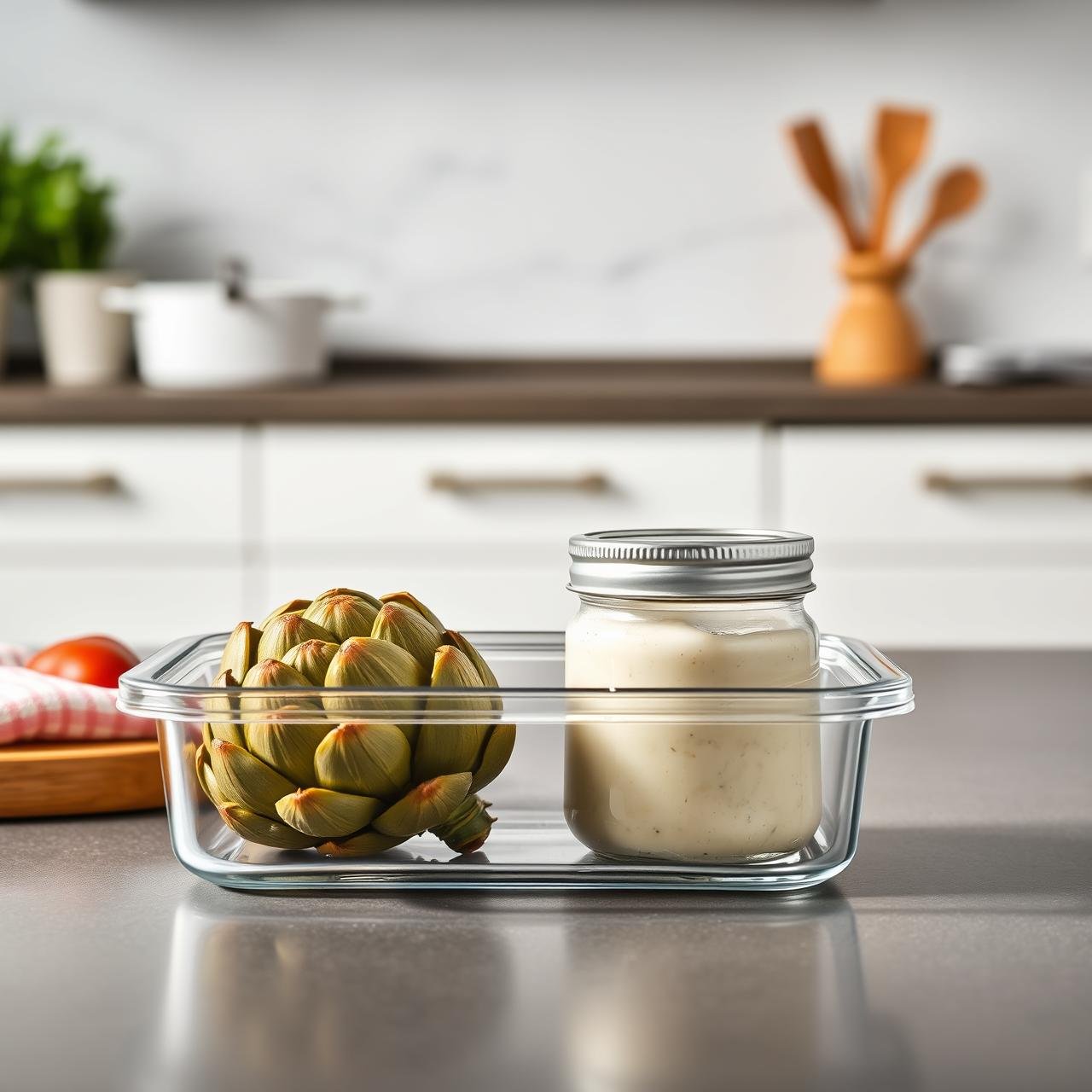
While best enjoyed fresh from the oven, leftover roasted artichokes can still be delicious. Proper storage is key to maintaining their flavor and texture.
Storage:
- Allow the artichokes to cool completely to room temperature.
- Store them in an airtight container in the refrigerator for up to 3 days.
- Store the garlic dip separately in its own airtight container. It will also keep for up to 3 days.
Reheating:
- Oven (Recommended): For the best results, preheat your oven to 350°F (175°C). Place the artichoke in a small baking dish, add a splash of water or broth to the bottom to create steam, cover with foil, and heat for 15-20 minutes, or until warmed through.
- Microwave: While not ideal as it can make the leaves slightly rubbery, you can reheat an artichoke in the microwave. Place it on a microwave-safe plate, sprinkle with a little water, cover with a damp paper towel, and heat in 30-second intervals until warm.
The dip is best served chilled or at room temperature, so simply remove it from the refrigerator a few minutes before serving.
Conclusion
Roasting a whole artichoke is more than a recipe—it’s a ritual that transforms a simple vegetable into a centerpiece worthy of any table. It’s a testament to the idea that healthy, diet-friendly food can be deeply satisfying, interactive, and fun. The journey from pulling each savory, dip-laden leaf to finally reaching the prized, tender heart is a culinary adventure in itself. Whether you’re a seasoned foodie looking for a rustic appetizer or a home cook wanting to try something new and impressive, this Roasted Whole Artichoke with Garlic Dip is a guaranteed success. So, embrace the process, gather your friends or family, and get ready to enjoy one of nature’s most delicious and entertaining creations.