Roasted Tomato Basil Soup: No Cream, Just Flavor (30 Minute Recipe)
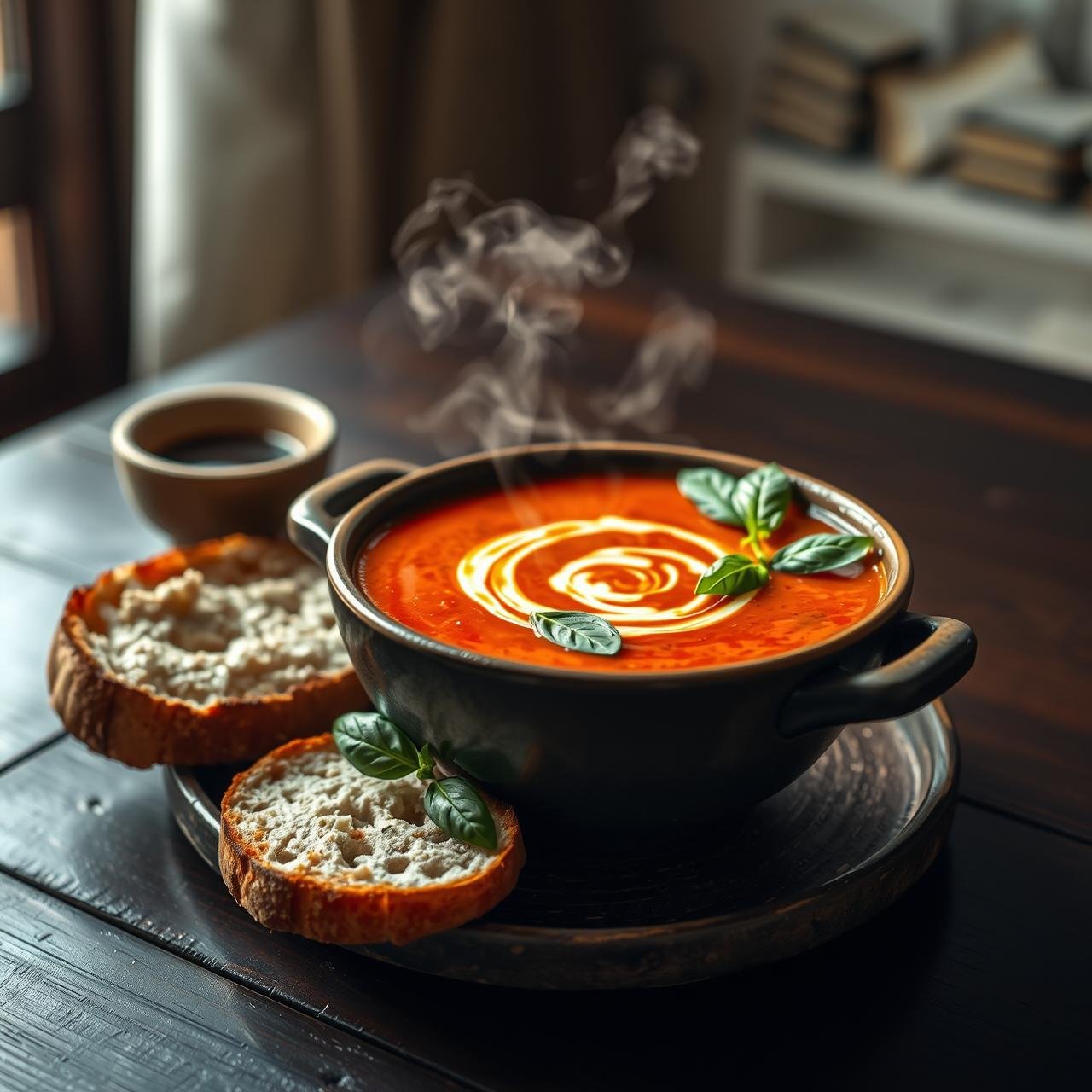
There are few dishes as universally comforting as a bowl of tomato soup. It’s the taste of childhood, of rainy afternoons, of simple, honest-to-goodness nourishment. But what if we could take that nostalgic classic and elevate it, coaxing out flavors so deep and complex you’d swear it simmered for hours? That’s the magic of this Roasted Tomato Basil Soup. We’re ditching the heavy cream, which often masks flavor, and instead turning to a time-honored chef’s technique: roasting.
By exposing the tomatoes, onions, and garlic to high, dry heat, we unlock a world of natural sweetness and savory depth through caramelization and the Maillard reaction. The result is a soup that is naturally velvety, intensely flavorful, and brilliantly vibrant. Best of all, this entire culinary transformation happens in just 30 minutes, making it the perfect meal for a busy weeknight when you crave something wholesome yet sophisticated. This recipe is a celebration of simplicity, proving that with the right technique, a handful of fresh, rustic ingredients can create something truly extraordinary.
The Heart of the Matter: Why Roasting Reigns Supreme
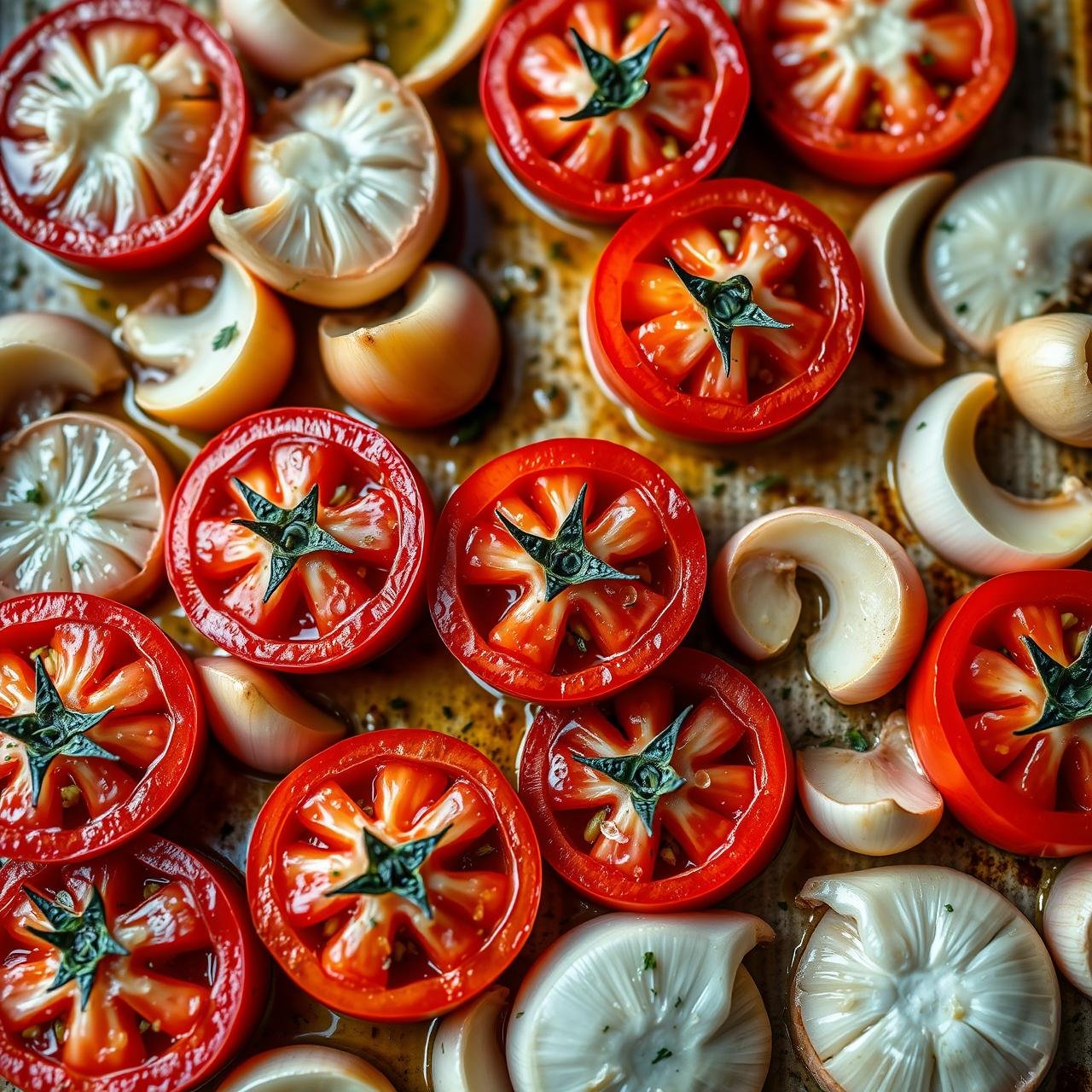
Before we dive into the recipe, let’s talk about the ‘why.’ Why roast the vegetables instead of just tossing them in a pot? The answer lies in culinary science. When you simmer raw tomatoes, you’re primarily extracting their bright, acidic juice. It’s good, but it can be one-dimensional. Roasting, however, is a transformative process.
Caramelization and the Maillard Reaction
At high temperatures, the natural sugars in the tomatoes and onions begin to caramelize, lending a deep, rounded sweetness that perfectly balances the tomatoes’ acidity. Simultaneously, the Maillard reaction—a chemical reaction between amino acids and reducing sugars—creates hundreds of new aromatic compounds. This is the same process that gives seared steak, toasted bread, and roasted coffee their incredible savory complexity. In our soup, it translates to a smoky, robust, and profoundly satisfying flavor profile that you simply cannot achieve by simmering alone. This technique is the secret to creating a cream-less soup that still feels rich and indulgent.
Essential Kitchen Equipment
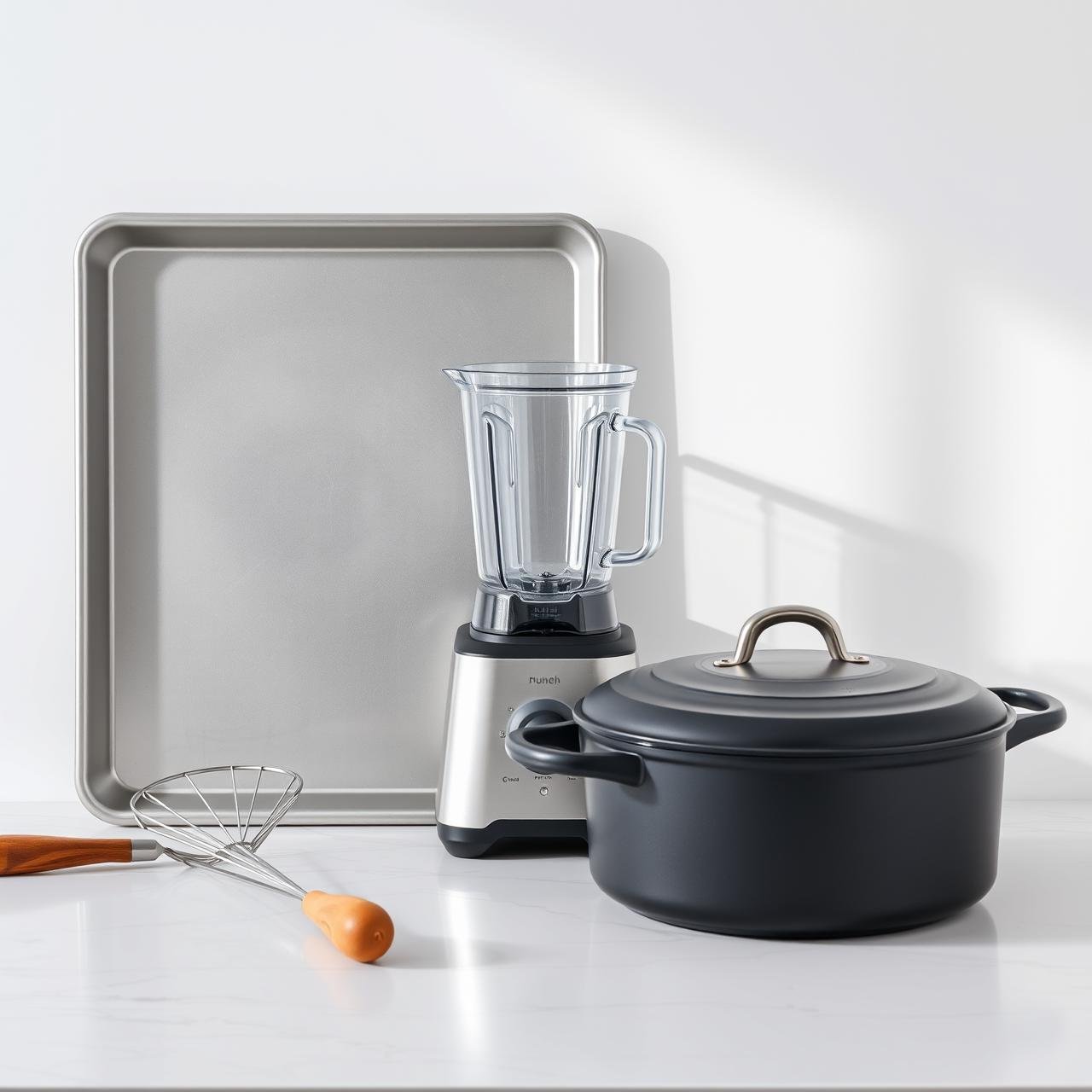
You don’t need any fancy gadgets for this rustic recipe. Here’s a simple checklist of the tools that will make the process seamless:
- Baking Sheet: A large, rimmed baking sheet is crucial for roasting the vegetables without any juices spilling over.
- High-Powered Blender: To achieve that signature velvety-smooth texture, a powerful blender (like a Vitamix or Blendtec) is ideal. An immersion (stick) blender also works well directly in the pot, though the soup may be slightly less smooth.
- Large Pot or Dutch Oven: A heavy-bottomed pot is perfect for the final simmer, ensuring even heat distribution.
- Fine-Mesh Sieve (Optional): For an ultra-silky, restaurant-quality texture, you can pass the blended soup through a sieve to remove any stray seeds or skins. This step is entirely optional for a more rustic, homestyle soup.
Gathering Your Garden-Fresh Ingredients
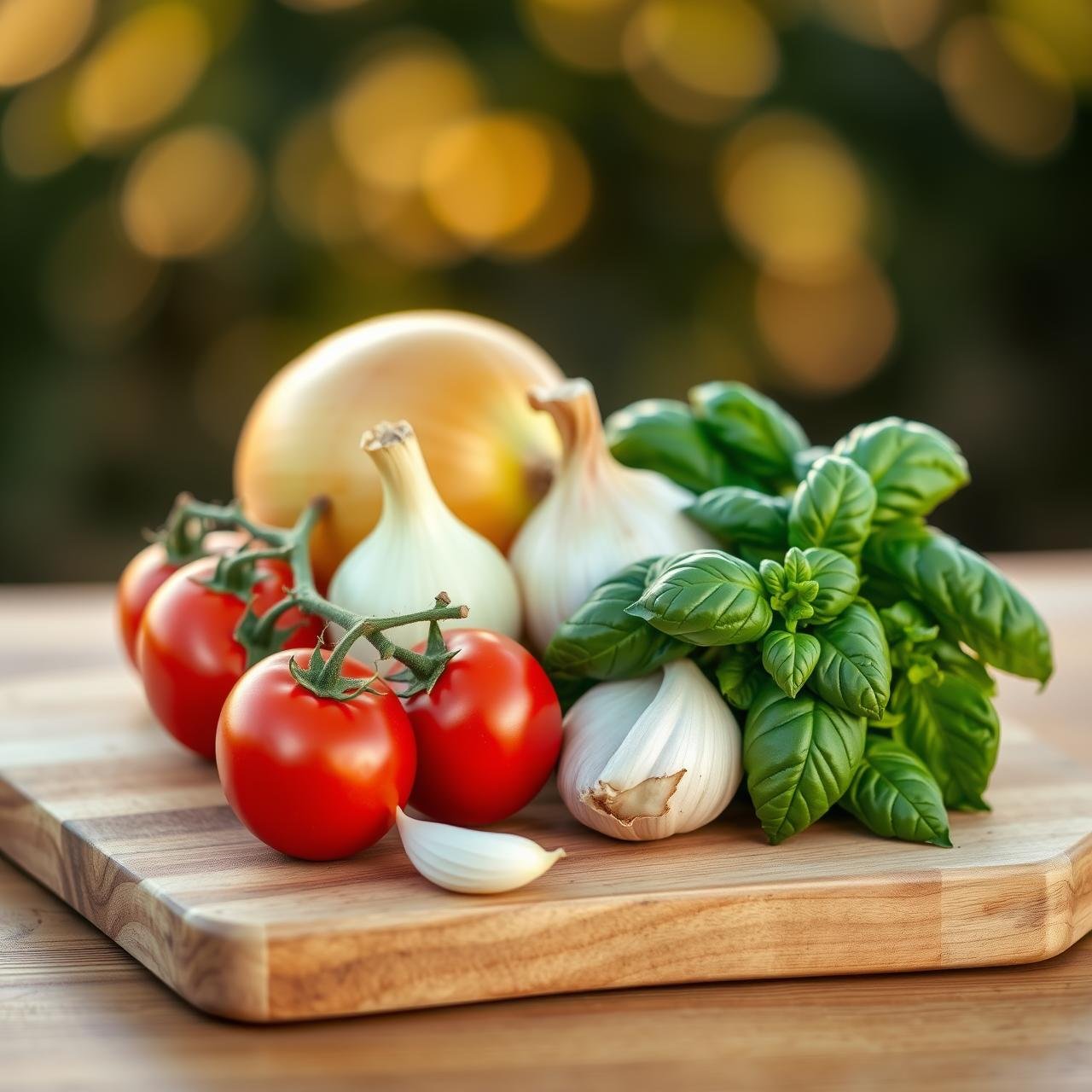
The beauty of this recipe is its reliance on simple, high-quality ingredients. The better your produce, the more spectacular your soup will be.
- Tomatoes: 2 lbs (about 900g) of ripe Roma or plum tomatoes. Their lower water content and meaty texture make them ideal for roasting, resulting in a less watery, more concentrated soup.
- Yellow Onion: 1 large, peeled and cut into wedges. It provides a sweet, aromatic foundation.
- Garlic: 5-6 cloves, left whole with their skins on. Roasting garlic this way makes it incredibly sweet, creamy, and mellow.
- Olive Oil: 3 tablespoons of good quality extra virgin olive oil, divided.
- Vegetable Broth: 3-4 cups of low-sodium vegetable broth. The amount can be adjusted depending on your desired consistency.
- Fresh Basil: 1 large bunch (about 1.5 cups packed) of fresh basil leaves. This is the soul of the soup’s fresh, herbaceous finish. Do not substitute with dried basil.
- Balsamic Vinegar: 1 teaspoon to brighten and balance the flavors at the end.
- Salt and Black Pepper: To taste. We’ll use about 1 teaspoon of salt and 1/2 teaspoon of freshly ground black pepper for the roasting process.
A Note on Vegan/Dairy-Free Options
This recipe is naturally dairy-free and can easily be made vegan by ensuring you use a certified vegan vegetable broth. The flavor is so rich on its own, you won’t miss the dairy for a second!
The 30-Minute Method: From Roasting to Blending
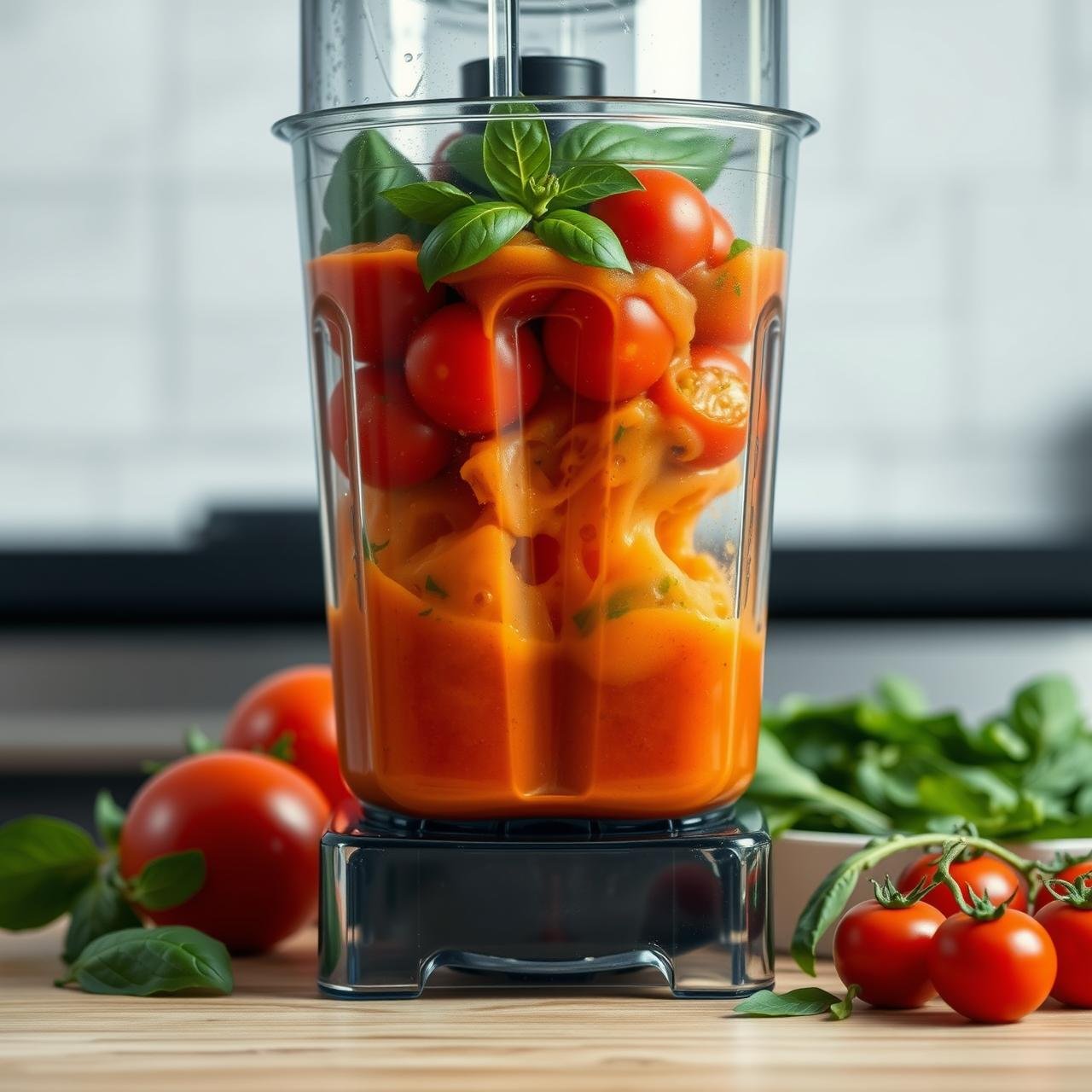
Follow these steps closely to transform your simple ingredients into a culinary masterpiece in just half an hour. The process is straightforward and deeply rewarding.
- Preheat and Prep: Preheat your oven to 400°F (200°C). Halve the tomatoes lengthwise and arrange them, cut-side up, on the rimmed baking sheet along with the onion wedges and unpeeled garlic cloves.
- Season and Roast: Drizzle the vegetables generously with 2 tablespoons of olive oil. Sprinkle evenly with 1 teaspoon of salt and 1/2 teaspoon of black pepper. Toss gently with your hands to ensure everything is coated. Roast for 20 minutes, or until the tomatoes are soft and slightly charred on the edges and the onions are tender. The aroma will be incredible!
- Cool and Peel Garlic: Remove the baking sheet from the oven. Let the garlic cloves cool for a minute until they are safe to handle. The roasted garlic will be soft and creamy; simply squeeze the cloves, and the sweet, roasted pulp will slide right out of the skins. Discard the skins.
- Combine and Blend: Transfer all the roasted vegetables (tomatoes, onions, and the squeezed garlic pulp) into your high-powered blender. Add the large bunch of fresh basil leaves. Pour in 3 cups of the vegetable broth.
- Blend Until Velvety: Secure the lid on the blender. If your blender has a vent, remove the cap and cover it with a folded kitchen towel to allow steam to escape safely. Start blending on a low speed and gradually increase to high. Blend for 1-2 minutes, or until the soup is completely smooth and velvety. (If using an immersion blender, transfer the roasted vegetables to your pot, add the basil and broth, and blend directly in the pot.)
- Simmer and Finish: Pour the blended soup into your large pot or Dutch oven. Bring it to a gentle simmer over medium heat. Let it warm through for about 5 minutes. If the soup is too thick for your liking, stir in the remaining 1 cup of broth until you reach your desired consistency.
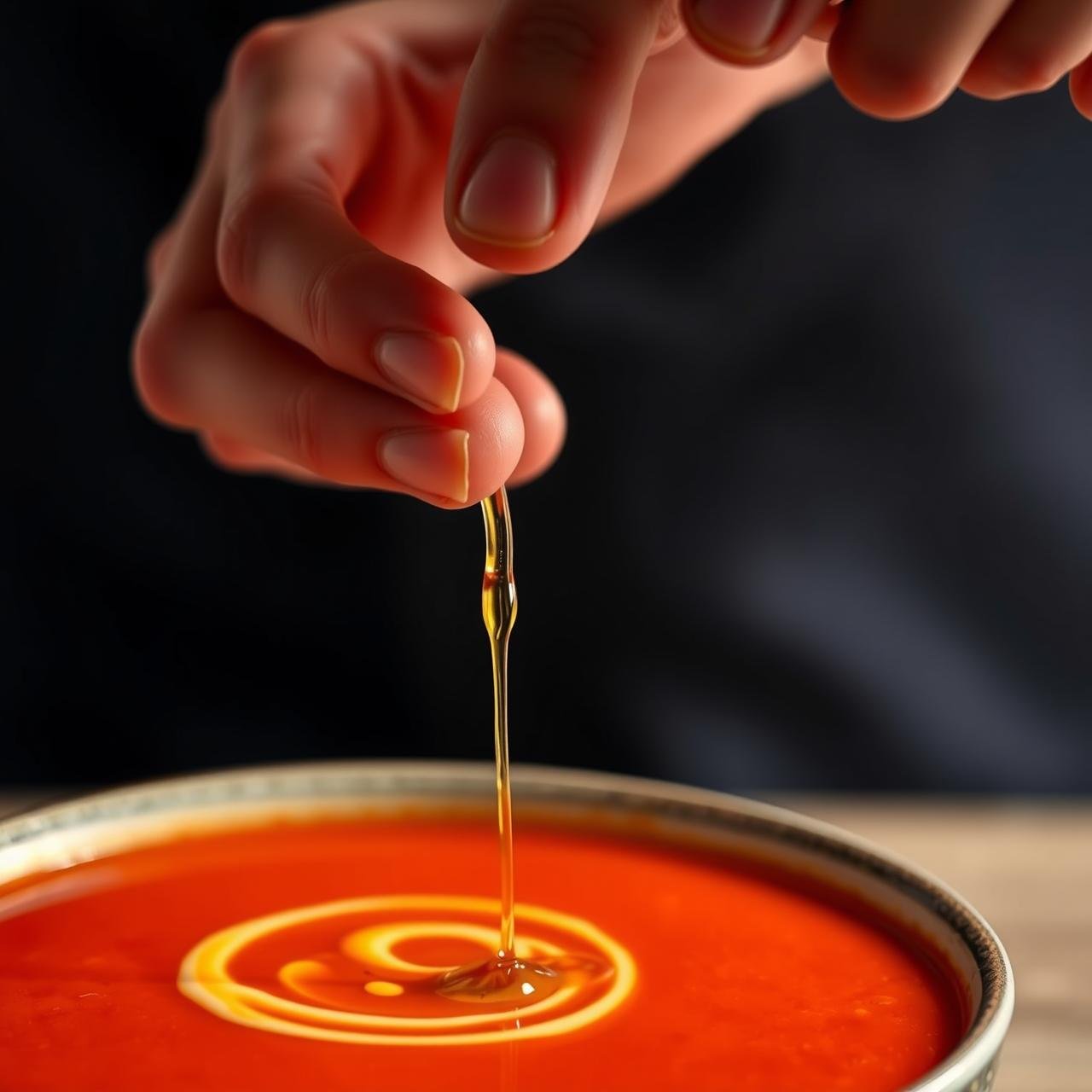
- Final Seasoning: Turn off the heat. Stir in the remaining 1 tablespoon of olive oil and the 1 teaspoon of balsamic vinegar. This final touch adds a beautiful richness and brightens all the flavors. Taste the soup and adjust with more salt and pepper if needed.
A Chef’s Secrets for the Perfect Bowl
Achieving the Perfect Texture
The power of your blender dictates the final texture. For a truly luxurious, silky feel, don’t rush the blending process. Let it run on high for a full minute or two. If you desire absolute perfection, pouring the soup through a fine-mesh sieve will remove any tiny bits of skin or seed that may have survived the blend.
Balancing Acidity
Tomatoes can vary in acidity. If your soup tastes a little too sharp, a tiny pinch of sugar or a 1/4 teaspoon of baking soda can help balance it out. The baking soda will react with the acid and may foam slightly, which is normal. Add it sparingly and taste as you go.
Flavor Variations and Add-ins
- A Touch of Heat: Add 1/4 teaspoon of red pepper flakes to the vegetables before roasting for a gentle, warming spice.
- Smoky Depth: A 1/2 teaspoon of smoked paprika added with the broth can introduce a lovely smoky dimension.
- Herbaceous Twist: While basil is classic, feel free to add a sprig of fresh thyme or rosemary to the roasting pan for another layer of aromatic complexity.
- Protein Boost: To make it a more substantial meal, stir in a can of rinsed cannellini beans or top with crispy roasted chickpeas before serving.
Nutritional Profile: A Healthy Indulgence
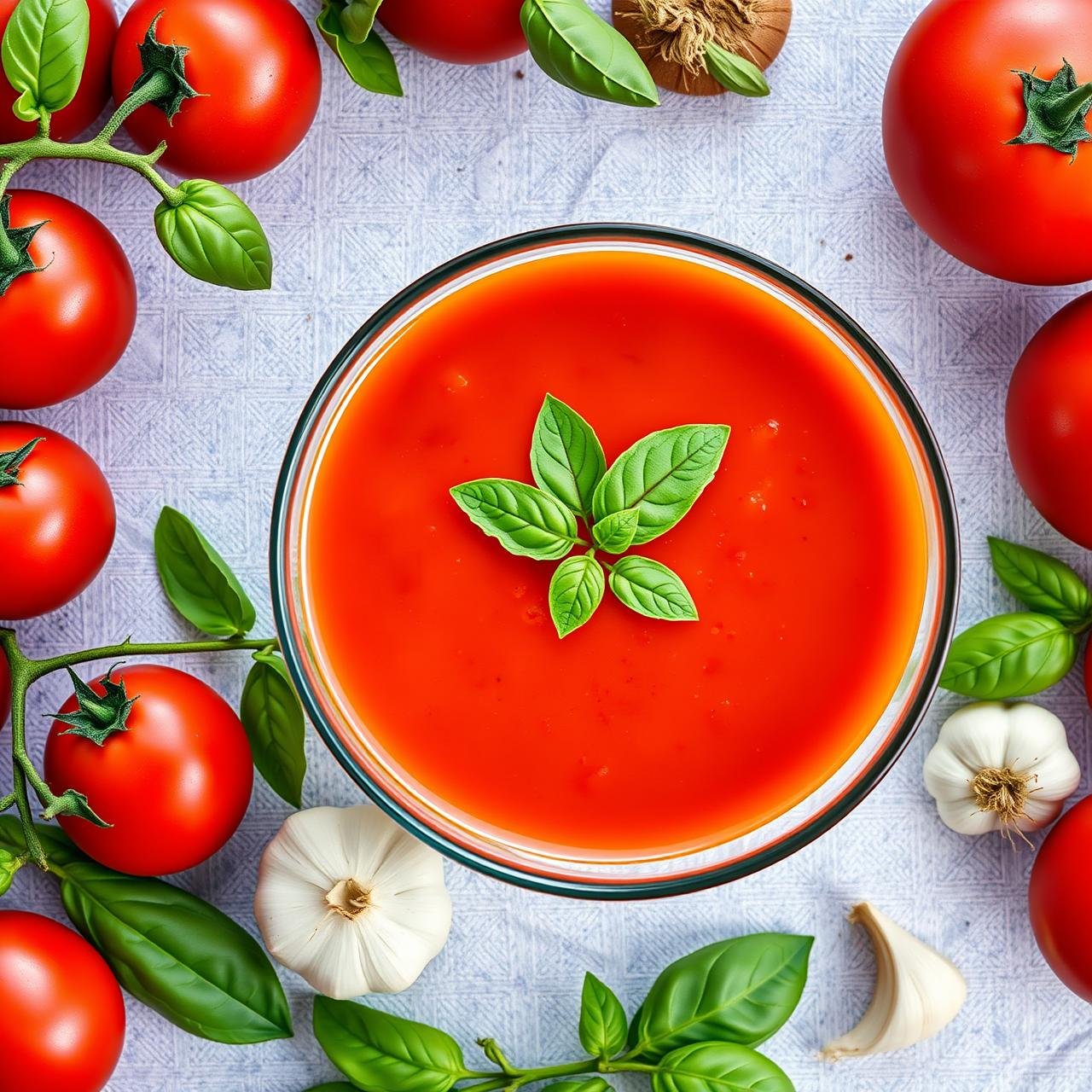
This soup is not only delicious but also packed with nutrients, thanks to its whole-food ingredients. Here is an estimated nutritional breakdown per serving (assuming the recipe makes 4 servings).
| Nutrient | Amount per Serving |
|---|---|
| Calories | ~185 kcal |
| Fat | 11g |
| Saturated Fat | 1.5g |
| Carbohydrates | 20g |
| Fiber | 5g |
| Sugars | 12g |
| Protein | 4g |
| Sodium | ~750mg (can vary with broth) |
| Vitamin C | ~40% of RDI |
| Lycopene | High |
Disclaimer: These values are estimates and can vary based on specific ingredients and portion sizes.
Storing and Reheating Your Liquid Gold
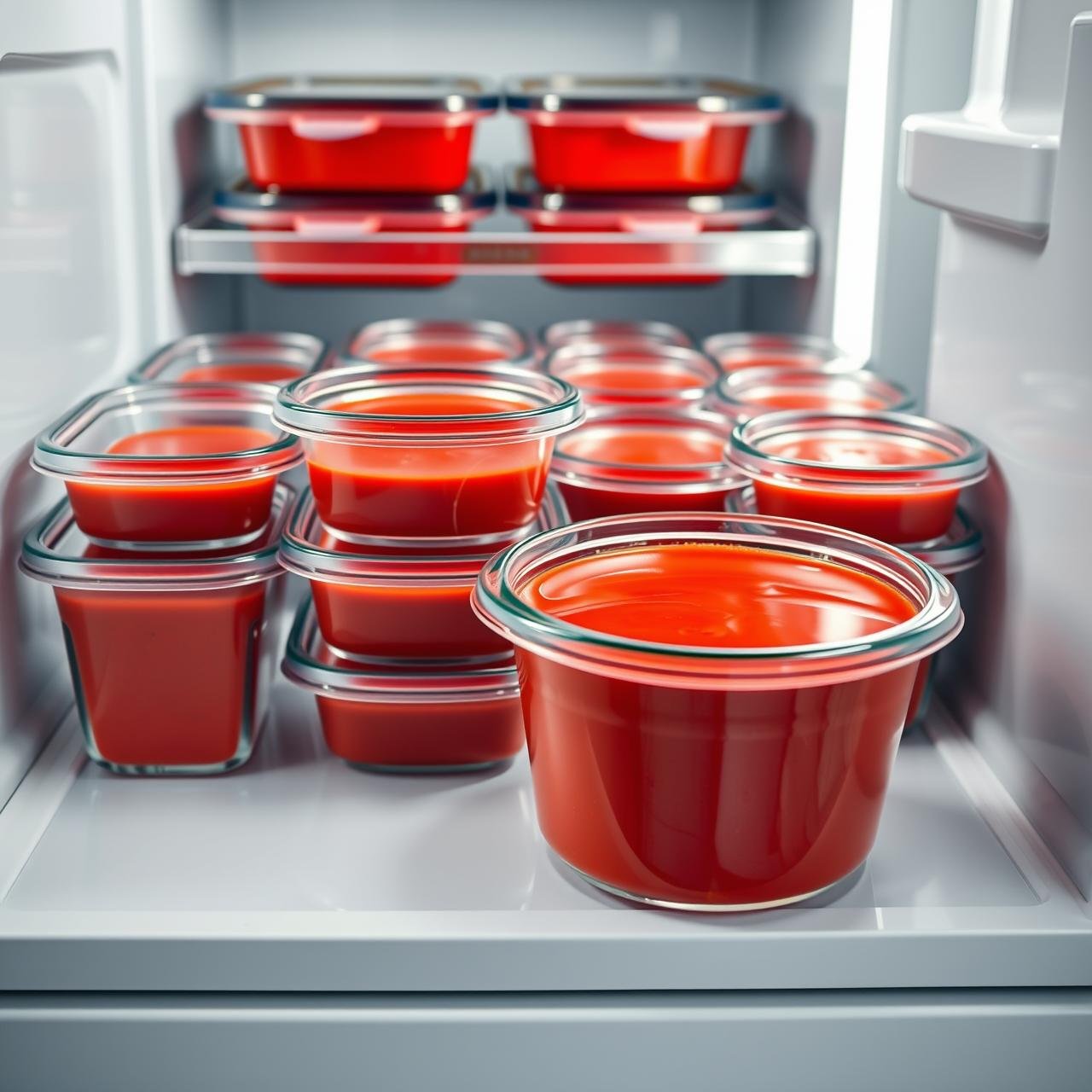
One of the best things about this soup is that the flavors continue to meld and deepen overnight, making it perfect for meal prep.
Refrigeration
Allow the soup to cool completely to room temperature. Transfer it to an airtight container and store it in the refrigerator for up to 4-5 days. Reheat gently on the stovetop over medium-low heat, stirring occasionally until warmed through. Avoid boiling, as it can alter the fresh basil flavor.
Freezing
This soup freezes beautifully! Once cooled, pour it into freezer-safe containers or heavy-duty freezer bags, leaving about an inch of headspace for expansion. It will keep well in the freezer for up to 3 months. To serve, thaw it overnight in the refrigerator and reheat on the stovetop as described above. You may need to give it a quick whisk to re-emulsify the ingredients.
Conclusion
In just 30 minutes, you’ve created a soup that is leagues beyond anything from a can. This Roasted Tomato Basil Soup is a testament to the power of technique over complicated ingredient lists. It’s rustic yet elegant, deeply flavorful yet refreshingly light, and proves that you don’t need cream to achieve a luxurious, satisfying texture. It’s a perfect, healthy meal for any season, ready to be served with a grilled cheese sandwich for a touch of nostalgia, a dollop of pesto for extra punch, or a simple piece of crusty bread to sop up every last drop. We invite you to make this recipe your own and discover the simple joy of a perfectly executed classic.