Restaurant Style Dry Fried Green Beans (Less Oil, More Flavor)
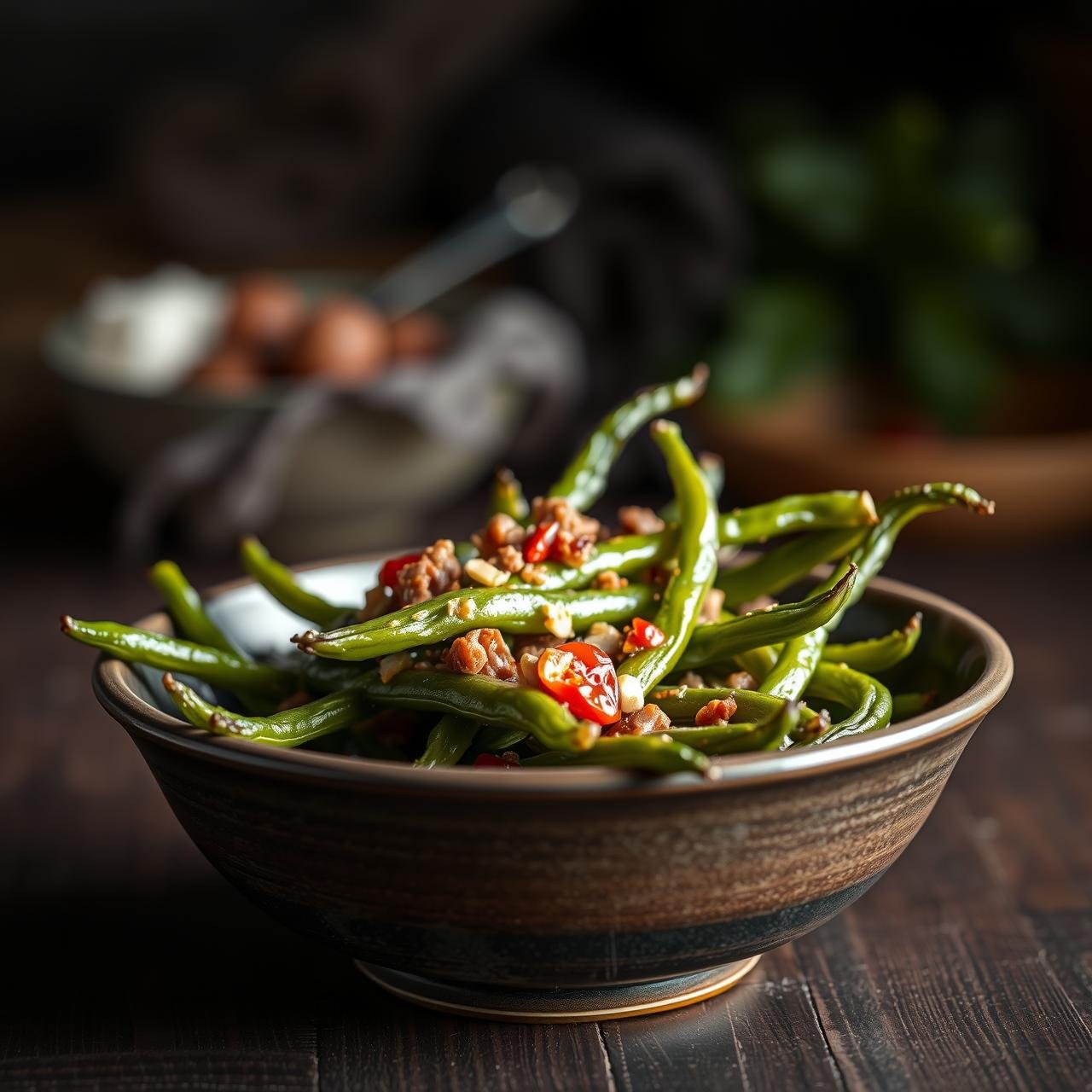
There are certain restaurant dishes that live in your memory—the ones you crave with an almost primal urgency. For me, that dish has always been Dry-Fried Green Beans, or Gan Bian Si Ji Dou. It’s a Sichuan classic known for its intensely savory, slightly spicy, and umami-rich flavor profile, all centered around green beans that are magically wrinkled, tender, and blistered. The traditional method, however, involves a formidable amount of oil, essentially deep-frying the beans to achieve that signature texture. While undeniably delicious, it’s not exactly something you’d want to make on a regular Tuesday night.
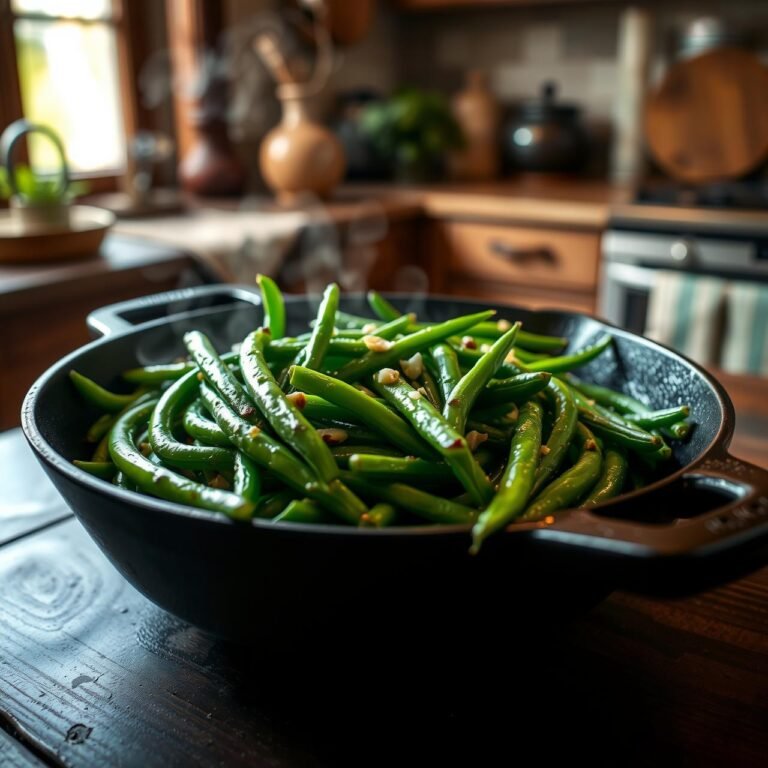
This recipe is my love letter to that iconic dish, reimagined for the home cook who values both incredible flavor and a healthier approach. We’re going to unlock the secret to achieving that perfect, wrinkly-skinned texture without a vat of hot oil. By using a technique of pan-searing or ‘dry-frying,’ we coax the moisture out of the beans, concentrating their natural sweetness and creating those delightful blisters with just a tablespoon or two of oil. The result is a dish that is every bit as satisfying as its restaurant counterpart, but lighter, brighter, and infinitely more approachable. Prepare to be amazed at how simple pantry staples can transform humble green beans into a show-stopping side dish that might just steal the spotlight from the main course.
The Magic of ‘Dry-Frying’: Less Oil, More Character
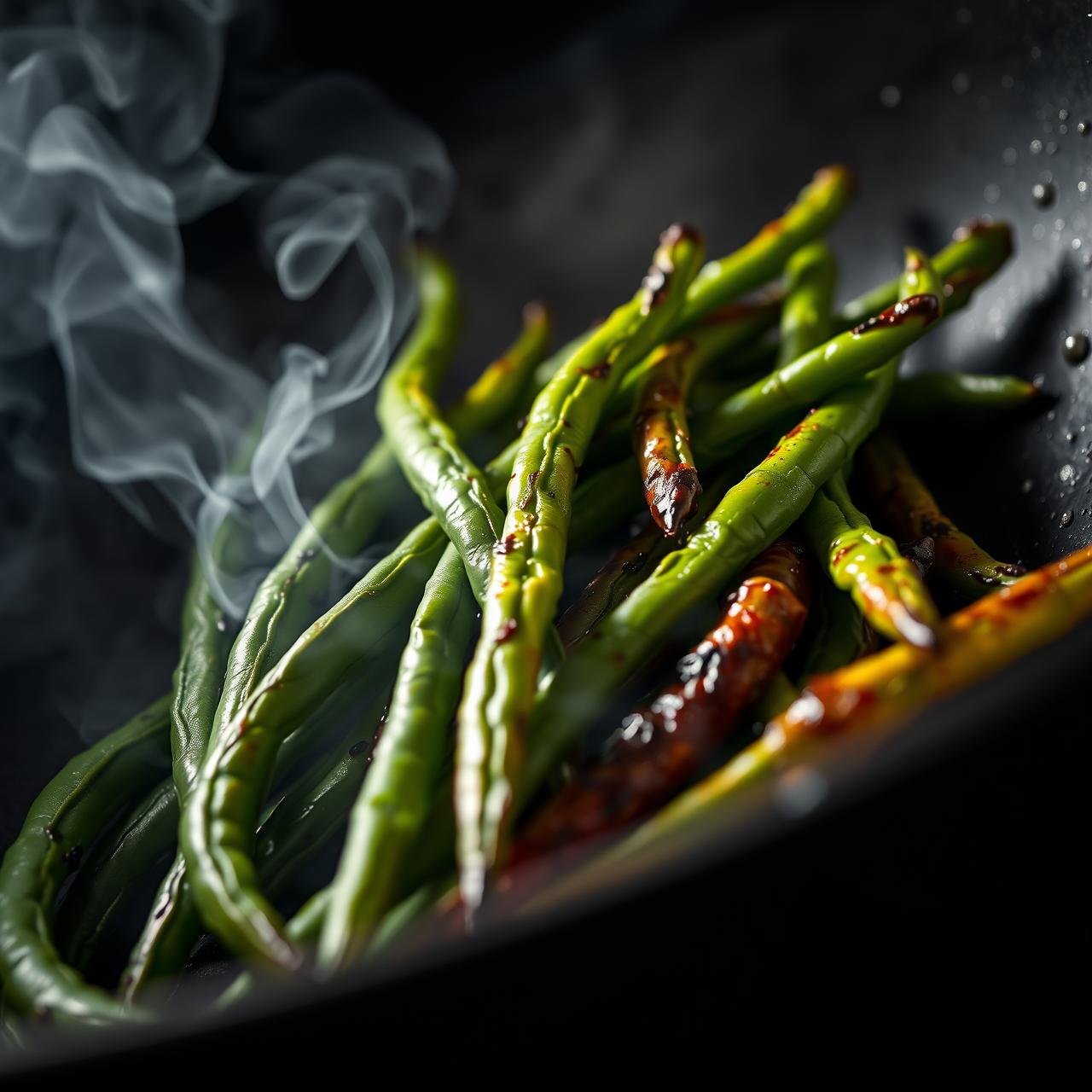
The term ‘dry-frying’ (gan bian) is the heart and soul of this recipe. It’s a cooking method that focuses on removing the internal moisture of an ingredient to intensify its flavor and alter its texture. In restaurants, this is often a quick-fry process in a large wok filled with oil. At home, we can achieve an even better result with patience and a hot pan.
Our method involves cooking the green beans over medium-high heat with minimal oil, allowing them to slowly release their water content. As the water evaporates, the skin of the beans will start to blister and wrinkle, and the bean itself becomes tender and concentrated in flavor. This process takes about 10-15 minutes, but it’s a hands-on time that is completely worth it. You’re not just cooking the beans; you’re fundamentally transforming them. This technique builds a deep, savory foundation that simply cannot be replicated by steaming or boiling. It’s this crucial step that gives the dish its characteristic texture and allows it to soak up the intensely flavorful sauce we’ll add later.
Essential Kitchen Equipment
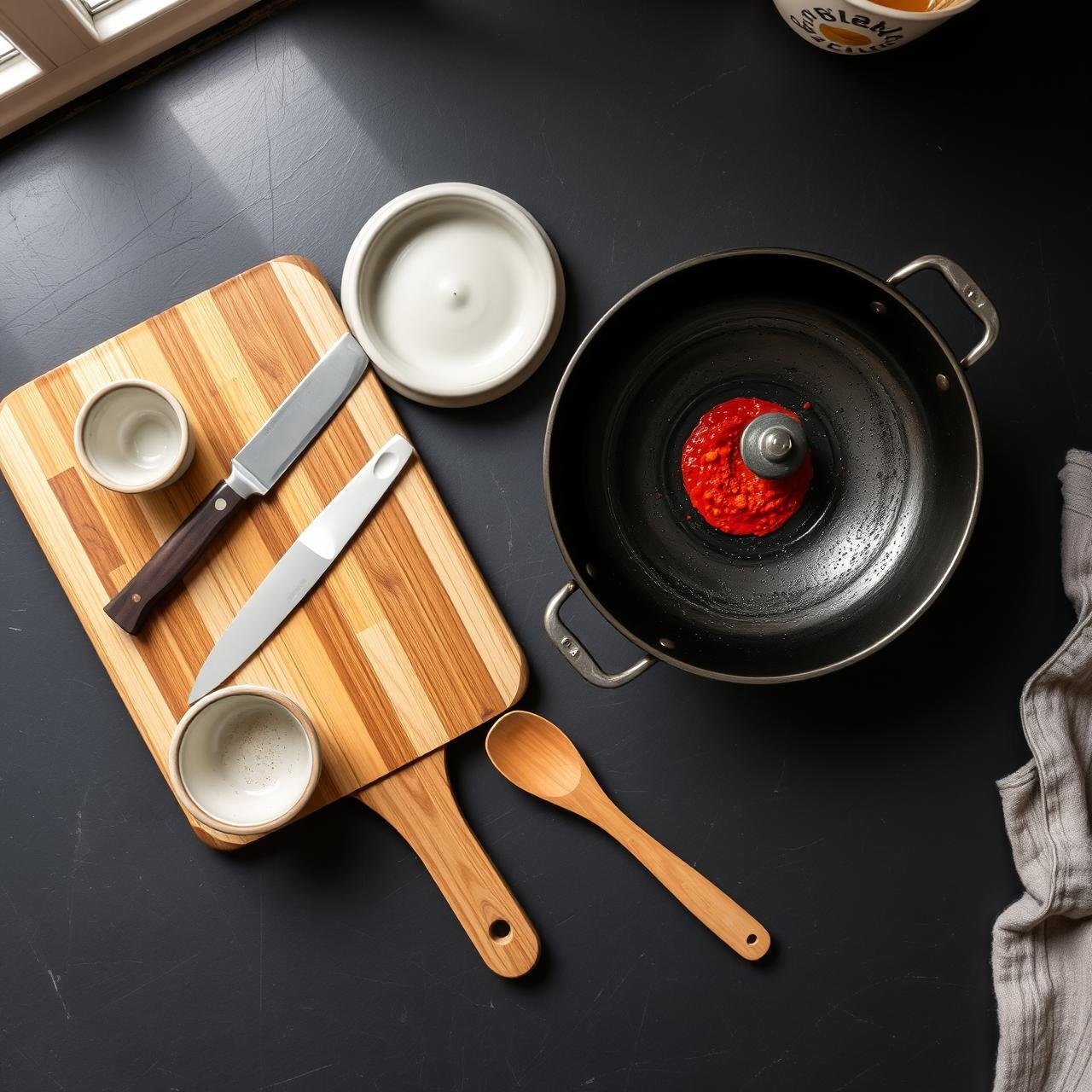
You don’t need a professional kitchen, but a few key tools will make the process smoother and yield the best results. A well-seasoned wok is traditional, but a large, heavy-bottomed skillet is an excellent substitute.
| Tool | Purpose & Notes |
|---|---|
| Large Wok or Skillet (12-inch or larger) | Provides ample surface area for the beans to fry in a single layer, which is crucial for even blistering. Cast iron or carbon steel works best for retaining high, even heat. |
| Spatula or Wok Chan | For tossing and stirring the beans and aromatics. A long-handled one is ideal for staying clear of any oil splatters. |
| Cutting Board & Sharp Knife | For all your prep work, from trimming the beans to mincing the garlic and ginger. |
| Small Bowls | For organizing your ‘mise en place’—keeping the minced aromatics, sauce mixture, and other ingredients separate and ready to go. This makes the fast-paced stir-frying process seamless. |
Gathering Your Flavor Arsenal: The Ingredients
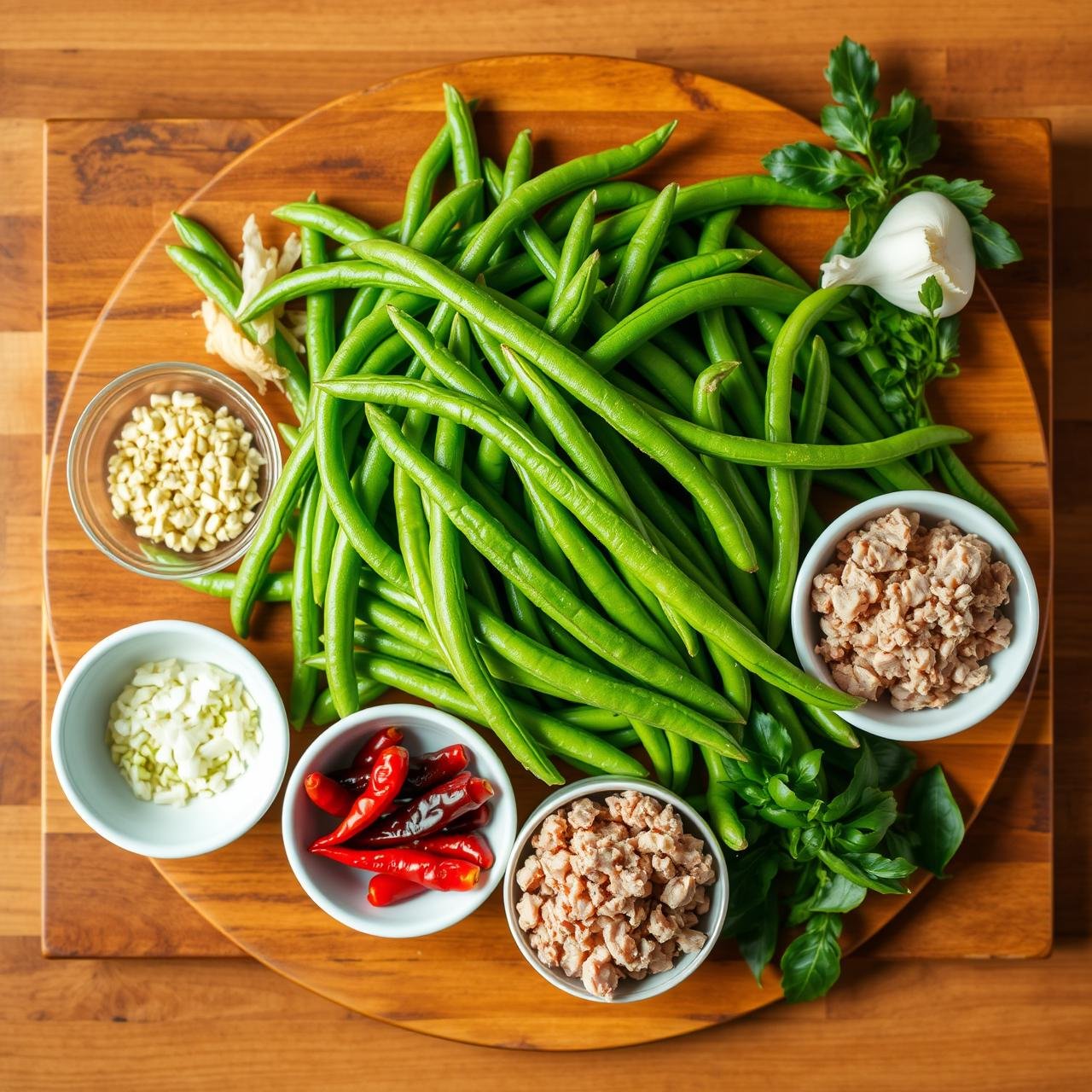
The beauty of this dish lies in its relatively simple, yet potent, list of ingredients. Each one plays a critical role in building layers of savory, spicy, and aromatic flavor.
For the Green Beans:
- 1 lb Fresh Green Beans: Look for beans that are firm, bright green, and snap easily. Thinner varieties like haricots verts work beautifully, but standard green beans are perfect too.
- 2 tbsp Avocado Oil (or other high-smoke-point oil): Divided for frying the beans and cooking the aromatics.
- 1/4 tsp Sea Salt: To draw out moisture and season the beans as they cook.
For the Aromatic Pork & Sauce:
- 4 oz Ground Pork (or ground chicken, turkey, or plant-based crumble): This adds a rich, savory depth. For a vegetarian version, see the tips section!
- 4-6 Dried Red Chilies (e.g., chiles de árbol): Snip them in half for more heat, or leave them whole for a milder flavor. Adjust to your spice preference.
- 1 tbsp Minced Garlic: About 3-4 cloves. Fresh is non-negotiable for the best flavor.
- 1 tbsp Minced Ginger: A fresh, zesty counterpoint to the garlic.
- 1 tbsp Sichuan Preserved Mustard Greens (Sui Mi Ya Cai): This is the secret ingredient! It’s a salty, tangy, umami-packed condiment that gives the dish its authentic soul. Find it at Asian markets or online. If you can’t find it, finely minced capers or olives can provide a salty kick, though the flavor will be different.
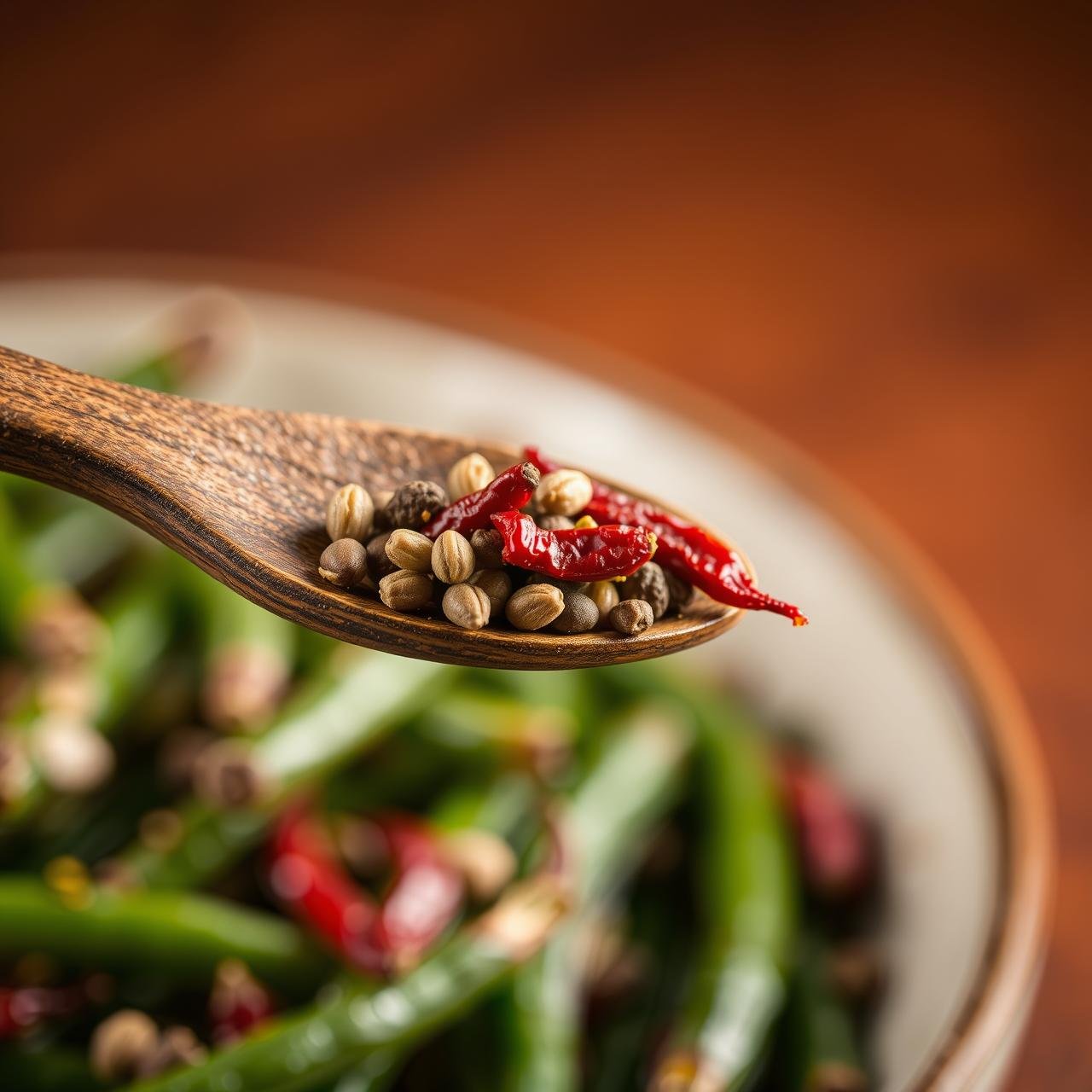
- 1 tsp Whole Sichuan Peppercorns: Optional, but highly recommended for that classic numbing ‘málà’ sensation. Toast them lightly before crushing for maximum aroma.
For the Finishing Sauce:
- 1 tbsp Soy Sauce (or tamari for gluten-free): The savory backbone.
- 1 tsp Dark Soy Sauce: Primarily for color, giving the dish a beautiful mahogany gloss.
- 1 tsp Chinkiang Black Vinegar: Adds a subtle, malty acidity that balances the richness.
- 1 tsp Granulated Sugar: Just a touch to balance the salty and spicy elements.
- 1 tbsp Shaoxing Wine: A Chinese cooking wine that adds complexity and aroma. You can substitute with dry sherry.
Step-by-Step Guide to Perfection
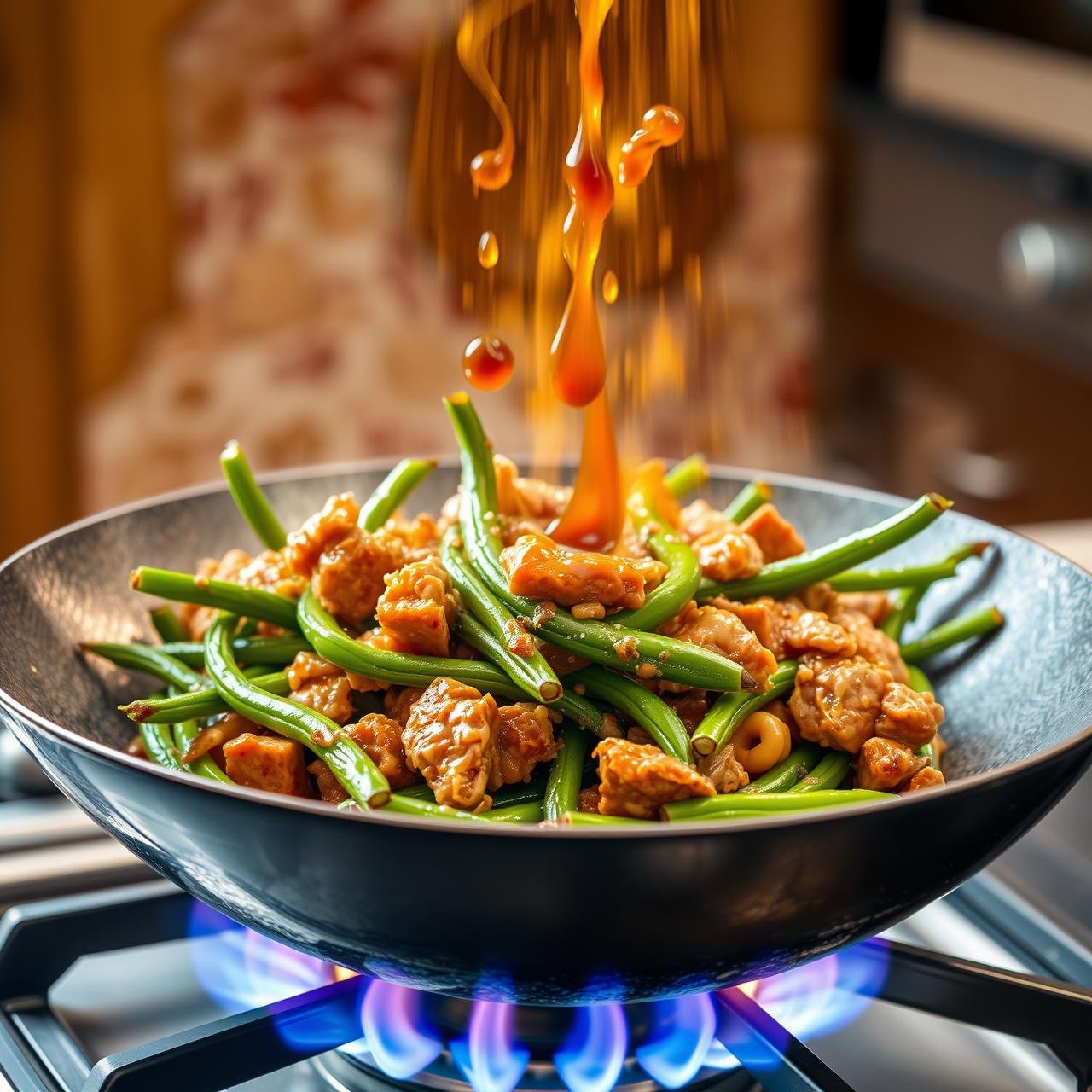
Follow these steps closely for green beans that will rival your favorite takeout spot. The key is to work in stages to build layers of flavor and texture.
- Prep Your Ingredients: Wash and thoroughly dry the green beans. This is critical—wet beans will steam instead of blister. Trim the stem ends. Mince your garlic and ginger. In a small bowl, whisk together all the ‘Finishing Sauce’ ingredients (soy sauces, vinegar, sugar, Shaoxing wine). Have all your components ready and within arm’s reach of the stove.
- Dry-Fry the Green Beans: Place your wok or large skillet over medium-high heat. Add 1 tablespoon of oil. Once shimmering, add the green beans and 1/4 teaspoon of salt. Spread them into a single layer as much as possible. Cook, tossing occasionally, for 10-15 minutes. Be patient! The beans will slowly transform, going from bright green and crisp to slightly shrunken, wrinkled, and beautifully blistered in spots. Once they’ve reached this stage, remove them from the wok and set aside on a plate.
- Cook the Aromatics and Pork: Return the same wok to medium-high heat. Add the remaining 1 tablespoon of oil. Add the ground pork and cook, breaking it up with your spatula, until it’s browned and slightly crispy, about 3-4 minutes. Drain any excess fat if necessary. Push the pork to one side of the wok.
- Bloom the Spices: Add the dried red chilies and Sichuan peppercorns (if using) to the clear side of the wok. Toast in the oil for about 30 seconds until fragrant. Be careful not to burn them. Then, add the minced garlic, ginger, and the preserved mustard greens (ya cai). Stir-fry everything together with the pork for another minute until the aromatics are fragrant and softened.
- Bring It All Together: Return the blistered green beans to the wok with the pork and aromatics. Pour the prepared ‘Finishing Sauce’ over everything. Toss vigorously for 1-2 minutes to coat every bean evenly and allow the sauce to reduce slightly, clinging to the ingredients. The dish should be glossy and aromatic.
- Serve Immediately: Transfer the dry-fried green beans to a serving platter. Enjoy them hot as a side dish or as part of a larger meal with steamed rice.
Chef’s Tips for Ultimate Flavor & Texture
Make It Vegetarian or Vegan
This dish is incredibly easy to adapt. For a vegetarian version, simply omit the ground pork. To add a similar savory texture, you can substitute with finely chopped shiitake mushrooms (sauté them until browned and crispy) or a plant-based ground meat alternative. Ensure you use a vegetarian stir-fry sauce if needed.
Don’t Crowd the Pan
This is the golden rule of achieving a good blister. If you overload your wok or skillet, the green beans will steam in their own moisture instead of frying. If your pan isn’t large enough to hold the beans in a loose single layer, it’s better to fry them in two separate batches. The extra few minutes are well worth the superior texture.
Control the Heat
While high heat is important for stir-frying, the initial blistering of the beans works best over a steady medium-high heat. This gives them time to release their moisture and wrinkle up without burning on the outside before the inside is tender. Once you add the sauce at the end, you can crank the heat to high to get a quick, beautiful glaze.
The Importance of Dry Beans
It bears repeating: your green beans must be completely dry before they hit the hot oil. Use a salad spinner after washing or pat them thoroughly with a clean kitchen towel. Water is the enemy of blistering and will cause the oil to splatter dangerously.
Nutritional Information (Estimated)
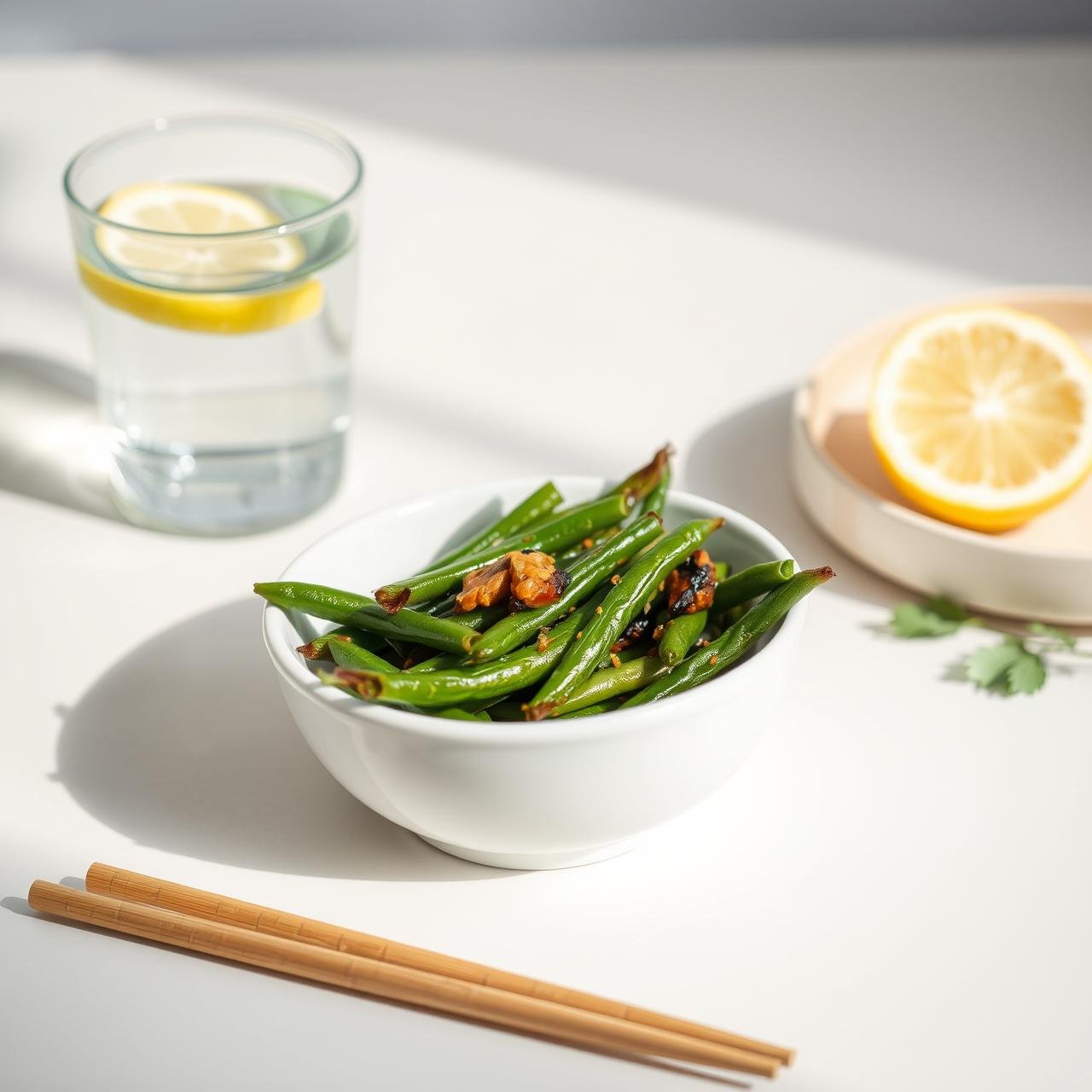
This estimation is for one of four servings, based on the ingredients listed. Actual values may vary depending on specific ingredients used.
| Nutrient | Amount per Serving |
|---|---|
| Calories | ~210 kcal |
| Protein | ~8g |
| Carbohydrates | ~15g |
| Fiber | ~5g |
| Fat | ~13g |
| Sodium | ~550mg |
Storing and Reheating for Best Results
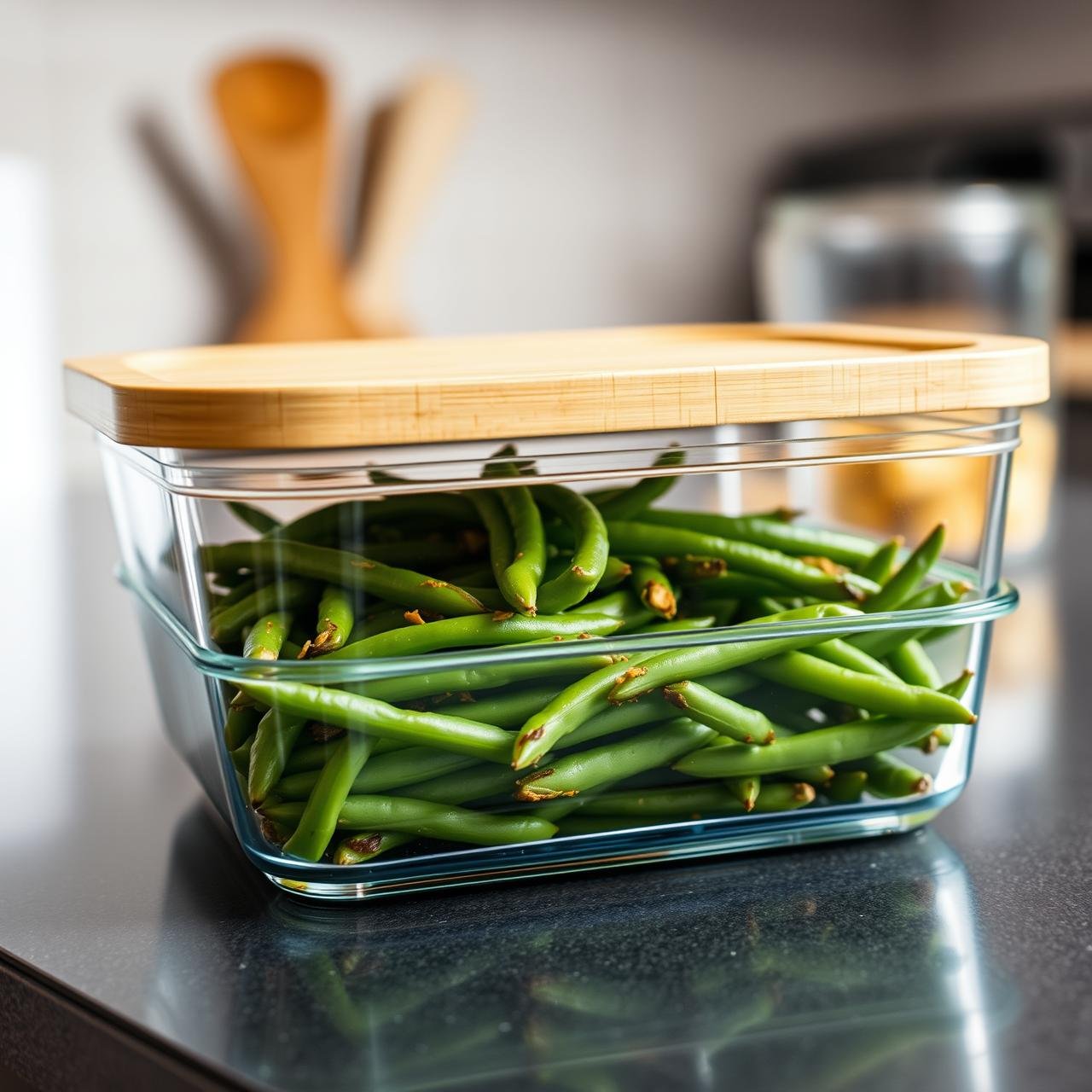
While these green beans are undeniably best when served fresh from the wok, they still make for fantastic leftovers. Here’s how to handle them:
- Storage: Allow the green beans to cool completely to room temperature. Store them in an airtight container in the refrigerator for up to 3 days.
- Reheating: The microwave can make the beans soft and rob them of their signature texture. The best way to reheat them is in a hot skillet or wok over medium-high heat. Add them to the dry pan and toss for 2-3 minutes until they are heated through. This helps to revive some of the blistered texture. You can add a tiny splash of water or oil if they seem too dry.
Conclusion
Mastering Restaurant-Style Dry-Fried Green Beans at home is more than just learning a recipe; it’s about embracing a technique that transforms a simple vegetable into something truly extraordinary. By trading the deep fryer for a patient pan-fry, you not only create a healthier dish but also gain a deeper appreciation for the layers of flavor you can build from scratch. The savory pork, the aromatic garlic and ginger, the tingly Sichuan peppercorns, and the irreplaceable umami of ya cai all come together to dress the perfectly blistered beans in a symphony of flavor. This is a dish that proves that mindful cooking doesn’t mean sacrificing an ounce of taste. It’s a versatile side that stands proudly on its own and a technique you’ll return to time and time again. So go ahead, fire up your wok, and bring the irresistible allure of Sichuan cooking into your own rustic, homestyle kitchen.