Low Carb Flank Steak Pinwheels Stuffed With Garlic Spinach
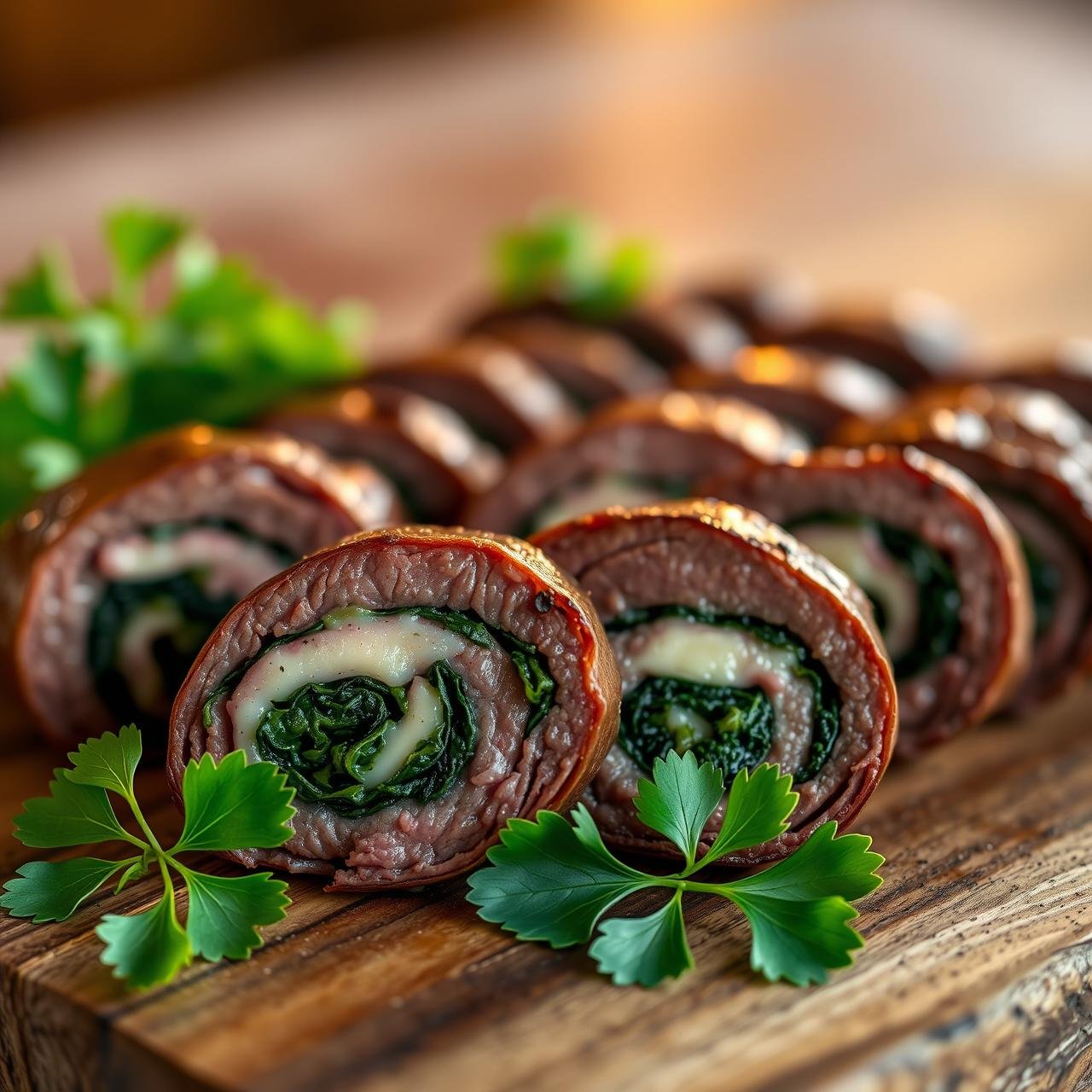
There are certain dishes that feel both rustically comforting and impressively elegant, meals that can grace a weeknight dinner table or star at a festive gathering. These Low Carb Flank Steak Pinwheels, stuffed to the brim with a luscious garlic and spinach filling, are precisely that kind of culinary magic. Imagine a tender flank steak, carefully butterflied and pounded thin, creating the perfect canvas for a rich tapestry of flavors. We’re talking about vibrant, wilted spinach, sautéed with a generous hand of garlic, then blended with creamy ricotta, sharp Parmesan, and chewy, savory sun-dried tomatoes. This glorious mixture is spread over the steak, which is then rolled into a tight spiral, sliced into thick, beautiful pinwheels, and seared to a deep, mahogany crust before being finished in the oven. The result? A mouth-watering, juicy, and profoundly flavorful main course that is as satisfying to the palate as it is kind to your low-carb lifestyle. It’s a testament to the fact that healthy, clean eating can be incredibly decadent and deeply gratifying.
The Homestyle Elegance of Flank Steak
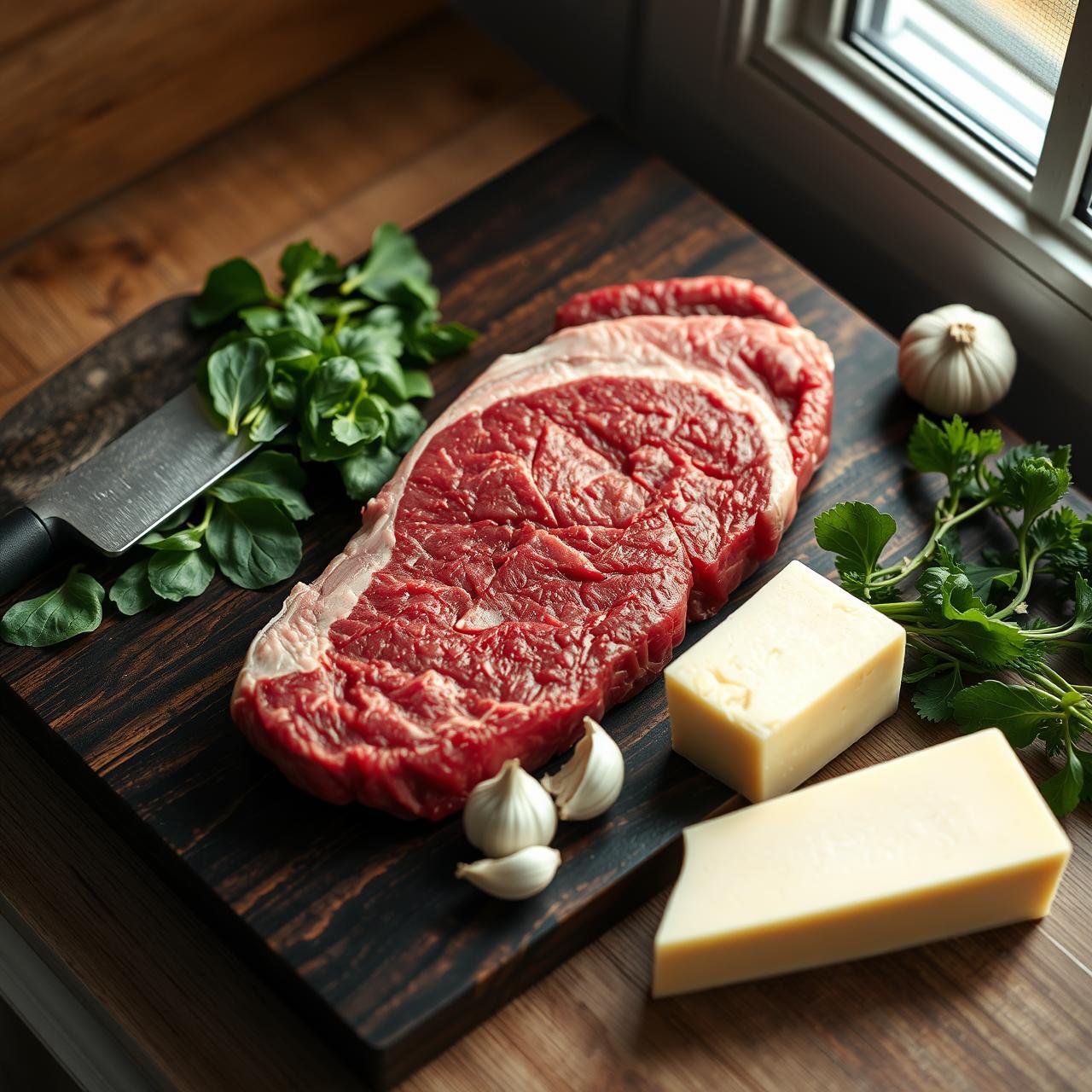
Before we dive into the heart of the recipe, let’s take a moment to appreciate our star ingredient: the flank steak. This lean, flavorful cut comes from the abdominal muscles of the cow. While it can be tough if not prepared correctly, its long muscle fibers make it the ideal candidate for butterflying and rolling. When you slice it against the grain, as we do with these pinwheels, you unlock an incredible tenderness. It’s a budget-friendly cut that, with a little technique, transforms into a gourmet experience. By pounding it thin, we not only tenderize the meat but also create a larger surface area, ensuring that every single bite is packed with that incredible garlic-spinach and cheese filling. This method turns a humble steak into a show-stopping centerpiece.
Essential Kitchen Tools for Pinwheel Perfection
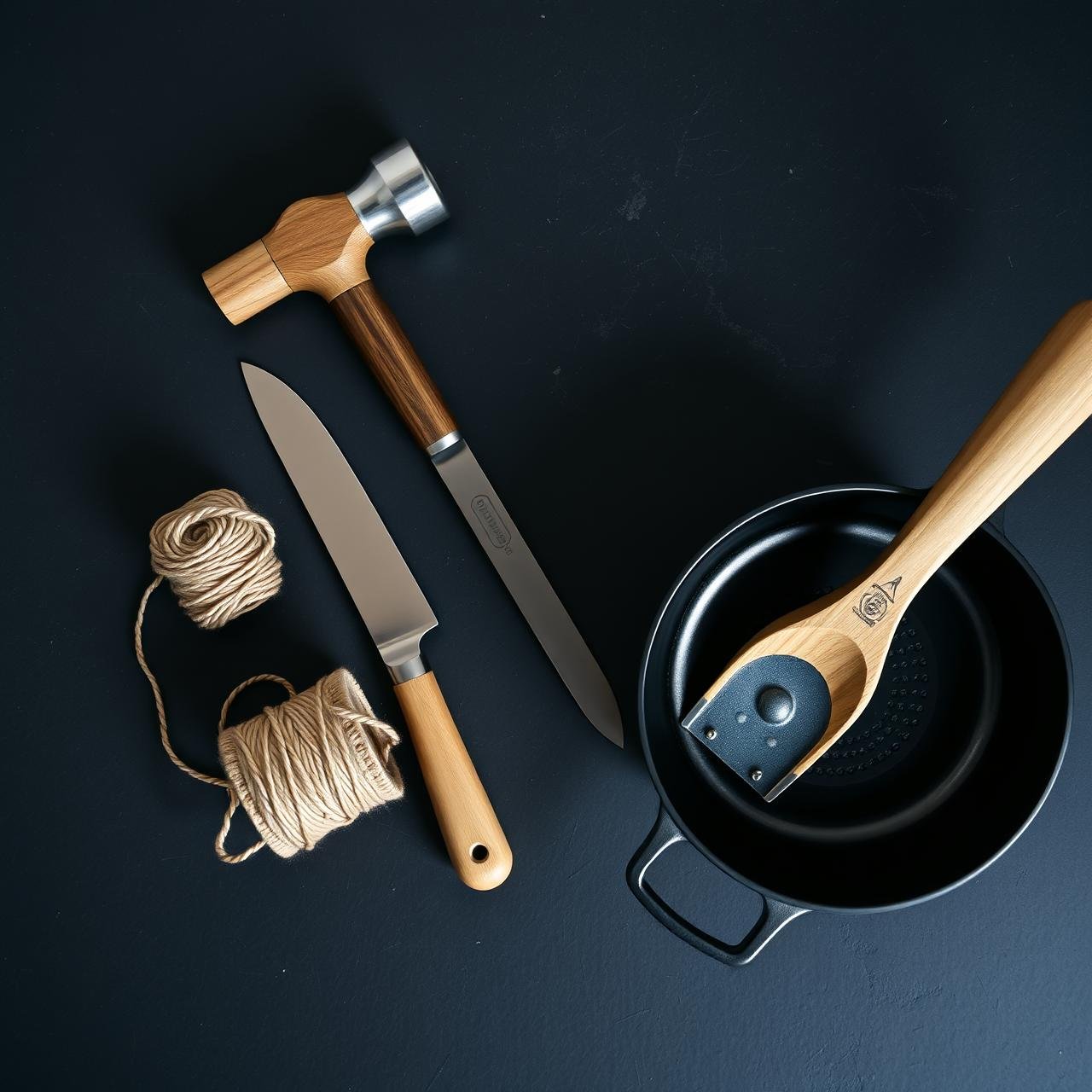
Gathering your tools before you begin is a classic chef’s move (mise en place!) that ensures a smooth and enjoyable cooking process. You don’t need anything overly specialized, just a few kitchen workhorses.
| Tool | Purpose |
|---|---|
| Large Cutting Board | Provides a stable surface for butterflying, pounding, and rolling the steak. |
| Sharp Chef’s Knife or Boning Knife | Crucial for carefully butterflying the steak without piercing through. |
| Meat Mallet or Tenderizer | For pounding the steak to an even thickness, ensuring it cooks uniformly and is tender. |
| Large Sauté Pan or Skillet (Oven-Safe) | For sautéing the spinach filling and searing the pinwheels. An oven-safe model streamlines the process. |
| Butcher’s Twine | Absolutely essential for tying the rolled steak securely so the pinwheels hold their beautiful shape. |
| Mixing Bowls | For preparing and combining the filling ingredients. |
| Kitchen Tongs | For safely handling and turning the hot pinwheels in the skillet. |
Gathering Your Wholesome Ingredients
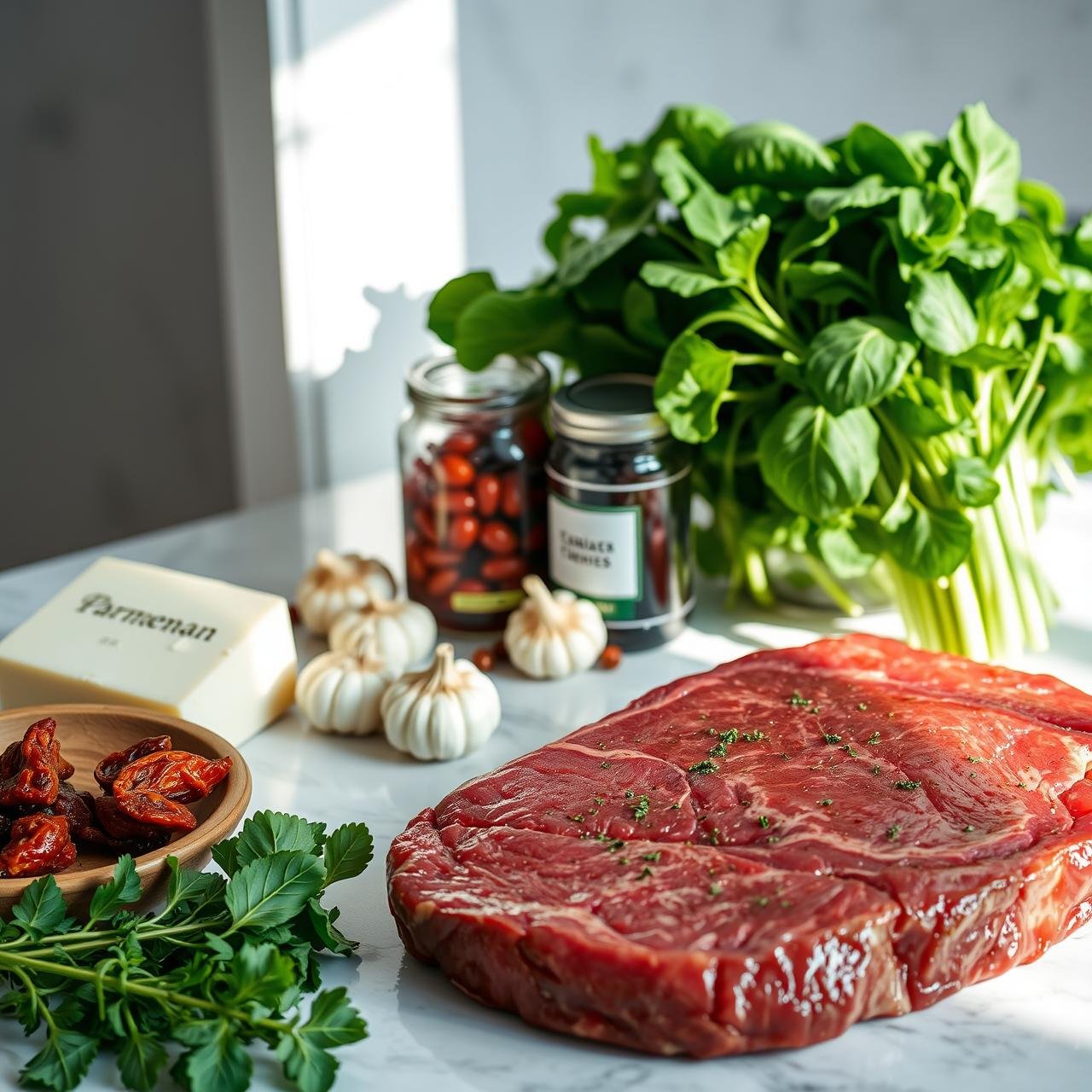
The quality of your ingredients will shine through in the final dish. Opt for fresh, vibrant produce and good quality cheese for the most mouth-watering results.
For the Steak & Filling:
- 1 large flank steak (approx. 2 pounds), trimmed of excess fat
- 1 tbsp olive oil
- 1 medium yellow onion, finely chopped
- 4-6 cloves garlic, minced (use more if you’re a garlic lover!)
- 10 oz fresh spinach, washed thoroughly
- 1/2 cup whole-milk ricotta cheese, strained of excess moisture
- 1/2 cup grated Parmesan cheese, plus extra for garnish
- 1/4 cup oil-packed sun-dried tomatoes, drained and finely chopped
- 1 tsp dried oregano
- 1/2 tsp red pepper flakes (optional, for a little heat)
- 1 tsp coarse sea salt
- 1/2 tsp freshly ground black pepper
For Searing & Finishing:
- 2 tbsp avocado oil or other high-heat oil
- 2 tbsp unsalted butter
- 2 sprigs fresh thyme (optional)
The Art of the Pinwheel: A Step-by-Step Guide
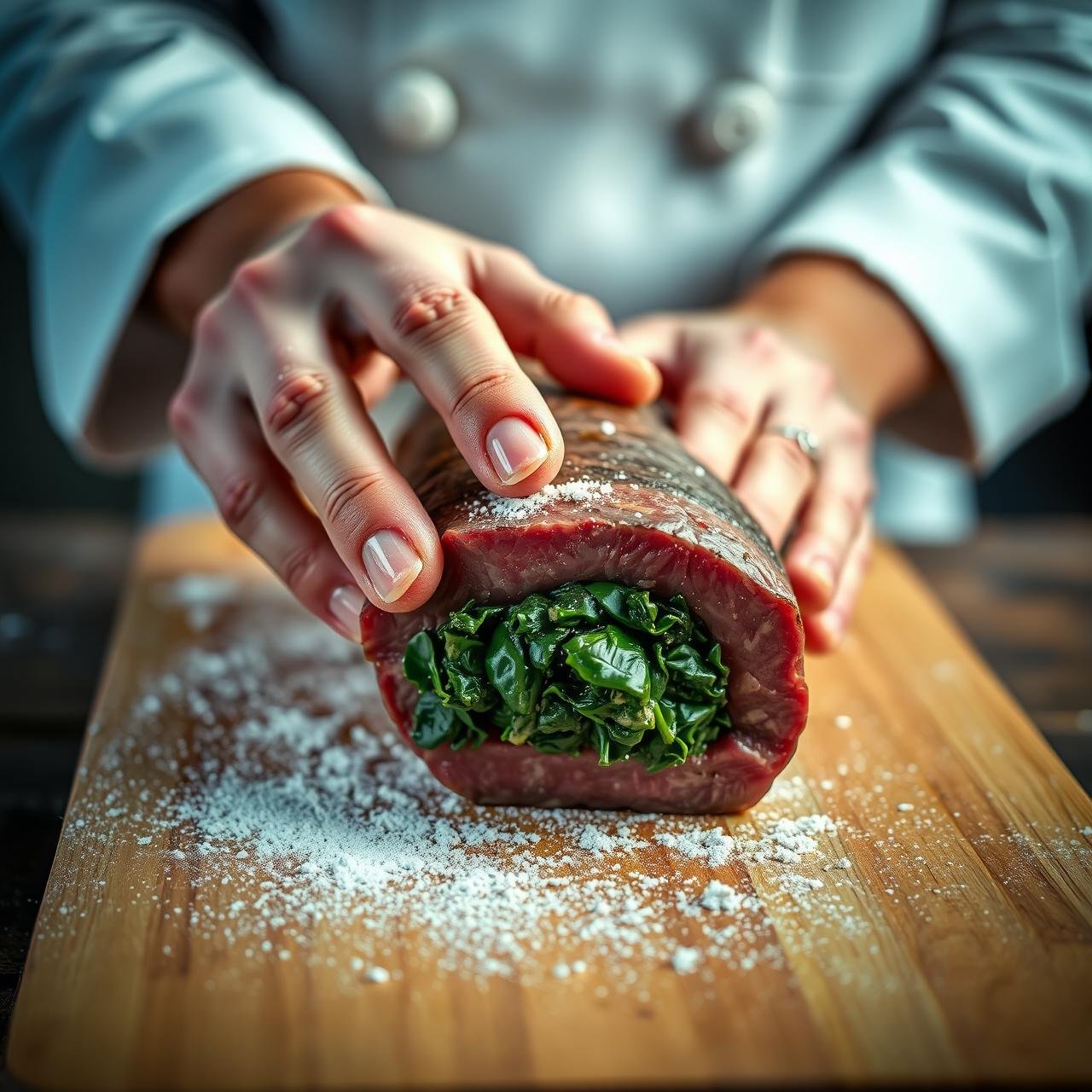
Follow these steps closely, and you’ll be rewarded with picture-perfect, incredibly delicious steak pinwheels. Take your time with the preparation; it’s a labor of love that pays off handsomely.
-
Prepare the Steak Canvas
Lay the flank steak on your large cutting board. To butterfly it, hold your sharp knife parallel to the cutting board and carefully slice through the middle of the steak horizontally, stopping about an inch from the opposite edge. Open the steak up like a book. Place a sheet of plastic wrap over the opened steak and, using the flat side of a meat mallet, pound it gently and evenly until it’s about 1/4 to 1/2-inch thick. This creates a large, even rectangle and tenderizes the meat. Season both sides generously with salt and pepper.
-
Create the Savory Garlic Spinach Filling
In your large skillet, heat the olive oil over medium heat. Add the finely chopped onion and sauté for 3-4 minutes until softened and translucent. Add the minced garlic and red pepper flakes (if using) and cook for another minute until fragrant—be careful not to burn the garlic. Add the fresh spinach to the pan in batches, allowing it to wilt down before adding more. Cook until all the spinach is wilted and the excess moisture has cooked off. This is key to avoiding a watery filling. Remove the spinach mixture from the heat and let it cool slightly. Squeeze out any remaining excess liquid with your hands or by pressing it in a fine-mesh sieve. Chop the cooked spinach mixture finely. In a mixing bowl, combine the chopped spinach, ricotta cheese, Parmesan cheese, chopped sun-dried tomatoes, and dried oregano. Mix until well combined and season with a pinch of salt and pepper to taste.
-
Assemble and Roll the Masterpiece
Spread the spinach and cheese filling evenly over the surface of the pounded steak, leaving a 1-inch border along one of the long edges. Starting from the opposite long edge, tightly roll the steak into a log. The border you left clean will help seal the roll. Have several pieces of butcher’s twine ready. Tie the steak log securely at 1.5 to 2-inch intervals to ensure it holds its shape during cooking.
-
Slice and Sear to Perfection
Using your sharp chef’s knife, slice the log between the pieces of twine into 8-10 thick pinwheels. Preheat your oven to 400°F (200°C). Heat the avocado oil in your oven-safe skillet over medium-high heat until it shimmers. Carefully place the pinwheels, cut-side down, into the hot pan. Sear for 2-3 minutes per side, until a beautiful, deep-brown crust forms. Don’t overcrowd the pan; work in batches if necessary. Once seared, return all pinwheels to the skillet. Top with the butter and thyme sprigs.
-
Finish in the Oven and Rest
Transfer the skillet to the preheated oven. Roast for 8-12 minutes for medium-rare to medium, depending on the thickness of your pinwheels. Use a meat thermometer for accuracy: 130-135°F for medium-rare, 140-145°F for medium. Remove the skillet from the oven and transfer the pinwheels to a clean cutting board. Let them rest for at least 5-10 minutes. This allows the juices to redistribute, ensuring a tender, moist steak. Snip off the butcher’s twine before serving.
Chef’s Secrets for Flawless Pinwheels
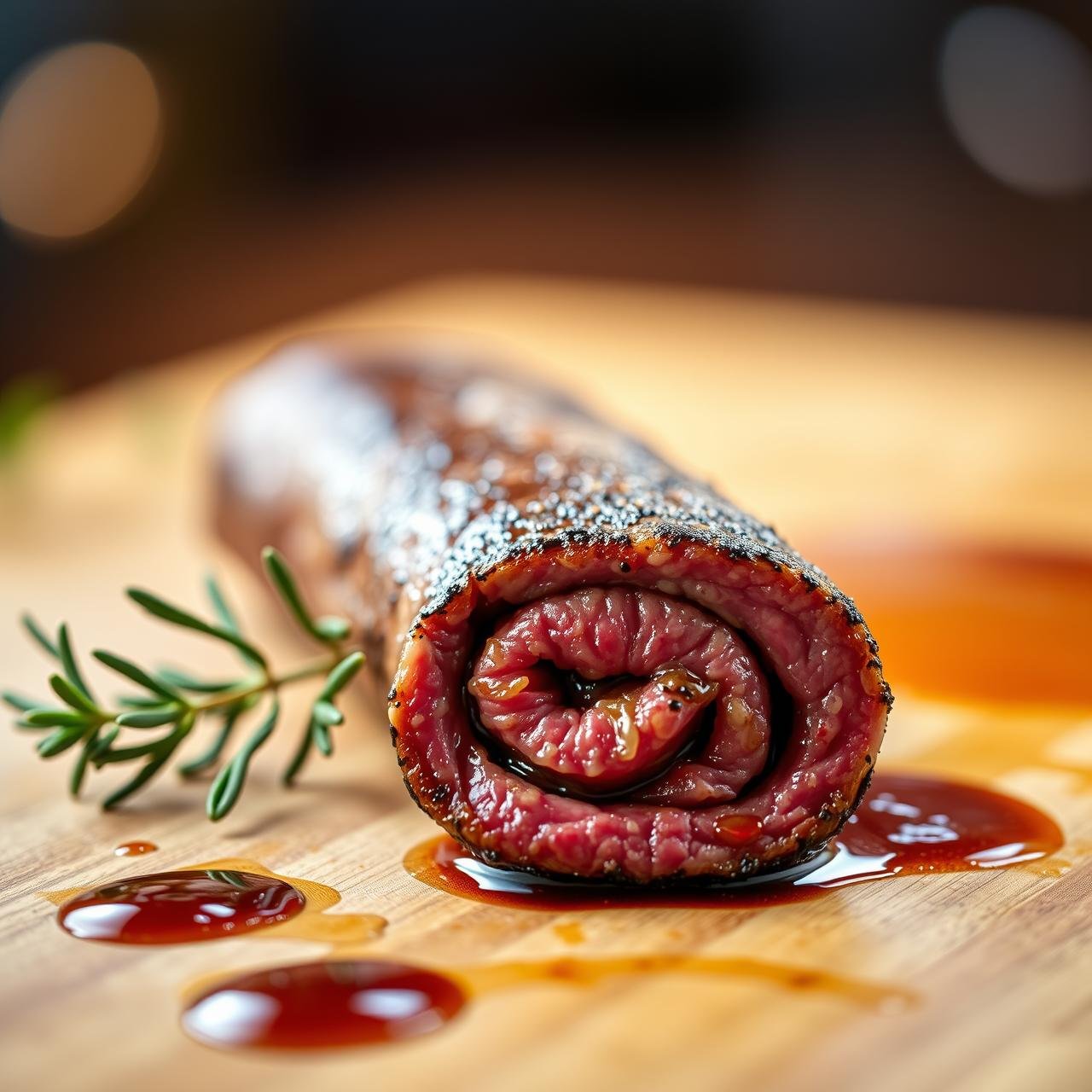
Avoid a Watery Filling
The number one enemy of a great pinwheel is a soggy filling that leaks out during cooking. The secret is to remove as much moisture as possible from the spinach. After wilting, let it cool and then place it in a clean kitchen towel or cheesecloth and wring it out with all your might. You’ll be amazed at how much water comes out. This step is non-negotiable for a perfect result.
Don’t Skip the Sear
That beautiful, dark crust you get from searing isn’t just for looks; it’s a critical flavor-building step known as the Maillard reaction. Searing the pinwheels in a hot pan before they go into the oven locks in the juices and creates a deep, savory, roasted flavor that you can’t achieve through baking alone. Ensure your pan is properly hot before adding the steak.
The Importance of Resting
I cannot overstate this: you must let your meat rest after cooking. When steak cooks, the muscle fibers tighten and push the juices toward the center. Letting it rest allows those fibers to relax and the juices to redistribute throughout the meat. If you slice into it immediately, all that delicious flavor will pour out onto your cutting board. Tent the pinwheels loosely with foil and give them a good 5-10 minutes. Patience is a virtue, especially in the kitchen.
Tying is Tidy
While it might seem like an extra, fussy step, tying the roll with butcher’s twine is essential. It keeps the roll compact, prevents the filling from spilling out, and ensures the pinwheels maintain their beautiful spiral shape as they cook. The presentation will be a hundred times better, and they will cook more evenly.
Nutritional Information (Estimated)
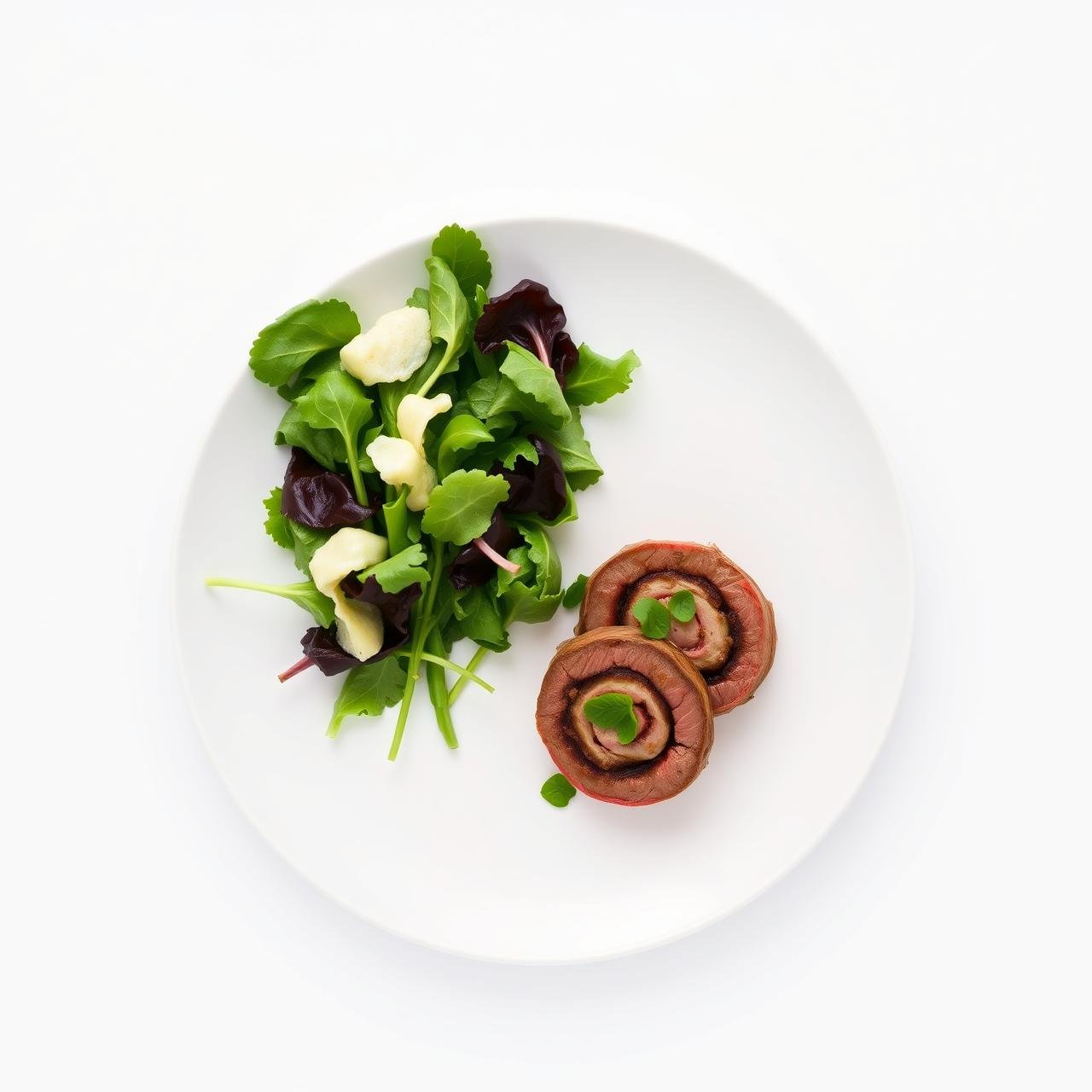
This recipe is designed to be rich in protein and healthy fats while being very low in carbohydrates, making it an excellent choice for those following a keto or low-carb diet. The values below are an estimate per pinwheel, assuming the recipe yields 8 pinwheels.
| Nutrient | Amount per Serving |
|---|---|
| Calories | ~380 kcal |
| Protein | ~35g |
| Fat | ~25g |
| Saturated Fat | ~10g |
| Carbohydrates | ~4g |
| Fiber | ~1g |
| Net Carbs | ~3g |
| Sugar | ~1g |
| Sodium | ~450mg |
Perfect Pairings and Serving Suggestions
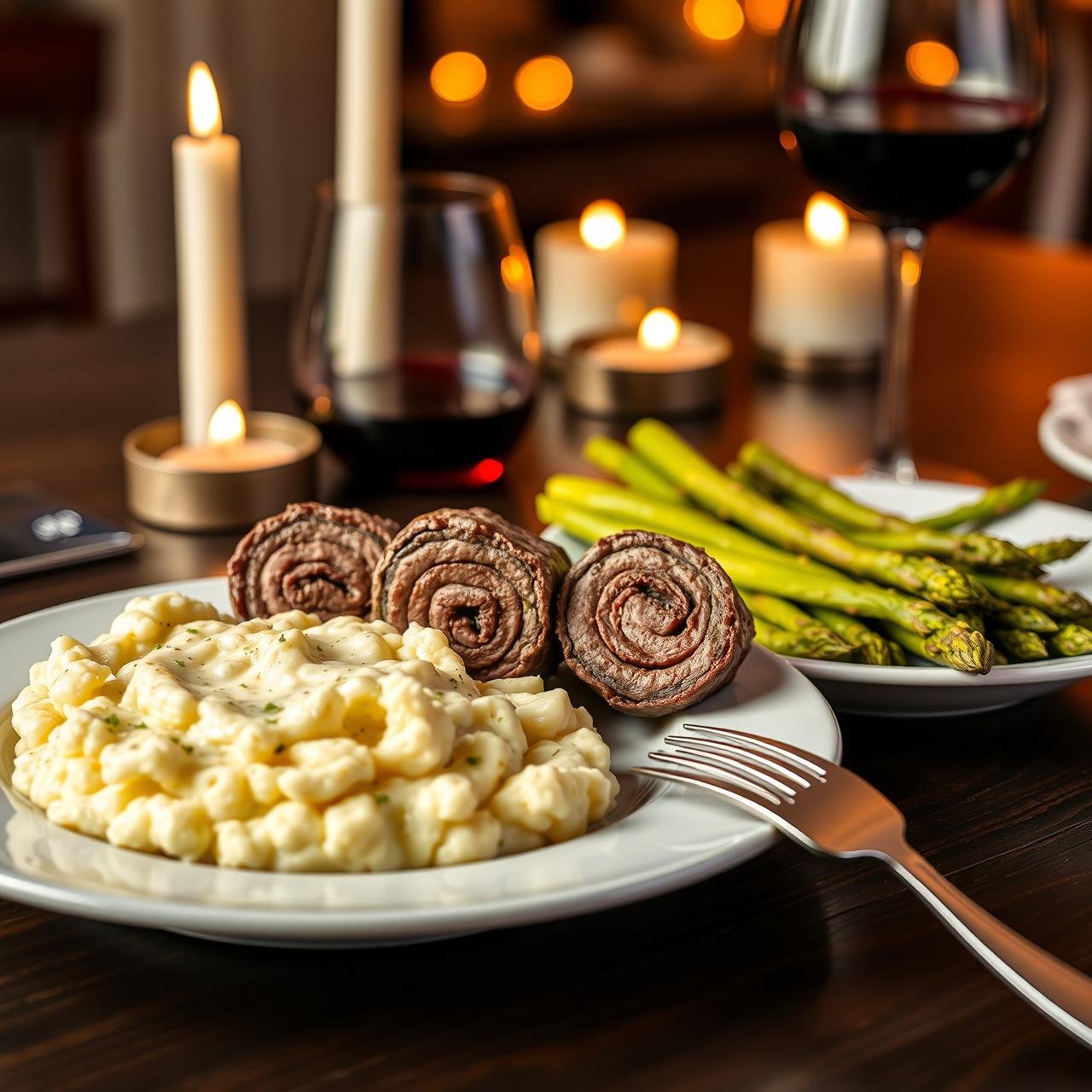
These robustly flavored pinwheels stand beautifully on their own, but they also pair wonderfully with a variety of low-carb side dishes to create a complete and satisfying meal.
- Creamy Cauliflower Mash: A fantastic low-carb substitute for mashed potatoes. Infuse it with garlic and herbs to complement the flavors in the steak.
- Roasted Asparagus with Lemon: Simply toss asparagus spears with olive oil, salt, and pepper, roast until tender-crisp, and finish with a squeeze of fresh lemon juice.
- A Simple Arugula Salad: The peppery bite of arugula dressed with a simple vinaigrette of olive oil, balsamic vinegar, and a touch of Dijon mustard cuts through the richness of the beef and cheese beautifully.
- Sautéed Zucchini and Mushrooms: A quick and easy vegetable side that adds more nutrients and flavor to your plate. Sauté with garlic and a splash of white wine for extra depth.
For serving, arrange a few pinwheels on each plate, perhaps drizzled with any pan juices, and nestle your chosen side dish alongside. A sprinkle of fresh parsley or extra Parmesan adds a final touch of freshness and color.
Storing and Reheating with Grace
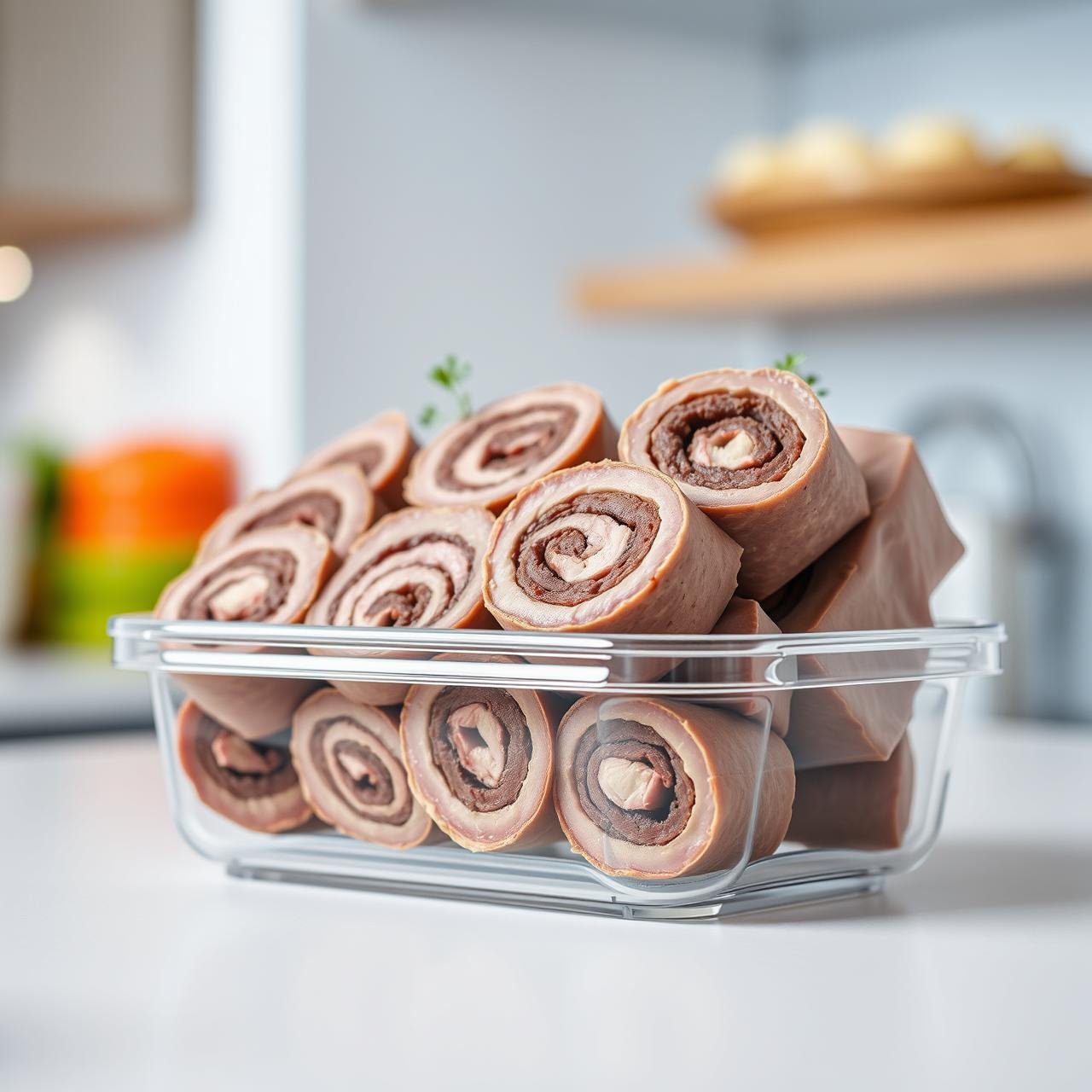
Leftover steak pinwheels are a true gift, but reheating them requires a gentle touch to maintain their juicy tenderness.
Storage:
Allow the pinwheels to cool completely to room temperature. Store them in an airtight container in the refrigerator for up to 3-4 days. Storing them whole rather than pre-sliced will help them retain more moisture.
Reheating:
- Oven Method (Recommended): This is the best way to preserve texture. Preheat your oven to 300°F (150°C). Place the pinwheels in a small baking dish and add a splash of beef broth or water to the bottom to create some steam. Cover with foil and heat for 10-15 minutes, or until warmed through.
- Skillet Method: Place the pinwheels in a skillet over medium-low heat with a splash of broth or water. Cover and heat gently for 5-7 minutes, flipping once, until warm.
- Avoid the Microwave: While quick, the microwave can often make steak rubbery and overcooked. Use it only as a last resort and heat in short 30-second intervals at a lower power setting.
Conclusion
These Low Carb Flank Steak Pinwheels are more than just a recipe; they are a celebration of flavor, texture, and wholesome, satisfying food. They prove that you don’t have to sacrifice elegance or indulgence when pursuing a healthier lifestyle. The process itself—from pounding the steak to rolling it with care—is a rewarding kitchen ritual. Whether you’re cooking for your family on a Tuesday night or impressing guests at a dinner party, this dish is a guaranteed showstopper. We invite you to embrace the process, fill your kitchen with the incredible aroma of garlic and seared beef, and create a meal that will be remembered and requested time and time again.