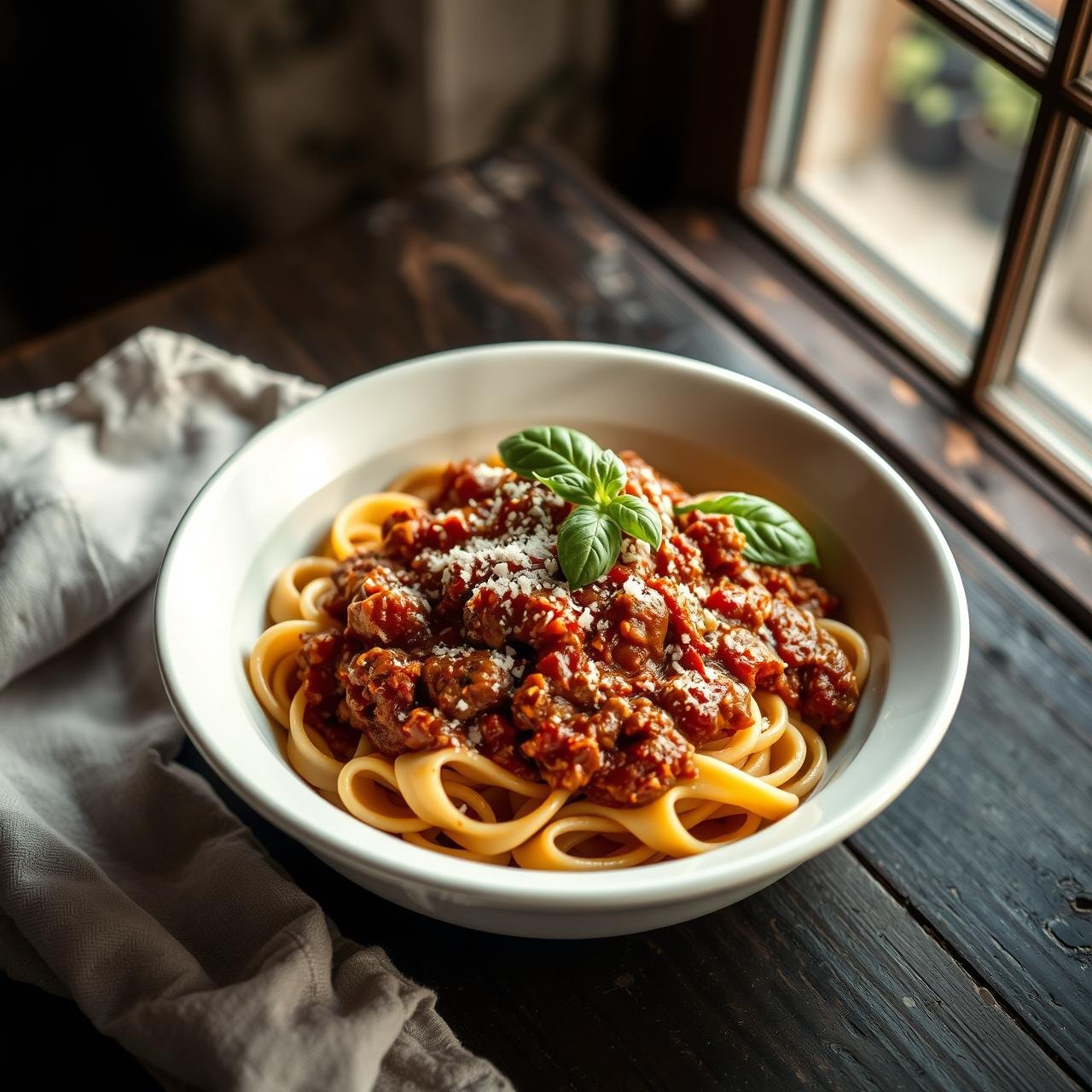
Lean Bison Bolognese: The Ultimate Carnivore Pasta With Zero Guilt
There are few dishes as universally comforting as a slow-simmered bolognese. It’s the kind of meal that warms you from the inside out, evoking images of rustic Italian kitchens and long, leisurely family dinners. But what if we could take that classic, soul-soothing sauce and elevate it, making it leaner, richer, and packed with even more wholesome goodness? Enter our Lean Bison Bolognese—a true game-changer for the modern home cook.
This isn’t just another meat sauce. It’s a celebration of flavor and nutrition, thoughtfully crafted for those who refuse to compromise. We’ve swapped traditional beef for lean, nutrient-dense bison, a meat known for its slightly sweet, rich flavor and incredible health benefits. Lower in fat and calories but higher in protein and iron, bison provides a robust foundation that is both satisfying and guilt-free. Paired with a classic mirepoix, fragrant herbs, and a splash of red wine, this bolognese develops a profound depth of flavor that can only be achieved with time and care. It’s the ultimate carnivore pasta, designed to nourish your body while delighting your palate. Prepare to fall in love with bolognese all over again.
Why You’ll Adore This Bison Bolognese
Before we roll up our sleeves and dive into the cooking process, let’s talk about what makes this recipe so exceptional. It’s more than just a list of ingredients; it’s a symphony of benefits that cater to gourmet foodies, health enthusiasts, and busy home cooks alike.
- Nutritionally Superior: Bison is a powerhouse of nutrition. It’s significantly leaner than beef, with fewer calories and less saturated fat. It’s also an excellent source of iron, zinc, and B vitamins, making this a dish you can feel genuinely good about serving.
- Incredibly Rich Flavor: Don’t let ‘lean’ fool you into thinking ‘bland.’ Bison has a distinct, slightly sweet, and earthy flavor that is more complex than beef. When slow-simmered, it becomes incredibly tender and infuses the entire sauce with a deep, savory character that is simply unforgettable.
- Surprisingly Simple: While the results taste like they came from a high-end Italian restaurant, the process is straightforward and rewarding. It’s a perfect weekend cooking project that fills your home with an intoxicating aroma and yields a large batch perfect for meal prepping.
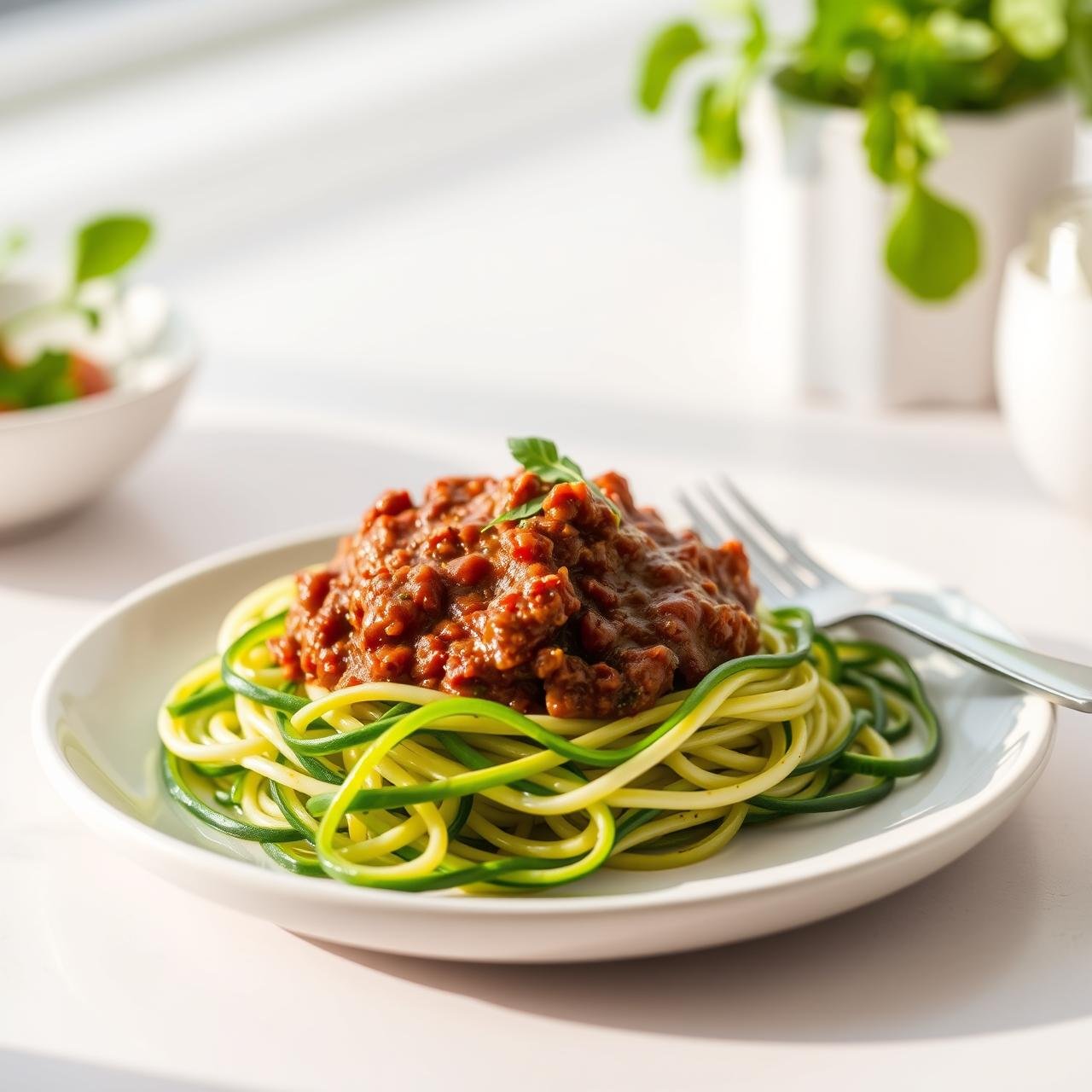
- Versatile and Crowd-Pleasing: This sauce is a culinary chameleon. While divine with traditional pasta, it’s also fantastic served over polenta, zucchini noodles, or even as a hearty filling for stuffed peppers. It’s a guaranteed hit for family dinners and impressive enough for guests.
Essential Equipment for a Perfect Bolognese
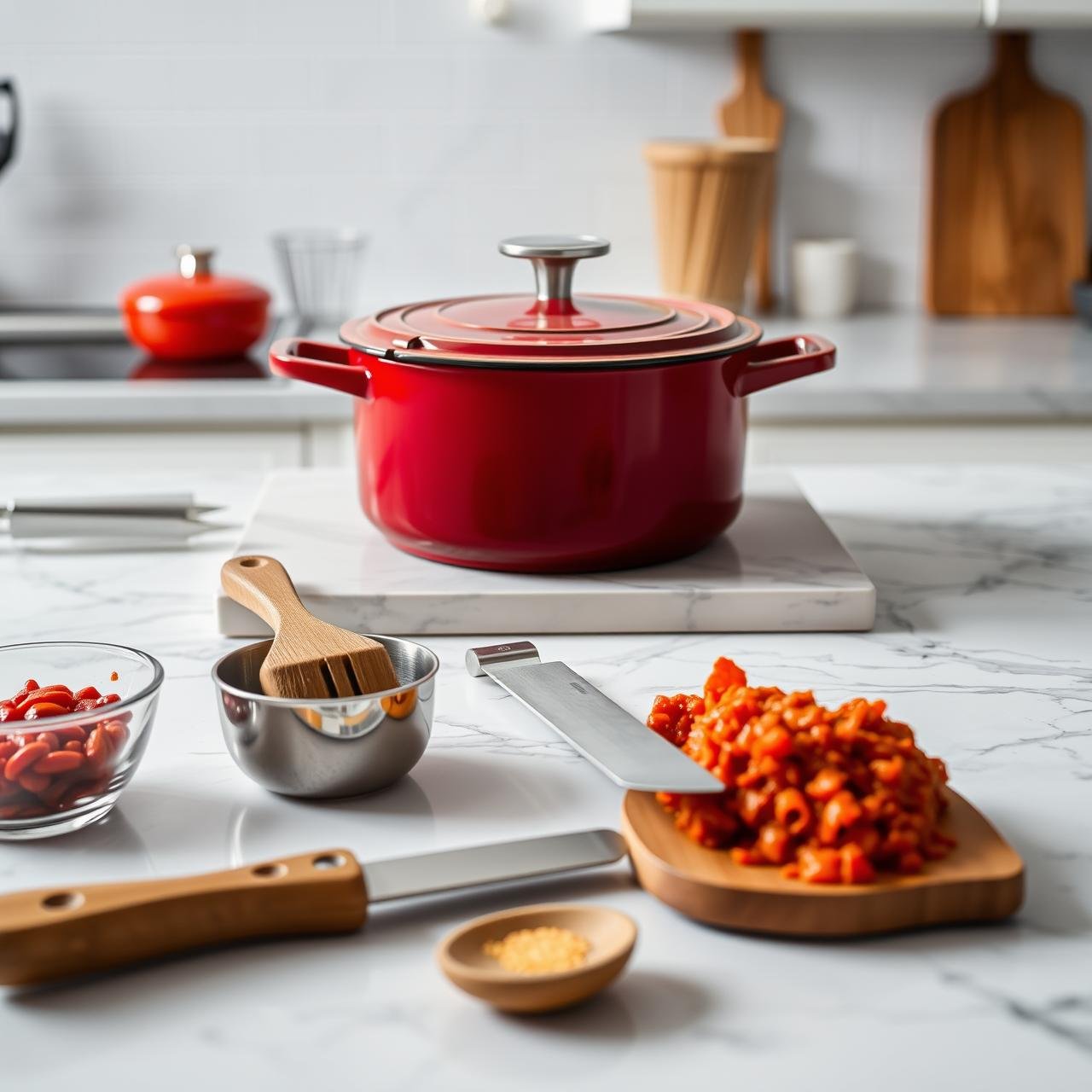
Great cooking often starts with the right tools. You don’t need a professional kitchen, but a few key pieces of equipment will make crafting this bolognese a seamless and enjoyable experience. Here’s what I recommend having on hand:
| Equipment | Purpose & Chef’s Note |
|---|---|
| Large Dutch Oven or Heavy-Bottomed Pot | This is the star of the show. A heavy-bottomed pot, especially an enameled cast iron Dutch oven, provides excellent heat distribution and retention, which is crucial for browning the meat properly and for the long, slow simmer. A 5 to 7-quart size is ideal. |
| Sharp Chef’s Knife | A sharp knife makes prepping your mirepoix (onions, carrots, celery) a pleasure, not a chore. Uniformly sized vegetables cook more evenly. |
| Large Wooden Spoon or Spatula | Perfect for breaking up the ground bison as it browns and for scraping up the delicious browned bits (the ‘fond’) from the bottom of the pot without scratching the surface. |
| Cutting Board | A large, stable cutting board will give you plenty of space to chop your vegetables. |
| Measuring Cups and Spoons | Accuracy is key, especially with ingredients like tomato paste and wine, to ensure a balanced sauce. |
The Freshest Ingredients for a Rustic Sauce
The soul of any great bolognese lies in the quality of its ingredients. We’re building layers of flavor, so starting with fresh, high-quality components is non-negotiable. This recipe honors simplicity and lets each ingredient shine.
- Olive Oil: 2 tablespoons of good quality extra-virgin olive oil for sautéing.
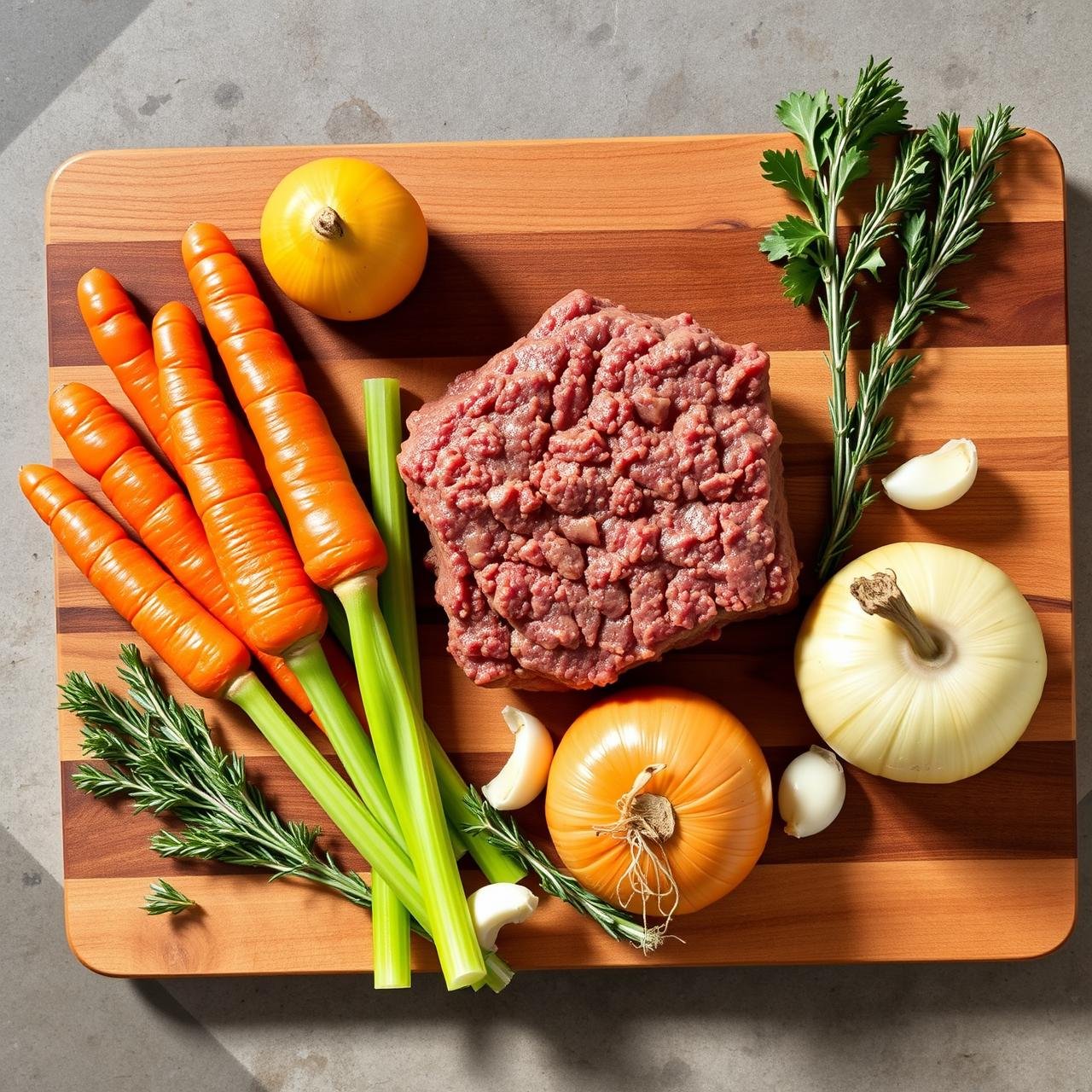
- Mirepoix: The holy trinity of Italian cooking. You’ll need 1 large yellow onion, 2 medium carrots, and 2 celery stalks, all finely diced. This aromatic base provides sweetness and depth.
- Garlic: 4 cloves, minced. Use fresh garlic for the best, most pungent flavor.
- Ground Bison: 2 pounds of lean ground bison. Look for grass-fed if possible, as it often has a richer flavor profile.
- Tomato Paste: 3 tablespoons of double-concentrated tomato paste. This adds an intense, savory tomato backbone.
- Dry Red Wine: 1 cup of a dry red wine like Cabernet Sauvignon, Merlot, or Chianti. This deglazes the pan and adds a crucial layer of acidity and complexity. If you prefer to cook without alcohol, you can substitute with beef broth.
- Crushed Tomatoes: 1 (28-ounce) can of high-quality crushed tomatoes, such as San Marzano, for the main body of the sauce.
- Beef or Bone Broth: 1 cup of low-sodium beef broth or, for extra nutrients, bone broth. This helps create a luscious, simmer-worthy consistency.
- Whole Milk or Heavy Cream: 1/2 cup. This might seem unusual, but it’s a traditional bolognese secret! The dairy tenderizes the meat and adds a silky, luxurious finish to the sauce.
- Herbs & Spices: 1 teaspoon dried oregano, 2 fresh bay leaves, and a few sprigs of fresh thyme. Plus, salt and freshly ground black pepper to taste.
- For Serving (Optional): Your favorite pasta (pappardelle or tagliatelle are classic choices), freshly grated Parmesan cheese, and fresh basil or parsley.
Step-by-Step Instructions: Crafting Your Bison Bolognese
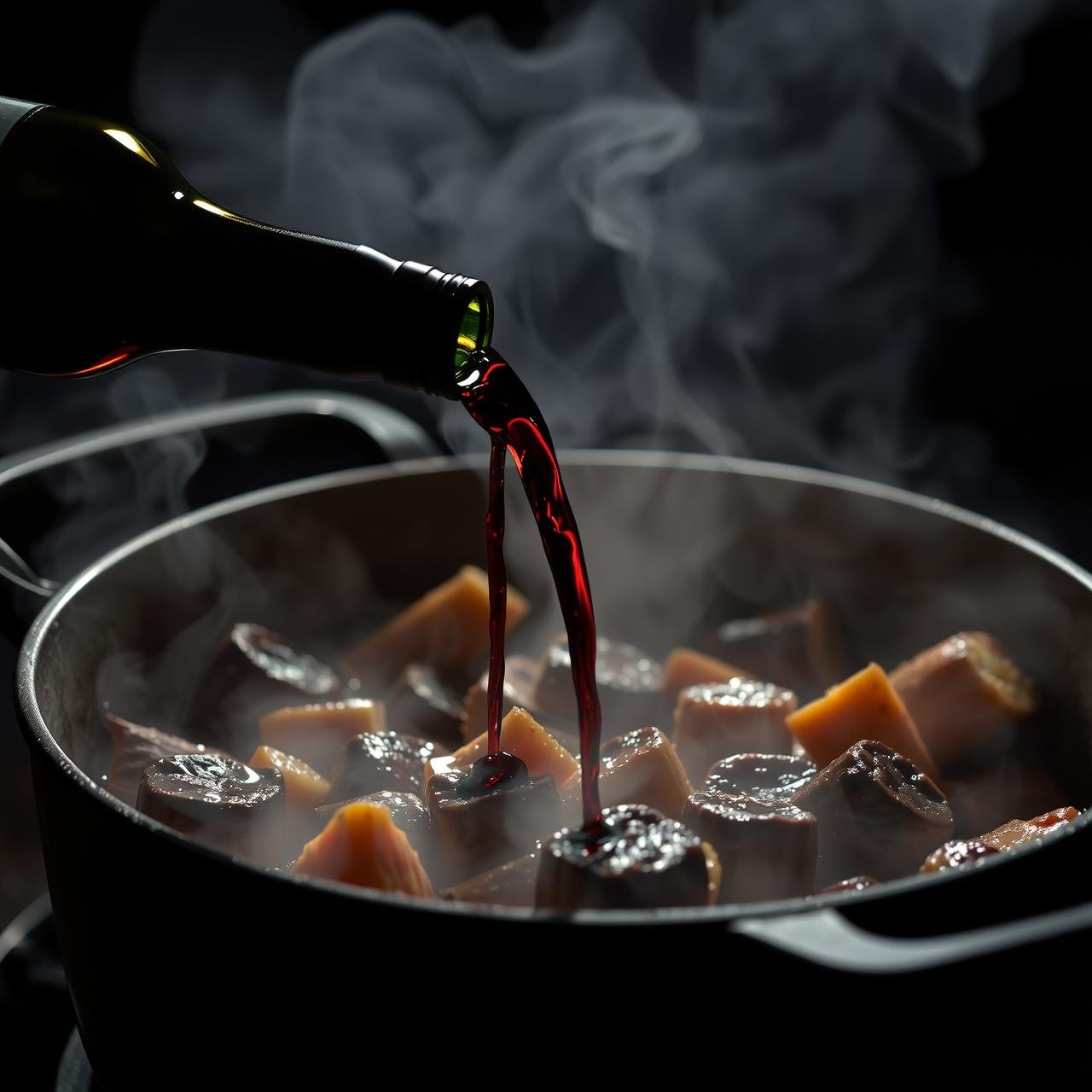
Now for the magic. Follow these steps carefully to build the layers of flavor that will make your bolognese truly spectacular. Patience is key—the long, slow simmer is where the transformation happens.
-
Step 1: Sauté the Mirepoix
Place your Dutch oven over medium heat and add the 2 tablespoons of olive oil. Once it shimmers, add the finely diced onion, carrots, and celery. Sauté for 8-10 minutes, stirring occasionally, until the vegetables are softened and the onion is translucent. This process, known as ‘sweating’ the vegetables, releases their natural sweetness. Add the 4 cloves of minced garlic and cook for another minute until fragrant.
-
Step 2: Brown the Bison
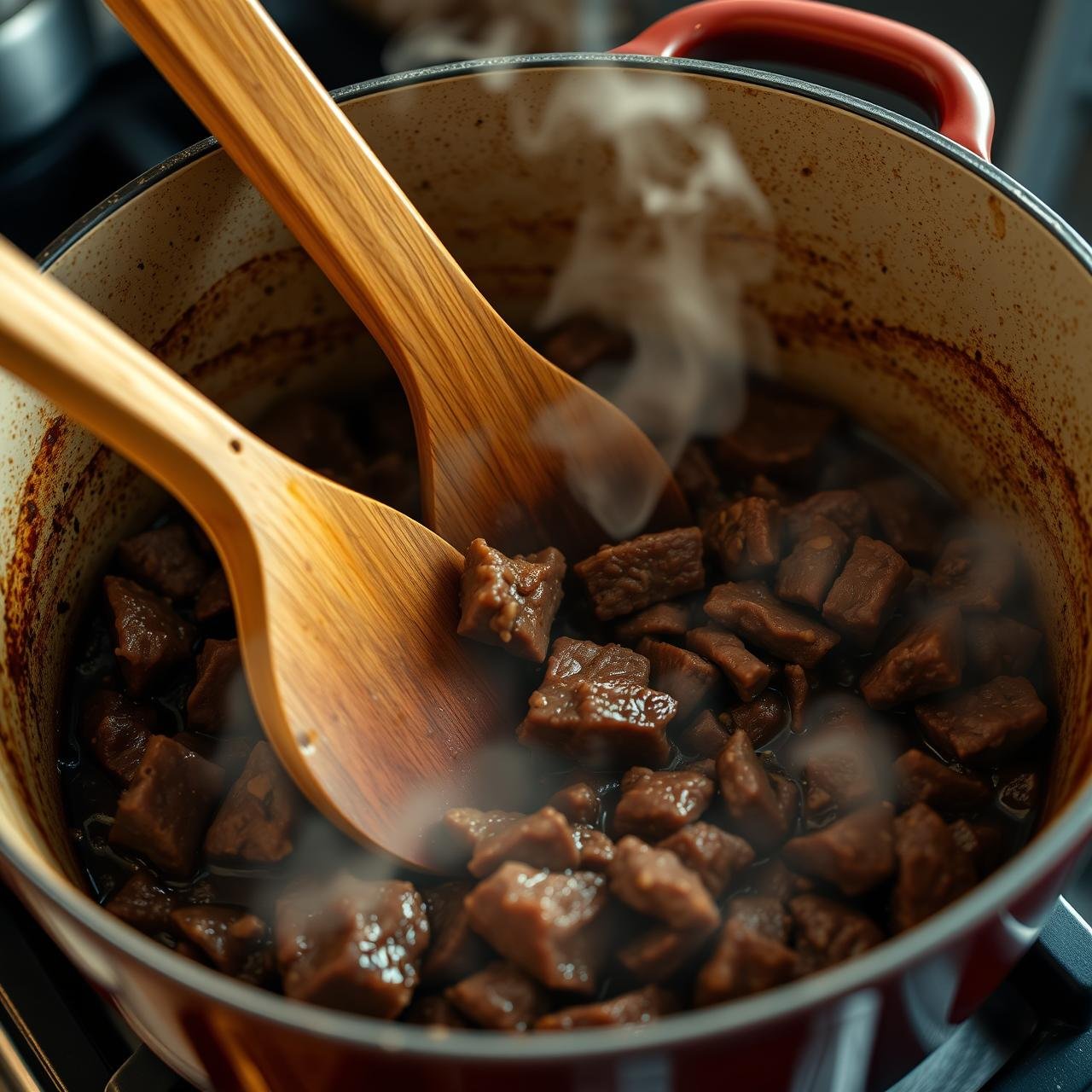
Increase the heat to medium-high. Add the 2 pounds of ground bison to the pot with the vegetables. Use your wooden spoon to break the meat into small pieces. Cook, stirring occasionally, until the bison is thoroughly browned and no pink remains. Don’t rush this step! Allow the meat to get some nice color and create a ‘fond’—those delicious brown bits stuck to the bottom of the pan. That’s pure flavor. Season generously with salt and pepper.
-
Step 3: Build the Flavor Base
Add the 3 tablespoons of tomato paste to the pot. Stir it into the meat and vegetables and cook for 2-3 minutes. This ‘toasts’ the paste, deepening its flavor and removing any raw taste. Pour in the 1 cup of red wine to deglaze the pan. Use your spoon to scrape up all the browned bits from the bottom. Let the wine simmer and reduce by about half, which should take about 3-4 minutes.
-
Step 4: The Slow Simmer
Pour in the 28-ounce can of crushed tomatoes and the 1 cup of beef broth. Add the dried oregano, bay leaves, and fresh thyme sprigs. Stir everything together until well combined. Bring the sauce to a gentle bubble, then reduce the heat to low, cover the pot, and let it simmer for a minimum of 2 hours. For an even more tender and flavorful sauce, you can let it simmer for up to 4 hours. Stir every 30 minutes or so to prevent sticking.
-
Step 5: The Finishing Touch
After the long simmer, remove the bay leaves and thyme sprigs. Stir in the 1/2 cup of whole milk or cream. Let the sauce simmer uncovered for another 10-15 minutes to thicken slightly. Taste the sauce and adjust the seasoning with more salt and pepper as needed. The final sauce should be thick, rich, and intensely aromatic.
-
Step 6: Serve and Garnish
Cook your pasta according to package directions. Just before it reaches al dente, use a spider or tongs to transfer it directly into the bolognese sauce, along with a splash of the starchy pasta water. Toss everything together until the pasta is well-coated. Serve immediately in warm bowls, topped with a generous grating of Parmesan cheese and a scattering of fresh basil.
Chef’s Tips for Bolognese Perfection
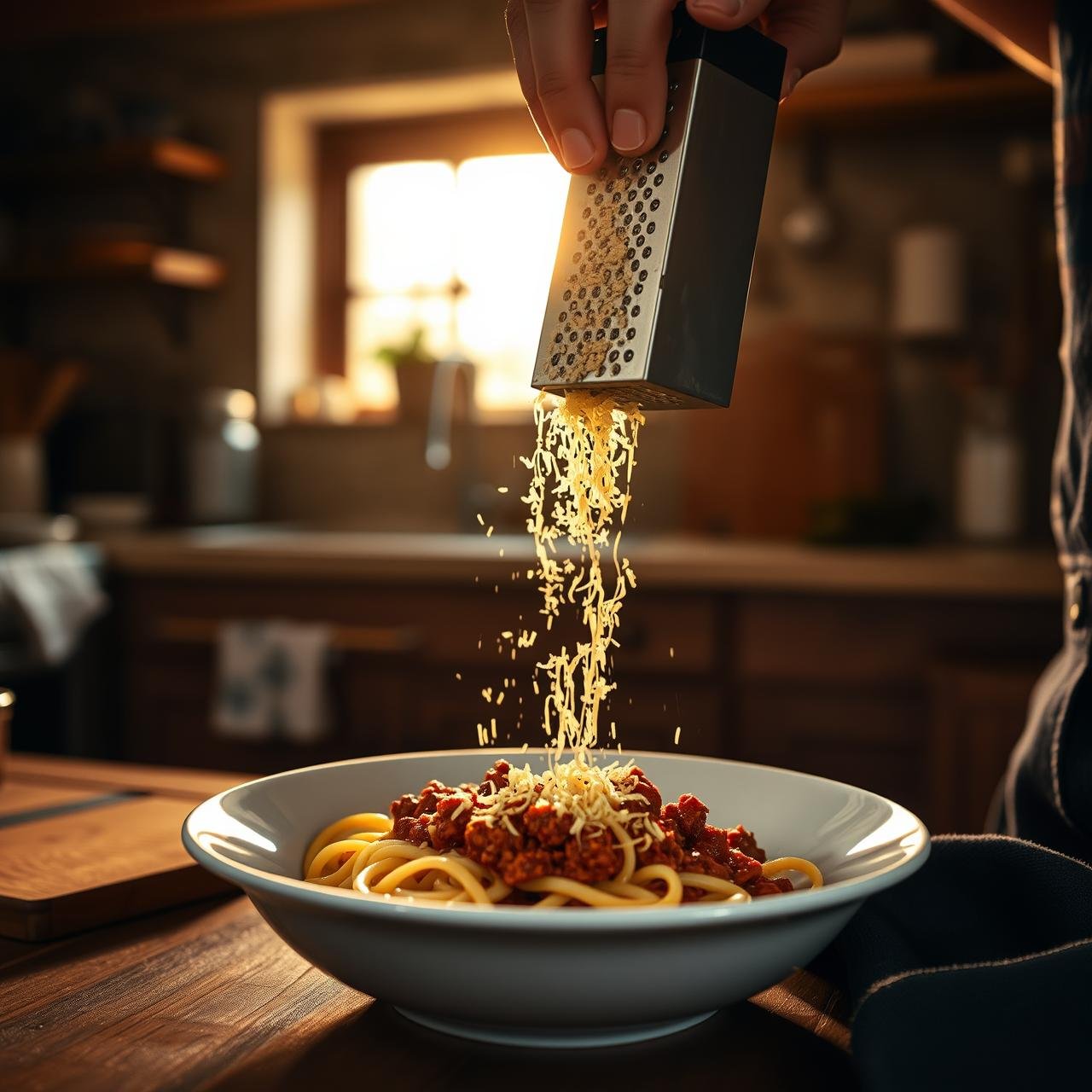
A few professional tricks can elevate your bolognese from great to absolutely sublime. Here are my top tips for getting the most out of this recipe:
Don’t Skimp on the Simmer Time
I know it’s tempting to cut the simmer time short, but this is where the magic happens. The long, slow cook breaks down the connective tissues in the meat, making it melt-in-your-mouth tender, and allows all the flavors to meld into a cohesive, complex sauce. Two hours is the minimum, but four is even better.
The Dairy is Not Optional
Adding milk or cream is a traditional technique from Bologna, Italy. The lactic acid helps to tenderize the meat, and the fat adds a subtle richness and velvety texture that balances the acidity of the tomatoes. It’s a small step that makes a huge difference.
Make it Ahead
Like many stews and braises, bolognese is even better the next day! The flavors continue to develop and deepen overnight. If you have the time, make the sauce a day in advance, let it cool, and store it in the fridge. Reheat it gently on the stovetop before serving.
Save Your Parmesan Rinds
Here’s a secret from Italian nonnas: toss a Parmesan rind into the sauce along with the bay leaves during the simmer. It will infuse the bolognese with a subtle, savory, umami flavor. Just remember to remove it before serving.
Nutritional Information: A Guilt-Free Indulgence
This recipe is designed to be as nourishing as it is delicious. Bison is the star, providing a lean yet flavorful protein source. Here is an estimated nutritional breakdown per serving (sauce only, assuming the recipe makes 8 servings).
| Nutrient | Estimated Amount per Serving |
|---|---|
| Calories | ~350 kcal |
| Protein | ~30g |
| Fat | ~18g |
| Saturated Fat | ~7g |
| Carbohydrates | ~12g |
| Fiber | ~3g |
| Sugar | ~7g |
| Iron | ~25% of DV |
Disclaimer: These values are estimates and can vary based on the specific ingredients used, such as the fat percentage of the bison and the type of tomatoes.
Storing, Freezing, and Reheating Instructions
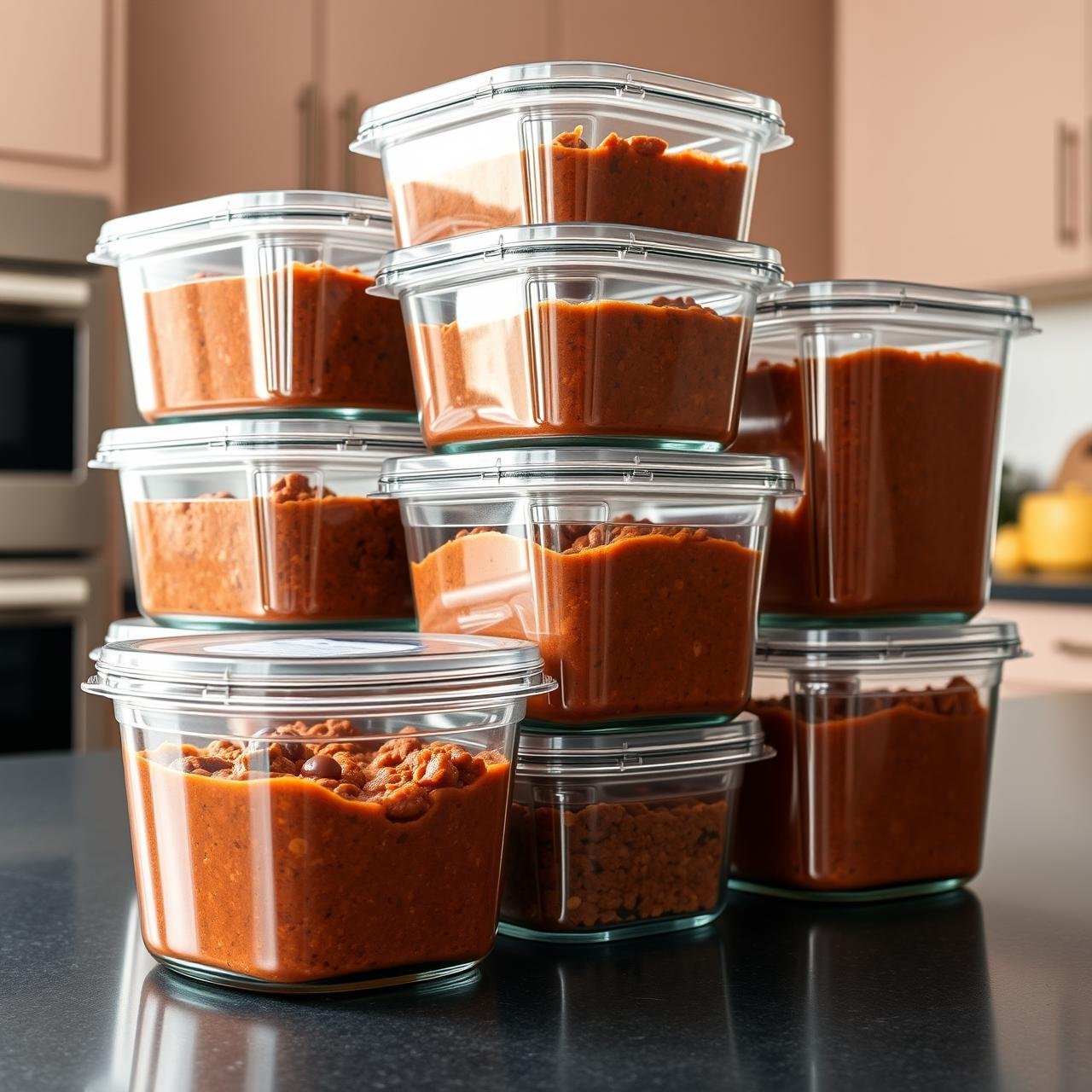
One of the best things about this recipe is that it makes a generous batch, perfect for future meals. Proper storage ensures your bolognese will taste just as good days, or even months, later.
Refrigeration
Allow the sauce to cool completely to room temperature. Transfer it to an airtight container and store it in the refrigerator for up to 4-5 days. The flavor will actually improve by the second day.
Freezing
This sauce freezes beautifully. Once cooled, portion the bolognese into freezer-safe containers or heavy-duty freezer bags. Be sure to leave about an inch of headspace for expansion. It can be frozen for up to 3 months. To use, thaw it overnight in the refrigerator.
Reheating
To reheat, simply place the desired amount of sauce in a saucepan over medium-low heat. Stir occasionally until it’s warmed through. If the sauce has thickened too much, you can add a splash of water, broth, or milk to reach your desired consistency.
Conclusion
This Lean Bison Bolognese is more than just a recipe; it’s an invitation to slow down, to savor the process of cooking, and to indulge in a meal that is both profoundly comforting and wonderfully nourishing. It’s a testament to the fact that healthy eating doesn’t mean sacrificing flavor. The rich, meaty sauce, with its deep, complex notes and rustic charm, is a true celebration of wholesome, homestyle cooking.
Whether you serve it over classic pappardelle for a weekend feast or pair it with zucchini noodles for a lighter weeknight dinner, this bolognese is sure to become a cherished recipe in your culinary repertoire. We encourage you to make it your own—adjust the herbs, add some mushrooms, or spice it up with a pinch of red pepper flakes. Happy cooking!