Juicy Roasted Pork Tenderloin: A Lean Dinner Fancy Enough for Guests
There’s a special kind of magic in a dish that feels both comforting and elegant, wholesome and decadent. A dish that can anchor a simple Tuesday night family meal just as gracefully as it can headline a Saturday evening dinner party. That, my friends, is the power of a perfectly cooked pork tenderloin. Often misunderstood and tragically overcooked, this lean and tender cut of pork is a canvas for incredible flavor, and when treated with respect, it transforms into something truly spectacular.
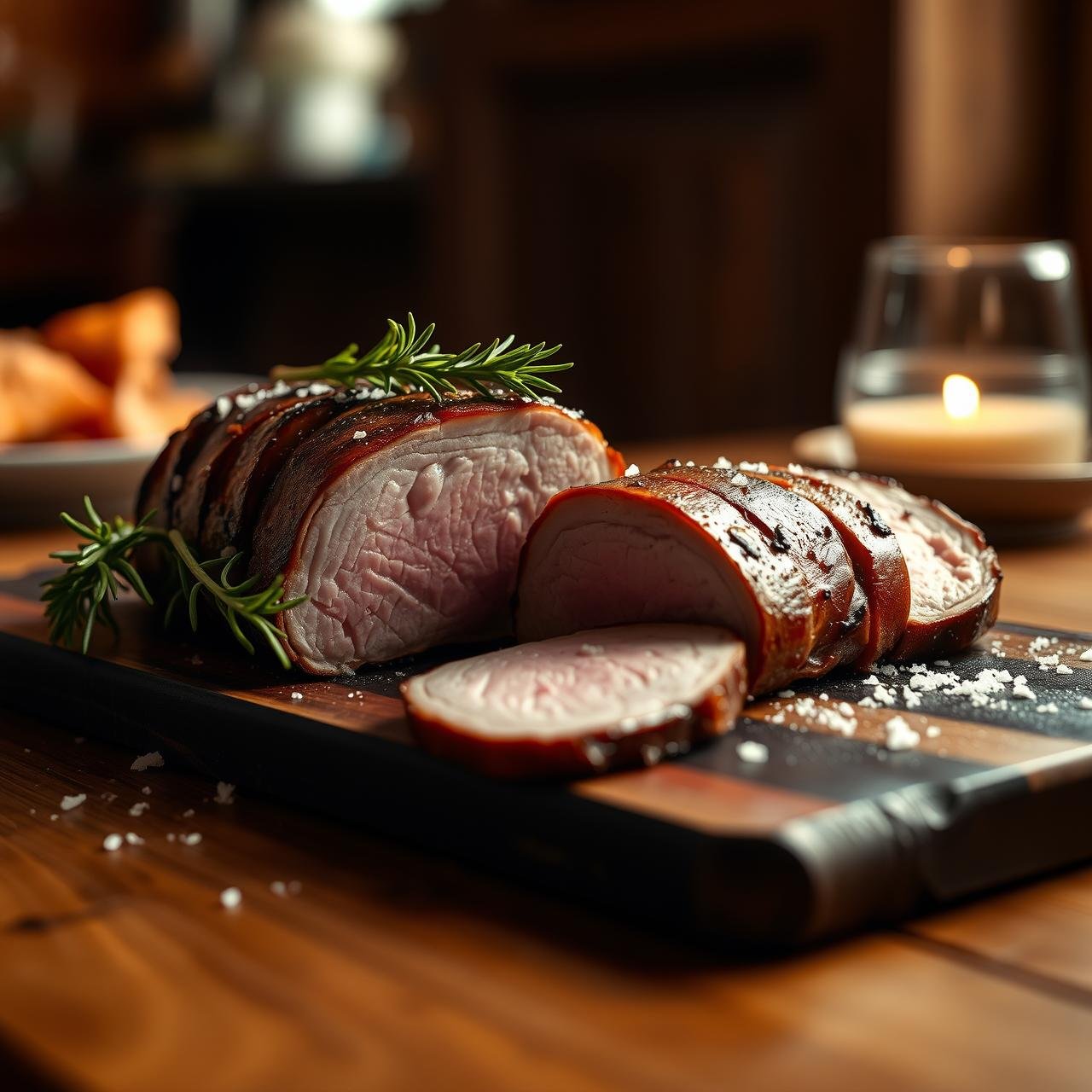
Forget any memories of dry, tough pork. We’re about to embark on a culinary journey to create the most succulent, flavorful, and Juicy Roasted Pork Tenderloin you’ve ever tasted. This recipe is built on a foundation of simple, high-quality ingredients and a chef-approved technique that guarantees a beautiful, caramelized crust and a tender, melt-in-your-mouth interior. It’s a celebration of rustic simplicity and clean eating, proving that a healthy meal can be deeply satisfying and impressive. So, preheat your oven and get ready to master a recipe that will become a cherished staple in your culinary repertoire.
Why This Pork Tenderloin Will Become Your Go-To Dinner
Before we dive into the nuts and bolts of the recipe, let’s talk about why this particular method for roasted pork tenderloin stands out. It’s more than just a list of instructions; it’s a philosophy of cooking that balances health, flavor, and practicality.
Key Attributes of This Recipe:
- Lean & Healthy: Pork tenderloin is one of the leanest cuts of pork available, comparable to a skinless chicken breast in terms of fat content. It’s packed with high-quality protein, making it an excellent choice for health-conscious foodies and anyone looking for a nutritious meal that doesn’t skimp on satisfaction.
- Incredibly Fast: From prep to plate, this entire dish can be ready in under 45 minutes. The active cooking time is minimal, making it a dream for busy weeknights when you crave something special without the lengthy commitment.
- Budget-Friendly Elegance: Compared to other ‘fancy’ cuts of meat like beef tenderloin or rack of lamb, pork tenderloin offers incredible value. It allows budget-savvy cooks to create a restaurant-quality meal at a fraction of the cost.
- Versatile Flavor Profile: The simple herb and spice rub is classic and delicious on its own, but it’s also a perfect base for experimentation. We’ll discuss variations, but this foundational recipe pairs beautifully with a vast array of side dishes, from rustic roasted potatoes to a light, zesty arugula salad.
The Essential Toolkit for Perfect Roasting
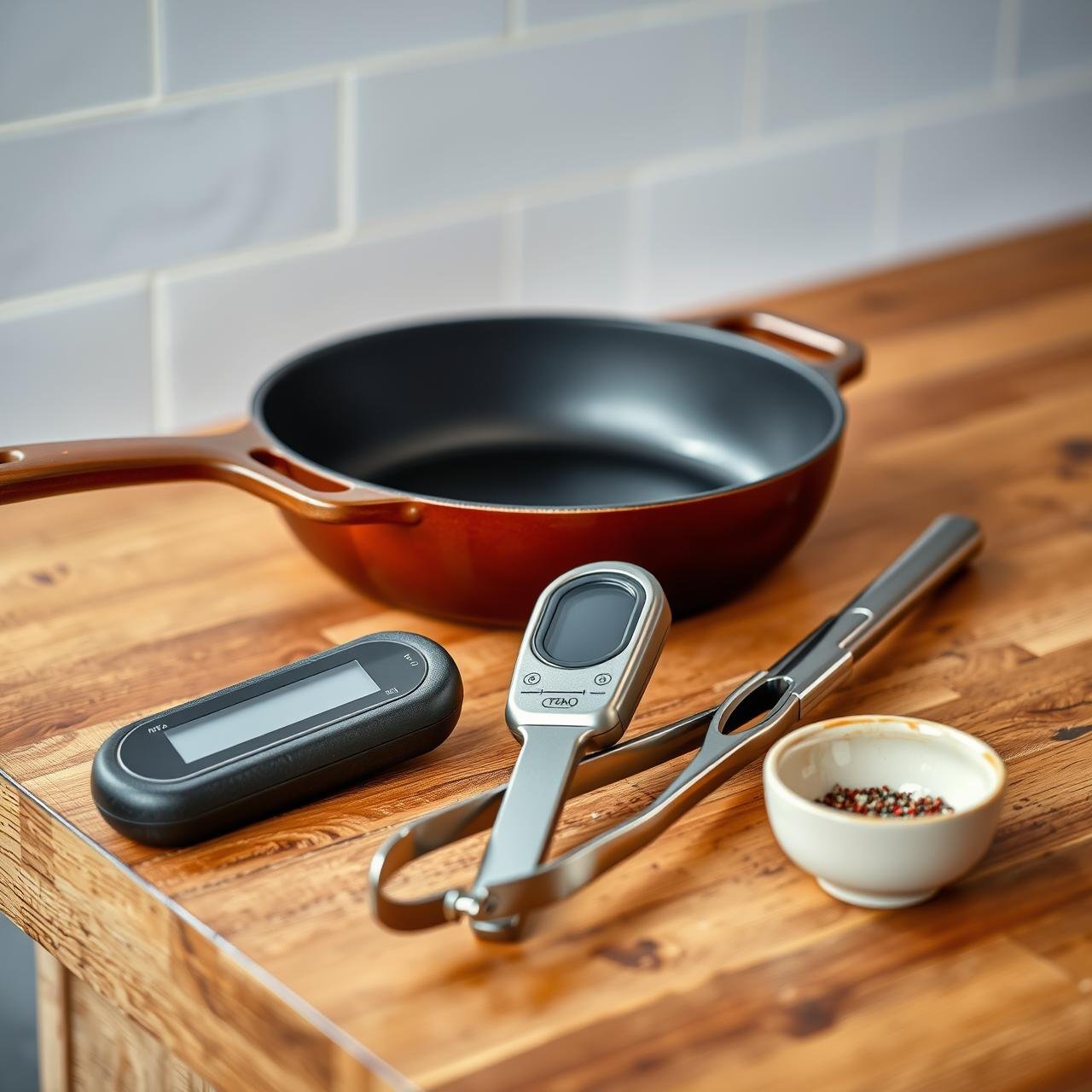
Great cooking often starts with having the right tools for the job. You don’t need a professional kitchen, but a few key pieces of equipment will ensure consistent, delicious results and make the entire process smoother and more enjoyable.
- A Large, Oven-Safe Skillet: A 12-inch cast-iron skillet is the undisputed champion for this task. It conducts heat beautifully, creating a deep, even sear, and can go directly from the stovetop to the oven, meaning fewer dishes to wash. A heavy-bottomed stainless steel skillet is a great alternative.
- Instant-Read Meat Thermometer: This is non-negotiable. It is the only way to guarantee your pork is cooked to the perfect temperature without any guesswork. Overcooking is the number one enemy of pork tenderloin, and a reliable thermometer is your best defense.
- Tongs: A sturdy pair of tongs is essential for safely turning the tenderloin in the hot skillet to sear all sides evenly.
- Cutting Board with a Juice Groove: You’ll want a large cutting board for resting and slicing the meat. One with a trench or groove around the edge is ideal for catching all those flavorful juices you’ll want to save.
- Small Bowl: For mixing your aromatic spice rub.
Gathering Your Flavorful Ingredients
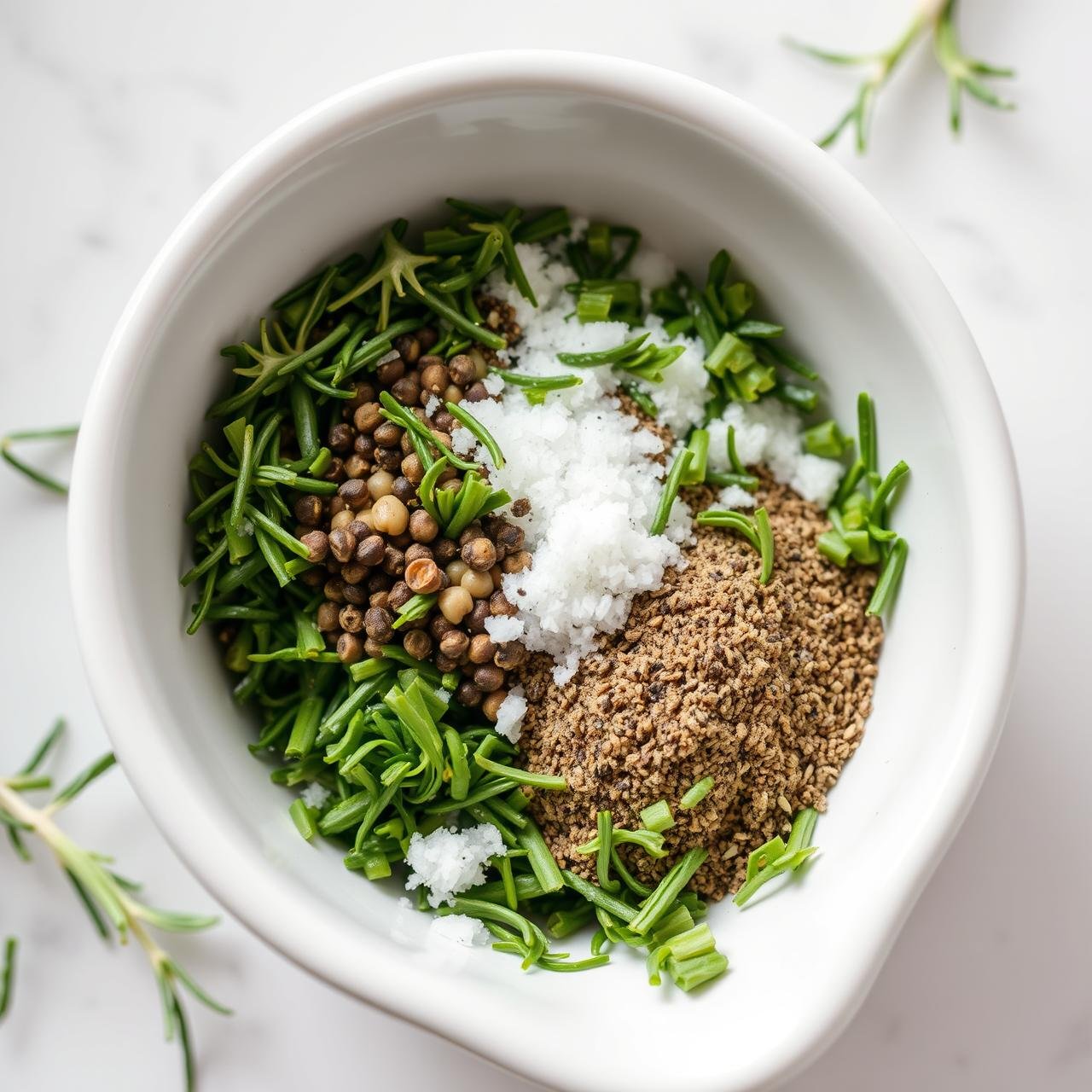
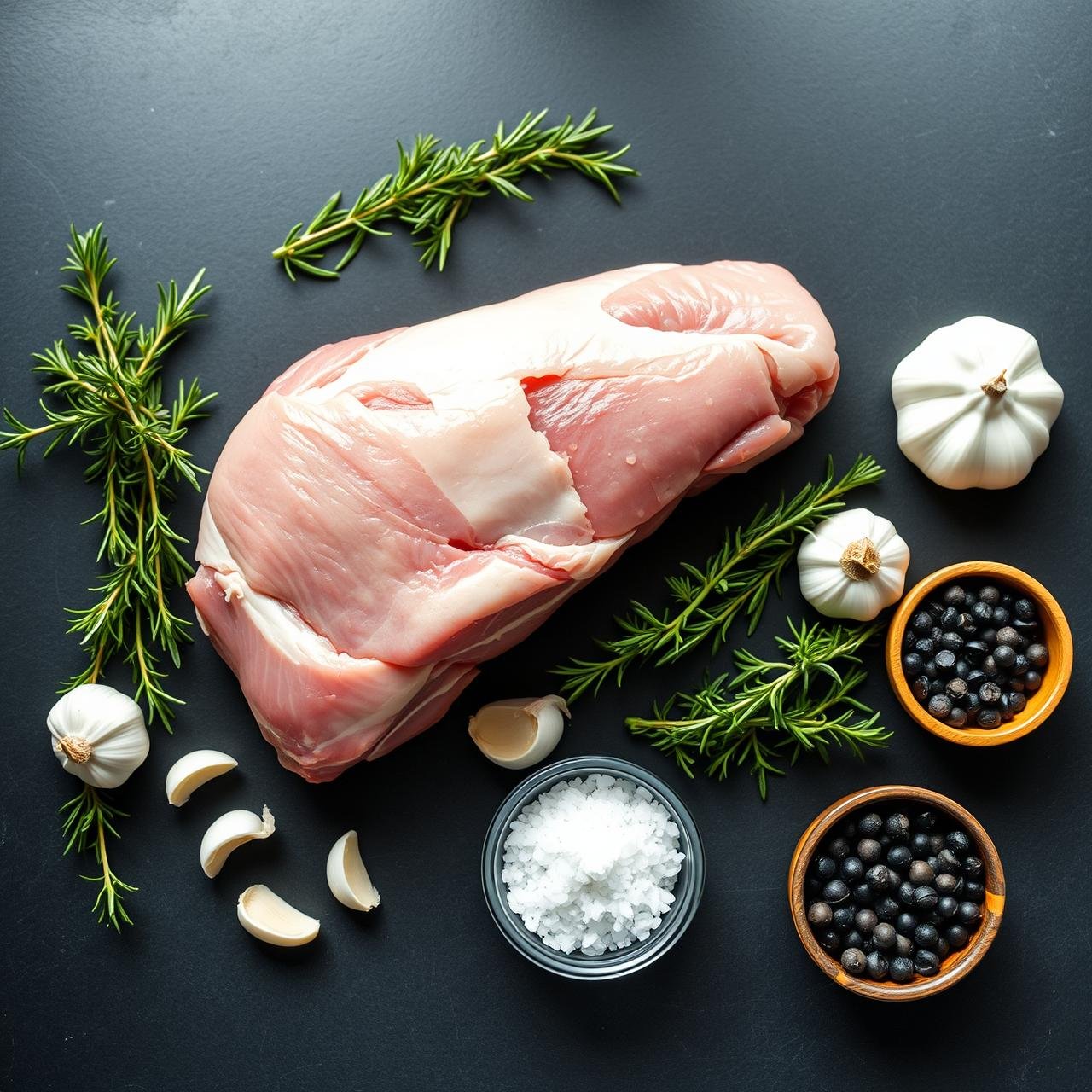
The beauty of this recipe lies in its simplicity. We’re using a handful of classic, high-impact ingredients to enhance the natural sweetness of the pork without overpowering it. Quality matters here, so use the freshest ingredients you can find.
- Pork Tenderloin: 1 to 1.5 pounds. Look for one that is pinkish-red with a firm texture. Most tenderloins come with the ‘silverskin’ attached—a thin, silvery membrane. We’ll be removing this for the most tender result.
- Olive Oil: 2 tablespoons of extra-virgin olive oil, divided.
- Coarse Sea Salt: 1.5 teaspoons. The larger crystals provide a better crust and texture.
- Coarsely Ground Black Pepper: 1 teaspoon. Freshly cracked is always best for maximum flavor.
- Fresh Rosemary: 1 tablespoon, finely chopped. Its piney, robust flavor is a classic pairing for pork.
- Fresh Thyme: 1 tablespoon, leaves stripped from the stem. Adds an earthy, slightly minty note.
- Garlic Powder: 1 teaspoon. Provides a savory, aromatic base without the risk of burning fresh garlic.
- Onion Powder: 1 teaspoon. Adds a subtle, sweet depth of flavor.
Ingredient Notes & Substitutions
Part of the joy of home cooking is making a recipe your own. Here are a few tested substitutions and additions:
- Herbs: No fresh herbs? You can substitute with dried herbs, but use about one-third the amount (e.g., 1 teaspoon of dried rosemary instead of 1 tablespoon fresh). Sage or marjoram also work beautifully.
- Spice It Up: For a touch of warmth and smokiness, add 1/2 teaspoon of smoked paprika to the rub. A pinch of red pepper flakes will add a gentle heat.
- Sweetness: For an extra layer of caramelization, consider adding 1 teaspoon of brown sugar or maple syrup to the rub.
The Art of the Perfect Sear & Roast: A Step-by-Step Guide
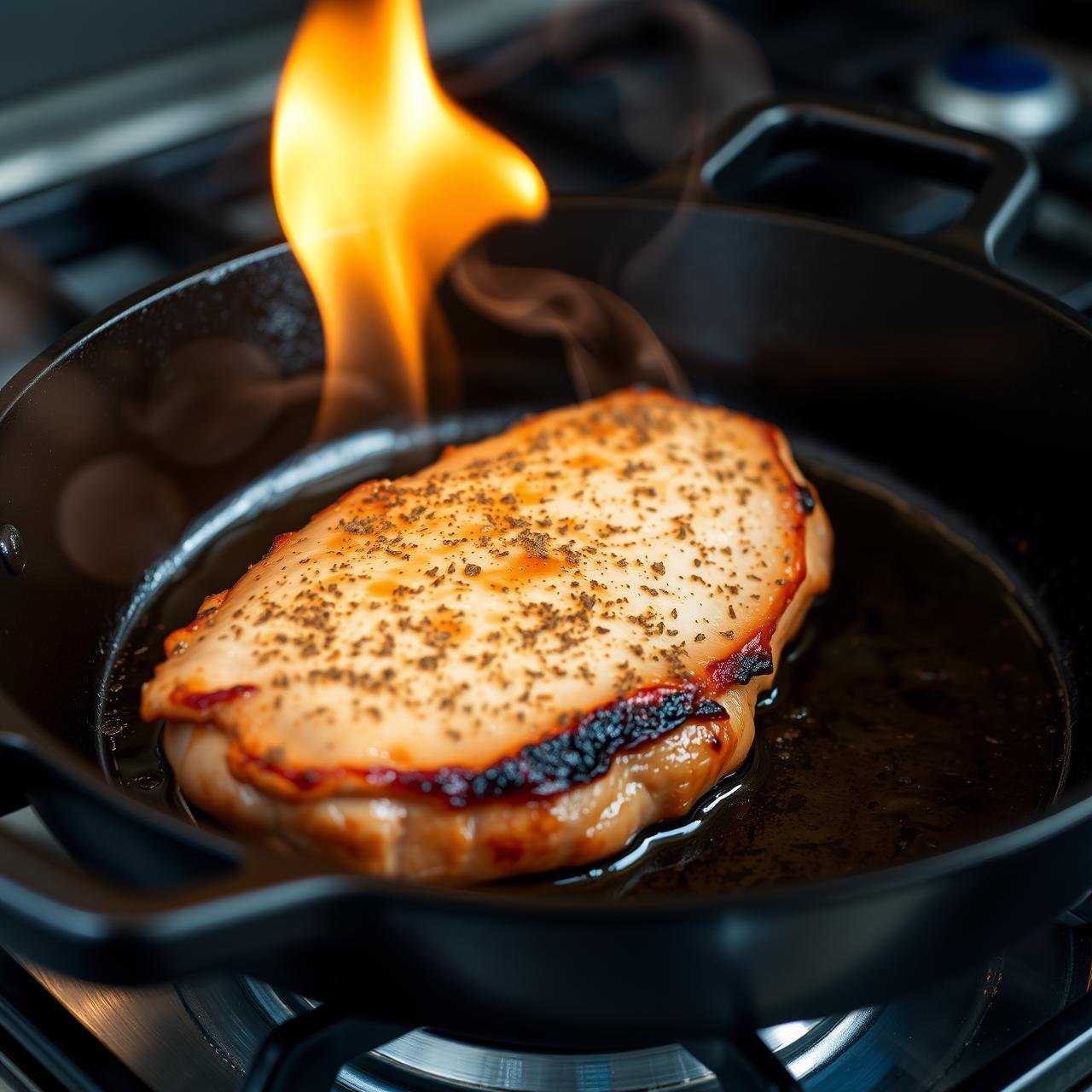
This is where the magic happens. We’ll use a two-stage cooking method—a blistering hot sear on the stovetop followed by a quick roast in the oven. This combination locks in the juices and creates a tenderloin that is irresistibly delicious from edge to center.
-
Prep the Pork and Preheat:
First, preheat your oven to 400°F (200°C). Place a rack in the center. While the oven heats, prepare the pork. Pat the tenderloin completely dry with paper towels; a dry surface is crucial for a good sear. If your tenderloin has a ‘silverskin’ (a thin, tough, silvery membrane), slide a thin, sharp knife under one end of it, angle the blade slightly upward, and carefully slice along its length to remove it. It doesn’t have to be perfect, but removing most of it prevents the pork from curling and makes it more tender.
-
Create the Aromatic Rub:
In your small bowl, combine the coarse sea salt, black pepper, chopped rosemary, thyme leaves, garlic powder, and onion powder. Mix well. Rub the pork tenderloin all over with 1 tablespoon of olive oil. Then, generously and evenly coat the entire surface of the tenderloin with the spice mixture. Don’t be shy—press it in gently to make sure it adheres.
-
The All-Important Sear:
Place your oven-safe skillet over medium-high heat. Add the remaining 1 tablespoon of olive oil. Once the oil is shimmering (this is important!), carefully place the seasoned tenderloin in the hot skillet. You should hear a satisfying sizzle immediately. Sear the tenderloin for 2-3 minutes per side, using tongs to turn it, until a deep golden-brown crust has formed on all sides. This process, known as the Maillard reaction, creates immense flavor.
-
Roast to Perfection:
Once all sides are beautifully browned, transfer the entire skillet directly into your preheated oven. Roast for 12-18 minutes. The exact time will depend on the thickness of your tenderloin. This is where your meat thermometer becomes your best friend. Start checking the temperature after 10 minutes to avoid overcooking.
-
Check for Doneness:
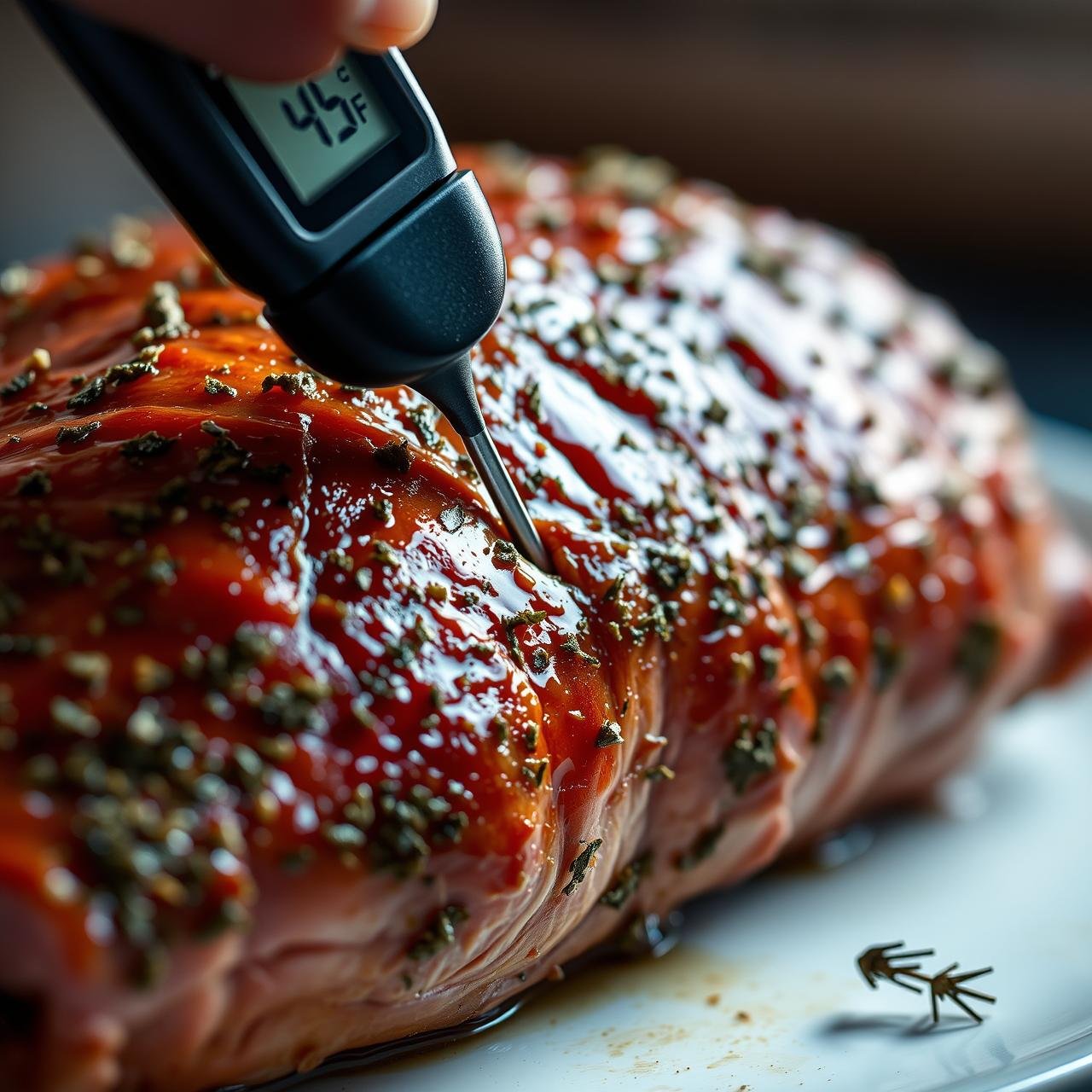
For a perfectly juicy tenderloin with a slightly pink center (medium), you are looking for an internal temperature of 145°F (63°C). Insert the thermometer into the thickest part of the meat. Remember, the temperature will rise a few degrees as it rests, a phenomenon called carryover cooking. So, pull it out of the oven when it hits 140-145°F.
-
Rest, Rest, Rest:
Remove the skillet from the oven. Carefully transfer the pork tenderloin to your cutting board. Tent it loosely with foil and let it rest for a full 10 minutes. This step is absolutely critical. It allows the muscle fibers to relax and the juices to redistribute throughout the meat. If you slice it too soon, all that delicious moisture will end up on your cutting board instead of in your pork.
Chef’s Secrets for Unbelievably Juicy Pork
Even a simple recipe has nuances that can elevate it from good to unforgettable. Here are a few professional tips to ensure your pork tenderloin is flawless every single time.
Don’t Skip the Rest
We mentioned it above, but it bears repeating: resting the meat is the single most important step for ensuring a juicy result. Slicing into the tenderloin immediately after it comes out of the oven is a recipe for a dry dinner. During cooking, the juices are forced toward the center of the meat. The 10-minute rest allows those juices to settle back into the entire cut, ensuring every slice is moist and flavorful.
The Power of a Thermometer
Pork tenderloin is very lean, which means it has a small window of perfect doneness. A minute or two too long in the oven can be the difference between succulent and tough. An instant-read thermometer removes all the anxiety and guesswork. The USDA recommends cooking pork to an internal temperature of 145°F (63°C) for safety and optimal flavor, which will leave a beautiful, blush-pink center. This is not the undercooked pork of the past; modern pork is very safe when cooked to this temperature.
Slicing Against the Grain
After the pork has rested, look closely at the surface. You’ll see the muscle fibers running in a specific direction. For the most tender bite, you want to slice the meat against, or perpendicular to, that grain. This shortens the muscle fibers, making the meat easier to chew and feel more tender in your mouth. Slice the tenderloin into 1/2-inch to 3/4-inch thick medallions.
Serving Suggestions & Perfect Pairings
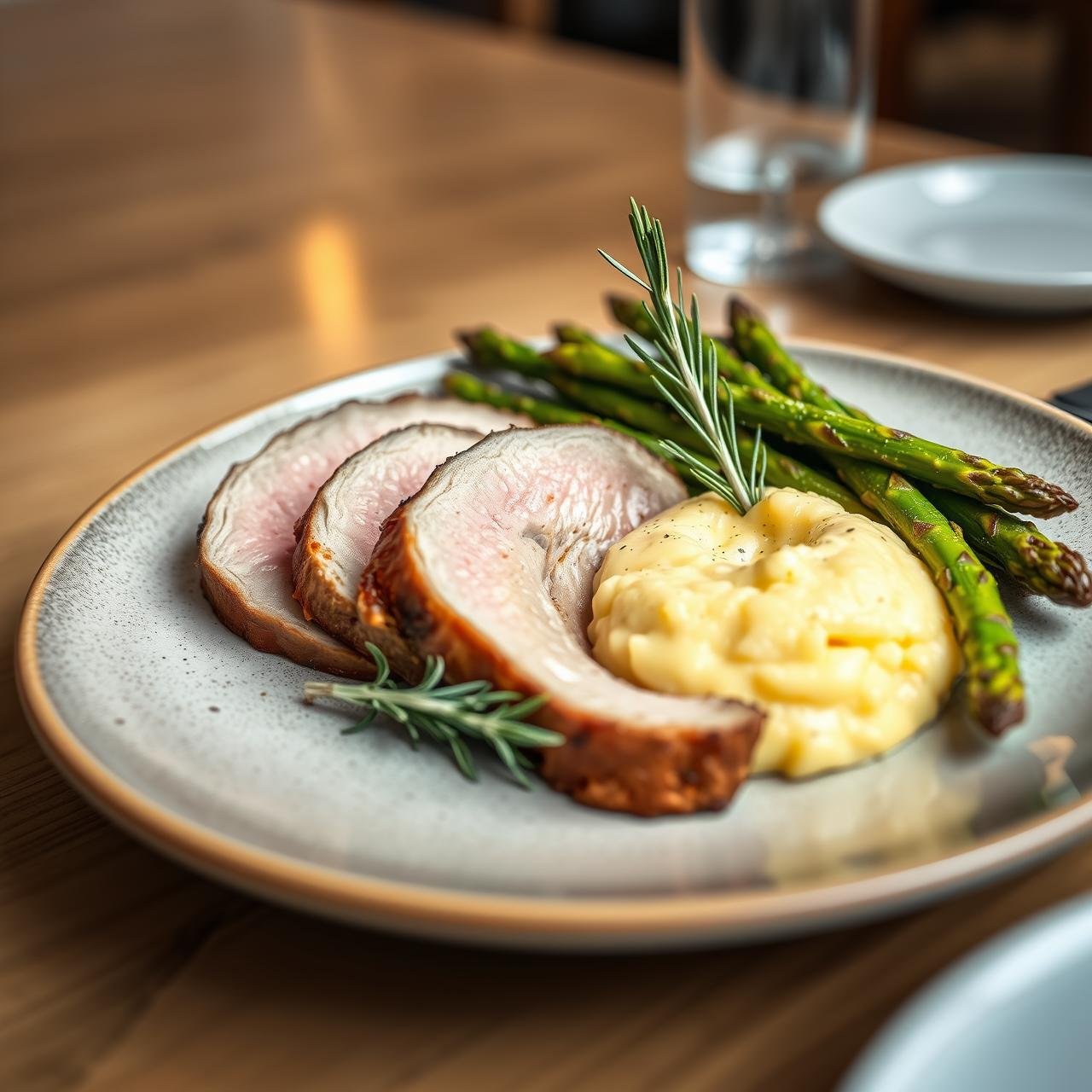
Now that you have a perfectly cooked pork tenderloin, it’s time to build the rest of the meal. Its versatile flavor profile makes it a wonderful partner for a wide variety of side dishes, catering to any occasion or dietary preference.
For a Rustic, Homestyle Meal:
- Creamy Garlic Mashed Potatoes: A classic for a reason. The fluffy potatoes are perfect for soaking up any extra pork juices.
- Roasted Root Vegetables: Toss carrots, parsnips, and sweet potatoes with olive oil and herbs and roast them alongside the pork for an easy, all-in-one-pan meal.
- Garlicky Green Beans: Sautéed or blanched green beans with a bit of garlic and a squeeze of lemon offer a fresh, crisp contrast.
For a Lighter, Health-Conscious Plate:
- Quinoa Salad: A vibrant salad with quinoa, cherry tomatoes, cucumber, feta, and a lemon-herb vinaigrette.
- Roasted Asparagus with Parmesan: Simple, elegant, and quick to prepare. The asparagus can be roasted in the same oven as the pork.
- A Simple Arugula Salad: A bed of peppery arugula dressed with olive oil, lemon juice, and shaved Parmesan is a perfect, simple counterpoint to the rich pork.
For an Elegant Dinner Party:
- Creamy Polenta: Soft, cheesy polenta serves as a luxurious bed for the sliced tenderloin.
- Sautéed Mushrooms and Onions: A rich, savory topping that adds another layer of earthy flavor.
- A Simple Pan Sauce: After removing the pork from the skillet, deglaze the pan with a splash of white wine or chicken broth, scraping up any browned bits. Let it reduce and swirl in a pat of butter for a quick, flavorful sauce.
Nutritional Profile: A Healthy Indulgence
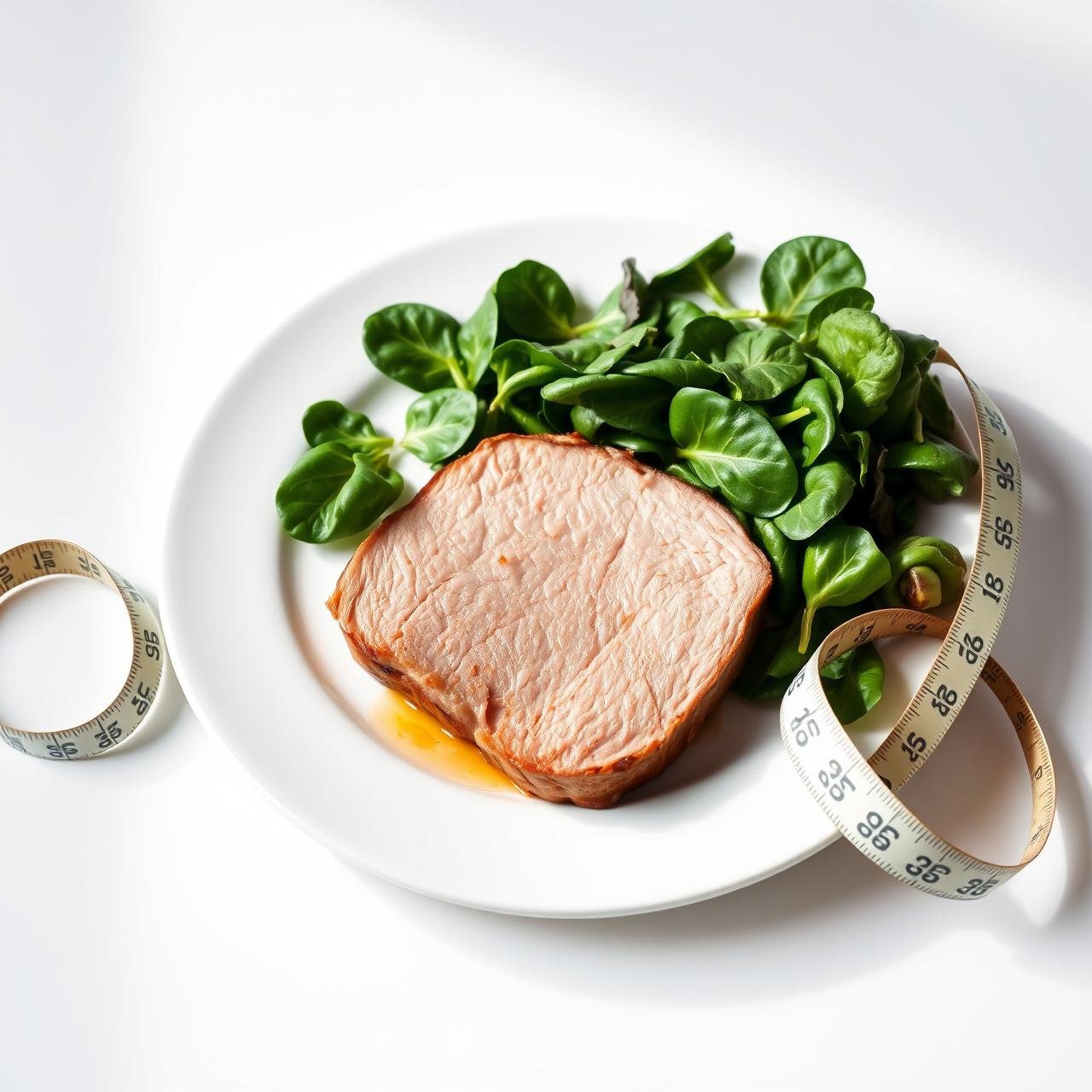
This roasted pork tenderloin is a powerhouse of nutrition, proving that delicious, satisfying meals can also be incredibly good for you. It’s an ideal centerpiece for a balanced diet, providing essential nutrients without excess fat or calories.
Here is an estimated nutritional breakdown per 4-ounce (113g) serving. Please note that these values can vary based on the exact size of your tenderloin and ingredients used.
| Nutrient | Amount |
|---|---|
| Calories | ~180 kcal |
| Protein | ~26 g |
| Total Fat | ~7 g |
| Saturated Fat | ~2 g |
| Carbohydrates | ~1 g |
| Sodium | ~450 mg |
| Cholesterol | ~80 mg |
As you can see, it is exceptionally high in protein, which is vital for muscle repair, and relatively low in fat, particularly saturated fat. It’s a fantastic option for athletes, those managing their weight, or anyone looking to incorporate more lean protein into their diet.
Storing & Reimagining Leftovers

If you’re lucky enough to have leftovers, they are just as delicious the next day. Proper storage is key to maintaining their quality. Allow the pork to cool completely, then store it in an airtight container in the refrigerator for up to 3-4 days.
Reheating can be tricky, as you want to avoid drying out the meat. The best method is to heat it gently in a covered skillet over low heat with a splash of broth or water until just warmed through. You can also enjoy it cold!
Creative Ideas for Leftover Pork:
- Gourmet Pork Sandwiches: Thinly slice the cold pork and pile it onto crusty bread with arugula, a smear of Dijon mustard, and some pickled red onions.
- Pork & Quinoa Bowls: Dice the leftover pork and add it to a grain bowl with roasted vegetables, greens, and your favorite dressing for a healthy and satisfying lunch.
- Pork Tacos: Quickly warm up chopped pork in a skillet with a bit of cumin and chili powder, then serve in warm tortillas with salsa, avocado, and cilantro.
- Pork Fried Rice: A perfect way to use up both leftover pork and rice. Dice the pork and add it to your favorite fried rice recipe.
Conclusion
Mastering the art of the perfect roasted pork tenderloin is a true kitchen victory. With its incredible flavor, lean nutritional profile, and surprising speed, it’s a recipe that effortlessly bridges the gap between simple weeknight cooking and elegant entertaining. By understanding the importance of a great sear, the precision of a meat thermometer, and the crucial patience of a proper rest, you’ve unlocked the secret to a dish that is consistently juicy, tender, and impressive.
We hope this guide has not only given you the confidence to cook pork tenderloin perfectly but has also inspired you to make it a regular part of your meal rotation. Enjoy the process, savor the delicious results, and take pride in placing a truly beautiful, homestyle, and healthy meal on your table.