Juicy Cilantro Lime Chicken Thighs: A Flavor Bomb Skillet Recipe
In the world of home cooking, there are few dishes that deliver such a spectacular return on investment as these Cilantro Lime Chicken Thighs. This isn’t just another chicken recipe; it’s a masterclass in flavor dynamics, a testament to the power of fresh ingredients, and a celebration of the humble, yet mighty, chicken thigh. Prepared entirely in one skillet, it’s a dish that promises maximum flavor with minimal cleanup, making it an undisputed champion for busy weeknights, budget-conscious cooks, and anyone craving a meal that tastes like it took hours to prepare.
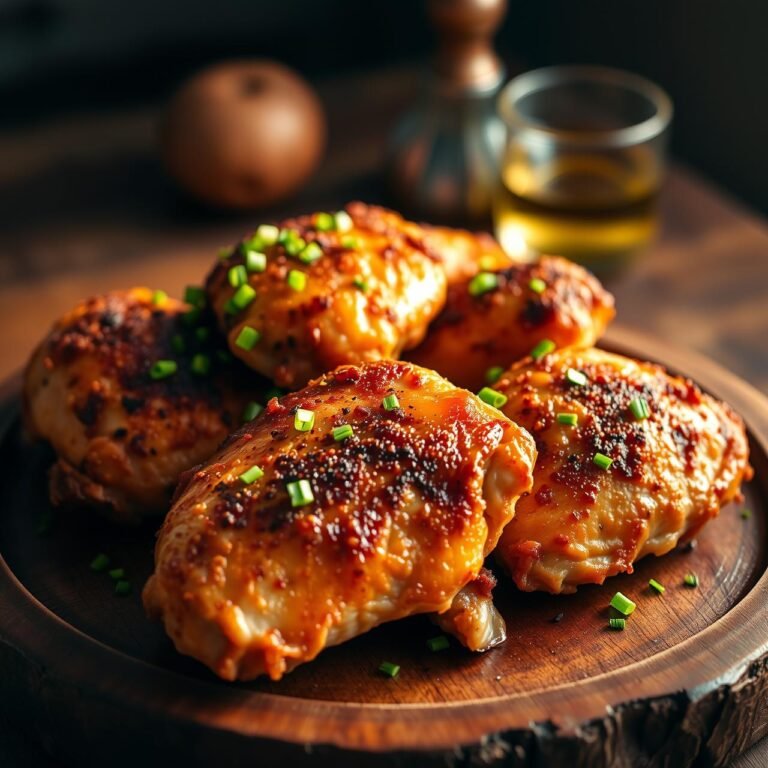
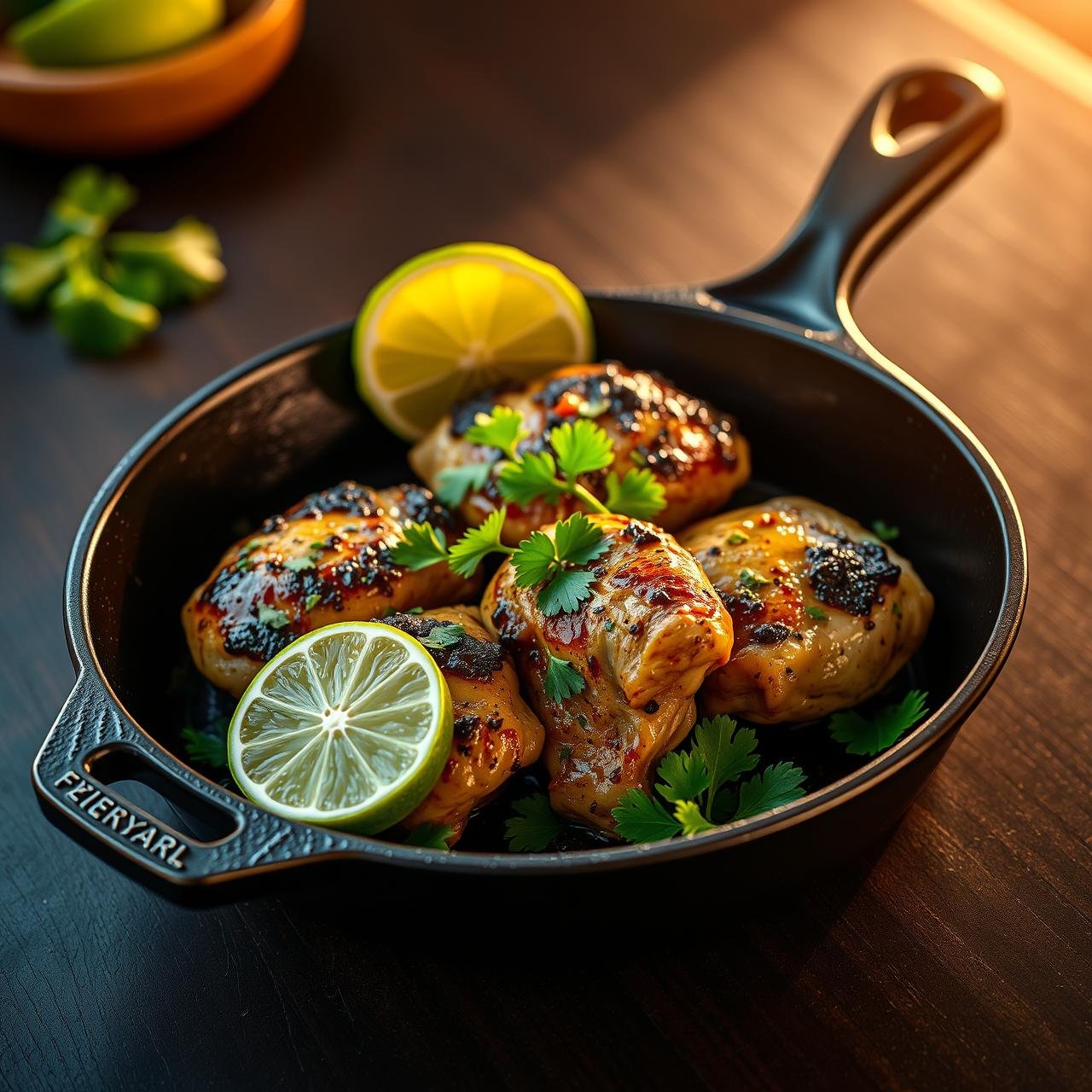
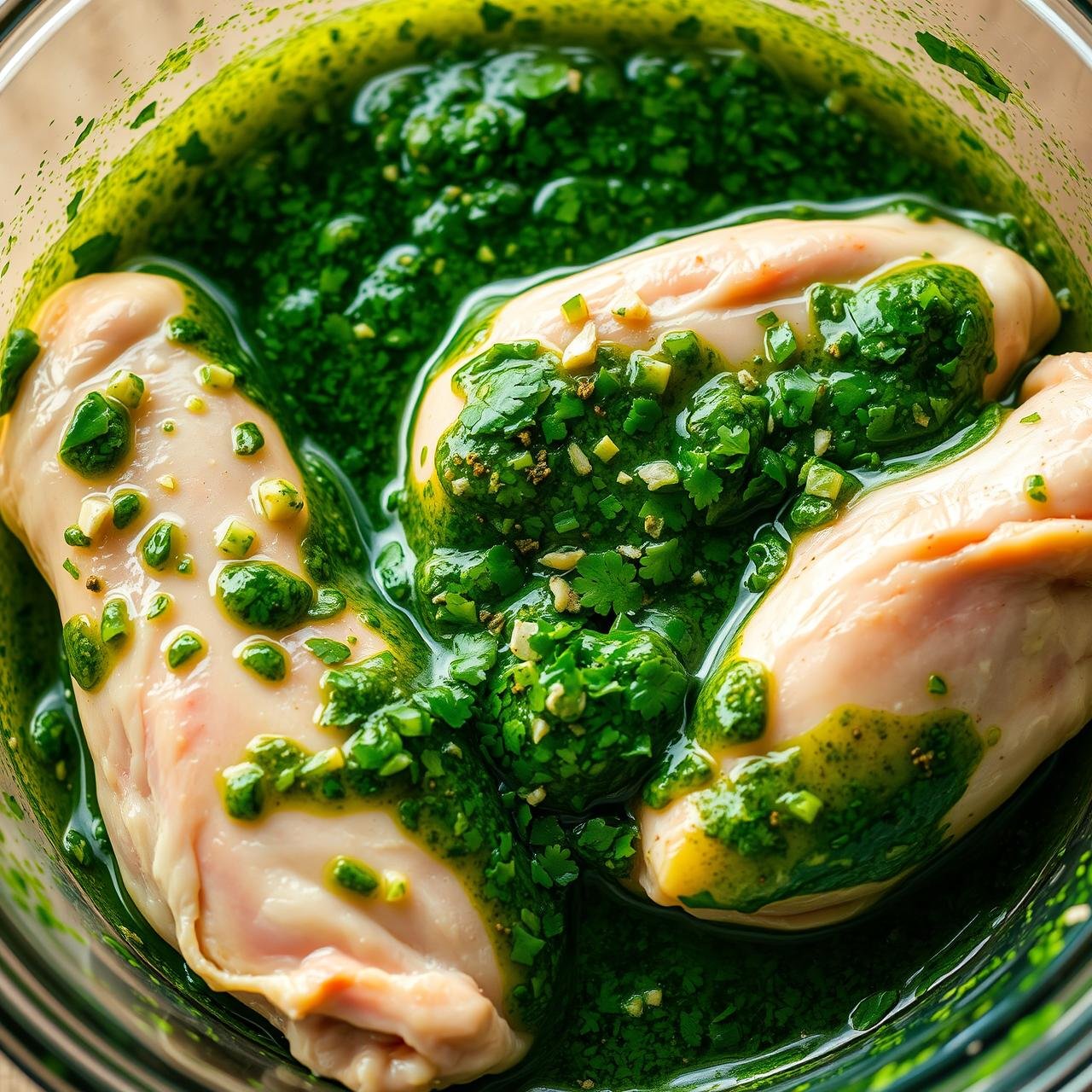
The magic lies in the marinade—a zesty, herbaceous blend of fresh cilantro, bright lime juice, pungent garlic, and earthy cumin. This isn’t a marinade that just sits on the surface; it penetrates the meat, tenderizing it from the inside out and infusing every single bite with a vibrant, zesty punch. When this marinated chicken hits a hot skillet, a beautiful transformation occurs. The skin becomes irresistibly crispy and golden brown, while the meat remains succulent and impossibly juicy. It’s a symphony of textures and tastes that is both profoundly satisfying and refreshingly clean. Forget dry, bland chicken dinners. This recipe is your new standard for simple, rustic, and extraordinarily delicious home cooking.
The Culinary Science: Why This Recipe Works So Well
The Power of the Marinade
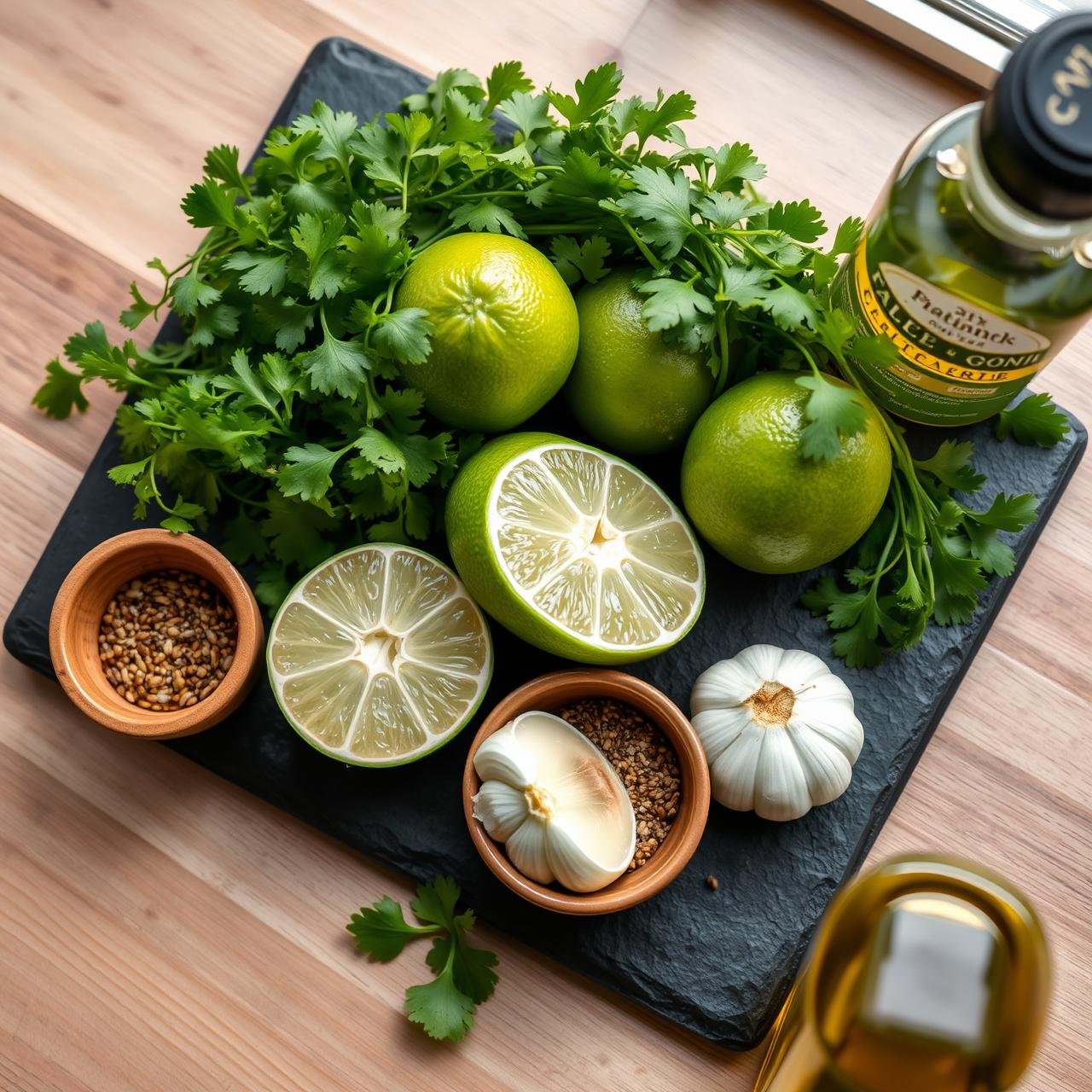
At its core, this recipe’s success hinges on a well-balanced marinade. Each component plays a crucial role. The lime juice, an acid, works to break down the tough muscle fibers in the chicken, a process called denaturation. This not only tenderizes the meat but also allows the other flavors to penetrate more deeply. The fresh cilantro provides a bright, herbaceous, and slightly peppery note that cuts through the richness of the chicken thigh. We use both the leaves and stems, as the stems contain an immense amount of flavor. Garlic offers its signature pungent, savory depth, while cumin lends a warm, earthy undertone that grounds the brighter flavors of the lime and cilantro. Finally, a good quality olive oil helps to bind these ingredients together, ensuring the chicken is evenly coated and promoting a beautiful, even sear in the skillet.
Why Chicken Thighs are the Superior Choice
While chicken breasts are popular, chicken thighs are the unsung heroes of the culinary world, especially for a recipe like this. Thighs have a higher fat content, which translates directly to more flavor and moisture. They are incredibly forgiving to cook; where a chicken breast can become dry if overcooked by a minute, a chicken thigh remains tender and juicy. For this recipe, we highly recommend using bone-in, skin-on chicken thighs. The bone helps to regulate the cooking temperature, preventing the meat from cooking too quickly and drying out, while the skin crisps up to a delightful golden-brown, providing a wonderful textural contrast to the tender meat beneath.
Essential Kitchen Equipment
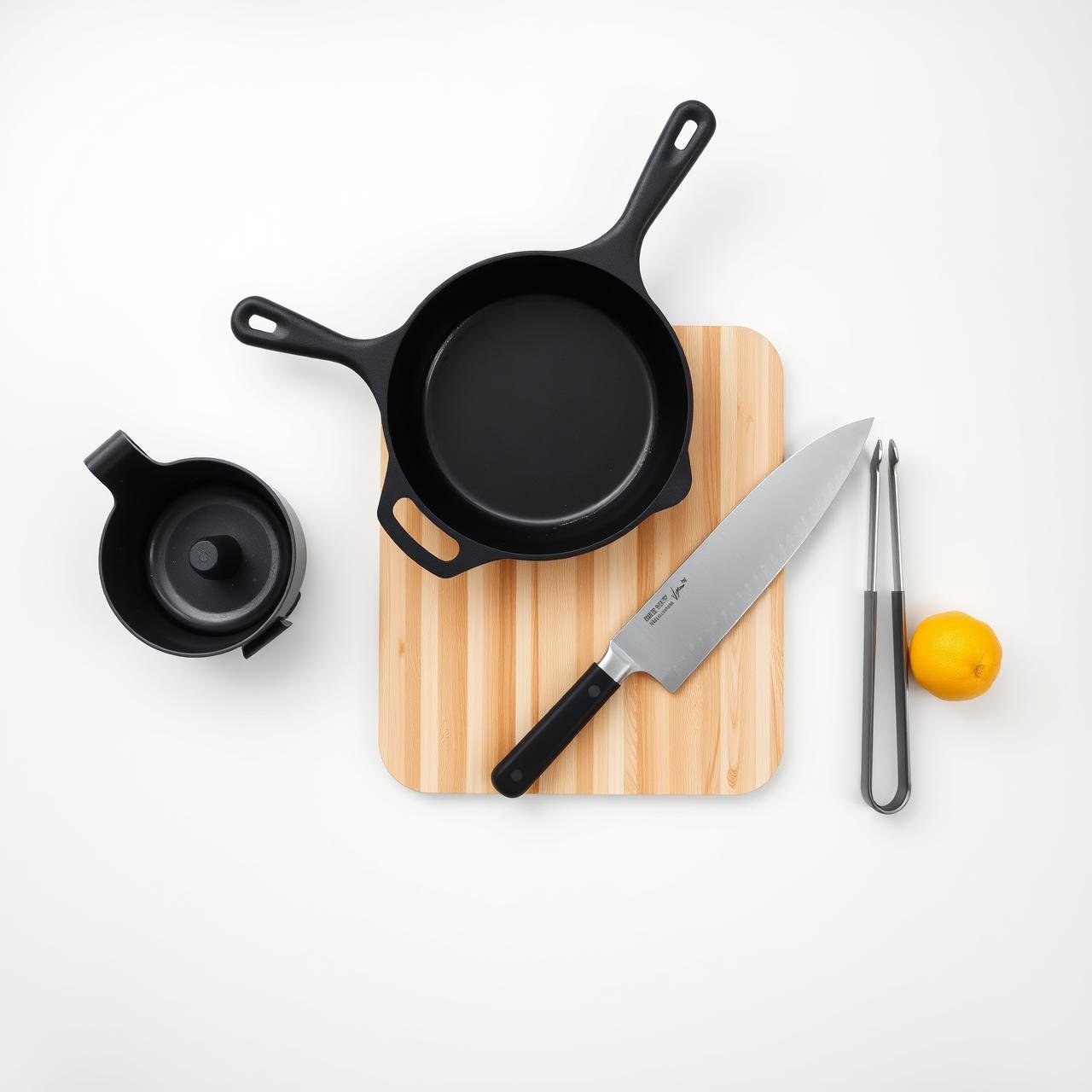
You don’t need a professional kitchen to achieve perfect results. This recipe relies on a few key pieces of equipment that most home cooks already own. The most important tool is a quality skillet that can retain and distribute heat evenly.
| Equipment | Chef’s Note |
|---|---|
| Large Skillet (12-inch) | A heavy-bottomed skillet, such as cast iron or stainless steel, is essential for achieving a perfect, crispy sear. Avoid non-stick if possible, as it won’t produce the same quality of crust. |
| Large Bowl or Ziplock Bag | For marinating the chicken. A large resealable bag is excellent for ensuring the chicken is fully coated in the marinade. |
| Cutting Board & Chef’s Knife | For preparing the cilantro, garlic, and limes. |
| Citrus Juicer or Reamer | To extract the maximum amount of juice from your limes. |
| Tongs | For safely flipping the chicken in the hot skillet without piercing the meat. |
| Instant-Read Thermometer | The most reliable way to ensure your chicken is cooked to a safe and juicy perfection. |
The Cast of Ingredients: Quality Matters
The beauty of this recipe is its simplicity, which means the quality of each ingredient truly shines. Opt for the freshest components you can find for the most vibrant flavor.
- Chicken Thighs: 8 bone-in, skin-on chicken thighs (about 3-4 pounds). Look for plump thighs with intact skin.
- Cilantro: 1 large bunch of fresh cilantro, thick stems removed, leaves and tender stems roughly chopped. Do not substitute with dried cilantro; the flavor is not comparable.
- Limes: 1/2 cup of freshly squeezed lime juice (from about 3-4 juicy limes), plus extra wedges for serving.
- Garlic: 6 cloves of garlic, minced. Fresh is always best.
- Olive Oil: 1/4 cup of extra-virgin olive oil, plus 1 tablespoon for the skillet.
- Cumin: 2 teaspoons of ground cumin. For extra flavor, toast whole cumin seeds and grind them yourself.
- Salt: 1 1/2 teaspoons of kosher salt, or to taste.
- Black Pepper: 1 teaspoon of freshly ground black pepper.
- Optional Heat: 1 jalapeño, finely diced, for a gentle kick of spice.
Step-by-Step Instructions: Mastering the Skillet Sear
Follow these steps carefully to build layers of flavor and achieve that perfect balance of crispy skin and juicy meat. Patience is key, especially when searing.
-
Prepare the Marinade:
In a large bowl, combine the chopped cilantro, fresh lime juice, olive oil, minced garlic, ground cumin, salt, and black pepper (and jalapeño, if using). Whisk everything together until well combined. This is your flavor bomb.
-
Marinate the Chicken:
Pat the chicken thighs completely dry with paper towels. This is a critical step for achieving crispy skin. Place the dried chicken thighs in the bowl with the marinade (or transfer everything to a large ziplock bag). Use your hands to massage the marinade into every nook and cranny of the chicken, including under the skin. Cover and refrigerate for at least 30 minutes, but ideally for 2 to 4 hours. Do not marinate for more than 8 hours, as the lime juice can start to break down the meat’s texture.
-
Prepare for Searing:
Remove the chicken from the refrigerator about 20-30 minutes before cooking to allow it to come to room temperature. This promotes even cooking. When ready to cook, gently scrape off most of the excess marinade from the chicken skin to prevent burning.
-
Heat the Skillet:
Place your 12-inch cast-iron or heavy-bottomed skillet over medium-high heat. Add 1 tablespoon of olive oil. Let the skillet get hot. You’ll know it’s ready when the oil shimmers slightly.
-
Sear the Chicken:
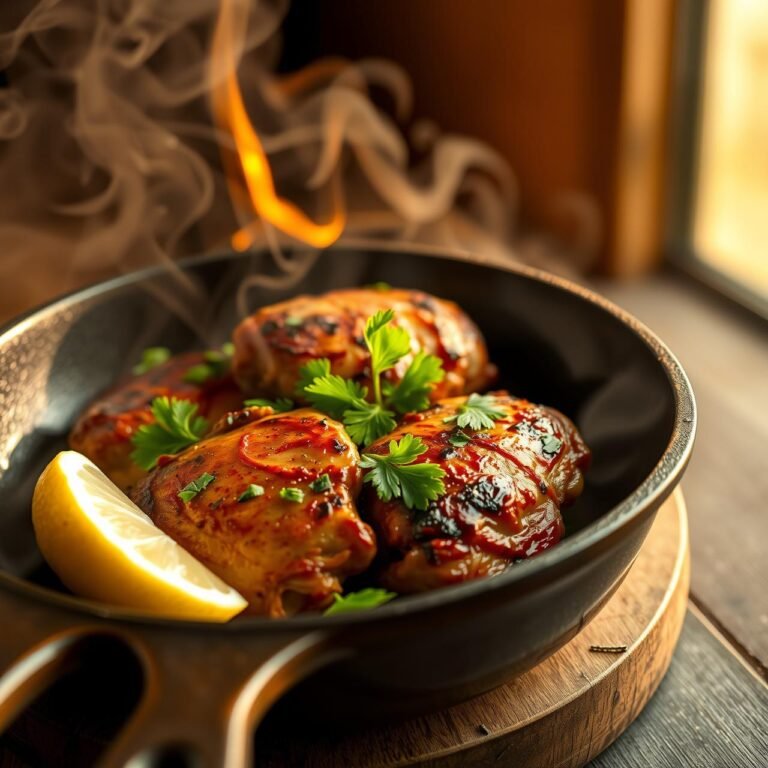
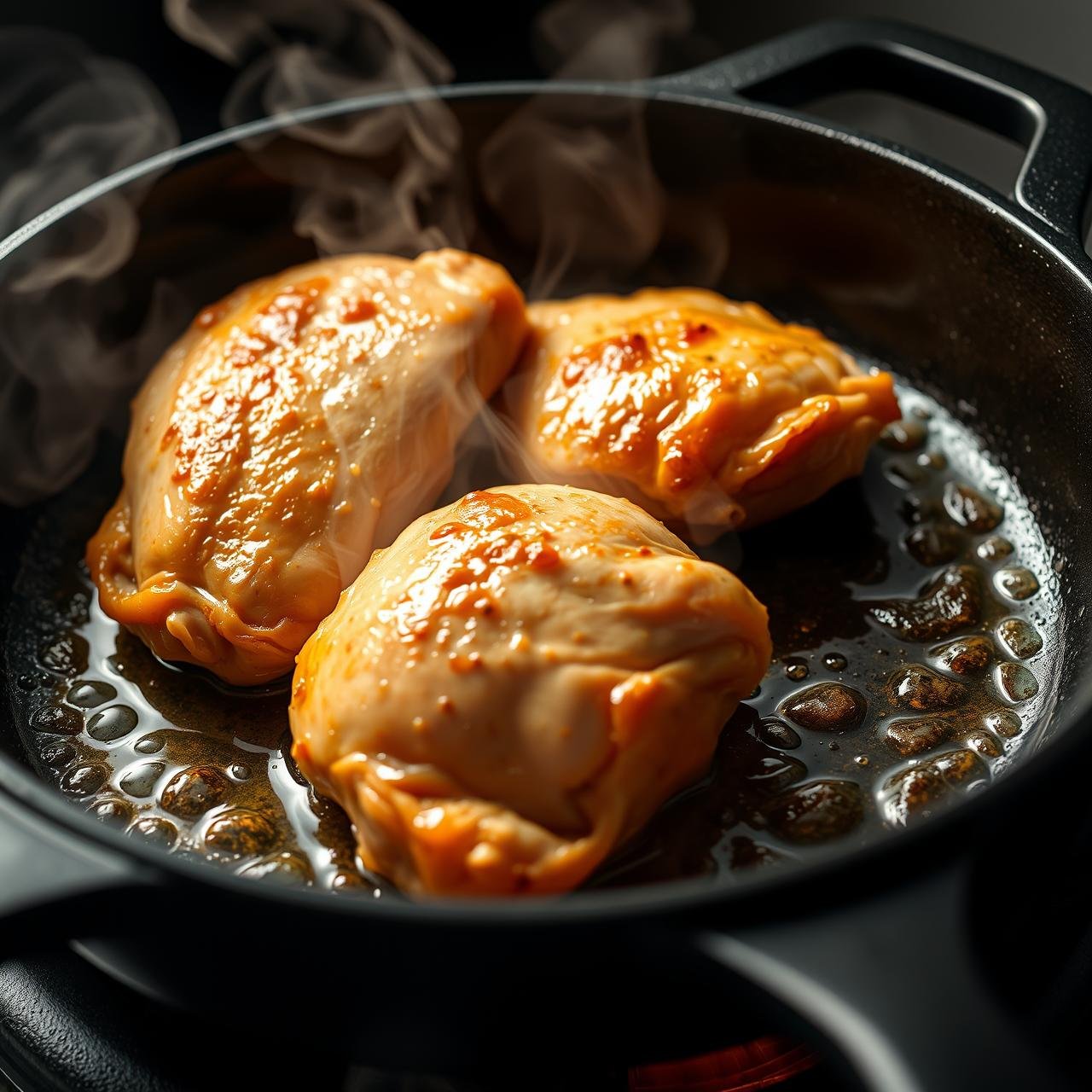
Carefully place the chicken thighs in the hot skillet, skin-side down. Do not overcrowd the pan; cook in batches if necessary. You should hear a loud, satisfying sizzle. Sear the chicken, undisturbed, for 5-7 minutes, or until the skin is deeply golden brown and crispy and releases easily from the pan.
-
Flip and Finish Cooking:
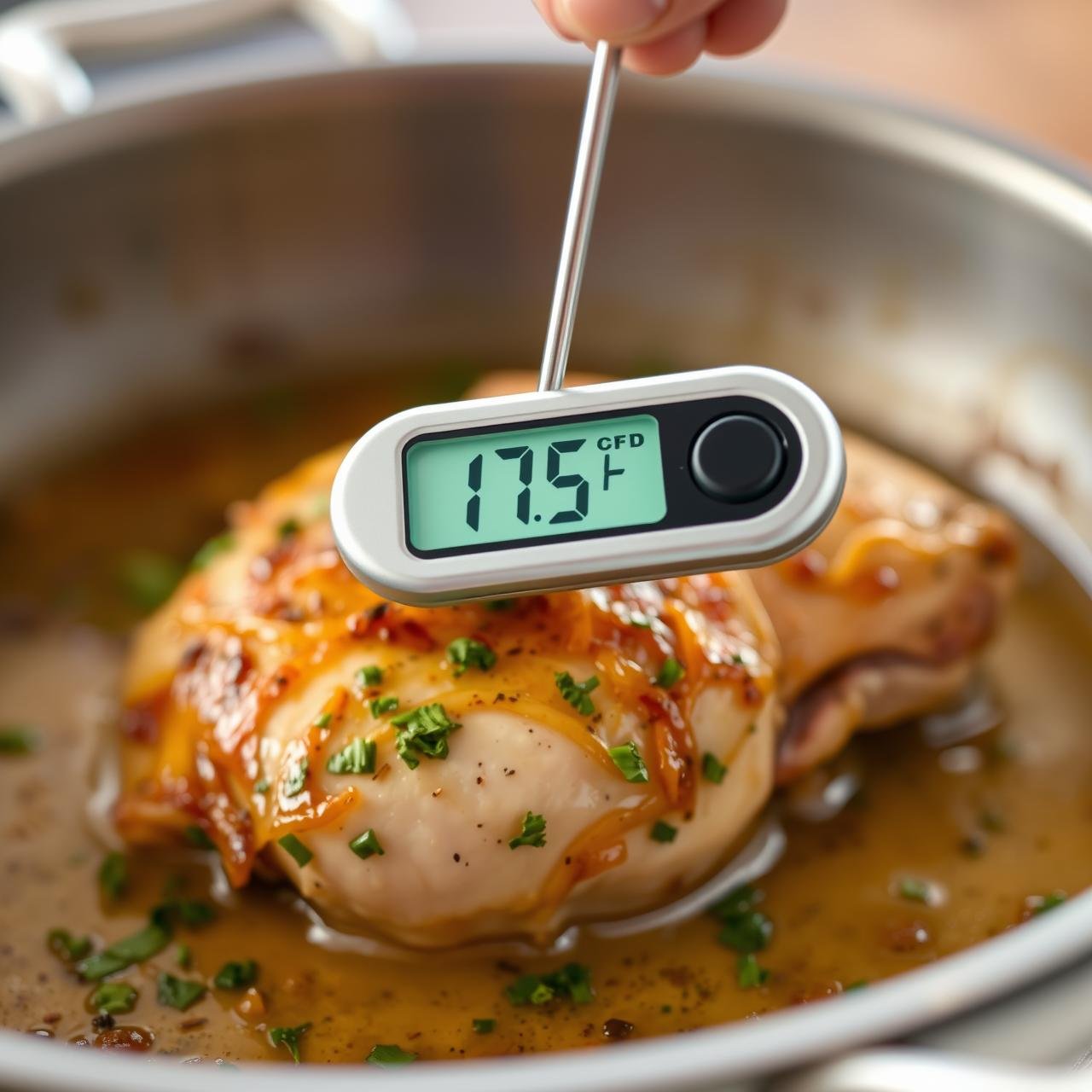
Using tongs, flip the chicken thighs over. Reduce the heat to medium-low. Continue to cook for another 10-15 minutes on the second side. The exact time will depend on the size of your thighs. The chicken is done when the internal temperature reaches 165-175°F (74-79°C) when measured with an instant-read thermometer in the thickest part, avoiding the bone.
-
Rest the Chicken:
Transfer the cooked chicken to a clean cutting board or plate. Let it rest for at least 5-10 minutes before serving. This allows the juices to redistribute throughout the meat, ensuring every bite is succulent.
-
Serve:
Garnish with additional fresh cilantro and serve immediately with fresh lime wedges on the side for squeezing over the top.
A Chef’s Secrets for Flawless Chicken Thighs
Don’t Skip the Drying Step
Moisture is the enemy of crispiness. Before adding the chicken to the marinade, you must pat it thoroughly dry with paper towels. A dry surface allows the Maillard reaction—the chemical process responsible for browning and flavor development—to occur efficiently, resulting in that coveted crispy, golden skin.
The Importance of a Hot Pan
Placing chicken in a lukewarm pan will cause it to steam rather than sear. You need to preheat your skillet properly over medium-high heat. When you add the oil, it should shimmer. When you add the chicken, it should sizzle aggressively. This initial blast of high heat is what creates the foundational crust.
Resist the Urge to Move It
Once you place the chicken skin-side down in the hot pan, leave it alone. Don’t poke it, press it, or try to move it for at least 5 minutes. The skin needs uninterrupted contact with the hot surface to render its fat and form a crust. It will naturally release from the pan when it’s ready to be flipped.
Cook to Temperature, Not Time
While the recipe provides time estimates, the only foolproof way to guarantee perfectly cooked, juicy chicken is to use an instant-read thermometer. Chicken is safe to eat at 165°F, but dark meat like thighs is actually more tender and succulent when cooked to a slightly higher temperature of 175°F to 185°F. This extra heat helps to break down more connective tissue.
The Final, Crucial Rest
Never, ever slice into chicken straight from the skillet. The muscle fibers are tense and will expel all their delicious juices onto your cutting board. Resting the meat for 5-10 minutes allows those fibers to relax and reabsorb the juices, ensuring the chicken is moist and flavorful from the first bite to the last.
Serving Suggestions & Perfect Pairings
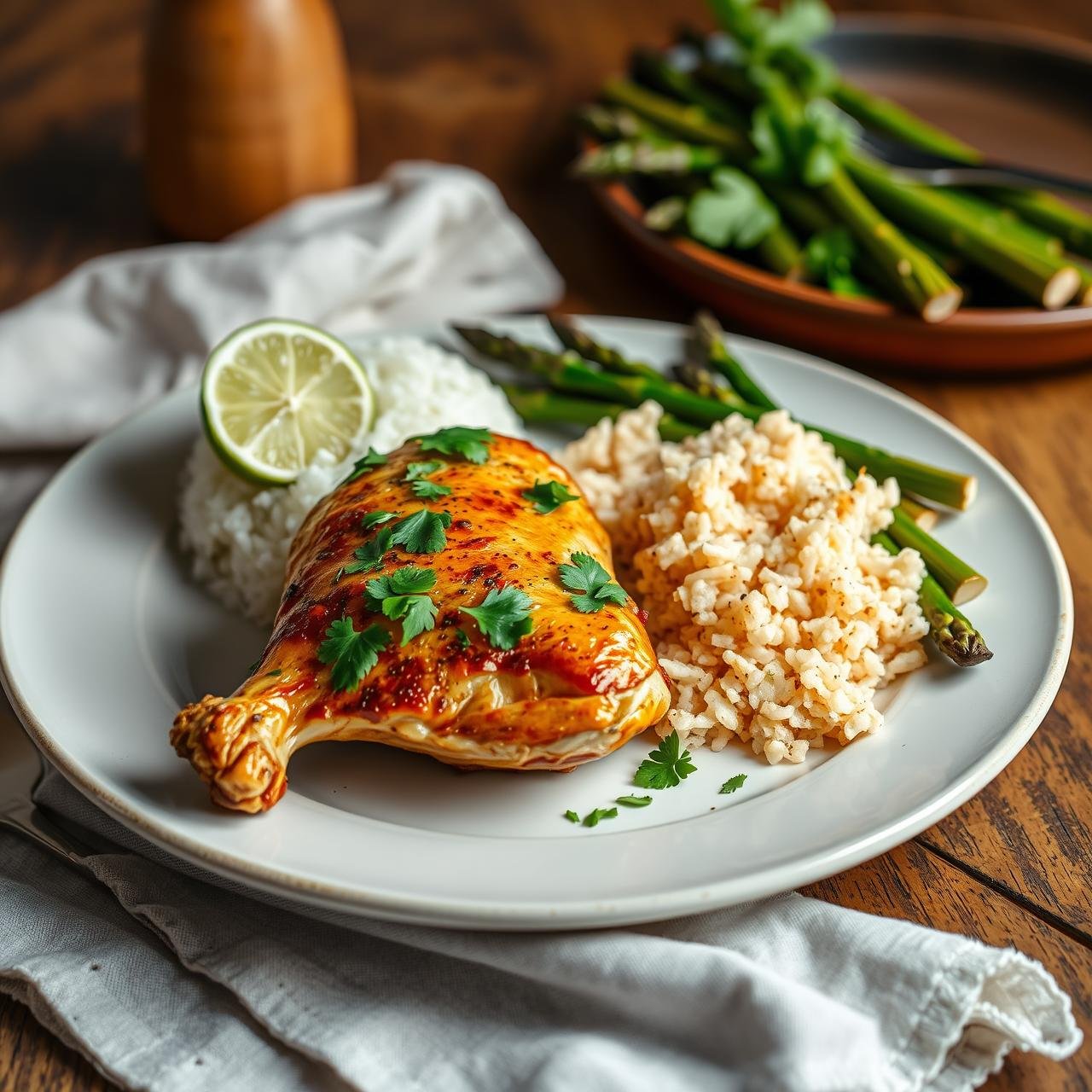
This versatile chicken pairs beautifully with a wide variety of sides. Here are some of our favorite ways to turn it into a complete, satisfying meal:
- Classic & Simple: Serve with a side of fluffy cilantro-lime rice and black beans. Drizzle any remaining pan juices over the rice for extra flavor.
- Low-Carb Option: For a healthier, low-carb meal, pair the chicken with cauliflower rice, a generous portion of roasted broccoli or asparagus, or a simple green salad with a light vinaigrette.
- Hearty & Rustic: Accompany the chicken with roasted sweet potatoes or a warm quinoa salad with corn and bell peppers.
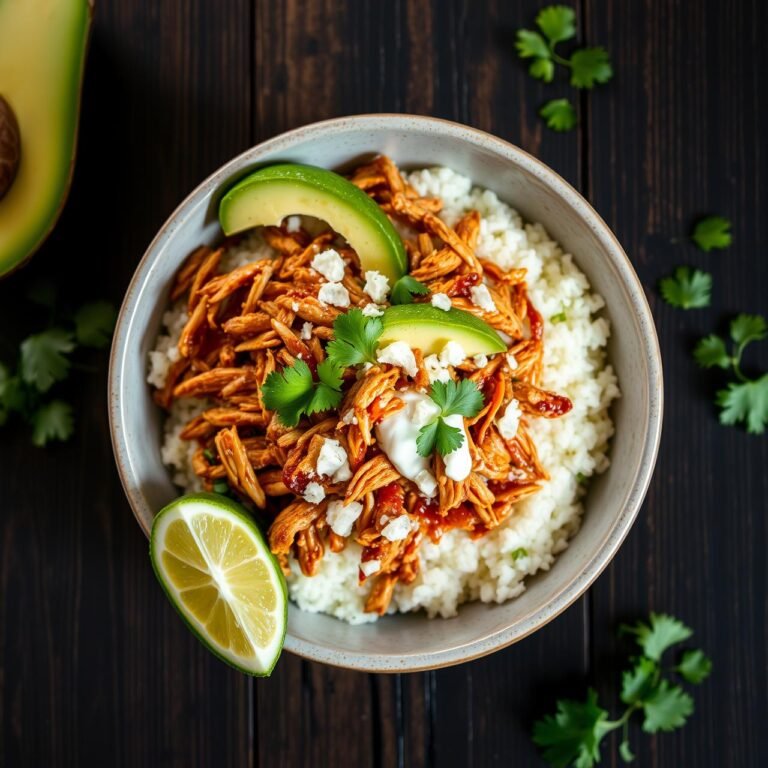
- For Tacos or Bowls: Shred the chicken off the bone and use it as a filling for warm corn tortillas or as the protein star in a burrito bowl with all your favorite toppings like avocado, salsa, and sour cream.
Don’t Waste the Pan Drippings!
After you remove the chicken to rest, you’ll be left with browned bits (called ‘fond’) and rendered chicken fat in the skillet. This is liquid gold! You can deglaze the pan with a splash of chicken broth or lime juice, scraping up the browned bits, to create a quick, intensely flavorful pan sauce to drizzle over the chicken and sides.
Estimated Nutritional Information
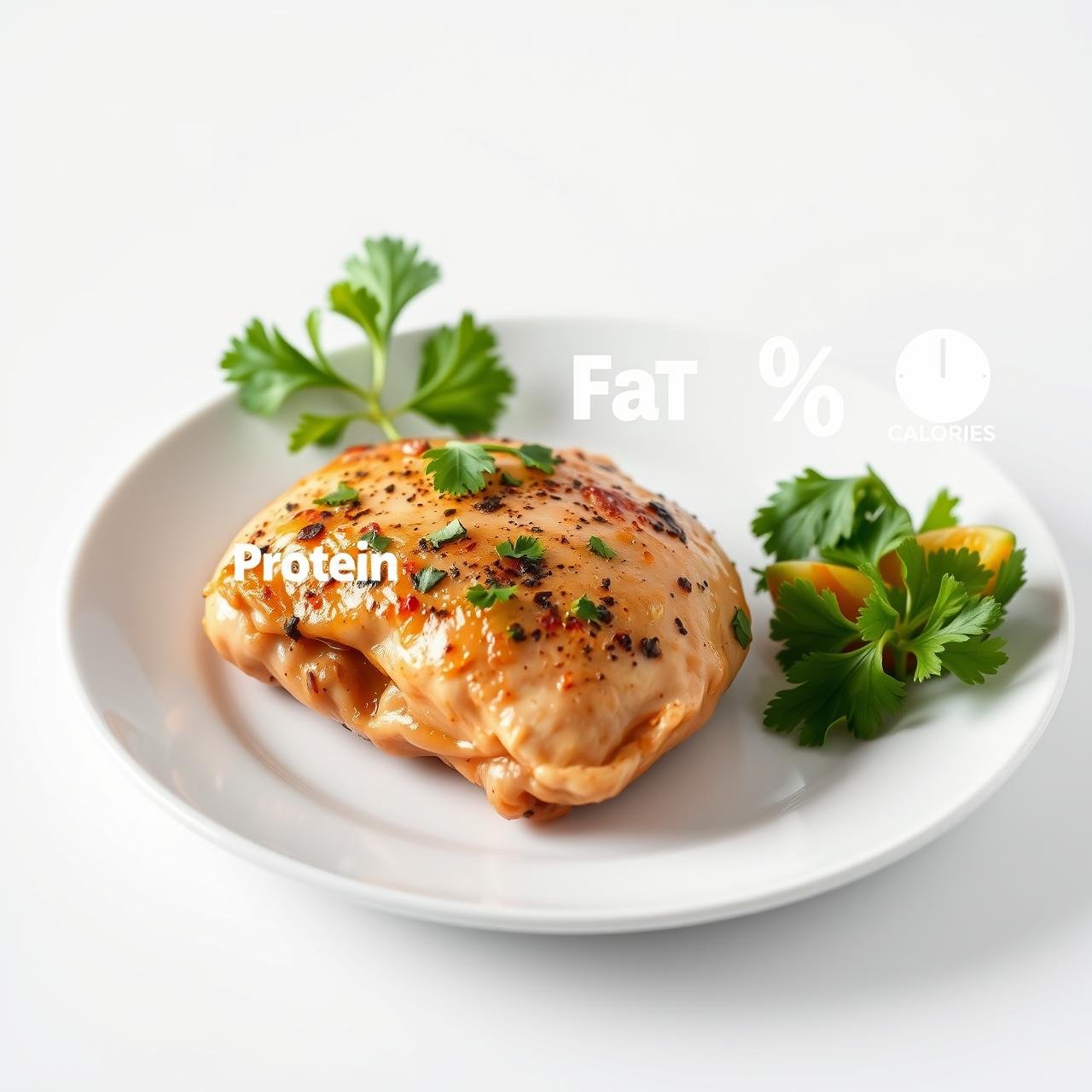
The following is an estimate for one serving (one chicken thigh), and actual values may vary based on ingredient brands and specific cut sizes. This information is for guidance purposes only.
| Nutrient | Amount per Serving |
|---|---|
| Calories | ~380 kcal |
| Protein | ~32g |
| Fat | ~26g |
| Saturated Fat | ~7g |
| Carbohydrates | ~3g |
| Sugar | ~1g |
| Sodium | ~550mg |
Storage and Reheating Instructions
Refrigeration
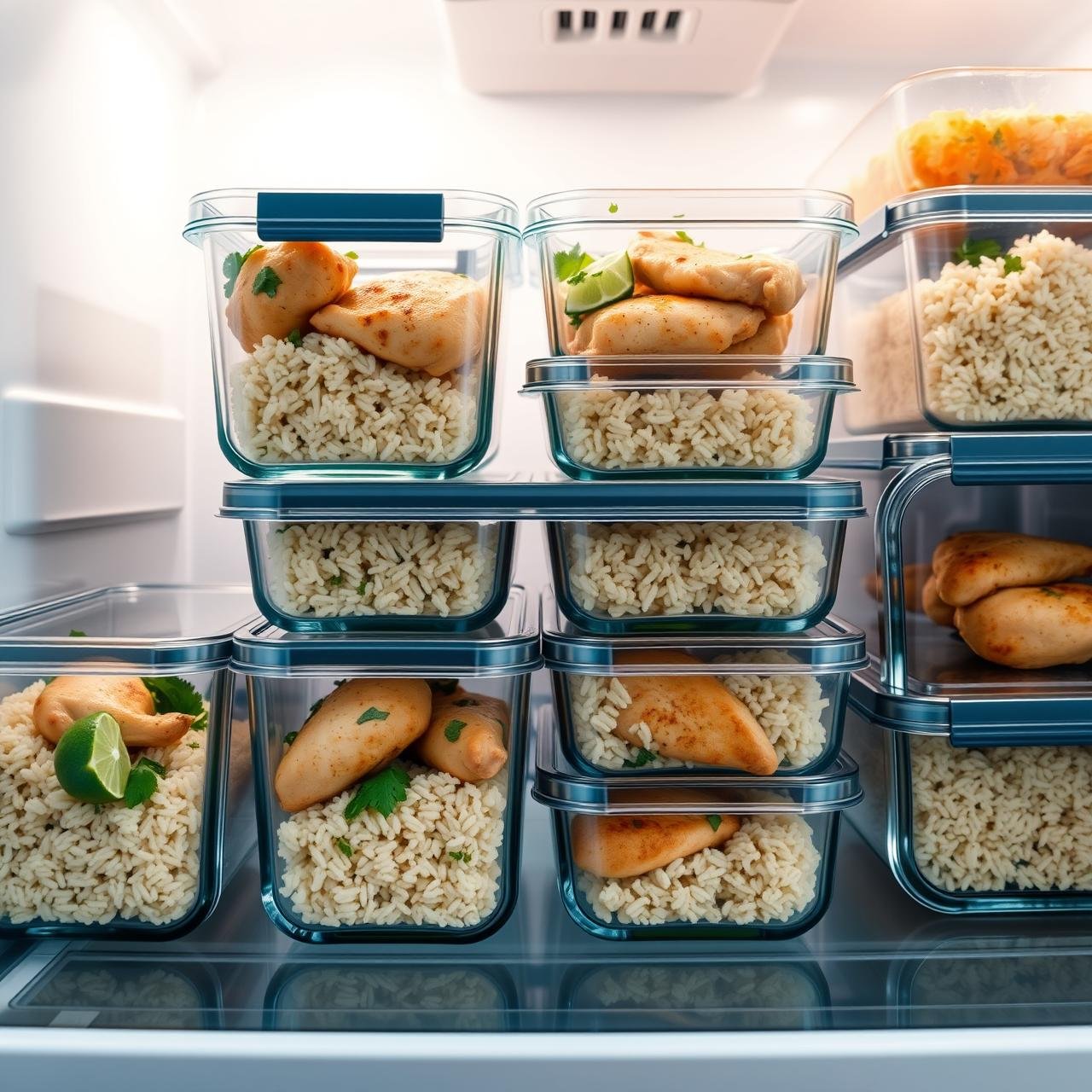
Leftover chicken can be stored in an airtight container in the refrigerator for up to 4 days. This makes it perfect for meal prepping lunches for the week. The flavors will continue to meld, and it’s just as delicious cold, shredded over a salad.
Freezing
For longer storage, you can freeze the cooked chicken. Allow it to cool completely, then place the thighs in a single layer on a baking sheet and freeze until solid. Transfer the frozen thighs to a freezer-safe bag or container. They will keep well for up to 3 months. Thaw overnight in the refrigerator before reheating.
The Best Way to Reheat
To maintain the best texture and prevent the chicken from drying out, avoid the microwave if possible.
- Skillet Method: Place the chicken in a skillet over medium-low heat with a splash of water or chicken broth. Cover and heat for 5-7 minutes, or until warmed through. This will help it steam gently and stay juicy.
- Oven Method: Preheat your oven to 350°F (175°C). Place the chicken in an oven-safe dish, add a splash of water or broth, and cover with foil. Heat for 10-15 minutes until hot. For the last few minutes, you can remove the foil to help re-crisp the skin.
Conclusion
This Juicy Cilantro Lime Chicken Thighs recipe is more than just a set of instructions; it’s a technique and a promise. It’s a promise of a delicious, home-cooked meal that doesn’t require hours of effort or a long list of complicated ingredients. It’s proof that with a few fresh components and a hot skillet, you can create something truly special. We encourage you to make this recipe your own—adjust the spice, add different herbs, or experiment with new side dishes. Embrace the rustic charm and bold flavors, and bring this incredible flavor bomb to your family’s table.