Japanese Weight Loss Secret: Poached Salmon in Ochazuke Broth (No Oil)
In the world of culinary secrets, few are as elegantly simple and profoundly effective as the Japanese tradition of Ochazuke. Imagine a meal that soothes the soul, delights the palate, and aligns perfectly with your health and weight loss goals—all without a single drop of cooking oil. This isn’t a fantasy; it’s the nourishing reality of our Poached Salmon in Ochazuke Broth. It’s a dish that whispers of ancient wisdom, where simplicity is the ultimate sophistication.
Ochazuke, at its heart, is a humble dish of rice with savory toppings, over which hot green tea or a light broth is poured. It’s the quintessential Japanese comfort food, a go-to for a light meal, a late-night snack, or a gentle remedy for an upset stomach. But in this version, we elevate it from a simple comfort to a gourmet, health-centric masterpiece. By gently poaching a beautiful fillet of salmon in a homemade dashi broth, we create a protein-rich, omega-3-packed meal that is clean, lean, and bursting with umami. Forget restrictive diets and bland ‘health food.’ This recipe is proof that you can nourish your body, shed unwanted pounds, and indulge in a truly delicious, homestyle experience all at once. Let’s embark on this culinary journey and unlock a secret that your body and taste buds will thank you for.
The Soul of Simplicity: What is Ochazuke?
Before we dive into the cooking process, it’s essential to understand the philosophy behind Ochazuke (お茶漬け). The name itself is a combination of ‘ocha’ (tea) and ‘zuke’ (to submerge). This practice of reviving leftover rice with tea dates back centuries in Japan, born from a culture of frugality and a deep appreciation for simple, nourishing food. It embodies the Japanese culinary principle of washoku, which emphasizes balance, harmony, and the use of fresh, seasonal ingredients.
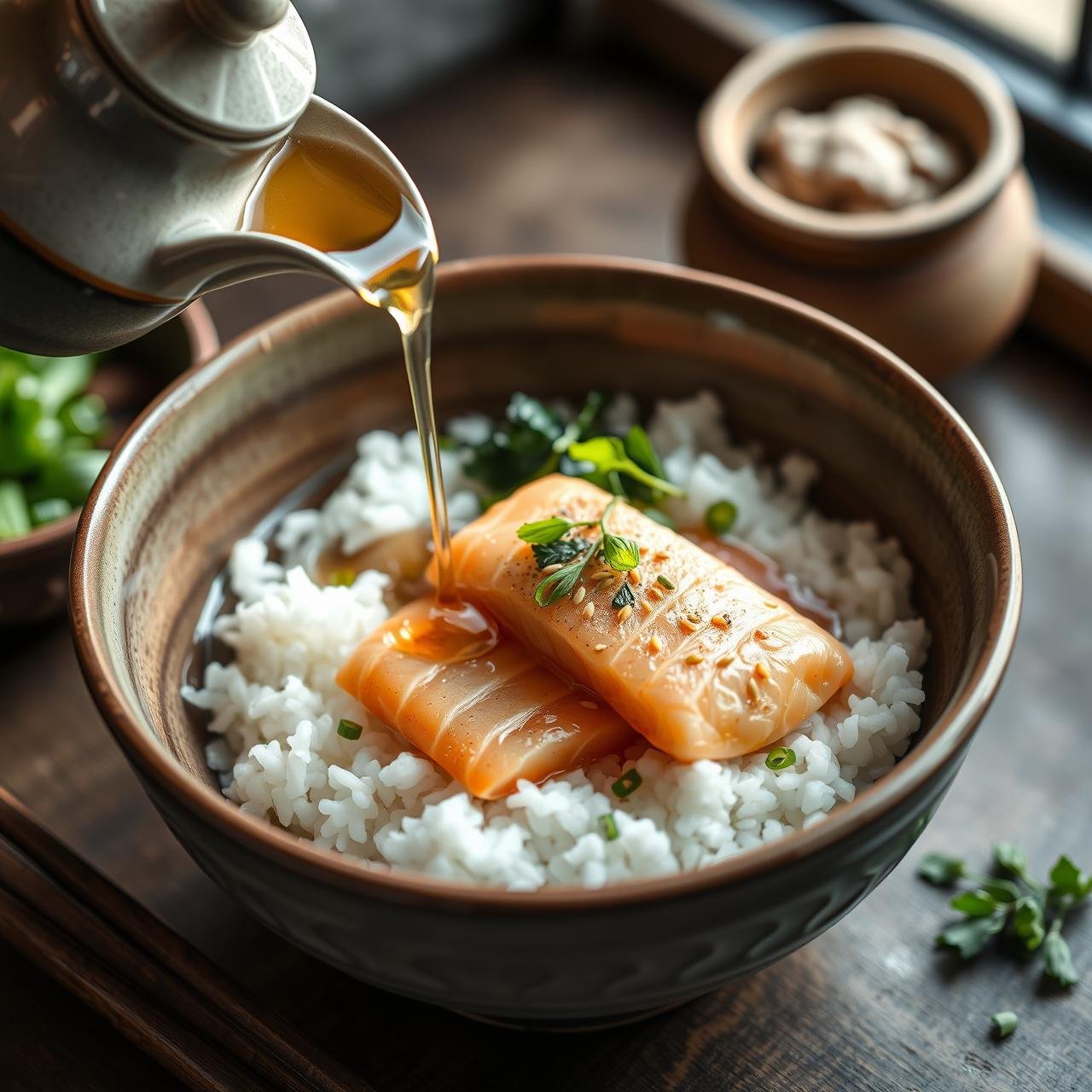
But Ochazuke is more than just ‘rice soup.’ It’s a canvas for flavor and texture. The base is almost always steamed Japanese rice, which acts as the perfect starchy foundation. The magic happens with the pour-over liquid—traditionally sencha or genmaicha green tea, but often a savory dashi broth is used for a deeper, more resonant umami flavor. This warm liquid gently heats the rice and toppings, releasing their aromas and melding the flavors together into a cohesive, comforting slurry.
Why is this dish a ‘weight loss secret’? The brilliance lies in its composition. It’s incredibly hydrating, helping you feel full and satisfied. The protein from the salmon promotes satiety, keeping hunger at bay for hours. By eliminating oil and relying on the clean, pure method of poaching, we keep the calorie count low while maximizing nutrient density. It’s a low-fat, high-protein meal that doesn’t sacrifice an ounce of flavor, making it an ideal staple for anyone on a health-conscious journey.
Gather Your Tools: Essential Kitchen Equipment
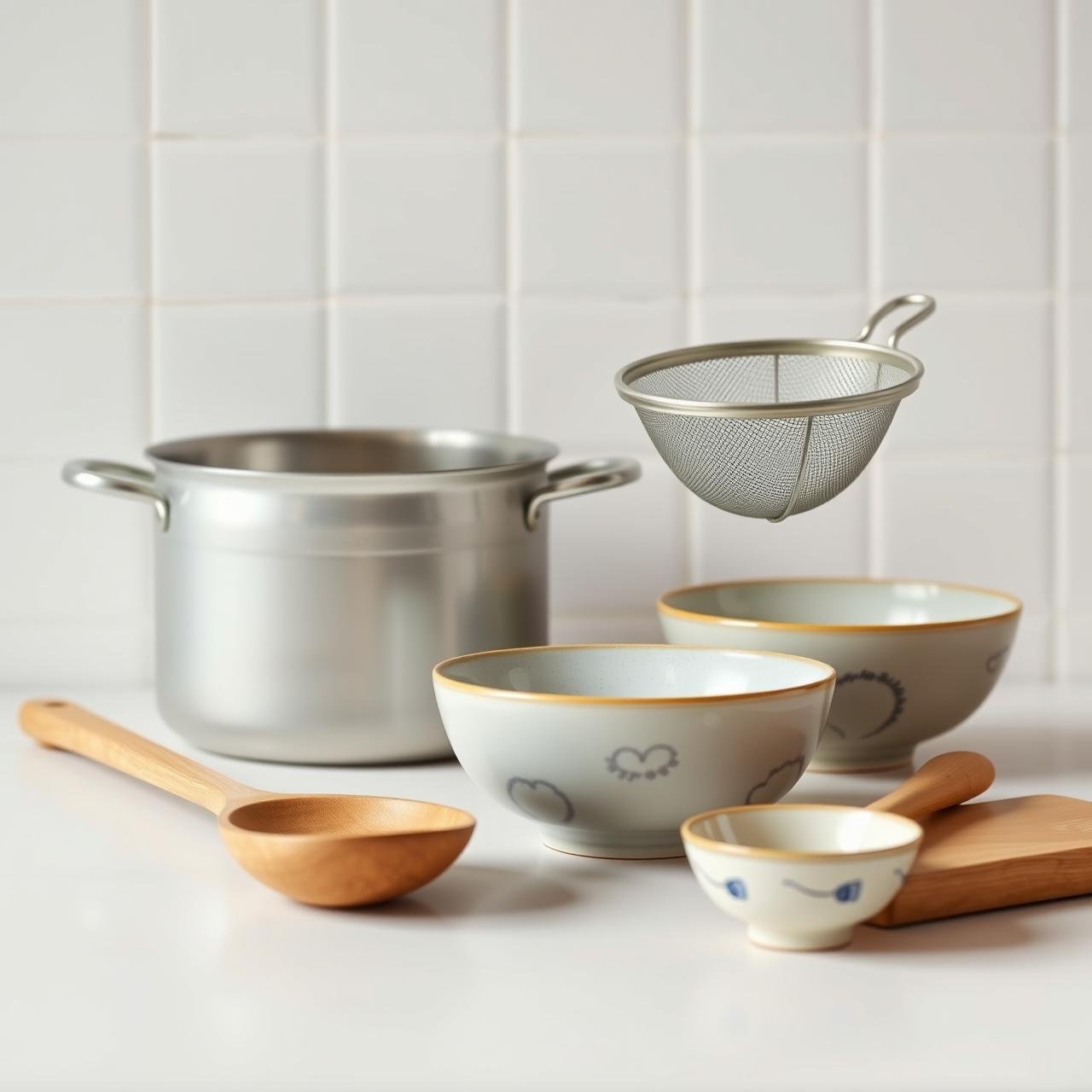
The beauty of this rustic dish is that it requires no fancy gadgets. The focus is on technique and ingredients, not complex machinery. Here is what you’ll need to bring this comforting meal to life in your own kitchen.
| Equipment | Purpose |
|---|---|
| Medium Saucepan | For preparing the dashi broth and gently poaching the salmon. |
| Fine-Mesh Sieve or Strainer | Crucial for straining the bonito flakes from the dashi to achieve a clear, clean broth. |
| Sharp Knife | For preparing the salmon and slicing the garnishes with precision. |
| Cutting Board | A dedicated surface for your ingredients. |
| Rice Cooker or Pot | For cooking the Japanese short-grain rice to fluffy perfection. |
| Deep Serving Bowls (Donburi) | The ideal vessel for assembling your ochazuke, allowing ample room for the rice, salmon, and broth. |
| Small Teapot or Ladle | For the ceremonial and practical act of pouring the hot broth over the rice at the table. |
Nourishing Ingredients: The Building Blocks of Flavor
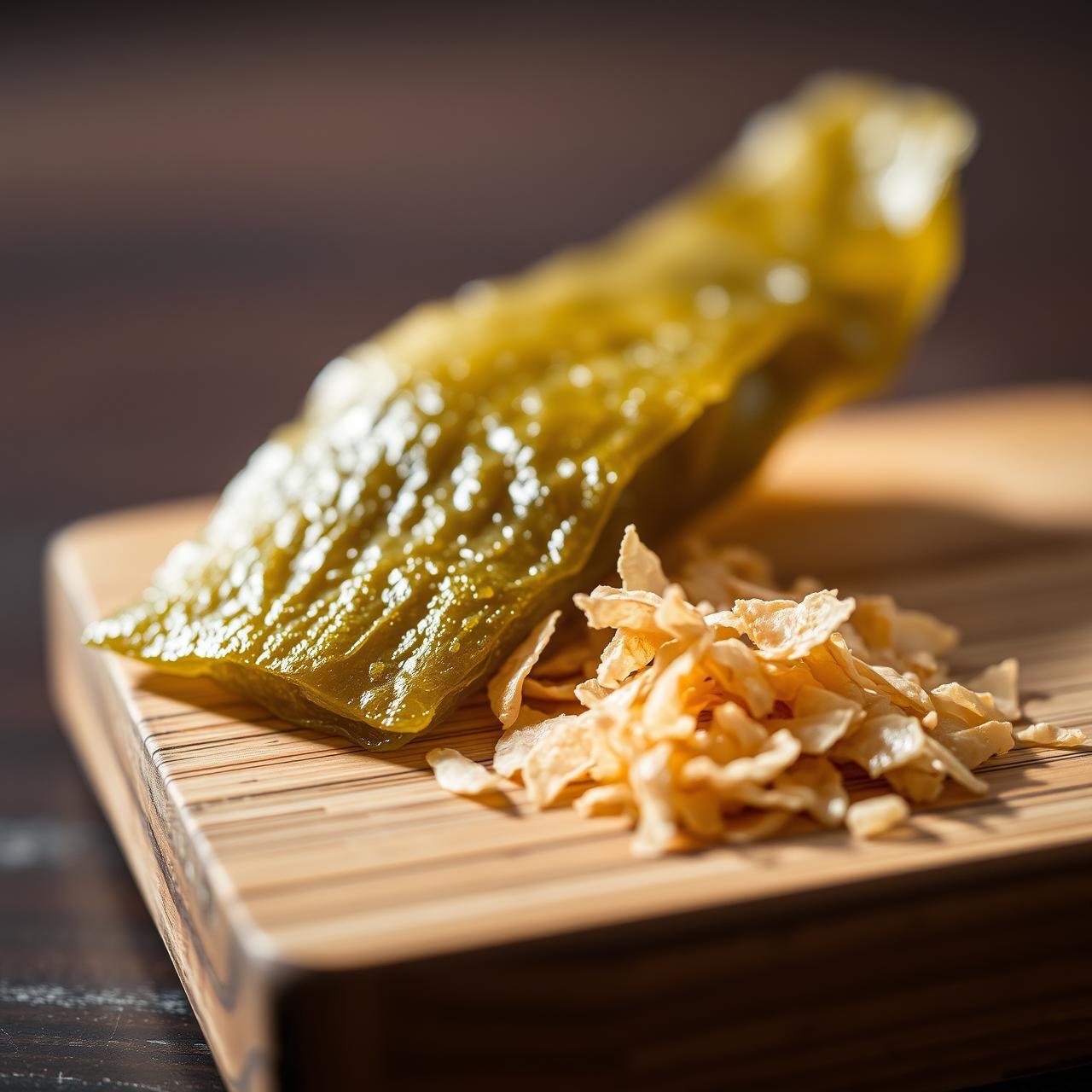
Quality ingredients are paramount in a dish this simple. Each component must shine. We’ve broken the list into the core elements of the dish for clarity.
For the Dashi Broth & Poached Salmon:
- 4 cups filtered water
- 1 piece (about 10g or 4×4 inches) kombu (dried kelp)
- 1 cup loosely packed katsuobushi (bonito flakes)
- 2 tablespoons soy sauce (shoyu), preferably a light-colored usukuchi variety
- 1 tablespoon mirin (sweet rice wine)
- 1/2 teaspoon sea salt, or to taste
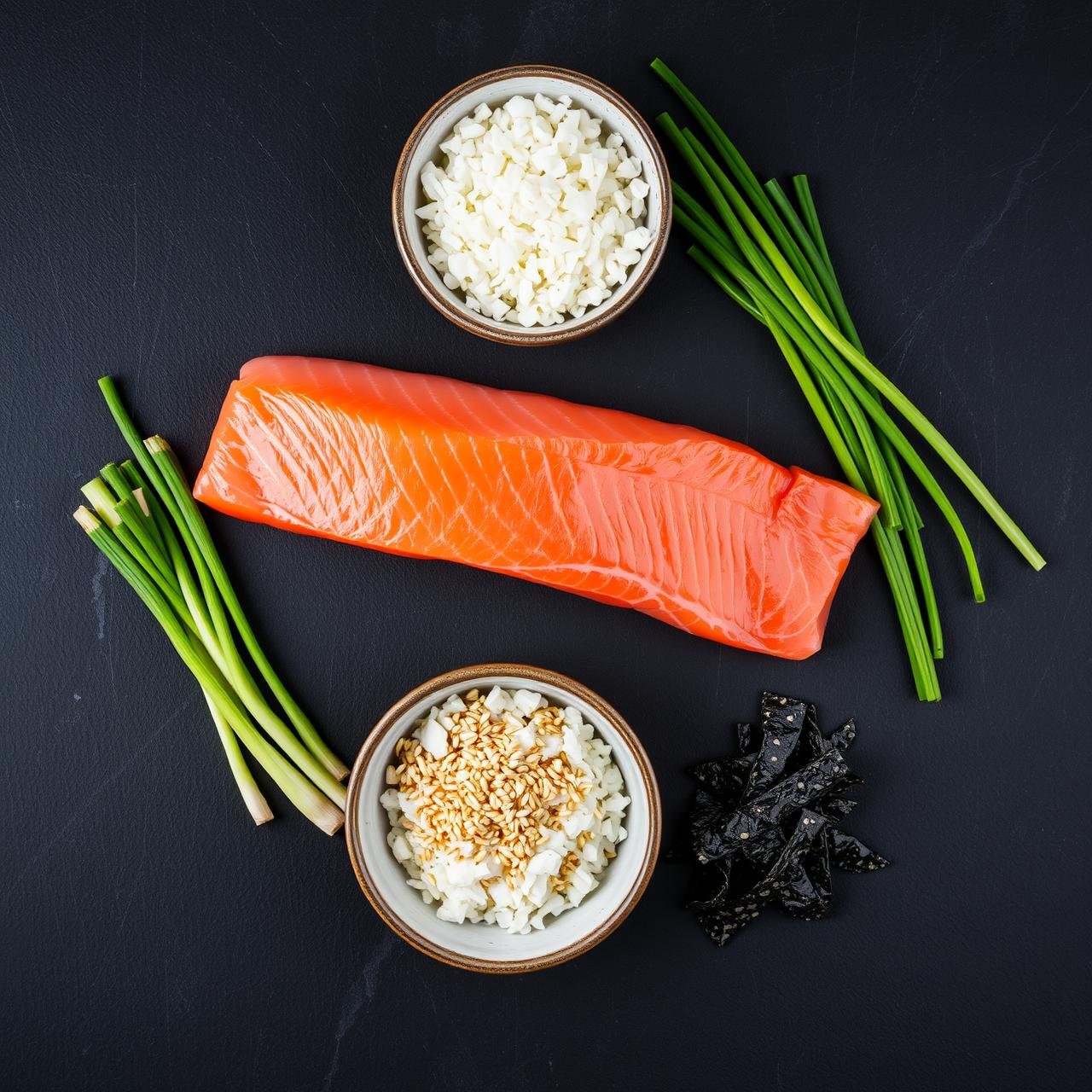
- 2 (6-ounce) skinless salmon fillets, preferably center-cut for even thickness
For the Ochazuke Assembly:
- 3 cups cooked Japanese short-grain rice, kept warm
- 2 scallions, thinly sliced
- 1 tablespoon toasted white sesame seeds
- 1 sheet nori (toasted seaweed), cut into thin strips (kizami nori)
- Optional: A small amount of wasabi, mitsuba (Japanese parsley), or shiso leaves for garnish
The Method: A Step-by-Step Guide to Perfection
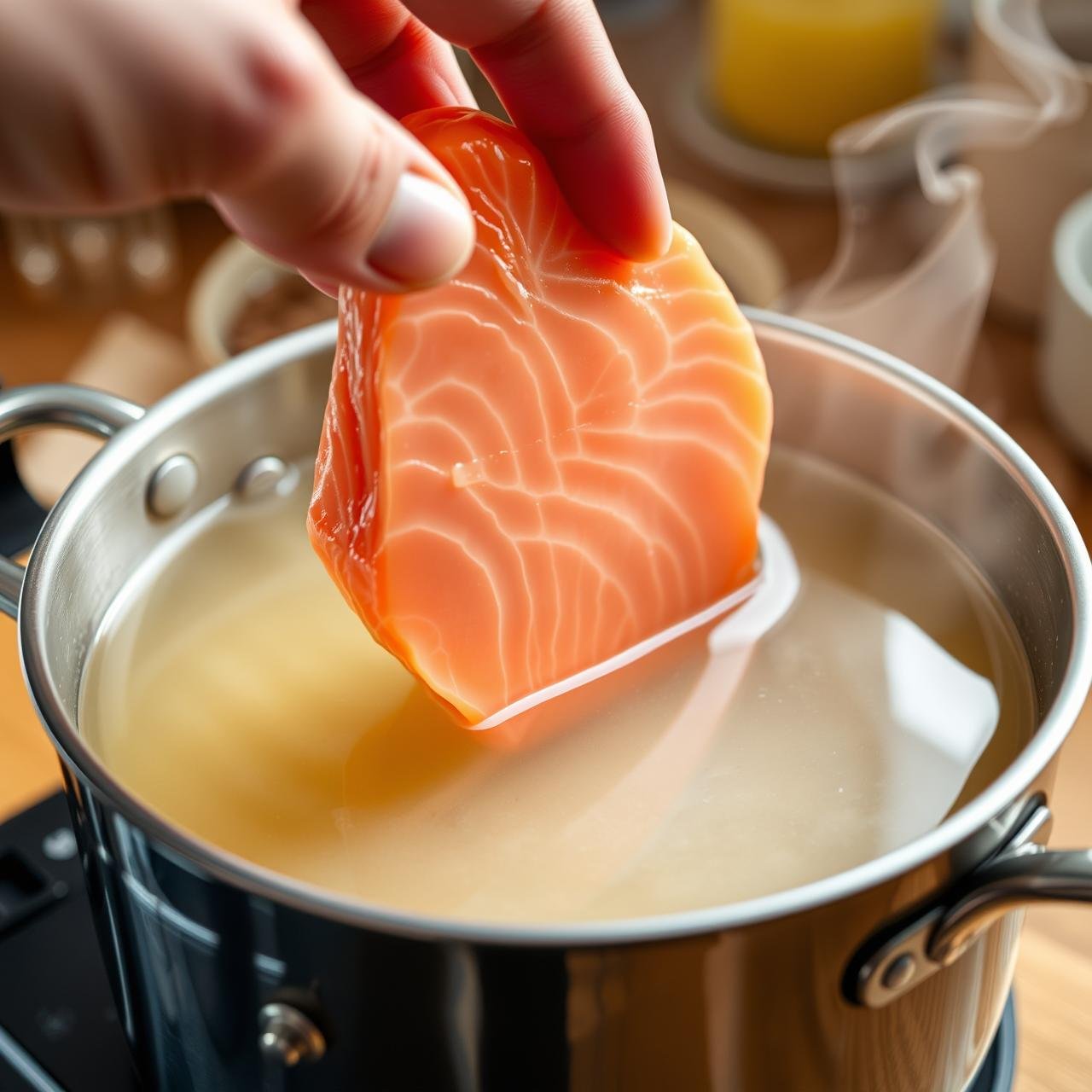
Follow these steps carefully to create a perfectly balanced and delicate Ochazuke. The key is gentleness—from steeping the dashi to poaching the salmon.
-
Prepare the Dashi Broth:
Start by making the foundational flavor of our dish. Gently wipe any dust off the kombu with a damp cloth, but do not wash off the white powder, as it’s full of umami. Place the kombu in the saucepan with 4 cups of cold, filtered water. Let it steep for at least 30 minutes, or up to a few hours for a deeper flavor.
-
Gently Heat the Dashi:
Place the saucepan over medium-low heat. Slowly bring the water to a bare simmer. You should see tiny bubbles forming around the edge of the pot. It is critical not to boil the kombu, as it can become bitter and slimy. Just before it reaches a full simmer (around 140°F / 60°C), remove the kombu.
-
Infuse the Bonito:
Bring the kombu-infused water to a gentle simmer. Add the katsuobushi (bonito flakes) all at once. Let it simmer for just 30-60 seconds, then immediately turn off the heat. Allow the flakes to steep and settle to the bottom of the pot for about 10 minutes.
-
Strain and Season:
Pour the broth through a fine-mesh sieve lined with cheesecloth or a paper towel into a clean bowl or pot. This ensures a crystal-clear dashi. Discard the used flakes. Return the clear dashi to the saucepan and stir in the soy sauce, mirin, and salt. Taste and adjust seasoning if necessary. The broth should be savory but light.
-
Poach the Salmon:
Bring the seasoned dashi back to a very gentle simmer over low heat. The liquid should be barely trembling, with no large bubbles. Carefully slide the salmon fillets into the broth. Poach for 5-8 minutes, depending on the thickness of your fillets. The salmon is done when it is opaque on the outside and flakes easily but remains moist and slightly translucent in the center. Avoid overcooking.
-
Assemble the Bowls:
While the salmon is poaching, divide the warm cooked rice between two deep serving bowls.
-
Final Presentation:
Using a slotted spoon, carefully lift the poached salmon fillets from the broth and place one on top of the rice in each bowl. Use a fork to gently flake the salmon into large, succulent pieces.
-
Serve and Enjoy:
Bring the pot of hot dashi broth to the table along with the bowls of garnishes (scallions, sesame seeds, nori). Ladle or pour the steaming broth into each bowl, around the salmon and over the rice. Garnish generously and serve immediately. The experience of pouring the hot broth is part of the ritual and charm of Ochazuke.
From My Kitchen to Yours: Chef’s Tips & Variations
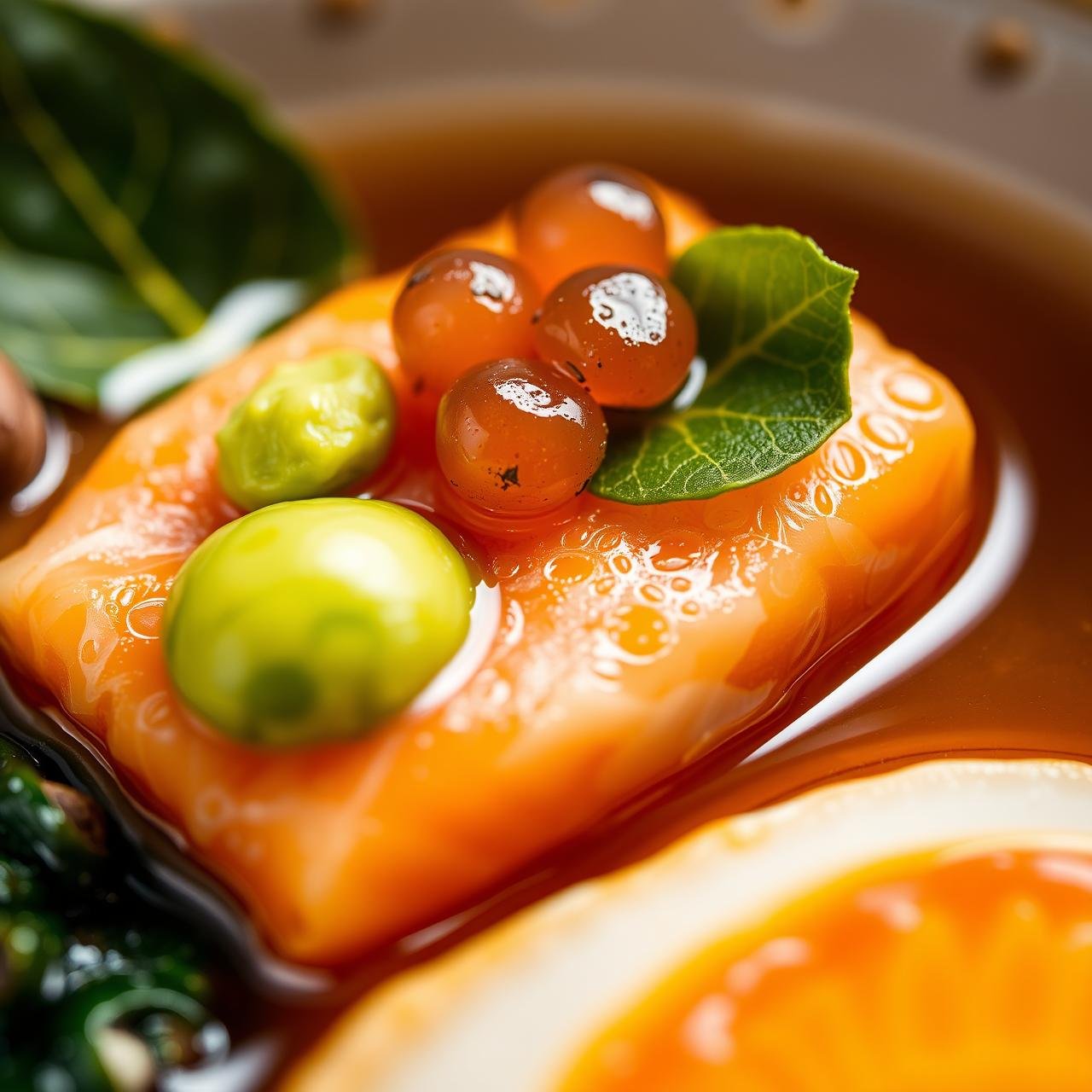
This recipe is a perfect starting point, but the world of Ochazuke is vast and versatile. Here are some professional tips and creative variations to make this dish your own.
The Secret to a Perfect Poach
The number one rule of poaching is low and slow. The dashi should never be at a rolling boil. This gentle cooking method ensures the salmon’s proteins don’t seize up, resulting in a silky, tender texture that is impossible to achieve with high heat. If you have a thermometer, aim for a water temperature between 160-180°F (71-82°C).
Choosing Your Tea
For a more traditional (and quicker) version, you can skip the dashi and use a high-quality Japanese green tea. Genmaicha (green tea with toasted brown rice) adds a wonderful nutty, roasted flavor that pairs beautifully with salmon. Sencha offers a clean, grassy note, while Hojicha (roasted green tea) provides a smokier, deeper character. Simply brew a strong pot of tea and pour it over the rice and pre-cooked salmon.
Creative Toppings and Add-ins
The toppings are where you can truly personalize your Ochazuke. Consider these additions:
- Umeboshi (Pickled Plum): Mash a salted pickled plum into the rice before adding the salmon for a jolt of salty, sour flavor that cuts through the richness.
- Crispy Salmon Skin: If you use skin-on salmon, you can pan-fry the skin separately until crispy, crumble it, and sprinkle it on top for a fantastic textural contrast.
- Ikura (Salmon Roe): For a touch of luxury, top your bowl with a spoonful of glistening salmon roe. The pops of salty brine are a true delight.
- Wasabi: A small dab of real wasabi dissolved into the broth adds a pungent kick that awakens the senses.
Budget-Friendly & Alternative Proteins
While salmon is delicious, this recipe works well with other fish. A firm white fish like cod or halibut poaches beautifully. For a super budget-friendly option, use high-quality canned tuna (in water, drained) or even leftover shredded chicken.
A Look at the Nutrition: Clean, Lean, and Powerful

This dish is a nutritional powerhouse disguised as simple comfort food. It’s perfectly balanced to support a healthy lifestyle and weight management goals. The salmon provides a high-quality source of lean protein, essential for muscle repair and satiety, as well as anti-inflammatory Omega-3 fatty acids, which are crucial for heart and brain health. The dashi broth is mineral-rich from the kombu, and the entire dish is incredibly low in fat and devoid of processed ingredients. It’s a testament to how whole foods, prepared simply, can offer immense health benefits.
| Nutrient | Amount per Serving (approx.) |
|---|---|
| Calories | 485 kcal |
| Protein | 42 g |
| Carbohydrates | 45 g |
| Fat | 14 g (primarily healthy Omega-3s) |
| Sodium | 650 mg |
| Fiber | 2 g |
Nutritional information is an estimate and can vary based on specific ingredients and portion sizes.
Make It Ahead: Storage and Meal Prep Tips
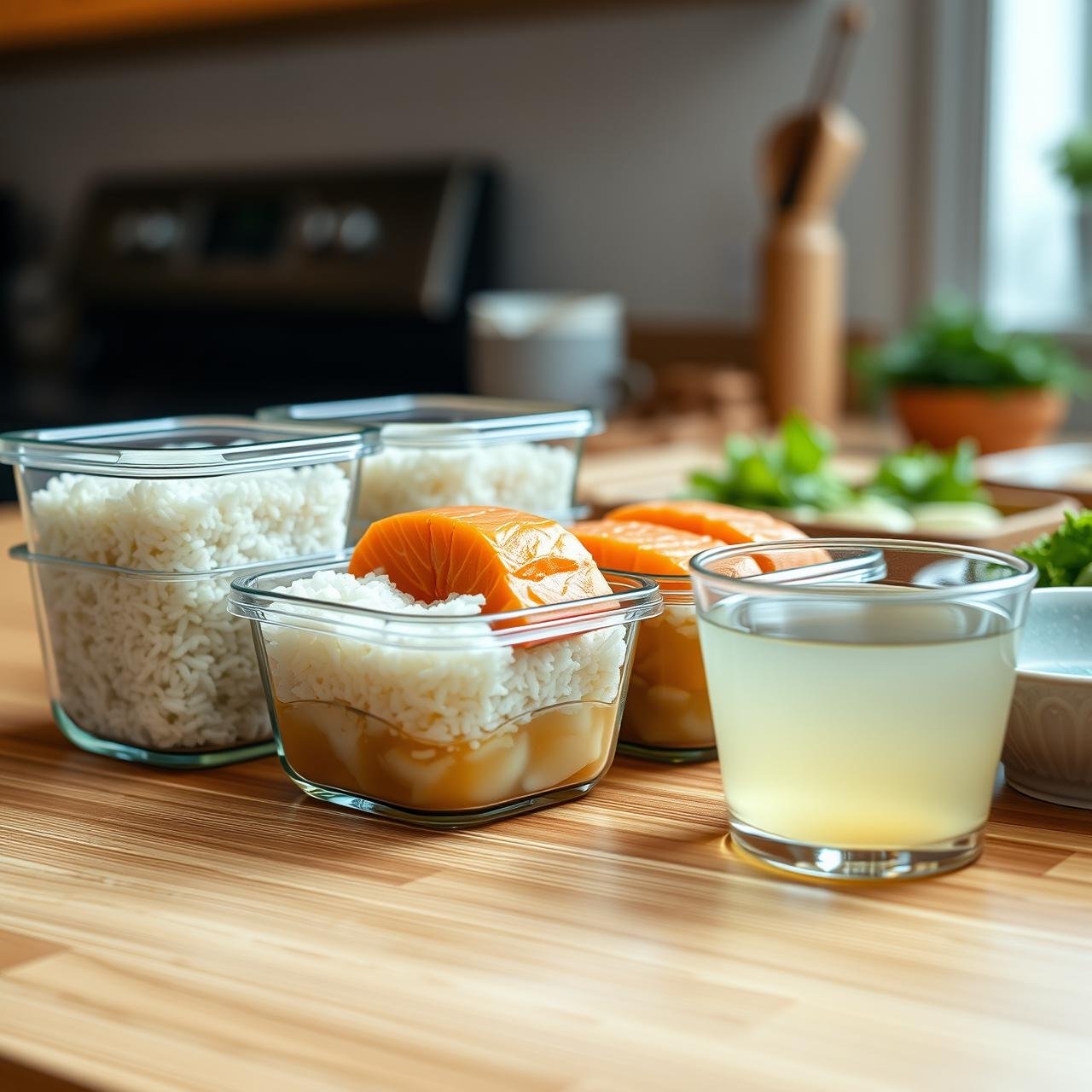
While Ochazuke is best enjoyed fresh, its components are wonderfully suited for meal prepping, making it a perfect healthy lunch or quick weeknight dinner. The key is to store the elements separately to maintain their integrity.
- The Broth: The dashi broth can be made in a large batch and stored in an airtight container or mason jar in the refrigerator for up to 4-5 days. You can also freeze it in portions for several months.
- The Salmon: Poach the salmon fillets as instructed and allow them to cool completely. Store them in an airtight container in the refrigerator for up to 3 days.
- The Rice: Cooked rice can be stored in the refrigerator for up to 3 days. To reheat, sprinkle a little water over it and microwave until steamy and fluffy.
- The Garnishes: Prepare your scallions, nori, and sesame seeds and store them in small, separate containers.
When you’re ready to eat, simply heat the rice, gently warm the broth on the stovetop, and assemble your bowl as directed. It’s a restaurant-quality, healthy meal that can be ready in less than 5 minutes thanks to a little planning.
Conclusion
There you have it—the Japanese secret to a meal that is at once comforting and cleansing, rustic and refined. This Poached Salmon in Ochazuke Broth is more than just a recipe; it’s an invitation to slow down, to savor simple and pure flavors, and to nourish your body with intention. It beautifully demonstrates that healthy eating and weight management don’t require deprivation, but rather a return to wholesome, time-honored culinary traditions.
We encourage you to embrace the simplicity of this dish. Make it after a long day when you crave something restorative. Prepare it as a light, elegant lunch that will keep you energized without weighing you down. Share it with someone you love as an act of care. Step into your kitchen, gather these humble ingredients, and discover the profound satisfaction of creating a meal that is truly good for you, inside and out.