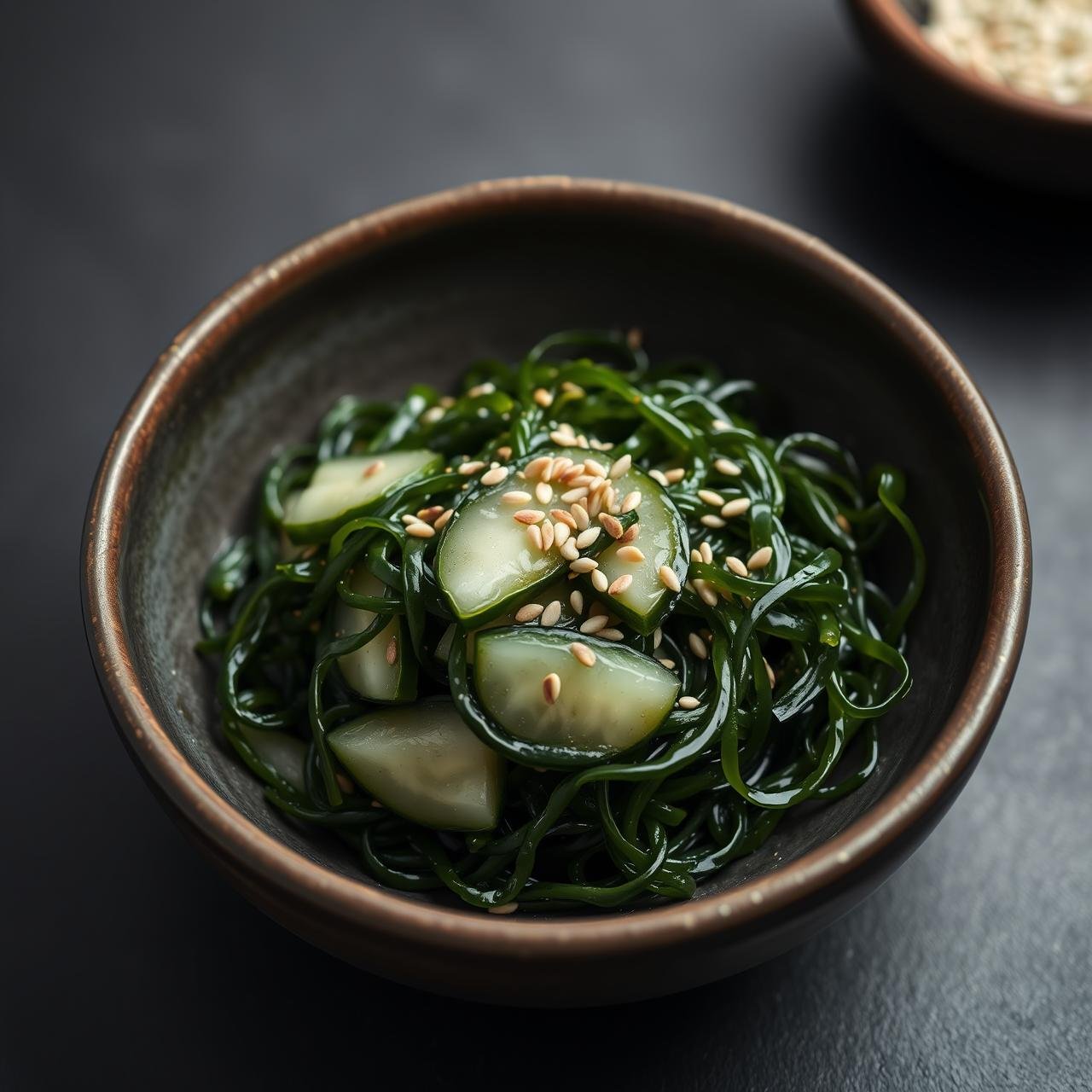
Japanese Wakame Seaweed Salad: Iodine-Rich Thyroid Booster
In the world of healthful, flavorful cuisine, few dishes offer the unique combination of elegance, simplicity, and profound nutritional benefit as the classic Japanese Wakame Seaweed Salad, or sunomono. This dish is a cornerstone of Japanese home cooking, celebrated for its refreshing taste and delightful texture. But beyond its culinary appeal lies a significant health secret: wakame is one of the richest natural sources of iodine, an essential mineral for optimal thyroid function. The thyroid, a small butterfly-shaped gland in your neck, is the master controller of your metabolism, influencing everything from energy levels to body temperature. In this comprehensive guide, we will not only walk you through the authentic process of crafting this delicious salad but also delve into the science behind how this humble sea vegetable can be a powerful ally for your thyroid health. Prepare to nourish your body from the inside out with a recipe that is as wholesome as it is delicious.
What is Wakame? A Deep Dive into this Marine Superfood
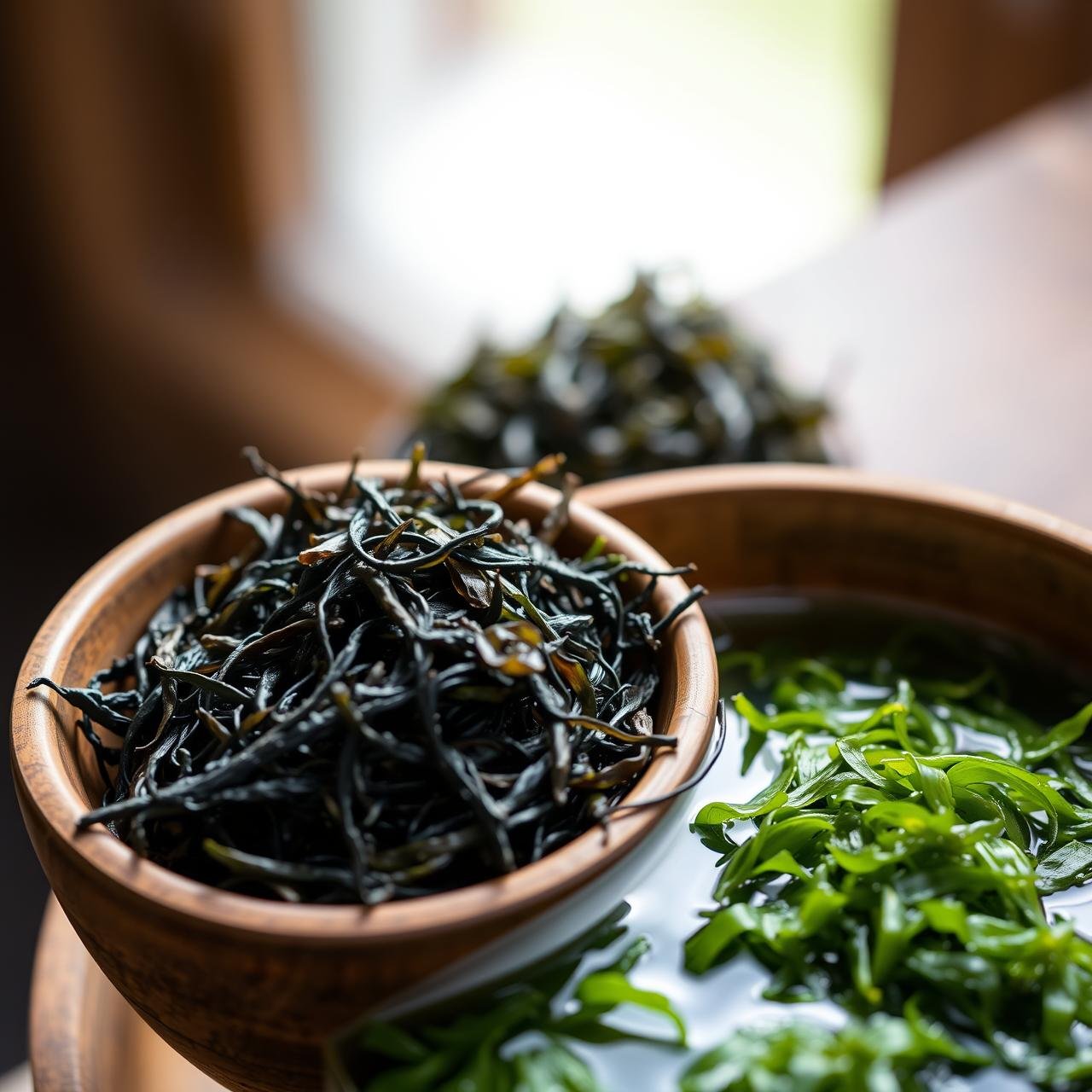
Before we assemble our salad, let’s get acquainted with our star ingredient. Wakame (Undaria pinnatifida) is an edible seaweed, or sea vegetable, that has been a dietary staple in Japan, Korea, and China for centuries. It grows in the cool, temperate coastal waters, forming underwater forests that sway with the ocean currents. Its flavor is subtly sweet with a distinctive umami undertone and a satisfyingly silky, yet slightly crisp, texture once rehydrated. Unlike nori (used for sushi) or kombu (used for dashi broth), wakame has a delicate quality that makes it perfect for salads and soups. Traditionally harvested in the spring, it is most commonly sold in a dried, shelf-stable form, which makes it an incredibly convenient and budget-friendly pantry item for home cooks worldwide. When rehydrated, it expands dramatically, its dark, crinkled strips unfurling into beautiful, translucent green fronds. This transformation is not just visual; it unlocks the wealth of nutrients stored within.
The Critical Connection: Iodine and Your Thyroid Gland

The primary health claim associated with our wakame salad is its ability to boost thyroid function, and this is entirely due to its exceptional iodine content. The thyroid gland produces two key hormones, thyroxine (T4) and triiodothyronine (T3), which regulate metabolism. To create these hormones, the thyroid absolutely requires iodine. Think of iodine as the essential raw material for the thyroid’s hormone factory. Without enough of it, production slows down, leading to a condition known as hypothyroidism.
Symptoms of an Underactive Thyroid
An iodine deficiency can manifest in various ways, often subtly at first. Common signs include:
- Persistent fatigue and sluggishness
- Unexplained weight gain
- Feeling cold when others do not
- Dry skin and thinning hair
- Brain fog and difficulty concentrating
- Muscle weakness and aches
While many foods contain iodine, particularly dairy and fortified grains, marine sources like seaweed are in a league of their own. A single serving of wakame can provide a significant portion, often exceeding the Recommended Daily Intake (RDI) of 150 micrograms for adults. Incorporating an iodine-rich food like wakame into your diet is a simple, natural, and culinary-forward way to provide your thyroid with the fuel it needs to function optimally, helping to regulate your energy, metabolism, and overall sense of well-being.
The Authentic Japanese Wakame Salad Recipe (Sunomono)
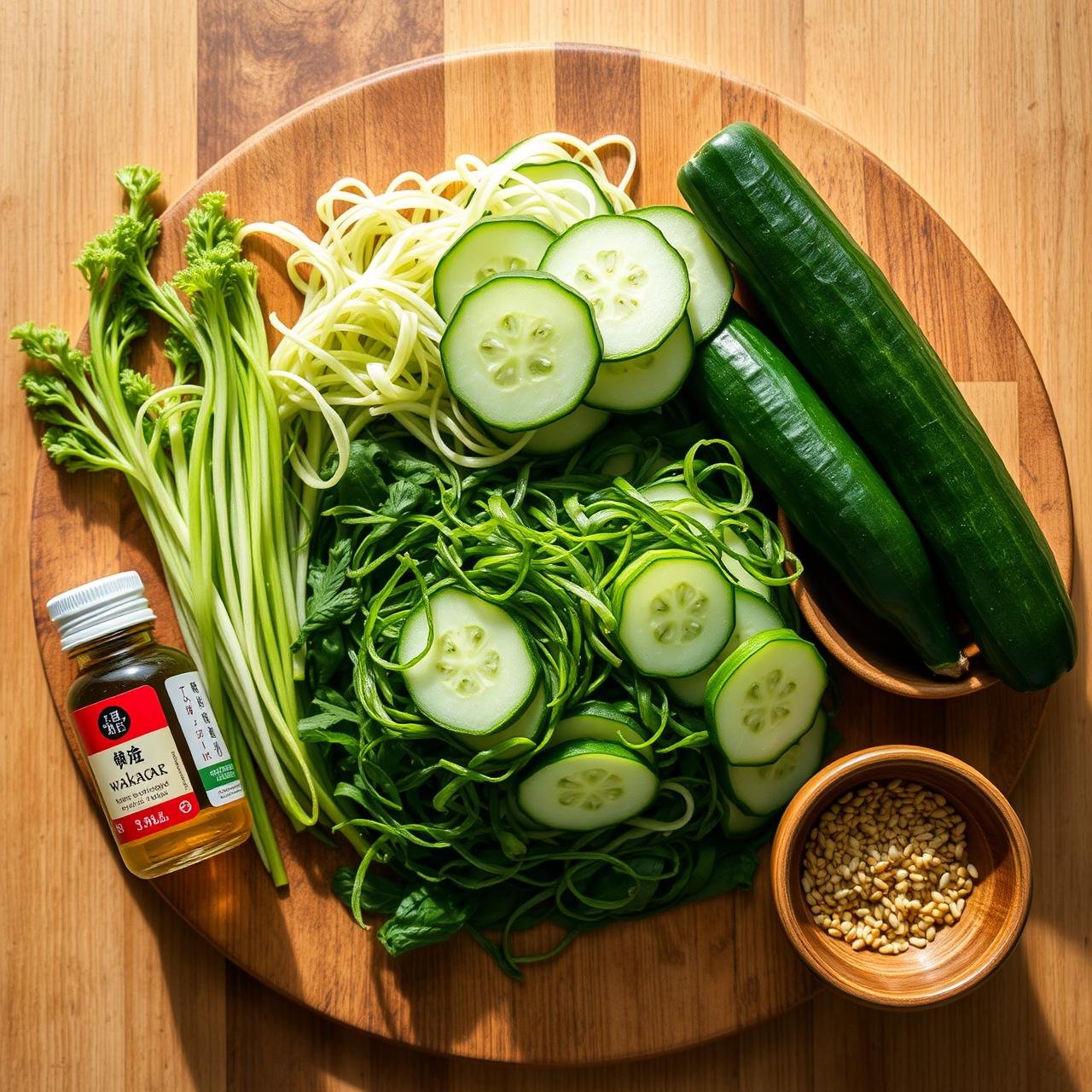
Now, let’s bring the flavors of the ocean to your kitchen. This recipe is for a classic sunomono, which translates to ‘vinegared things.’ It’s a simple, foundational recipe that you can customize to your liking. The dressing is a perfect balance of salty, sweet, and tangy, designed to complement the wakame without overpowering it.
Essential Equipment
| Item | Purpose |
|---|---|
| Medium Bowl | For rehydrating the wakame. |
| Small Bowl or Jar | For mixing the dressing. |
| Whisk | To emulsify the dressing ingredients. |
| Sharp Knife or Mandoline | For thinly slicing the cucumber. |
Ingredients
- 1/4 cup dried cut wakame seaweed
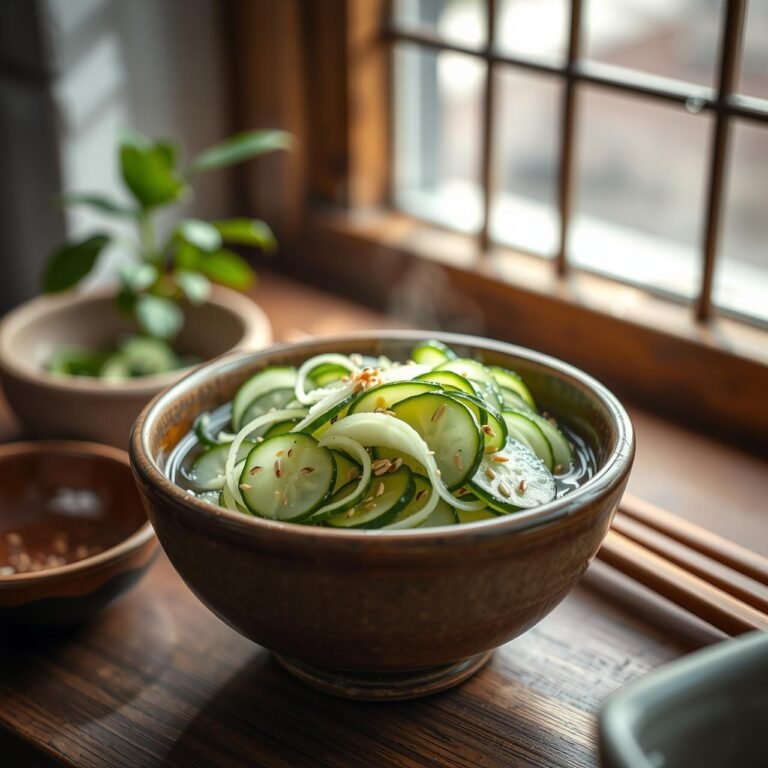
- 1 medium English or Persian cucumber, very thinly sliced
- 1/2 teaspoon sea salt
- 2 tablespoons rice vinegar (unseasoned)
- 1 tablespoon soy sauce or tamari
- 1 teaspoon granulated sugar or maple syrup
- 1/2 teaspoon sesame oil
- 1 teaspoon toasted sesame seeds, for garnish
Step-by-Step Instructions
- Rehydrate the Wakame: Place the dried wakame in a medium bowl and cover it with warm water. Let it sit for about 5-10 minutes. You will see it expand significantly and turn a vibrant green. Once fully rehydrated, drain it well, squeezing out any excess water with your hands. If the pieces are large, you can roughly chop them.
- Prepare the Cucumber: While the wakame is soaking, place your thinly sliced cucumber in a separate bowl. Sprinkle with the 1/2 teaspoon of sea salt and gently toss to coat. Let it sit for 10 minutes. This process, known as ‘sweating,’ draws out excess water, which keeps your salad from becoming watery and ensures the cucumber stays crisp. After 10 minutes, rinse the cucumber slices under cold water and gently squeeze them to remove excess moisture and salt.
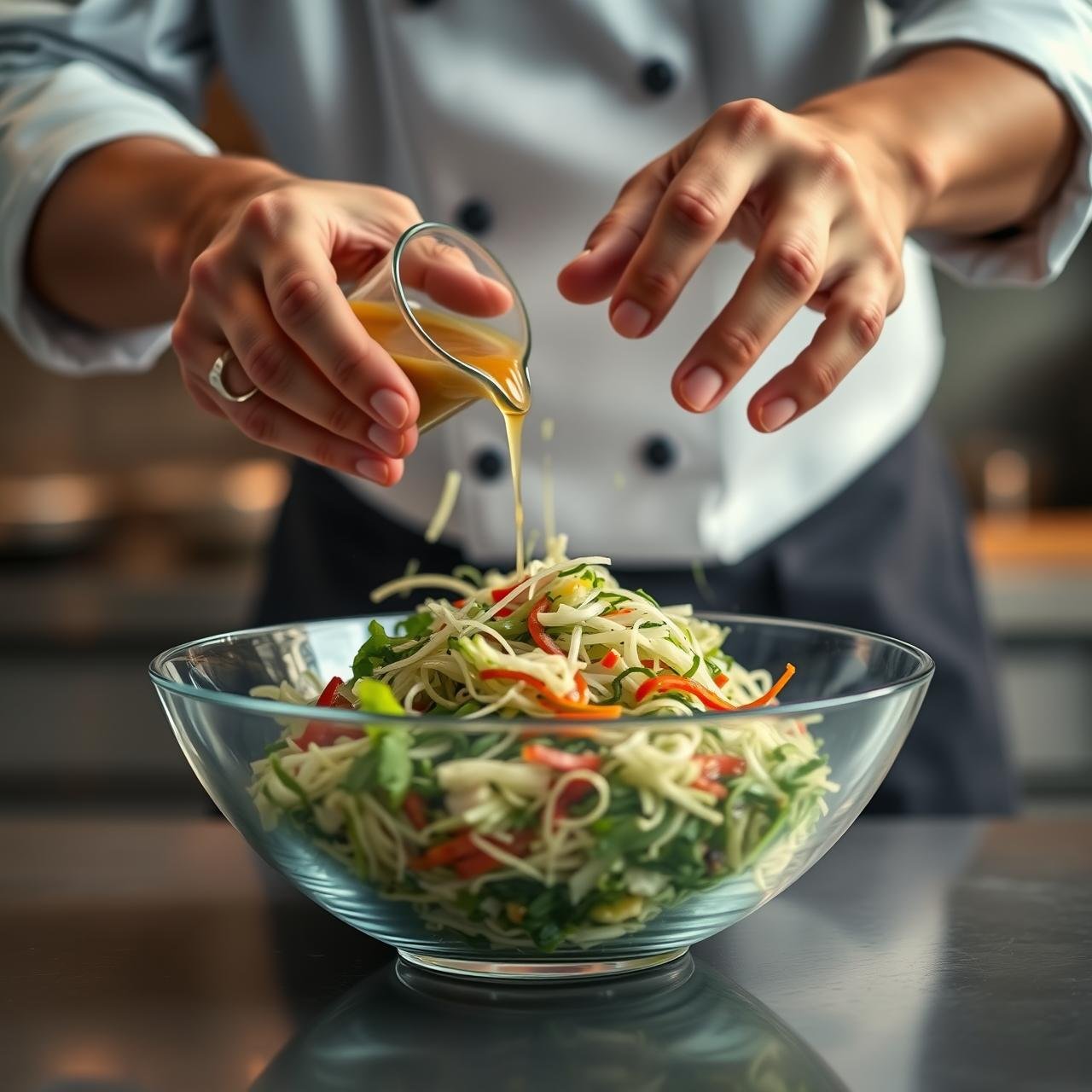
- Mix the Dressing: In a small bowl or jar, combine the rice vinegar, soy sauce, sugar, and sesame oil. Whisk vigorously until the sugar is completely dissolved and the dressing is well combined.
- Combine and Marinate: In a serving bowl, combine the rehydrated wakame and the prepared cucumber slices. Pour the dressing over the top and toss gently to ensure everything is evenly coated. For the best flavor, allow the salad to marinate in the refrigerator for at least 15-20 minutes before serving. This allows the flavors to meld together beautifully.
- Serve: Just before serving, give the salad a final toss. Garnish generously with toasted sesame seeds. This salad is best enjoyed chilled.
Chef’s Tips and Delicious Variations
A great recipe is a starting point for creativity. Here are some professional tips and variations to elevate your wakame salad and make it your own.
Tips for Perfection
- Balance is Key: The dressing should be a harmonious blend of tangy, sweet, and savory. Taste your dressing before adding it to the salad. If it’s too sharp, add a tiny bit more sugar. If it’s too sweet, a splash more vinegar will balance it.
- Don’t Skip Sweating the Cucumber: This is a critical step for texture. A watery salad is unappealing. Taking the time to draw out the cucumber’s moisture makes a world of difference.
- Toast Your Own Sesame Seeds: While you can buy toasted sesame seeds, toasting them yourself in a dry skillet over medium heat for 2-3 minutes until fragrant releases their oils and intensifies their nutty flavor.
Creative Add-ins and Variations
- Add Protein: Make it a more substantial meal by adding cubes of silken tofu, shelled edamame, or even some shredded poached chicken.
- Spicy Kick: Whisk a small amount of sriracha or add a pinch of red pepper flakes to the dressing for a touch of heat.
- Citrus Brightness: A squeeze of fresh lime or yuzu juice in the dressing can add a wonderful, bright citrus note that pairs beautifully with the seaweed.
- More Veggies: Feel free to add other thinly sliced vegetables like carrots, radishes, or red onion for more color and crunch.
- Avocado Creaminess: For a richer version, gently fold in some diced avocado just before serving.
Nutritional Profile and Storage
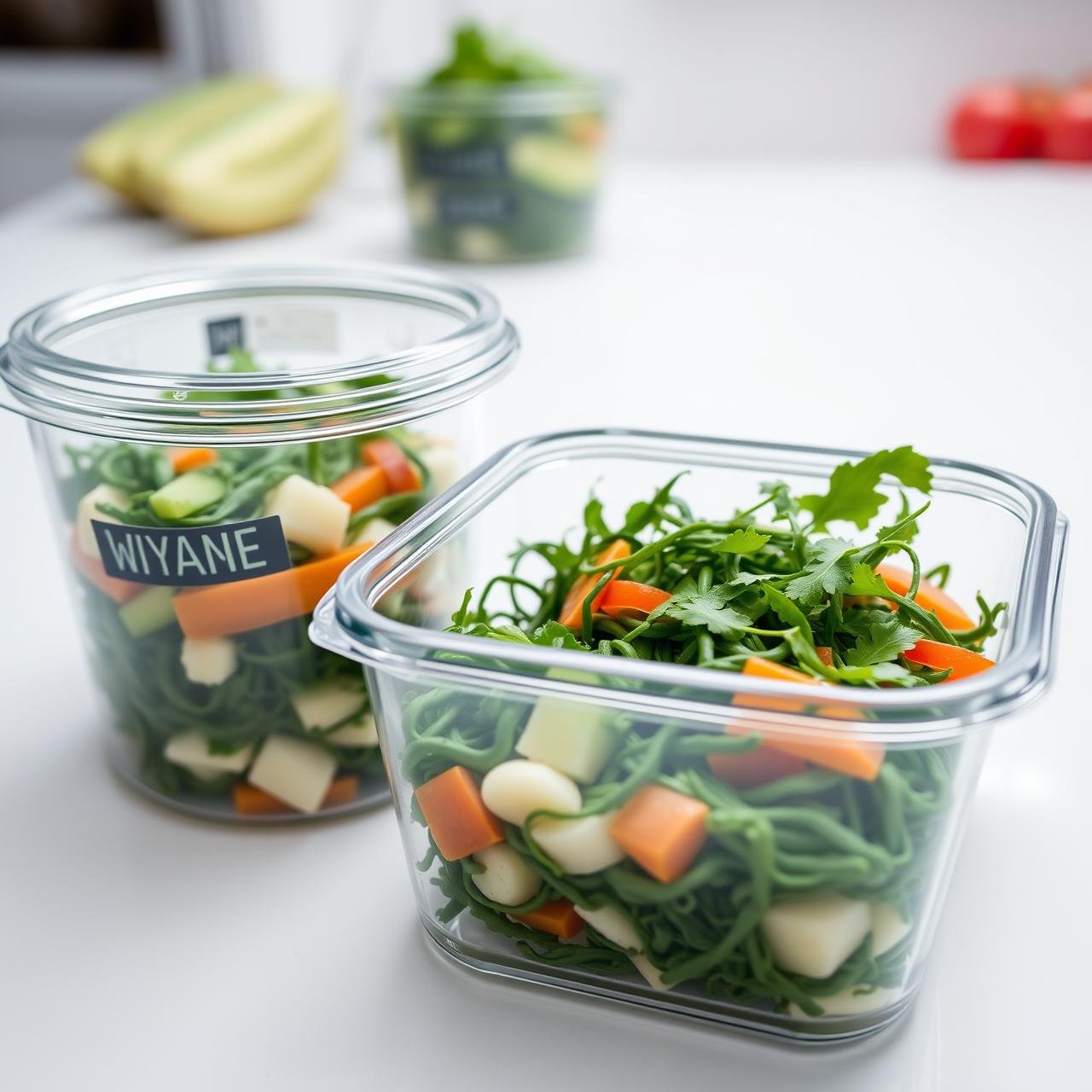
This salad is a nutritional powerhouse, low in calories but rich in essential vitamins and minerals. The standout nutrient is, of course, iodine, but it also provides a good source of magnesium, folate, and calcium.
Estimated Nutritional Information
Per serving (recipe makes approximately 2 servings)
| Nutrient | Approximate Amount | Notes |
|---|---|---|
| Calories | ~75 kcal | Low in calories, perfect for a light meal. |
| Iodine | >400 mcg | Significantly exceeds the daily RDI of 150 mcg. |
| Sodium | ~500 mg | Mainly from soy sauce; use low-sodium if preferred. |
| Carbohydrates | ~8 g | Low in carbs. |
| Fiber | ~2 g | Contributes to digestive health. |
| Sugar | ~4 g | From the small amount of sugar in the dressing. |
Storing Your Wakame Salad
This salad is best enjoyed the day it is made for optimal texture, especially the crispness of the cucumber. However, you can store leftovers in an airtight container in the refrigerator for up to 2 days. Note that the cucumber will soften over time. The dried wakame itself should be stored in a cool, dark, and dry place like your pantry, where it will last for a very long time, making it a fantastic staple to have on hand.
Conclusion
The Japanese Wakame Seaweed Salad is more than just an exotic side dish; it’s a testament to the idea that food can be both medicine and a delight for the senses. With its refreshing crunch, savory-sweet dressing, and profound nutritional benefits, it offers a simple and accessible way to support your body’s metabolic health. By understanding the crucial role of iodine and embracing the simplicity of this timeless recipe, you empower yourself to take a proactive, delicious step towards better thyroid function and overall vitality. We encourage you to bring this rustic, homestyle classic into your culinary repertoire and enjoy the clean, nourishing gift from the sea.