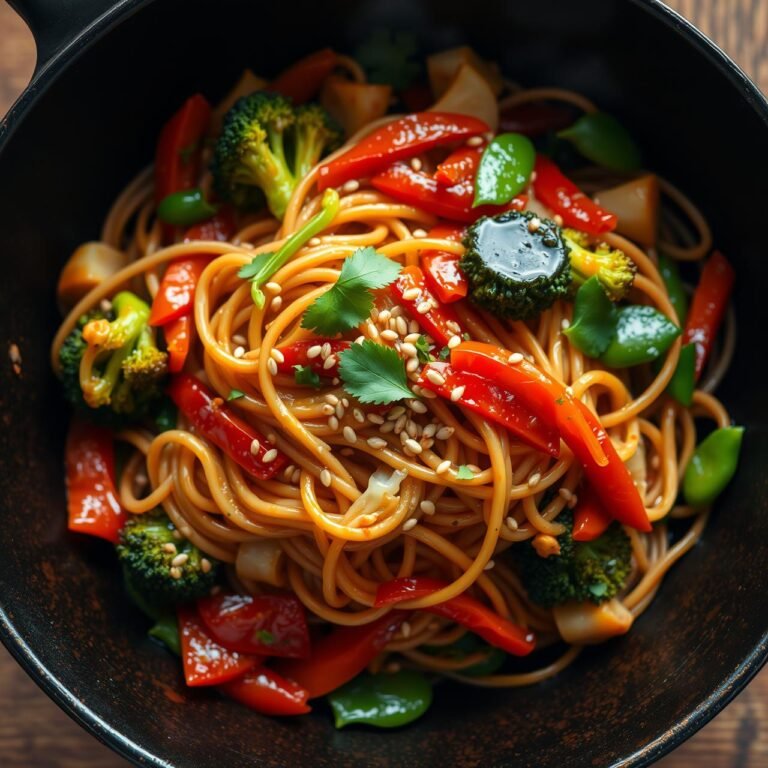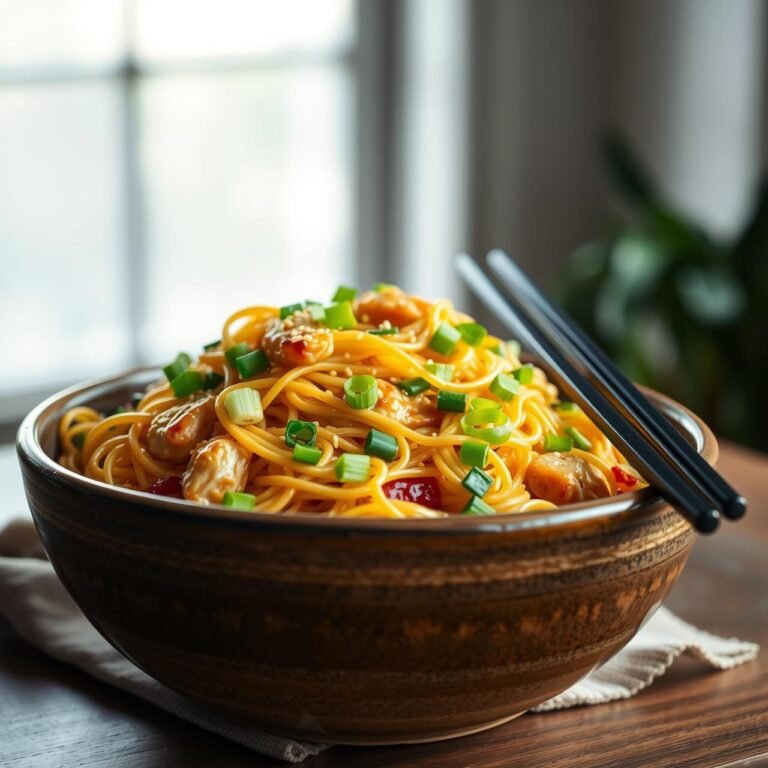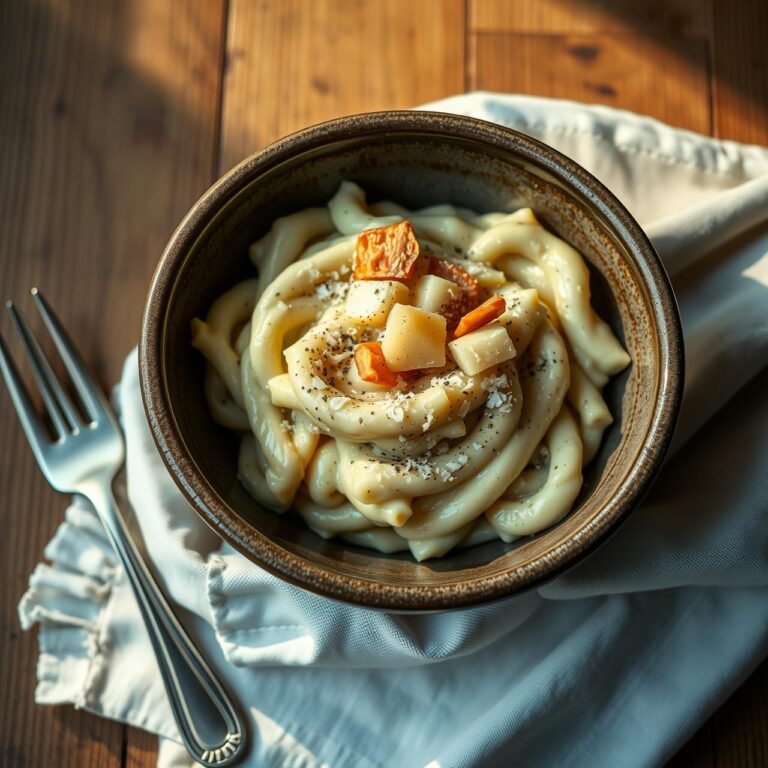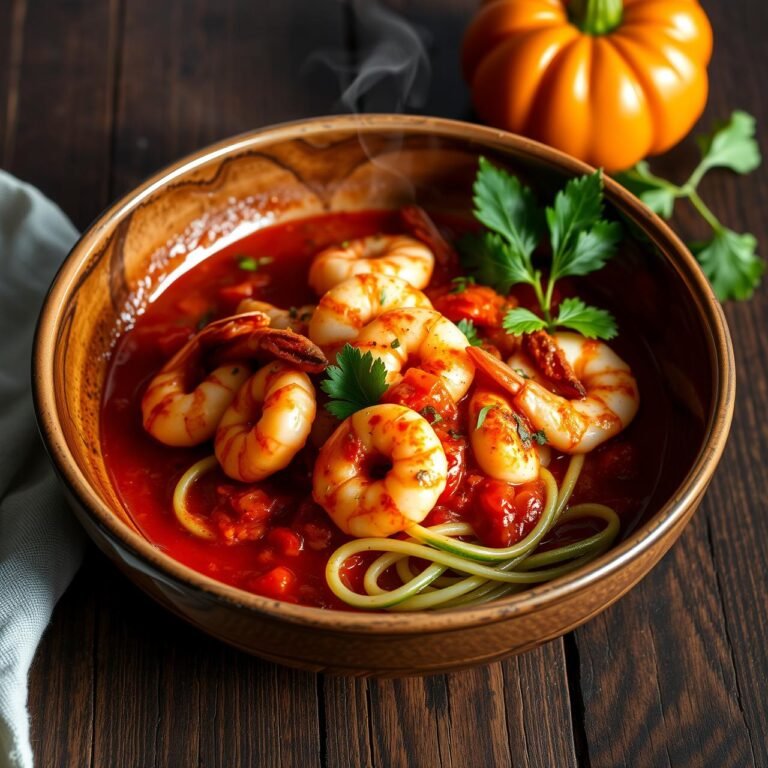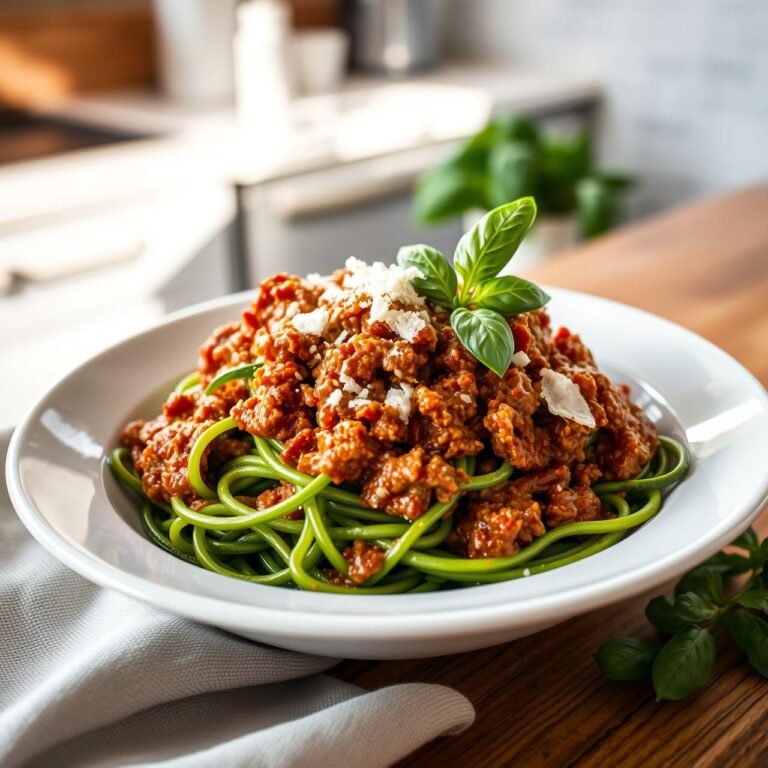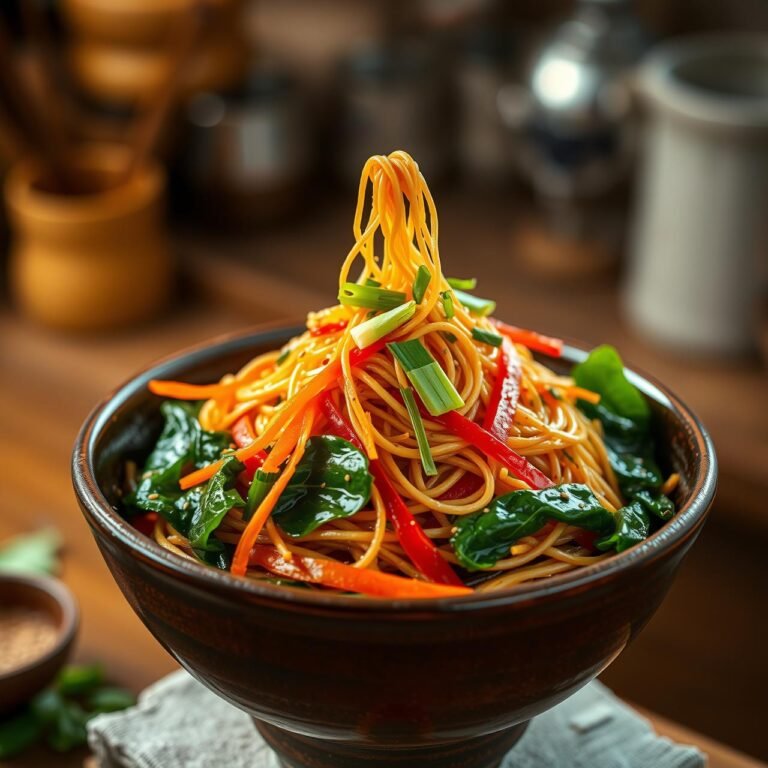
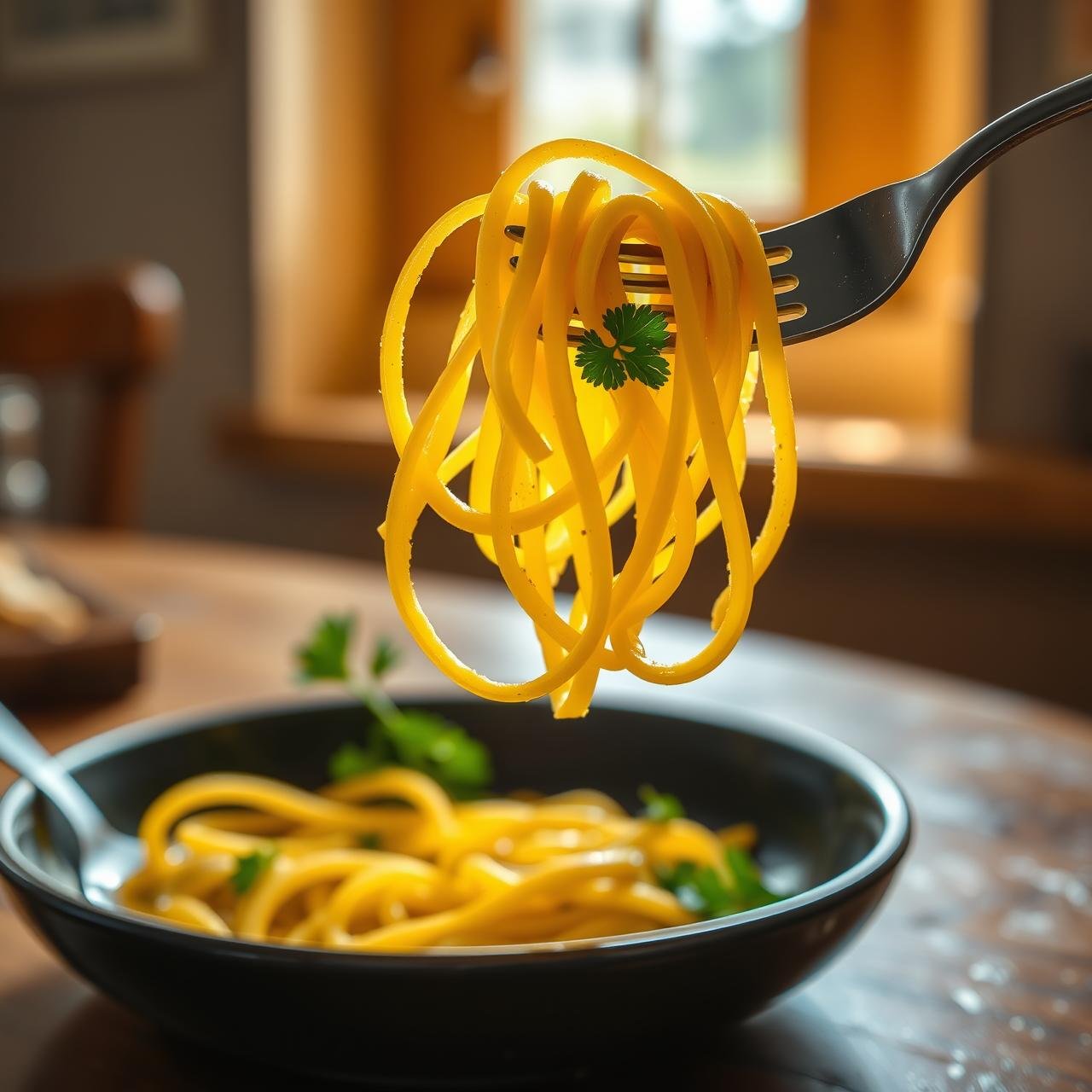
How to Make Zero Carb Egg Noodles (Only 2 Ingredients)
There’s a universal comfort found in a bowl of noodles. It’s a culinary hug, a simple pleasure that many of us relinquish when embracing a low-carb or ketogenic lifestyle. The longing for that familiar, satisfying texture of pasta is real. But what if I told you that you could recreate that experience, with all its savory glory, using just two simple, wholesome ingredients? Welcome to the recipe that will change your low-carb journey forever: Zero-Carb Egg Noodles.
This isn’t a pale imitation or a complicated science experiment. This is rustic, homestyle cooking at its finest. We’re transforming humble eggs and rich cream cheese into silky, tender ribbons of pure potential. These noodles are not only devoid of carbs but are also packed with protein and healthy fats, making them a nutritional powerhouse. Forget spiralized vegetables that turn watery or expensive specialty products. With a little kitchen alchemy, you’ll be whipping up batches of these golden noodles, ready to be bathed in your favorite sauces, floated in hearty soups, or simply tossed with butter and herbs. Let’s roll up our sleeves and bring the joy of noodles back to the table, the clean, healthy, and unbelievably easy way.
The Culinary Science: How Two Ingredients Become Pasta
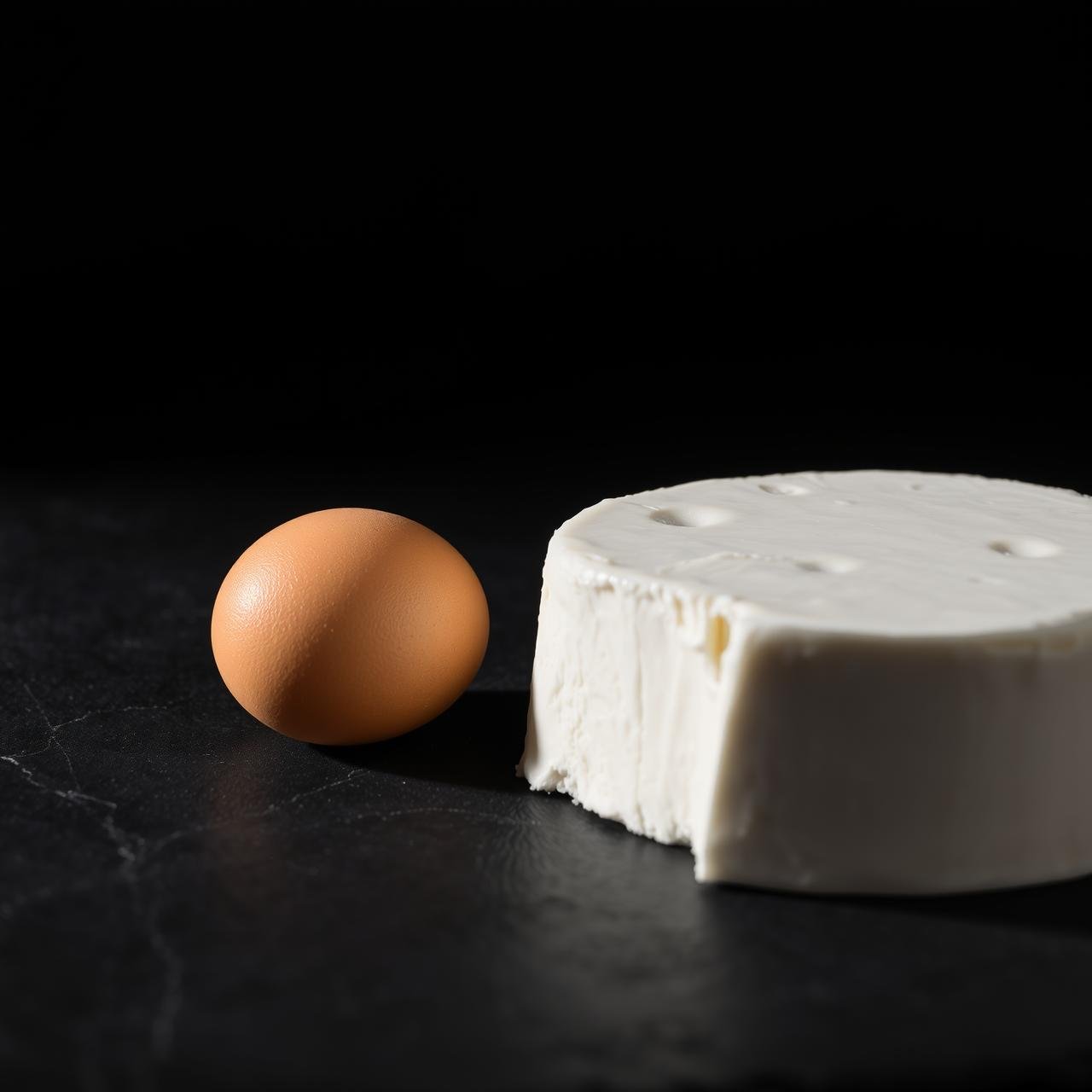
It seems almost magical, doesn’t it? How can eggs and cream cheese possibly form a noodle? The secret lies in the beautiful partnership between protein and fat. The eggs provide the structure; their proteins coagulate when heated, creating a firm yet flexible base. This is the same principle that gives structure to custards, quiches, and crepes.
The cream cheese, however, is the game-changing co-star. Its high-fat content and emulsifiers do two critical things. First, they enrich the mixture, adding a subtle tangy flavor and a wonderfully tender mouthfeel that prevents the ‘noodle’ from becoming tough or rubbery like a plain omelet. Second, the cream cheese helps to create a stable emulsion, resulting in a smooth, homogenous batter. When this batter is baked in a thin, even layer, it forms a sturdy, crepe-like sheet that’s pliable enough to be rolled and sliced into perfect, pasta-like strands. It’s a brilliant example of how understanding basic food science can unlock incredible culinary possibilities with the simplest of ingredients.
Your Essential Kitchen Toolkit
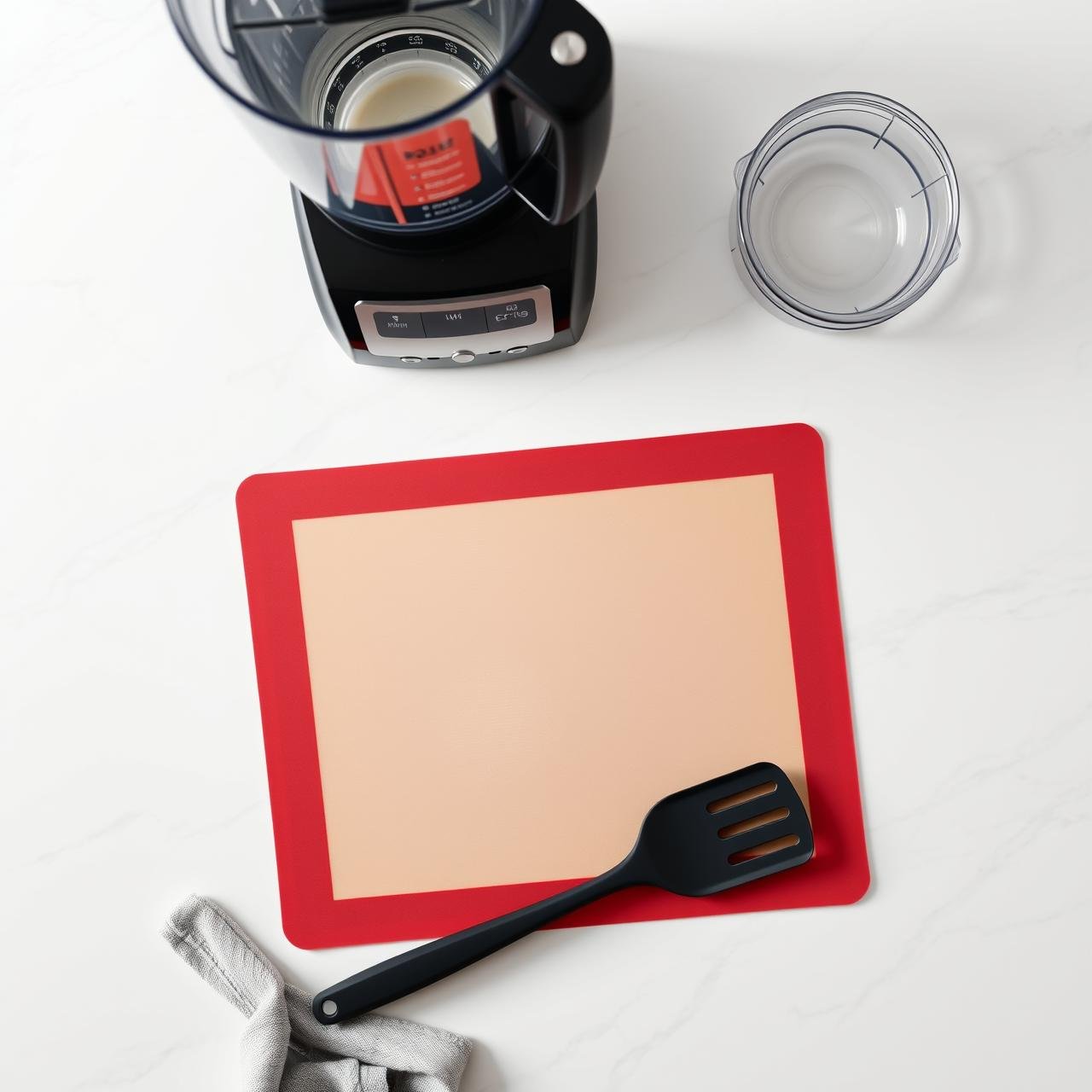
The beauty of this recipe is its simplicity, which extends to the equipment. You don’t need a fancy pasta maker or specialty gadgets. Everything you need is likely already in your kitchen, waiting to help you create something wonderful.
| Tool | Chef’s Note |
|---|---|
| High-Speed Blender or Food Processor | This is key for achieving a perfectly smooth, lump-free batter. A standard blender works, but a high-speed model ensures a silky texture. You can also use an immersion blender in a tall cup. |
| Silicone Baking Mat or Parchment Paper | Absolutely essential for preventing sticking. A silicone mat is reusable and provides a fantastic non-stick surface, but good quality parchment paper works just as well. |
| Half-Sheet Baking Pan (18×13 inches) | The large surface area is crucial for spreading the batter thinly and evenly. A smaller pan will result in a thicker, more omelet-like sheet. |
| Offset Spatula or Rubber Spatula | An offset spatula is the professional’s choice for spreading the batter into a perfectly even layer. A flexible rubber spatula can also do the job with a little patience. |
| Pizza Cutter or Sharp Knife | A pizza cutter makes quick and easy work of slicing the cooled egg sheet into uniform noodles. A long, sharp chef’s knife is a great alternative. |
The Two-Ingredient Pantry Pull
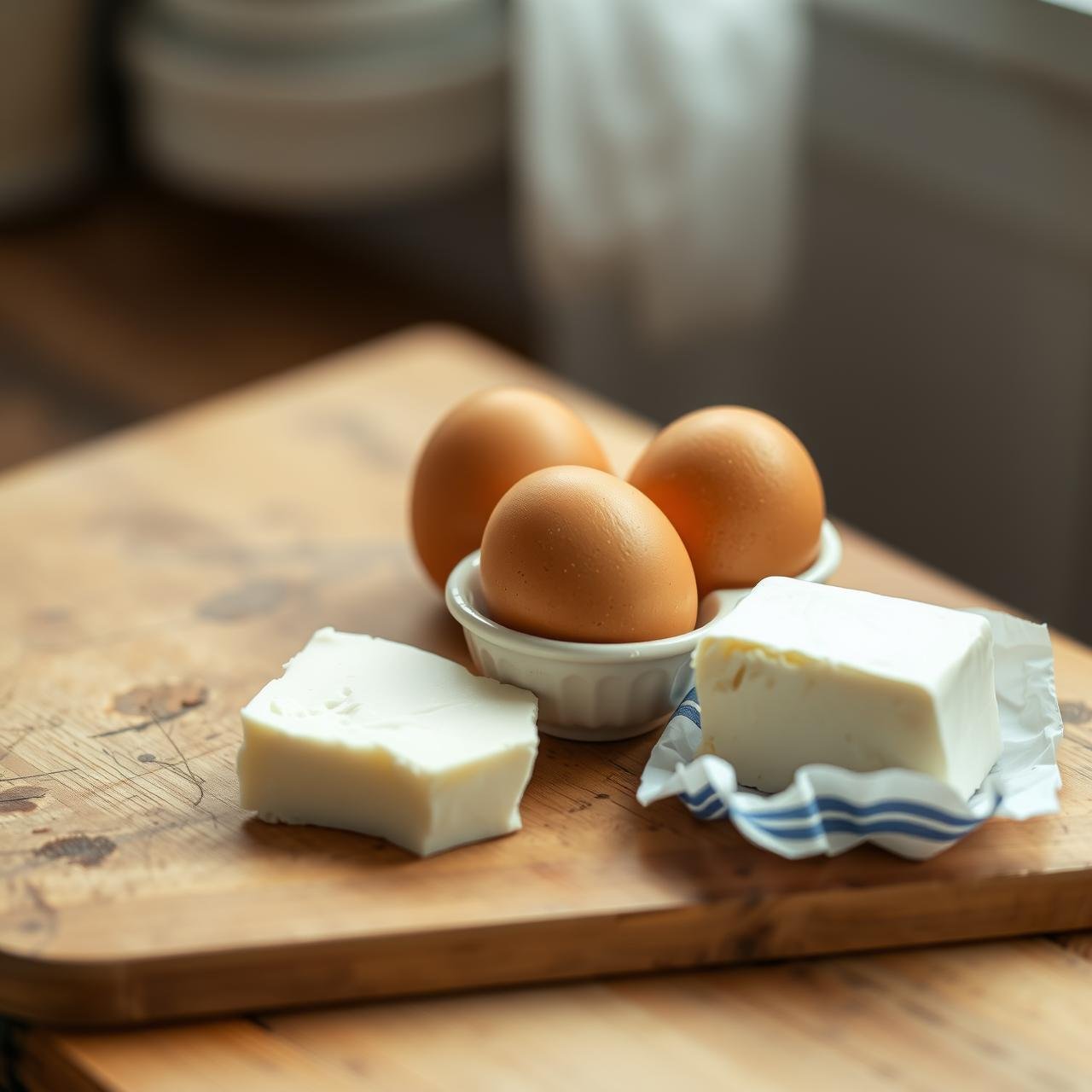
Quality matters, especially when a recipe has so few components. Each ingredient has a chance to shine, so choosing wisely will elevate your final dish from good to gourmet. This isn’t just about mixing ingredients; it’s about building flavor and texture from the ground up.
Ingredient Breakdown
- Large Eggs: 4 whole eggs. The backbone of our noodles. Opt for the best quality you can find, such as pasture-raised. The deep orange yolks of these eggs will lend a beautiful golden color and a richer flavor to your noodles. Ensure they are at room temperature for better emulsification with the cream cheese.
- Full-Fat Cream Cheese: 2 ounces (1/4 cup). Do not substitute with low-fat or whipped varieties! The high-fat content is crucial for the tender, pliable texture of the noodles. It prevents them from becoming dry or brittle. Allow the cream cheese to soften to room temperature for at least 30 minutes before blending. This is the most important step for a smooth, lump-free batter.
- Pinch of Salt (Optional): While technically a third ingredient, a small pinch of fine sea salt enhances the savory flavor of the eggs and balances the tang of the cream cheese. It is highly recommended.
Step-by-Step Guide to Perfect Zero-Carb Noodles
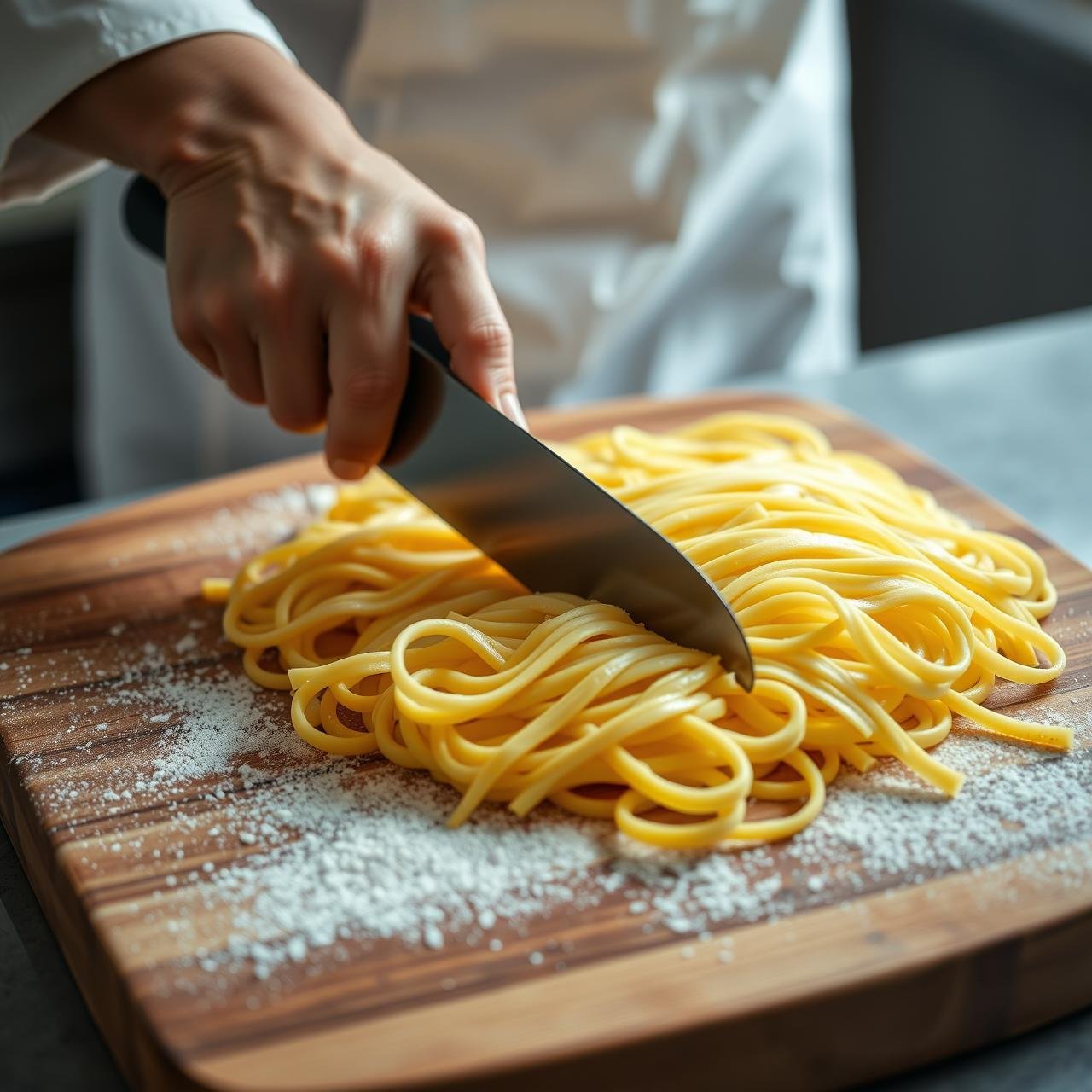
Follow these instructions with care and precision, and you’ll be rewarded with flawless, delicious egg noodles every single time. The process is simple, but the technique is key.
-
Prepare Your Station
Preheat your oven to 325°F (165°C). This gentle heat is important to cook the egg sheet through without browning it too quickly or making it crispy. Line your half-sheet baking pan with a silicone mat or a sheet of parchment paper, ensuring it lies flat.
-
Create the Silky Batter
In the carafe of your high-speed blender, combine the 4 room-temperature eggs and the 2 ounces of softened cream cheese. Add a small pinch of salt if using. Blend on high for 30-60 seconds, or until the mixture is completely smooth, frothy, and homogenous. Scrape down the sides of the blender once or twice to ensure there are no hidden lumps of cream cheese.
-
The Perfect Pour and Spread
Pour the entire contents of the blender onto the center of your prepared baking sheet. Now, working quickly but carefully, use your offset spatula to spread the batter into a very thin, even, rectangular layer. You want to cover as much of the pan’s surface as possible. The thinner the layer, the more delicate and noodle-like the final product will be. Take your time with this step; an even thickness is the secret to evenly cooked noodles.
-
The Gentle Bake
Place the baking sheet in the center rack of your preheated oven. Bake for 8-10 minutes. The sheet is done when it is set, the surface is no longer shiny, and the edges are just beginning to pull away from the sides. It should be firm to the touch but not browned. Over-baking will make it brittle and difficult to roll.
-
Cool and Rest
Remove the pan from the oven and let it cool completely on the baking sheet for at least 10-15 minutes. This resting period is crucial; it allows the structure to set, making it much easier to handle without tearing.
-
Slice into Noodles
Once completely cool, you have two options. You can gently peel the entire sheet off the mat/parchment. Place it on a cutting board, roll it up snugly like a jelly roll, and slice it into noodles of your desired thickness (thin for an angel hair feel, thicker for fettuccine). Alternatively, you can leave the sheet flat on the cutting board and use a pizza cutter to slice it into long, even strips. Gently separate the noodle strands with your fingers.
Chef’s Secrets for Noodle Nirvana
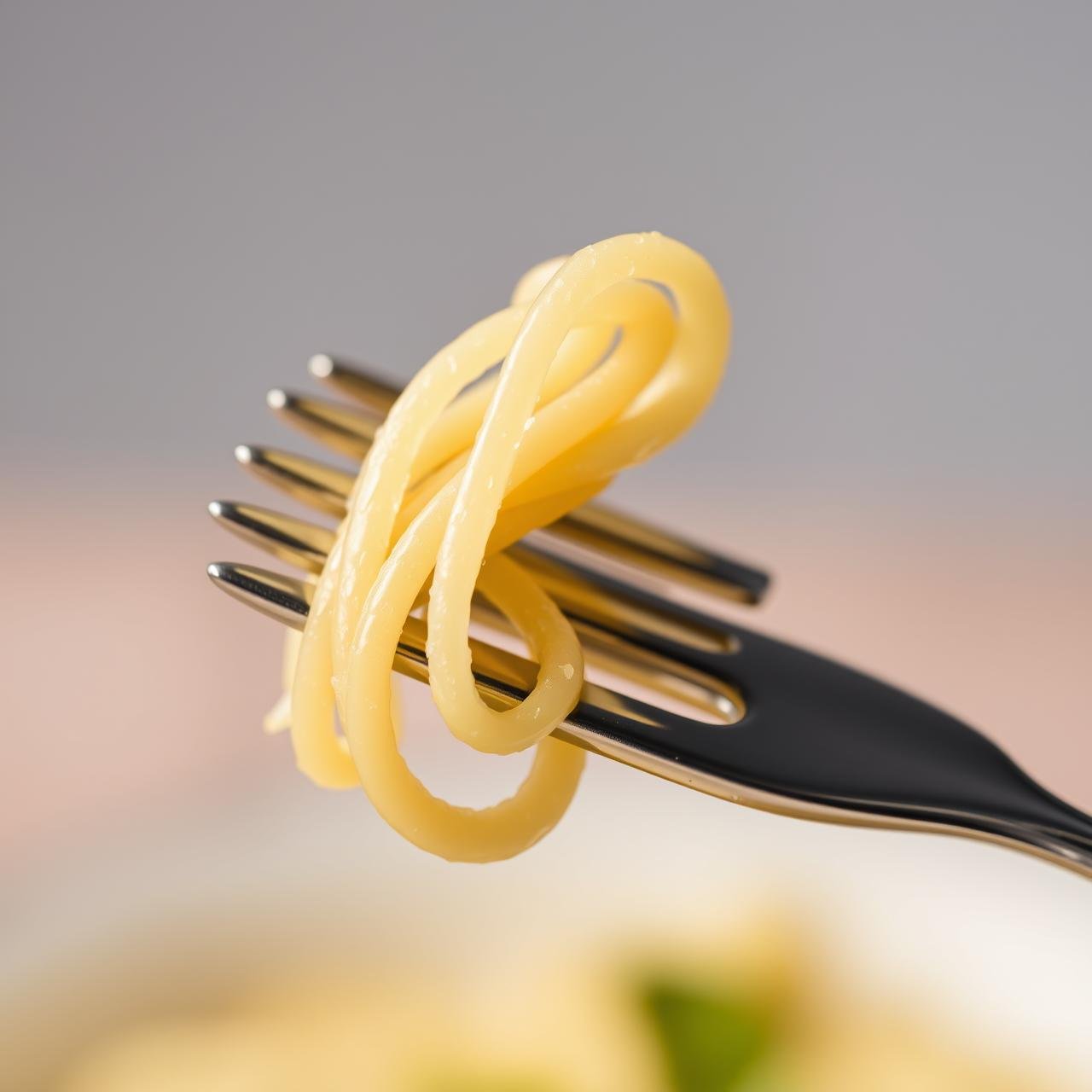
Even the simplest recipes have nuances that separate a good result from a great one. Here are my top tips, gleaned from many batches of these incredible noodles, to ensure your success.
Troubleshooting Common Issues
- Lumpy Batter: This is almost always caused by cold cream cheese. Ensure it’s truly softened to room temperature before blending. If you’re in a hurry, you can microwave the cream cheese for 10-15 seconds, but be careful not to melt it.
- Rubbery Noodles: This is a sign of over-blending or over-baking. Blend just until smooth, and pull the sheet from the oven as soon as it’s set. A gentle bake is key.
- Noodles Sticking: Don’t skip the silicone mat or parchment paper! Also, ensure the sheet is completely cool before you try to peel or slice it. A warm sheet is more delicate and prone to tearing.
Tips for Perfect Texture
- The Thinner, The Better: The goal is a crepe, not an omelet. Spreading the batter as thinly as you possibly can without creating holes is the single most important factor for achieving a delicate, noodle-like texture.
- Don’t Disturb the Bake: Avoid opening the oven door while the sheet is baking. The rush of cool air can cause it to deflate or cook unevenly. Trust the timer and visual cues.
- Gentle Handling: These are not robust wheat-based pasta. Treat them with care. When tossing with sauce, use tongs and a gentle folding motion rather than vigorous stirring. They are best added to the sauce at the very end of cooking, just to heat through.
Flavor Variations & Serving Suggestions
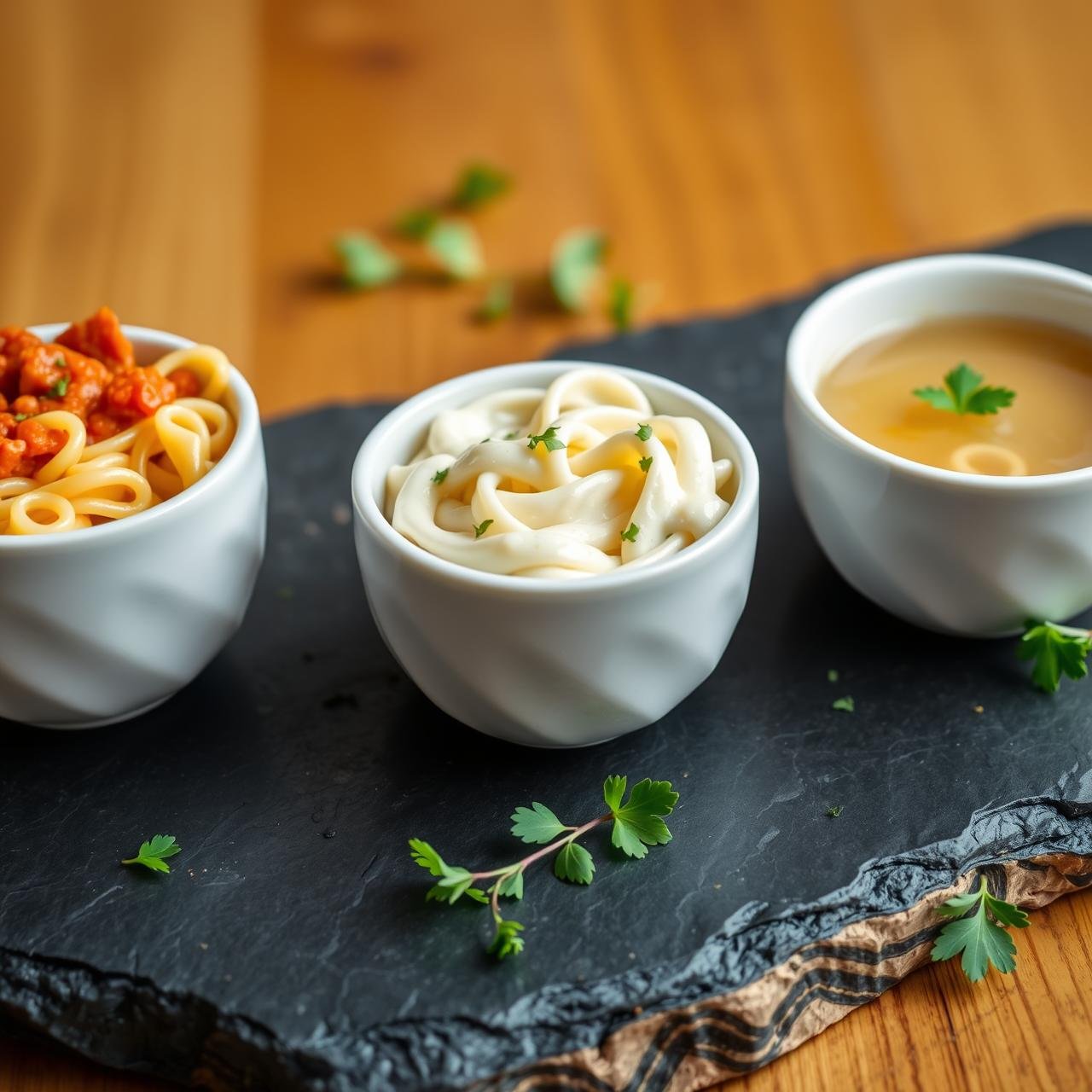
The plain noodle is a beautiful, blank canvas. While delicious on its own, you can easily infuse it with flavor or pair it with a variety of dishes to create a truly memorable meal.
Infusing the Batter
Add these directly to the blender along with the eggs and cream cheese for an integrated flavor profile:
- Herbs: 1 teaspoon of finely chopped fresh parsley, chives, or dill.
- Spices: 1/4 teaspoon of garlic powder, onion powder, or a pinch of nutmeg.
- Cheese: 1 tablespoon of finely grated Parmesan or Pecorino Romano for an extra cheesy, savory kick.
Perfect Pairings
These noodles are incredibly versatile. Their mild, savory flavor complements a wide range of sauces and preparations:
- Classic & Creamy: Toss with a rich Alfredo, a creamy carbonara (without the pasta water starch), or a simple butter and Parmesan sauce.
- Hearty & Meaty: Serve under a classic Bolognese, a hearty beef ragu, or with simple meatballs and marinara.
- Soups & Broths: Add them to chicken soup for a keto-friendly ‘chicken noodle’ experience, or float them in a rich Asian-inspired bone broth with ginger and scallions.
- Light & Fresh: Gently toss with pesto, cherry tomatoes, and fresh mozzarella for a vibrant, summery dish.
Nutritional Information
This recipe is a dream for anyone tracking macros. It’s high in protein, rich in healthy fats, and has virtually zero carbohydrates, making it ideal for ketogenic, low-carb, and diabetic-friendly diets. The following is an approximation for the entire batch, which yields about 2-3 servings.
| Nutrient | Amount (per entire batch) |
|---|---|
| Calories | ~480 kcal |
| Protein | ~30g |
| Fat | ~38g |
| Total Carbohydrates | ~2g |
| Fiber | 0g |
| Net Carbohydrates | ~2g |
Disclaimer: Nutritional information is an estimate and can vary based on the specific brands of ingredients used.
Storing and Reheating Your Homemade Noodles
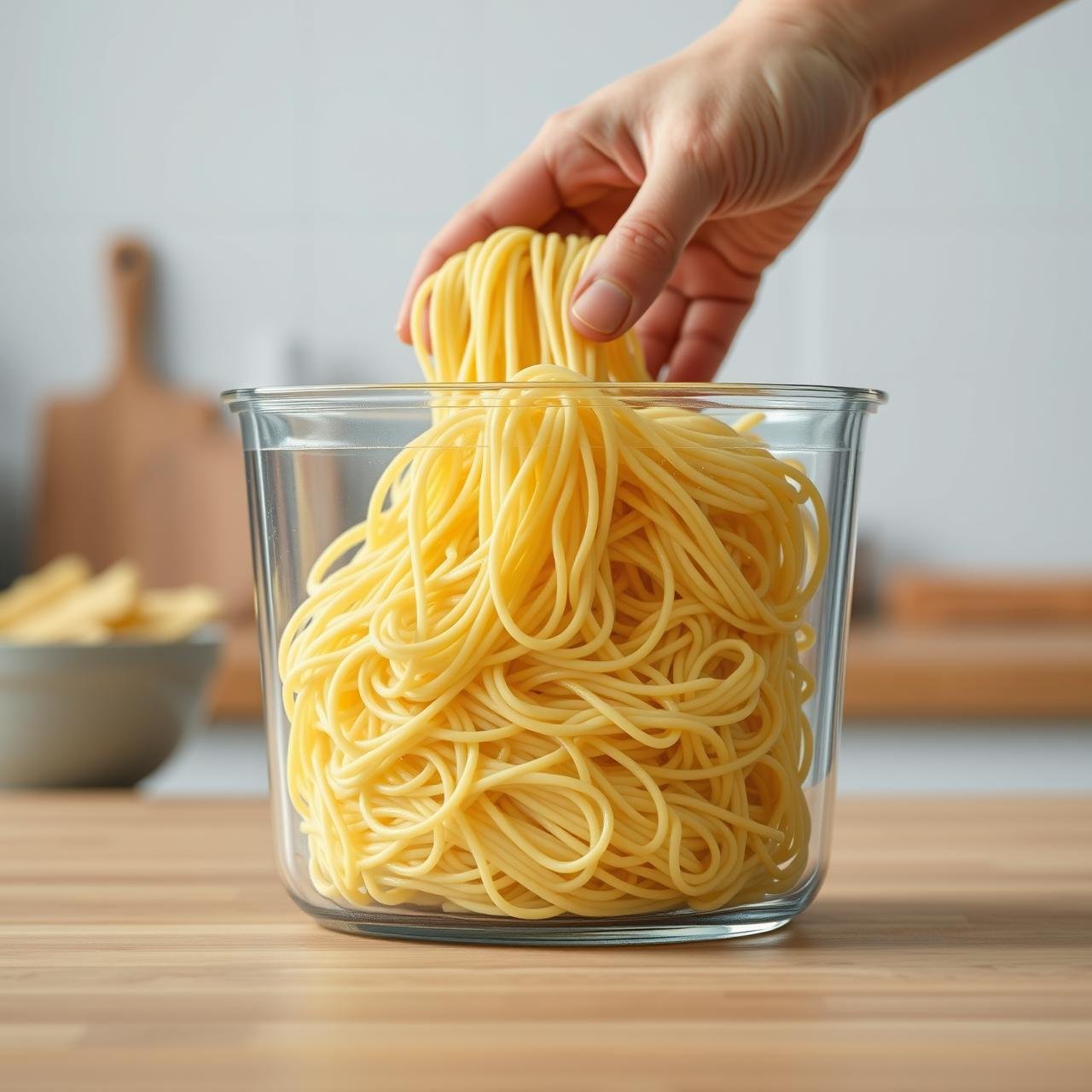
One of the best parts of this recipe is that you can make a batch ahead of time for quick and easy meals throughout the week. Proper storage is essential to maintain their texture and freshness.
Refrigeration
Once sliced, gently toss the noodles with a tiny bit of olive oil or avocado oil to prevent them from sticking together. Place them in an airtight container. They will keep beautifully in the refrigerator for up to 3-4 days. They might become slightly firmer when cold, but they will soften again upon reheating.
Reheating
The best way to reheat the noodles is to add them directly to a warm sauce or soup for the last minute of cooking. Let the heat of the dish gently warm them through. Avoid microwaving them on their own, as this can make them rubbery. If you want to eat them plain, a quick sauté in a pan with a little butter or oil for 30-60 seconds is the perfect method.
Can You Freeze Them?
Freezing is not highly recommended for these noodles. The high water content in the eggs can lead to ice crystal formation, and the texture can become watery and less pleasant upon thawing. Given how quickly a fresh batch can be made, it’s best to enjoy them fresh.
Conclusion
You’ve done it. With just two core ingredients and a little bit of technique, you’ve created a delicious, healthy, and satisfying pasta alternative that opens up a world of culinary possibilities. No longer does a low-carb lifestyle mean saying goodbye to your favorite noodle dishes. These zero-carb egg noodles are a testament to the power of simple, real food. They are proof that healthy eating can be both incredibly delicious and wonderfully uncomplicated.
So go ahead, embrace this recipe. Make it your own with different herbs and spices. Use it as a base for your most beloved sauces. Share it with friends and family, and watch their amazement when you reveal the two-ingredient secret. Welcome back to the world of noodles—you’ve been missed.