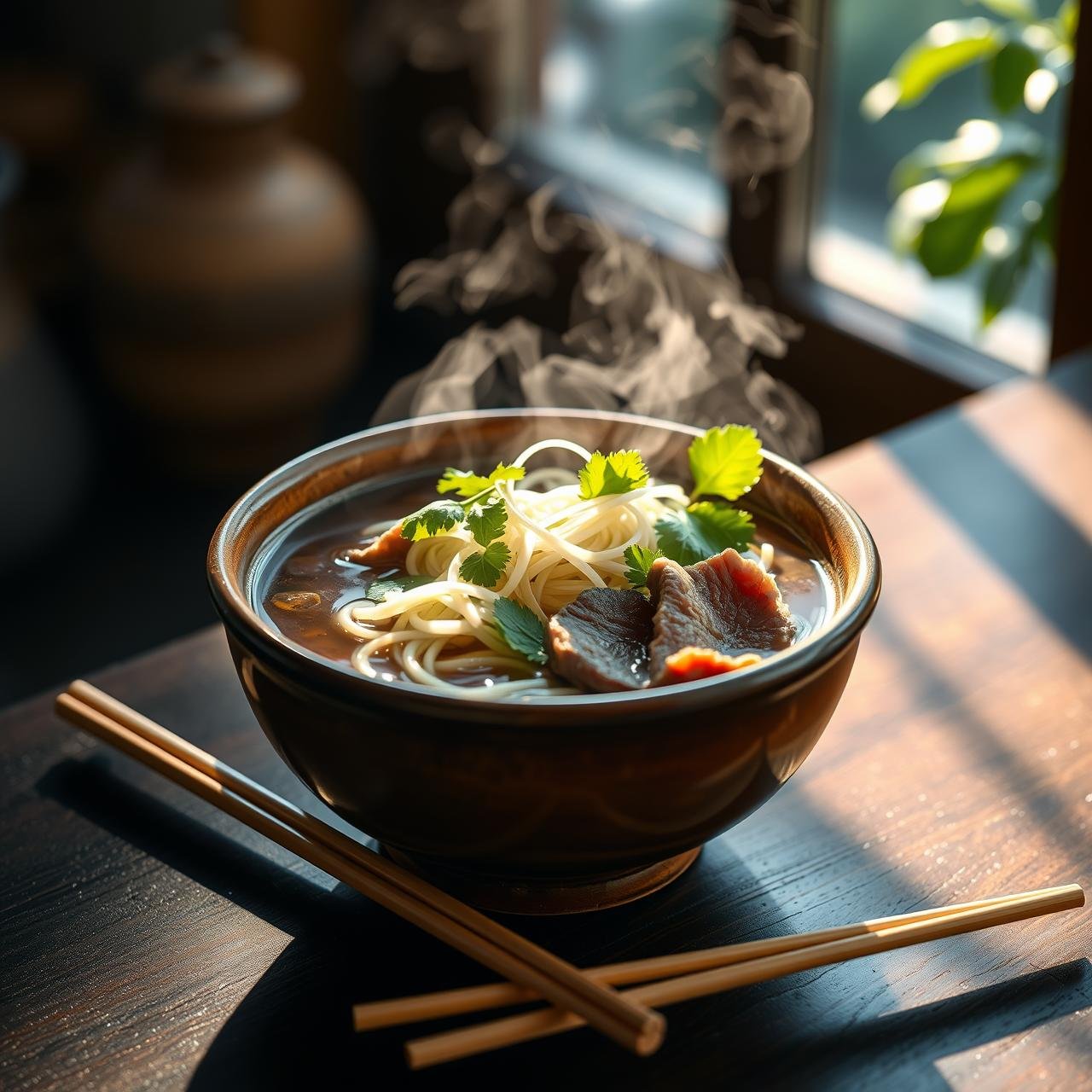
Homemade Beef Pho With Zucchini Noodles (Bone Broth Base)
There are few culinary experiences as deeply comforting and restorative as a steaming bowl of authentic beef pho. The magic lies in its broth—a liquid symphony simmered for hours, rich with marrow, collagen, and a delicate dance of star anise, cinnamon, and charred aromatics. It’s a dish that warms you from the inside out, a true testament to the beauty of slow food. But what if we could capture that same soul-soothing essence while embracing a cleaner, lighter profile?
This recipe is our homage to the classic, tailored for the modern, health-conscious kitchen. We swap traditional rice noodles for vibrant, crisp zucchini noodles, instantly transforming this beloved dish into a low-carb, gluten-free, and keto-friendly masterpiece. The foundation remains sacred: a meticulously crafted beef bone broth. We’ll guide you, step-by-step, through the time-honored process of building its flavor, from roasting the bones to charring the ginger and onions. This isn’t just a recipe; it’s a weekend project that rewards you with a freezer full of liquid gold and bowls of pho that are both profoundly flavorful and wonderfully nourishing. Prepare to fill your home with the most incredible aromas and your bowl with the best pho you’ve ever tasted.
The Soul of Pho: A Rich Bone Broth Base
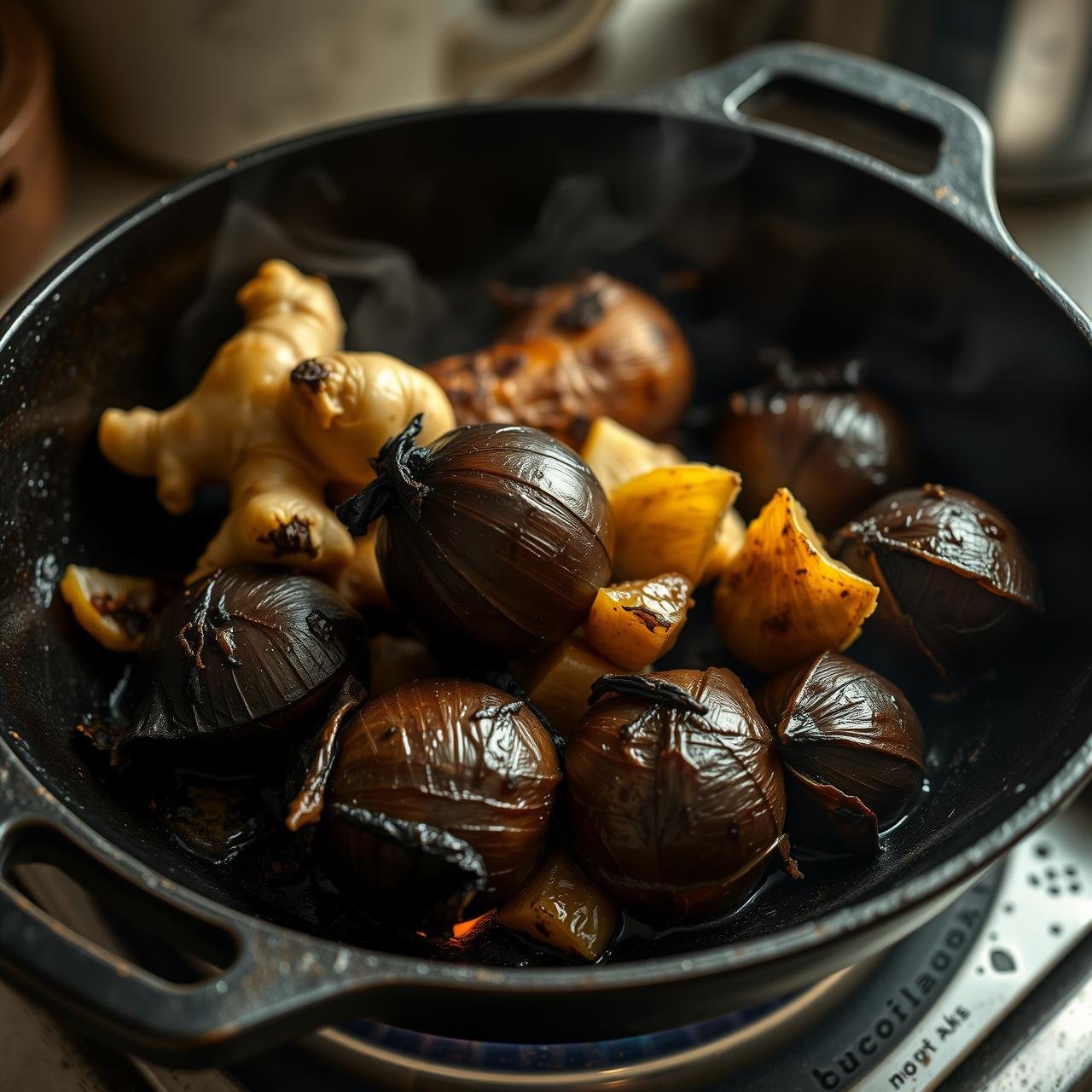
The heart and soul of any great pho is, without question, the broth. A shortcut here is a shortcut on flavor, and we’re aiming for perfection. Commercial broths simply cannot replicate the silky mouthfeel and profound, layered complexity of a broth made from scratch. By slowly simmering beef bones—specifically marrow and knuckle bones—for a minimum of 8 hours, we extract every bit of collagen, gelatin, and savory goodness. This process not only creates a broth with unparalleled depth but also one that is a nutritional powerhouse, rich in minerals and amino acids that support gut health and joint function. The key steps of parboiling to remove impurities and charring the aromatics (ginger and onion) are not just for show; they are crucial techniques that ensure a crystal-clear broth and impart a subtle, smoky sweetness that is the signature of authentic pho. Patience is the main ingredient here, and your reward is a broth so good, you could happily sip it on its own.
Essential Equipment for Your Pho Journey
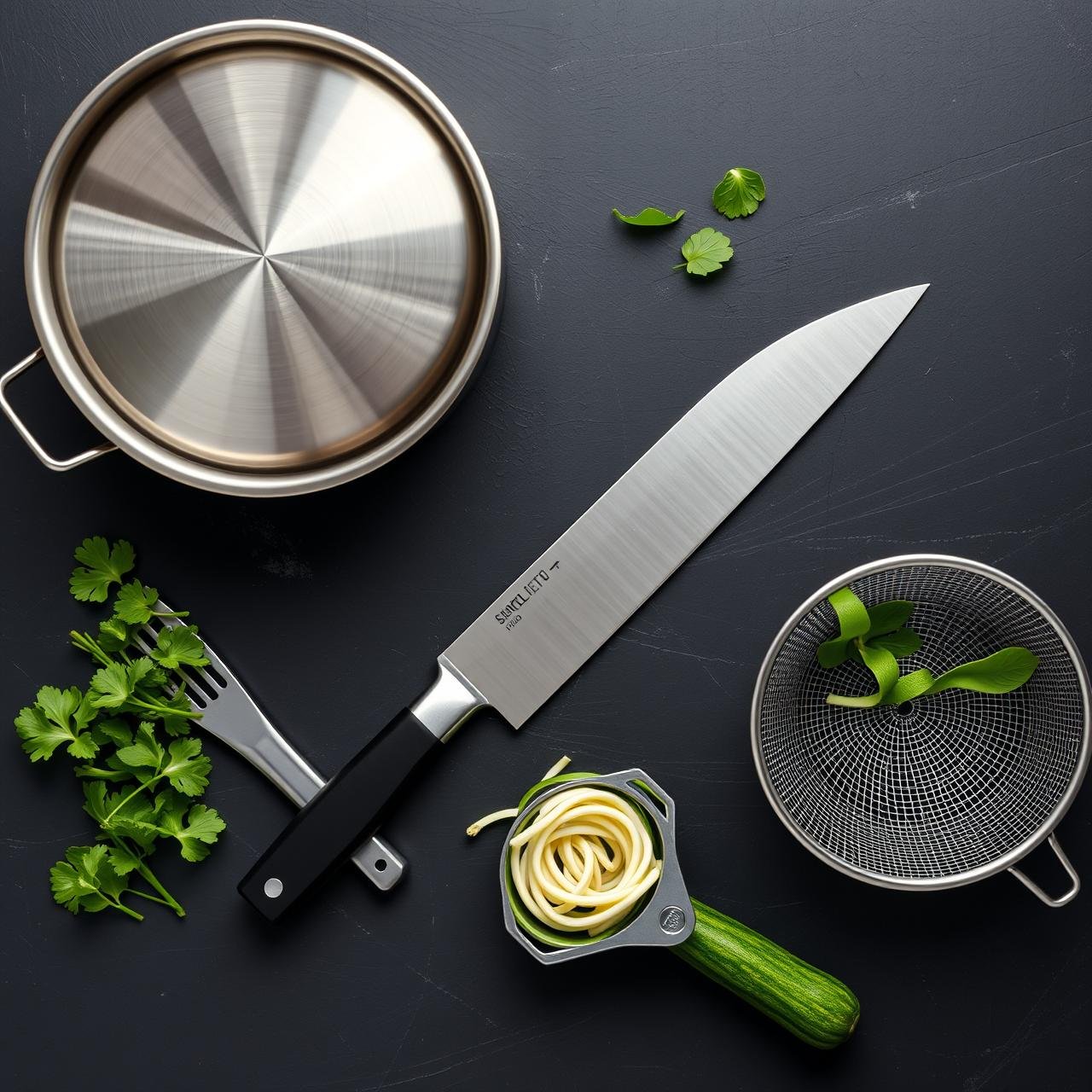
Crafting exceptional pho at home doesn’t require a professional kitchen, but a few key pieces of equipment will make the process smoother and yield better results. Having the right tools on hand before you begin ensures you can focus on the beautiful alchemy of flavors.
| Equipment | Purpose & Chef’s Note |
|---|---|
| Large Stockpot (at least 12-quart) | A large pot is non-negotiable for simmering the bones without crowding, allowing for proper extraction and a clearer broth. |
| Roasting Pan or Baking Sheet | Essential for roasting the beef bones, which deepens their flavor and is the first step to a rich, brown broth. |
| Fine-Mesh Sieve or Strainer | Crucial for straining the finished broth to remove all solids, ensuring a silky, clear final product. Lined with cheesecloth for an even finer strain. |
| Tongs | For handling hot bones and charred aromatics safely and easily. |
| Spiralizer or Julienne Peeler | The tool of choice for creating perfect, spaghetti-like zucchini noodles (zoodles). A spiralizer is fastest, but a julienne peeler also works well. |
| Sharp Chef’s Knife | For slicing the beef eye of round into paper-thin pieces. A partially frozen piece of beef makes this task much easier. |
Gathering Your Ingredients
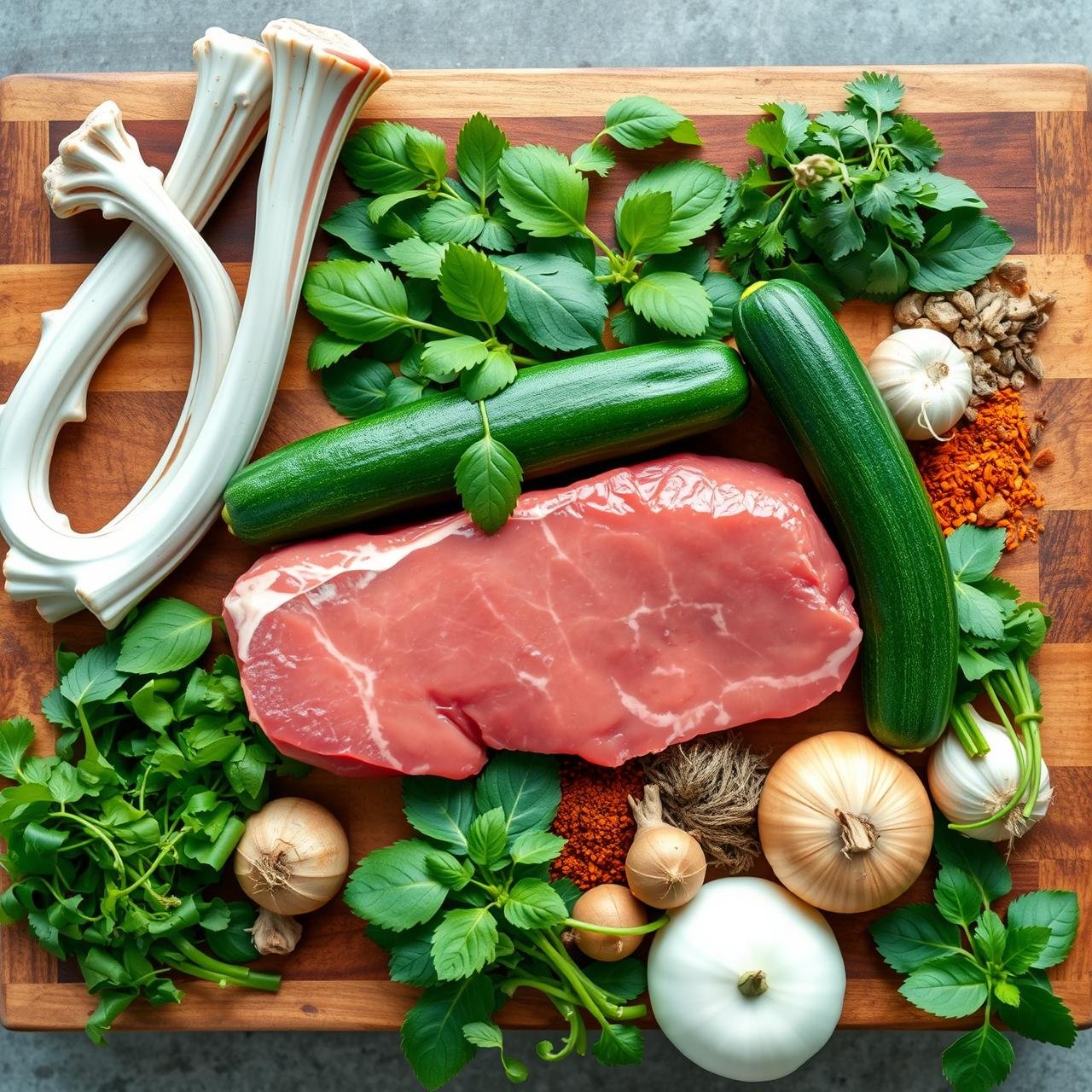
The quality of your ingredients will directly translate to the quality of your pho. Seek out the best you can find, especially when it comes to the bones and beef. Fresh herbs are not optional; they are an essential part of the final flavor profile.
For the Bone Broth (Yields approx. 6 quarts):
- 4-5 lbs beef bones (a mix of marrow, knuckle, and neck bones is ideal)
- 2 large yellow onions, halved
- 1 large piece of ginger (about 4 inches), halved lengthwise
- 1 whole head of garlic, halved crosswise
- 2-3 whole star anise pods
- 1 large cinnamon stick (3-4 inches)
- 1 tsp whole cloves
- 1 tsp whole coriander seeds
- 1/4 cup fish sauce (use a high-quality brand like Red Boat)
- 2 tbsp coconut sugar or brown sugar (to balance flavors)
- Salt to taste
For the Bowls (Per Serving):
- 4-6 oz beef eye of round or sirloin, sliced paper-thin
- 1 medium zucchini, spiralized
- A large handful of fresh bean sprouts
- A handful of fresh Thai basil leaves
- A handful of fresh cilantro, roughly chopped
- A handful of fresh mint leaves
- 1/2 lime, cut into wedges
- 1 jalapeño or bird’s eye chili, thinly sliced
- Hoisin sauce and Sriracha, for serving
Crafting the Pho Broth: A Step-by-Step Guide
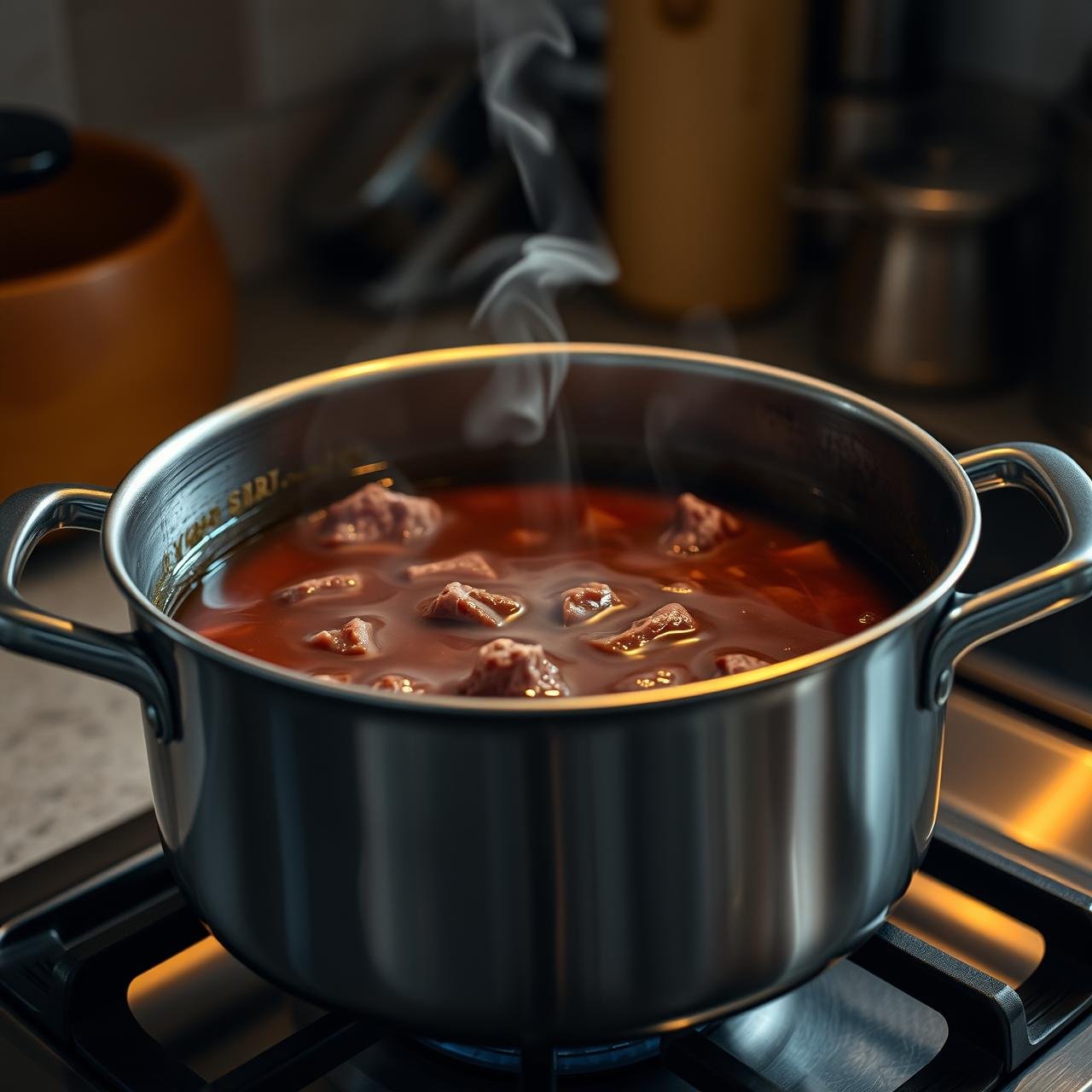
This is where the magic happens. Follow these steps methodically for a broth that is clear, fragrant, and deeply flavorful. This process is best started in the morning on a day you’ll be home.
- Parboil the Bones: Place the beef bones in your large stockpot and cover with cold water. Bring to a rolling boil and cook for 15-20 minutes. You will see a lot of scum and impurities rise to the surface. Drain the bones into a colander and rinse them thoroughly under cold running water. Scrub the stockpot clean to remove any residue.
- Roast the Bones: Preheat your oven to 425°F (220°C). Spread the cleaned bones on a roasting pan and roast for 30-40 minutes, or until they are deeply browned and fragrant. This step adds immense depth and color to your broth.
- Char the Aromatics: While the bones roast, place the halved onions and ginger, cut-side down, in a dry cast-iron skillet over high heat. Char them until they are blackened in spots, about 5-7 minutes per side. This removes their raw taste and adds a smoky sweetness.
- Toast the Spices: In the same dry skillet over medium heat, toast the star anise, cinnamon stick, cloves, and coriander seeds for 1-2 minutes, until they become highly fragrant. Be careful not to burn them. Place the toasted spices into a small cheesecloth bag or spice ball for easy removal later.
- Simmer the Broth: Return the roasted bones to the clean stockpot. Add the charred onion, ginger, garlic, and the spice sachet. Cover with about 7-8 quarts of cold, filtered water. Bring the pot to a boil, then immediately reduce the heat to the lowest possible setting to maintain a very gentle simmer. Do not let it boil vigorously, as this will create a cloudy broth.
- Skim and Simmer: Let the broth simmer gently, uncovered, for at least 8 hours, and up to 12. During the first hour, be diligent about skimming any foam or scum that rises to the surface. Top up with hot water as needed to keep the bones submerged.
- Season and Strain: After the long simmer, remove and discard the bones, aromatics, and spice sachet. Strain the broth through a fine-mesh sieve lined with cheesecloth into a large, clean pot or container. Stir in the fish sauce and coconut sugar. Taste and season generously with salt. The broth should be well-seasoned on its own.
Preparing the Perfect Beef & Zucchini Noodles
The Paper-Thin Beef
The beauty of pho beef is that it cooks instantly in the hot broth, remaining incredibly tender. The secret is slicing it as thinly as possible. For best results, place your piece of eye of round or sirloin in the freezer for 20-30 minutes before slicing. This firms up the meat, allowing you to get those coveted paper-thin slices with a very sharp knife. Slice against the grain for maximum tenderness.
The Vibrant Zucchini Noodles
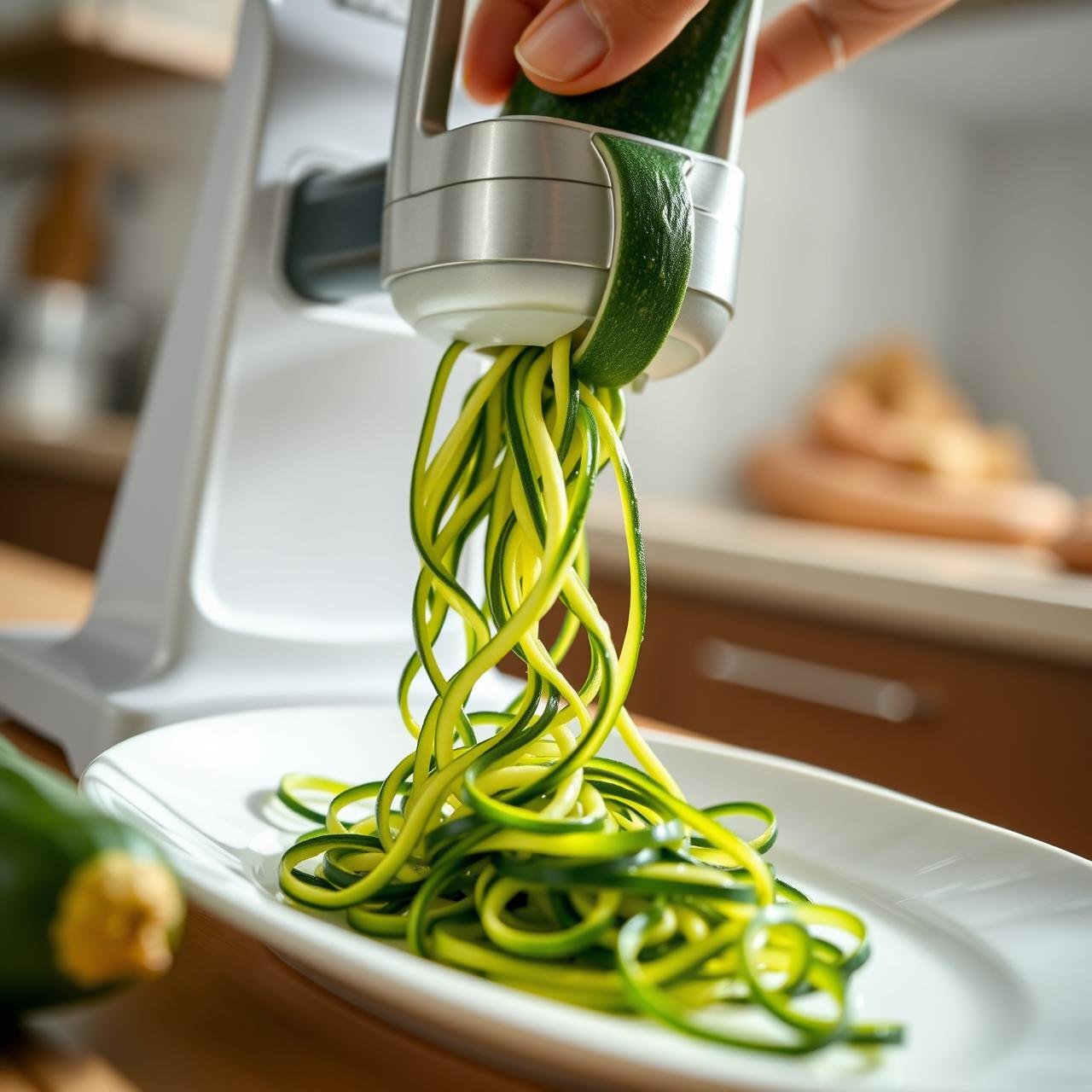
Zucchini noodles, or ‘zoodles,’ are a fantastic low-carb substitute, but they can release a lot of water and become soggy if not handled correctly. Do not cook them separately. The best method is to spiralize your zucchini just before serving. Place the raw zoodles directly into your serving bowl. The heat from the piping hot broth will gently cook them to a perfect al dente texture, preserving their slight crunch without turning your pho watery. For every one person, one medium zucchini is typically a good serving size.
Assembling Your Masterpiece Bowl
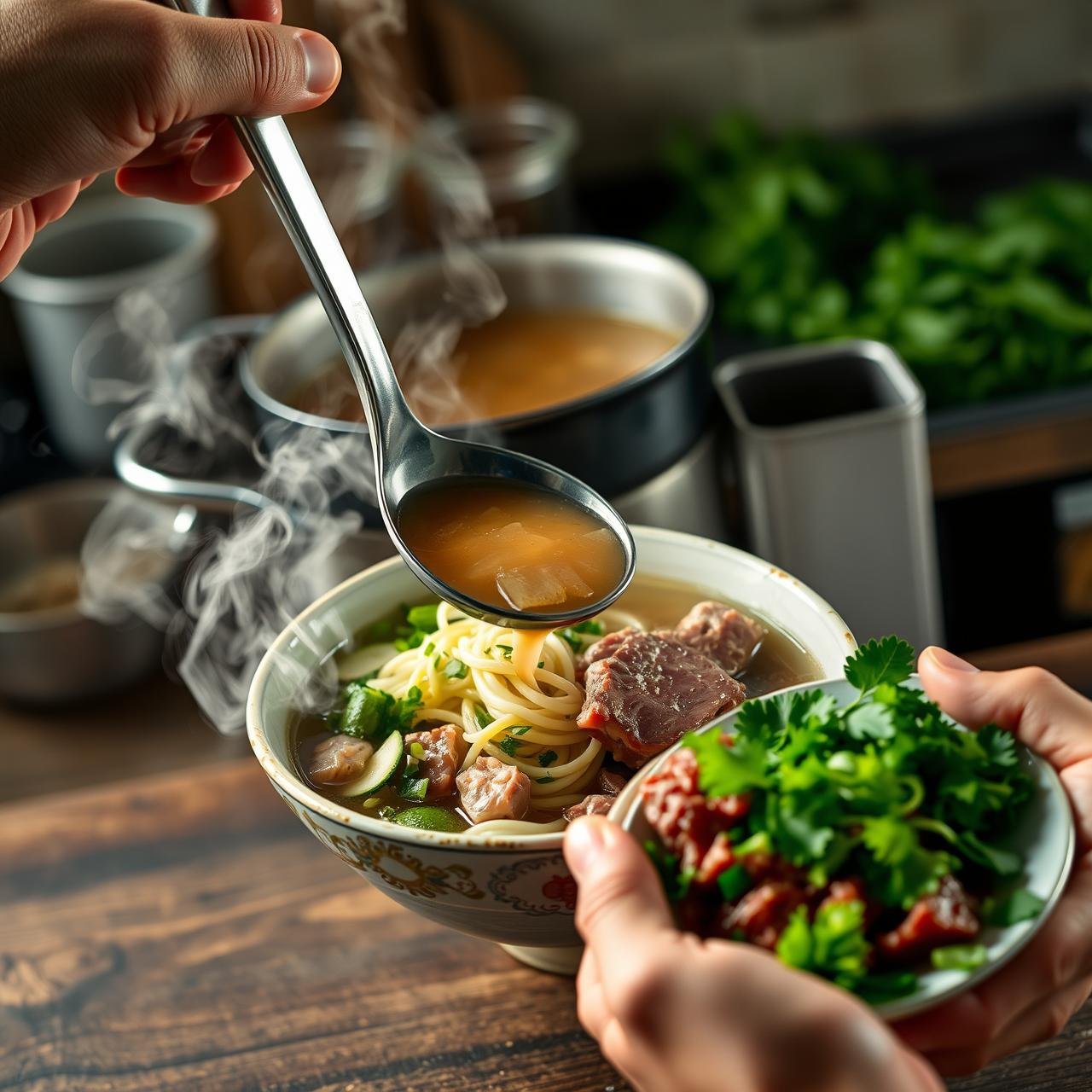
The final assembly is a ritual in itself. It’s about layering textures and flavors to create the perfect bite, every time. Work quickly so that everything stays hot.
- Prepare your Garnish Station: Arrange all your fresh toppings—bean sprouts, Thai basil, cilantro, mint, lime wedges, and sliced chilis—on a large platter. This allows everyone to customize their own bowl.
- Arrange the Noodles and Beef: Place a generous portion of raw zucchini noodles into the bottom of a large, deep soup bowl. Artfully arrange your paper-thin slices of raw beef over the top of the noodles, spreading them out so they don’t clump together.
- Ladle the Broth: Bring your finished bone broth to a rolling boil. It must be piping hot to cook the beef and warm the noodles. Immediately ladle the boiling broth into the bowl, pouring it over the beef slices. You will see the beef instantly change color from pink to brown as it cooks.
- Garnish and Serve: Let your guests or family members add their desired toppings from the garnish platter. A squeeze of lime, a handful of herbs, and a few chili slices are classic. Serve immediately with hoisin and Sriracha on the side for dipping or stirring in.
Storing and Reheating Your Pho
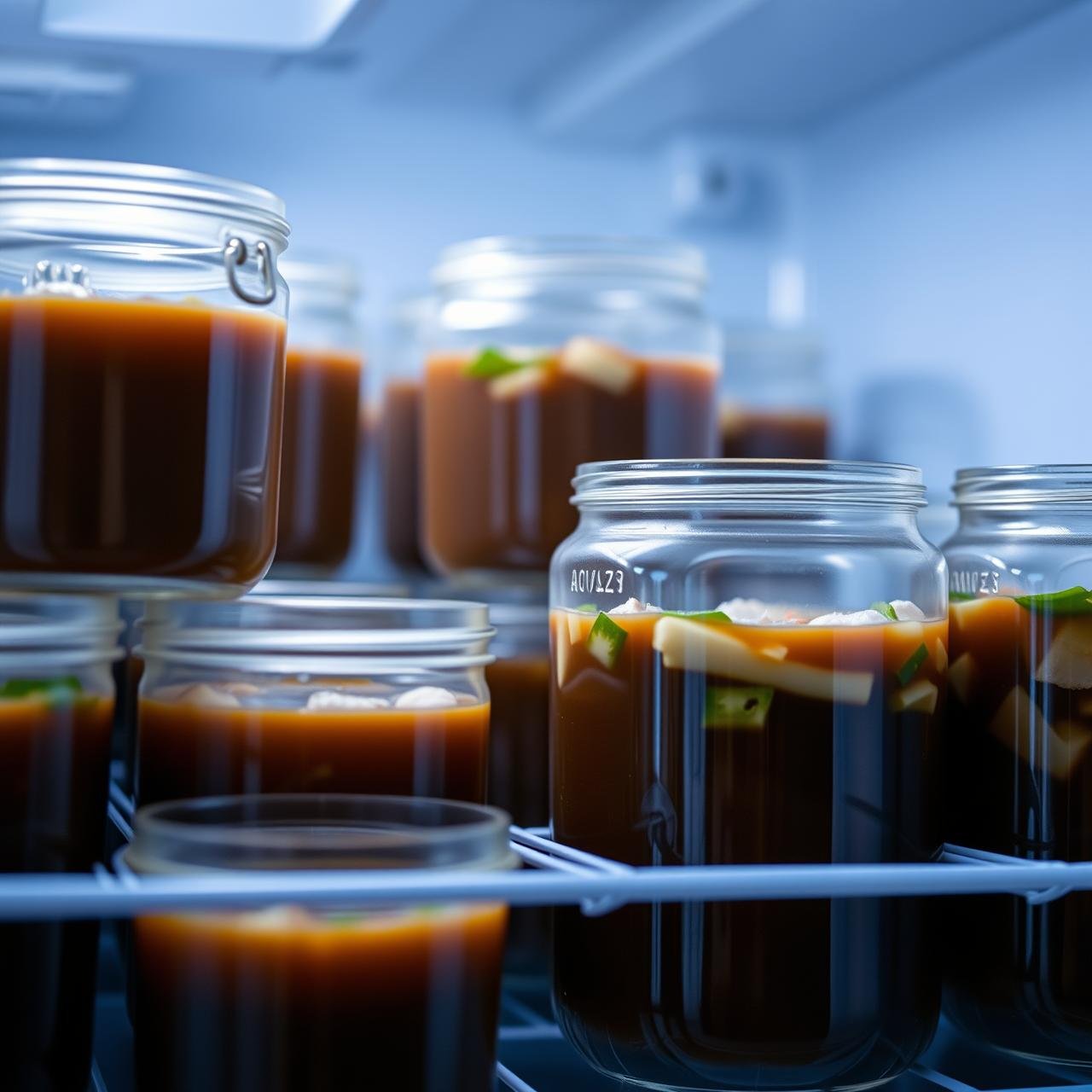
This recipe makes a large batch of broth, which is fantastic for meal planning. Let the broth cool completely to room temperature before storing. It can be refrigerated in airtight containers for up to 5 days or frozen for up to 6 months. A great tip for budget-conscious cooks and for easy portioning is to freeze the broth in muffin tins or ice cube trays, then transfer the frozen pucks to a freezer bag. This way, you can grab just enough for a single serving whenever the craving strikes. To reheat, simply bring the desired amount of broth to a rolling boil on the stovetop. Never reheat in the microwave, as it won’t get hot enough to properly cook the raw beef. Always assemble your bowls fresh with new zoodles, beef, and toppings for the best texture and flavor.
Nutritional Information
This nutritional estimate is for one serving, including the broth, beef, zucchini noodles, and standard garnishes. Please note that these values are approximate and can vary based on the specific ingredients used, especially the fat content of the bones.
| Nutrient | Amount per Serving (approx.) |
|---|---|
| Calories | 450 kcal |
| Protein | 45g |
| Fat | 25g |
| Saturated Fat | 10g |
| Carbohydrates | 9g |
| Fiber | 3g |
| Net Carbs | 6g |
| Sugar | 4g |
| Sodium | 1200mg (can vary based on salt and fish sauce) |
Conclusion
Creating this Homemade Beef Pho with Zucchini Noodles is more than just cooking; it’s an act of nourishment and a celebration of flavor. Each spoonful offers the deep, complex comfort of a broth that has been simmered with care, the satisfying tenderness of perfectly cooked beef, and the fresh, vibrant crunch of zucchini and herbs. It’s a testament to the fact that healthy eating doesn’t mean sacrificing flavor or tradition. By embracing whole ingredients and time-honored techniques, you’ve created a dish that is both rustic and refined, deeply satisfying for the gourmet foodie, nourishing for the health enthusiast, and a brilliant way for the home cook to bring a taste of Vietnam into their own kitchen. We hope this bowl brings you as much warmth, comfort, and joy as it brings to ours.