Heal Your Gut: Authentic Miso Soup with Wakame and Silken Tofu
There is a profound, almost primal comfort found in a simple bowl of miso soup. It’s a culinary embrace, a gentle warmth that seems to seep into your very bones. But beyond its comforting nature lies a powerful, ancient secret to wellness: the ability to heal and nourish the gut. This isn’t just soup; it’s a centuries-old tradition, a testament to the Japanese art of finding deep flavor and potent health benefits in simplicity. Our journey today is to recreate this authentic experience in your own kitchen. We will move beyond the instant powders and shortcuts to craft a truly restorative Miso Soup with tender wakame and cloud-like silken tofu. This recipe is a homage to tradition, a celebration of whole ingredients, and a delicious step towards nurturing your inner ecosystem.
Forget the hurried, often one-dimensional versions you might find at restaurants. We are going to build our soup from the ground up, starting with the foundational element of any great miso soup: a proper dashi. This savory, umami-rich broth is the canvas upon which we will paint with the earthy, fermented notes of miso, the subtle brininess of the sea from wakame, and the delicate creaminess of silken tofu. Each spoonful is a symphony of textures and flavors, designed not only to delight your palate but to deliver a host of probiotics and nutrients that your gut will thank you for. Let’s begin this wholesome ritual together.
The Soul of the Soup: Understanding Your Ingredients
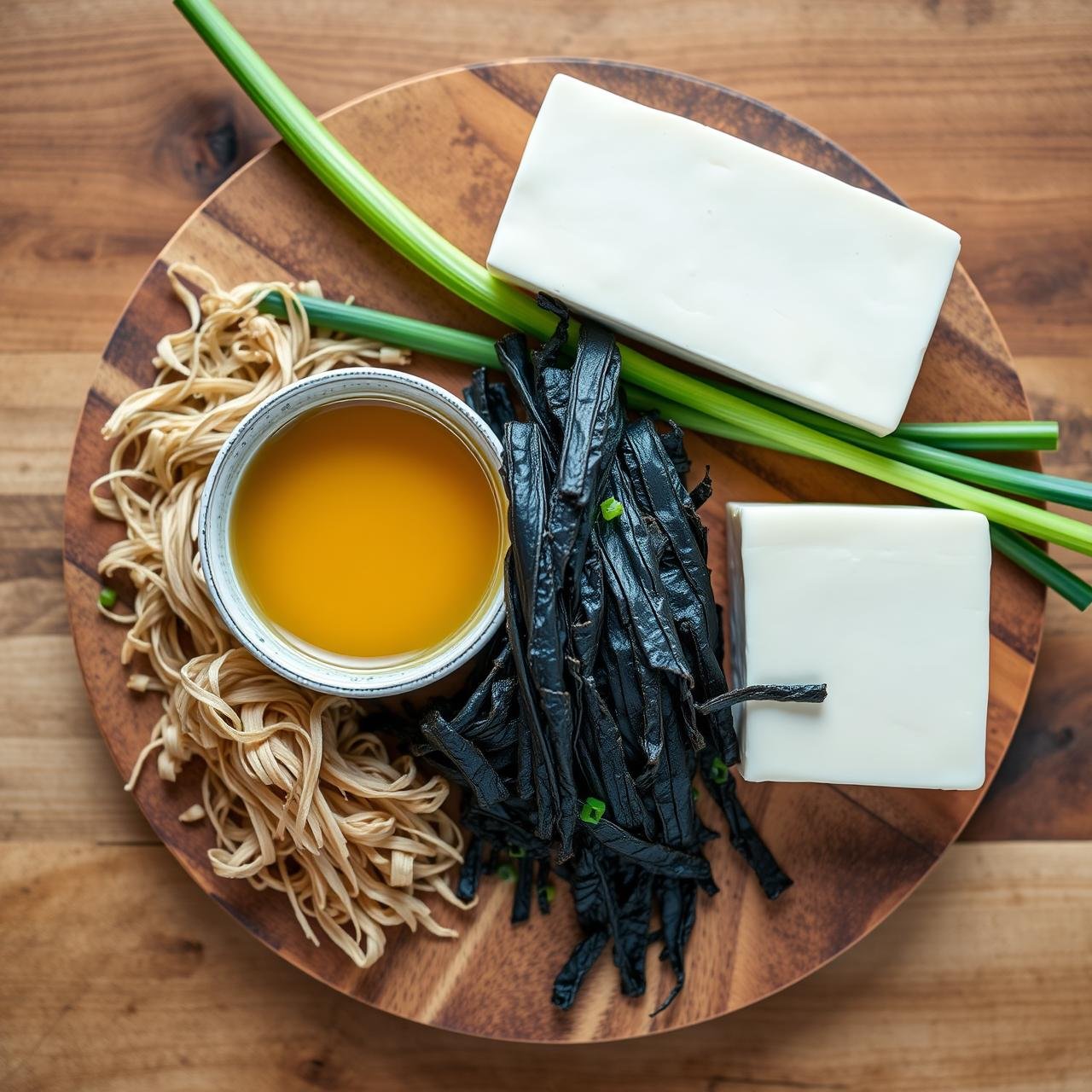
The magic of authentic miso soup lies in the quality and synergy of a few humble ingredients. Understanding their role is the first step to mastering this dish. This isn’t just about following a list; it’s about appreciating the character each component brings to the bowl.
Dashi: The Umami Foundation
Dashi is the lifeblood of Japanese cuisine. It’s a simple stock, yet it carries a profound depth of flavor known as umami—the fifth taste, savory and complex. While instant dashi granules exist, making your own is surprisingly simple and elevates your soup from good to sublime. The most common dashi, Awase Dashi, is made from two key ingredients:
- Kombu: A type of dried kelp that releases glutamates, providing a deep, foundational umami flavor. It’s essential to steep it gently in water, never boiling it, to avoid bitterness.
- Katsuobushi: These are dried, fermented, and smoked skipjack tuna flakes (also known as bonito flakes). They impart a delicate, smoky, and slightly fishy aroma and flavor that rounds out the dashi beautifully. For a vegan alternative, a simple Kombu Dashi or a Shiitake Dashi (made by soaking dried shiitake mushrooms) provides a wonderfully earthy base.
Miso Paste: The Fermented Heart
Miso is a traditional Japanese seasoning produced by fermenting soybeans with salt and kōji (a fungus, Aspergillus oryzae) and sometimes rice, barley, or other ingredients. The result is a thick paste that is a powerhouse of flavor and probiotics. There are many types, but they generally fall into three categories:
- White Miso (Shiro Miso): Fermented for a shorter period, it’s light in color with a sweet, mild flavor. It’s perfect for a delicate soup and is a great starting point for beginners.
- Yellow Miso (Shinshu Miso): Slightly stronger than white miso, it has an earthy, light-brown color and is a versatile, all-purpose choice.
- Red Miso (Aka Miso): Fermented the longest, it has a deep reddish-brown color and a pungent, salty, and robust flavor. It’s best for heartier soups and marinades. For this recipe, we recommend a good quality white or yellow miso to let the other ingredients shine.
Wakame: A Gift from the Sea
Wakame is an edible seaweed, typically sold in dried, shriveled strips. When rehydrated, it unfurls into silky, tender, deep-green leaves. It has a subtly sweet, briny flavor and a satisfyingly smooth texture. Beyond its taste, wakame is a nutritional powerhouse, packed with iodine, calcium, and other minerals. A little goes a long way, as it expands significantly in water.
Silken Tofu: The Delicate Cloud
Not all tofu is created equal. For this soup, you must use silken tofu (kinugoshi). It has the highest water content and a custard-like texture that melts in your mouth. It doesn’t need to be cooked, merely warmed through by the hot broth. Its delicate, neutral flavor provides a wonderful textural contrast to the broth and seaweed, absorbing the surrounding flavors like a sponge.
Essential Kitchen Tools
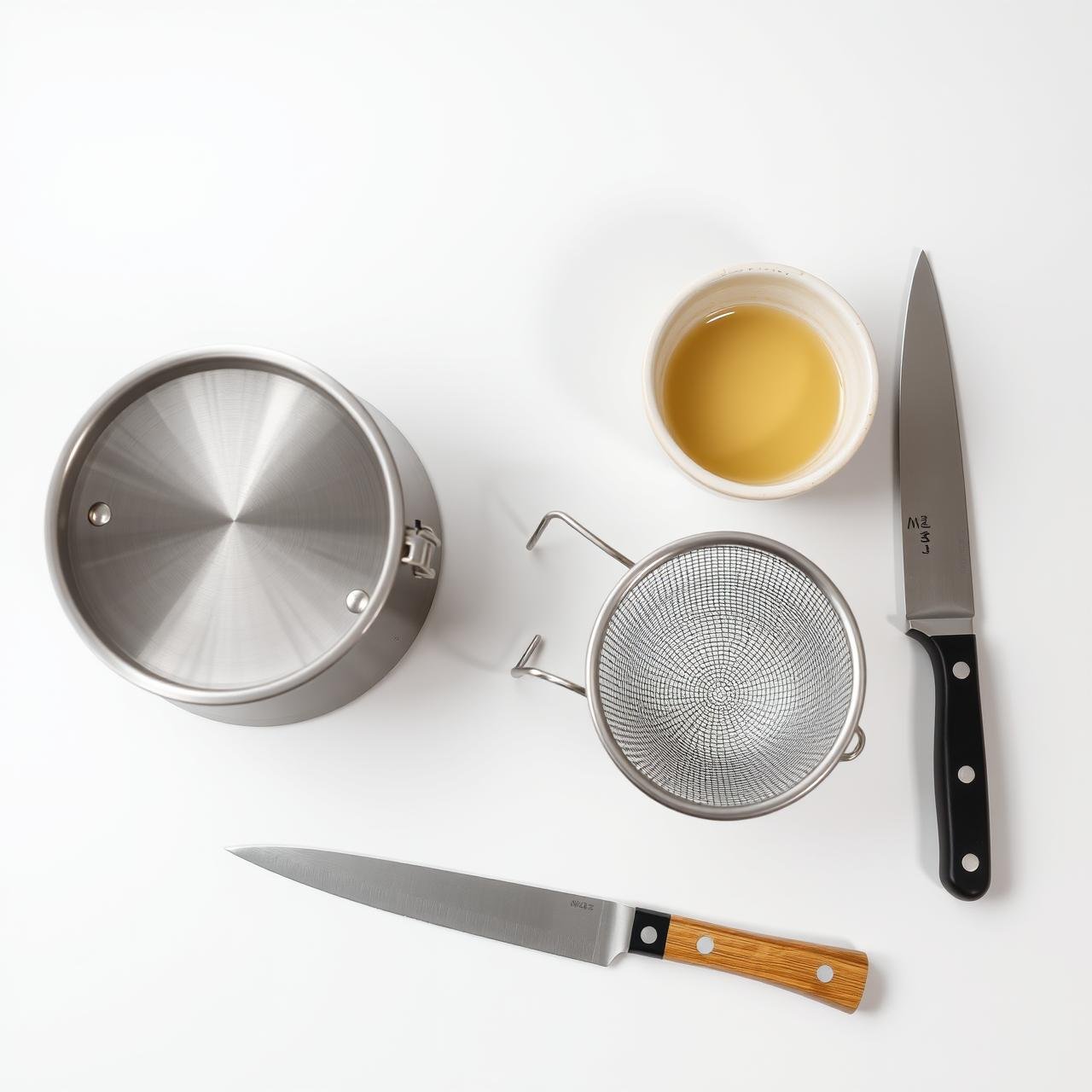
You don’t need any fancy equipment for this rustic recipe, just a few kitchen basics to help you craft the perfect bowl.
| Tool | Purpose |
|---|---|
| Medium Saucepan or Pot | For preparing the dashi and assembling the soup. |
| Fine-mesh Sieve or Strainer | Essential for straining the katsuobushi from the dashi and for dissolving the miso paste smoothly. |
| Small Bowl | For rehydrating the wakame and making the miso slurry. |
| Whisk | To ensure the miso paste dissolves completely without lumps. |
| Sharp Knife | For cubing the tofu and slicing the scallions. |
| Ladle and Soup Bowls | For serving your beautiful, finished soup. |
Gathering Your Ingredients
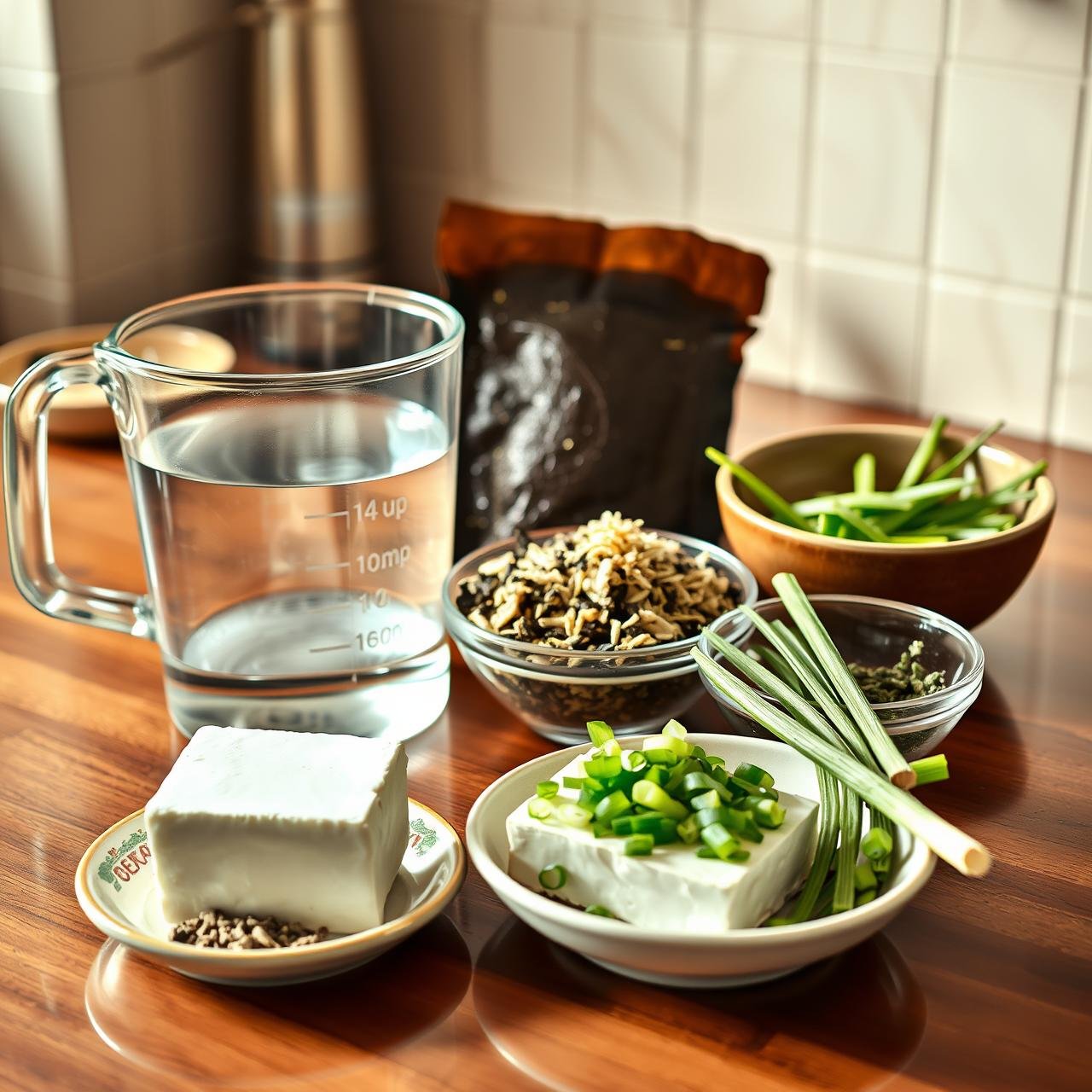
This recipe serves 4 people and celebrates the purity of its components. Sourcing high-quality ingredients will make all the difference.
- For the Dashi (makes about 4 cups):
- 4 cups (1 liter) of cold, filtered water
- 1 piece (about 10g or a 4×4 inch square) of dried kombu
- 1 cup (about 10-15g) of katsuobushi (bonito flakes)
- For the Soup:
- 1 tablespoon of dried wakame seaweed
- 1 block (about 7 oz / 200g) of silken tofu
- 3-4 tablespoons of white or yellow miso paste (to taste)
- 2 green onions (scallions), thinly sliced, for garnish
Crafting Your Authentic Miso Soup: A Step-by-Step Guide

Follow these steps with care and intention. The process is meditative and rewarding, leading to a soup that nourishes from the inside out. Total prep time is about 5 minutes, and cook time is around 15 minutes.
-
Prepare the Dashi Foundation:
Gently wipe the kombu with a damp cloth to remove any grit, but do not wash off the white powder, as it’s full of umami. Place the kombu in the saucepan with the 4 cups of cold water. Let it soak for at least 30 minutes (or up to a few hours for deeper flavor). Place the pot over medium-low heat. Watch it carefully and remove the kombu just before the water comes to a boil. Boiling kombu can make the stock bitter.
-
Infuse the Katsuobushi:
Bring the kombu-infused water to a gentle boil. Once boiling, turn off the heat completely. Add the katsuobushi (bonito flakes) all at once. Let them steep for about 2 minutes, until they absorb the water and sink to the bottom. Do not stir.
-
Strain for a Clear Broth:
Pour the dashi through a fine-mesh sieve lined with a paper towel or cheesecloth into a clean bowl or pot. Gently press the flakes to extract any remaining liquid. Discard the used kombu and katsuobushi. You now have a beautiful, clear, and fragrant dashi. This is your soup’s soul.
-
Prepare the Add-ins:
While the dashi is being made, place the 1 tablespoon of dried wakame in a small bowl and cover with warm water. Let it sit for about 5-10 minutes. It will expand and turn a vibrant green. Once rehydrated, drain it well. Carefully remove the silken tofu from its package, drain the excess water, and gently cut it into small, ½-inch cubes.
-
Incorporate the Miso (The Critical Step):
Return your strained dashi to the pot and heat it over medium-low heat until it is hot but NOT boiling. Boiling will kill the beneficial probiotic bacteria in the miso and alter its flavor. Ladle about ½ cup of the warm dashi into a small bowl. Add the 3-4 tablespoons of miso paste to this small amount of dashi and whisk vigorously until the paste is completely dissolved and you have a smooth slurry. This prevents lumps in your final soup.
-
Assemble the Soup:
Pour the miso slurry back into the main pot of dashi. Stir gently to combine. Add the rehydrated wakame and the delicate cubes of silken tofu. Allow them to warm through for a minute or two. Again, do not let the soup boil.
-
Serve and Garnish:
Taste the soup and adjust if needed. If you prefer it saltier, dissolve a little more miso paste in some broth and add it in. Immediately ladle the hot soup into individual bowls. Garnish generously with the freshly sliced green onions and serve right away.
A Chef’s Secrets for Perfect Miso Soup
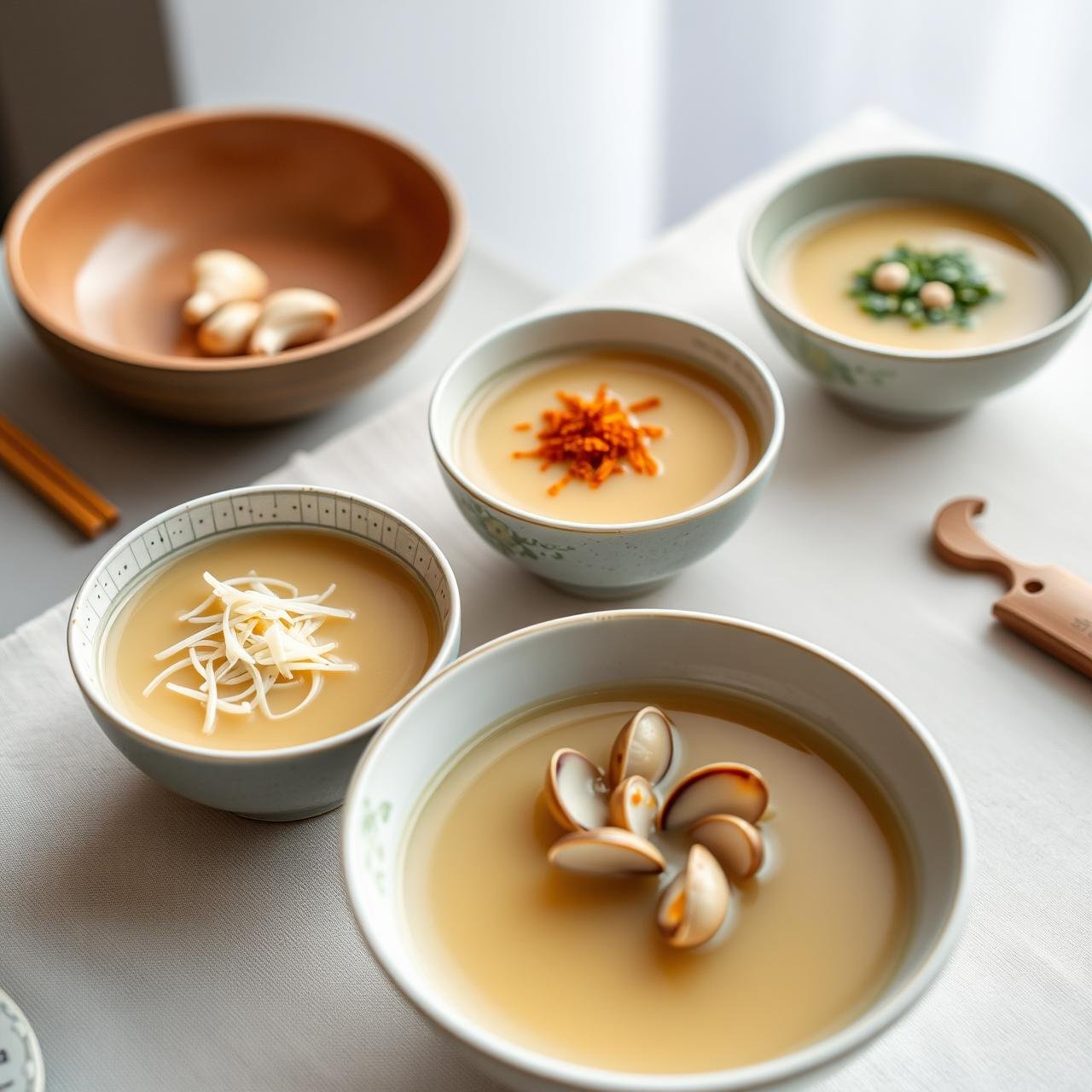
Mastering the basics is key, but these professional tips will elevate your miso soup and allow you to customize it with confidence.
The Golden Rule: Never Boil Miso
This cannot be stressed enough. Miso is a living food, rich in enzymes and probiotics. Boiling it not only destroys these beneficial properties but also compromises its delicate, nuanced flavor, leaving you with a saltier, less complex taste. Always add the miso off-heat or on the lowest possible setting.
Customizing Your Bowl
While our recipe is a classic, miso soup is a wonderfully versatile canvas. Consider these additions, adding them to the dashi to cook before the miso and tofu go in:
- Mushrooms: Thinly sliced shiitake, enoki, or shimeji mushrooms add an earthy depth.
- Root Vegetables: Add thinly sliced daikon radish or carrots to the dashi and simmer until tender.
- Leafy Greens: A handful of spinach or baby bok choy can be wilted into the soup at the very end.
- Protein: For a heartier soup, you can add small clams (asari), tiny shrimp, or a lightly poached egg.
On Miso and Dashi Pairing
Think of it like pairing wine with food. A delicate Kombu Dashi (vegan) pairs beautifully with a sweet white miso. A more robust Awase Dashi, like the one we made, can stand up to a heartier yellow or even a blend of yellow and red miso for more complexity. Experiment to find your favorite combination.
Presentation Matters
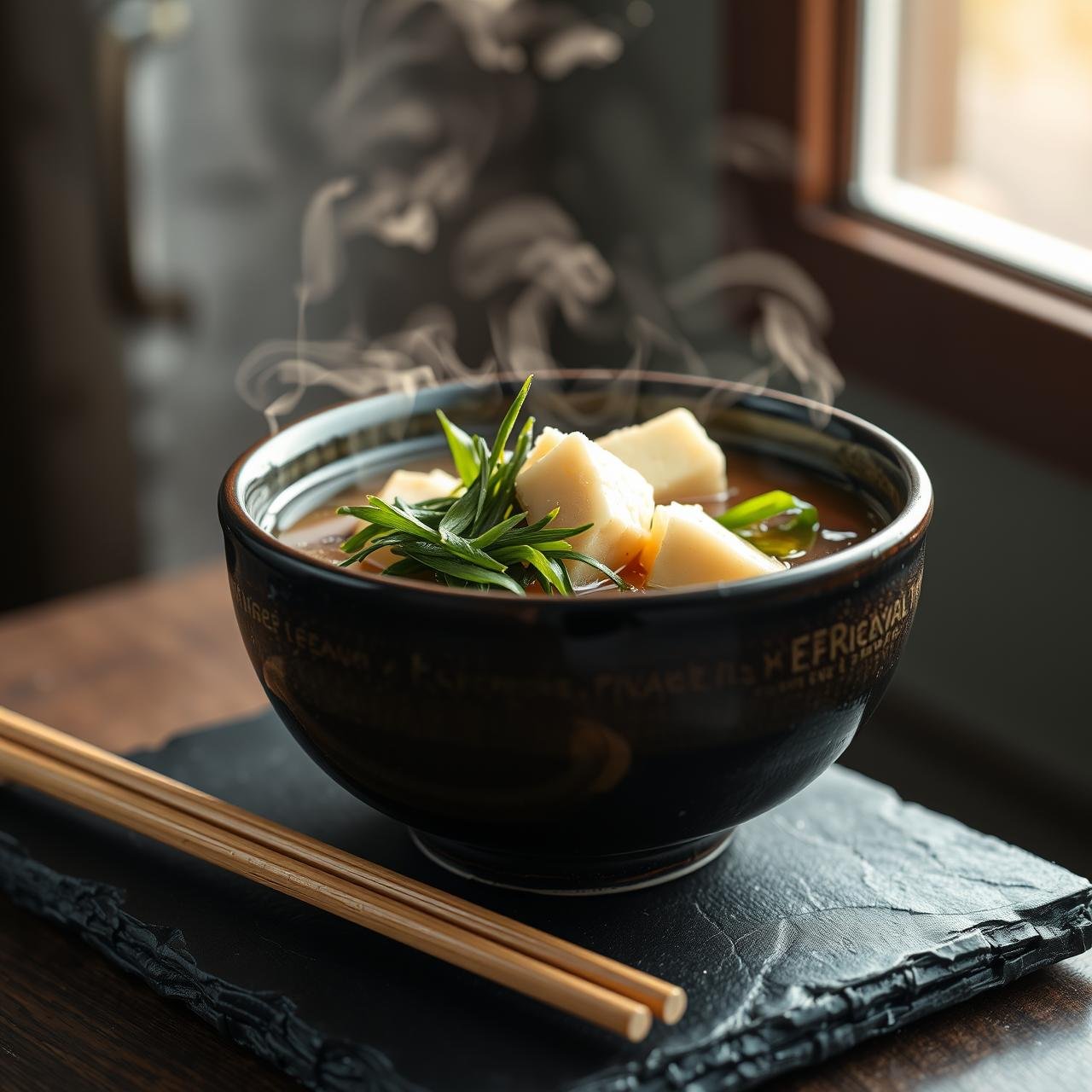
Serve your soup in traditional lacquer or ceramic bowls. When ladling, try to distribute the tofu and wakame evenly among the bowls first, then pour the hot broth over them. This ensures each guest gets a perfect serving. The garnish of green onions is not just for color; it adds a fresh, sharp bite that cuts through the richness of the broth.
Nutritional Wisdom: The Power in Your Bowl

This simple soup is a nutritional giant. Miso itself is a fermented food, which means it is rich in beneficial bacteria (probiotics) that are crucial for a healthy gut microbiome. A balanced gut is linked to better digestion, a stronger immune system, and even improved mood. Wakame provides essential minerals like iodine, vital for thyroid function, while tofu offers a clean, plant-based source of protein.
| Nutrient | Amount |
|---|---|
| Calories | ~75 kcal |
| Protein | ~6 g |
| Fat | ~3 g |
| Carbohydrates | ~6 g |
| Sodium | ~650 mg |
| Fiber | ~1 g |
| Iodine | High |
Storing and Reheating Your Miso Soup
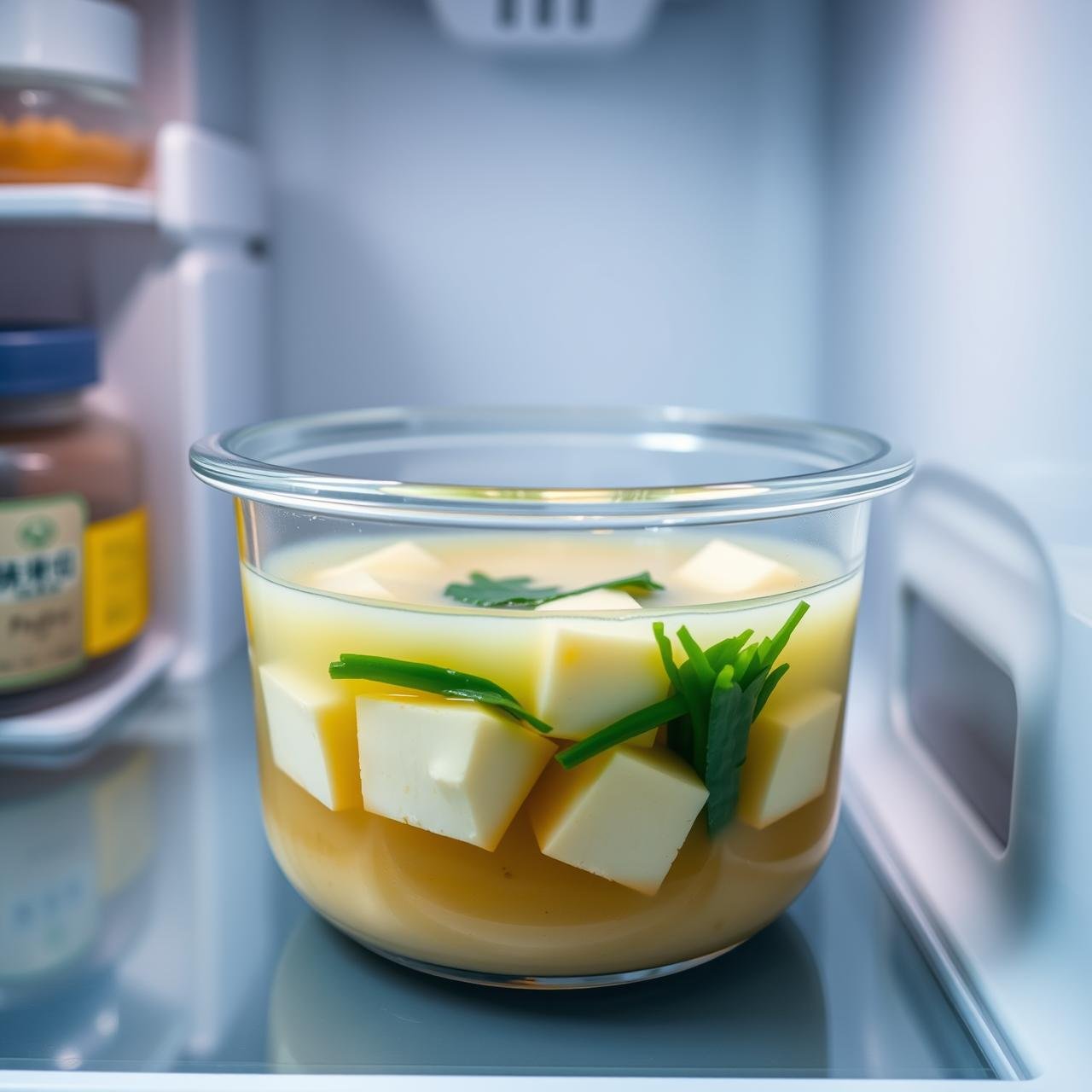
Miso soup is best enjoyed fresh, immediately after it’s made. The texture of the silken tofu and the delicate aroma are at their peak. However, if you have leftovers, they can be stored.
Storage
Allow the soup to cool completely, then transfer it to an airtight container. It can be stored in the refrigerator for up to 2 days. Note that the tofu may become slightly firmer and the wakame a bit softer over time.
Reheating
To reheat, gently warm the soup in a saucepan over low heat. It’s crucial that you do not let it boil, for the same reasons mentioned before—to protect the probiotics and flavor of the miso. Heat it just until it’s pleasantly warm and steaming, then serve immediately. Avoid reheating in the microwave, as it can heat the soup unevenly and easily cause it to boil.
Conclusion
Crafting your own miso soup from scratch is more than just cooking; it’s an act of self-care. It’s a quiet rebellion against the fast-paced, overly processed world. With each step—from steeping the kombu to whisking the living miso paste—you are connecting with an ancient tradition of nourishment. The resulting bowl is a testament to the fact that food can be both incredibly delicious and profoundly healing. As you lift the warm bowl and inhale the savory, comforting steam, know that you are not just feeding your hunger, but also nourishing your gut, soothing your soul, and partaking in a timeless culinary ritual. Enjoy this moment of simple, wholesome perfection.