Glass Noodle Dupe: Kelp Noodle Japchae Stir Fry (10 Calories!)
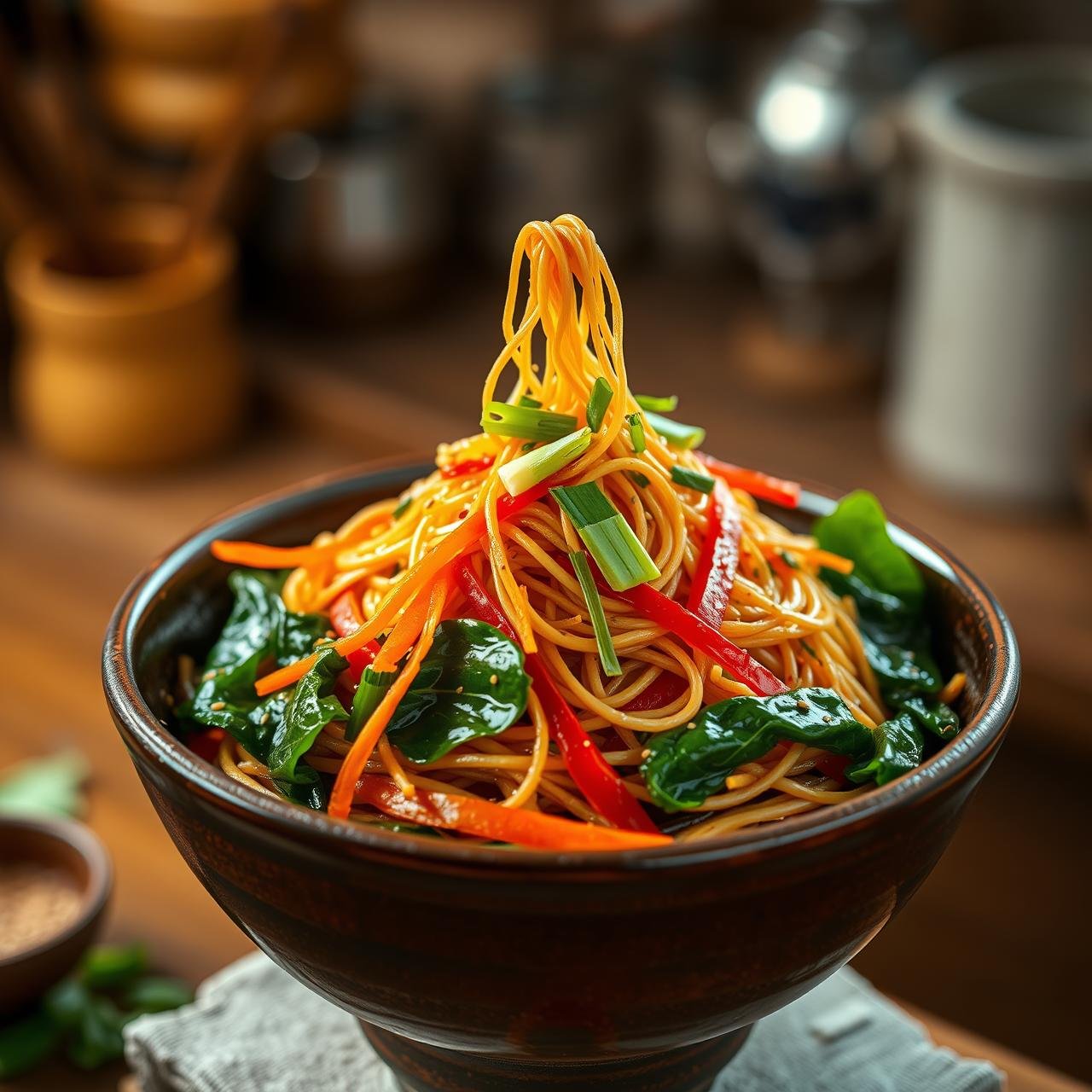
There are few dishes as universally comforting and crave-worthy as Japchae. The traditional Korean stir-fry is a symphony of textures and flavors: bouncy, chewy sweet potato noodles slicked in a savory-sweet sauce, tossed with a rainbow of crisp-tender vegetables and earthy mushrooms. It’s a celebration in a bowl. But for those of us who are mindful of calories or carbs, the traditional glass noodles can feel like a heavy indulgence. What if I told you that you could capture the entire soul of Japchae in a version that is astonishingly light, clocking in at a mere fraction of the calories?
Enter the culinary miracle of kelp noodles. These translucent, mineral-rich noodles, made from seaweed, are the ultimate dupe for glass noodles. They offer a delightful, slightly snappy texture and, with one simple trick, soften to perfectly mimic their traditional counterpart. Best of all, they contain virtually no calories, fat, or carbs. This recipe is your guide to creating a stunning, nourishing, and deeply satisfying Kelp Noodle Japchae that will fool even the most dedicated purists. It’s a dish that honors tradition while embracing a clean, modern approach to wholesome eating, proving that you never have to sacrifice flavor for health.
Why You’ll Adore This Low-Calorie Japchae
This isn’t just a ‘healthified’ recipe; it’s a genuinely delicious dish that stands proudly on its own. It’s designed for home cooks, health enthusiasts, and gourmet foodies alike, offering a perfect blend of ease, nutrition, and exceptional taste.
Here’s what makes it so special:
- Incredibly Low-Calorie & Low-Carb: By swapping sweet potato noodles for kelp noodles, we slash the calorie and carbohydrate count dramatically, making it a perfect meal for anyone on a keto, paleo, or calorie-conscious diet.
- Gluten-Free & Vegan by Design: Using tamari or coconut aminos keeps the dish entirely gluten-free. It’s naturally vegan and packed with plant-based goodness, but easily adaptable for meat-eaters.
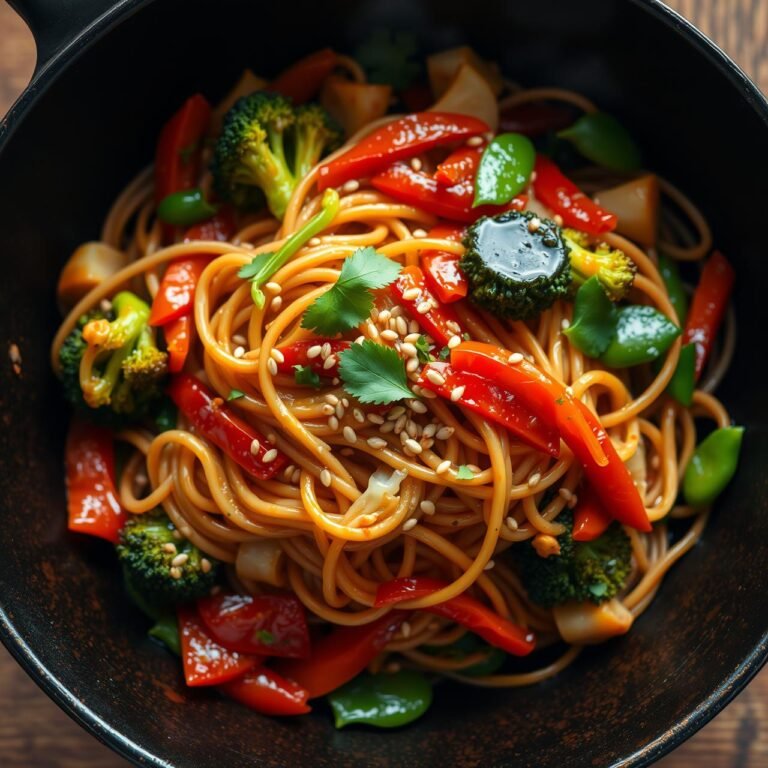
- A Symphony of Textures: You still get the wonderful textural interplay that makes Japchae famous—the soft noodles, the crisp-tender vegetables, the meaty shiitake mushrooms, and the tender spinach.
- Quick & Easy to Prepare: Once your vegetables are prepped (a process called mise en place), this stir-fry comes together in under 20 minutes. It’s ideal for a busy weeknight dinner that feels like a weekend treat.
- Visually Stunning: We eat with our eyes first! The vibrant colors of the carrots, bell peppers, and spinach make this a truly beautiful dish to serve.
The Star of the Show: Understanding Kelp Noodles
For many, kelp noodles are an unfamiliar ingredient, but they are about to become your new pantry staple. Let’s demystify them. Kelp noodles are semi-transparent noodles made from kelp (a brown seaweed), sodium alginate (a salt derived from seaweed), and water. That’s it! They are naturally free of gluten, wheat, sugar, and dairy.
When you first open a package, you’ll notice they have a distinct, crunchy texture. While great for salads, this isn’t what we want for Japchae. The secret to transforming them into soft, supple, glass-noodle-like perfection is a simple kitchen science trick.
The Magic Noodle-Softening Technique:
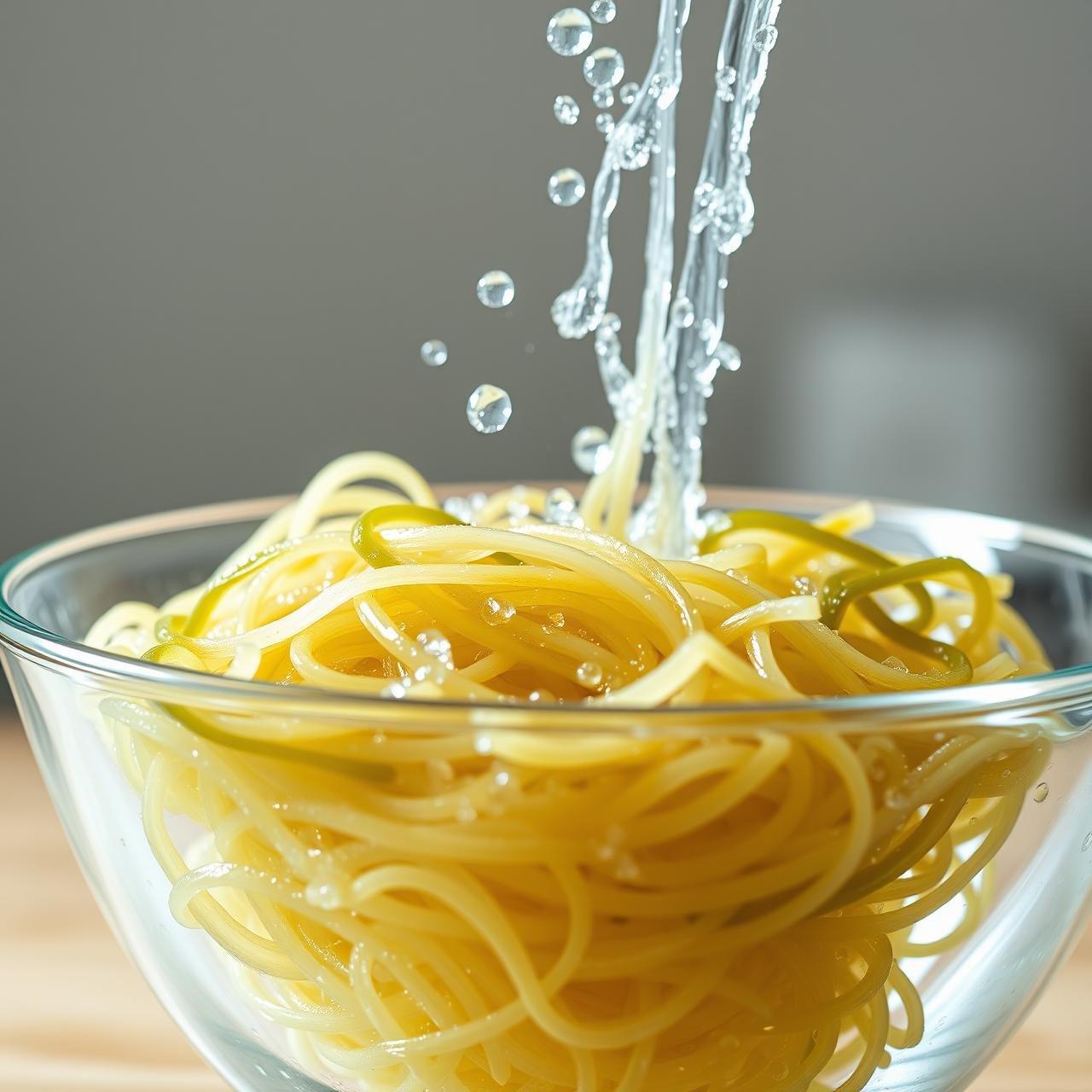
- Rinse: Start by thoroughly rinsing the kelp noodles under cold water to wash away the brine they are packed in.
- Soak: Place the rinsed noodles in a large bowl. Sprinkle them with 1 tablespoon of baking soda and the juice of half a lemon (or 1-2 tablespoons of white vinegar).
- Massage & Wait: Gently massage the mixture into the noodles with your hands. You will feel them begin to soften almost immediately. Cover them with warm water and let them sit for 10-15 minutes.
- Final Rinse: Give them one last thorough rinse in a colander to remove any residual taste from the baking soda or lemon juice. The result? Perfectly soft, neutral-flavored noodles ready to absorb the delicious Japchae sauce.
Essential Equipment for Your Stir-Fry Symphony
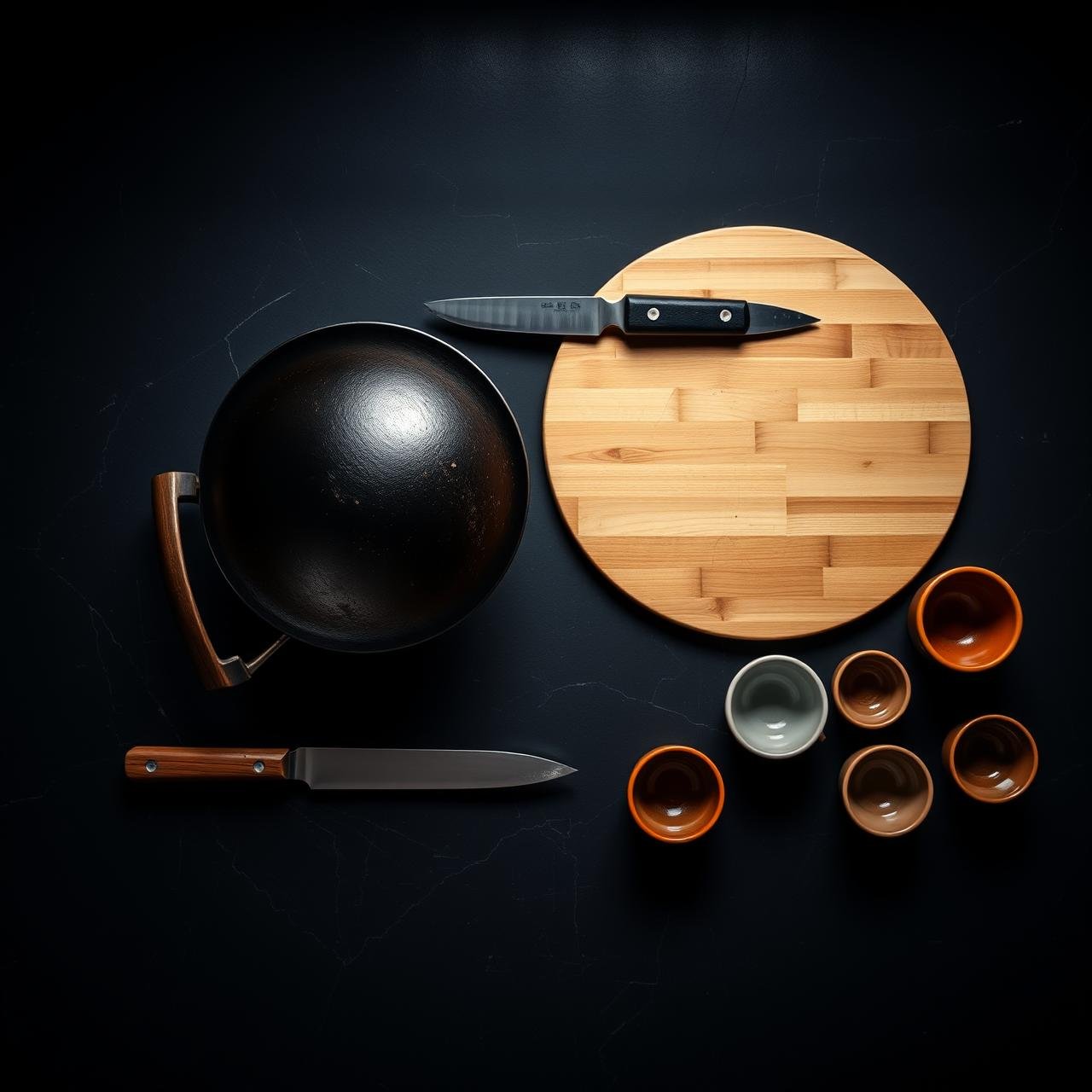
You don’t need a professional kitchen to make this dish, but having the right tools makes the process smooth and enjoyable. Here’s what I recommend:
| Tool | Purpose |
|---|---|
| Large Wok or Sauté Pan | A wok is ideal for stir-frying due to its high, sloping sides, which allow for even heat distribution and easy tossing. A large, heavy-bottomed sauté pan is a great alternative. |
| Sharp Chef’s Knife | Essential for uniformly slicing and julienning the vegetables. A sharp knife makes prep work faster, safer, and more precise. |
| Large Cutting Board | Provides ample space for chopping all your colorful vegetables without crowding. |
| Multiple Small Bowls | Perfect for organizing your mise en place—keeping your prepped vegetables, sauce, and noodles separate and ready to go. |
| Colander | Necessary for rinsing and draining the kelp noodles effectively. |
| Whisk or Fork | For mixing the savory and aromatic Japchae sauce until it’s perfectly emulsified. |
Gather Your Ingredients
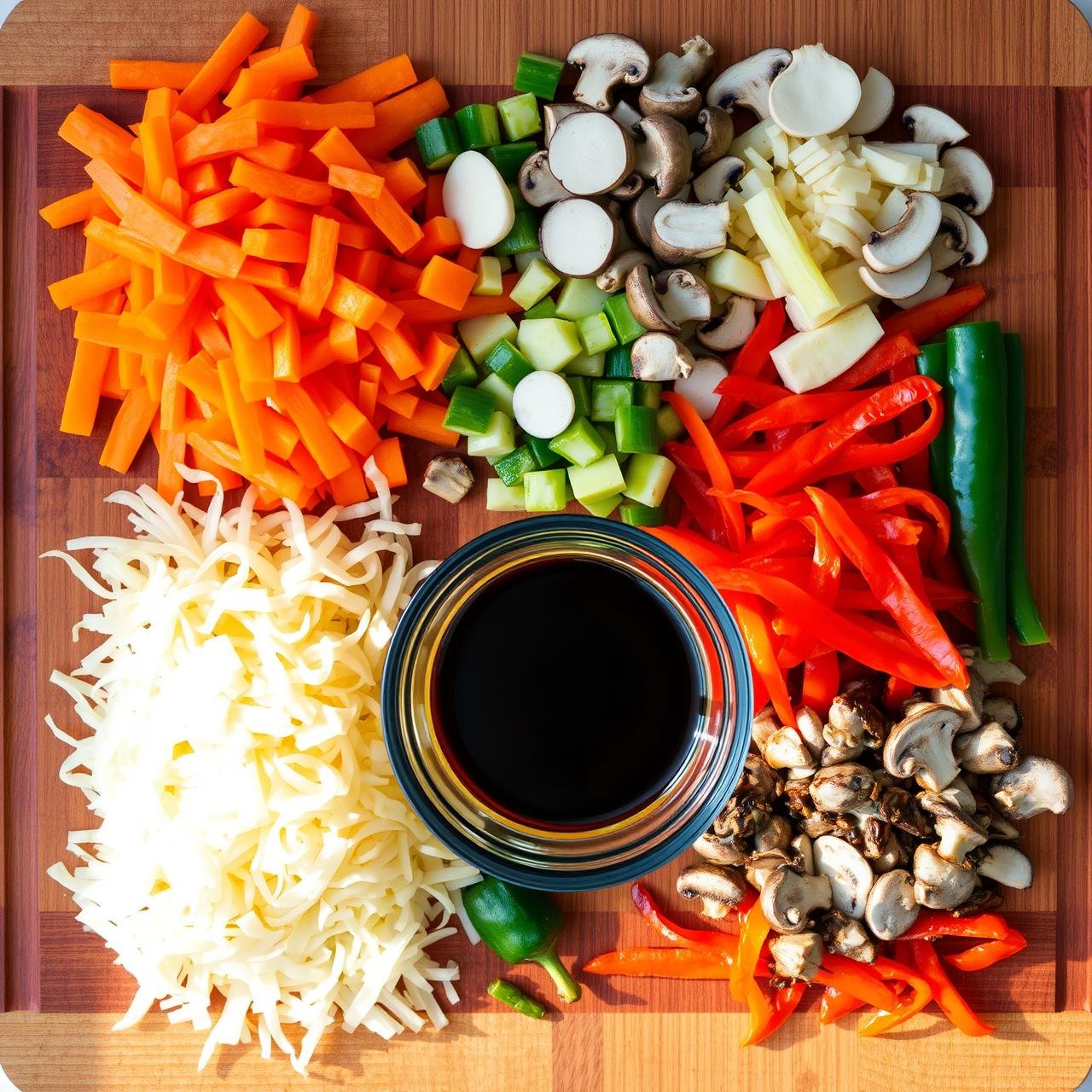
This recipe is all about fresh, whole ingredients. The sauce is the heart of the dish, providing that signature sweet and savory flavor profile that makes Japchae so addictive.
For the Japchae Stir-Fry:
- Kelp Noodles: 1 (12-ounce) package, rinsed and softened as described above.
- Avocado or Toasted Sesame Oil: 2 tablespoons, divided. Toasted sesame oil adds more flavor, but avocado oil has a higher smoke point for sautéing.
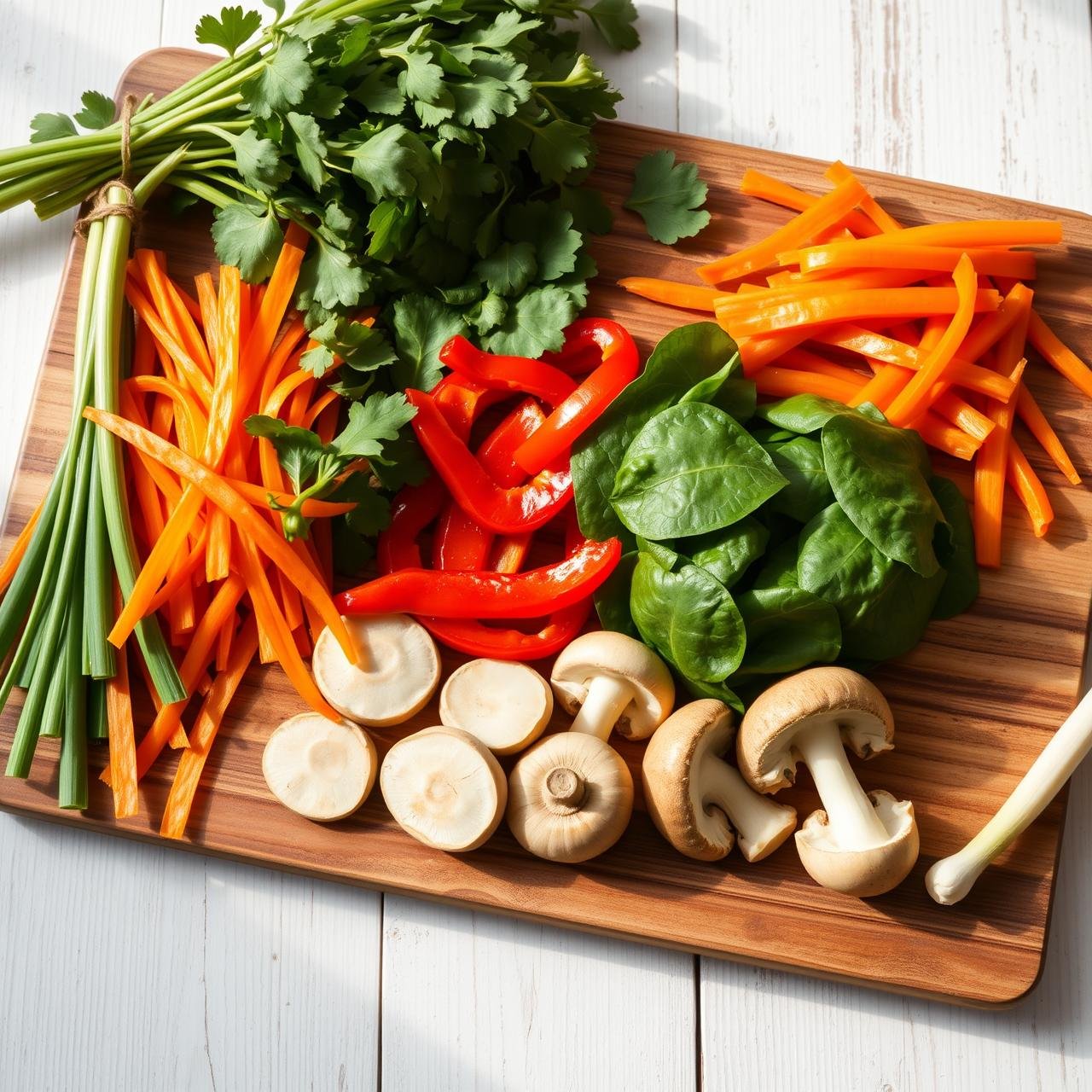
- Shiitake Mushrooms: 4 ounces, stems removed and thinly sliced. They provide a wonderful, meaty umami flavor.
- Large Carrot: 1, peeled and cut into thin, matchstick-sized pieces (julienned).
- Red Bell Pepper: 1, cored, seeded, and thinly sliced.
- Yellow Onion: 1/2, thinly sliced.
- Garlic: 3-4 cloves, minced.
- Fresh Spinach: 5 ounces, a large handful.
- Scallions (Green Onions): 3-4, chopped, for garnish.
- Toasted Sesame Seeds: 1 tablespoon, for garnish.
For the Savory Japchae Sauce:
- Low-Sodium Tamari or Coconut Aminos: 1/4 cup. Use coconut aminos for a soy-free and paleo option.
- Toasted Sesame Oil: 2 tablespoons. This ingredient is non-negotiable for authentic flavor!
- Maple Syrup or Monk Fruit Sweetener: 1-2 tablespoons, to taste. Use monk fruit for a zero-calorie, keto-friendly option.
- Rice Vinegar: 1 teaspoon, for a touch of acidity to balance the sweetness.
- Black Pepper: 1/2 teaspoon, freshly cracked.
Step-by-Step Instructions: Crafting Your Japchae
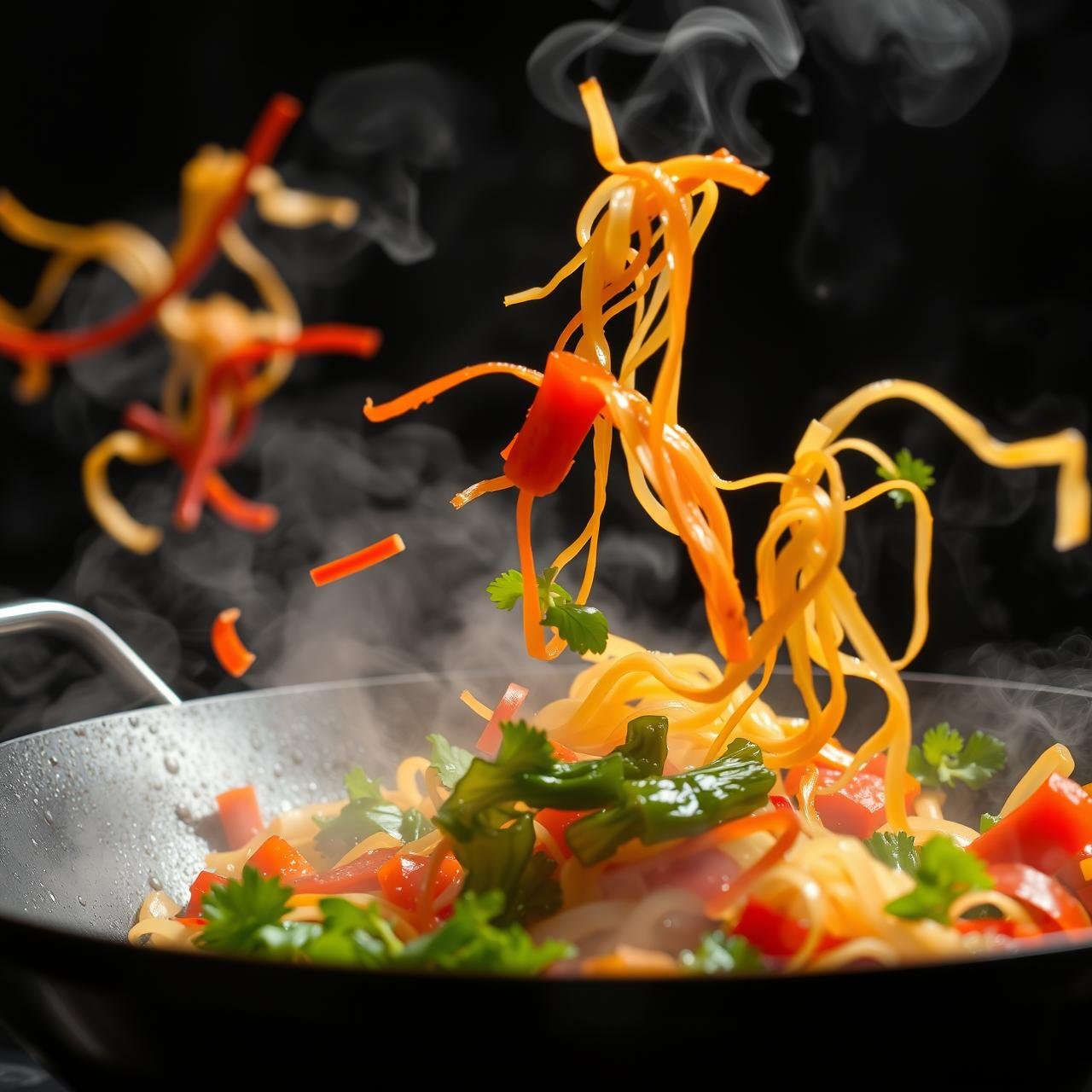
The key to a great stir-fry is having everything prepped and ready before you turn on the heat. The cooking process is fast, so you want to move seamlessly from one step to the next.
- Prepare the Noodles and Sauce: First, prepare your kelp noodles using the softening method described earlier. While they soak, whisk together all the sauce ingredients (tamari, sesame oil, sweetener, rice vinegar, black pepper) in a small bowl. Set both aside.
- Sauté the Aromatics and Mushrooms: Heat 1 tablespoon of oil in your wok or large pan over medium-high heat. Once shimmering, add the sliced onion and cook for 2-3 minutes until softened and translucent. Add the minced garlic and sliced shiitake mushrooms. Cook, stirring occasionally, for 4-5 minutes, until the mushrooms have released their liquid and are beautifully browned. Remove from the pan and set aside.
- Cook the Crisp Vegetables: Add the remaining 1 tablespoon of oil to the hot pan. Add the julienned carrots and sliced red bell pepper. Stir-fry for 3-4 minutes. You want them to be crisp-tender, not mushy.
- Wilt the Spinach: Add the large handful of fresh spinach to the pan with the carrots and peppers. Toss continuously for about 1 minute, just until it has wilted down.
- Combine Everything: Return the cooked onion and mushroom mixture to the pan. Add the softened and drained kelp noodles. Pour the prepared Japchae sauce over everything.
- Toss to Perfection: Using tongs, toss everything together gently but thoroughly for 1-2 minutes, ensuring every noodle and vegetable is coated in the glossy sauce. The noodles will warm through quickly.
- Serve Immediately: Transfer the Kelp Noodle Japchae to a large serving platter or individual bowls. Garnish generously with chopped scallions and toasted sesame seeds. Serve hot and enjoy immediately.
Chef’s Secrets for Perfect Kelp Noodle Japchae
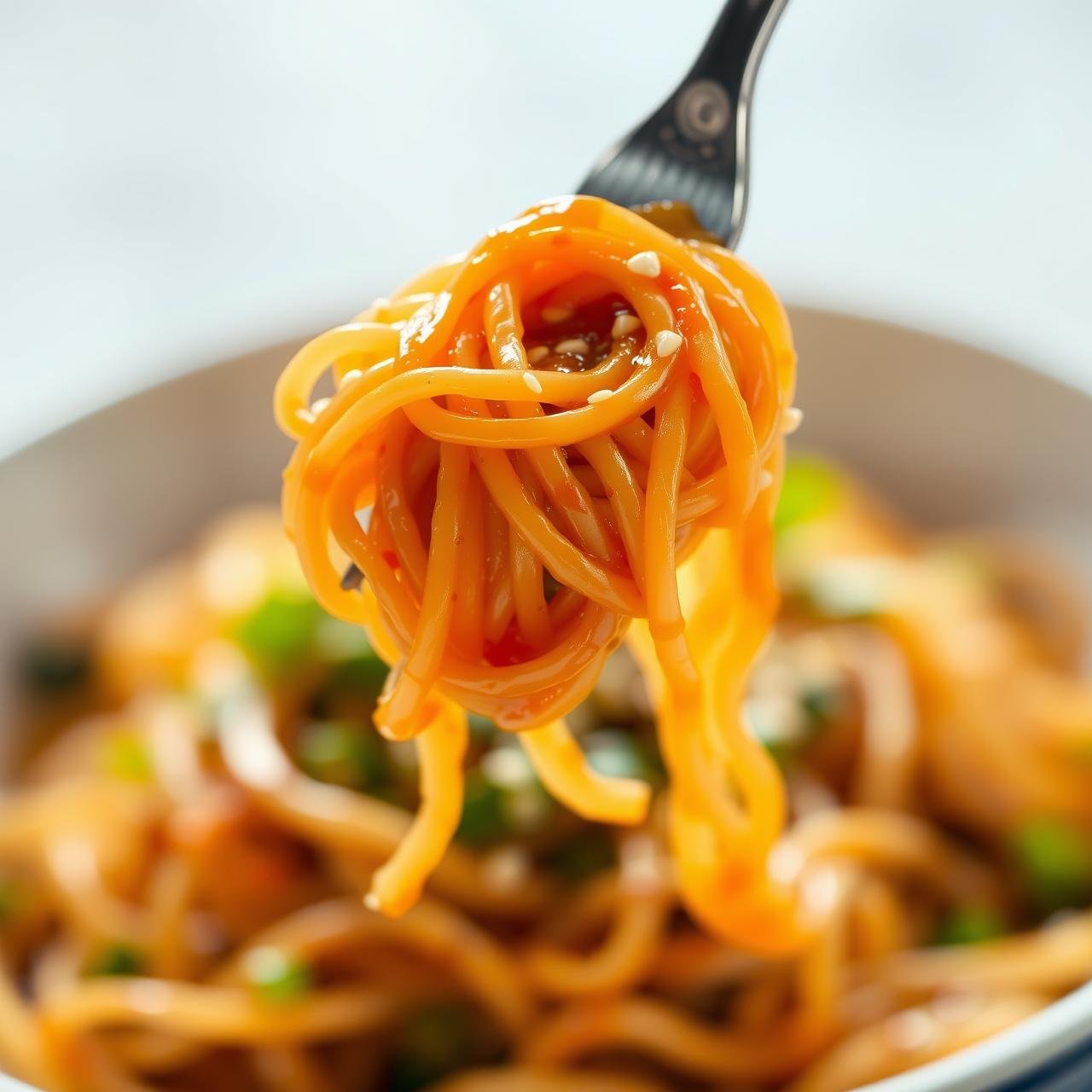
Don’t Skip the Noodle Prep
The baking soda and lemon juice step is absolutely crucial. It’s the difference between crunchy, squeaky noodles and soft, slurpable ones that perfectly mimic the texture of traditional Japchae.
Cook Vegetables in Batches
To ensure each vegetable is perfectly cooked, don’t overcrowd the pan. Cooking the harder vegetables (carrots, peppers) separately from the softer ones (mushrooms, spinach) allows you to control the texture of each component, preventing a soggy stir-fry.
Taste and Adjust the Sauce
Before you pour the sauce into the wok, give it a taste. Does it need more sweetness? A bit more saltiness? Your palate is the best guide. You can easily adjust with a little more maple syrup or a splash of tamari.
The Power of Toasted Sesame Oil
Use toasted sesame oil, not plain. The toasted variety has a deep, nutty, and incredibly aromatic flavor that is fundamental to Korean cuisine. It’s used as a finishing oil for flavor, not just for cooking.
Customizations & Delicious Variations
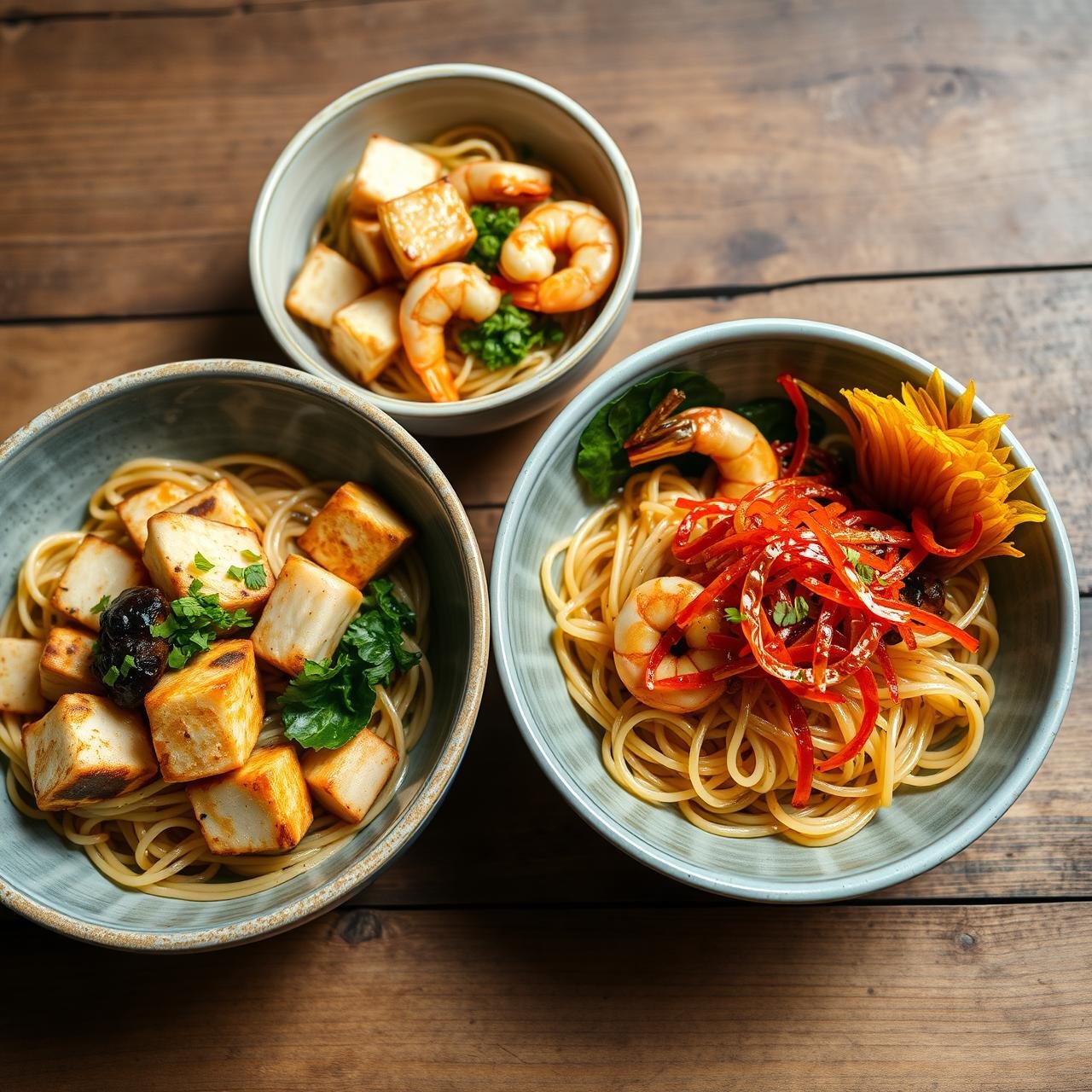
This recipe is a fantastic canvas for your culinary creativity. Here are a few ideas to make it your own:
- Add Protein: For a heartier meal, add your favorite protein. Marinated and pan-fried tofu, shredded rotisserie chicken, thinly sliced beef (bulgogi-style), or sautéed shrimp would all be delicious additions. Add the cooked protein in the final step when you toss everything together.
- Swap the Veggies: Feel free to use other vegetables you have on hand. Broccoli florets, snow peas, bok choy, or sliced zucchini would work well. Just be mindful of their different cooking times.
- Make it Spicy: If you enjoy a bit of heat, add a teaspoon of gochujang (Korean chili paste) to your sauce or sprinkle some gochugaru (Korean chili flakes) over the finished dish.
- Add an Egg Garnish (Jidan): For a traditional touch, prepare a thin egg crepe, slice it into delicate ribbons, and sprinkle it on top as a garnish.
Storage & Meal Prep Solutions
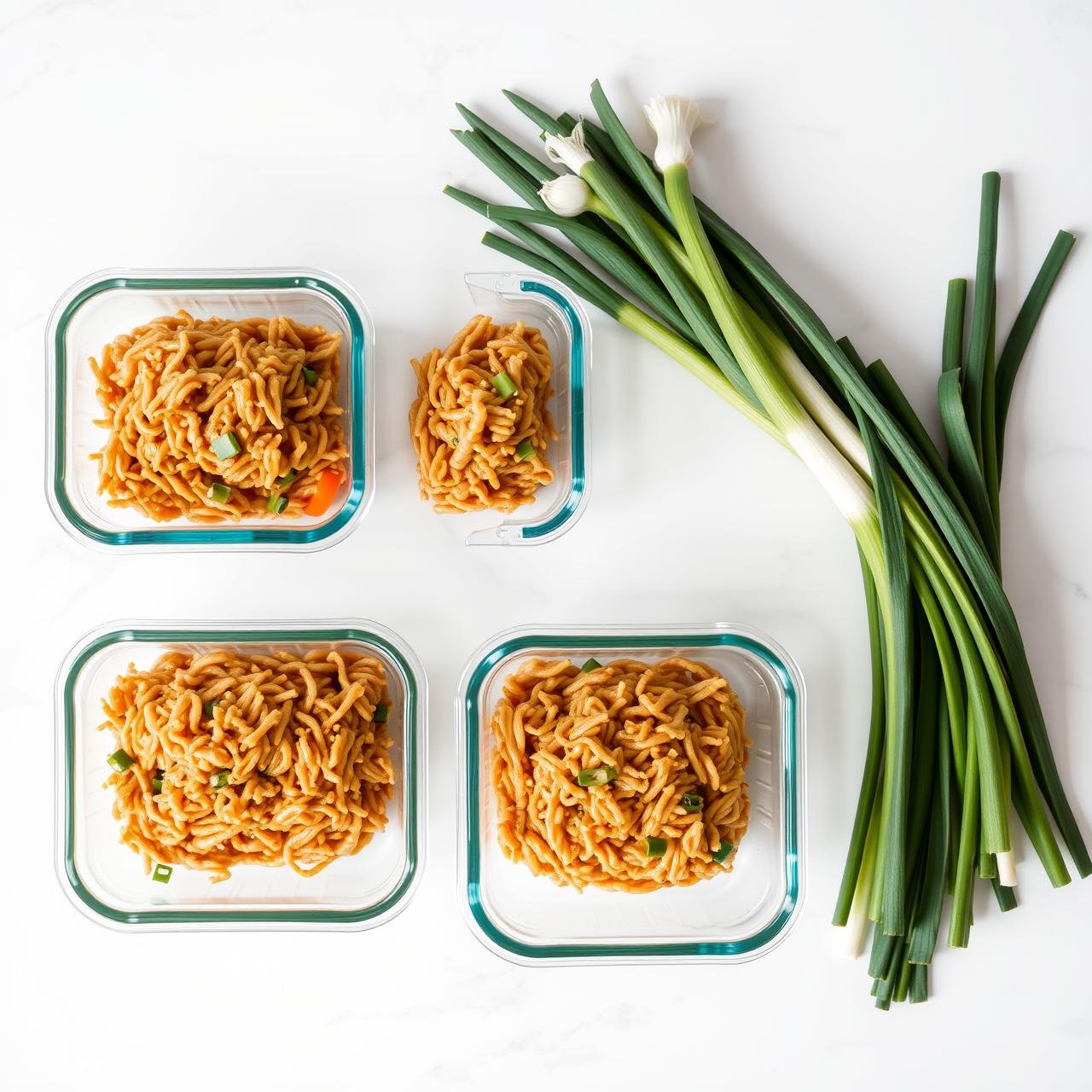
Kelp Noodle Japchae is best enjoyed fresh, but leftovers are still delicious. Here’s how to store it properly:
- Refrigeration: Store any leftovers in an airtight container in the refrigerator for up to 3 days. The noodles may absorb more of the sauce over time, so the dish might seem a bit drier the next day.
- Reheating: Gently reheat the Japchae in a non-stick skillet over medium-low heat with a splash of water or a dash of tamari to loosen the noodles and sauce. You can also microwave it in short bursts, but the stovetop method preserves the texture better.
- Freezing: I do not recommend freezing this dish. Kelp noodles and many of the vegetables can become mushy and watery upon thawing, altering the delightful texture of the dish.
- Meal Prep Tip: You can do most of the work ahead of time! Chop all your vegetables, mix the sauce, and soften the noodles. Store each component in separate airtight containers in the fridge. When you’re ready to eat, the stir-frying process will take less than 10 minutes.
Nutritional Information
The nutritional values provided are an estimate for one serving (recipe makes approximately 4 servings) and can vary based on the specific ingredients and quantities used.
| Nutrient | Amount per Serving |
|---|---|
| Calories | ~155 kcal |
| Carbohydrates | 12g |
| Protein | 5g |
| Fat | 10g |
| Fiber | 4g |
| Sugar | 6g |
| Sodium | ~550mg (with low-sodium tamari) |
Note: The calorie count is dramatically lower than traditional Japchae, which can often exceed 400-500 calories per serving due to the sweet potato starch noodles.
Conclusion
This Kelp Noodle Japchae is more than just a low-calorie alternative; it’s a vibrant, satisfying, and utterly delicious meal that celebrates the harmony of flavor and texture. It’s proof that eating well can be an exciting culinary adventure, not a compromise. Whether you’re a longtime Japchae lover or new to its charms, this recipe offers a fresh, wholesome way to enjoy a beloved classic. I encourage you to embrace the magic of kelp noodles and bring this beautiful, rustic, and nourishing dish to your own table. Happy cooking!