Garlic Butter Chicken Hearts: The Most Underrated Carnivore Superfood
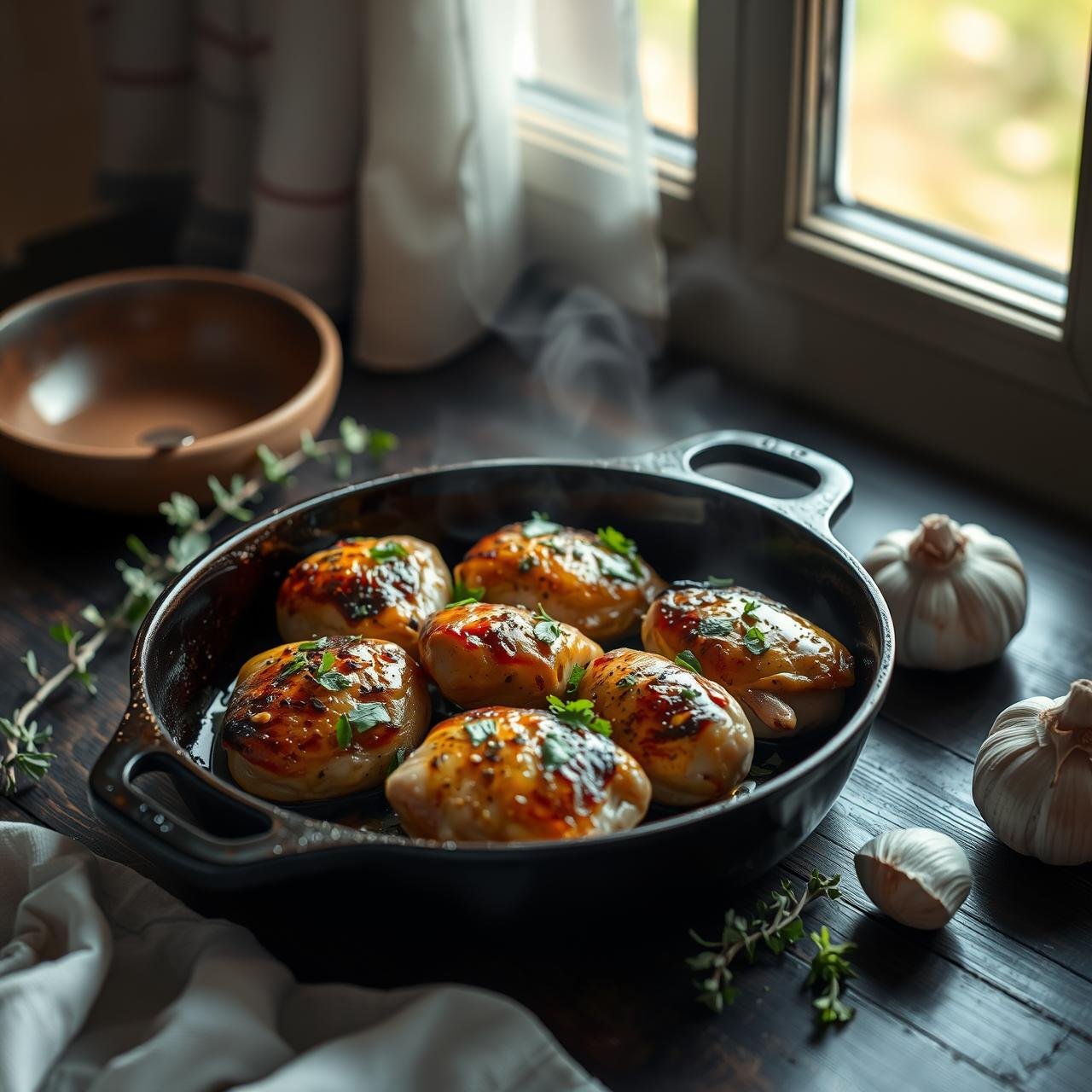
In the world of nose-to-tail eating, some treasures remain hidden in plain sight. Chicken hearts, small but mighty, are one such gem. Often relegated to the background, these morsels are, in fact, one of the most nutrient-dense and flavorful parts of the bird. This recipe for Garlic Butter Chicken Hearts is more than just a meal; it’s an initiation into the world of deeply satisfying, traditional cooking. We’re going to take this humble ingredient and elevate it with the timeless, irresistible combination of rich butter, aromatic garlic, and fresh parsley. Prepare to be amazed by how a simple, budget-friendly cut can deliver a five-star flavor experience. It’s a dish that’s as nourishing for the body as it is comforting for the soul, embodying a rustic, homestyle elegance that will make you wonder why you haven’t been cooking chicken hearts all along.
The Nutritional Powerhouse: Why Chicken Hearts are a True Superfood
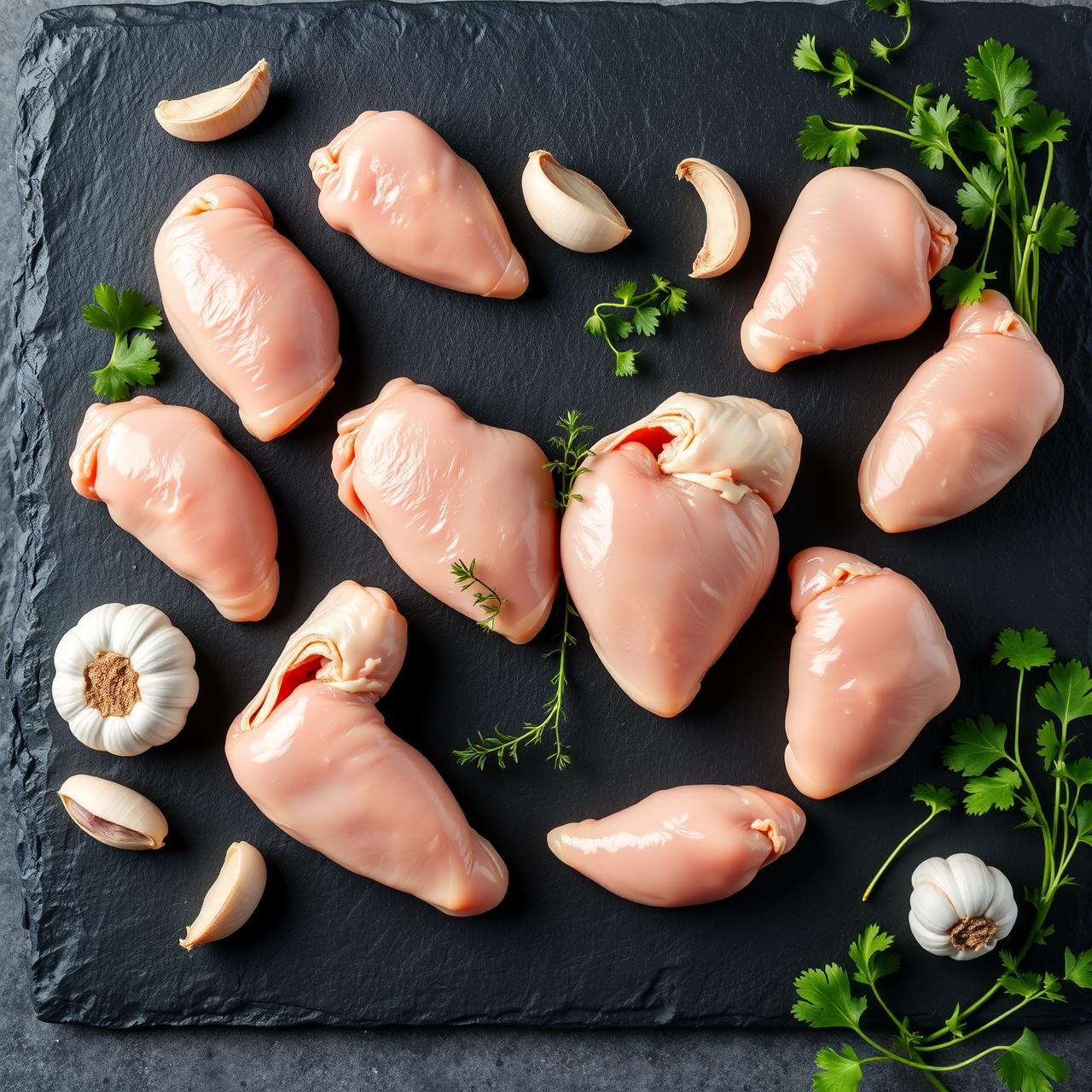
Before we dive into the sizzle of the pan, let’s talk about why you should be adding chicken hearts to your culinary repertoire. Far from being mere ‘offal,’ these little organs are concentrated packets of vital nutrition that can support everything from your energy levels to your cardiovascular health. For health enthusiasts and anyone looking to maximize the nutritional bang for their buck, chicken hearts are a game-changer.
A Treasure Trove of Nutrients
Chicken hearts are exceptionally rich in a spectrum of essential nutrients:
- Coenzyme Q10 (CoQ10): This is the star of the show. Organ meats, especially the heart, are the best dietary sources of CoQ10, a powerful antioxidant that is crucial for energy production within our cells and supports cardiovascular health.
- B Vitamins: They are packed with B vitamins, particularly B12, which is vital for nerve function and the formation of red blood cells. You’ll also find significant amounts of riboflavin (B2), niacin (B3), and pantothenic acid (B5), all of which help convert food into energy.
- Iron and Zinc: Chicken hearts provide a highly bioavailable form of heme iron, which is essential for preventing anemia and maintaining energy levels. They are also a fantastic source of zinc, a mineral critical for immune function, wound healing, and DNA synthesis.
- High-Quality Protein: As a muscle, the heart is a lean source of complete protein, containing all the essential amino acids your body needs to build and repair tissues.
For those on a carnivore or ketogenic diet, chicken hearts are a perfect fit. They are zero-carb, high in protein and healthy fats, and deliver a concentrated dose of nutrients that can be harder to obtain from muscle meats alone. Embracing organ meats like hearts is a step towards a more ancestral, sustainable, and deeply nourishing way of eating.
Sourcing and Preparing Your Chicken Hearts

The journey to a perfect dish begins with quality ingredients. Sourcing and preparing chicken hearts is a straightforward process that lays the foundation for incredible flavor. Don’t be intimidated; a few simple steps are all it takes.
Where to Buy
You can often find chicken hearts in the poultry section of most large supermarkets, sometimes fresh, sometimes frozen. For the best quality, seek them out at your local butcher shop or a farmer’s market. Opt for hearts from pasture-raised chickens whenever possible. These will not only have a superior flavor but also a more robust nutritional profile. They should look plump, firm, and have a deep reddish-purple color.
The Simple Prep Work
Preparing chicken hearts is much easier than you might think. The goal is to remove any connecting tissues or veins for the best texture.
- Rinse and Pat Dry: Start by rinsing the hearts under cold running water. This helps wash away any residual blood. After rinsing, it is crucial to pat them completely dry with paper towels. A dry surface is the secret to achieving a beautiful, golden-brown sear rather than just steaming the meat.
- Trimming (Optional but Recommended): Look at the top of each heart. You may see a little bit of the ‘crown’—some connective tissue, fat, and the top of the arteries. Using a small, sharp paring knife, you can carefully trim this off. Some hearts come pre-trimmed, but a quick check is always a good idea. This step ensures every bite is perfectly tender.
- Halving (Optional): For an even quicker cook time and more surface area to crisp up, you can slice the hearts in half lengthwise. This is a matter of preference and not strictly necessary.
Once trimmed and dried, your chicken hearts are ready to be transformed.
The Tools of the Trade: Essential Equipment
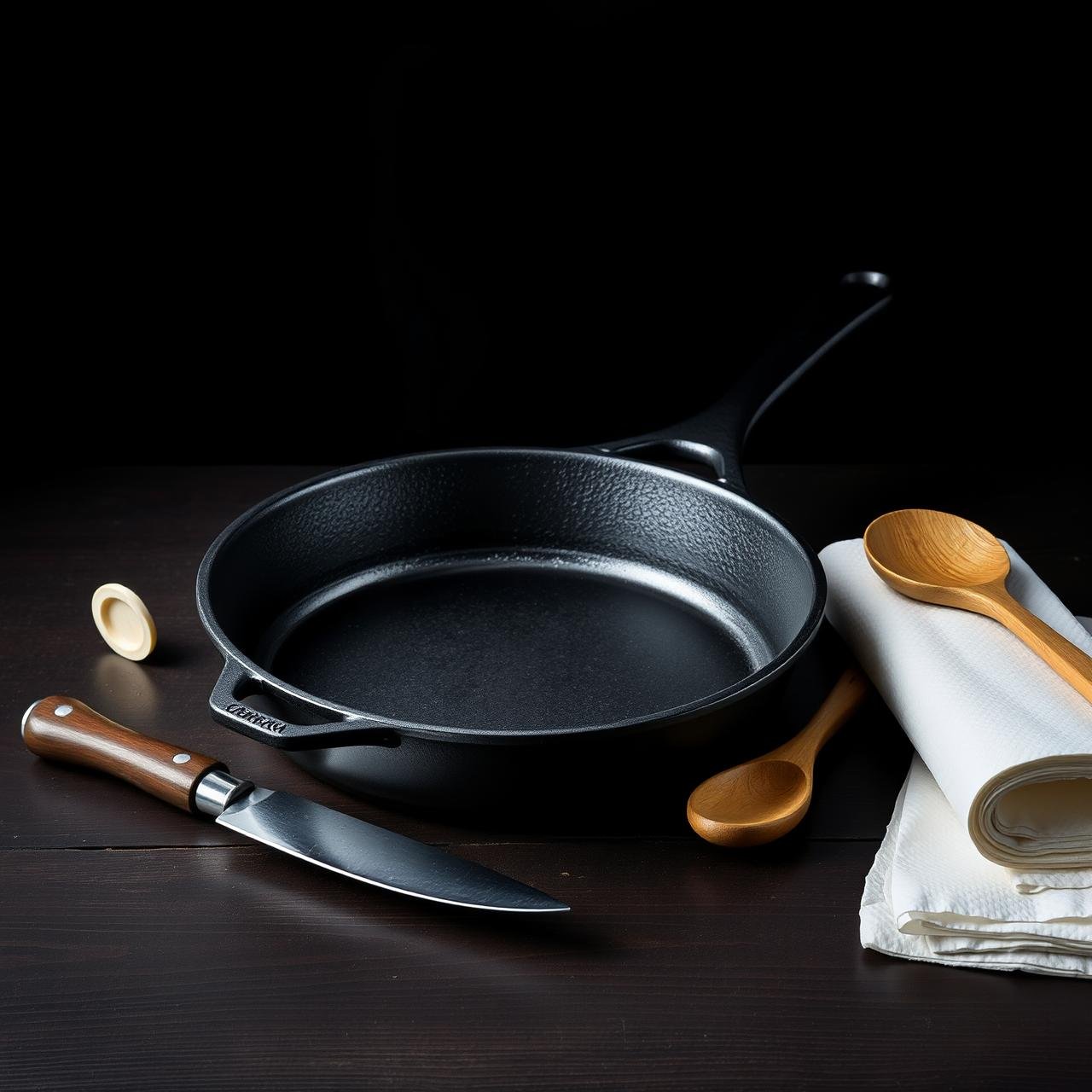
You don’t need a professional kitchen to master this recipe. A few basic, quality tools are all it takes to achieve a perfect result every time.
- A Heavy-Bottomed Skillet: A 10 to 12-inch cast-iron skillet is the absolute best choice here. It retains heat exceptionally well, which is key for getting that deep, flavorful sear. A good quality stainless steel pan is a great alternative.
- Sharp Paring Knife: For the trimming process, a small, sharp knife gives you the control you need.
- Large Mixing Bowl: For seasoning the hearts evenly before they hit the pan.
- Wooden Spoon or Spatula: For stirring and ensuring nothing sticks.
- Cutting Board: A stable surface for all your prep work.
Gather Your Ingredients
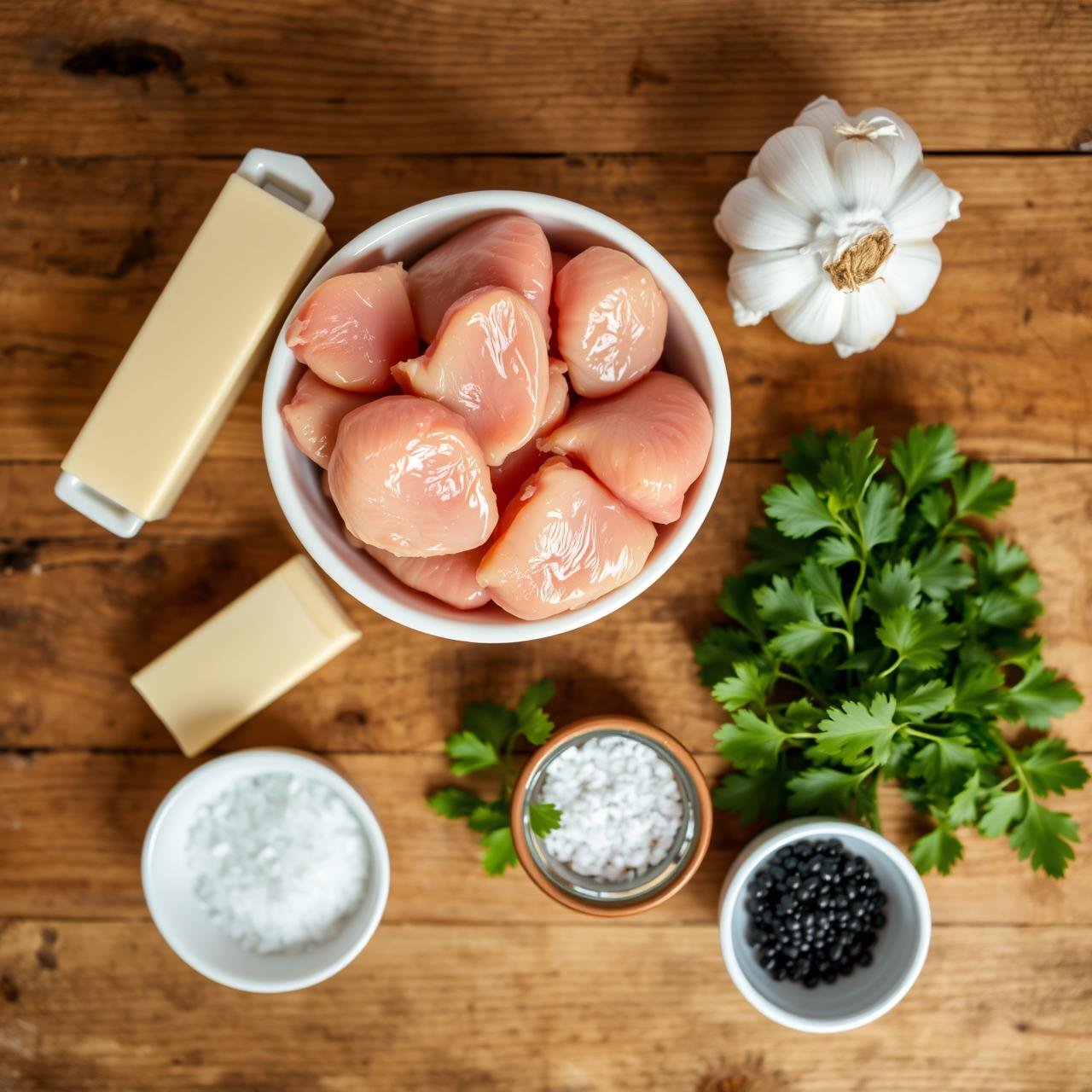
Simplicity is the soul of this recipe. Each ingredient plays a crucial role in building layers of savory, aromatic flavor.
- Chicken Hearts: 1 pound (about 450g), fresh or thawed, rinsed, trimmed, and patted thoroughly dry.
- Unsalted Butter: 4 tablespoons, preferably from grass-fed cows for a richer flavor and better nutritional profile.
- Garlic: 6-8 cloves, finely minced or pressed. Don’t be shy with the garlic; it’s a star player!
- Fresh Parsley: 1/4 cup, flat-leaf parsley, finely chopped. This adds a bright, fresh finish that cuts through the richness.
- Avocado Oil or Ghee: 1 tablespoon. A high-smoke-point fat to help sear the hearts without burning the butter initially.
- Sea Salt: 1 teaspoon, or to taste.
- Freshly Ground Black Pepper: 1/2 teaspoon, or to taste.
- Optional: A splash of dry white wine or fresh lemon juice to deglaze the pan and add a touch of acidity.
Step-by-Step Instructions for a Perfect Sear
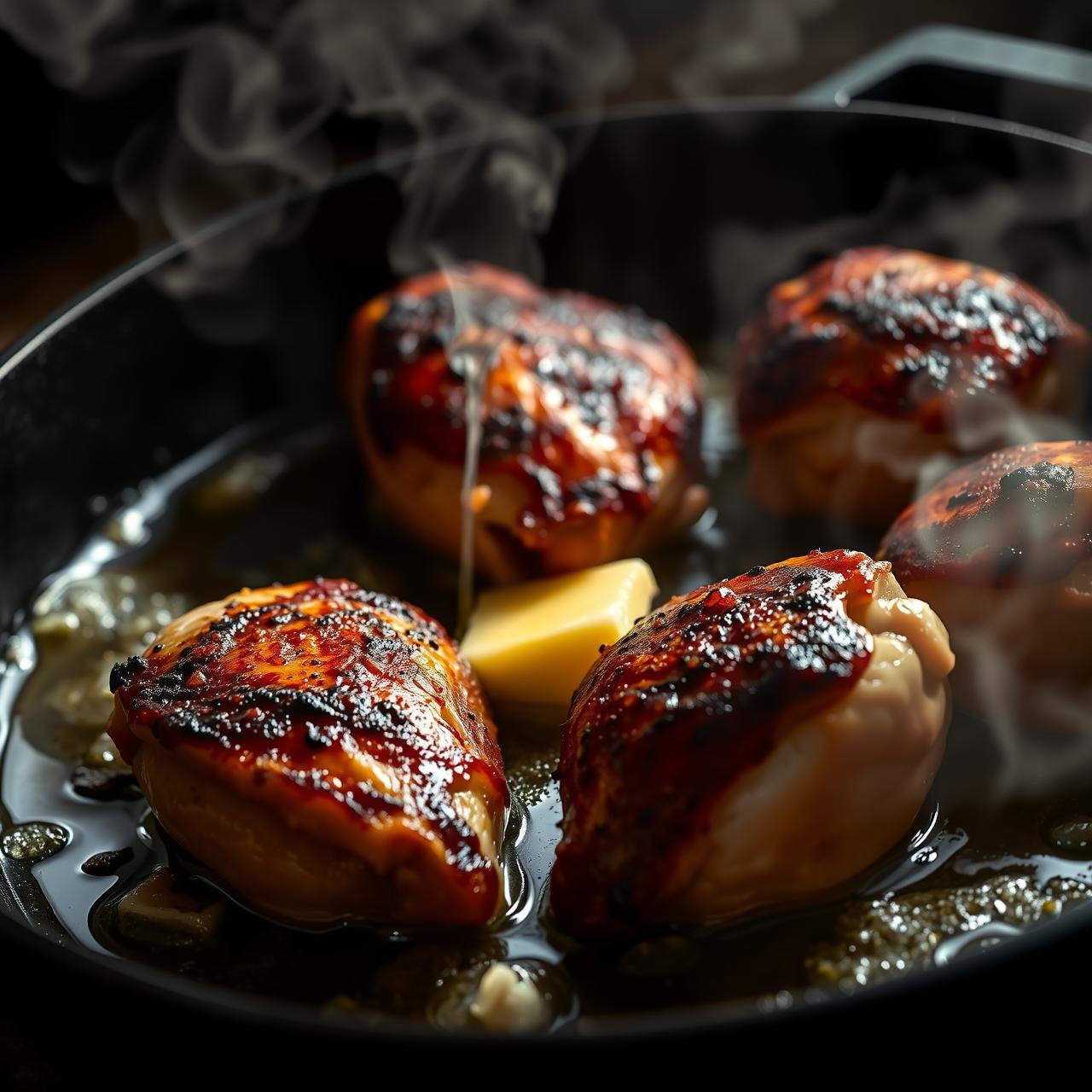
Follow these steps closely to build flavor and achieve a texture that is tender on the inside with a delightful crust on the outside.
-
Season the Hearts
In a large mixing bowl, toss the prepared chicken hearts with the 1 teaspoon of sea salt and 1/2 teaspoon of black pepper. Make sure they are evenly coated. This initial seasoning is crucial for building a base layer of flavor.
-
Heat the Pan
Place your cast-iron skillet over medium-high heat. Let it get properly hot. You can test if it’s ready by flicking a drop of water on it; if it sizzles and evaporates instantly, you’re good to go. Add the 1 tablespoon of avocado oil or ghee to the hot pan.
-
Sear the Hearts
Carefully place the chicken hearts in the hot skillet in a single layer. Do not overcrowd the pan; work in two batches if necessary. Let them sear undisturbed for 2-3 minutes per side. You are looking for a deep, golden-brown crust. This high-heat searing is what creates the incredible flavor (thanks to the Maillard reaction).
-
Introduce the Aromatics
Once the hearts are well-seared, reduce the heat to medium-low. Add the 4 tablespoons of butter to the skillet. As it melts and foams, add the 6-8 cloves of minced garlic. Stir constantly for about 30-60 seconds until the garlic is fragrant. Be very careful not to let the garlic burn, as it will become bitter.
-
Create the Sauce
Stir everything together, ensuring the seared hearts are fully coated in the fragrant garlic butter. If using, this is the moment to add a splash of white wine or lemon juice to deglaze the pan, scraping up any delicious browned bits from the bottom of the skillet. Let the sauce bubble and reduce for another minute.
-
Finish with Freshness
Remove the skillet from the heat. Stir in the 1/4 cup of freshly chopped parsley. The residual heat will wilt it slightly and release its beautiful, fresh aroma. Taste and adjust seasoning with more salt and pepper if needed.
-
Serve Immediately
Transfer the garlic butter chicken hearts to a warm plate and serve immediately. They are best enjoyed hot, straight from the pan.
Chef’s Tips and Delicious Variations
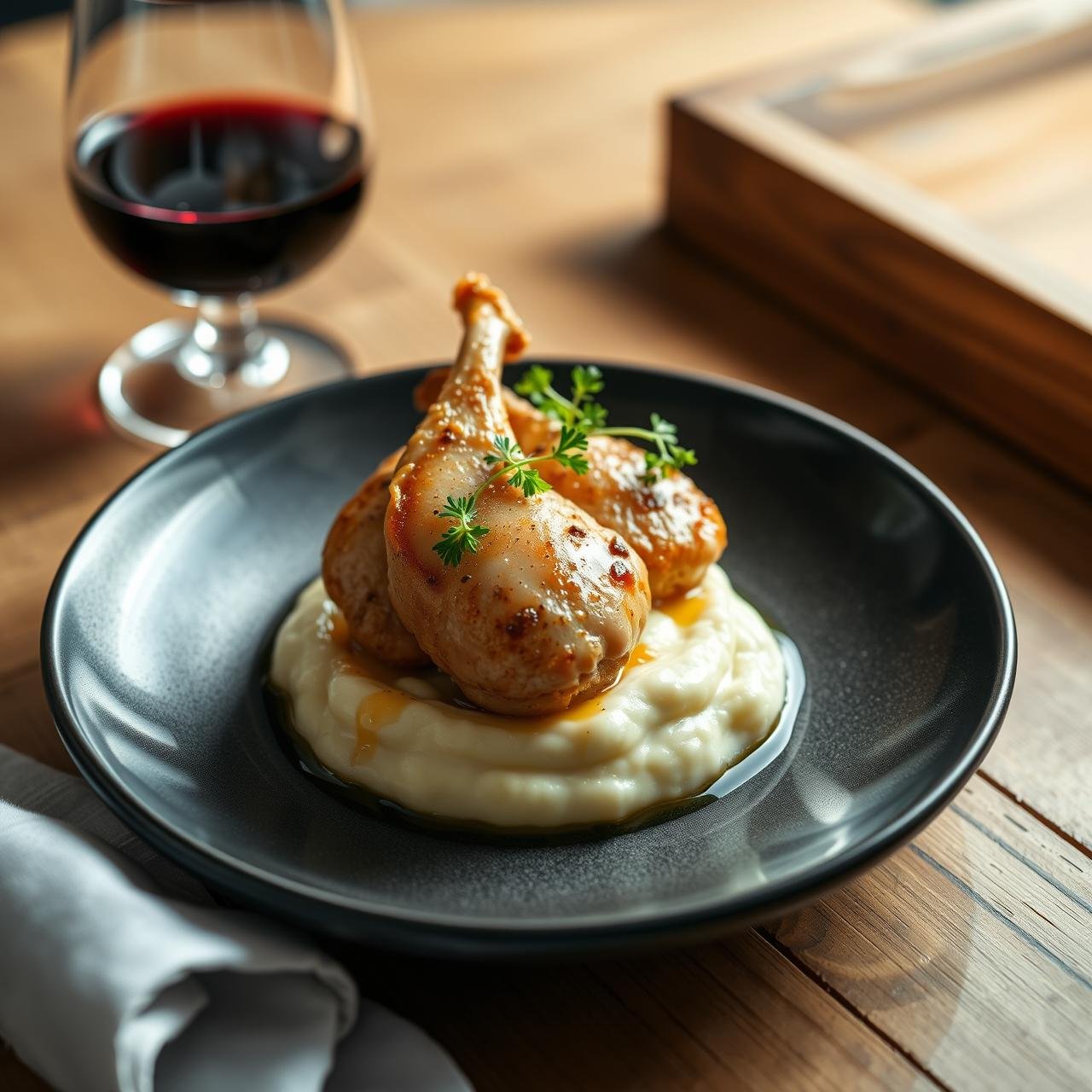
Once you’ve mastered the basic recipe, feel free to get creative. Here are a few expert tips and variations to elevate your dish even further.
Perfect Pairings
These savory hearts are incredibly versatile. Serve them as a main course over creamy cauliflower mash, zucchini noodles, or a simple bed of arugula to soak up the delicious garlic butter sauce. They also make a fantastic appetizer, served with toothpicks for easy grabbing.
Flavor Variations
- Spicy Kick: Add 1/4 teaspoon of red pepper flakes along with the garlic for a touch of heat.
- Herbal Notes: Introduce other woody herbs like a sprig of fresh thyme or rosemary to the pan when you add the butter.
- Creamy Sauce: After the garlic is fragrant, stir in 2-3 tablespoons of heavy cream or coconut cream and let it bubble for a minute to create a luscious, rich sauce.
- Mushroom and Onion: Sauté sliced mushrooms and onions in the pan before adding the hearts for an even heartier, more umami-packed dish.
Troubleshooting Common Issues
- Tough Hearts: Overcooking is the primary cause of toughness. Chicken hearts cook very quickly. A total of 4-6 minutes of searing time is usually sufficient. They should be firm to the touch but still have a slight give.
- Not Browning: This is almost always due to two things: a pan that isn’t hot enough, or the hearts being too wet. Ensure your pan is preheated properly and that you’ve patted the hearts completely dry.
Nutritional Information
Here is an estimated nutritional breakdown for this recipe, per serving (assuming 4 servings). Please note that these values are approximate and can vary based on the specific ingredients used.
| Nutrient | Amount per Serving |
|---|---|
| Calories | ~280 kcal |
| Protein | ~22 g |
| Fat | ~20 g |
| Saturated Fat | ~10 g |
| Carbohydrates | ~2 g |
| Sodium | ~650 mg |
| Iron | ~30% DV |
| Vitamin B12 | ~150% DV |
| Zinc | ~25% DV |
Storage and Reheating Instructions
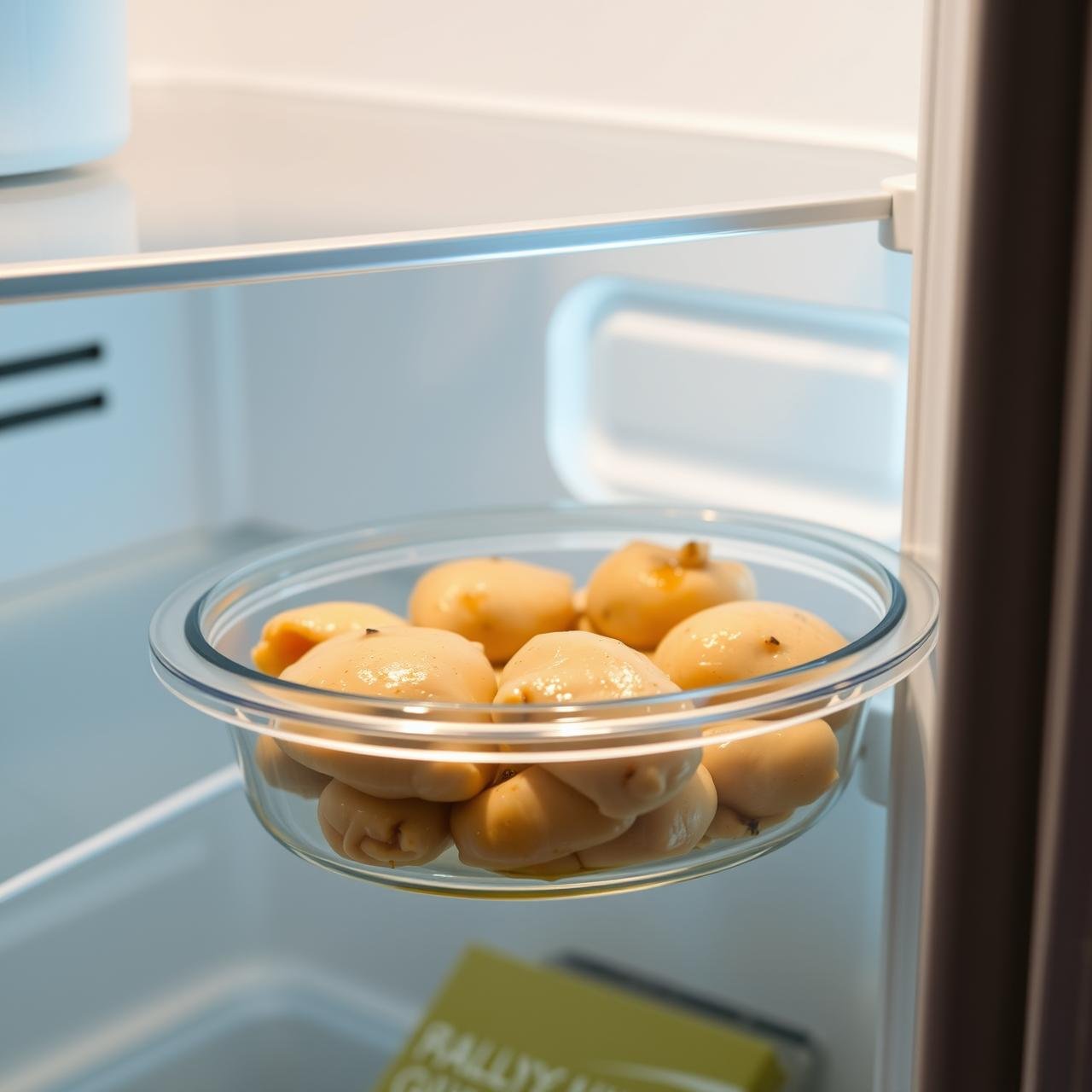
While best enjoyed fresh, leftovers can be stored and reheated properly to maintain their flavor and texture.
Storage
Allow the chicken hearts to cool completely before transferring them to an airtight container. They can be stored in the refrigerator for up to 3 days. Be sure to include all the delicious garlic butter sauce in the container to keep them moist.
Reheating
The best way to reheat chicken hearts is gently in a skillet over low heat. Add the hearts and the sauce to a pan and heat until just warmed through, stirring occasionally. This prevents them from becoming tough and rubbery. Avoid using a microwave if possible, as it can easily overcook them.
Conclusion
Garlic Butter Chicken Hearts are more than just a recipe; they are a delicious testament to the virtues of nose-to-tail eating. This dish proves that with a little care and a few simple, high-quality ingredients, even the most humble cuts of meat can be transformed into something truly special. It’s a meal that is profoundly nourishing, incredibly flavorful, and wonderfully budget-friendly. We encourage you to step outside your comfort zone, embrace this underrated carnivore superfood, and discover the rich, savory satisfaction that awaits. Fire up your skillet and give this recipe a try—your taste buds and your body will thank you.