Crispy Korean Mung Bean Pancakes (Nokdu-Jeon) No Flour
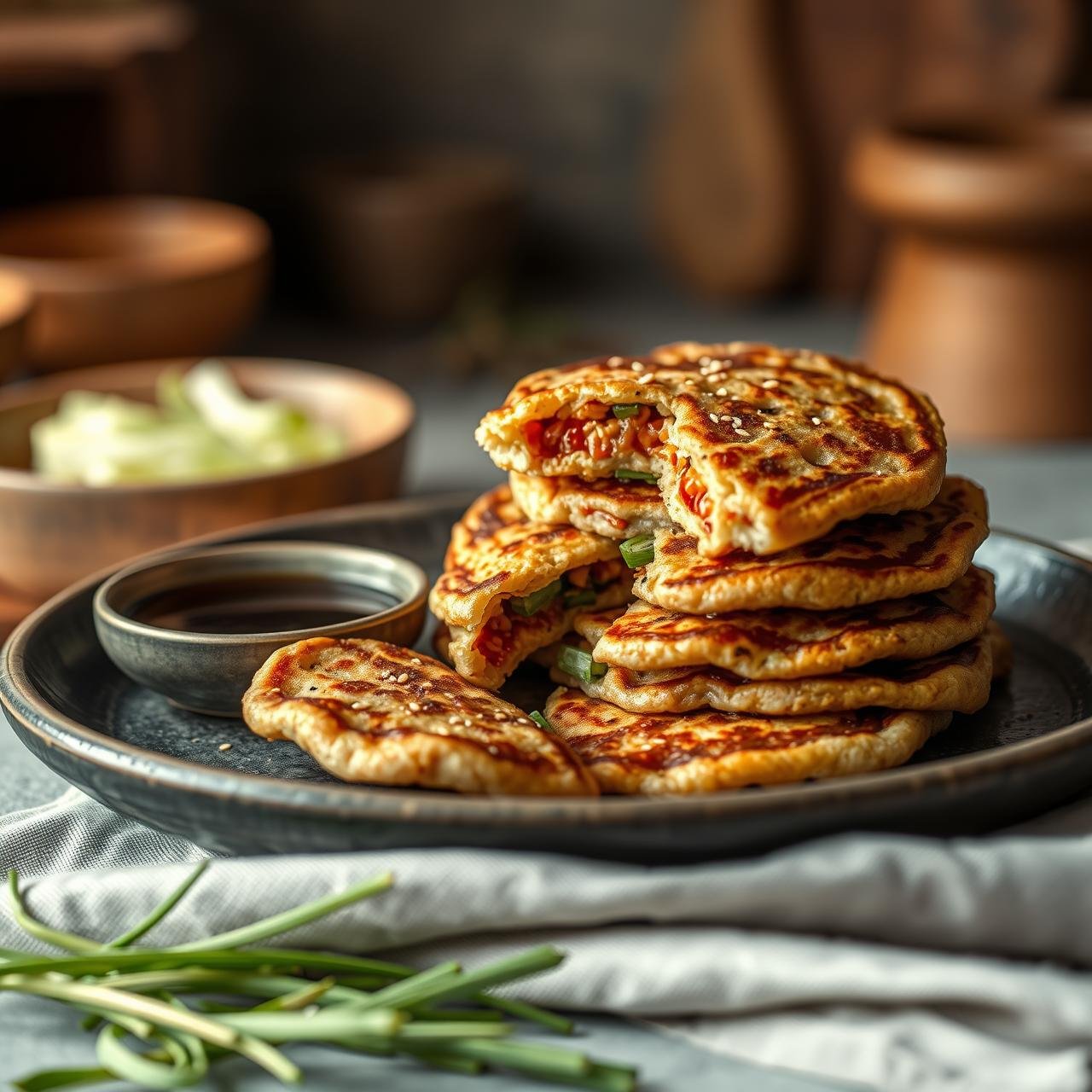
There are certain dishes that transport you instantly, and for me, Nokdu-Jeon is one of them. The sound of the savory batter hitting a hot, oiled pan, the nutty aroma of mung beans mingling with tangy kimchi—it’s the very essence of Korean comfort food. Often enjoyed on rainy days with a bowl of makgeolli (Korean rice wine), these mung bean pancakes are a rustic, homestyle classic. But this isn’t just any recipe. We’re stripping it back to its wholesome roots, creating a pancake that is bound purely by the magic of ground mung beans—no flour needed. This makes it not only incredibly flavorful and authentic but also naturally gluten-free and packed with plant-based protein. Get ready to create a pancake that’s shatteringly crisp on the outside, delightfully soft and savory on the inside, and deeply satisfying to the core.
The Soul of Nokdu-Jeon: Why Mung Beans Reign Supreme
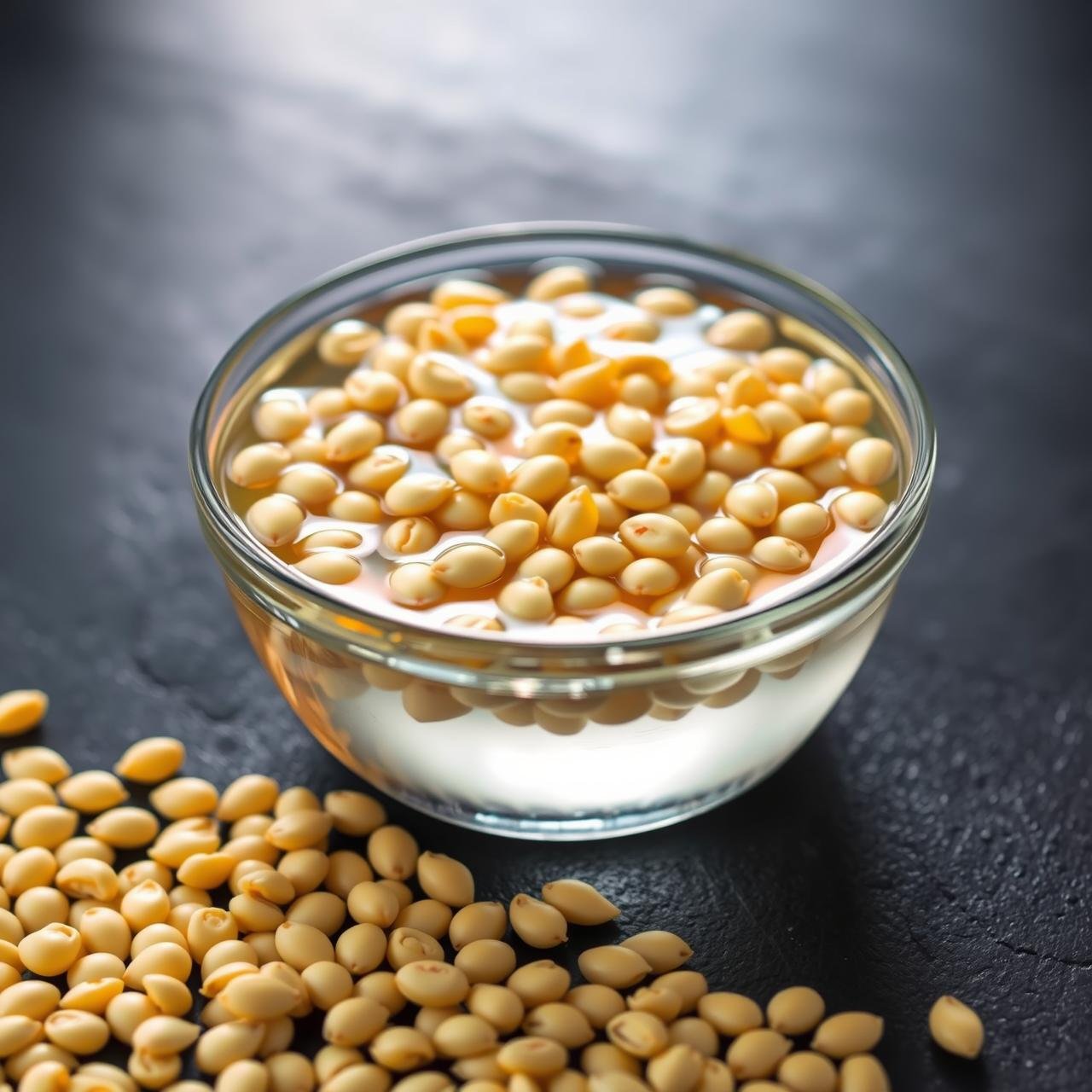
In the world of pancakes, flour is usually the undisputed star. But in Nokdu-Jeon, the humble split mung bean takes center stage, and for good reason. Using 100% soaked and ground mung beans as the base does more than just make the recipe gluten-free; it’s the secret to the pancake’s signature texture and flavor profile. Mung beans provide a natural starchiness that binds the pancake together beautifully, creating a dense yet tender interior. When fried, this batter transforms, yielding an unparalleled crispiness that flour-based batters struggle to replicate. The flavor is subtly nutty and earthy, providing a perfect canvas for the bold, assertive flavors of kimchi, pork, and scallions. From a health perspective, you’re swapping empty carbs for a nutritional powerhouse. Mung beans are rich in protein, fiber, and essential nutrients, making these pancakes a surprisingly wholesome choice for a satisfying meal or appetizer. It’s a clean, rustic approach that honors tradition while nourishing the body.
Essential Equipment for Perfect Pancakes
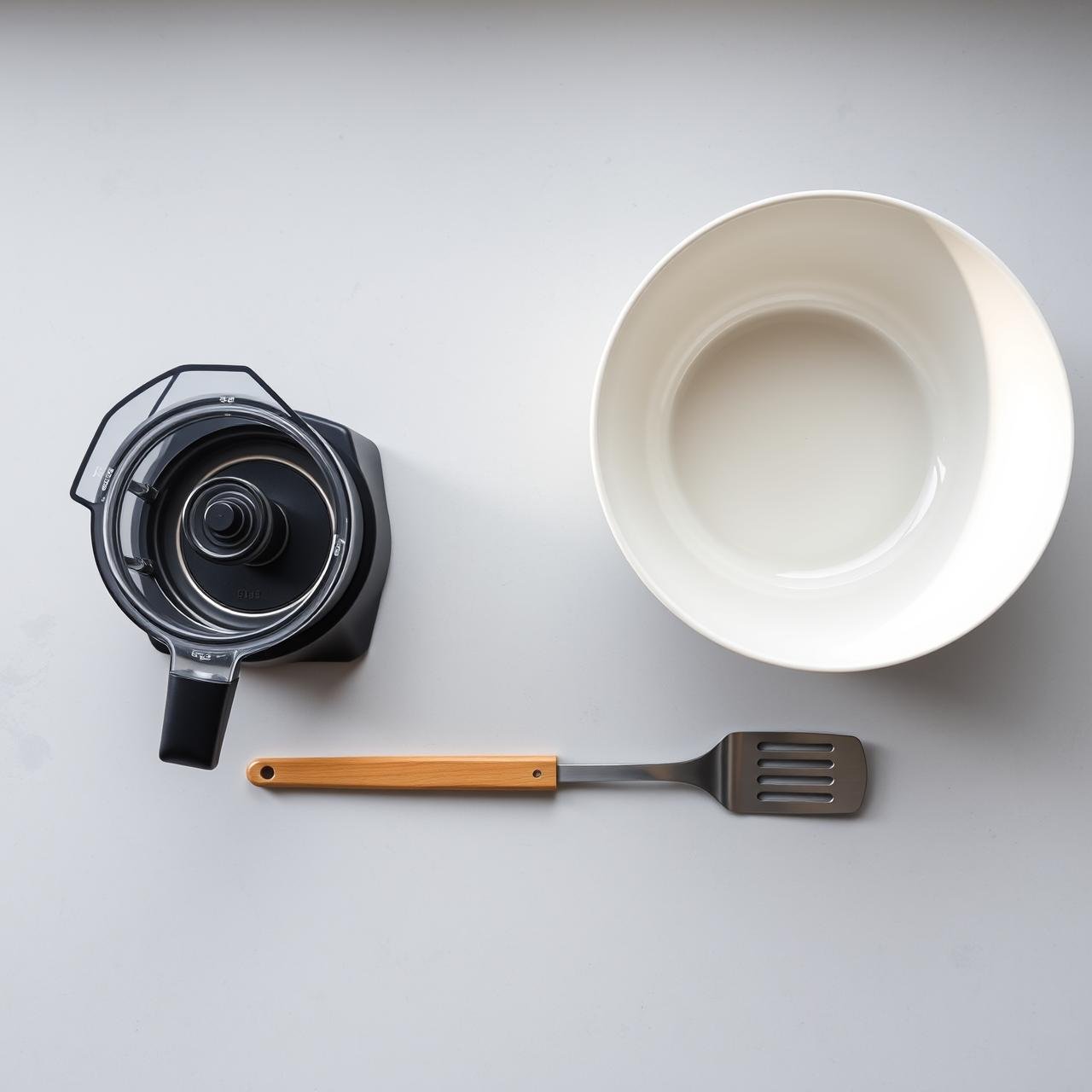
You don’t need a professional kitchen to achieve pancake perfection. Here are the key tools that will make the process smooth and successful.
| Equipment | Chef’s Note |
|---|---|
| High-Speed Blender | Crucial for grinding the soaked mung beans into a smooth, consistent batter. A standard blender can work, but may require more time and scraping down the sides. |
| Large Non-Stick or Cast-Iron Skillet | A 10 to 12-inch skillet is ideal. Both non-stick and well-seasoned cast-iron work wonders for achieving an even, golden-brown crust without sticking. |
| Large Mixing Bowl | For combining the mung bean batter with all the delicious fillings. |
| Spatula | A thin, flexible metal spatula is best for flipping the pancakes cleanly and pressing them down to maximize crispiness. |
| Measuring Cups and Spoons | For accurate ingredient ratios, which is key to the perfect batter consistency. |
A Symphony of Wholesome Ingredients
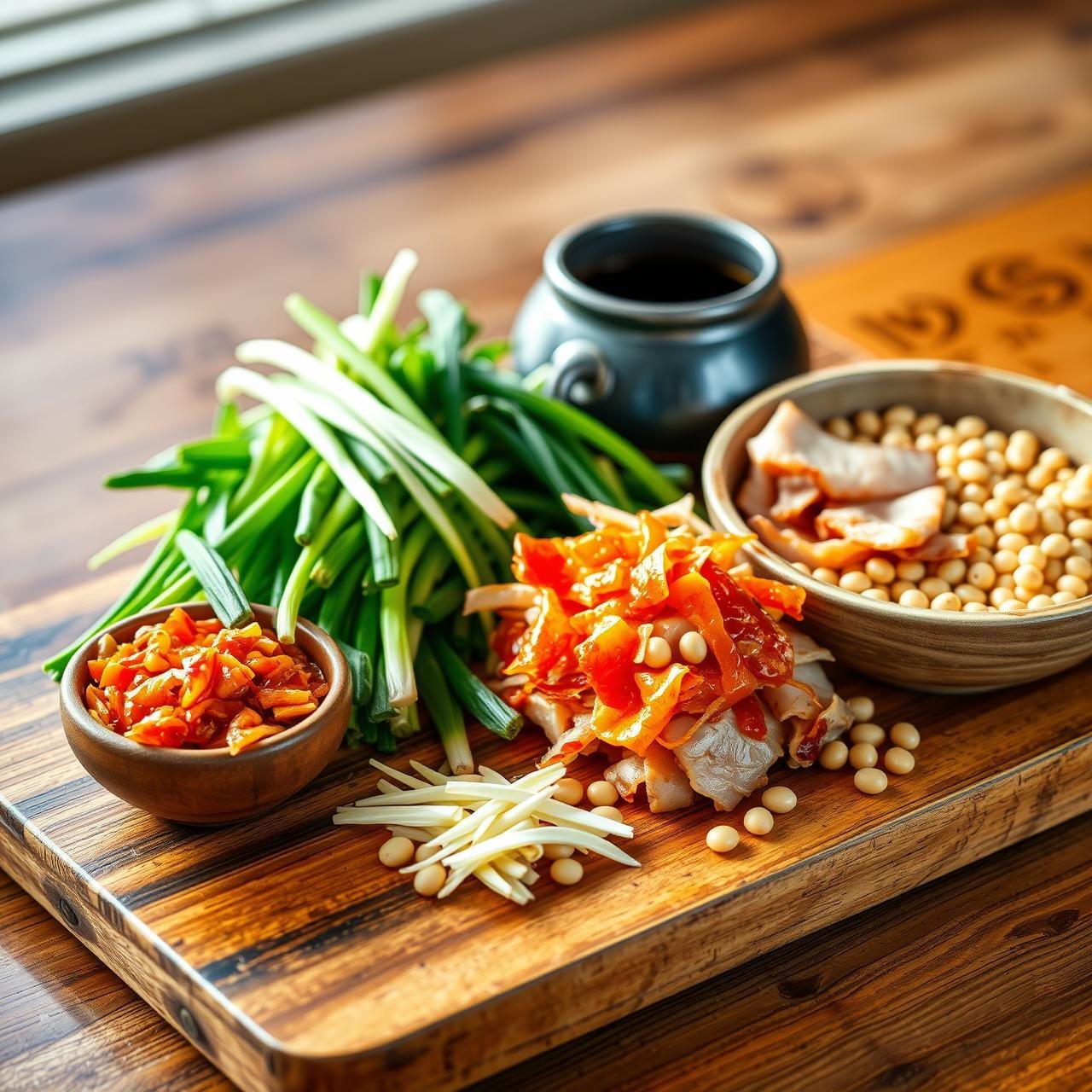
The beauty of Nokdu-Jeon lies in its simple, yet powerful, combination of fresh ingredients. Quality matters here, so choose the best you can find.
For the Mung Bean Batter:
- 1 cup dried split mung beans (nokdu), yellow ones without skin
- ¾ to 1 cup water (use the soaking water), adjusted for consistency
- ½ teaspoon sea salt
For the Fillings:
- ½ cup aged (sour) kimchi, finely chopped and squeezed of excess liquid
- ¼ lb (about 115g) pork belly or ground pork (optional, can be substituted with ground beef or mushrooms for a vegetarian version)
- 1 cup fresh mung bean sprouts (sukju-namul), blanched and roughly chopped
- 3-4 scallions, cut into 1-inch pieces
- 1 red chili pepper or jalapeño, thinly sliced (optional, for a kick)
For Frying:
- 4-6 tablespoons neutral cooking oil (like avocado, canola, or vegetable oil)
The Art of Preparation: A Step-by-Step Guide
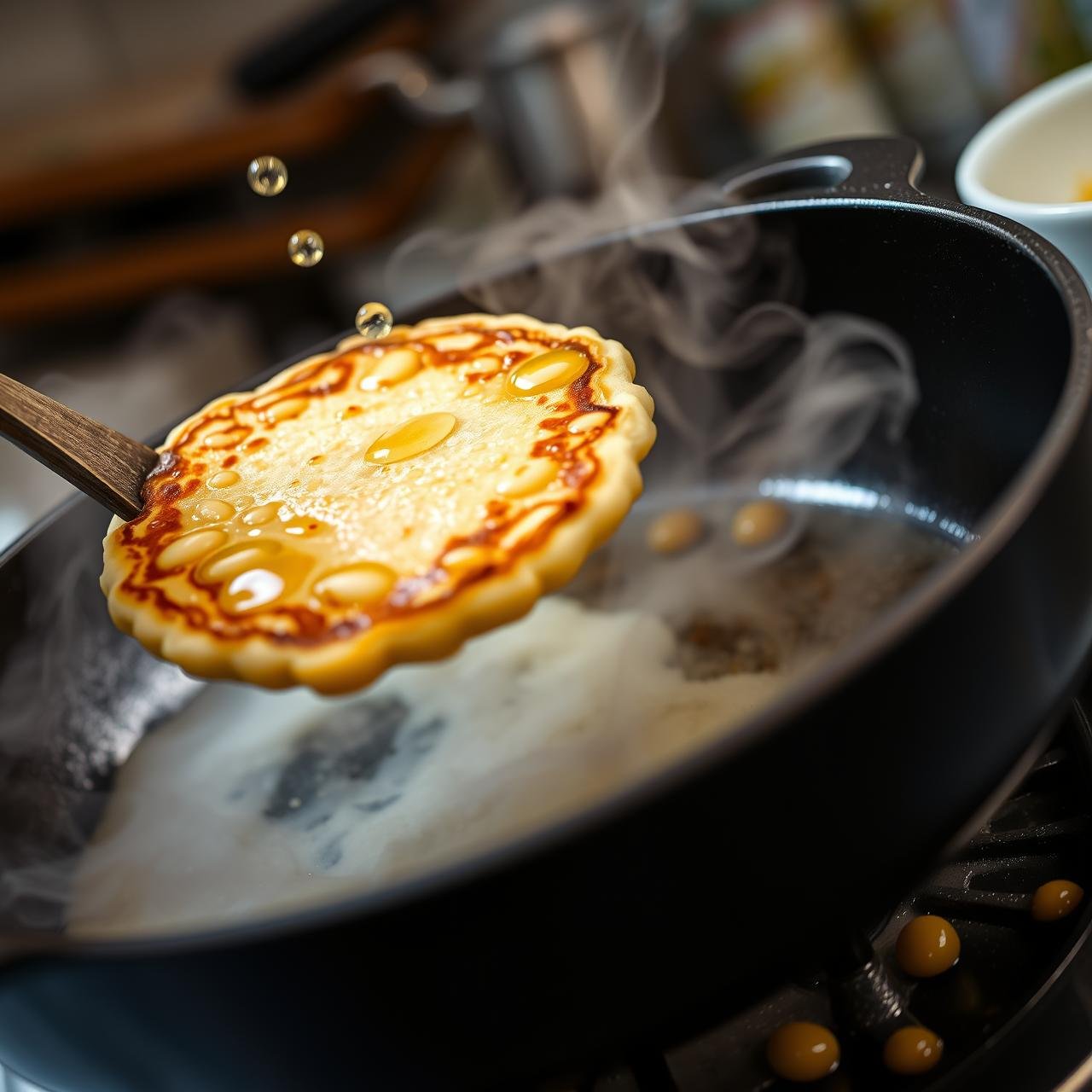
Follow these steps carefully to build layers of flavor and texture, resulting in the crispiest, most delicious mung bean pancakes you’ve ever tasted.
- Soak the Mung Beans: Rinse the dried split mung beans under cold water until the water runs clear. Place them in a large bowl and cover with at least 3 inches of cold water. Let them soak for a minimum of 4 hours, or preferably overnight. They should soften and plump up significantly.
- Create the Batter: Drain the soaked mung beans, but reserve the soaking water. Place the beans in a high-speed blender. Add ¾ cup of the reserved soaking water and the sea salt. Blend on high until you have a smooth, thick batter, similar to the consistency of pancake batter. If it’s too thick to blend, add another tablespoon of water at a time. Be careful not to make it too runny. Pour the batter into a large mixing bowl.
- Prepare the Fillings: If using pork, you can quickly sauté it until just cooked through, or add it raw to the batter—it will cook in the pancake. In the mixing bowl with the batter, add the chopped kimchi, blanched bean sprouts, scallions, and sliced chili (if using). If using pre-cooked pork, add it now. Gently fold everything together until just combined. Do not overmix.
- Fry to Golden Perfection: Heat a generous amount of oil (about 2 tablespoons) in your large skillet over medium-high heat. The oil should be shimmering but not smoking. Once hot, scoop about ½ cup of the batter mixture into the pan and gently spread it into a 4-5 inch circle. Don’t crowd the pan; cook in batches.
- The Crisp-Inducing Flip: Cook for about 3-4 minutes per side, until the edges are crispy and the bottom is a deep golden brown. Using your spatula, gently press down on the pancake as it cooks to create a thinner, crispier result. Flip carefully and cook the other side for another 3-4 minutes until equally golden and cooked through.
- Rest and Serve: Transfer the cooked pancake to a wire rack to drain any excess oil. This is crucial for maintaining crispiness! Continue with the remaining batter, adding more oil to the pan as needed for each batch. Serve immediately while hot and crispy with the dipping sauce.
The Perfect Dipping Sauce (Yangnyeomjang)
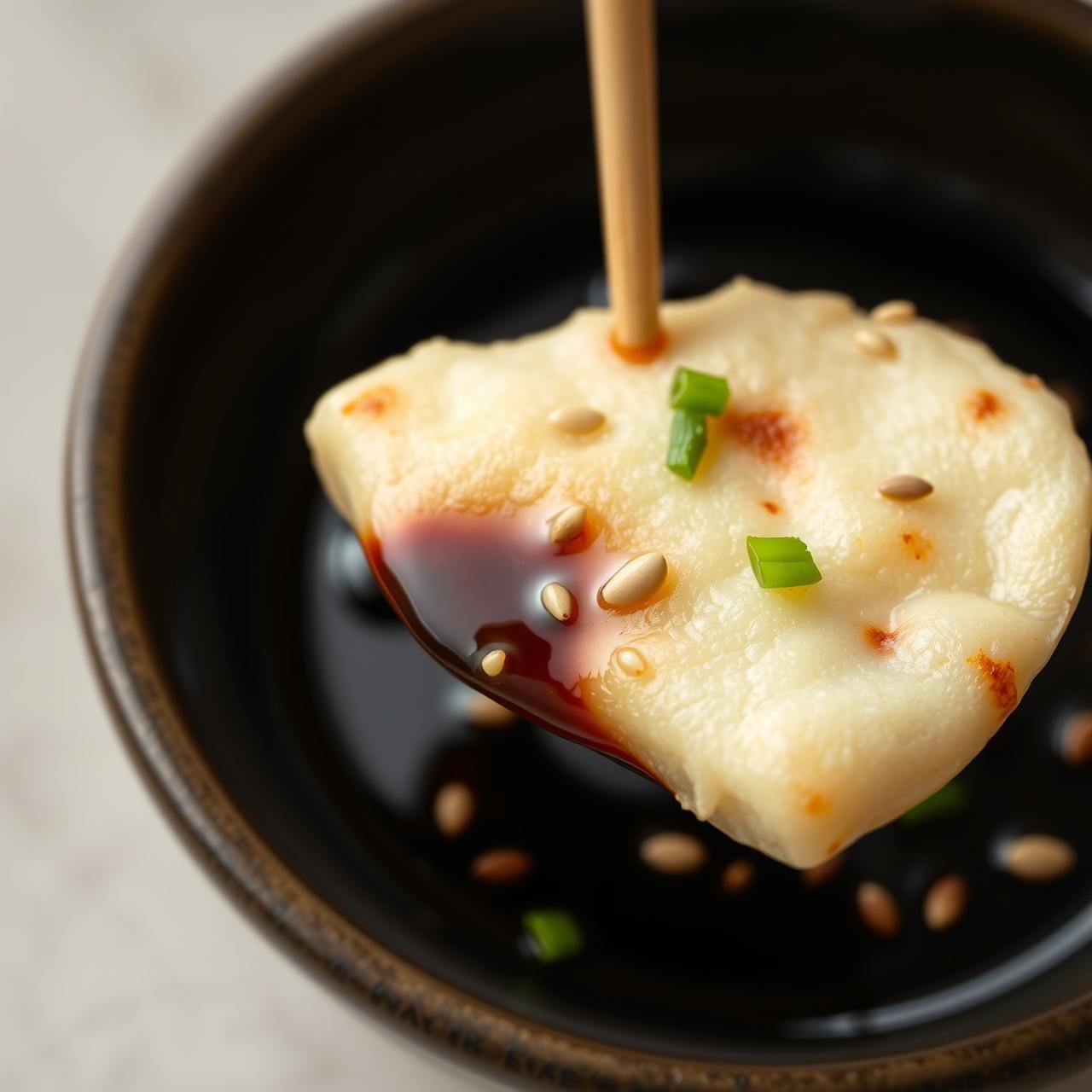
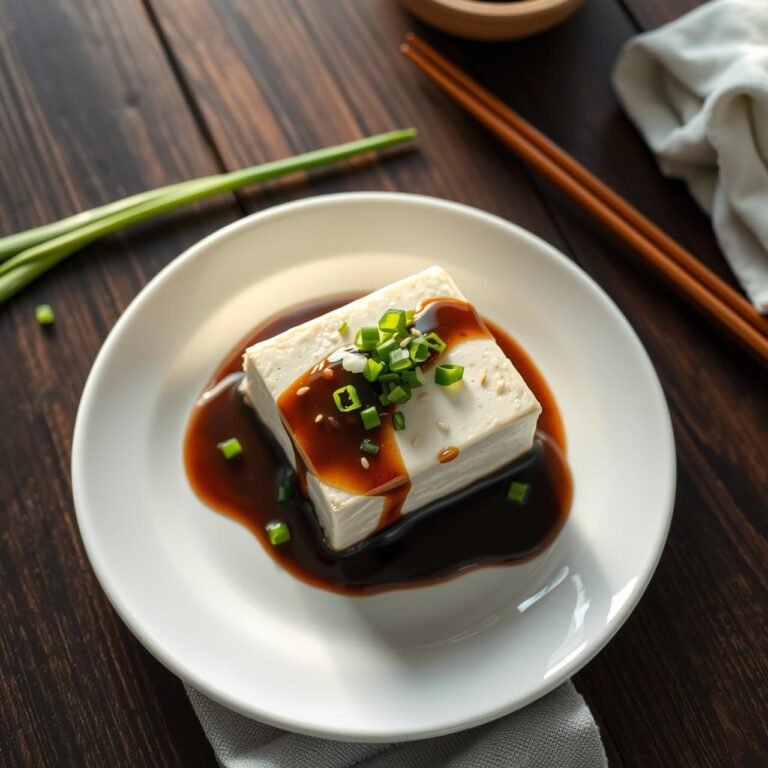
A great pancake deserves an equally great sauce. This simple, savory, and tangy yangnyeomjang cuts through the richness of the fried pancake and elevates every bite.
Ingredients:
- 3 tablespoons soy sauce
- 1 tablespoon rice vinegar
- 1 teaspoon sesame oil
- 1 teaspoon toasted sesame seeds
- 1 scallion, finely chopped
- A pinch of Korean chili flakes (gochugaru), optional
Instructions:
In a small bowl, simply whisk together the soy sauce, rice vinegar, sesame oil, sesame seeds, chopped scallion, and gochugaru (if using). Let it sit for a few minutes for the flavors to meld. Serve alongside the hot pancakes.
Chef’s Secrets for Unbeatable Crispiness
Batter Consistency is Key
Your batter should be thick but pourable. Too thin, and it won’t hold together; too thick, and the inside will be dense and gummy. It should slowly fall off a spoon. Always start with less water in the blender and add more as needed.
Don’t Fear the Oil
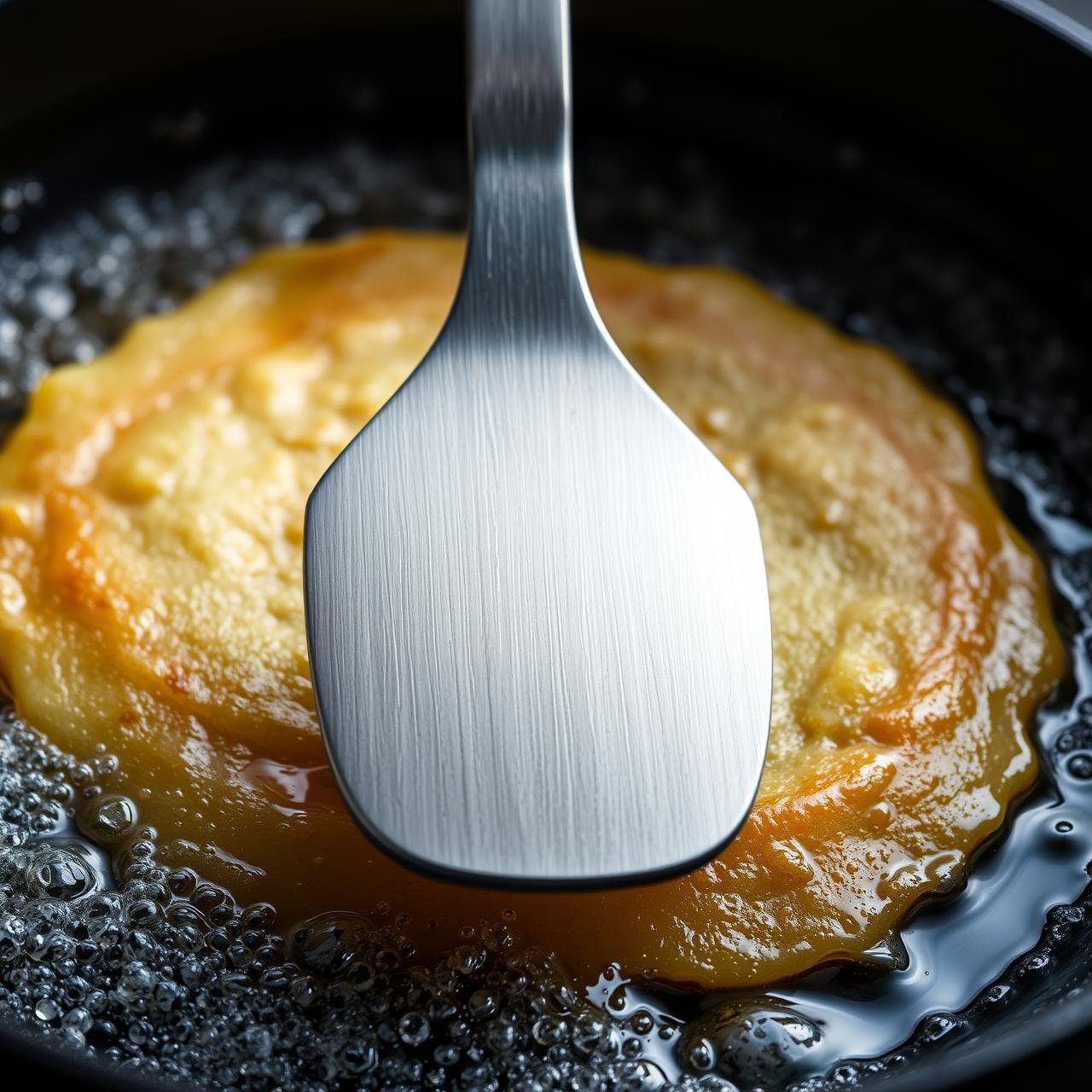
This is not the time to be shy with oil. You need a generous, shimmering layer in the pan to shallow-fry the pancake, not just sear it. This is what creates that addictively crispy, almost lacey edge. Ensure the oil is properly heated before adding the batter.
The Pancake Press
After you ladle the batter into the pan, let it set for a moment, then use the back of your spatula to press down and flatten it slightly. This increases the surface area touching the hot pan, resulting in more brown, crispy bits.
Don’t Skip the Wire Rack
Placing cooked pancakes on a paper towel-lined plate will trap steam and make them soggy. A wire rack allows air to circulate all around, keeping them perfectly crisp until you’re ready to serve.
Nutritional Snapshot
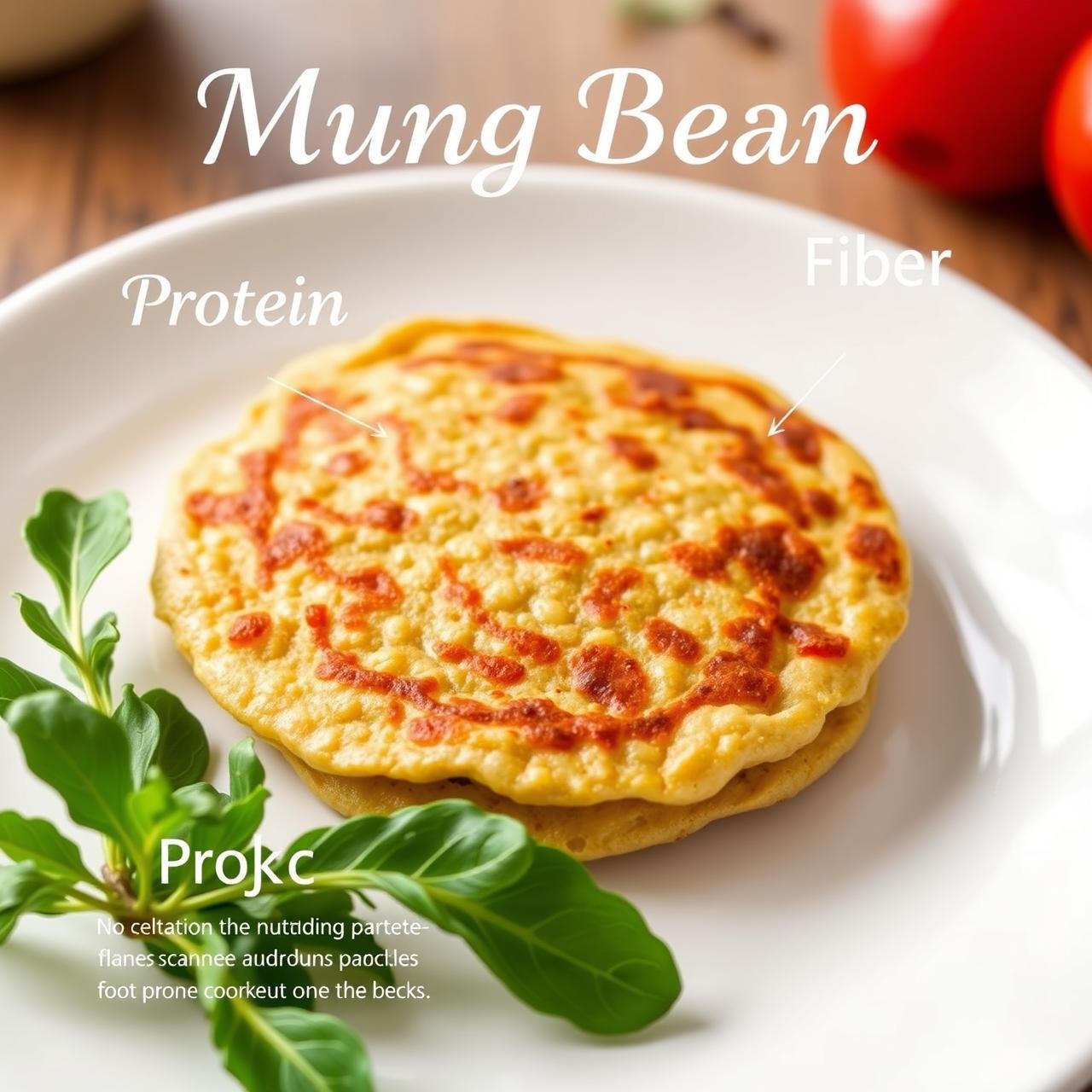
Here is an estimated nutritional breakdown per pancake (assuming the recipe makes 6 pancakes). Please note these values are approximate and can vary based on specific ingredients and portion sizes.
| Nutrient | Amount per Serving |
|---|---|
| Calories | ~210 kcal |
| Protein | ~10g |
| Fat | ~12g |
| Carbohydrates | ~15g |
| Fiber | ~4g |
| Sodium | ~350mg |
Storing and Reheating for Day-Two Crispiness
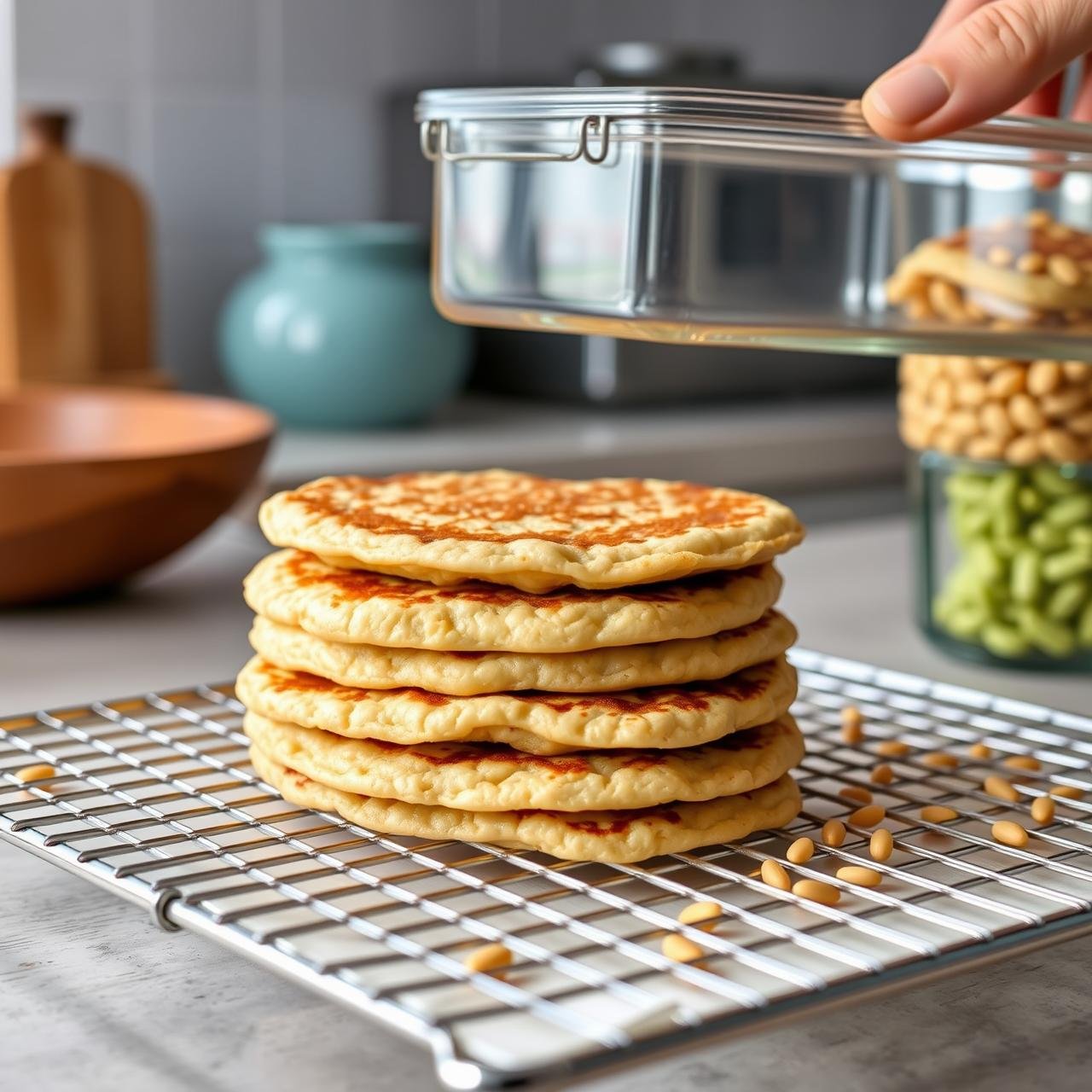
While Nokdu-Jeon are undeniably best when fresh from the pan, leftovers can still be delicious if handled correctly.
Storage:
Allow the pancakes to cool completely on a wire rack. Once cool, stack them with a small piece of parchment paper between each layer to prevent sticking. Store them in an airtight container in the refrigerator for up to 3 days.
Reheating:
The goal is to drive out moisture and re-crisp the exterior. Avoid the microwave at all costs, as it will make them rubbery and sad. Your best options are:
- Skillet (Recommended): Heat a lightly oiled skillet over medium heat. Place the pancakes in a single layer and pan-fry for 2-3 minutes per side until heated through and crispy again.
- Air Fryer: Preheat your air fryer to 375°F (190°C). Place the pancakes in a single layer in the basket and heat for 4-5 minutes, flipping halfway through, until hot and crispy.
Conclusion
Creating Crispy Korean Mung Bean Pancakes from scratch is more than just cooking; it’s an embrace of wholesome, rustic tradition. By letting the humble mung bean shine, you create a dish that is not only deeply flavorful and texturally exciting but also nourishing and naturally gluten-free. The contrast of the shatteringly crisp exterior with the soft, savory filling is a true delight. Whether you’re a gourmet foodie seeking authentic flavors, a health enthusiast looking for clean recipes, or a home cook wanting to expand your repertoire, this Nokdu-Jeon recipe is a guaranteed winner. So, next time a gray, rainy day rolls in, or you simply crave something wonderfully savory, I hope you’ll fill your kitchen with the incredible aroma of these golden, crispy gems.