Crispy Canned Salmon Cakes With Old Bay (Budget Friendly Protein)
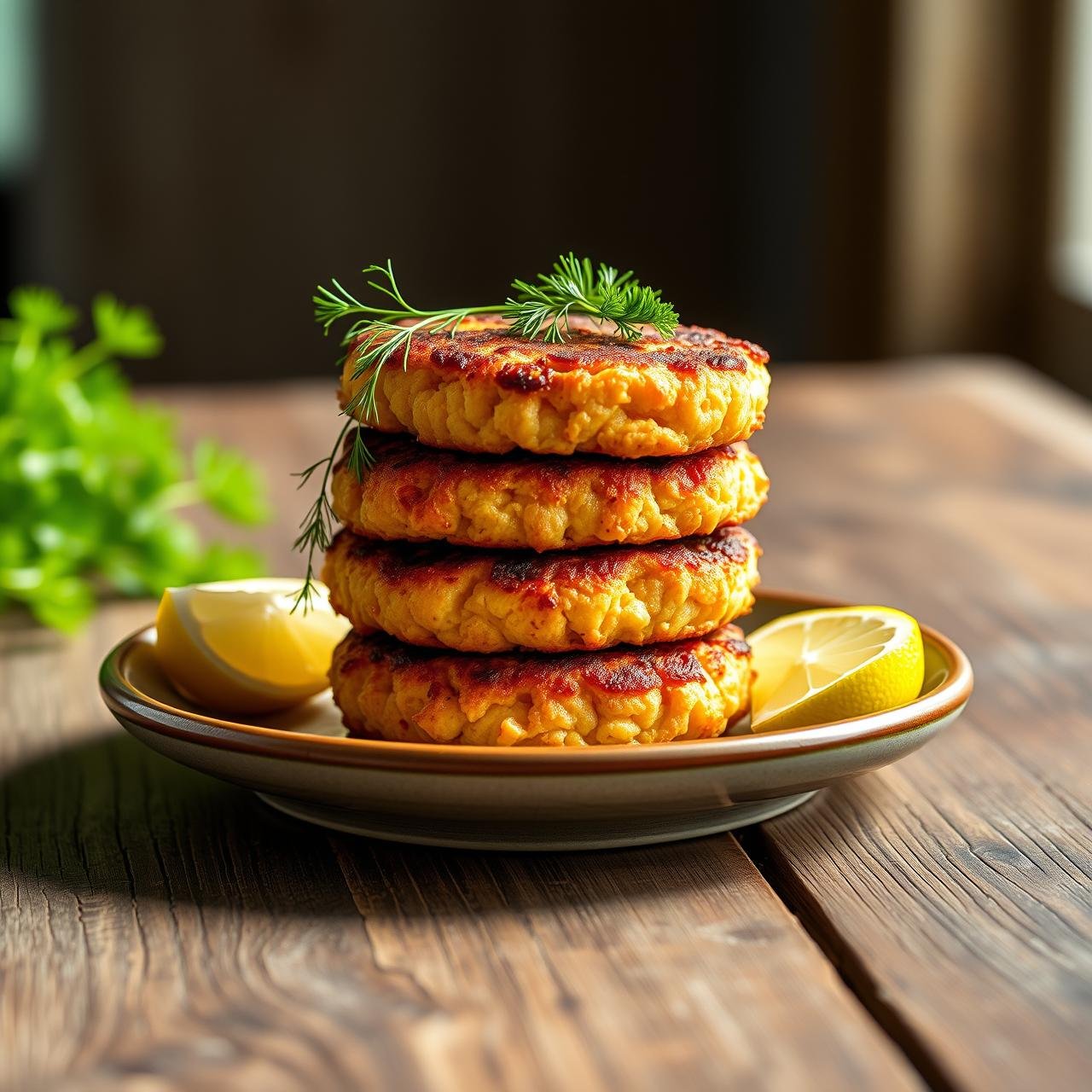
There’s a certain kind of magic in transforming a humble pantry staple into a meal that feels both comforting and gourmet. Canned salmon, often overlooked, is a powerhouse of nutrition and flavor, waiting to be rediscovered. In this recipe, we elevate it to star status, creating irresistibly Crispy Canned Salmon Cakes seasoned with the iconic, zesty kick of Old Bay. This isn’t just a recipe; it’s a celebration of smart, wholesome cooking. It proves that a budget-friendly, high-protein meal can be deeply satisfying, bursting with flavor, and beautiful enough to grace any dinner table. Forget bland, mushy patties. We’re diving into the technique for achieving a perfectly golden, crunchy exterior that gives way to a tender, flaky, and savory interior. Whether you’re a health enthusiast seeking lean protein, a home cook on a budget, or a foodie who appreciates classic flavors done right, these salmon cakes are destined to become a fixture in your culinary repertoire. They are the answer to the weeknight dinner dilemma, a simple solution for a satisfying lunch, and a testament to the delicious potential hiding in your pantry.
Why This Recipe Works: The Magic of Simple Ingredients
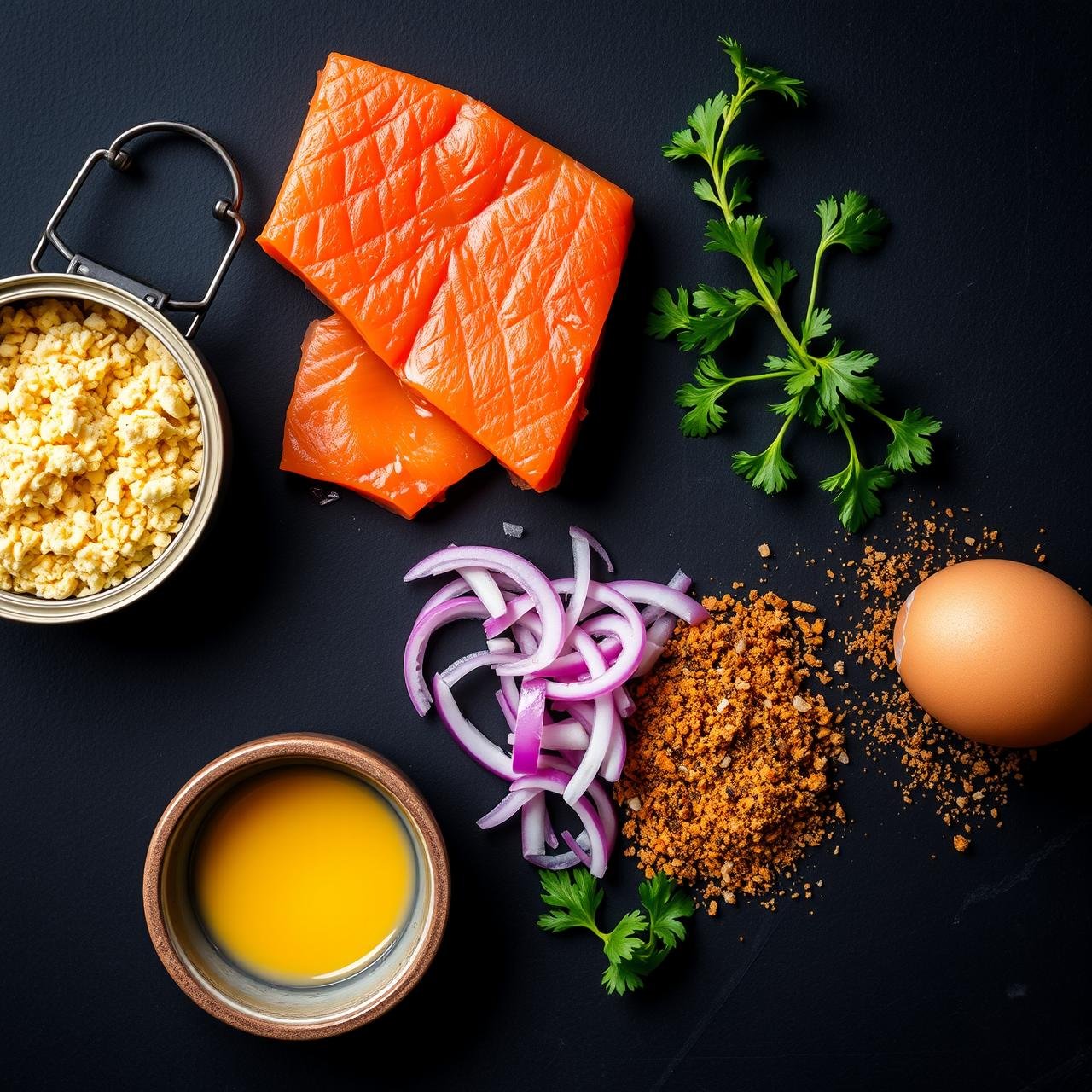
The beauty of these salmon cakes lies in their simplicity. There are no fussy techniques or hard-to-find ingredients, just a thoughtful combination of pantry staples that work in perfect harmony. Each component plays a crucial role in building the final, mouth-watering result.
The Humble Hero: Canned Salmon
Let’s start with our star ingredient. Canned salmon is a nutritional champion. It’s packed with high-quality protein, essential for muscle repair and satiety, and is one of the best sources of heart-healthy omega-3 fatty acids. It’s also rich in Vitamin D and calcium (especially if you use the kind with soft, edible bones). From a practical standpoint, its long shelf life and affordability make it a budget cook’s best friend. When selecting your salmon, you have options. Pink salmon is milder and more delicate, while sockeye salmon offers a richer flavor and deeper red color. For this recipe, either works beautifully. The most important step is to drain it thoroughly to ensure your cakes aren’t watery, which is the enemy of a crispy crust.
The Soul of the Flavor: Old Bay Seasoning
If canned salmon is the hero, Old Bay is its charismatic sidekick. This classic American spice blend, born on the Chesapeake Bay, is synonymous with seafood for a reason. Its complex profile of 18 herbs and spices—including celery salt, black pepper, crushed red pepper flakes, and paprika—provides a savory, slightly spicy, and utterly unique flavor that complements the richness of the salmon without overpowering it. It adds a warmth and depth that instantly elevates the dish from simple to sensational. It’s the secret ingredient that makes these cakes taste like a cherished family recipe passed down through generations.
The Unsung Binders: Egg and Panko
A salmon cake is only as good as its structure. We need something to hold our flaky salmon and zesty seasonings together. A single large egg provides moisture and acts as the primary binding agent. But the true secret to a light, crispy texture is using Panko breadcrumbs. These Japanese-style breadcrumbs are made from crustless bread, resulting in larger, flakier crumbs that absorb less oil when fried. The result? A coating that is audibly crunchy and a patty that is tender and moist, not heavy or dense like those made with traditional fine breadcrumbs.
Essential Kitchen Equipment
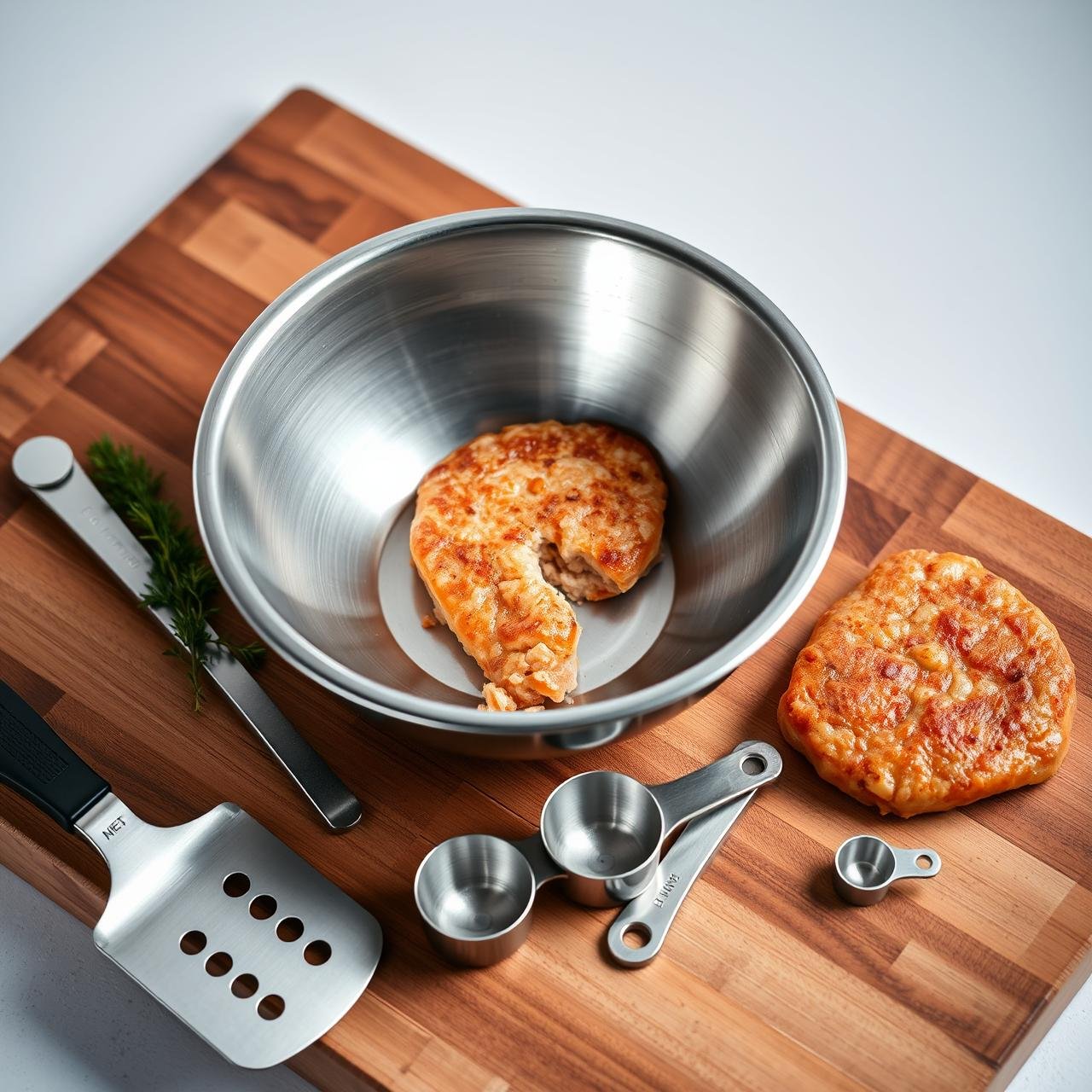
You don’t need a professional kitchen to achieve perfect salmon cakes. A few basic tools are all it takes to ensure success from mixing to plating.
| Tool | Chef’s Note |
|---|---|
| Large Mixing Bowl | Provides ample space for gently combining ingredients without overworking the salmon, which keeps the texture flaky. |
| Fork | The ideal tool for flaking the canned salmon into perfectly sized pieces before mixing. |
| Measuring Cups & Spoons | Precision is key for a balanced flavor profile and the right binder-to-salmon ratio. |
| Large Non-Stick or Cast-Iron Skillet | A 10 or 12-inch skillet provides even heat distribution, which is essential for a uniform golden-brown crust. |
| Fish Spatula or Thin Metal Spatula | Its thin, flexible design allows you to easily slide under the delicate cakes to flip them without breaking them apart. |
| Baking Sheet lined with Parchment Paper | A designated landing spot for your formed patties before they hit the pan. This keeps your workspace clean and organized. |
Ingredients for Rustic Salmon Cakes
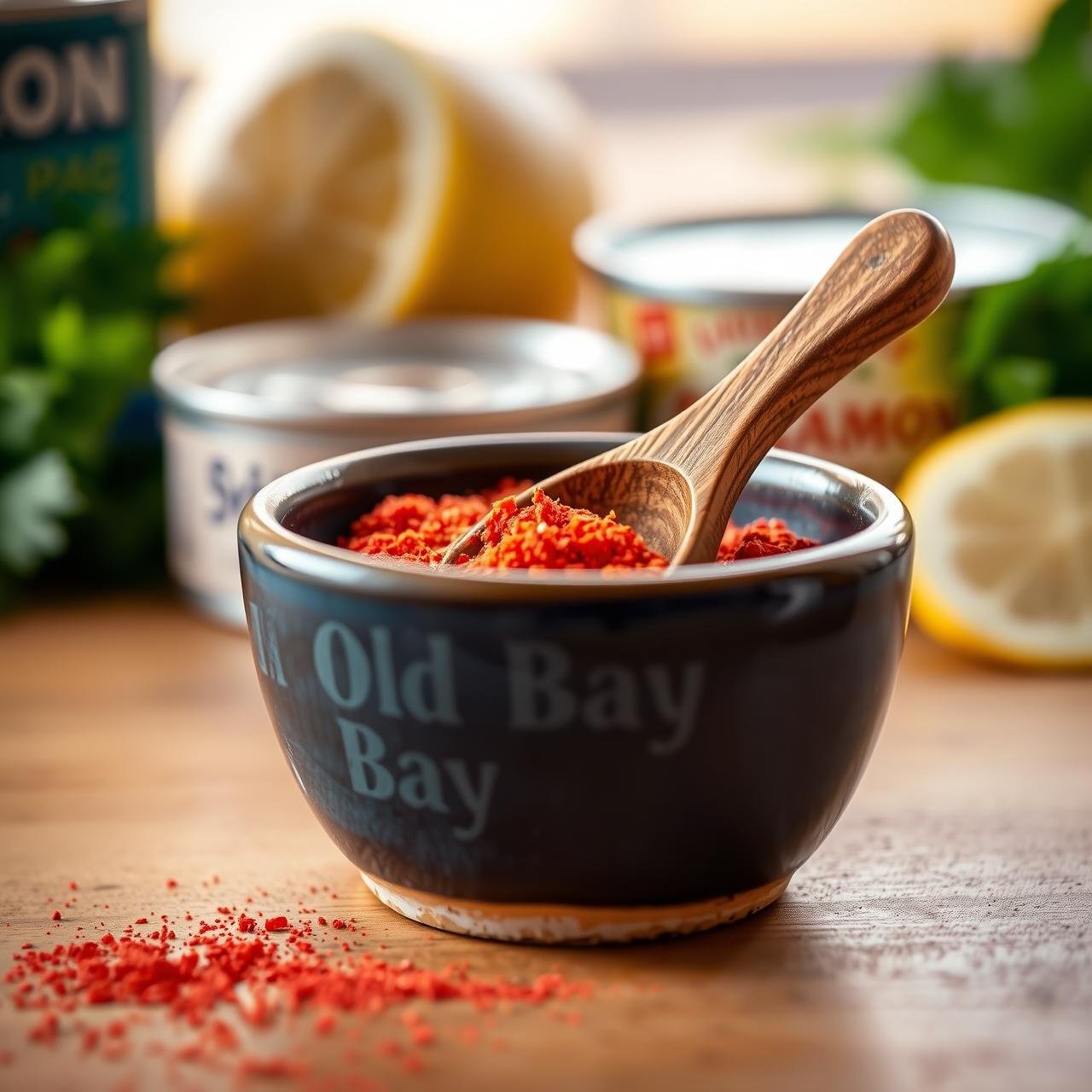
This recipe focuses on quality ingredients that deliver maximum flavor. Feel free to make small adjustments based on your preferences, but this combination is a proven winner.
- 2 (6-ounce) cans of high-quality wild-caught pink or sockeye salmon, drained very well
- 3/4 cup Panko breadcrumbs, divided
- 1/3 cup finely chopped red onion (or shallots for a milder flavor)
- 1/4 cup mayonnaise (use a good quality brand for the best flavor and creaminess)
- 2 tablespoons freshly chopped parsley or dill
- 1 large egg, lightly beaten
- 1 tablespoon Dijon mustard
- 1 tablespoon fresh lemon juice
- 1 1/2 teaspoons Old Bay seasoning
- 1/4 teaspoon black pepper
- 2 tablespoons olive oil or avocado oil, for frying
- Lemon wedges and fresh dill, for serving
Step-by-Step Guide to Crispy Perfection
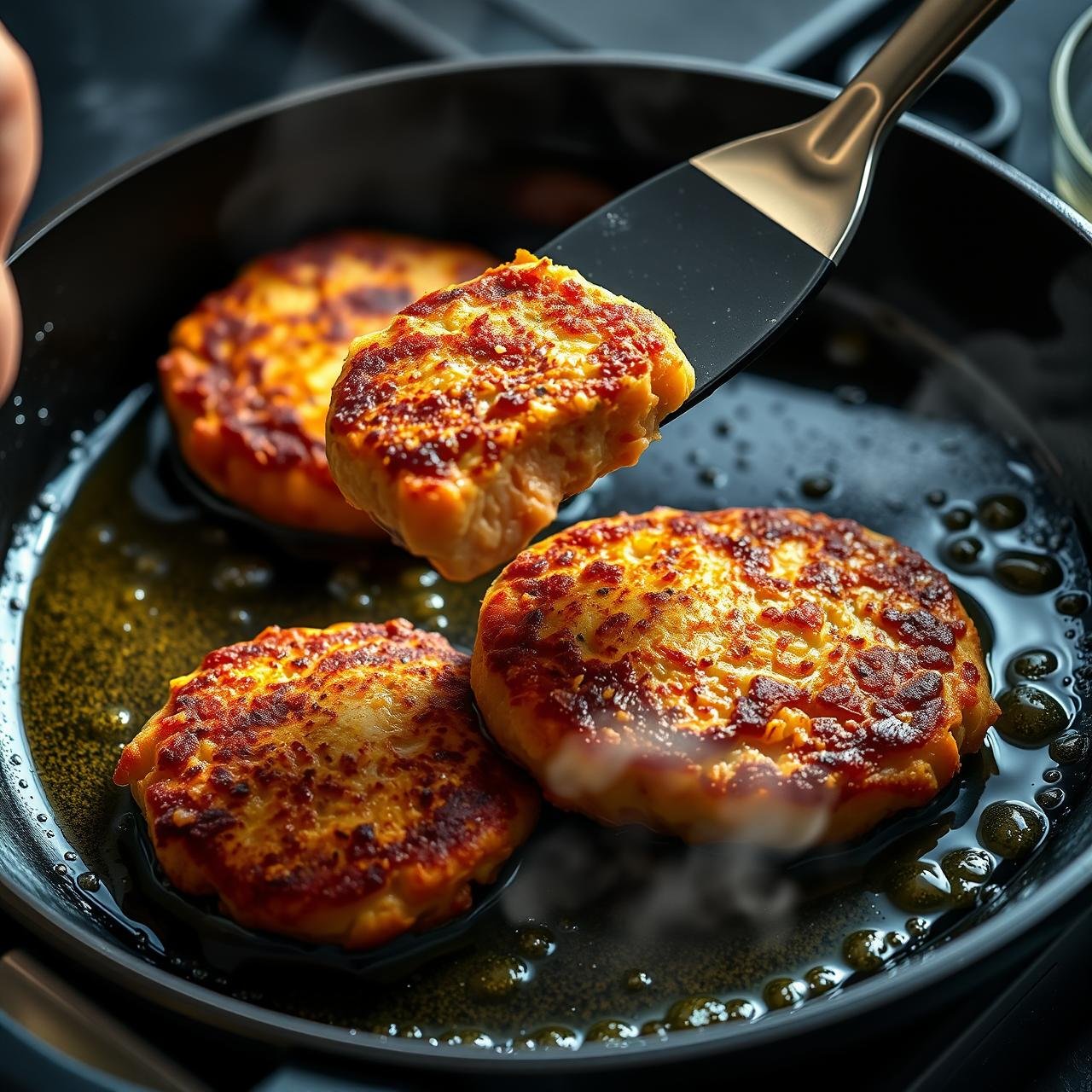
Follow these steps carefully, paying attention to the technique. The difference between a good salmon cake and a great one is in the details—gentle handling and a perfect sear.
-
Prepare the Salmon Mixture:
In a large mixing bowl, add the well-drained salmon. Use a fork to gently flake it into small pieces, ensuring there are no large clumps. Add 1/2 cup of the Panko breadcrumbs (reserving the remaining 1/4 cup), the finely chopped red onion, mayonnaise, fresh parsley, beaten egg, Dijon mustard, lemon juice, Old Bay seasoning, and black pepper.
-
Gently Combine:
Using a fork or a rubber spatula, gently fold the ingredients together until just combined. It’s crucial not to overmix! Overworking the mixture will break down the salmon flakes and can result in dense, tough patties. The mixture should be moist but still hold its shape.
-
Form the Patties:
Spread the remaining 1/4 cup of Panko breadcrumbs on a small plate. Divide the salmon mixture into six equal portions. Gently roll each portion into a ball and then flatten into a patty about 3/4-inch thick. Lightly press each side of the patty into the Panko on the plate to create a thin, even coating. Place the formed patties on a parchment-lined baking sheet. For the best results, allow the patties to chill in the refrigerator for 15-20 minutes. This step helps them firm up and hold their shape beautifully during cooking.
-
Achieve the Perfect Sear:
Heat the olive oil in a large non-stick or cast-iron skillet over medium-high heat. The oil is ready when it shimmers slightly. Carefully place the salmon cakes in the hot pan, ensuring you don’t overcrowd it (cook in two batches if necessary). Listen for that satisfying sizzle—it’s the sound of a great crust forming. Cook for 3-4 minutes per side, until they are a deep golden brown and wonderfully crispy. Do not press down on them with the spatula while they cook.
-
Rest and Serve:
Once cooked, transfer the crispy salmon cakes to a plate lined with a paper towel to absorb any excess oil. Let them rest for a minute before serving. Serve hot, garnished with fresh dill and with plenty of fresh lemon wedges on the side for squeezing over top.
Chef’s Secrets for Unforgettable Salmon Cakes
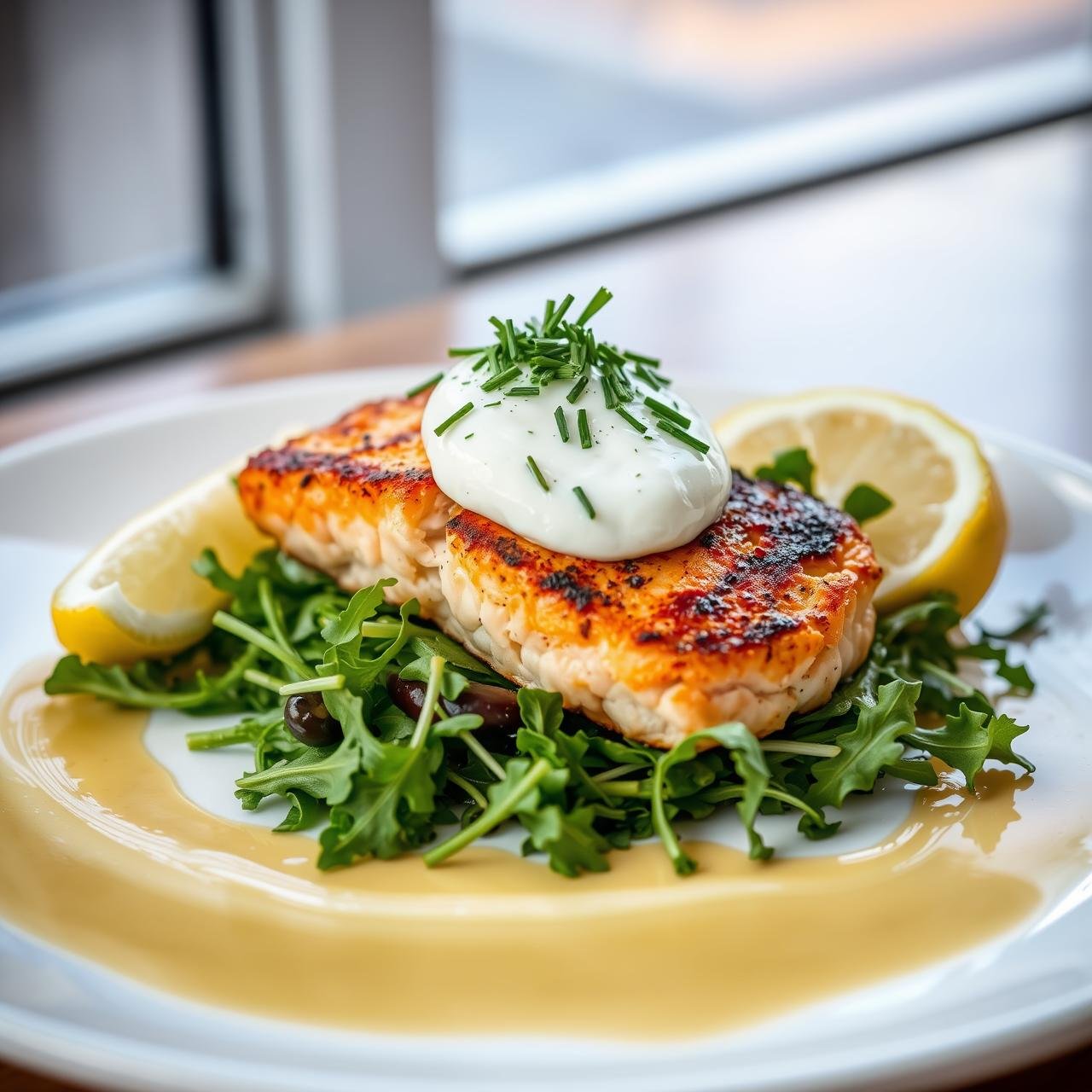
Take your salmon cakes from great to gourmet with these professional tips and creative variations. A few small tweaks can make a world of difference.
Achieving Maximum Crispiness
The crunch is non-negotiable. First, ensure your salmon is as dry as possible; gently pat it with a paper towel after draining. Second, always choose Panko over regular breadcrumbs. Third, get your pan properly hot before the cakes go in. A hot pan instantly sears the exterior, creating that coveted crust. Finally, give them space. Overcrowding the pan lowers the temperature and causes the cakes to steam rather than fry, resulting in a soggy finish.
Flavor Variations & Add-ins
While the classic Old Bay flavor is fantastic on its own, feel free to experiment.
- Add a briny pop: Stir in a tablespoon of drained capers or finely chopped pickles.
- Turn up the heat: Add a few dashes of your favorite hot sauce or a pinch of cayenne pepper to the mixture.
- Boost the freshness: A teaspoon of fresh lemon zest added to the mix will brighten all the flavors.
- Introduce a smoky note: A little smoked paprika can add a lovely, deep smokiness that complements the fish and Old Bay.
Perfect Pairings & Serving Suggestions
These salmon cakes are incredibly versatile. For a light and healthy meal, serve them over a bed of mixed greens with a simple lemon vinaigrette. They are also fantastic on a toasted brioche bun with lettuce, tomato, and a generous smear of tartar sauce or a spicy remoulade. For a more substantial dinner, pair them with roasted asparagus, creamy coleslaw, or a scoop of fluffy quinoa. A simple dollop of Greek yogurt mixed with fresh dill and lemon juice also makes a wonderful, healthy sauce.
Nutritional Information
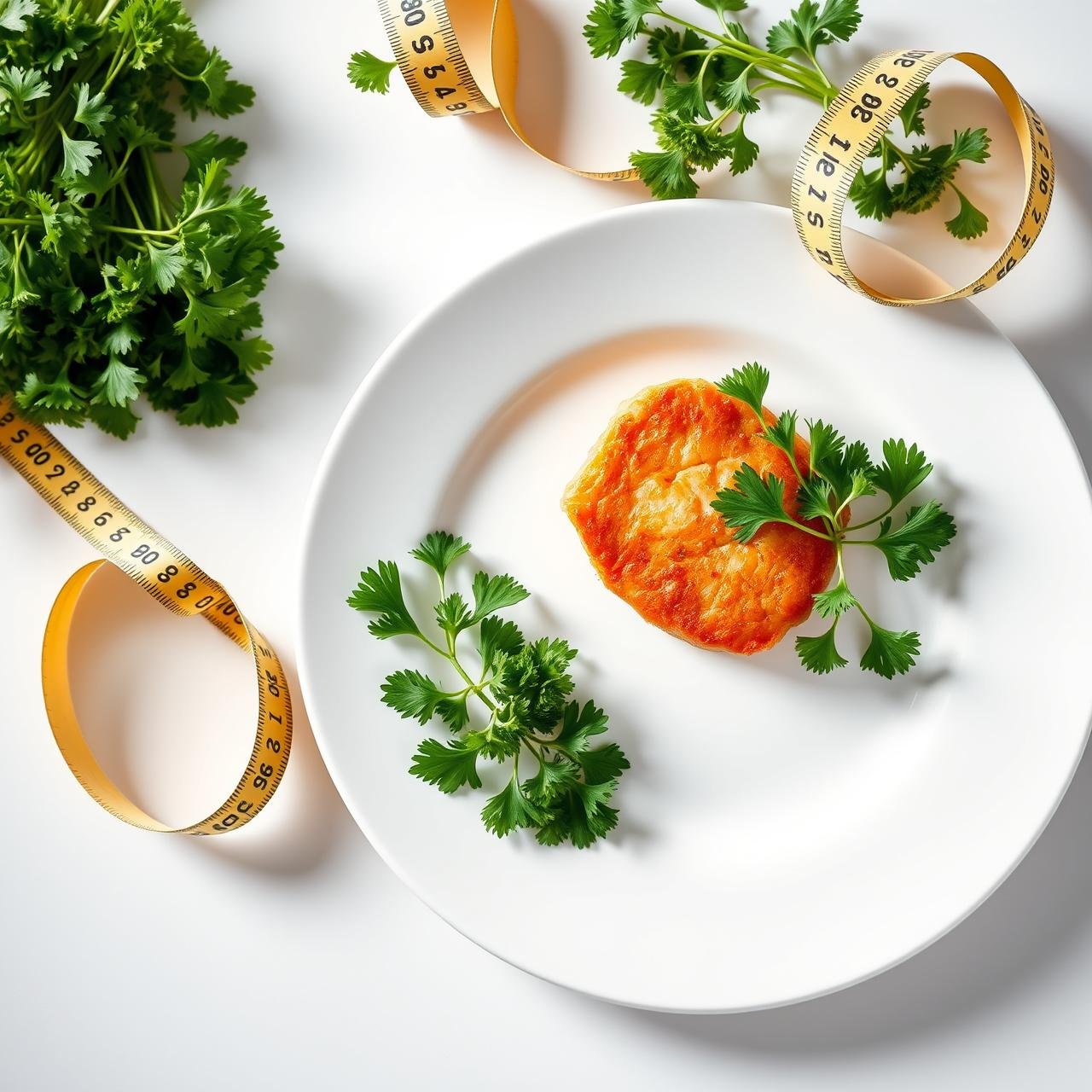
Here is an estimated nutritional breakdown per salmon cake, based on a serving size of one patty (recipe makes six). Please note that these values are approximate and can vary based on the specific ingredients used.
| Nutrient | Amount per Serving |
|---|---|
| Calories | ~195 kcal |
| Protein | ~15 g |
| Fat | ~11 g |
| Saturated Fat | ~2 g |
| Carbohydrates | ~8 g |
| Fiber | ~1 g |
| Sodium | ~450 mg |
| Omega-3s | ~700 mg |
Storage and Reheating Instructions
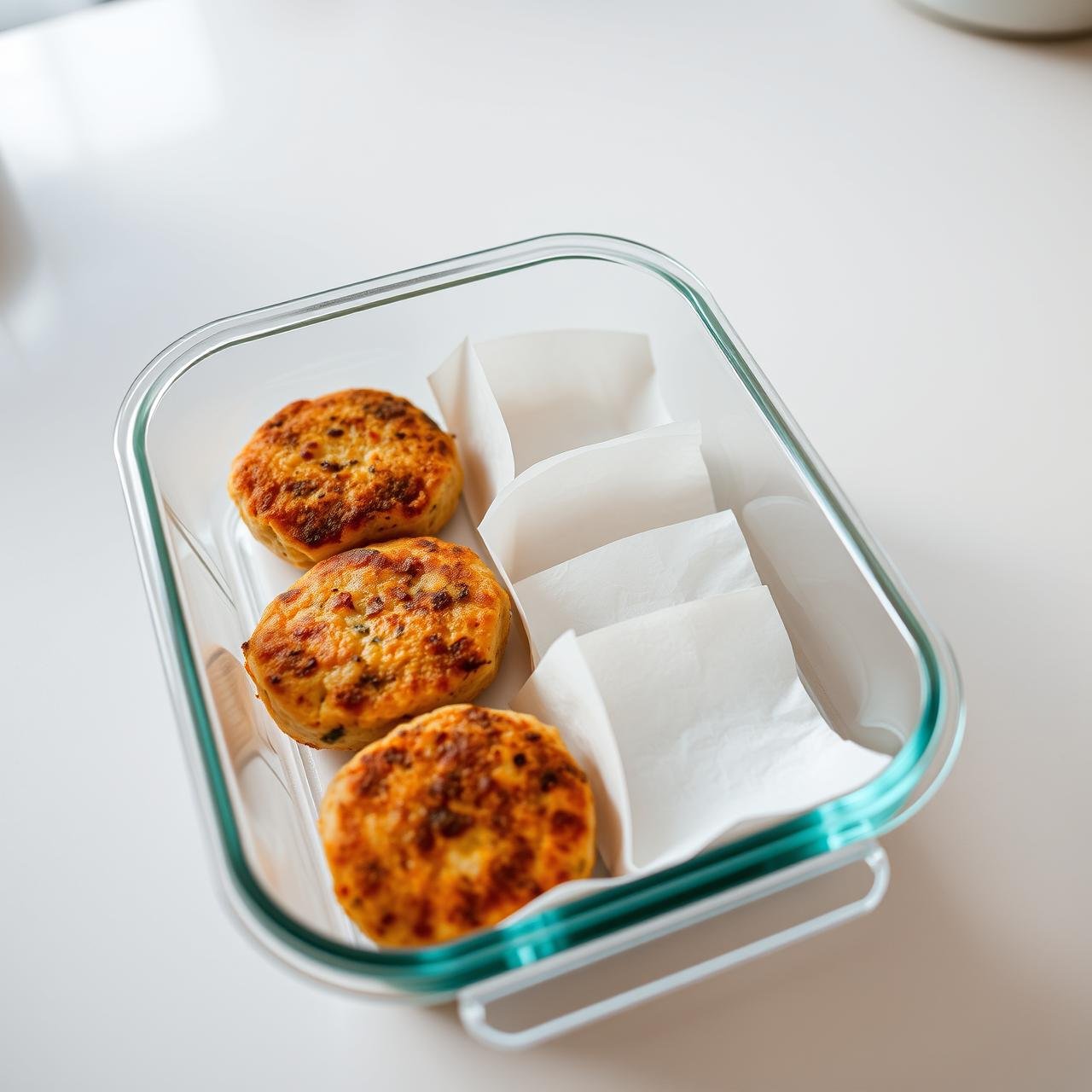
These salmon cakes make for fantastic leftovers. Proper storage and reheating are key to enjoying them the next day without sacrificing their delightful texture.
Storage
Allow the cooked salmon cakes to cool completely to room temperature. Store them in an airtight container in the refrigerator for up to 3 days. Placing a small piece of parchment paper between layers can prevent them from sticking together.
Reheating for a Crispy Finish
While a microwave will work in a pinch, it will compromise the crispy crust. For the best results, use one of these methods:
- Oven/Toaster Oven: Preheat your oven to 375°F (190°C). Place the salmon cakes on a baking sheet and heat for 8-10 minutes, or until warmed through and re-crisped.
- Air Fryer: This is an excellent method. Set your air fryer to 350°F (175°C) and heat the cakes for 4-5 minutes. They will come out almost as crispy as when they were freshly made.
- Skillet: Heat a small amount of oil in a non-stick skillet over medium heat. Pan-fry the cakes for 2-3 minutes per side until hot and crispy.
Freezing Instructions
You can also freeze the salmon cakes, either cooked or uncooked. To freeze, place the patties on a parchment-lined baking sheet and freeze until solid. Then, transfer them to a freezer-safe bag or container. They can be stored for up to 2 months. Cook from frozen, adding a few extra minutes to the cooking time, or thaw in the refrigerator overnight before reheating.
Conclusion
This recipe for Crispy Canned Salmon Cakes with Old Bay is more than just a way to get dinner on the table; it’s a culinary lesson in the power of pantry staples. It demonstrates that with a little technique and a classic seasoning, you can create a meal that is economically savvy, nutritionally dense, and incredibly delicious. The delightful contrast between the crunchy exterior and the tender, flaky interior is a texture lover’s dream, while the savory, zesty flavor of Old Bay makes every bite memorable. We encourage you to bring this rustic, flavorful dish to your family’s table. Embrace the simplicity, savor the taste, and watch as this humble can of salmon transforms into an instant classic that you’ll return to again and again.