Creamy Hearts Of Palm Carbonara (Tastes Like Real Pasta!)
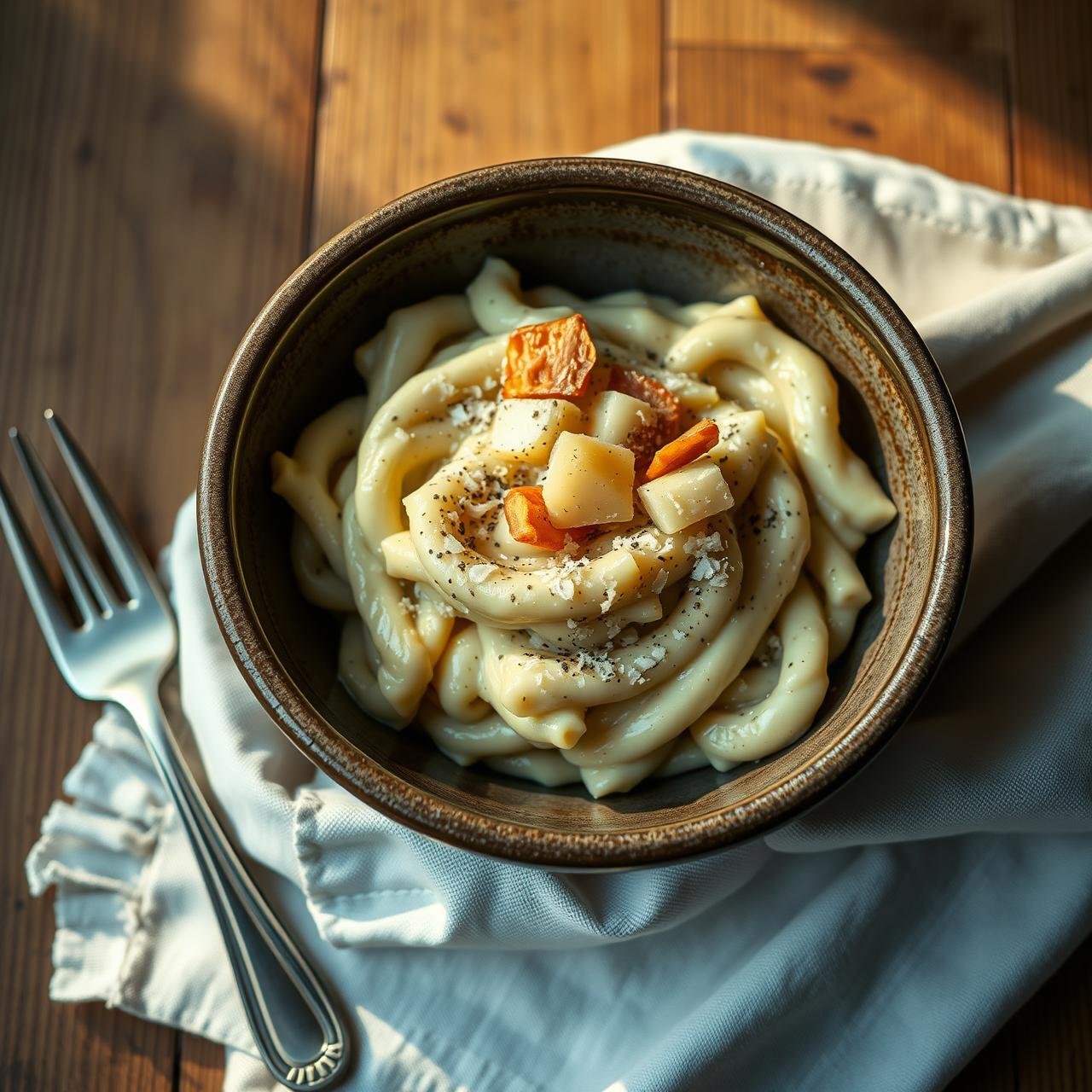
Imagine the perfect bowl of pasta Carbonara: strands of al dente pasta lovingly coated in a glossy, silken sauce, rich with savory pork, sharp cheese, and pungent black pepper. It’s a dish of pure, unadulterated comfort, a culinary hug from the heart of Rome. Now, imagine enjoying that same soul-satisfying experience, but in a way that’s light, grain-free, and astonishingly healthy. Welcome to the magic of Creamy Hearts of Palm Carbonara.
For years, those of us seeking healthier, lower-carb alternatives have been faced with lackluster pasta substitutes. Zucchini noodles that weep water, shirataki noodles with a rubbery bite… the compromises often left us dreaming of the real thing. But hearts of palm, the tender inner core of the palm tree, have completely changed the game. When cut into linguine-like strands, they possess a remarkably neutral flavor and a tender, yet firm, texture that miraculously mimics traditional pasta. They don’t overpower the sauce; they embrace it.
This recipe is a tribute to authentic Italian technique, adapted for the modern, health-conscious kitchen. We’re not using cream—a common but inauthentic shortcut. Instead, we’ll create that signature velvety sauce the classic way: with the magic of emulsified egg yolks, Pecorino Romano cheese, and the rendered fat from exquisitely crisped guanciale. This isn’t just a ‘good for a substitute’ recipe. This is a genuinely spectacular dish in its own right, one that will leave you and your dinner guests marveling, ‘I can’t believe this isn’t pasta!’
Essential Equipment for Carbonara Perfection
A true Carbonara is a dish of beautiful simplicity, and the tools required are just as straightforward. You don’t need fancy gadgets, just a few quality kitchen staples to ensure a smooth, seamless cooking process. Having everything ready before you start is a key chef’s secret (mise en place!) for preventing the dreaded scrambled eggs.
| Equipment | Purpose & Notes |
|---|---|
| Large Skillet or Sauté Pan | A 12-inch pan is ideal. It provides enough surface area to crisp the guanciale evenly and will later be the vessel for combining the entire dish. Cast iron or stainless steel works beautifully. |
| Medium Mixing Bowl | This is for creating your egg and cheese sauce base. A glass or ceramic bowl is perfect. |
| Whisk | Essential for emulsifying the eggs, cheese, and pepper into a smooth, creamy paste. |
| Colander or Strainer | To properly drain your hearts of palm noodles before adding them to the pan. |
| Tongs | Your best friend for tossing the ‘pasta’ with the sauce, ensuring every single strand is coated without breaking them. |
| Cheese Grater | A microplane or the finest setting on a box grater is non-negotiable for achieving a fluffy, easily melted mountain of Pecorino Romano. Pre-shredded cheese contains anti-caking agents that will ruin your sauce. |
The Heart of the Matter: Ingredients
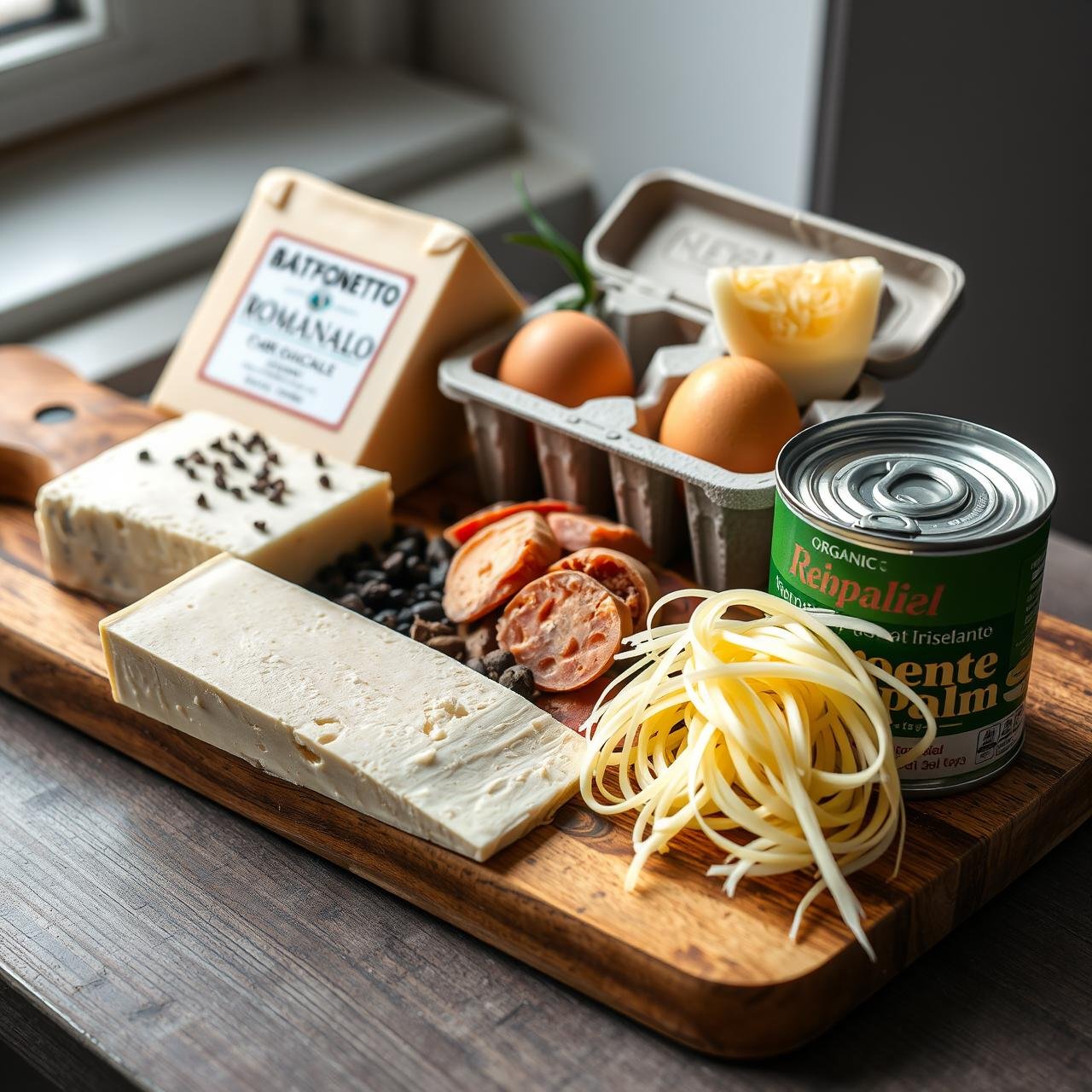
In a recipe with so few components, quality is everything. Each ingredient plays a starring role, and using the best you can find will elevate your dish from good to unforgettable. This is where we honor the rustic, homestyle tradition of Italian cooking.
For the Carbonara Base:
- Hearts of Palm Linguine: Two 14-ounce cans, rinsed and thoroughly drained. Look for brands packed in water, not brine, for the most neutral flavor. Pat them gently with paper towels to remove as much moisture as possible.
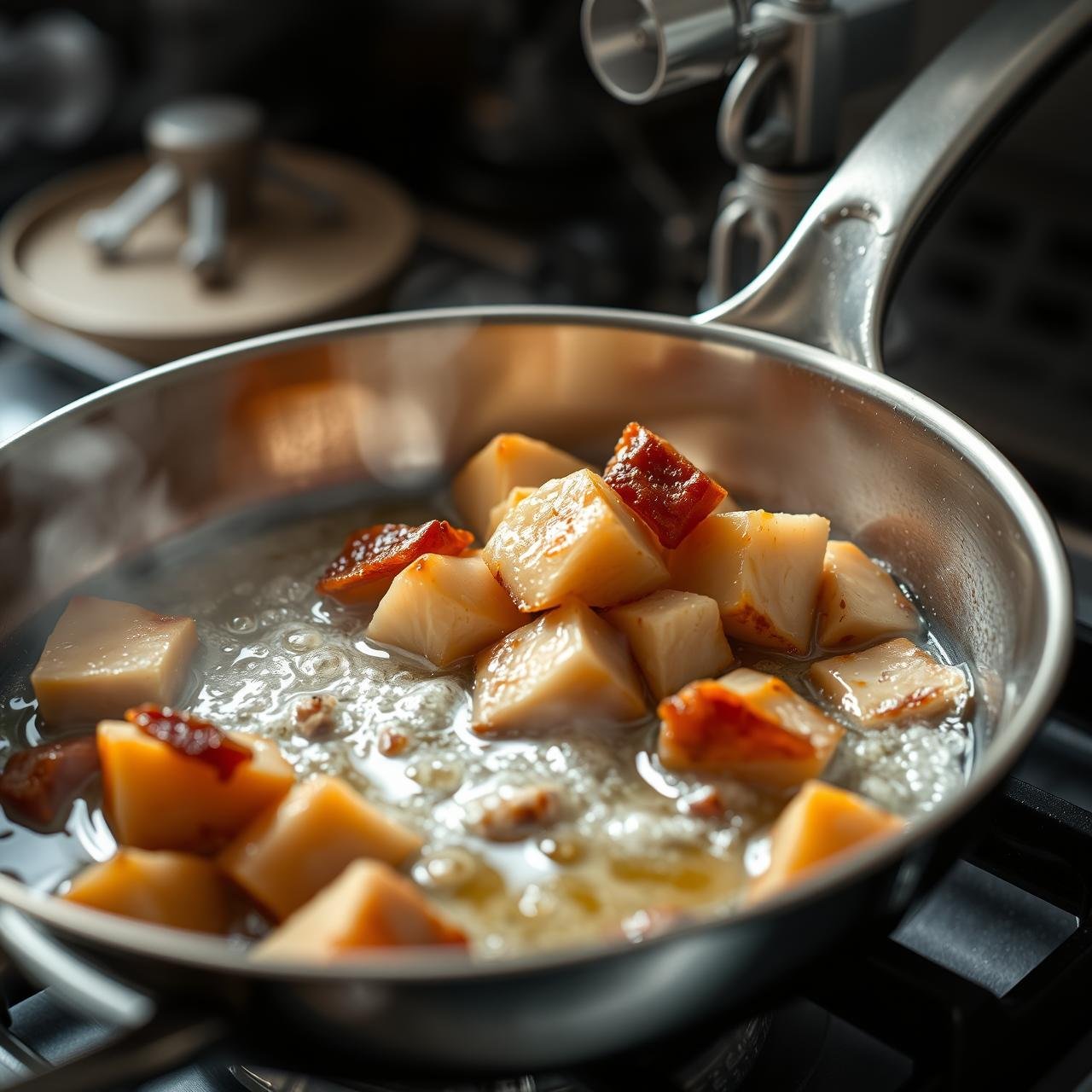
- Guanciale: 4 to 6 ounces, cut into small cubes or lardons. Guanciale is cured pork jowl, and its fat is sweeter and more flavorful than pancetta or bacon, rendering down beautifully. This is the traditional choice and highly recommended. If you absolutely cannot find it, thick-cut, high-quality pancetta is the next best option.
- Large Egg Yolks: 3 large yolks, from pasture-raised or organic eggs if possible. The yolks are the foundation of our creamy sauce. Save the whites for an omelet! Using only yolks makes the sauce richer and less likely to scramble.
- Whole Large Egg: 1 whole egg. The white in this one egg helps the sauce cling to the noodles beautifully, adding a bit of body.
- Pecorino Romano Cheese: 1 cup, finely grated, plus more for serving. This is a non-negotiable ingredient. It’s a hard, salty cheese made from sheep’s milk with a sharp, tangy flavor that is the soul of Carbonara. Do not substitute with Parmesan, which is milder and sweeter and will change the entire flavor profile.
- Freshly Cracked Black Pepper: 1 to 2 teaspoons, coarsely ground. The ‘carbonara’ in the name is thought to come from ‘carbone,’ or coal, referencing the generous amount of black pepper that looks like flecks of coal. Toasting the peppercorns briefly in a dry pan before grinding will awaken their aromatic oils.
- Reserved Liquid: A splash of the liquid from the hearts of palm can or a bit of chicken broth can be used to temper the sauce if needed, similar to pasta water.
Step-by-Step Instructions to a Perfect Carbonara
Follow these steps with care and attention. The process is quick, so having everything prepared and within arm’s reach is the key to success. The magic happens in the final moments when the sauce is created off the heat.
-
Prepare Your Ingredients (Mise en Place):
Rinse and drain the hearts of palm linguine very well. Gently pat dry. Cut your guanciale into small, even cubes. Finely grate your Pecorino Romano cheese. Separate your egg yolks and place them in the medium mixing bowl along with the one whole egg.
-
Create the Sauce Base:
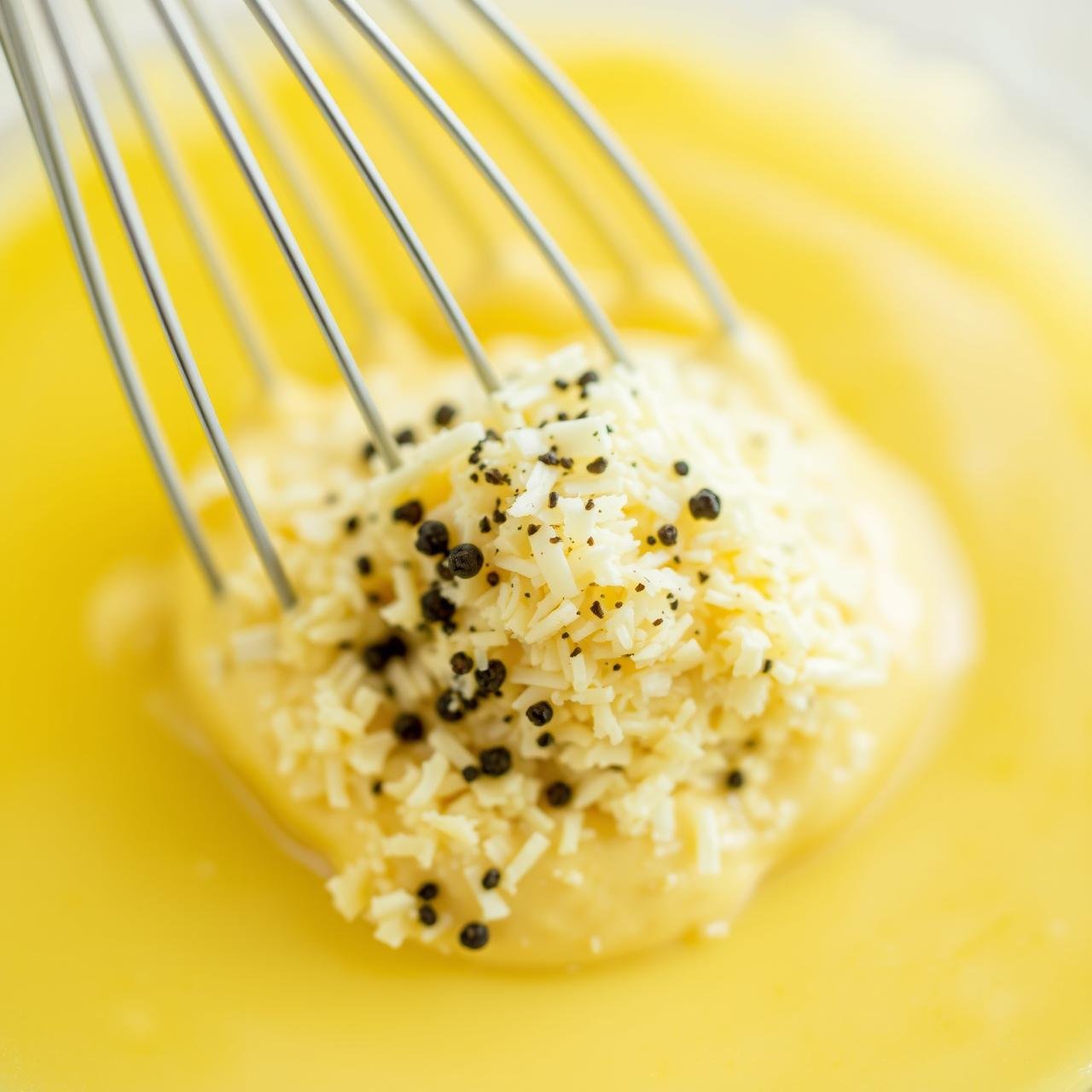
To the bowl with the eggs and yolks, add about three-quarters of your grated Pecorino Romano and a generous amount of freshly cracked black pepper (about 1 teaspoon). Whisk vigorously until you have a thick, creamy, and homogenous paste. This is the flavor-packed foundation of your sauce. Set it aside.
-
Render the Guanciale:
Place the cubed guanciale in your large, cold skillet. Turn the heat to medium-low. Starting in a cold pan allows the fat to render out slowly and completely, resulting in incredibly crispy pork pieces (ciccioli) and a pool of liquid gold. Cook for 10-15 minutes, stirring occasionally, until the guanciale is deeply golden brown and crisp. Do not rush this step!
-
Cook the ‘Pasta’:
Once the guanciale is perfectly crisp, use a slotted spoon to remove it from the pan and set it aside on a plate, leaving the rendered fat in the skillet. Turn the heat up to medium, and add the drained hearts of palm to the skillet. Sauté the ‘noodles’ in the flavorful pork fat for 2-3 minutes, tossing gently to heat them through and coat them completely. This step infuses them with incredible flavor.
-
The Crucial Moment: Emulsify the Sauce:
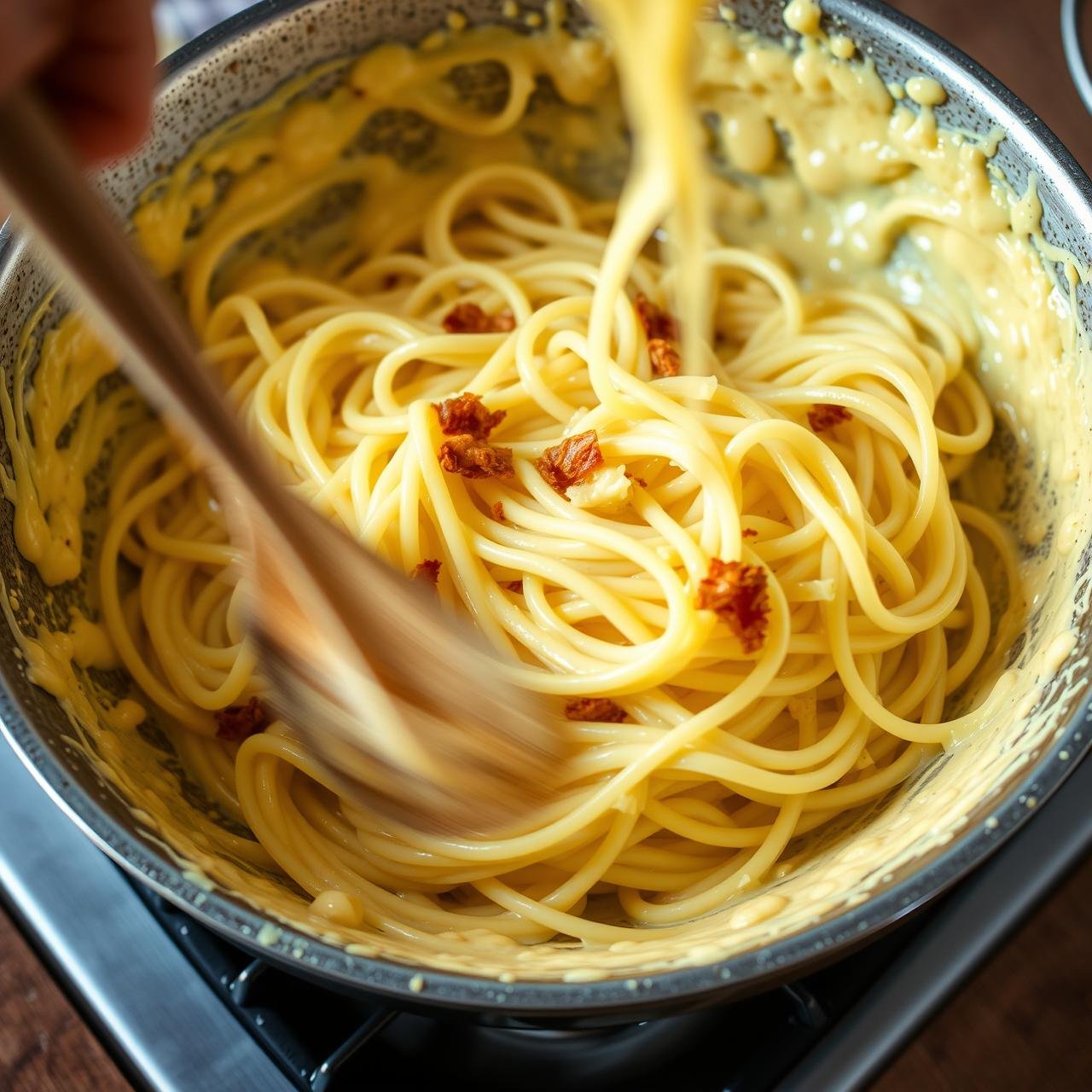
This is the most important step. REMOVE THE SKILLET FROM THE HEAT. Let it cool for just a minute. It should be hot, but not sizzling. Now, pour the egg and cheese mixture directly over the hearts of palm in the pan. Immediately begin tossing vigorously with your tongs. The residual heat from the pan and the ‘noodles’ will gently cook the eggs, melting the cheese and creating a creamy, glossy sauce that coats every strand. Do not stop tossing! If the sauce looks too thick, add a tablespoon of the reserved hearts of palm liquid or broth to loosen it to your desired consistency.
-
Finish and Serve Immediately:
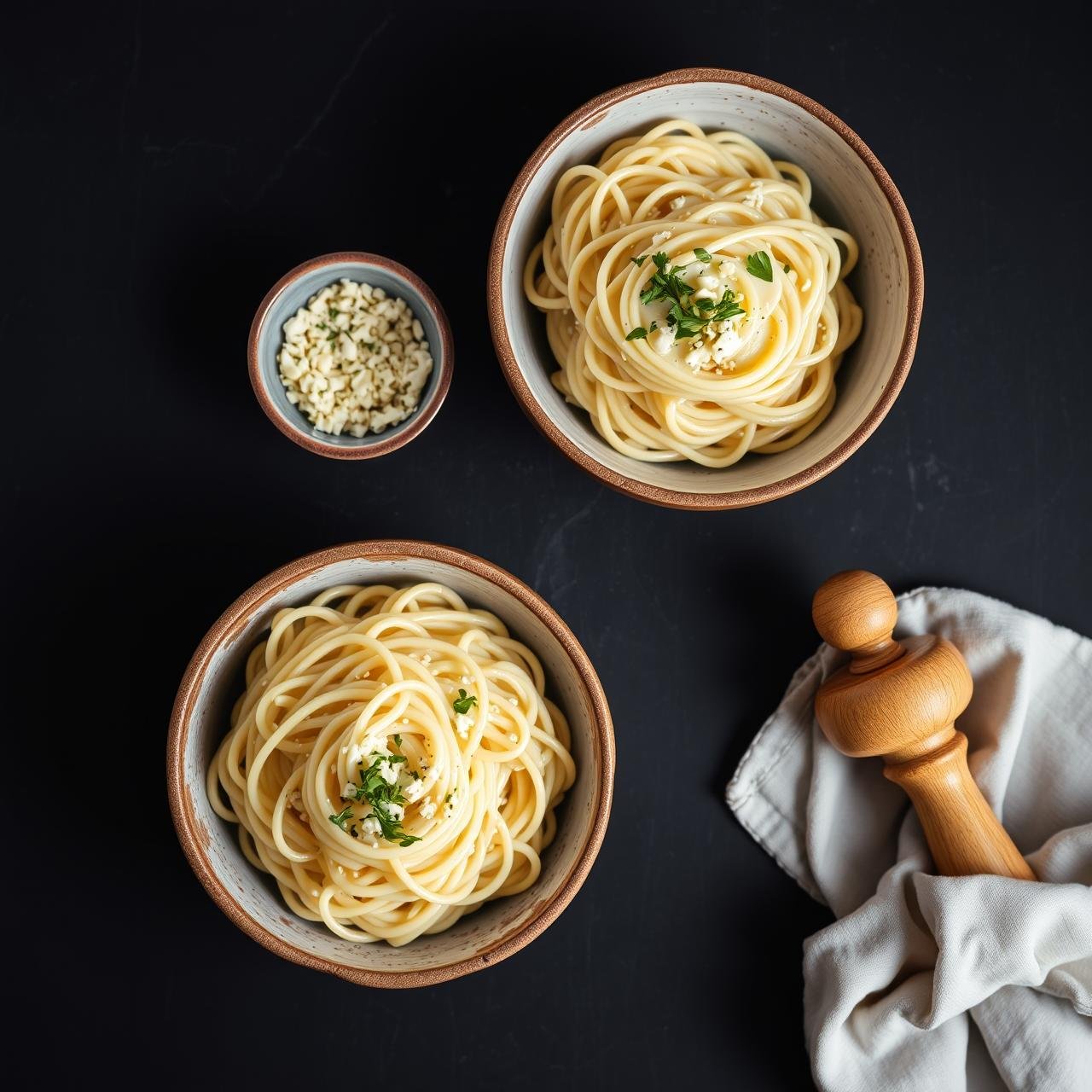
Once the sauce is creamy and perfect, toss in about half of the crispy guanciale. Give it one final toss to distribute everything. Immediately transfer the carbonara to warm serving bowls. Garnish generously with the remaining crispy guanciale, the rest of the grated Pecorino Romano, and another healthy dose of freshly cracked black pepper. Serve without delay, as Carbonara is best enjoyed piping hot.
Chef’s Secrets & Pro Tips
How to Avoid Scrambled Eggs:
The number one fear when making Carbonara is ending up with a grainy, scrambled mess. The secret is temperature control. Always, always, always add the egg mixture off the heat. The pan should be hot enough to cook the sauce, but not so hot that it seizes the eggs instantly. Tossing constantly and quickly is just as important, as it keeps the eggs moving and allows them to emulsify into a sauce rather than cook into clumps.
Variations and Additions:
While purists will argue Carbonara needs no additions, your kitchen has no rules! For a touch of green, you could toss in some fresh peas at the very end. A pinch of red pepper flakes in the sauce base can add a welcome kick of heat. For a more decadent, umami-rich version, a splash of white wine can be used to deglaze the pan after the guanciale is removed, before adding the hearts of palm.
Getting the Perfect Sauce Consistency:
The ‘pasta water’ (in our case, the liquid from the can or broth) is your insurance policy. The starch in traditional pasta water helps emulsify and thicken the sauce. While our version lacks starch, the liquid can still be used to adjust consistency. Is your sauce too thick and clumpy? Add a tablespoon of liquid and toss. Too thin? Add a bit more of the grated cheese and toss vigorously. You are in complete control.
Nutritional Information
This recipe provides a wonderfully satisfying meal that is high in protein and healthy fats, while being exceptionally low in carbohydrates and completely gluten-free. It’s an ideal choice for those following a keto, paleo, or low-carb lifestyle. The values below are an estimate for one of two generous servings.
| Nutrient | Amount (Approximate) |
|---|---|
| Calories | 580 kcal |
| Protein | 25 g |
| Fat | 50 g |
| Saturated Fat | 20 g |
| Carbohydrates | 9 g |
| Fiber | 4 g |
| Net Carbs | 5 g |
| Sodium | 850 mg |
Storage and Reheating Instructions
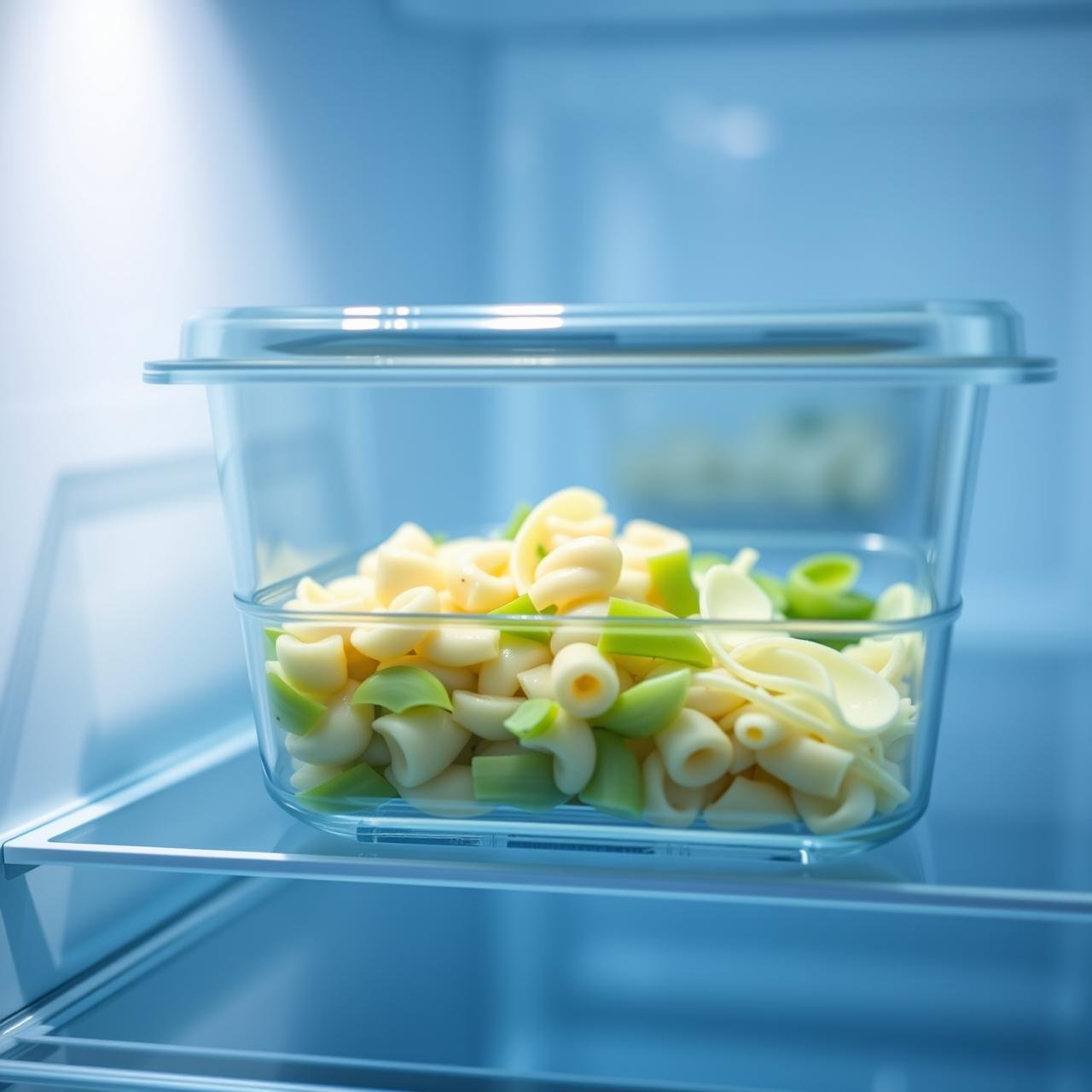
Carbonara is famously a dish best eaten immediately. The delicate egg-based sauce does not take kindly to reheating. However, if you do have leftovers, here’s the best way to handle them:
- Storage: Store any leftovers in an airtight container in the refrigerator for up to 2 days. The sauce will thicken and congeal as it cools.
- Reheating: Avoid the microwave at all costs, as it will turn the sauce into a rubbery, scrambled mess. The best method is to gently reheat the carbonara in a non-stick skillet over low heat. Add a splash of water or broth (about a tablespoon) to the pan to help loosen the sauce and bring back some of its creaminess. Toss gently and constantly until just warmed through. It won’t be quite as perfect as when it was fresh, but it will still be delicious.
Conclusion
There you have it—a classic Roman dish, reimagined. This Creamy Hearts of Palm Carbonara is a testament to the fact that healthy eating doesn’t mean sacrificing flavor, comfort, or indulgence. It’s a dish that satisfies on every level: the savory crisp of the guanciale, the sharp tang of the Pecorino, the peppery bite, and the impossibly creamy sauce clinging to every tender strand of ‘pasta.’ It’s a culinary triumph that bridges the gap between cherished tradition and modern wellness.
Whether you’re a dedicated low-carb eater, a gluten-free gourmet, or simply a curious home cook looking for your next delicious adventure, this recipe is for you. It’s proof that with a little creativity and respect for quality ingredients, you can create something truly special that nourishes the body and delights the soul. So go ahead, grab your skillet, and prepare to be amazed. Buon appetito!