Chewy Homemade Seitan Steaks: The Ultimate High Protein Meat Substitute
Welcome to the ultimate guide to creating homemade seitan steaks that are not just a meat substitute, but a culinary masterpiece in their own right. If you’ve ever been disappointed by store-bought vegan meats that are spongy, bland, or oddly textured, prepare to have your world changed. This recipe is engineered for a superior, steak-like experience: dense, satisfyingly chewy, and bursting with deep, savory flavor. We’ll walk you through the simple magic of transforming humble vital wheat gluten into a protein-packed centerpiece worthy of any meal. Forget compromise; this is plant-based cooking at its most rustic, delicious, and empowering. Whether you’re a seasoned vegan chef, a health enthusiast seeking protein, or a curious home cook on a budget, these seitan steaks will become a staple in your kitchen. Let’s get cooking!
The Magic of ‘Wheat Meat’: What Exactly is Seitan?
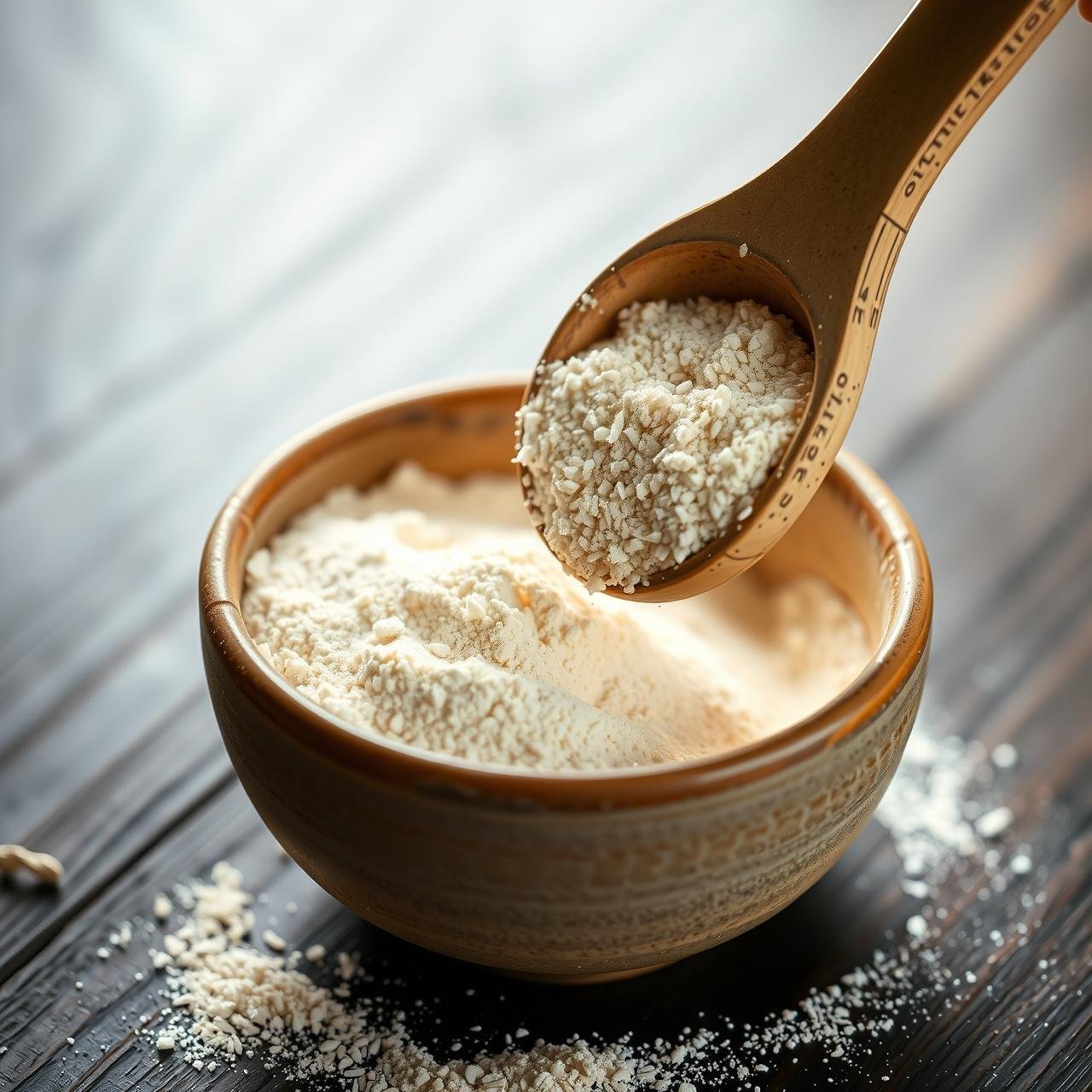
Before we roll up our sleeves, let’s demystify our star ingredient. Seitan (pronounced ‘say-tan’) is often called ‘wheat meat’ for good reason. It’s made from gluten, the main protein found in wheat. Specifically, we use vital wheat gluten, which is a fine powder that looks like flour but is almost pure protein. When you mix this powder with water and other flavorings, it forms a dense, elastic dough. The magic happens in the kneading and cooking process, which develops the gluten strands, creating a remarkably meat-like texture that can be manipulated to mimic everything from chicken to beef.
Its origins trace back centuries to ancient China, where it was developed by vegetarian Buddhist monks as a satisfying protein source. Unlike many modern processed meat alternatives, seitan is wonderfully simple at its core. It’s a fantastic option for health-conscious cooks as it’s naturally high in protein and low in fat and carbohydrates. For budget cooks, it’s a game-changer; a small bag of vital wheat gluten can produce a significant amount of ‘meat’ for a fraction of the cost of animal protein or pre-packaged substitutes. This recipe harnesses that potential to create a firm, sliceable, and incredibly chewy steak that stands up to grilling, pan-searing, and simmering in your favorite sauces.
Gathering Your Arsenal: Equipment & Ingredients
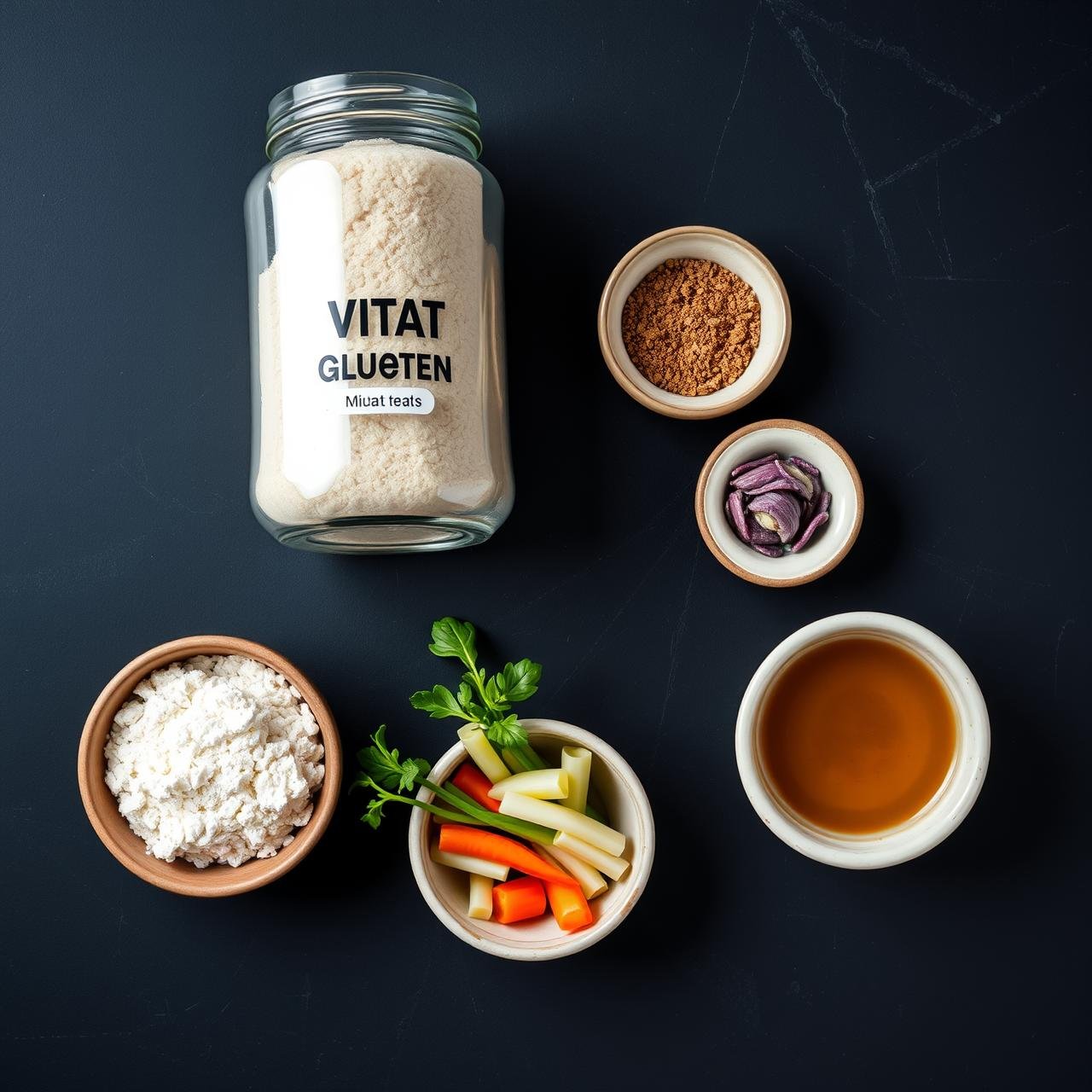
A great dish starts with the right tools and ingredients. This recipe uses simple, accessible components to build complex, savory flavor. We’ll break it down into what you need for the seitan dough itself and the aromatic broth it will simmer in—a crucial step for infusing flavor deep into the steaks.
Essential Kitchen Equipment
| Tool | Purpose |
|---|---|
| Large Mixing Bowl | For combining the dry and wet ingredients to form the dough. |
| Measuring Cups & Spoons | Precision is key for the right dough consistency. |
| Large Pot or Dutch Oven | For simmering the seitan steaks in their flavor bath. |
| Tongs | For safely handling the hot steaks. |
| Large Skillet (Cast-Iron Recommended) | For achieving that final, perfect, caramelized sear. |
For the Seitan Dough: The Foundation of Flavor
- Vital Wheat Gluten: 1 ½ cups. This is non-negotiable and the very foundation of our steaks. Do not substitute with any other flour.
- Nutritional Yeast: ¼ cup. Provides a savory, cheesy, and umami depth.
- Chickpea (Garbanzo Bean) Flour: ¼ cup. This is a secret weapon! It tenderizes the gluten just enough to prevent it from becoming rubbery, creating a more pleasant chew.
- Onion & Garlic Powder: 1 tablespoon each. These aromatics build the base layer of savory flavor.
- Smoked Paprika: 1 teaspoon. Adds a subtle smokiness reminiscent of grilled meats.
- Black Pepper: 1 teaspoon, freshly ground for the best flavor.
- Low-Sodium Vegetable Broth: 1 cup, lukewarm. Using broth instead of water adds flavor from the very start.
- Low-Sodium Soy Sauce or Tamari: ¼ cup. The primary source of salt and a huge umami booster.
- Tomato Paste: 2 tablespoons. Adds a rich, concentrated savory and slightly sweet note.
- Olive Oil: 1 tablespoon. Adds a little fat for a richer mouthfeel.
For the Simmering Broth: The Flavor Infusion
- Vegetable Broth: 8 cups. This is what the seitan will absorb, so use a good quality one!
- Soy Sauce or Tamari: ½ cup. Reinforces the savory, salty notes.
- Onion & Carrots: 1 large onion and 2 medium carrots, roughly chopped. These aromatics create a classic mirepoix base.
- Garlic: 4-5 cloves, smashed. Releases its essential oils into the broth.
- Bay Leaves: 2 leaves. Adds a subtle herbal background note.
- Whole Black Peppercorns: 1 tablespoon. For a gentle, pervasive spice.
The Art of Seitan: A Step-by-Step Culinary Journey
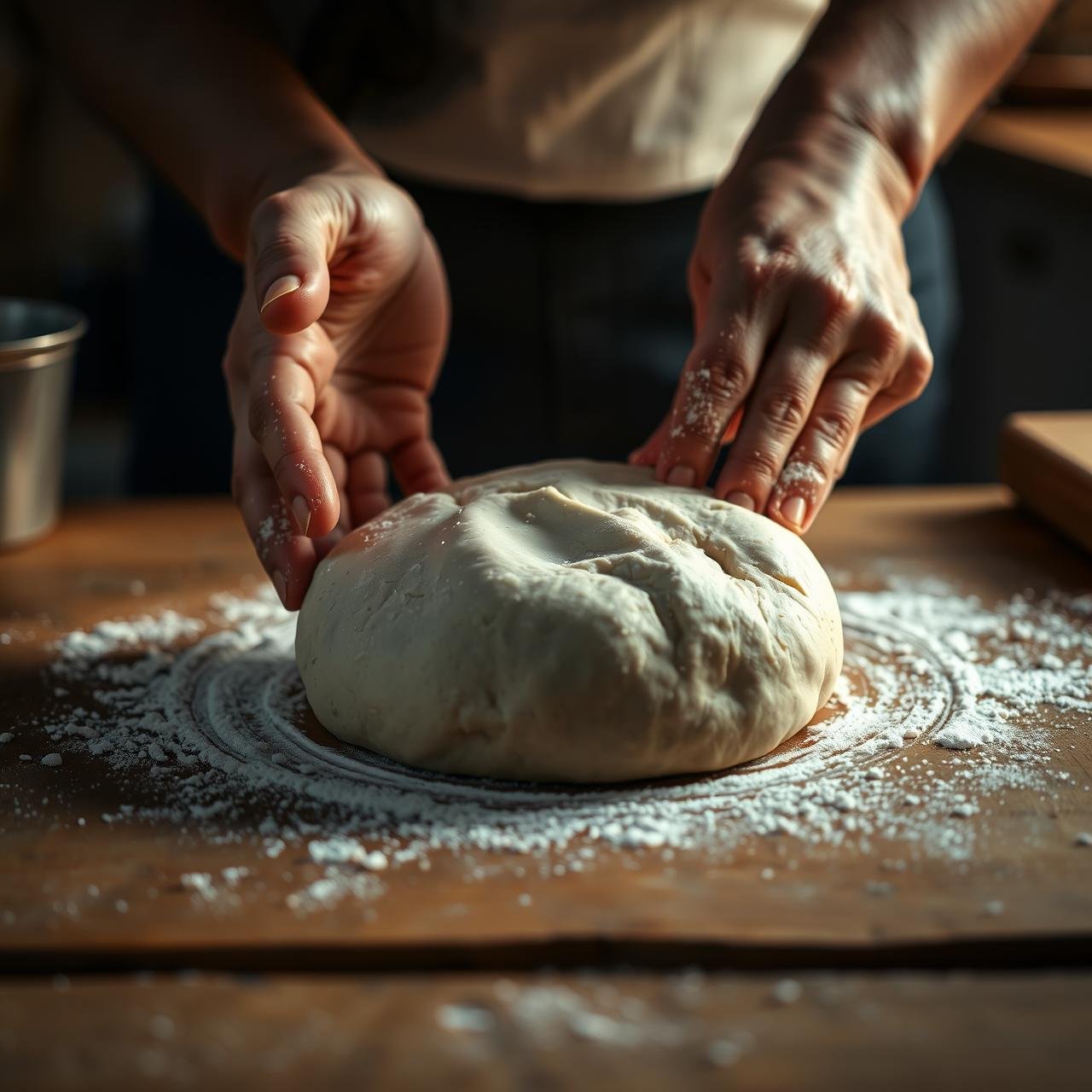
This is where the magic truly begins. Follow these steps closely, and you’ll be rewarded with the best seitan of your life. The process can be broken down into five key stages: mixing, kneading, shaping, simmering, and searing.
Part 1: Crafting the Dough
- Combine Dry Ingredients: In a large mixing bowl, whisk together the vital wheat gluten (1 ½ cups), nutritional yeast (¼ cup), chickpea flour (¼ cup), onion powder (1 tbsp), garlic powder (1 tbsp), smoked paprika (1 tsp), and black pepper (1 tsp). Ensure they are thoroughly combined to distribute the flavors evenly.
- Combine Wet Ingredients: In a separate smaller bowl or liquid measuring cup, stir together the lukewarm vegetable broth (1 cup), soy sauce (¼ cup), tomato paste (2 tbsp), and olive oil (1 tbsp) until the tomato paste is fully dissolved.
- Form the Dough: Pour the wet ingredients into the dry ingredients. Use a sturdy spatula or wooden spoon to mix until a shaggy, thick dough forms. There should be no dry patches of gluten powder left. It will come together very quickly.
Part 2: The Crucial Kneading Process
- Turn Out the Dough: Transfer the dough from the bowl onto a clean work surface. It will feel firm and elastic.
- Knead Thoroughly: Knead the dough firmly for 5-7 minutes. This is the most critical step for developing the gluten strands that create the chewy, fibrous texture. Use the heel of your hand to push the dough away from you, then fold it over and repeat. The dough should become smoother, very firm, and visibly stringy or fibrous when stretched. Don’t be tempted to under-knead! This effort is what separates great seitan from a spongy mess.
Part 3: Shaping and Resting
- Divide the Dough: Cut the dough ball into four equal pieces.
- Shape the Steaks: Take each piece and flatten it with your hands into a steak-like shape, about ½ to ¾-inch thick. Don’t worry about making them perfect; rustic shapes look more natural.
- Let it Rest: Place the shaped steaks on a plate and let them rest for about 10 minutes while you prepare the simmering broth. This brief rest allows the gluten to relax slightly, which helps with the texture.
Part 4: The Flavor-Infusing Simmer
- Prepare the Broth: In your large pot or Dutch oven, combine all the simmering broth ingredients: 8 cups vegetable broth, ½ cup soy sauce, the chopped onion and carrots, smashed garlic cloves, bay leaves, and whole peppercorns.
- Bring to a Boil, then Simmer: Bring the broth to a rolling boil over high heat, then immediately reduce the heat to low so the broth maintains a gentle, barely-there simmer. This is crucial: boiling the seitan will make it expand and become spongy. A gentle simmer is the key to a dense, firm texture.
- Simmer the Steaks: Carefully place the seitan steaks into the simmering broth. Ensure they are fully submerged. Cover the pot and let them simmer gently for 60 minutes. Flip them once about halfway through the cooking time.
- Cool in the Broth: After an hour, turn off the heat. For the best flavor and texture, allow the seitan steaks to cool down completely in the broth. This allows them to reabsorb even more of the savory liquid. You can even refrigerate them in the broth overnight for maximum flavor infusion.
Part 5: The Perfect Sear
- Heat Your Pan: Once cooled, remove the seitan steaks from the broth (you can strain and save the broth for future use!). Pat them dry with a paper towel. Heat a tablespoon of oil in a cast-iron or heavy-bottomed skillet over medium-high heat until it shimmers.
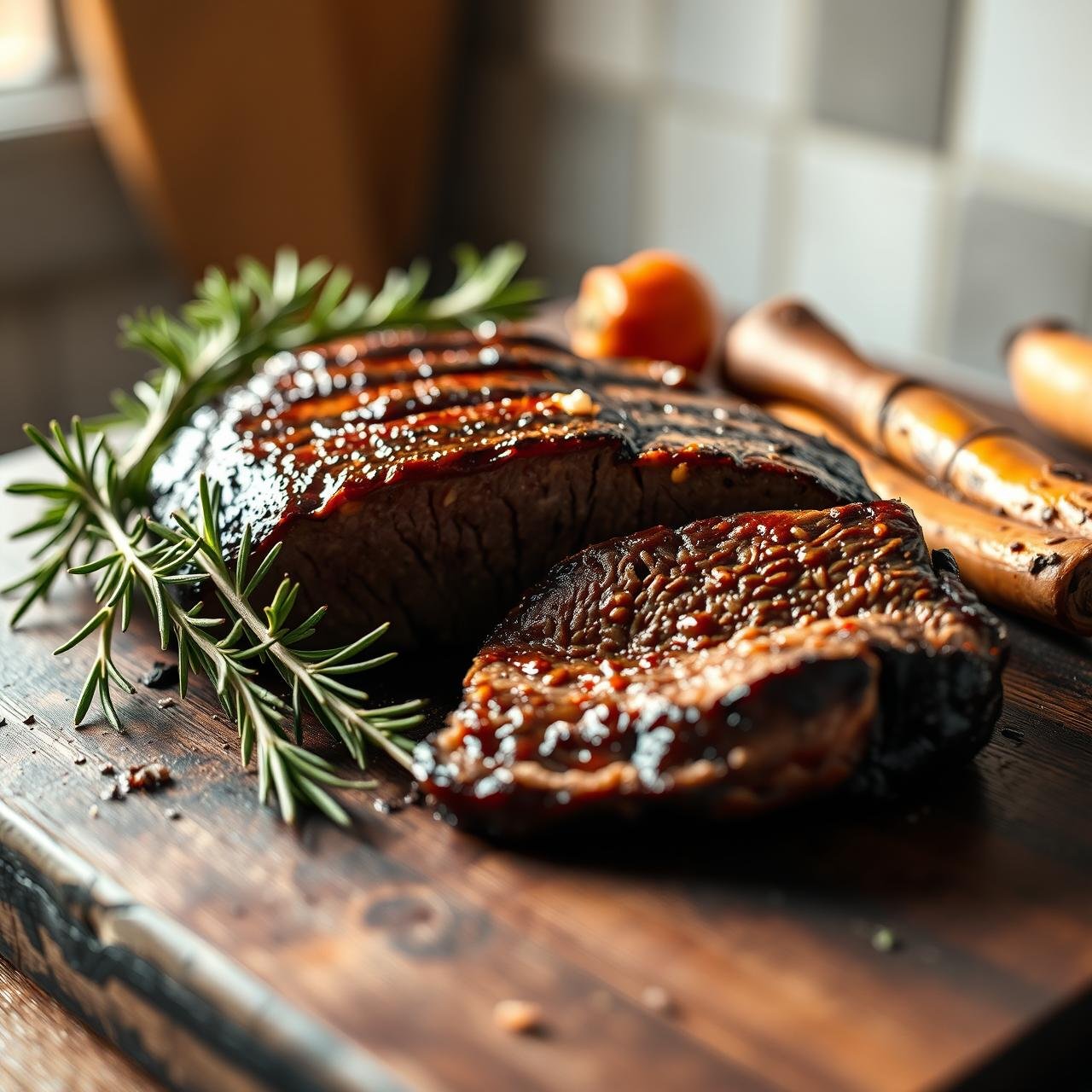
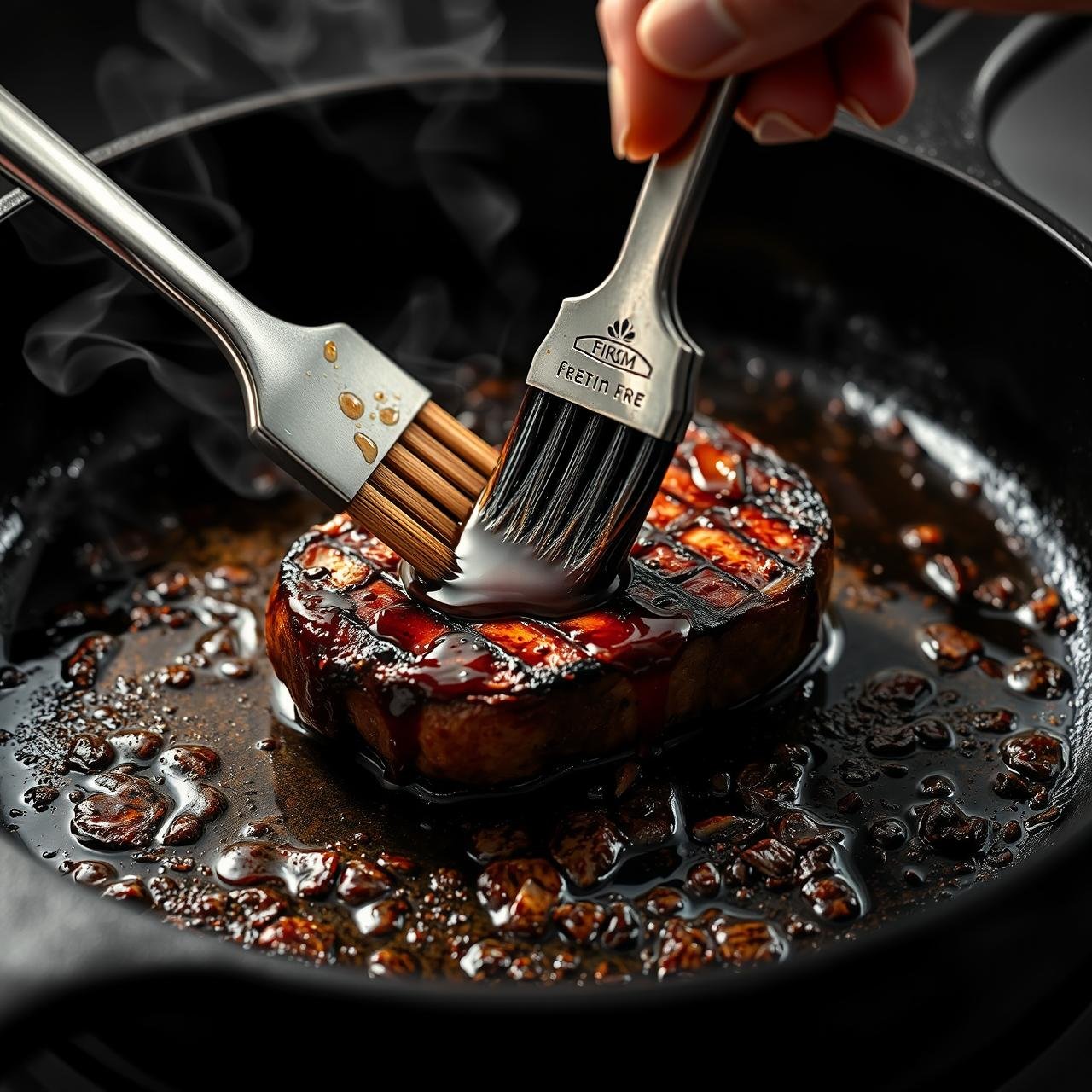
- Sear for a Crust: Place the steaks in the hot pan, being careful not to crowd them. Sear for 3-4 minutes per side, until a deep, dark brown, delicious crust forms. You can baste them with your favorite BBQ sauce, marinade, or a little of the simmering liquid during the last minute of cooking.
- Serve Immediately: Serve your beautiful, chewy seitan steaks hot, just as you would a traditional steak.
Chef’s Secrets for Seitan Success & Variations
Tips for the Perfect Texture
- Don’t Skip the Kneading: I cannot stress this enough. The 5-7 minutes of kneading is what builds the steak-like structure. Set a timer and put in the work!
- Simmer, Don’t Boil: A vigorous boil will ruin the texture, making the seitan puffy and soft. Look for only a few gentle bubbles rising to the surface.
- Cool in the Broth: Patience pays off. Letting the seitan cool in its cooking liquid makes it juicier and more flavorful. If you have the time, letting it sit in the fridge overnight is the ultimate pro move.
Flavor Variations & Customizations
- Smoky & Spicy: Add 1 teaspoon of liquid smoke to the wet ingredients and a pinch of cayenne pepper to the dry mix for a smoky, barbecue-style flavor.
- Mushroom Umami Bomb: Finely chop 4 ounces of mushrooms and sauté them until all their moisture has been released. Mix the cooked mushrooms into the seitan dough for an incredible depth of earthy, umami flavor.
- Herb-Infused: Add 1 tablespoon of dried Italian herbs like oregano, thyme, and rosemary to the dry ingredients for a more herbaceous, savory steak.
- ‘Beefy’ Broth: To create a more ‘beefy’ simmering broth, add a tablespoon of mushroom powder (like porcini), a splash of red wine, and a teaspoon of Marmite or blackstrap molasses.
Nutritional Powerhouse: A Look at the Benefits
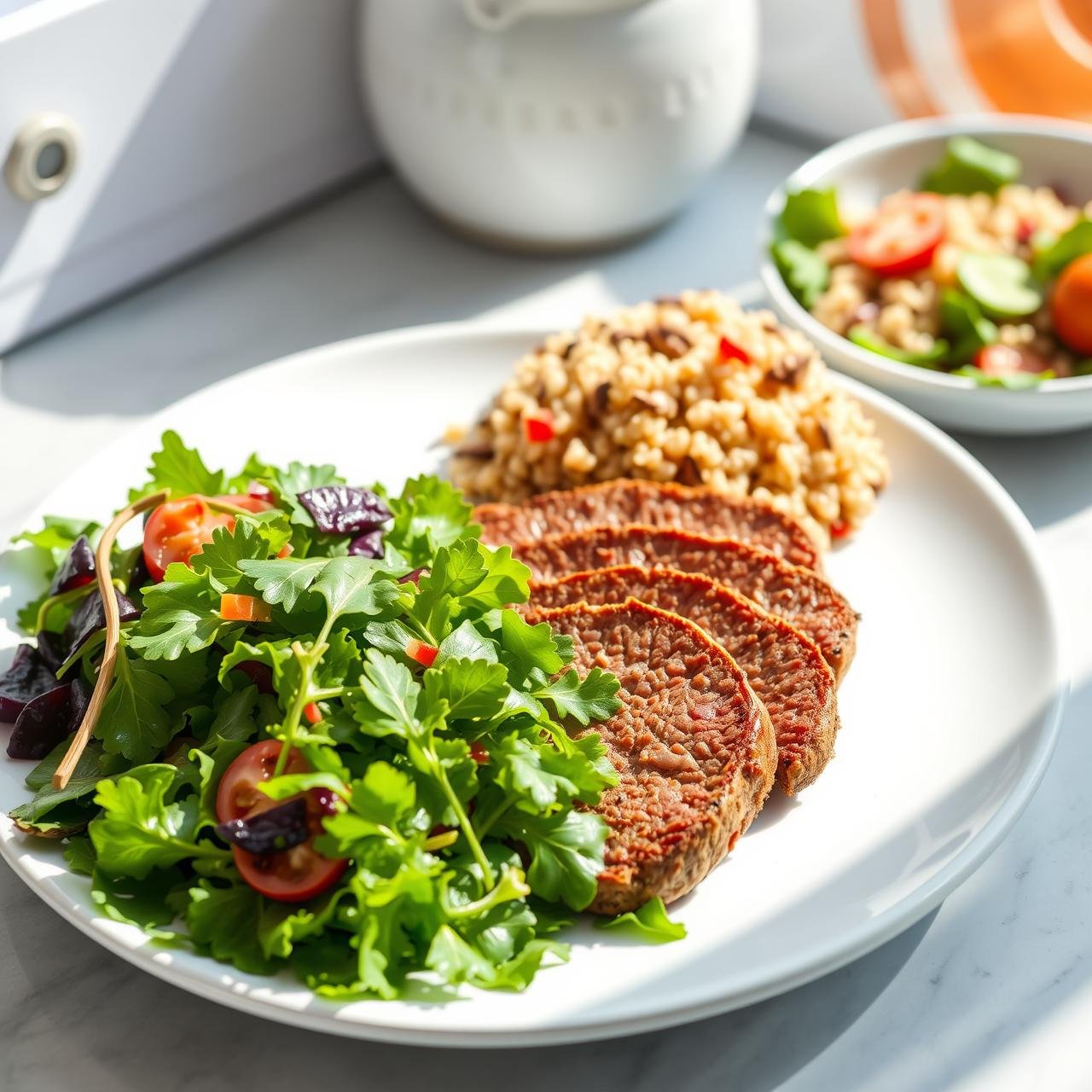
One of the primary reasons to embrace homemade seitan is its stellar nutritional profile. It’s a fantastic way for anyone, especially those on plant-based diets, to meet their protein needs without excess fat or carbs. Here’s an estimated breakdown per steak (assuming the recipe makes four).
| Nutrient | Estimated Amount per Serving |
|---|---|
| Calories | ~280-320 kcal |
| Protein | ~40-45 g |
| Carbohydrates | ~12 g |
| Fat | ~6 g |
| Fiber | ~3 g |
| Sodium | ~600 mg (varies with broth/soy sauce) |
Disclaimer: These values are an estimate and can vary based on the specific brands of ingredients used.
With upwards of 40 grams of protein per serving, these seitan steaks are a true powerhouse. This makes them incredibly satiating and excellent for muscle repair and growth. They are significantly leaner than most cuts of beef, making them a heart-healthy choice for health enthusiasts.
Storing and Using Your Seitan Steaks
Your delicious homemade seitan steaks are quite versatile and store wonderfully, making them perfect for meal prep.
Storage Instructions
- Refrigeration: Once cooled, store the seitan steaks in an airtight container in the refrigerator. For best results, store them submerged in some of the leftover simmering broth. This keeps them moist and flavorful. They will last for up to 5-7 days.
- Freezing: Seitan freezes exceptionally well. You can freeze the steaks individually on a baking sheet before transferring them to a freezer-safe bag or container. They can be frozen for up to 3 months. Thaw them in the refrigerator overnight before using.
Serving Suggestions
While delicious on their own, these steaks are a fantastic canvas for other dishes:
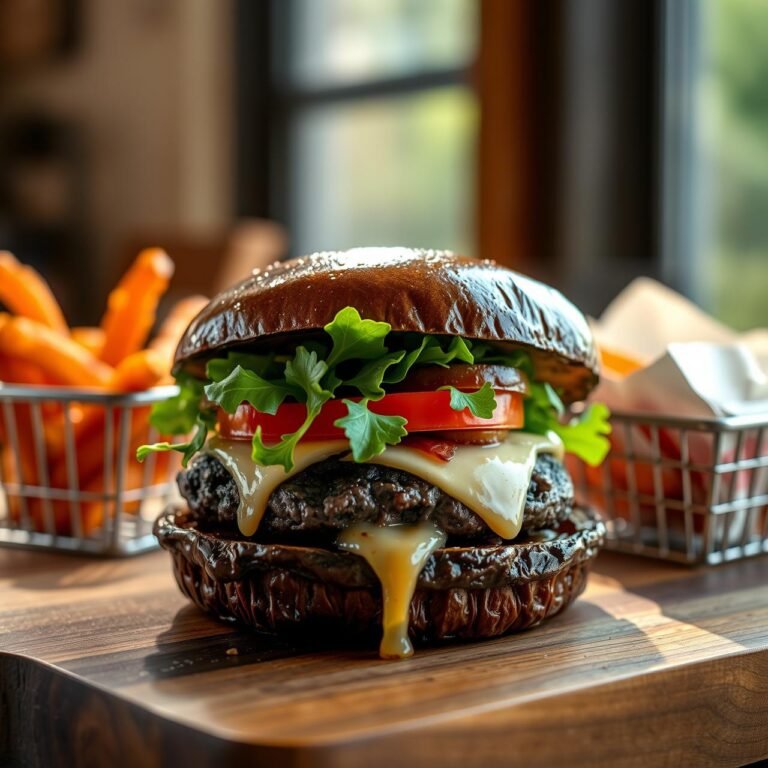
- Classic Steak Dinner: Serve with mashed potatoes, steamed green beans, and a mushroom gravy.
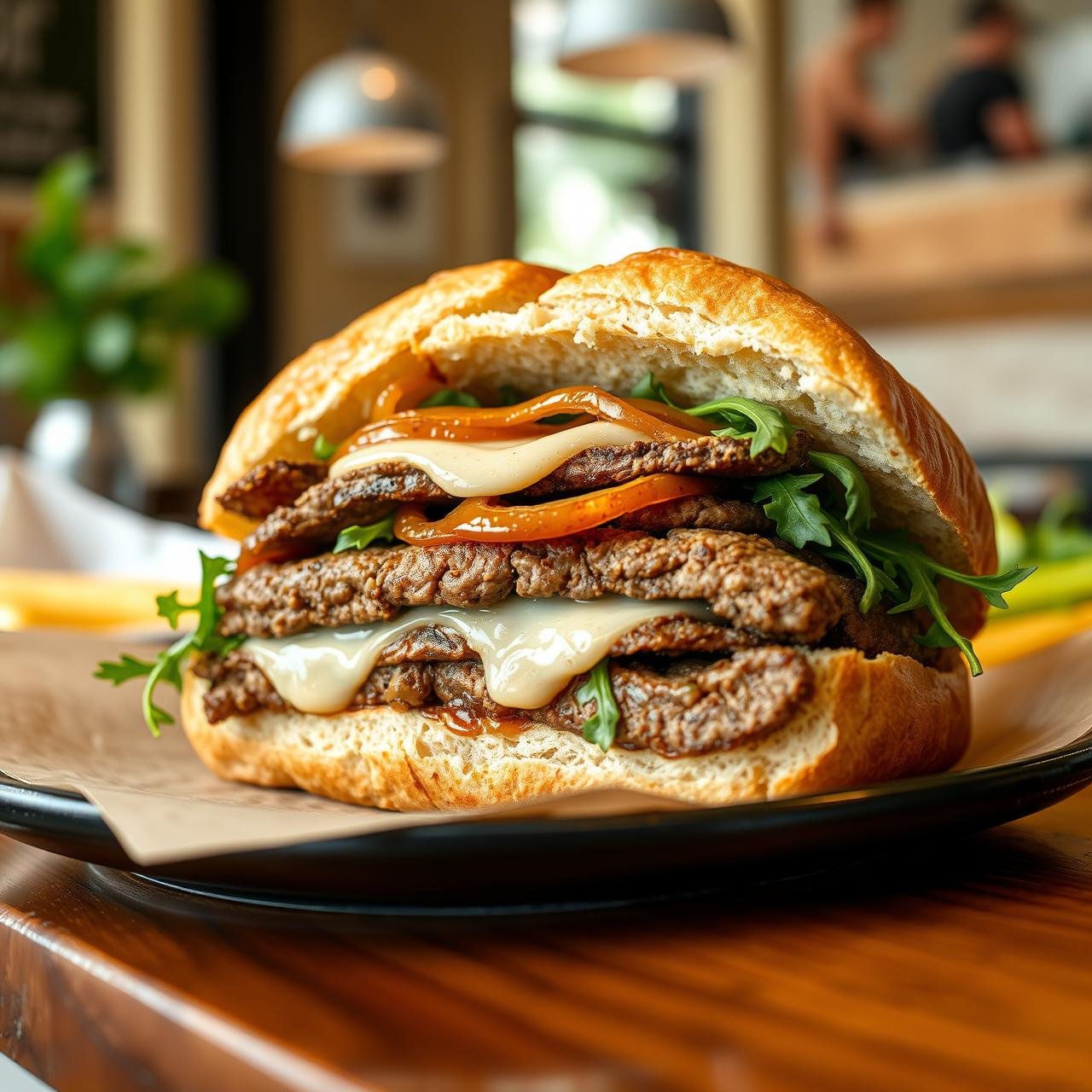
- Steak Sandwiches: Thinly slice the seitan and pile it high on crusty bread with caramelized onions, vegan provolone, and horseradish sauce.
- Stir-Fries: Cut the steaks into cubes or strips and add them to your favorite vegetable stir-fry for a protein boost.
- Fajitas: Slice into strips and sauté with bell peppers and onions. Serve with warm tortillas and all the fixings.
- On Salads: Cube or slice the seitan and use it to top a hearty salad for a satisfying and protein-rich lunch.
Conclusion
Crafting your own seitan steaks is more than just cooking; it’s an act of culinary creation that puts you in complete control of texture and flavor. You’ve now learned the techniques to move beyond bland, spongy substitutes and create something truly special—a plant-based protein that is robust, satisfying, and endlessly versatile. This recipe provides a solid, delicious foundation, but the real joy comes from making it your own. Experiment with spices, try different broths, and discover your perfect seitan creation. We hope these chewy, savory steaks earn a permanent, celebrated spot in your recipe collection.