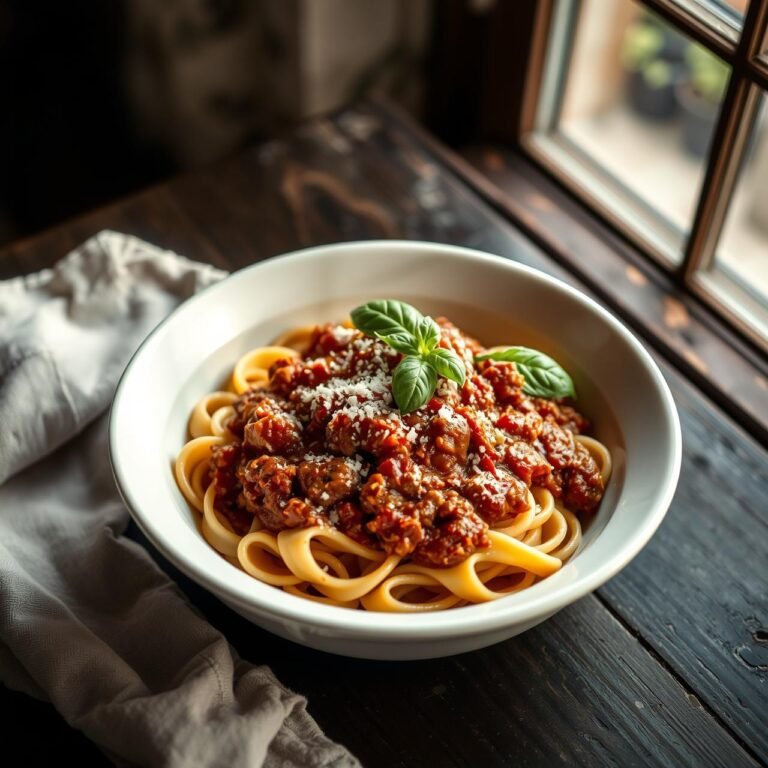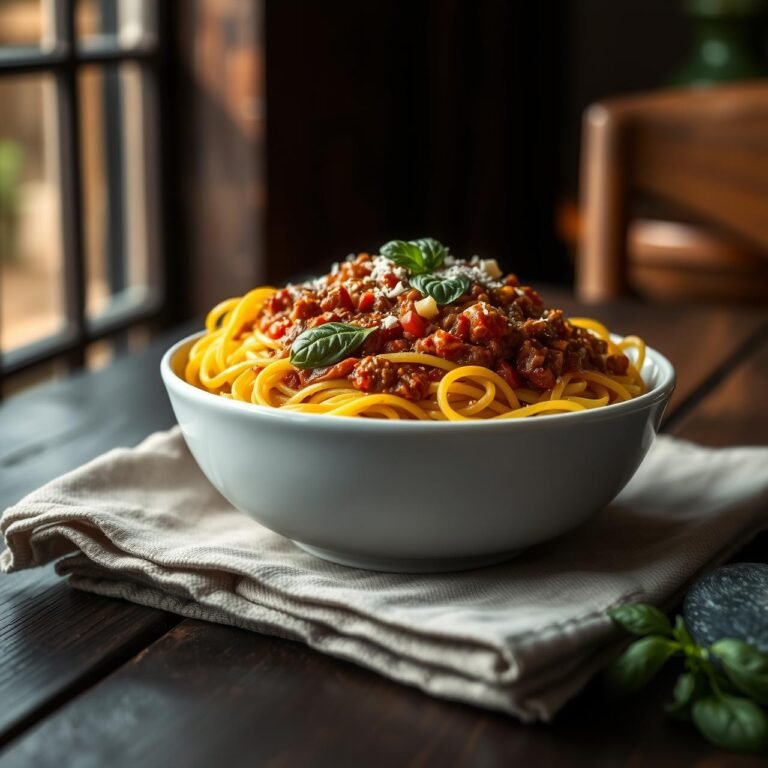
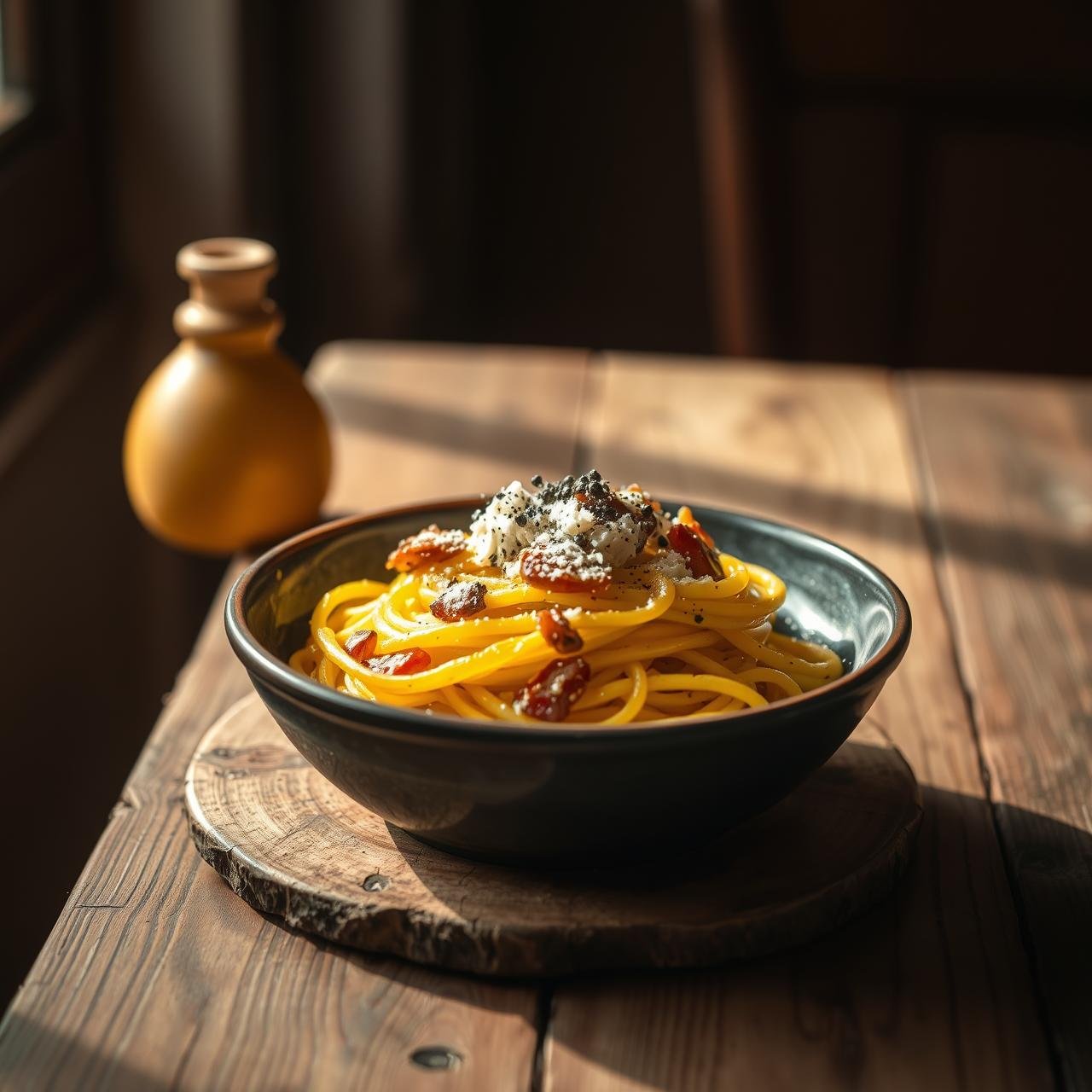
Cheesy Pasta Cravings Solved: Spaghetti Squash Carbonara (No Fluff)
There are few dishes as primally satisfying as a bowl of Carbonara. That silky, egg-rich sauce clinging to every strand, the salty bite of cured pork, the sharp tang of Pecorino cheese—it’s a symphony of flavor that speaks directly to the soul. But for those of us seeking a lighter, more vegetable-forward path, traditional pasta can feel like a heavy indulgence. Enter the culinary game-changer: spaghetti squash. This recipe is the answer to your deepest pasta cravings, delivering all the authentic, mouth-watering character of Carbonara with a wholesome, clever twist. We’re cutting the carbs, not the comfort. This is a no-fluff guide to creating a restaurant-worthy dish that is both rustic and refined, proving that healthy eating can be outrageously delicious.
Why This Recipe is a Revelation
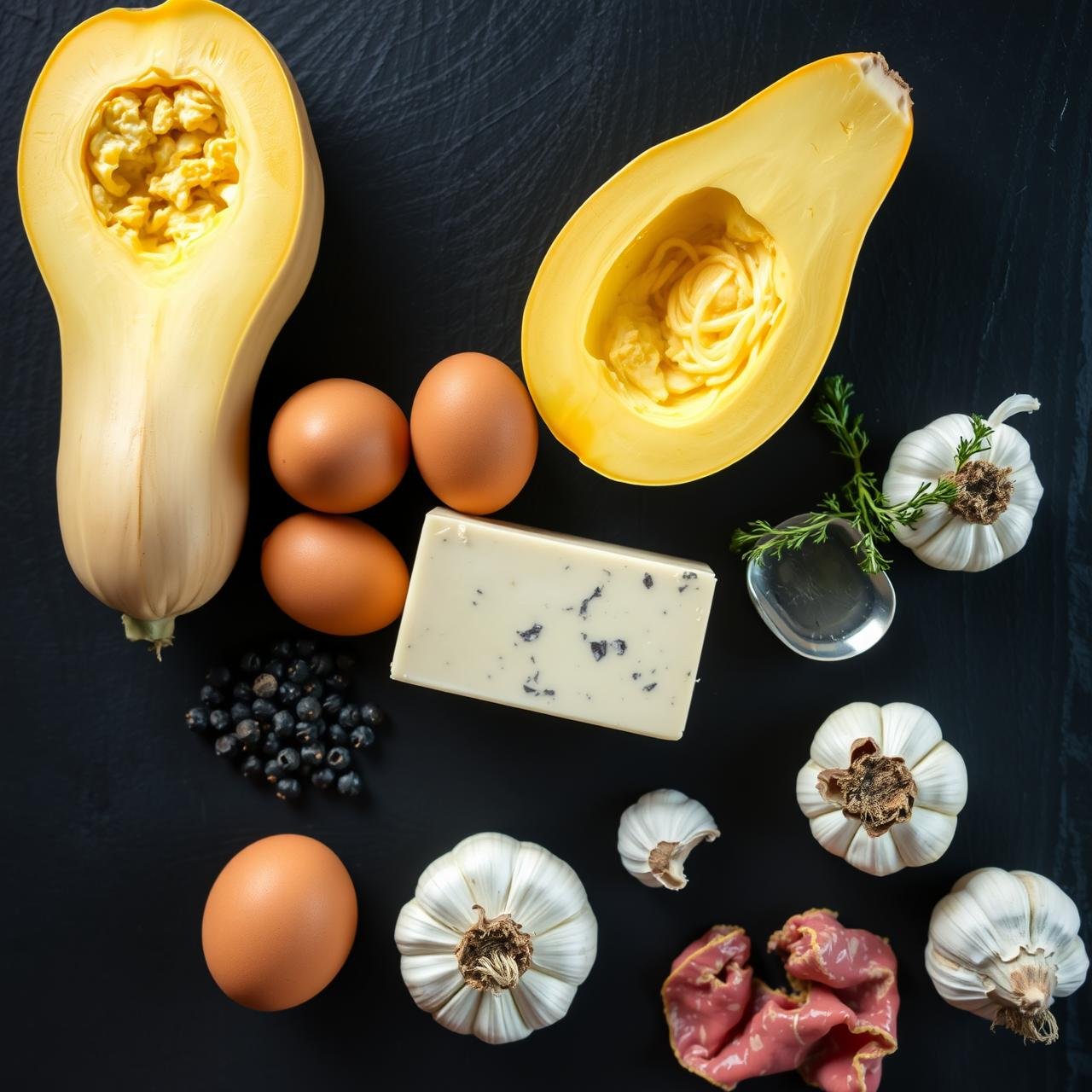
The magic of this dish lies in its perfect partnership of ingredients and technique. Spaghetti squash, when roasted properly, transforms into tender, thread-like strands that mimic the texture of angel hair pasta. It has a mild, slightly sweet flavor that provides a perfect canvas for the robust Carbonara sauce. Unlike pasta, it won’t leave you feeling sluggish. Instead, you get a boost of vitamins, fiber, and antioxidants. We’re not just making a substitute; we’re creating a new classic. This recipe respects the soul of Italian cooking—simple, high-quality ingredients prepared with care—while embracing a modern, health-conscious approach. It’s the ultimate culinary win-win.
The Anatomy of a Perfect Carbonara
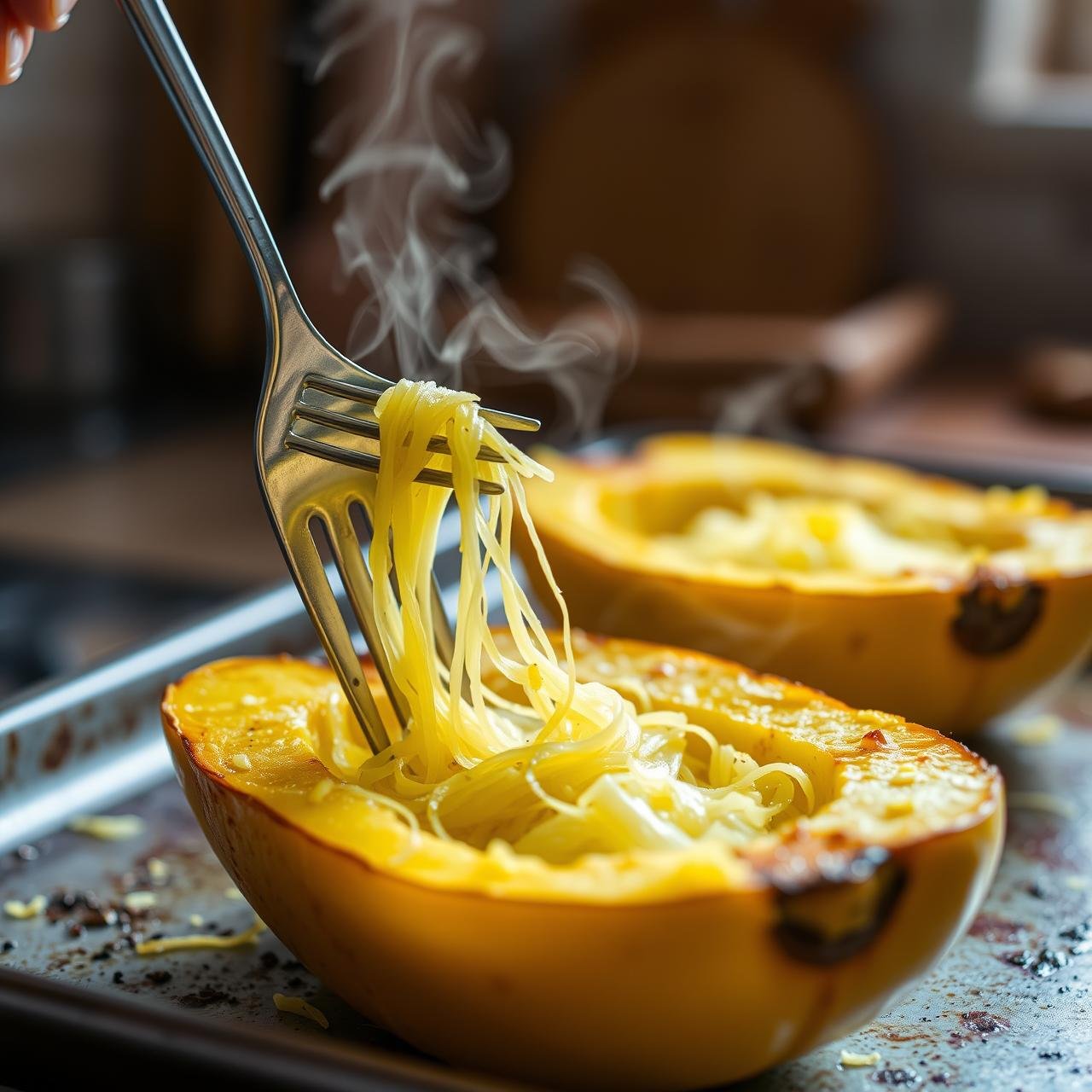
A true Carbonara is a lesson in simplicity, relying on the quality of a few core components. Understanding these ingredients is the first step to mastering the dish.
The Star Vegetable: Spaghetti Squash
Your foundation. Look for a firm, pale yellow squash that feels heavy for its size, with no soft spots or blemishes. A 3-4 pound squash is perfect for serving four people. We will roast it to concentrate its flavor and achieve that perfect al dente texture.
The Savory Pork: Guanciale vs. Pancetta
Traditionally, Carbonara is made with guanciale (cured pork jowl). It’s incredibly flavorful and renders a beautifully silky fat. However, it can be harder to find. High-quality, thick-cut pancetta is an excellent and more accessible alternative. In a pinch, thick-cut bacon will work, but be mindful of its smokier flavor profile.
The Silky Sauce: Eggs & Cheese
This is the heart of the dish. The creaminess comes from egg yolks, emulsified with the rendered pork fat and cheese—no cream allowed!. Use the freshest eggs you can find, and bring them to room temperature before you start. For cheese, Pecorino Romano is the authentic choice, offering a sharp, salty bite that cuts through the richness. Parmigiano-Reggiano is a fine substitute, though slightly milder and nuttier.
The Finishing Touches: Pepper & Garlic
Use whole black peppercorns and grind them fresh. The name ‘Carbonara’ is thought to be derived from ‘carbone’ (charcoal), referencing the generous amount of black pepper that looks like coal dust. A single clove of garlic, lightly smashed and sautéed in the pork fat, adds a subtle aromatic depth without overpowering the dish. It’s an optional but highly recommended step.
Essential Kitchen Equipment
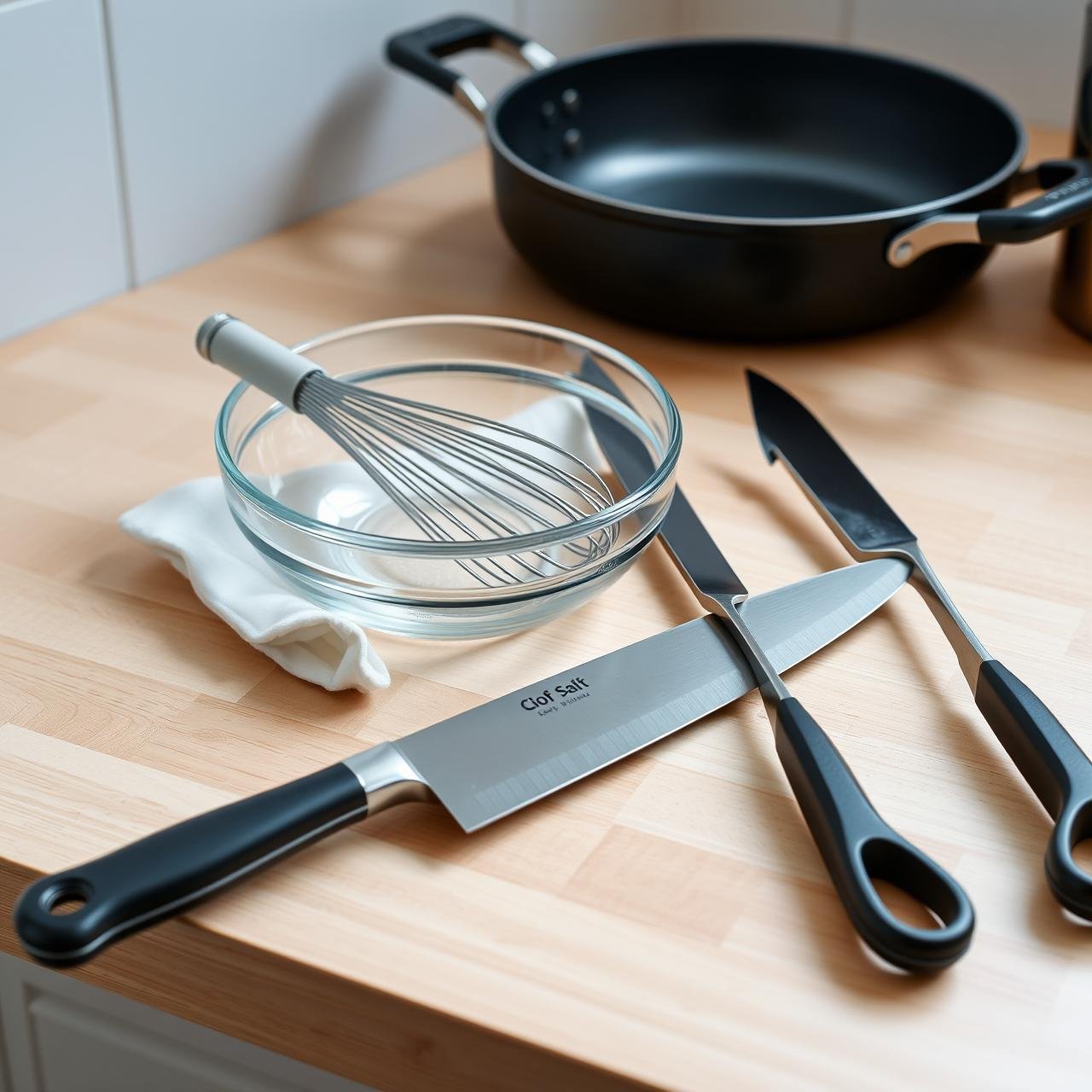
| Item | Purpose |
|---|---|
| Large Baking Sheet | For roasting the spaghetti squash evenly. |
| Sharp Chef’s Knife | Crucial for safely cutting the tough squash in half. |
| Large Skillet or Sauté Pan | For rendering the pork and combining the final dish. Needs to be large enough to hold all the squash. |
| Large Mixing Bowl | For preparing the egg and cheese sauce base. |
| Whisk | To ensure a smooth, lump-free egg and cheese mixture. |
| Tongs | For tossing the ‘pasta’ and sauce together effectively. |
Spaghetti Squash Carbonara: The Recipe
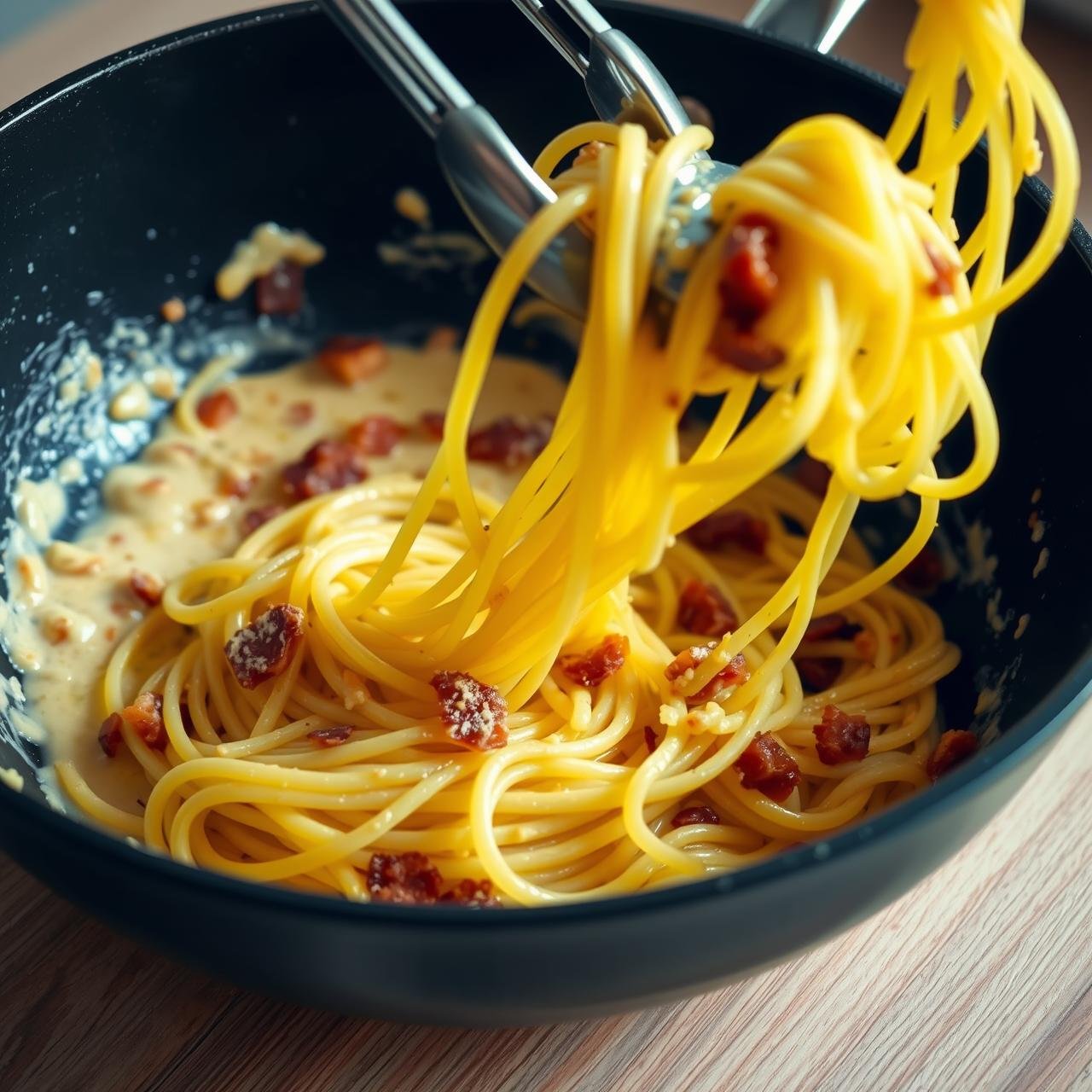
Ingredients
- 1 medium spaghetti squash (about 3 pounds)
- 1 tablespoon olive oil
- 6 ounces guanciale or thick-cut pancetta, cut into small lardons (cubes)
- 1 small garlic clove, smashed and peeled
- 3 large egg yolks, plus 1 whole large egg, at room temperature
- 1 cup freshly grated Pecorino Romano cheese, plus more for serving
- 1 teaspoon freshly and coarsely ground black pepper, plus more for serving
- Salt to taste
Instructions
-
Prepare and Roast the Squash:
Preheat your oven to 400°F (200°C). Carefully slice the spaghetti squash in half lengthwise. Use a spoon to scoop out the seeds and stringy pulp. Rub the cut surfaces with olive oil and season generously with salt and pepper. Place the halves cut-side down on a large baking sheet. Roast for 30-40 minutes, or until the squash is tender and easily pierced with a fork. The exterior should be lightly browned. Once cooked, let it cool just enough to handle.
-
Create the Carbonara Base:
While the squash roasts, prepare your sauce. In a large mixing bowl, whisk together the 3 egg yolks, 1 whole egg, 1 cup of grated Pecorino Romano, and the teaspoon of coarsely ground black pepper. Whisk vigorously until the mixture is smooth, pale yellow, and creamy. Set it aside.
-
Render the Pork:
Place the cubed guanciale or pancetta in a large, cold skillet. Turn the heat to medium-low. This slow rendering process allows the fat to melt away, leaving behind incredibly crispy, golden-brown pieces of pork. This should take about 10-15 minutes. Once crispy, add the smashed garlic clove and sauté for another minute until fragrant. Use a slotted spoon to remove the pork and garlic, leaving the rendered fat in the skillet. Discard the garlic clove. Keep the skillet with the fat warm over very low heat.
-
Shred the ‘Pasta’:
Once the roasted squash is cool enough to touch, use a fork to scrape the flesh from the skin. The squash will naturally separate into long, spaghetti-like strands. Fluff them up and set aside.
-
Bring It All Together (The Critical Step):
This step is all about timing and temperature control to avoid scrambled eggs. Add the shredded spaghetti squash to the warm skillet with the rendered pork fat. Toss well to coat every strand and heat it through, about 2 minutes. CRUCIAL: Remove the skillet from the heat completely. Let it cool for a moment. Now, pour the egg and cheese mixture over the hot squash. Working quickly, use tongs to toss everything together continuously. The residual heat from the squash and the fat will cook the eggs into a creamy, luscious sauce that coats every strand. Do not return the pan to the heat. The sauce should be glossy, not curdled.
-
Serve Immediately:
Stir in most of the crispy pork pieces (saving some for garnish). Taste and adjust seasoning if needed, though the pork and cheese provide plenty of saltiness. Divide the Spaghetti Squash Carbonara among warm bowls. Garnish with the remaining crispy pork, another generous grating of Pecorino Romano, and a final flourish of freshly cracked black pepper. Serve immediately and enjoy.
Chef’s Tips for Flawless Results
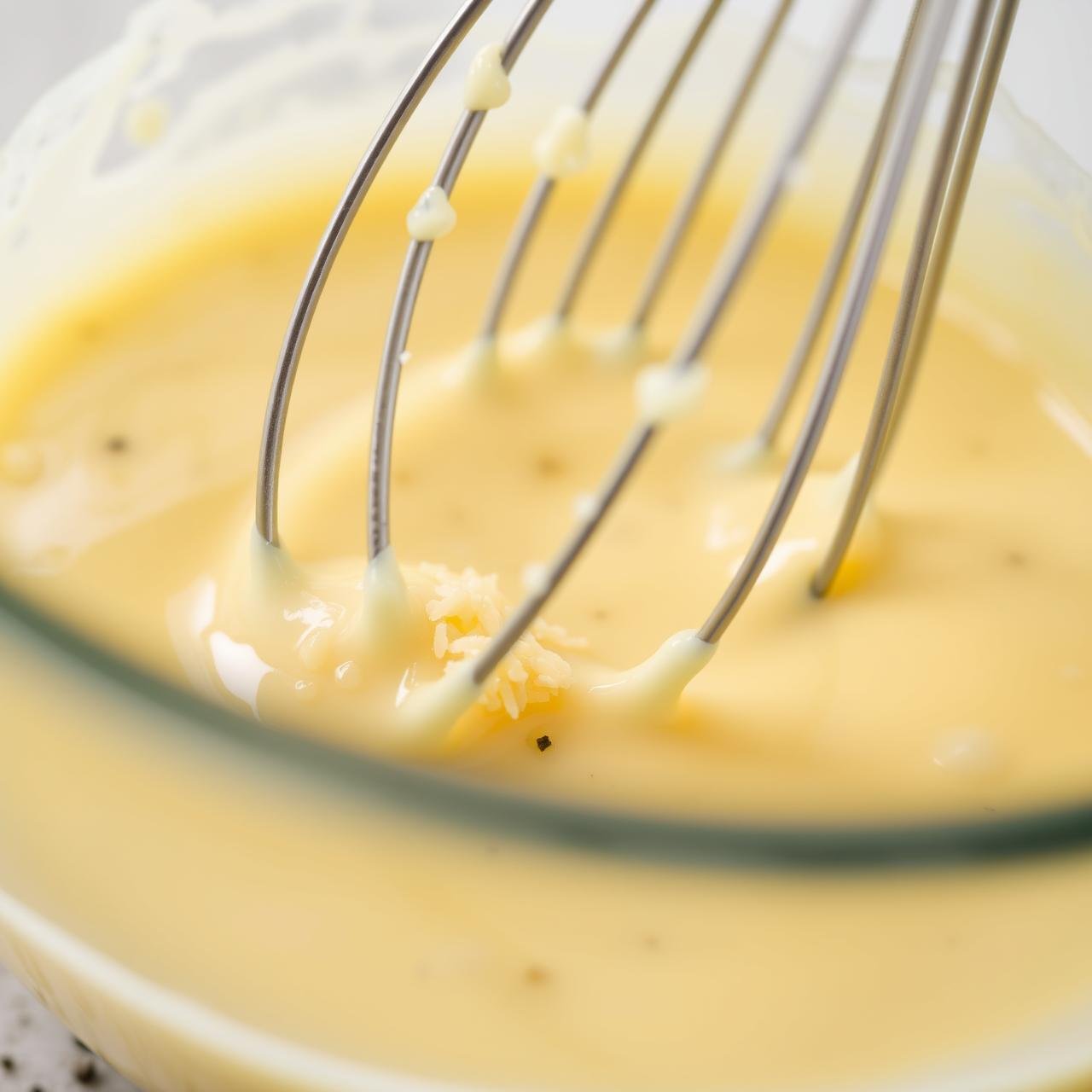
Don’t Scramble the Eggs!
The number one rule of Carbonara. The key is tempering the eggs with the residual heat of the squash and skillet, NOT direct heat. Always remove the pan from the stove before adding the egg mixture. Constant, vigorous tossing is your best friend here.
Reserve Some ‘Squash Water’
When you first roast the squash, a little water might pool on the baking sheet. This water is starchy and flavorful. You can reserve a tablespoon or two. If your sauce seems too thick after tossing, a tiny splash of this liquid can help loosen it to the perfect consistency, just like traditional pasta water.
Room Temperature is Key
Using room temperature eggs helps them emulsify into a smooth sauce more easily and reduces the risk of them scrambling from the temperature shock of the hot pan.
Serve in Warm Bowls
Carbonara waits for no one! The sauce can thicken and congeal as it cools. Gently warming your serving bowls beforehand will help keep the dish at the perfect temperature for longer, ensuring every bite is as creamy as the first.
Nutrition at a Glance
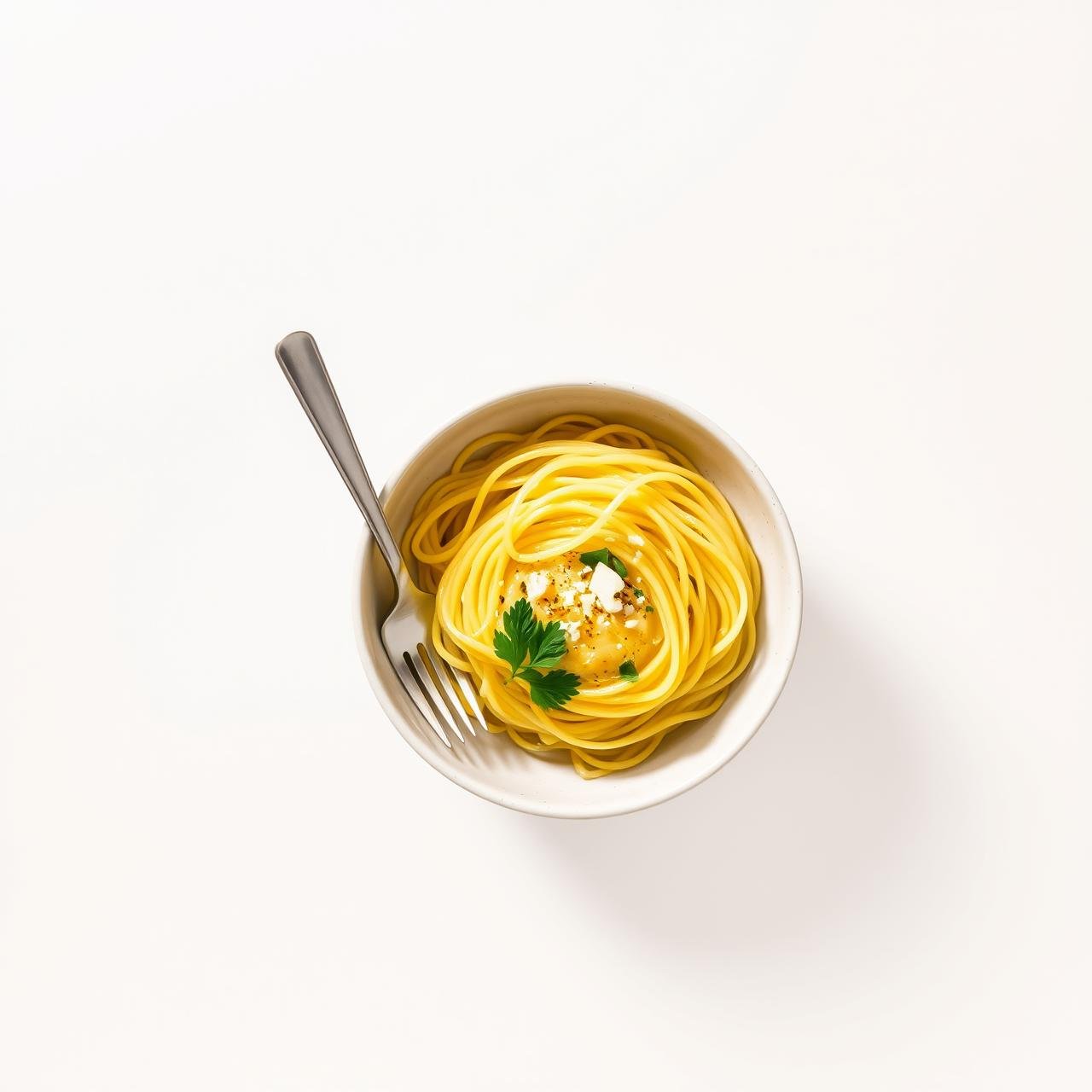
Here is an estimated nutritional breakdown for one serving (recipe makes four servings). Please note that these values are approximate and can vary based on specific ingredients used.
| Nutrient | Amount per Serving |
|---|---|
| Calories | ~450 kcal |
| Protein | ~22g |
| Fat | ~35g |
| Carbohydrates | ~12g |
| Fiber | ~3g |
| Net Carbs | ~9g |
Storage and Reheating
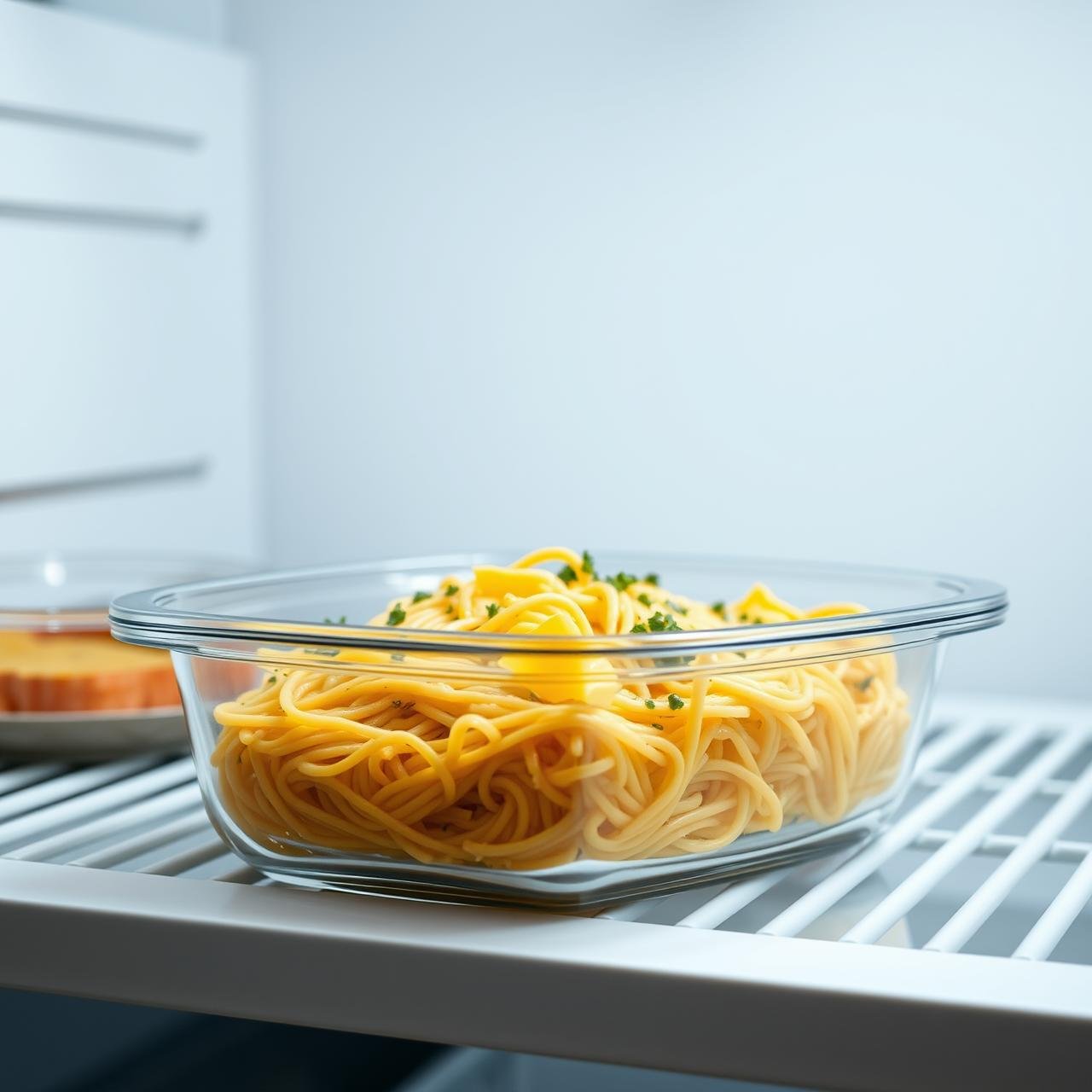
Like most egg-based sauces, Carbonara is undeniably best when enjoyed fresh. The sauce is most luscious and creamy right after it’s made. However, if you do have leftovers, they can be stored in an airtight container in the refrigerator for up to 2 days.
To reheat, avoid the microwave as it will likely scramble the eggs and make the squash watery. The best method is to gently reheat the leftovers in a non-stick skillet over low heat. You may need to add a splash of water or a touch of olive oil to help loosen the sauce and bring back some of its creaminess. Stir gently until just warmed through.
Conclusion
You’ve just unlocked a recipe that truly delivers on all fronts: it’s a powerhouse of flavor, a champion of healthy ingredients, and a deeply satisfying answer to the most intense comfort food cravings. This Spaghetti Squash Carbonara isn’t about compromise; it’s about culinary creativity. It proves that you can honor the traditions of a beloved classic while nourishing your body in a modern way. So the next time you crave that cheesy, peppery, savory goodness, reach for a spaghetti squash and create a meal that is as impressive as it is wholesome. Buon appetito!