Better-Than-Takeout Cauliflower Fried Rice With Shrimp (No Fluff)
Better-Than-Takeout Cauliflower Fried Rice With Shrimp (No Fluff)
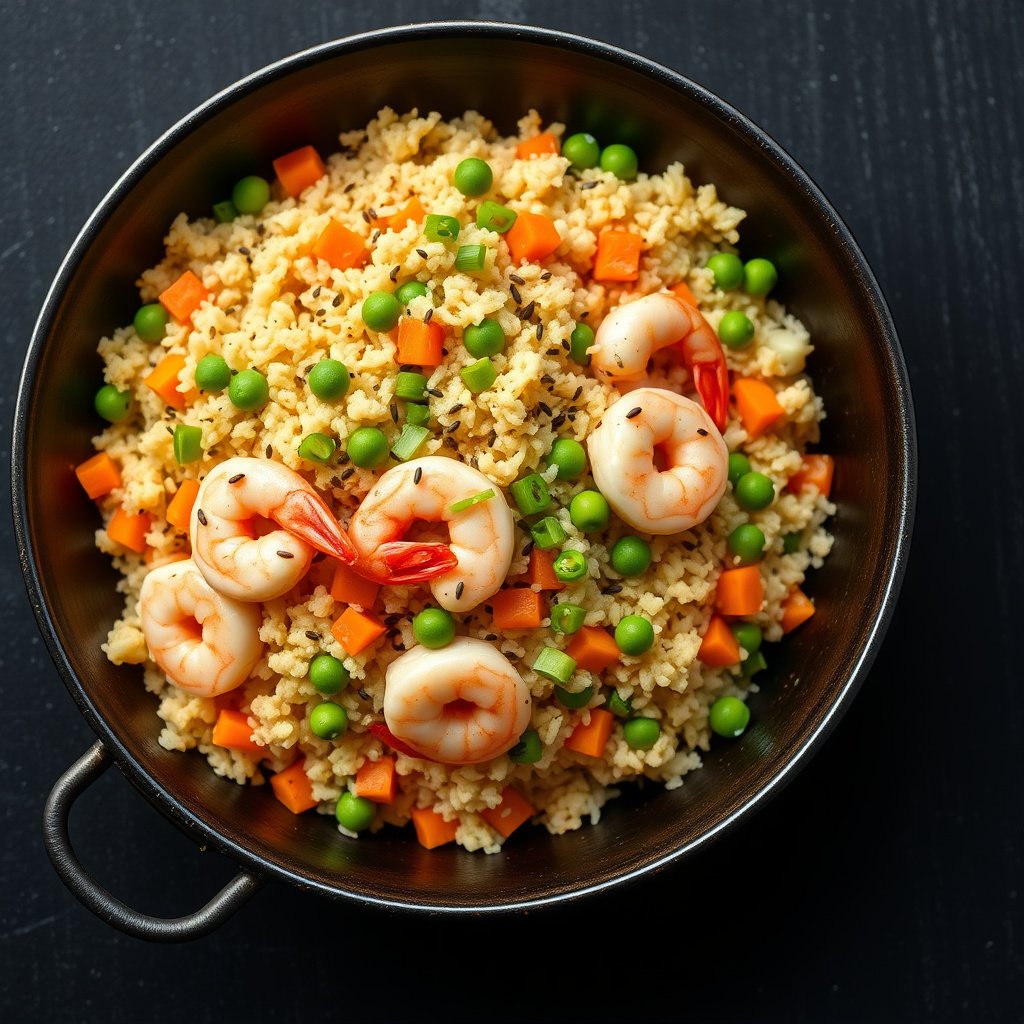
Craving the savory, satisfying flavor of Chinese takeout but looking for a healthier, low-carb option? This Better-Than-Takeout Cauliflower Fried Rice with Shrimp delivers all the authentic taste you love without the guilt. By swapping traditional rice for nutrient-dense cauliflower, this dish transforms a classic comfort food into a keto-friendly powerhouse. It’s incredibly fast, coming together in under 30 minutes, making it the perfect solution for a busy weeknight dinner. This recipe is meticulously crafted to ensure a perfect texture—no soggy cauliflower here—and a flavor profile that rivals your favorite restaurant. Prepare to be amazed at how simple and delicious healthy eating can be.
15 minutes
15 minutes
30 minutes
4 servings
Main Course
Stir-Frying
Asian
Low-Carb, Gluten-Free, Keto-Friendly
Why You’ll Love This Recipe
- Low-Carb & Keto-Friendly: An excellent grain-free alternative with significantly fewer carbs than traditional fried rice.
- Ready in 30 Minutes: A quick and efficient one-pan meal perfect for weeknight dinners.
- Packed with Protein: Loaded with succulent shrimp and scrambled eggs for a filling and satisfying dish.
- Authentic Flavor: A carefully balanced sauce of tamari, sesame oil, and aromatics mimics classic takeout taste.
- Highly Customizable: Easily adaptable with different proteins or your favorite low-carb vegetables.
Equipment You’ll Need
- Large wok or 12-inch non-stick skillet
- Food processor or box grater (if using a whole cauliflower)
- Cutting board and sharp knife
- Small bowl (for the sauce)
- Medium bowl (for the shrimp)
- Whisk
- Measuring cups and spoons
- High-heat spatula or wooden spoon
Ingredients
- 1 large head of cauliflower (about 2 lbs), riced, or 4 cups of pre-riced cauliflower
- 1 lb large shrimp, peeled, deveined, and tails removed
- 2 large eggs, lightly beaten
- 1 tablespoon avocado oil or other high-smoke-point oil, divided
- 1 cup frozen peas and diced carrots blend
- 4 scallions, thinly sliced, whites and greens separated
- 3 cloves garlic, minced
- 1 tablespoon fresh ginger, grated
- 1/4 cup gluten-free tamari or low-sodium soy sauce
- 2 teaspoons toasted sesame oil
- 1 teaspoon rice vinegar
- Toasted sesame seeds, for garnish (optional)
Instructions
- Prepare the Cauliflower: If using a whole head, cut it into florets and pulse in a food processor in batches until it resembles rice grains. Be careful not to over-process. Alternatively, use the large holes of a box grater. Set aside.
- Make the Sauce: In a small bowl, whisk together the tamari (or soy sauce), toasted sesame oil, and rice vinegar. Set aside.
- Prep the Shrimp: Pat the shrimp completely dry with paper towels. This is crucial for getting a good sear. Season lightly with salt and pepper if desired.
- Cook the Eggs: Heat 1 teaspoon of avocado oil in your wok or large skillet over medium-high heat. Add the beaten eggs and scramble until just cooked through, about 1-2 minutes. Remove from the wok and set aside.
- Cook the Shrimp: Add another teaspoon of oil to the hot wok. Add the shrimp in a single layer and cook for 1-2 minutes per side, until pink and opaque. Do not overcrowd the pan; cook in batches if necessary. Remove the shrimp from the wok and set aside with the eggs.
- Sauté Aromatics and Vegetables: Add the remaining 1 teaspoon of oil to the wok. Add the scallion whites, minced garlic, and grated ginger. Stir-fry for 30-60 seconds until fragrant. Add the frozen peas and carrots blend and cook, stirring frequently, for 2-3 minutes until tender-crisp.
- Stir-Fry the Cauliflower Rice: Increase the heat to high. Add the cauliflower rice to the wok. Spread it out and let it cook, undisturbed, for 2-3 minutes to allow some moisture to evaporate and for it to get slightly browned. Then, stir-fry for another 4-5 minutes, until tender-crisp. The goal is to fry it, not steam it.
- Combine and Finish: Reduce the heat to medium. Push the cauliflower rice to the sides of the wok to create a well in the center. Pour the sauce mixture into the center and let it sizzle for 30 seconds. Then, toss everything together to coat the cauliflower rice evenly. Add the cooked shrimp, scrambled eggs, and scallion greens back to the wok. Toss gently to combine and heat through for 1-2 minutes.
- Serve: Immediately transfer the cauliflower fried rice to serving bowls. Garnish with toasted sesame seeds and extra scallion greens if desired.
Expert Cooking Tips
- Dry Ingredients are Key: Ensure both your cauliflower rice and shrimp are as dry as possible before they hit the pan. Excess moisture will cause steaming, resulting in a soggy texture.
- Don’t Crowd the Pan: Use the largest wok or skillet you have. If necessary, cook the cauliflower rice in two batches to ensure it fries properly rather than steams.
- Embrace High Heat: Authentic stir-frying relies on high, consistent heat. Get your pan very hot before adding ingredients to achieve the perfect sear and ‘wok hei’ flavor.
- Mise en Place is Non-Negotiable: The stir-frying process is extremely fast. Have all your ingredients chopped, measured, and organized next to your stove before you even turn on the heat.
Substitutions and Variations
Protein: Substitute shrimp with 1 lb of diced chicken breast, thinly sliced pork, or firm tofu (pressed well to remove moisture). Adjust cooking times accordingly. Vegetables: Feel free to add other quick-cooking vegetables like bean sprouts, chopped bell peppers, broccoli florets, or mushrooms. Sauce: For a soy-free alternative, use coconut aminos. For a spicy kick, add 1-2 teaspoons of sriracha or a pinch of red pepper flakes to the sauce.
Common Mistakes to Avoid
Over-Processing the Cauliflower: Pulsing the cauliflower for too long in the food processor will turn it into a paste. Pulse in short bursts until it reaches a rice-like consistency. Using a Small Pan: A small pan leads to overcrowding, which is the primary cause of soggy cauliflower fried rice. Give your ingredients space to fry. Adding the Sauce Too Soon: Pouring the sauce in while the cauliflower is still releasing water will create a soupy mess. Wait until the cauliflower is tender-crisp and slightly browned before adding the sauce at the very end.
Serving Suggestions
Serve this dish hot, straight from the wok. It’s a complete meal on its own, but pairs wonderfully with a side of steamed edamame, a simple Asian cucumber salad, or kimchi. For extra flavor and texture, offer chili garlic sauce, sriracha, or a drizzle of spicy mayo on the side.
Storage and Reheating Tips
Store any leftovers in an airtight container in the refrigerator for up to 3 days. For best results, reheat in a hot skillet or wok with a small amount of oil until warmed through. This method helps to revive the texture, whereas microwaving can sometimes make the cauliflower release more water.
Nutrition Facts (Estimated)
| Serving Size | 1 serving (approx. 2 cups) |
| Calories | 415 kcal |
| Fat | 22g |
| Saturated Fat | 4.5g |
| Unsaturated Fat | 17.5g |
| Trans Fat | 0g |
| Cholesterol | 260mg |
| Sodium | 890mg |
| Carbohydrates | 16g |
| Fiber | 6g |
| Sugar | 7g |
| Protein | 38g |
Frequently Asked Questions
Can I use frozen riced cauliflower?
Absolutely. Thaw the frozen cauliflower rice completely and, most importantly, squeeze out as much excess water as possible using a cheesecloth or a clean kitchen towel. This step is critical to prevent a watery final dish.
My cauliflower rice always comes out soggy. What am I doing wrong?
Sogginess is usually caused by three things: excess moisture, a crowded pan, or not enough heat. Ensure your cauliflower is dry, use a large wok on high heat, and cook in batches if needed. This allows the water to evaporate quickly, frying the cauliflower instead of steaming it.
Is this recipe suitable for meal prep?
Yes, it’s great for meal prep. You can cook a large batch and portion it into individual containers. It holds up well in the refrigerator for a few days. For the best texture upon reheating, use a skillet instead of a microwave.
Conclusion
This Better-Than-Takeout Cauliflower Fried Rice with Shrimp is more than just a healthy recipe; it’s a testament to the fact that you don’t have to sacrifice flavor for nutrition. It’s fast, versatile, and profoundly satisfying, proving that a delicious, restaurant-quality meal is easily achievable in your own kitchen. Give this recipe a try, and it’s sure to become a staple in your weeknight dinner rotation.