Better Than Rice: Toasted Buckwheat Kasha For Maximum Satiety (No Fluff Guide)
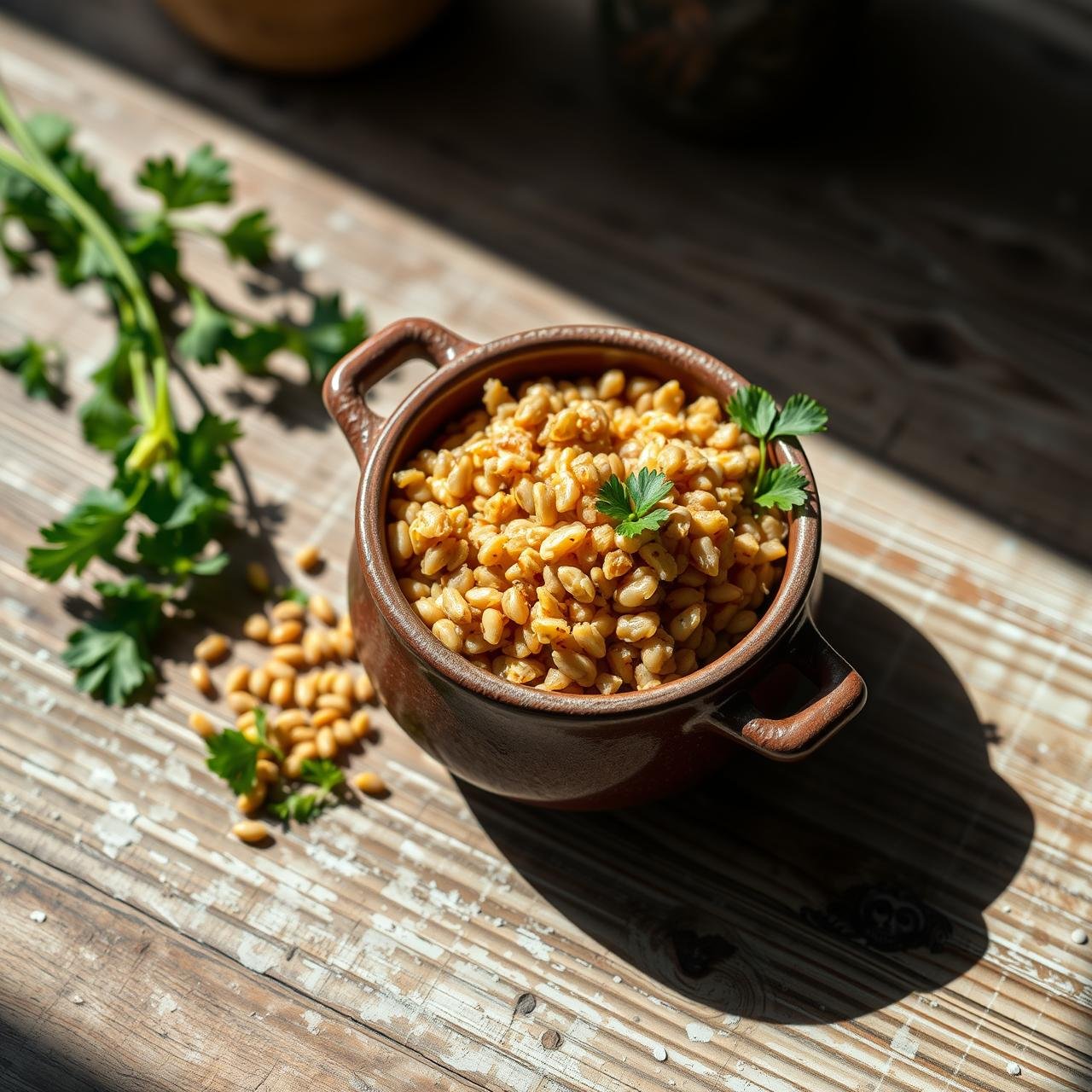
Imagine an aroma filling your kitchen—a scent that’s deeply earthy, wonderfully nutty, and promises a meal that is both comforting and profoundly nourishing. That is the magic of toasting buckwheat. We’re not talking about the flour in your pancakes; we’re talking about kasha, the roasted form of buckwheat groats, a humble pseudocereal that is about to revolutionize your pantry. For too long, rice has dominated the grain bowl, but it’s time for a change. If you’re seeking a side dish that delivers incredible flavor, a delightful texture, and most importantly, a feeling of lasting fullness, look no further. This is the ultimate, no-fluff guide to making toasted buckwheat kasha, a grain so satisfying it will make you forget all about its pale, fluffy counterpart. Forget empty carbs and hello to maximum satiety, one delicious, nutty spoonful at a time.
Why Kasha? The Nutritional Powerhouse Hiding in Plain Sight
Before we roll up our sleeves and get to toasting, let’s understand why kasha deserves a prime spot in your meal rotation. It’s more than just a tasty alternative; it’s a smart choice for your health, your energy levels, and your taste buds.
A Champion of Satiety
The term ‘maximum satiety’ isn’t just a buzzword. Buckwheat is packed with protein and dietary fiber, a combination that works wonders for keeping you feeling full and satisfied for hours. Unlike refined grains like white rice, which can cause a spike and crash in blood sugar, buckwheat’s complex carbohydrates are digested slowly. This provides a steady stream of energy, preventing those mid-afternoon cravings and helping with weight management. The fiber also supports a healthy digestive system, making it a true gut-friendly food.
Naturally Gluten-Free Goodness
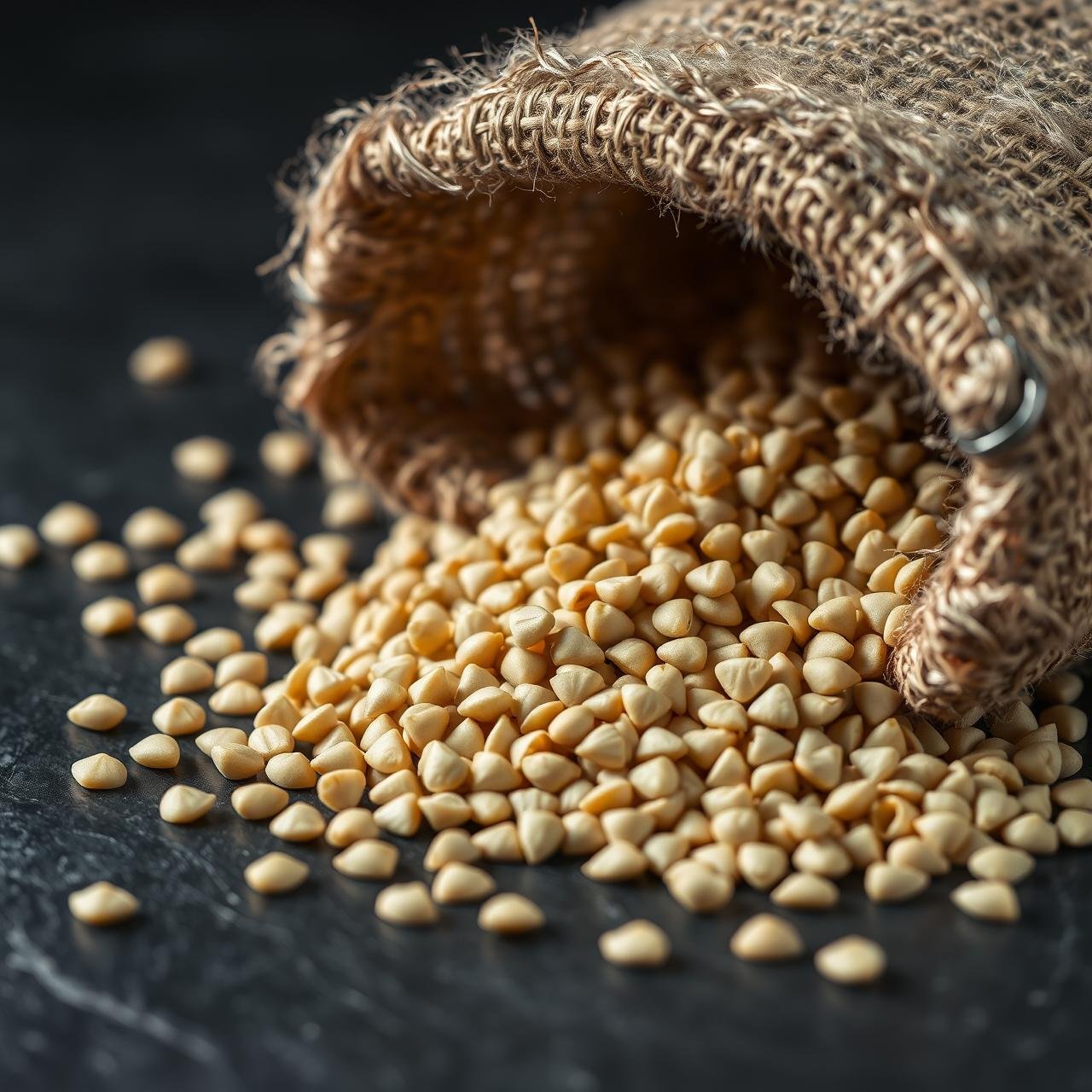
Despite its name, buckwheat is not related to wheat at all. It’s actually a fruit seed related to rhubarb and sorrel, making it 100% gluten-free. This is fantastic news for those with celiac disease, gluten sensitivity, or anyone looking to reduce their gluten intake without sacrificing hearty, grain-like textures in their meals.
Rich in Essential Minerals
Kasha is a treasure trove of vital minerals that are often lacking in modern diets. It’s an excellent source of:
- Magnesium: Crucial for muscle function, nerve health, and blood pressure regulation.
- Manganese: An antioxidant that supports bone health and metabolism.
- Phosphorus: Essential for building strong bones and teeth.
- Copper: Important for iron absorption and energy production.
By simply swapping rice for kasha, you’re infusing your meal with a significant boost of these essential nutrients.
The Heart of Flavor: Choosing and Toasting Your Groats
The secret to exceptional kasha lies in the groats themselves. Walking down the grain aisle, you might see two options: raw buckwheat groats and kasha. While buying pre-toasted kasha is convenient, the true culinary magic happens when you toast the raw groats yourself.
Raw Groats vs. Kasha
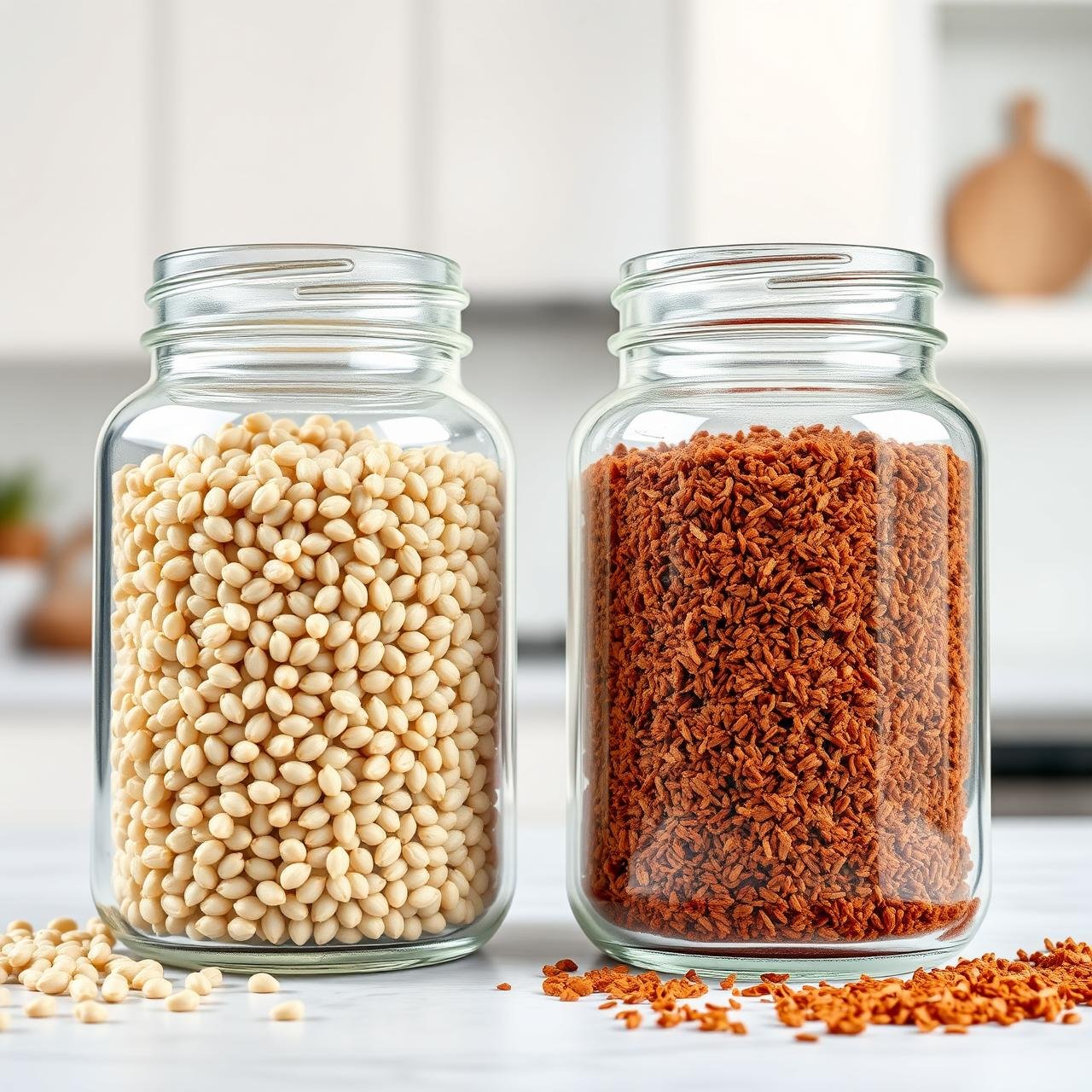
Raw Buckwheat Groats: These are pale green or tan in color and have a very mild, slightly grassy flavor. They are perfect for making porridge or for those who prefer a subtler taste.
Kasha (Toasted Groats): This is what you get after the raw groats are roasted. They turn a deep reddish-brown and develop that signature robust, nutty, and earthy flavor. While you can buy it pre-toasted, the flavor is never as vibrant as when it’s freshly done.
Why Toasting Your Own is Superior
Toasting raw buckwheat groats just before cooking is a game-changer. The process awakens the oils within the groats, blooming their flavor and filling your kitchen with an intoxicating aroma. It’s a simple step that elevates the final dish from good to unforgettable. It gives you complete control over the depth of flavor—a light toast for a delicate nuttiness or a deeper toast for a bold, coffee-like richness. This is the chef’s secret to kasha that truly sings.
Essential Equipment for Perfect Kasha
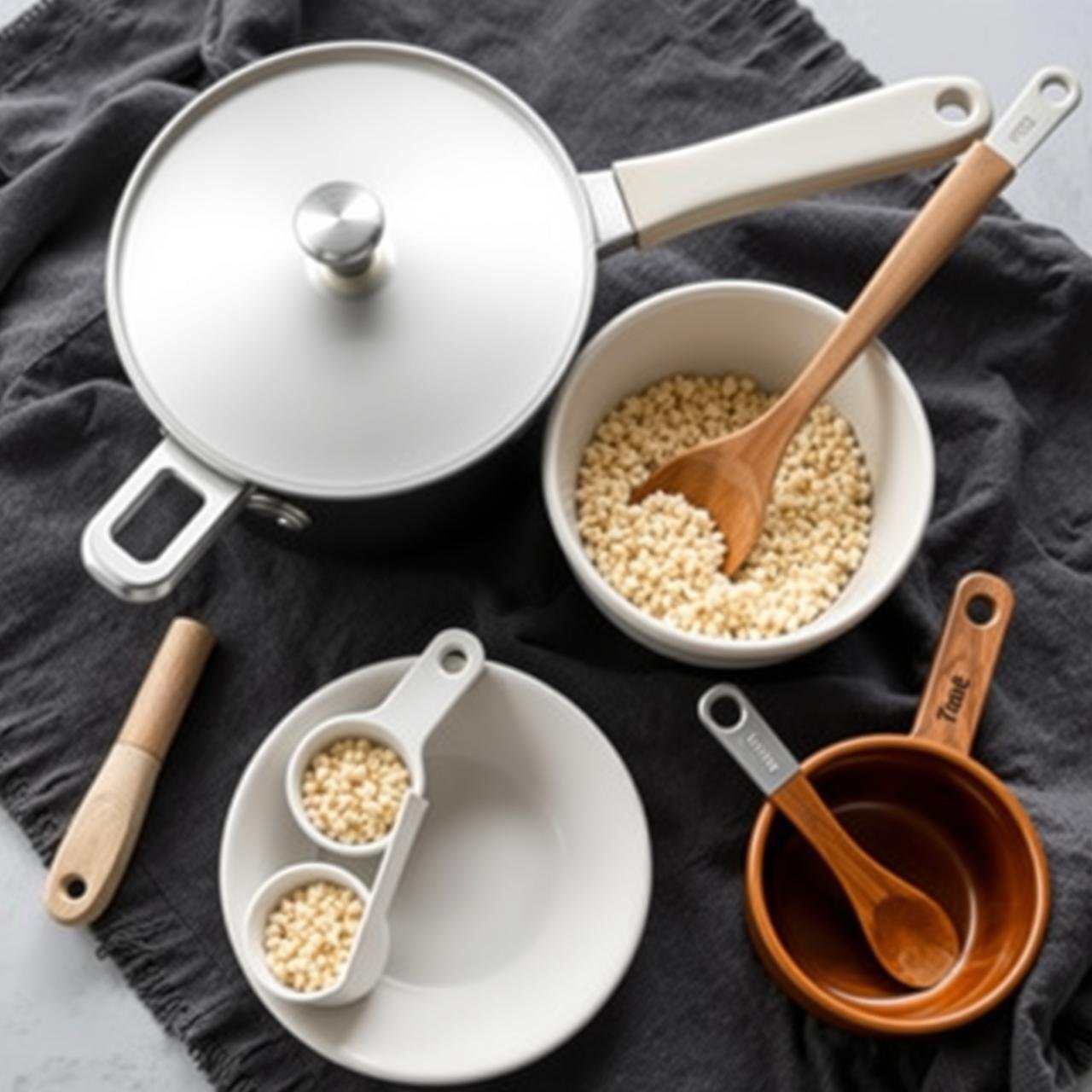
You don’t need any fancy gadgets to create perfect kasha. The beauty of this rustic dish is its simplicity. Here’s what you’ll need to have on hand.
| Tool | Purpose |
|---|---|
| Heavy-Bottomed Saucepan or Pot | Ensures even heat distribution for toasting and simmering, preventing scorching. A 2-quart pot is perfect for a standard batch. |
| Tight-Fitting Lid | Crucial for trapping steam during the resting phase, which is what makes the kasha light and fluffy. |
| Measuring Cups | Precision is key for the grain-to-liquid ratio. |
| Wooden Spoon or Spatula | Ideal for stirring the groats during the toasting process. |
| Fork | Used at the very end to fluff the finished kasha without mashing the grains. |
The Perfect Toasted Buckwheat Kasha Recipe
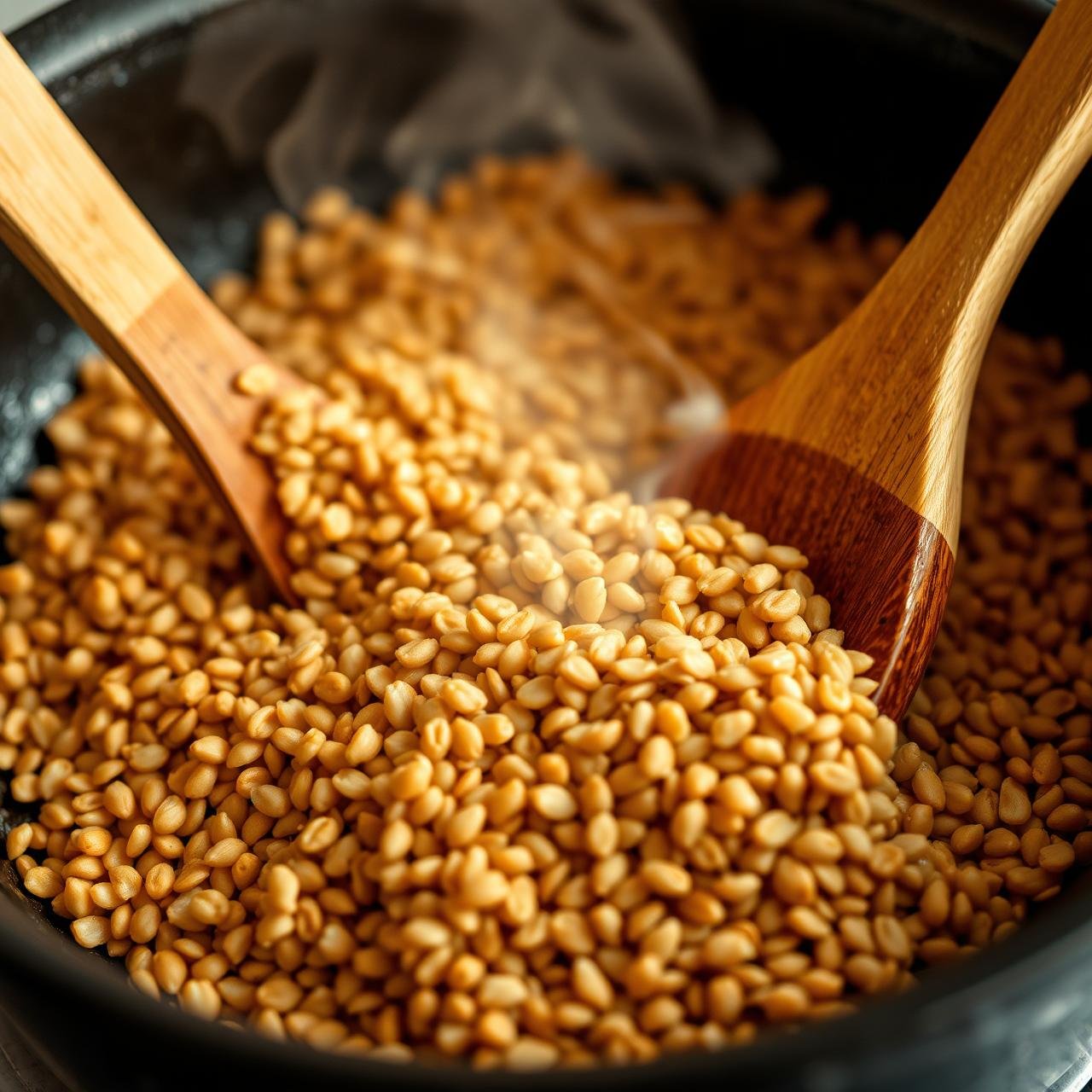
This is the foundational recipe for kasha that is fluffy, separate, and deeply flavorful every single time. We will cover the traditional method, which includes an egg coating, as it’s the secret to preventing mushiness and ensuring each grain remains distinct.
Ingredients
- 1 cup raw whole buckwheat groats
- 1 large egg, lightly beaten (optional, but highly recommended for texture)
- 2 cups water, chicken broth, or vegetable broth
- 1 tablespoon butter, ghee, or olive oil
- 1/2 teaspoon sea salt, or to taste
- 1/4 teaspoon freshly ground black pepper
Step-by-Step Instructions
- Coat the Groats (The Traditional Secret): In a medium bowl, combine the raw buckwheat groats and the lightly beaten egg. Stir until every single groat is evenly coated. This thin layer of egg protein cooks around each grain during toasting, creating a barrier that prevents them from sticking together and turning into porridge.
- Toast to Perfection: Heat your heavy-bottomed saucepan over medium heat. Add the egg-coated groats to the dry pan. Stir continuously with a wooden spoon as the egg cooks and the groats begin to toast. You’ll see them dry out and separate into individual grains. Continue stirring for about 3-5 minutes. The groats will turn a beautiful golden brown and release a deeply nutty, fragrant aroma. This is the most important step for flavor!
- Add Fat and Seasoning: Once toasted, add your butter, ghee, or oil to the pan along with the salt and pepper. Stir for another minute until the fat has melted and coated the grains, making them glossy.
- Simmer Gently: Carefully pour in your water or broth. Be prepared for it to sizzle and steam aggressively. Give it one good stir, then bring the liquid to a boil.
- Cover and Cook: Once boiling, immediately reduce the heat to the lowest possible setting. Cover the pot with a tight-fitting lid and let it simmer undisturbed for 15-20 minutes. Do not lift the lid during this time! You want to trap all the steam inside to cook the grains perfectly.
- The Crucial Rest: After the cooking time is up, turn off the heat completely but leave the pot on the burner. Let it stand, still covered, for another 10 minutes. This resting period allows the kasha to absorb the last bit of moisture and firms up the grains.
- Fluff and Serve: Remove the lid. You should see perfectly cooked, separate grains. Use a fork to gently fluff the kasha, breaking up any clumps. Serve immediately as a delicious, satisfying side dish.
Pro-Tips for Kasha Mastery
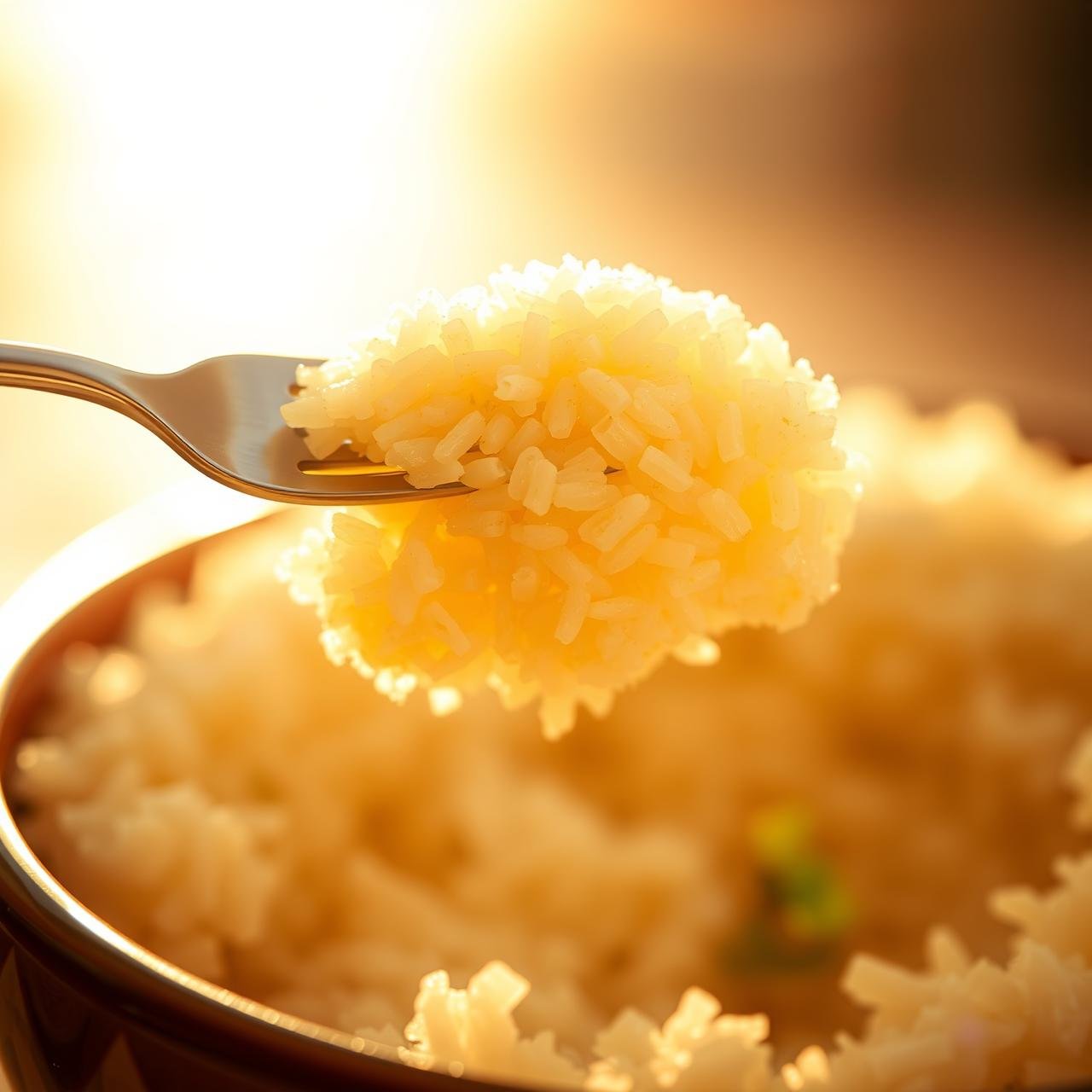
Once you’ve mastered the basic technique, you can start to refine your kasha. Here are some chef-like tips to elevate your dish and troubleshoot common issues.
Achieving Your Ideal Texture
- For Fluffier Kasha: The egg coating is non-negotiable for the fluffiest result. Also, ensure your grain-to-liquid ratio is precise. A 1:2 ratio (1 part groats to 2 parts liquid) is standard. For a slightly drier, pilaf-style kasha, you can reduce the liquid to 1 3/4 cups.
- For a Porridge-Like Consistency: If you’re aiming for a breakfast porridge (sometimes called ‘grechka’), skip the egg coating and increase the liquid ratio to 1:3 or 1:4. Simmer until creamy.
Common Mistakes to Avoid
- Skipping the Toast: This is the cardinal sin of kasha making. Un-toasted buckwheat has a much milder, sometimes slightly bitter flavor. Toasting is where the magic happens.
- Stirring While Simmering: Once you’ve added the liquid and it’s simmering, resist the urge to stir. Stirring will release starches and make your kasha gummy, much like with risotto.
- Peeking Under the Lid: Lifting the lid releases the precious steam needed to cook the grains evenly. Let it do its thing!
- Forgetting to Rest: The final 10-minute rest off the heat is just as important as the cooking time. It allows the grains to firm up and separate. Skipping this step can lead to slightly wet kasha.
Flavor Variations & Serving Suggestions
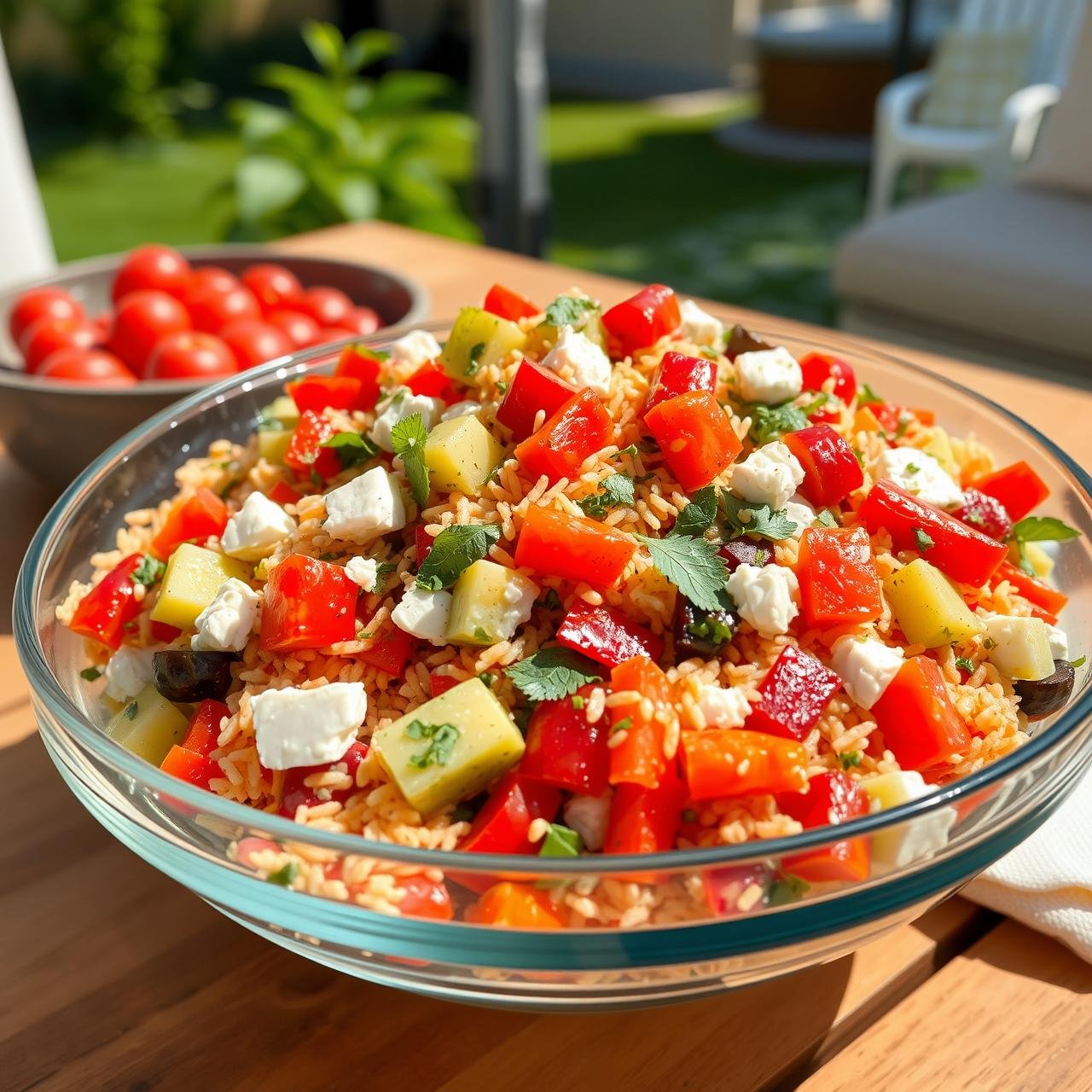
Basic kasha is a wonderfully versatile canvas. It pairs beautifully with a wide range of flavors, making it suitable for any meal of the day.
Savory Applications
- Kasha Varnishkes: The classic Ashkenazi Jewish dish. Sauté onions until deeply caramelized, cook some bow-tie pasta, and toss it all together with your fluffy kasha. A true comfort food classic.
- Mushroom and Herb Pilaf: Sauté sliced mushrooms (cremini or wild mushrooms are fantastic) and onions in the pot before toasting the groats. Use a rich vegetable or beef broth for the liquid and stir in fresh herbs like parsley, dill, or thyme at the end.
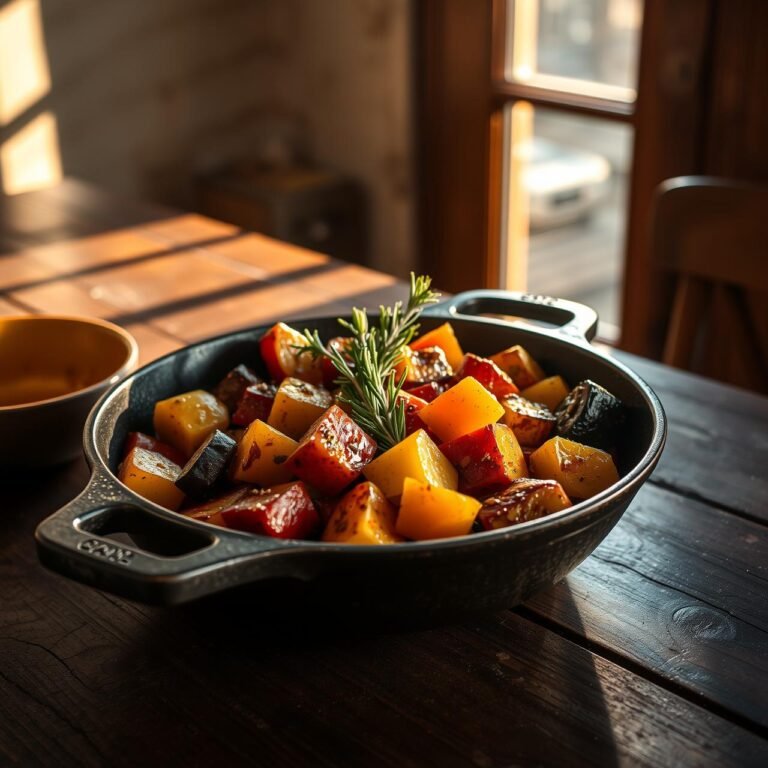
- Hearty Grain Bowls: Use kasha as the base for a nutrient-dense grain bowl. Top with roasted vegetables, grilled chicken or chickpeas, a dollop of yogurt or tahini sauce, and a sprinkle of toasted seeds.
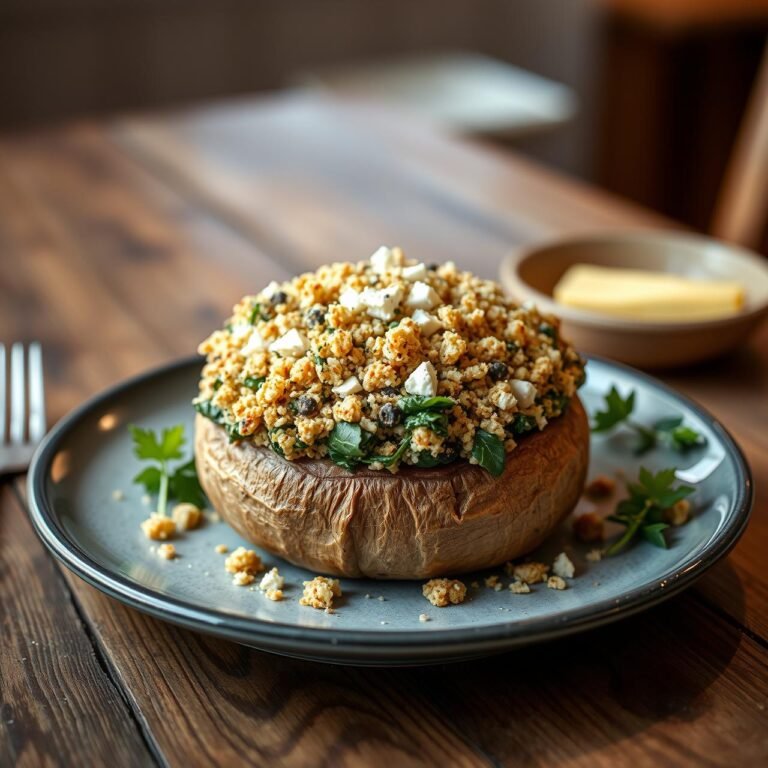
- Stuffed Vegetables: Mix cooked kasha with herbs, spices, and sautéed vegetables to create a hearty stuffing for bell peppers, zucchini, or cabbage rolls.
Sweet Applications
- Breakfast Kasha Porridge: Cook the kasha with milk (dairy or plant-based) instead of broth. Skip the egg and savory seasonings. Once cooked, top it like you would oatmeal: with fresh berries, a drizzle of maple syrup, a sprinkle of cinnamon, and a handful of toasted nuts.
- Kasha with Apples and Cinnamon: While the kasha simmers, add a chopped apple and a cinnamon stick to the pot for a warm, comforting breakfast or dessert.
Nutrition Breakdown
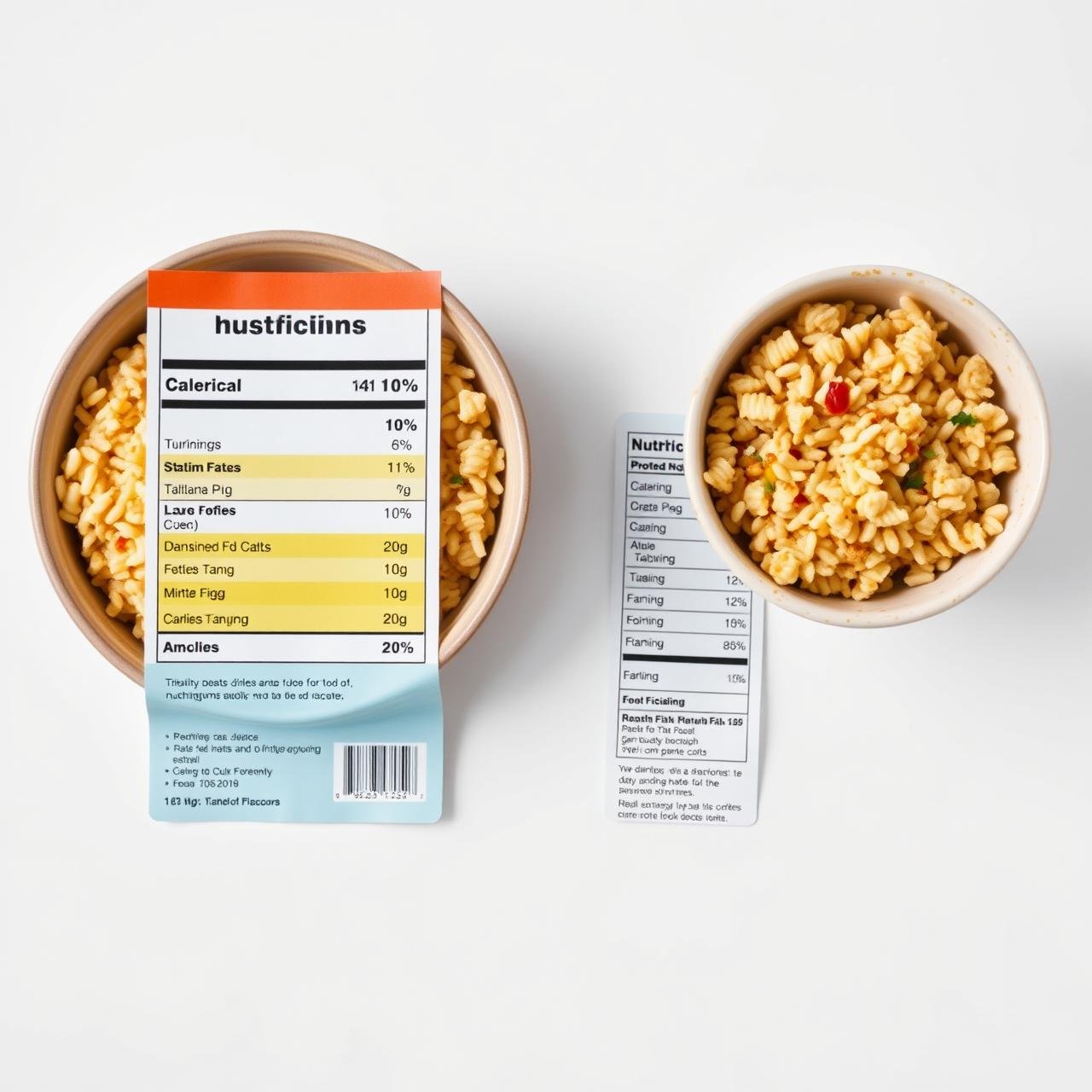
Here is an approximate nutritional breakdown for one serving of our basic Toasted Buckwheat Kasha recipe (based on a 1/4 cup dry serving, making about 3/4 cup cooked).
| Nutrient | Amount per Serving |
|---|---|
| Calories | ~170 kcal |
| Protein | 6 g |
| Carbohydrates | 34 g |
| Dietary Fiber | 5 g |
| Sugars | 1 g |
| Fat | 2.5 g |
| Magnesium | ~25% of DV |
| Manganese | ~30% of DV |
| Phosphorus | ~15% of DV |
Note: Values are approximate and can vary based on the specific brand of groats and type of fat or broth used.
Storage and Reheating for Easy Meal Prep
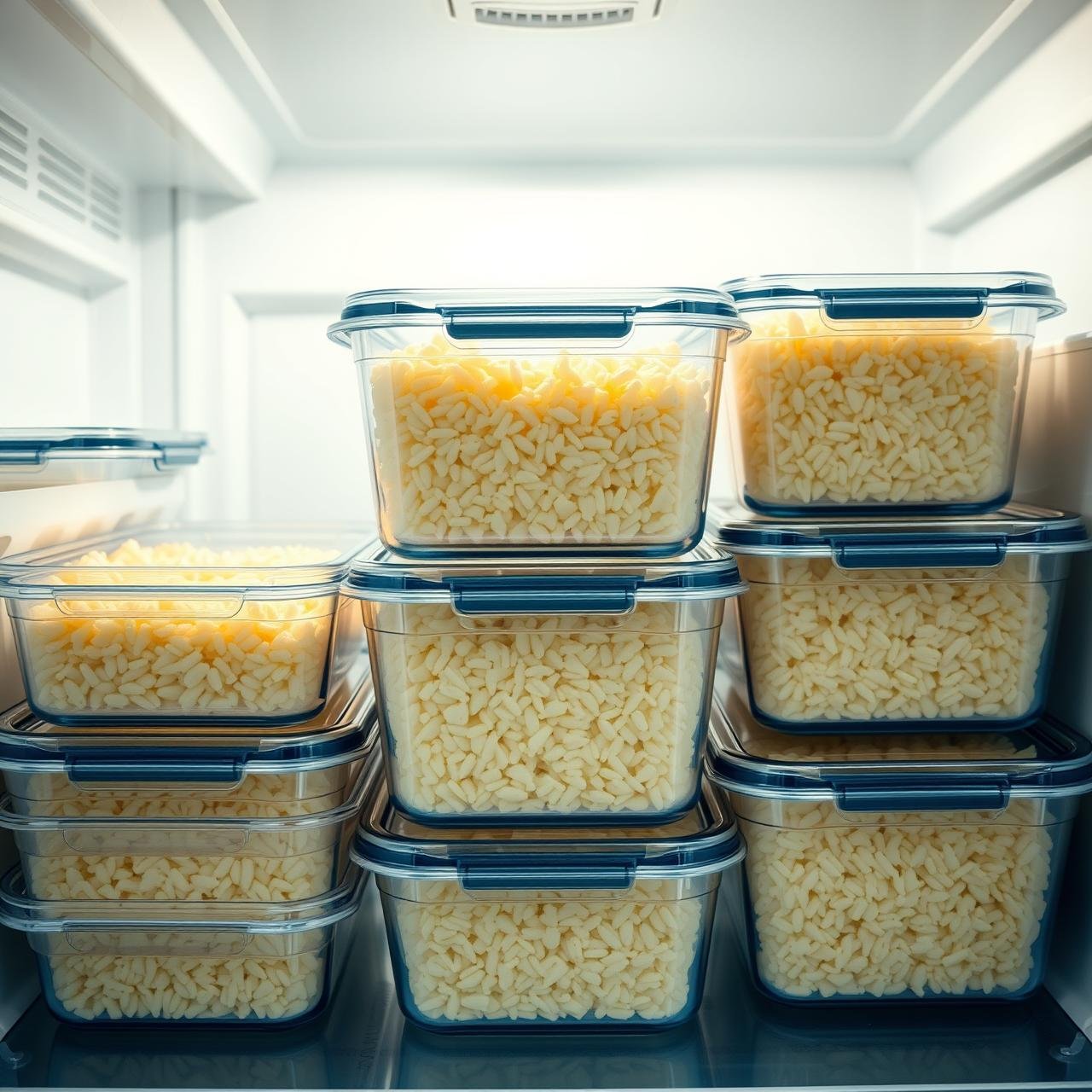
Kasha is a fantastic food for meal prepping. It holds its texture well and can be enjoyed for days after cooking. This makes it a perfect choice for budget cooks and anyone with a busy schedule.
Storage
Allow the cooked kasha to cool completely to room temperature. Transfer it to an airtight container and store it in the refrigerator for up to 5 days. Its nutty flavor often becomes even more pronounced the next day.
Reheating
- Microwave: Place the desired amount of kasha in a microwave-safe bowl. Add a splash of water or broth (about 1 tablespoon per cup of kasha) to reintroduce some moisture. Cover and microwave on high for 60-90 seconds, or until heated through. Fluff with a fork before serving.
- Stovetop: Add the kasha to a saucepan with a splash of water or broth. Cover and heat over medium-low heat, stirring occasionally, until warm. This method is excellent for reviving its fluffy texture.
Cooked kasha can also be enjoyed cold, tossed into salads straight from the fridge for a quick and satisfying lunch.
Conclusion
Embracing kasha is about more than just finding a substitute for rice; it’s about discovering a deeply flavorful, texturally delightful, and nutritionally superior food that has stood the test of time. From its satisfying chew to its remarkable ability to keep you full, toasted buckwheat is a rustic, honest ingredient that deserves a place in every modern kitchen. By learning the simple art of toasting and simmering, you unlock a world of culinary possibilities, from savory pilafs to comforting breakfast bowls. So, the next time you reach for a bag of rice, pause and consider this humble, triangular groat. Give it a toast, give it a try, and discover the profound satisfaction that only a perfect bowl of kasha can provide.