Authentic Chinese Tea Eggs: A High Protein Snack For Weight Loss
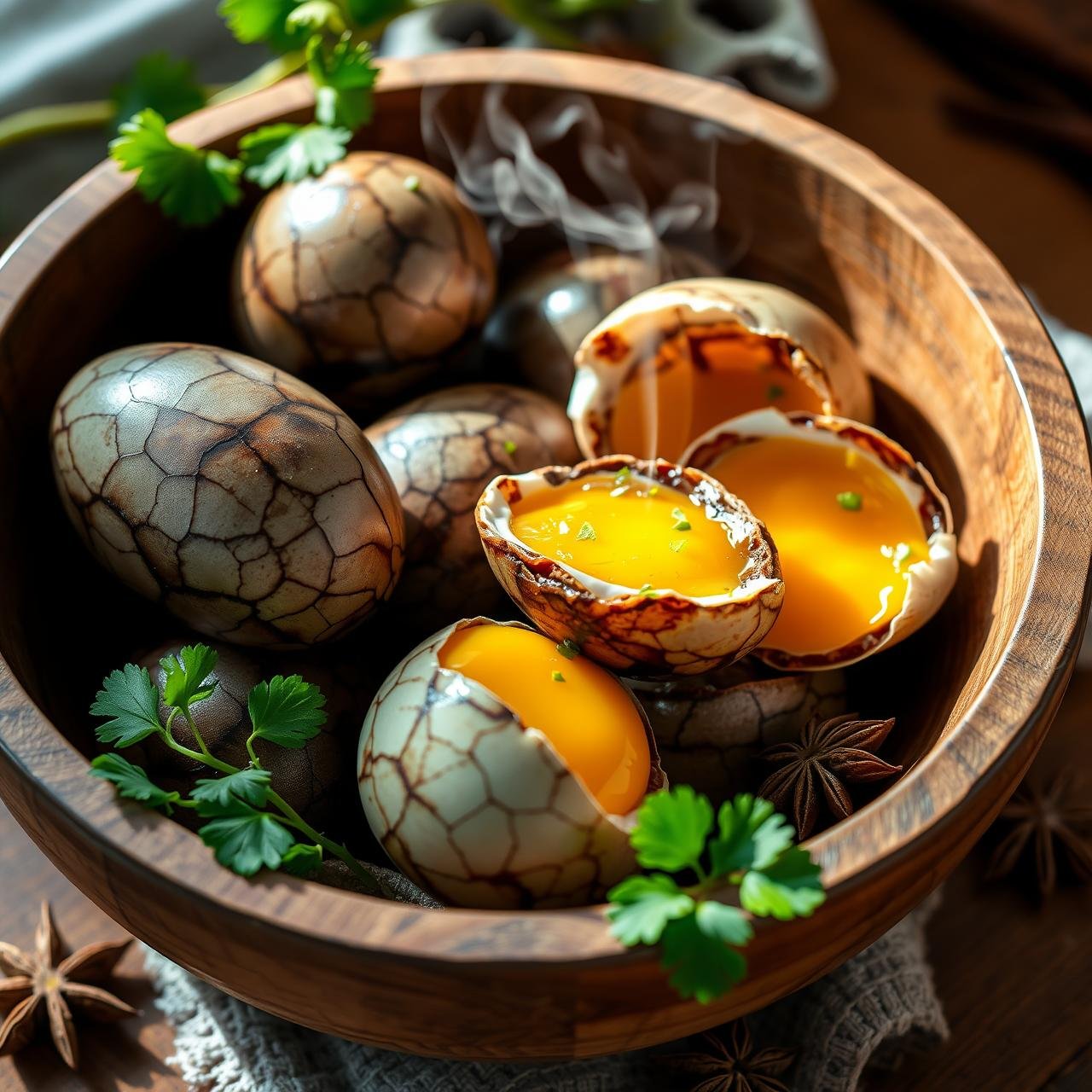
In the world of healthy snacking, it can be a challenge to find options that are not only nutritious but also deeply satisfying and rich with flavor. Enter the Chinese Tea Egg, or Cha Ye Dan (茶葉蛋), a humble yet extraordinary culinary staple that bridges the gap between a simple snack and a gourmet experience. These are not your ordinary hard-boiled eggs; they are savory jewels, steeped in a fragrant broth of black tea, soy sauce, and a symphony of aromatic spices. The result is a stunning marbled pattern on the egg white and a flavor that is complex, savory, and utterly addictive.
More than just a delicious treat found in bustling street markets and cozy home kitchens across Asia, the tea egg is a powerhouse of nutrition. Packed with high-quality protein, it’s an ideal snack for anyone focused on weight management, fitness, or simply clean eating. Protein is essential for building and repairing tissues, but it is also renowned for its ability to promote satiety, keeping you feeling full and satisfied for longer. This makes the tea egg a formidable ally in curbing cravings and reducing overall calorie intake. In this definitive guide, we will explore the authentic, homestyle method for crafting these beautiful and healthful snacks, transforming a simple ingredient into a wholesome, protein-rich delicacy perfect for your wellness journey.
The Soul of the Tea Egg: Understanding the Key Ingredients
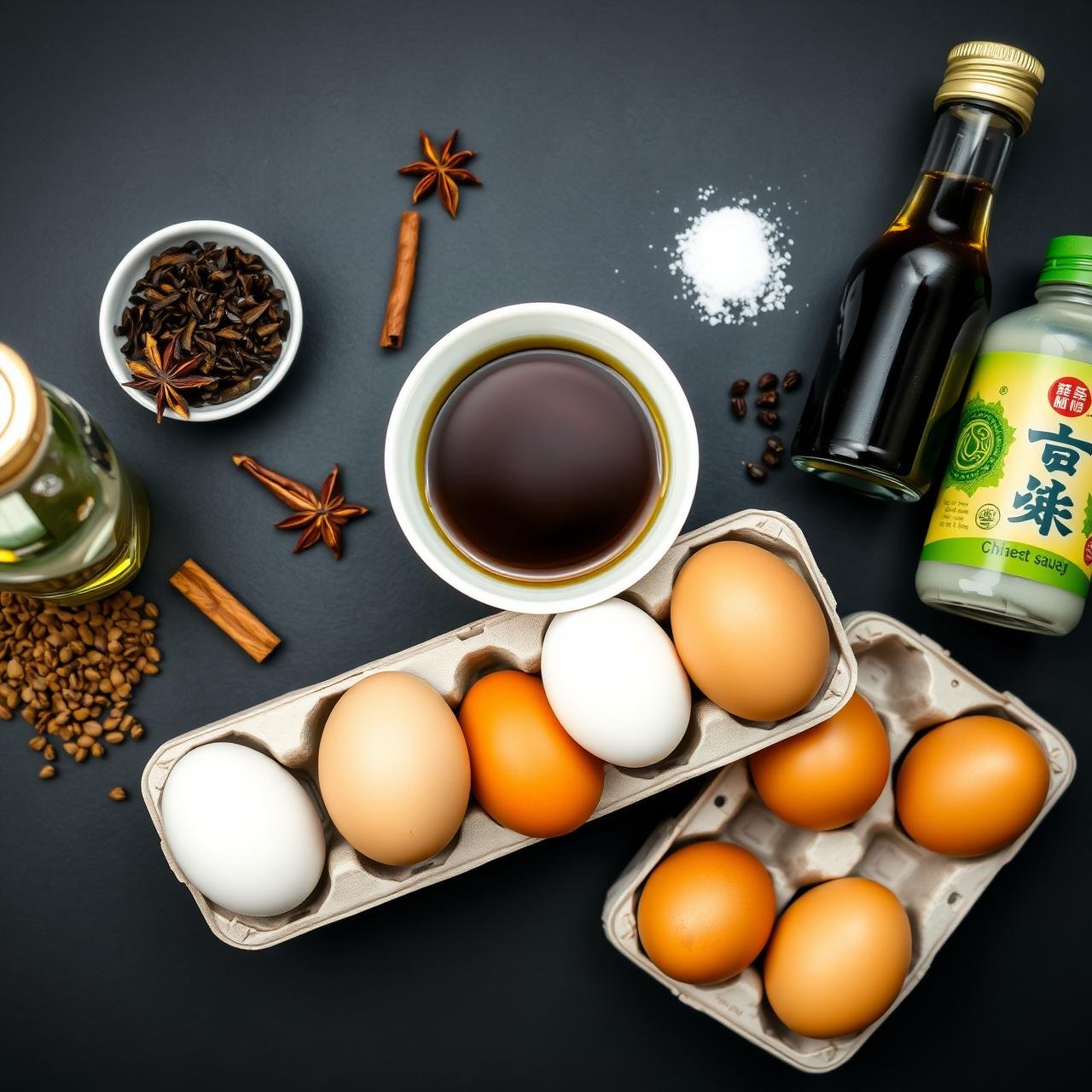
The magic of a truly authentic tea egg lies in the quality and balance of its simmering liquid. Each ingredient plays a crucial role in building layers of flavor that penetrate deep into the egg. This isn’t just about boiling; it’s about infusion. Understanding these components will elevate your tea eggs from good to unforgettable.
Core Ingredients for the Perfect Broth:
- Eggs: The star of the show. While any chicken eggs will work, using large, high-quality eggs will yield the best results. For easier cracking without breaking the membrane, eggs that are a week or two old are often preferred over farm-fresh ones.
- Black Tea: This is the cornerstone of the flavor profile. A robust black tea is essential. Pu-erh, Oolong, or a strong English Breakfast tea are excellent choices. Avoid floral or delicately flavored teas, as their notes will be lost. You can use loose-leaf tea or tea bags; loose-leaf generally provides a richer, more complex flavor.
- Soy Sauce: A combination of light and dark soy sauce is key. Light soy sauce (生抽, sheng chōu) provides the primary salty, savory flavor. Dark soy sauce (老抽, lǎo chōu) is less salty but thicker and contains molasses, which imparts a deep, rich color and a hint of sweetness to the eggs.
- Aromatic Spices: The spice blend is what creates the signature aroma. While recipes vary, a traditional combination includes:
- Star Anise: Provides a warm, licorice-like flavor that is fundamental to the tea egg’s character.
- Cinnamon Stick: Adds a sweet, woody warmth that complements the other spices.
- Sichuan Peppercorns: Lends a unique, slightly numbing (málà) sensation and a floral, citrusy aroma. Use sparingly if you’re unfamiliar with their potent flavor.
- Bay Leaves: Offer a subtle, herbal background note.
- Rock Sugar: A small amount of rock sugar (冰糖, bīng táng) or brown sugar is crucial for balancing the saltiness of the soy sauce. It adds a gentle, clean sweetness that rounds out the flavor profile without making the eggs overtly sweet.
Essential Equipment for Perfect Tea Eggs
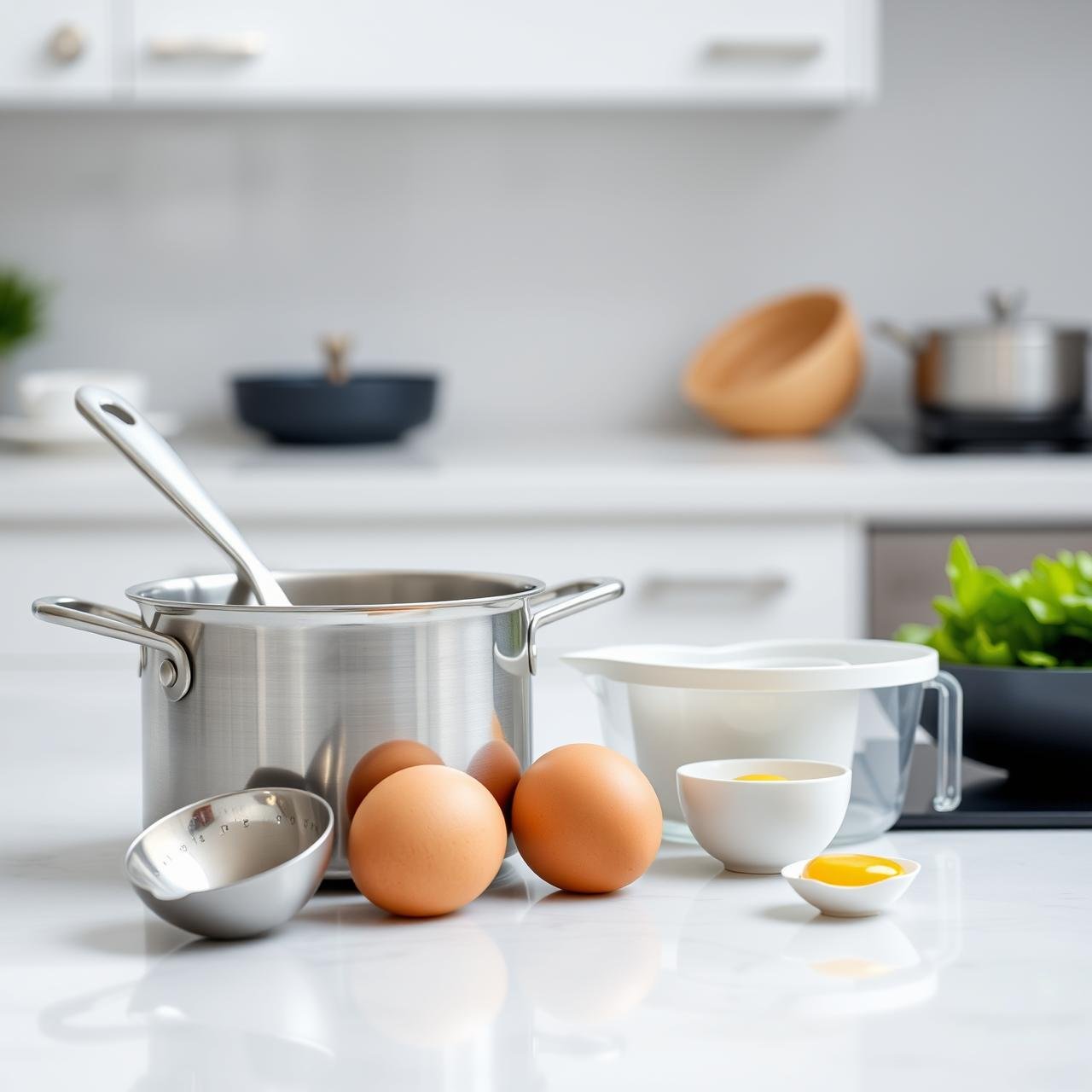
Crafting authentic tea eggs doesn’t require any specialized or expensive gadgets. The process relies on simple, traditional techniques using basic kitchen tools that most home cooks already own. This accessibility is part of their rustic charm.
| Equipment | Purpose |
|---|---|
| Medium Saucepan or Pot | For both the initial boiling and the long simmering process. Ensure it’s large enough to hold the eggs in a single layer, fully submerged. |
| Slotted Spoon | For safely adding and removing eggs from hot water without cracking them prematurely. |
| Metal Spoon | The back of a sturdy metal spoon is the traditional tool for gently tapping and cracking the eggshells to create the marbled pattern. |
| Measuring Cups and Spoons | For accurately measuring the soy sauce, tea, and other broth ingredients to ensure a balanced flavor. |
| Large Bowl | Needed for an ice bath to rapidly cool the eggs after the first boil, which makes the shells easier to crack. |
Crafting the Marble: A Step-by-Step Guide
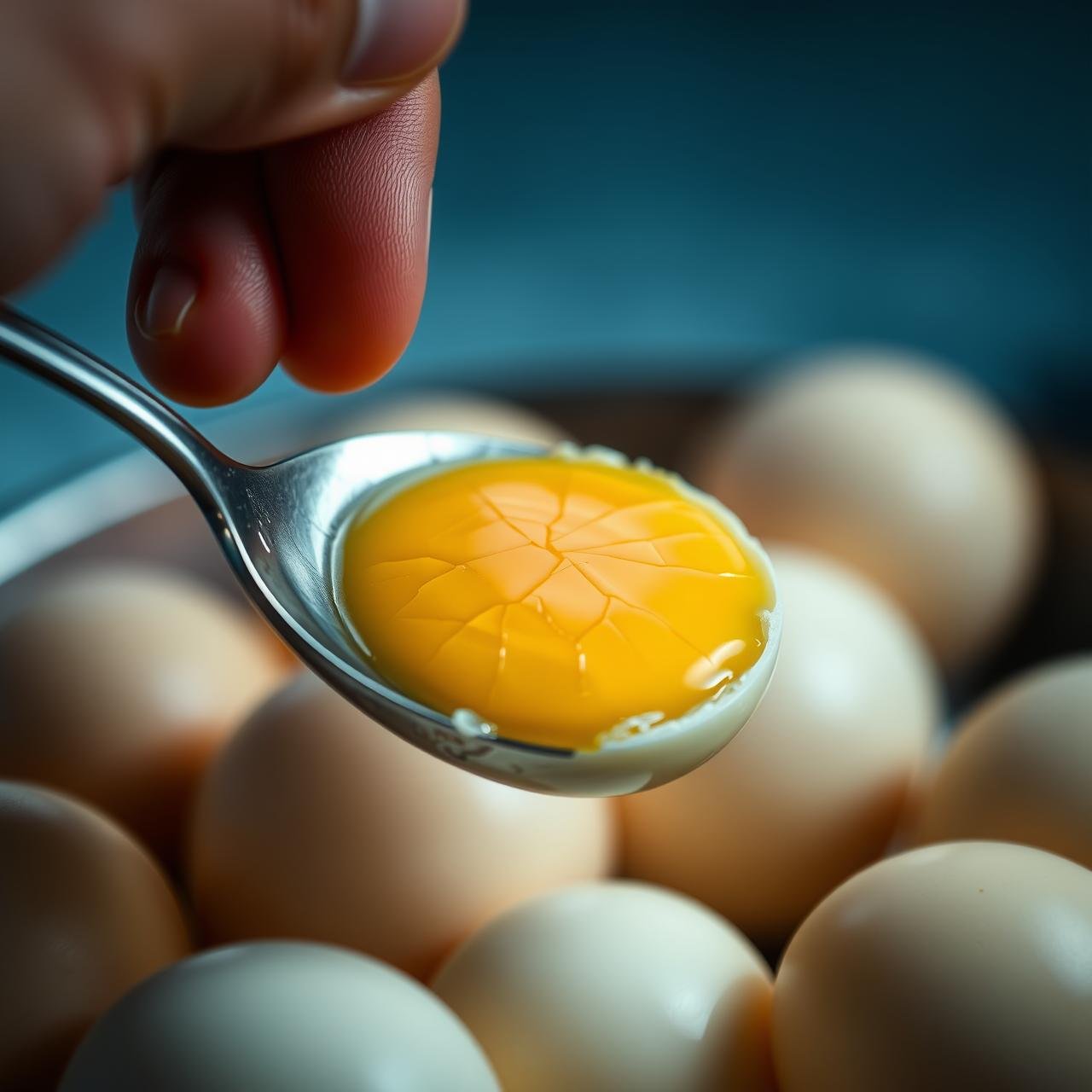
Follow these steps meticulously to achieve perfectly cooked eggs with a beautiful, intricate marble pattern and a flavor that permeates to the very yolk. Patience is a key ingredient in this process.
- Initial Cooking of the Eggs: Place 12 large eggs in a single layer at the bottom of a medium saucepan. Add cold water to cover the eggs by at least 1 inch. Bring the water to a rolling boil over medium-high heat. Once boiling, immediately reduce the heat to a gentle simmer and cook for 8 minutes. This initial cooking time is crucial for a firm white and a just-set, creamy yolk.
- The Ice Bath Shock: While the eggs are cooking, prepare a large bowl with ice and cold water. Using a slotted spoon, carefully transfer the cooked eggs from the hot water directly into the ice bath. Let them sit for at least 5 minutes. This rapid cooling stops the cooking process and causes the egg white to contract slightly from the shell, which will aid in the cracking process.
- Creating the Marble Pattern: This is the most artistic step. Take each cooled egg and, using the back of a metal spoon, gently but firmly tap it all over to create a fine network of cracks. The goal is to crack the shell thoroughly without causing it to peel off or break the membrane underneath. The more intricate the cracks, the more beautiful the final marbling will be.
- Preparing the Aromatic Broth: Place the cracked eggs back into the empty saucepan. Add 4 cups of water, 1/4 cup of light soy sauce, 2 tablespoons of dark soy sauce, 2 tablespoons of black tea leaves (or 4 tea bags), 3 star anise pods, 1 cinnamon stick, 1 teaspoon of Sichuan peppercorns, and 1 tablespoon of rock sugar.
- The Simmer and Steep: Bring the broth to a boil over medium-high heat. Once it boils, reduce the heat to the lowest possible setting to maintain a very gentle simmer. Cover the pot and let the eggs simmer for at least 1 hour. For a deeper flavor, you can simmer for up to 2 hours.
- The Final Infusion: After simmering, turn off the heat. The most critical step for flavor development is the steeping period. Leave the eggs to cool completely in the fragrant broth. For best results, transfer the pot to the refrigerator and let the eggs steep in the liquid overnight, or for at least 8 hours. This extended steeping time allows the savory, spiced liquid to penetrate deep through the cracks, creating the iconic pattern and rich taste.
Chef’s Secrets for Unforgettable Tea Eggs
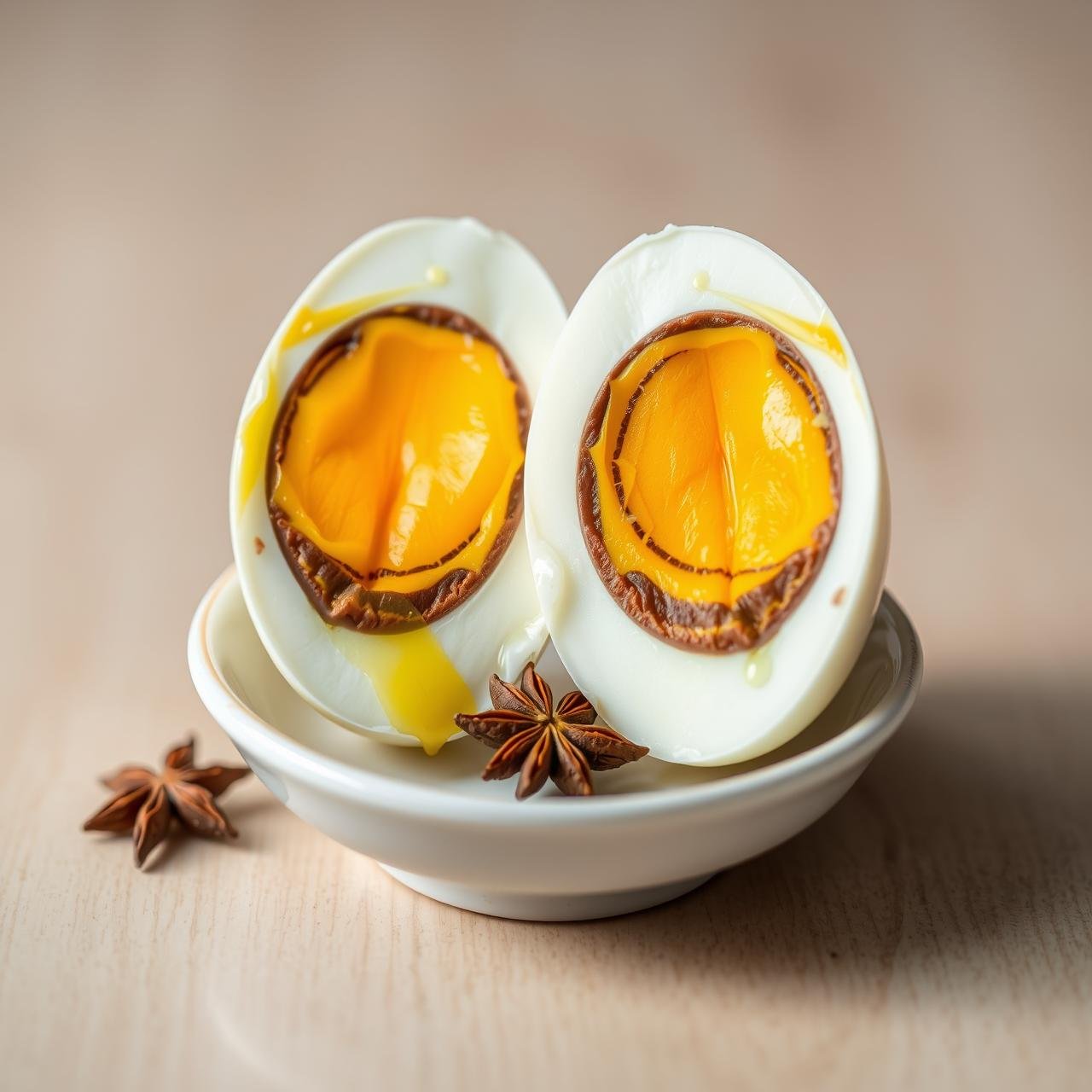
While the base recipe is straightforward, a few professional tips can significantly enhance the final product, ensuring your tea eggs are consistently delicious and visually stunning.
Achieving the Perfect Marbling
The secret to a beautiful, dark marbling is two-fold: numerous fine cracks and sufficient steeping time. Don’t be shy when cracking the shells; you want a web of fissures across the entire surface. Furthermore, the overnight steep is non-negotiable for achieving that deep, rich brown stain against the pale egg white. Rushing this step will result in a faint pattern and a less intense flavor.
Tips for a Deeper Flavor:
- Toast Your Spices: Before adding the water and other liquids, briefly toast the star anise, cinnamon stick, and Sichuan peppercorns in the dry pot over low heat for about 30-60 seconds until fragrant. This awakens their essential oils and results in a more aromatic broth.
- Choosing the Right Tea: A dark, smoky tea like Lapsang Souchong can add an incredible layer of complexity. For a more traditional flavor, stick to a high-quality Pu-erh or Oolong. The quality of your tea directly impacts the final taste.
- Don’t Discard the Broth: The simmering liquid is culinary gold! After your first batch of eggs is done, you can reuse the broth. Simply strain it, top it off with a little more water and soy sauce, and use it for a second batch of eggs. The flavor often becomes even richer the second time around.
- Patience is Paramount: Tea eggs get better with time. An egg steeped for 24 hours will be significantly more flavorful than one steeped for only 8. If you can wait, the reward is well worth it.
Nutritional Profile: The Power of Protein for Weight Loss

Chinese Tea Eggs are more than just a tasty snack; they are a strategic tool for anyone focused on health and weight management. Their impressive nutritional profile, centered around high-quality protein, makes them an excellent choice for a clean, fulfilling, and budget-friendly diet.
Protein is a critical macronutrient for weight loss for several reasons. First, it has a high thermic effect of food (TEF), meaning your body burns more calories digesting protein compared to fats and carbohydrates. Second, and perhaps most importantly, protein is incredibly satiating. A protein-rich snack like a tea egg can help stabilize blood sugar levels and keep you feeling full for hours, reducing the likelihood of reaching for less healthy, high-calorie options between meals. By incorporating tea eggs into your routine, you provide your body with the fuel it needs to maintain lean muscle mass while in a calorie deficit, which is essential for a healthy metabolism.
| Nutrient | Amount |
|---|---|
| Calories | ~85 kcal |
| Protein | ~7 g |
| Fat | ~5 g |
| Carbohydrates | ~1.5 g |
| Sodium | ~250 mg |
Note: Nutritional values are approximate and can vary based on the specific ingredients and quantities used, particularly the amount of soy sauce.
Storing and Enjoying Your Tea Eggs
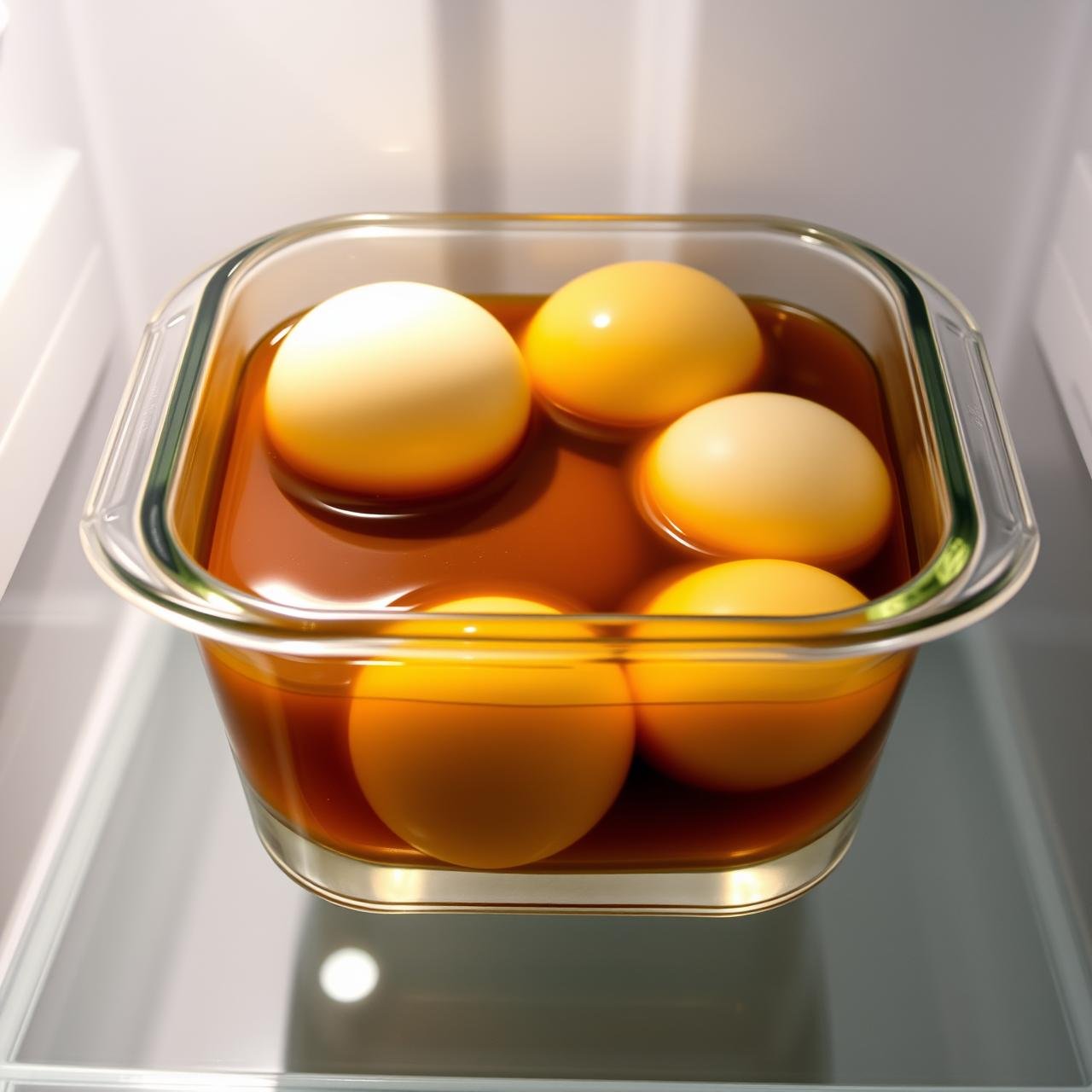
One of the greatest advantages of Chinese Tea Eggs is their suitability for meal prepping. Making a large batch at the beginning of the week ensures you have a healthy, grab-and-go snack ready at a moment’s notice.
Proper Storage Technique
The best way to store your tea eggs is to keep them in their simmering broth in an airtight container in the refrigerator. Storing them in the liquid not only prevents them from drying out but also allows them to continue absorbing flavor, deepening and enriching over time. They will safely keep for up to one week. You can enjoy them cold, directly from the fridge, or gently reheat them by placing them in a bowl and pouring some of the hot broth over them.
Serving Suggestions
While tea eggs are a perfect standalone snack, their versatility allows them to be incorporated into various meals:
- With Congee: A warm tea egg is a classic accompaniment to a comforting bowl of rice porridge (congee or jook), adding a savory protein boost.
- In Noodle Soups: Slice a tea egg in half and add it to a bowl of ramen, udon, or any noodle soup for an instant upgrade.
- As a Side Dish: Serve one or two tea eggs alongside a simple stir-fry or steamed vegetables for a complete, balanced meal.
- In Salads: Chop a tea egg and add it to a green salad for extra flavor and protein, offering a more interesting alternative to a plain hard-boiled egg.
Conclusion
The Chinese Tea Egg is a testament to the beauty of slow cooking and the power of simple, wholesome ingredients. It is a culinary tradition that offers not just a unique and delicious flavor experience but also a practical, high-protein solution for the modern, health-conscious cook. By mastering this authentic recipe, you unlock a snack that is perfect for meal prep, friendly on your budget, and powerfully supportive of your weight loss and wellness goals. We encourage you to embrace the process, fill your kitchen with the warm, aromatic scent of simmering spices, and discover the deep satisfaction of this timeless, rustic delicacy.