
Fluffy Egg White Vegetable Muffins: Low Calorie Breakfast (No Fluff)
In the world of healthy breakfasts, finding a recipe that is at once satisfying, convenient, low in calories, and genuinely delicious can feel like a monumental task. Enter the humble egg muffin. While often plagued by a dense, rubbery texture, this recipe is engineered to deliver what others only promise: truly light, airy, and Fluffy Egg White Vegetable Muffins. This is a no-fluff guide, meaning we dispense with the filler and focus directly on the technique and culinary science that will make your breakfast meal prep a resounding success.
These muffins are a powerhouse of lean protein, thanks to the exclusive use of egg whites, making them an ideal choice for anyone focused on fitness goals or simply seeking a lighter start to the day. We will walk through the precise steps to incorporate a vibrant medley of vegetables without compromising the delicate, fluffy texture. Prepare to transform your breakfast routine with a recipe that is as practical as it is wholesome.
The Science Behind Truly Fluffy Egg Muffins
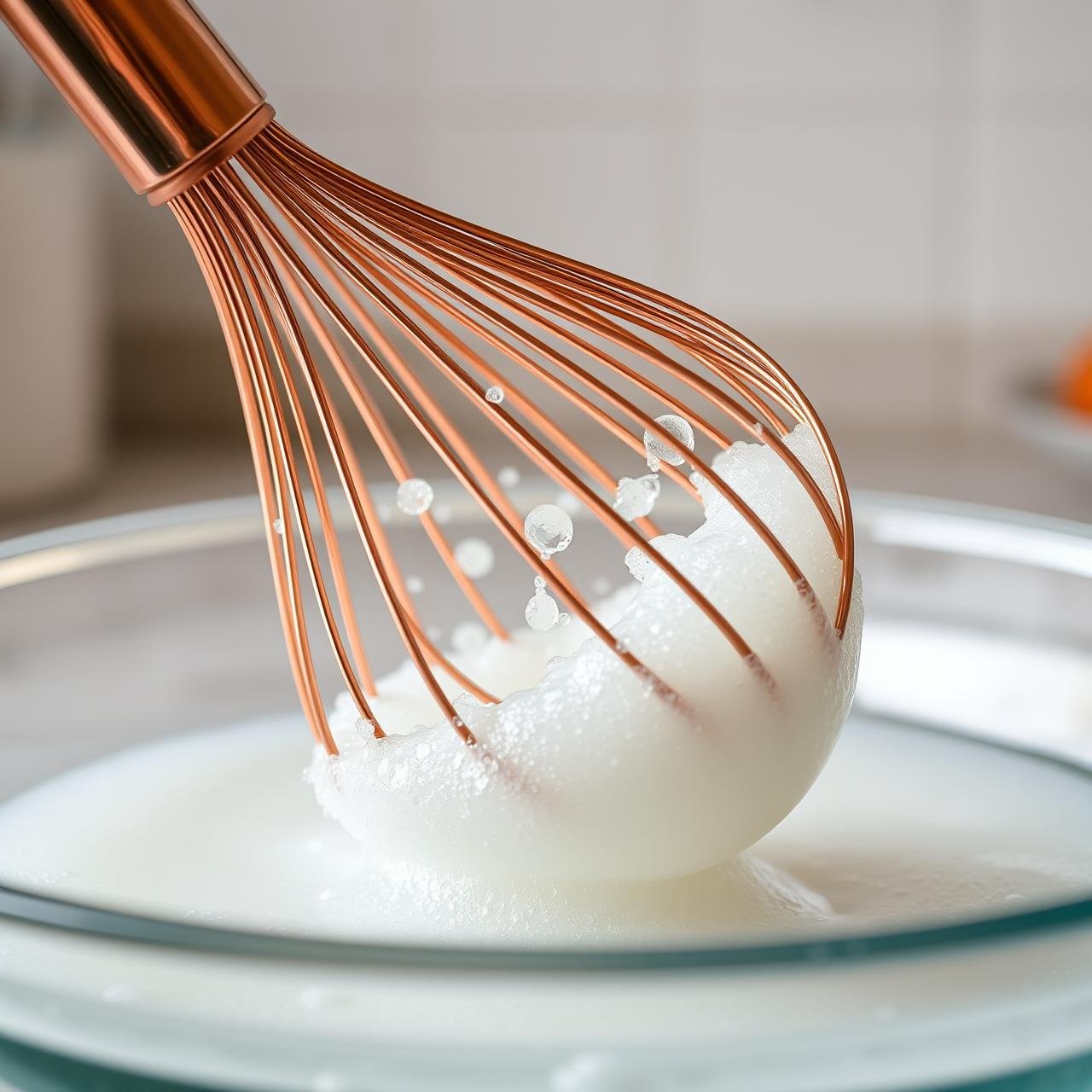
The difference between a dense, sad egg puck and a light, soufflé-like muffin lies in technique. Understanding the ‘why’ behind the steps is crucial for consistent results. We’re aiming for a stable structure that can trap air and hold its volume during and after baking.
The Critical Role of Air
The primary leavening agent in this recipe isn’t baking powder or soda; it’s air. By whisking the egg whites just enough to break them down and incorporate fine bubbles, you create the foundation for a fluffy texture. It’s crucial not to whip them to stiff peaks as you would for a meringue. Over-whipping creates large, unstable air pockets that will cause the muffins to rise dramatically in the oven and then collapse into a dense crater upon cooling. We are looking for a frothy, liquid consistency, slightly thickened with air.
Moisture Management is Key
Vegetables release a significant amount of water when cooked. If you add raw, high-moisture vegetables directly to the egg mixture, they will steam inside the muffin, creating a soggy, watery final product. The professional approach is to sauté the vegetables first. This not only removes excess water but also concentrates their flavor, adding a delicious depth that raw vegetables simply cannot match. Always allow the cooked vegetables to cool slightly before incorporating them into the egg whites to prevent them from scrambling the eggs prematurely.
Essential Kitchen Equipment
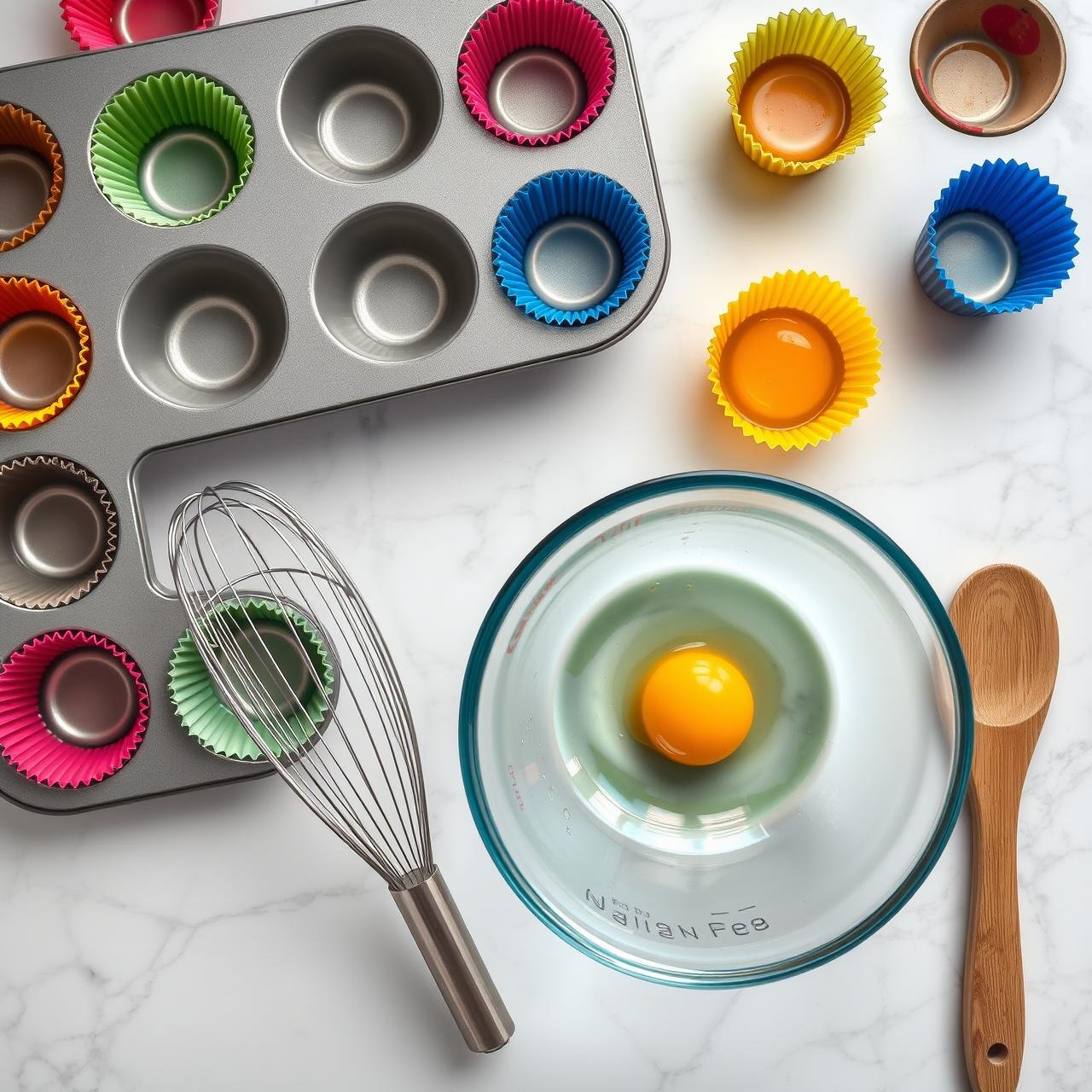
Using the right tools is fundamental in any kitchen, and this recipe is no exception. Having these items ready will ensure a smooth and efficient cooking process.
| Equipment | Chef’s Note |
|---|---|
| 12-Cup Muffin Tin | A standard-size, non-stick tin is highly recommended. For guaranteed easy release, silicone liners or high-quality paper liners are your best friend. |
| Large Mixing Bowl | You need ample space to whisk the egg whites without making a mess. A glass or stainless steel bowl is ideal. |
| Whisk | A balloon whisk is perfect for incorporating air into the egg whites efficiently. |
| Non-Stick Skillet | Essential for sautéing the vegetables to remove moisture and build flavor. A 10-inch skillet works well. |
| Flexible Spatula | For scraping the bowl and ensuring all the ingredients are well combined, and for gently folding in the vegetables. |
| Measuring Cups & Spoons | Precision is important for replicating results, especially with seasonings. |
Ingredients for Peak Flavor and Nutrition
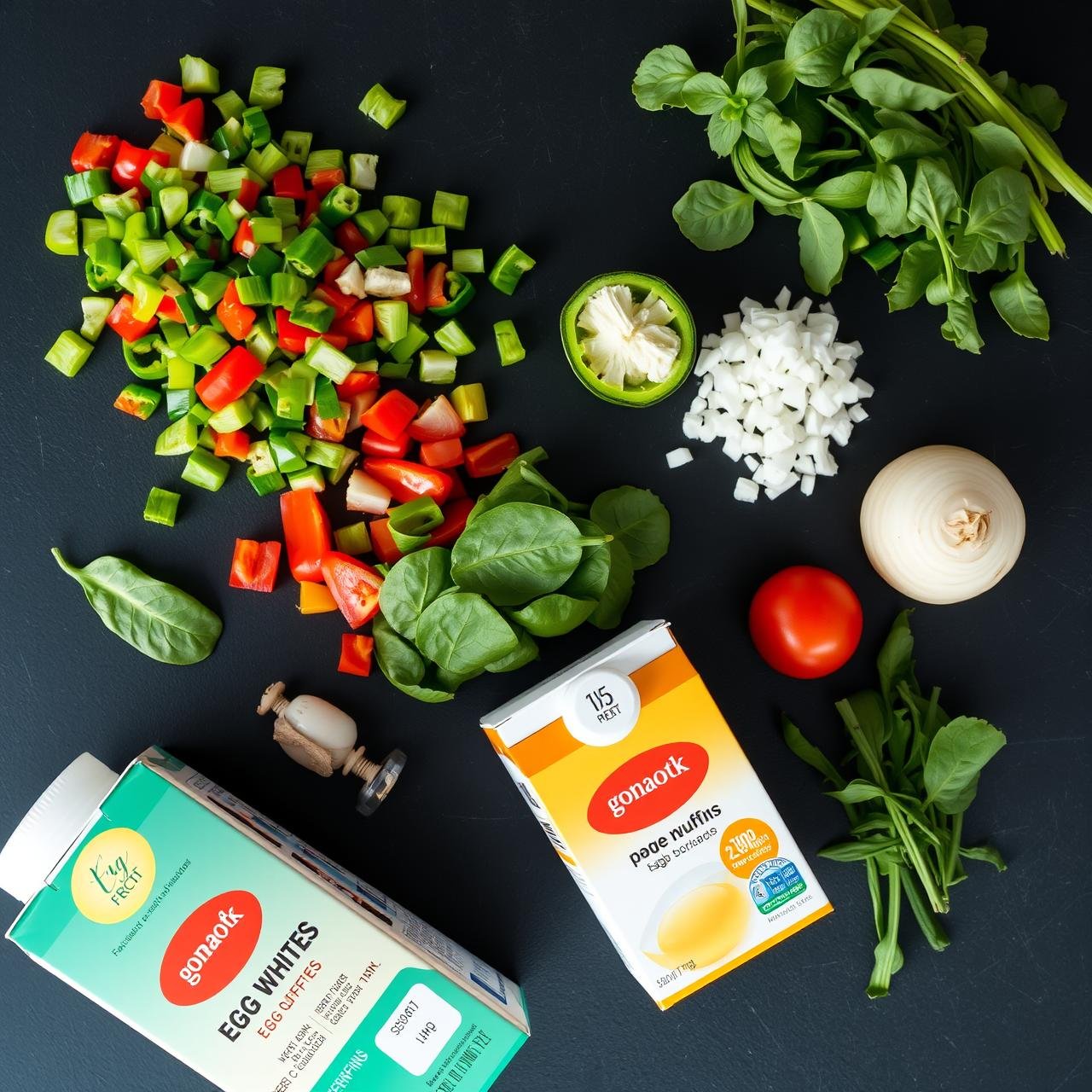
This recipe relies on fresh, simple ingredients. The quality of your components will directly translate to the quality of the final product. Measurements are key for achieving the perfect egg-to-vegetable ratio.
The Egg Base
- 2 cups (480ml) Liquid Egg Whites: This is equivalent to about 16 large egg whites. Using carton egg whites is a convenient and budget-friendly option.
- 1/4 cup (60ml) Unsweetened Almond Milk or Skim Milk: Adds a touch of creaminess and moisture without significant calories.
- 1/4 tsp Cream of Tartar (Optional): A chef’s secret. It helps to stabilize the egg whites, making them less likely to deflate.
The Vegetable Medley
- 1 tbsp Olive Oil: For sautéing the vegetables.
- 1 cup finely diced Bell Peppers: A mix of red, yellow, and orange adds color and sweetness.
- 1 cup finely chopped Yellow Onion: The aromatic foundation of our flavor profile.
- 2 cloves Garlic, minced: For a pungent, savory kick.
- 2 cups fresh Spinach, tightly packed: This will wilt down significantly.
Flavor Enhancers & Seasoning
- 1/2 tsp Dried Oregano: Adds a lovely Mediterranean note.
- 1/2 tsp Salt: Or to taste. Essential for bringing out all the other flavors.
- 1/4 tsp Black Pepper: Freshly ground is always best.
- 1/4 cup chopped Fresh Parsley or Chives: For a burst of fresh, herbaceous flavor at the end.
Step-by-Step Method for Perfect Egg White Muffins

Follow these instructions precisely to build flavor and texture at each stage. The process is straightforward but requires attention to detail.
- Preheat and Prepare: Preheat your oven to 350°F (175°C). Thoroughly grease a 12-cup muffin tin with cooking spray or line it with silicone or paper liners. This step is non-negotiable to prevent sticking.
- Cook the Vegetables: Heat the olive oil in a large non-stick skillet over medium heat. Add the diced onion and bell peppers. Sauté for 5-7 minutes until they soften and the onion becomes translucent. Add the minced garlic and cook for another minute until fragrant.
- Wilt the Spinach: Add the fresh spinach to the skillet in batches. Stir continuously until it has completely wilted down, which should take about 2-3 minutes. Remove the skillet from the heat and set it aside to cool for at least 10 minutes. It’s important to drain any excess liquid that has pooled in the pan.
- Prepare the Egg Mixture: While the vegetables cool, pour the liquid egg whites into a large mixing bowl. Add the milk, salt, pepper, dried oregano, and the optional cream of tartar. Whisk vigorously for about 60-90 seconds. You are not looking for peaks, but for the mixture to become frothy, opaque, and slightly increased in volume.
- Combine Ingredients: Once the vegetables are slightly cooled, add them to the frothed egg whites along with the fresh parsley or chives. Use a flexible spatula to gently fold the ingredients together until just combined. Do not overmix, as this will deflate the egg whites.
- Portion the Muffins: Carefully pour or ladle the mixture into the prepared muffin cups, filling each one about three-quarters full. They will puff up during baking.
- Bake to Perfection: Place the muffin tin on the center rack of the preheated oven. Bake for 20-25 minutes, or until the muffins are puffed, set in the center, and lightly golden on top. A wooden skewer inserted into the center of a muffin should come out clean.
- Cool Properly: Remove the tin from the oven and let the muffins cool in the tin for 5-10 minutes. This allows them to set further and makes them easier to remove. Then, carefully transfer them to a wire rack to cool completely. They will deflate slightly as they cool; this is normal.
From My Kitchen to Yours: Expert Tips & Variations

A great recipe is a starting point. Here are some professional tips and creative variations to help you master these muffins and make them your own.
How to Avoid Deflated, Sad Muffins
- Don’t Over-whip: As mentioned, frothy is the goal, not stiff peaks. Over-whipping creates an unstable foam that collapses.
- Don’t Over-bake: Over-baking dries out the eggs, causing them to become rubbery and shrink excessively as they cool. Pull them from the oven as soon as the center is set.
- Cooling is Crucial: A gradual cool-down helps the muffins set. Removing them from the hot pan after a few minutes prevents them from overcooking from the residual heat.
Flavor Variations to Explore
- Mediterranean Style: Add 1/4 cup of crumbled feta cheese, 2 tablespoons of chopped sun-dried tomatoes (in oil, drained), and 1 tablespoon of chopped Kalamata olives to the vegetable mix.
- Tex-Mex Inspired: Add 1/4 cup of black beans (rinsed), 1/4 cup of corn, and 1 tablespoon of chopped cilantro. Consider adding a pinch of cumin and chili powder to the seasoning. Serve with salsa.
- Mushroom & Swiss: Sauté 8 ounces of sliced cremini mushrooms with the onions and add 1/4 cup of shredded Swiss cheese to the final mixture. A pinch of thyme works beautifully here.
Troubleshooting Common Issues
- Problem: My muffins are soggy on the bottom.
Solution: You likely didn’t cook down your vegetables enough or failed to drain the excess liquid. Squeezing the cooked spinach in a paper towel before adding it can help immensely. - Problem: My muffins stick to the pan.
Solution: Be generous with your non-stick spray, or better yet, use silicone liners, which offer the best non-stick guarantee.
Nutritional Profile: A Healthy & Clean Start
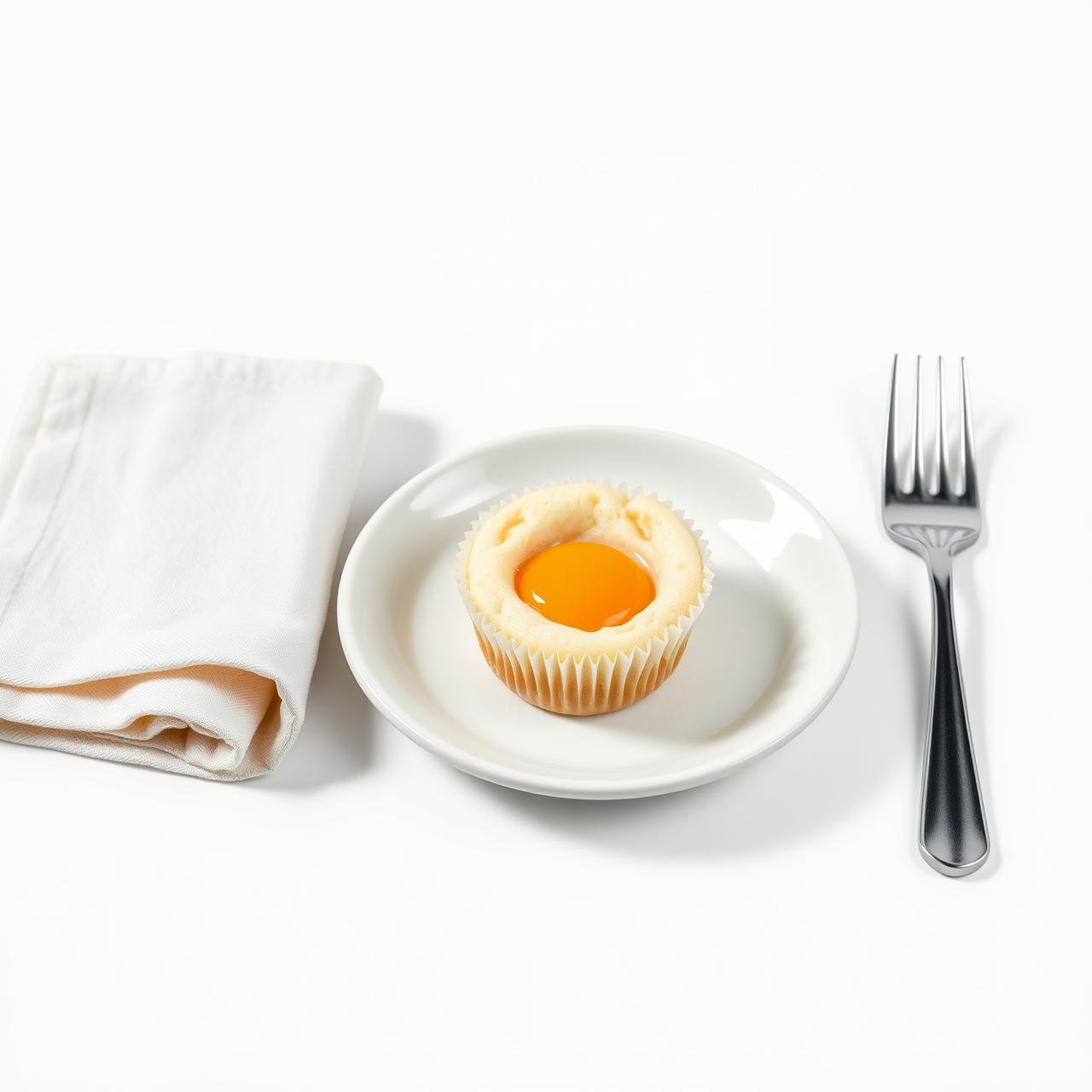
This is an estimation based on the ingredients listed. Actual values may vary depending on the specific products used. This profile is for one muffin, assuming the recipe yields 12.
| Nutrient | Amount per Muffin (Approx.) |
|---|---|
| Calories | ~55 kcal |
| Protein | ~7 g |
| Fat | ~2 g |
| Carbohydrates | ~2 g |
| Fiber | ~1 g |
| Sodium | ~150 mg |
Meal Prep Perfection: Storage & Reheating Guide
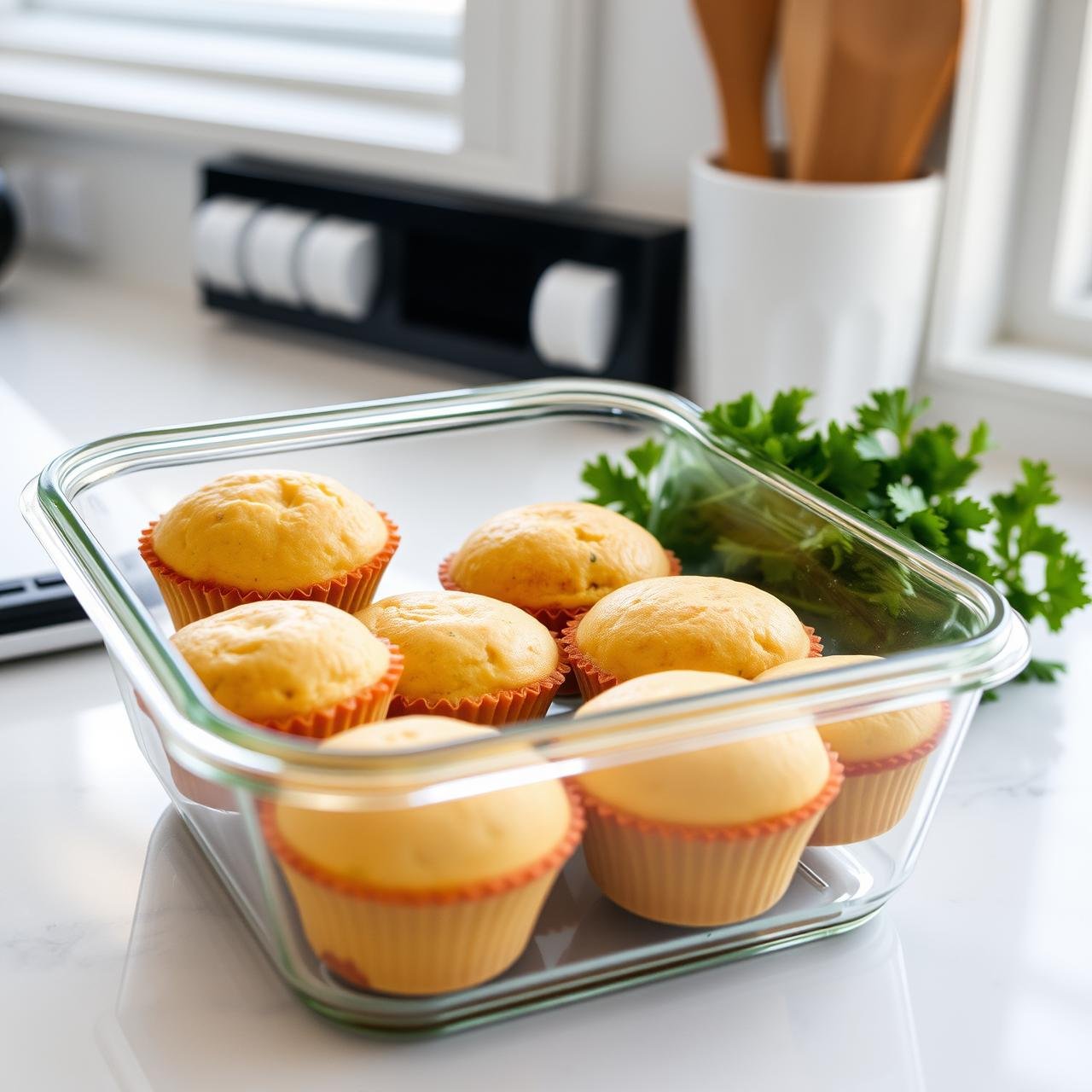
These muffins are the quintessential meal prep breakfast. Cook a batch on Sunday to enjoy a stress-free, healthy breakfast all week long. Proper storage is essential to maintain their quality.
Storage Instructions
- Cool Completely: This is the most important step. Storing warm muffins will create condensation, leading to sogginess. Let them cool completely on a wire rack for at least an hour.
- Refrigeration: Place the cooled muffins in an airtight container. To prevent moisture buildup, you can place a paper towel on the bottom and on the top of the muffins inside the container. They will keep well in the refrigerator for up to 4-5 days.
- Freezing: For longer-term storage, flash-freeze the muffins first. Place them on a baking sheet in a single layer and freeze for 1-2 hours until solid. Then, transfer the frozen muffins to a zip-top freezer bag or airtight container. They can be frozen for up to 3 months.
Reheating Methods
- Microwave (Fastest): Place one or two muffins on a microwave-safe plate. Cover with a damp paper towel to prevent them from drying out. Microwave on high for 30-60 seconds (from refrigerated) or 60-90 seconds (from frozen) until heated through.
- Oven/Toaster Oven (Best Texture): For a texture closer to freshly baked, preheat your oven or toaster oven to 350°F (175°C). Place muffins on a baking sheet and heat for 5-8 minutes (from refrigerated) or 12-15 minutes (from frozen).
Conclusion
You now possess a reliable, no-fluff blueprint for creating exceptionally light and flavorful egg white vegetable muffins. This recipe is more than just a set of instructions; it’s a foundation for a healthier, more convenient lifestyle. By mastering the simple techniques of managing moisture and incorporating air, you’ve unlocked the secret to a perfect low-calorie, high-protein breakfast. Feel free to use this recipe as a canvas for your own culinary creativity, swapping in your favorite vegetables, herbs, and cheeses. Enjoy the satisfaction of a wholesome, homemade breakfast, even on the busiest of mornings.