Cantonese Style Steamed Fish: The Cleanest Protein Dinner You’ll Ever Eat
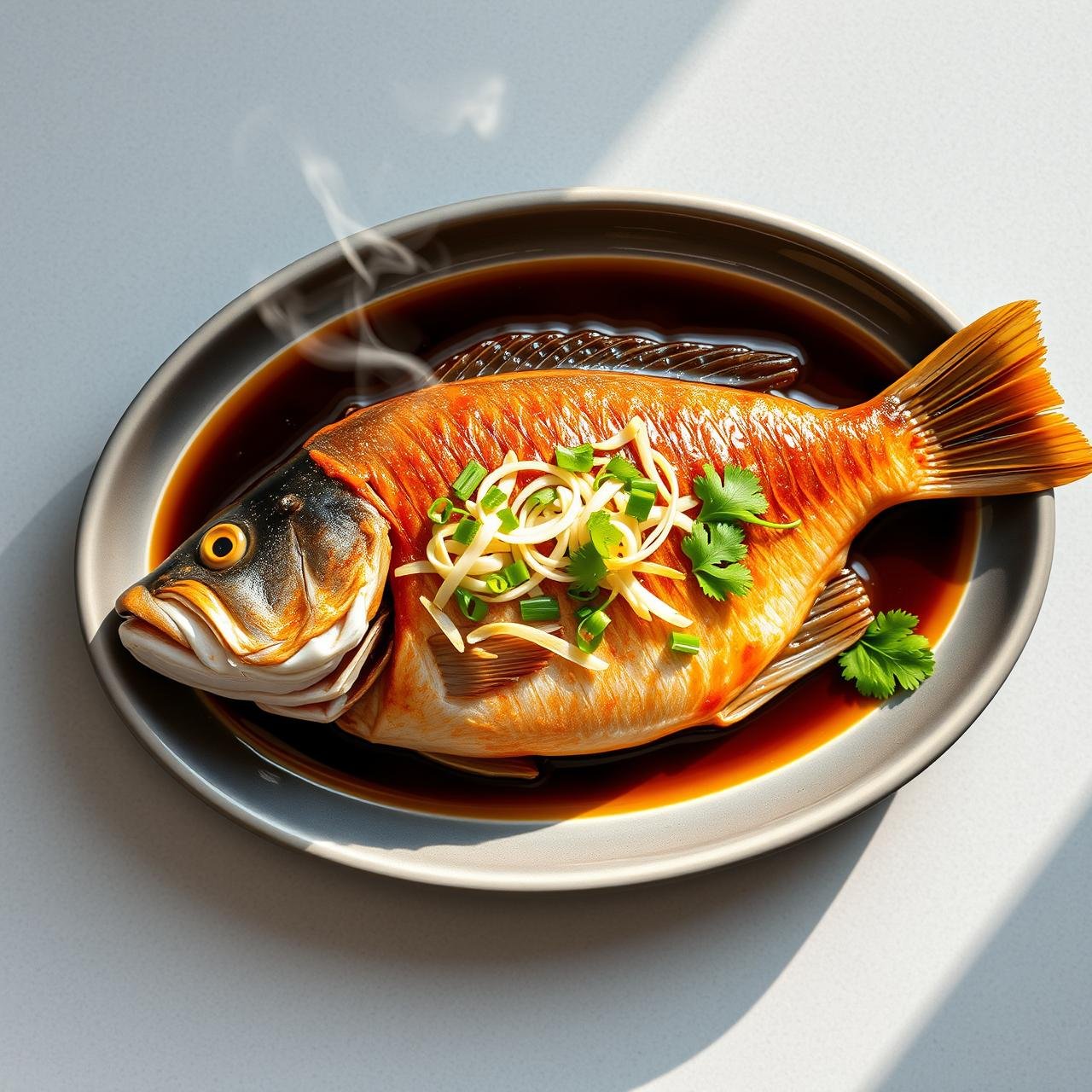
In the world of haute cuisine, simplicity is often the ultimate sophistication. Nowhere is this truer than in the Cantonese kitchen, where the technique of steaming is revered as a pure art form. It’s a method that coaxes out the innate flavors of an ingredient, rather than masking them. And the pinnacle of this art is Cantonese Steamed Fish—a dish so clean, so delicate, and so profoundly flavorful it can silence a dinner table in blissful appreciation. It’s more than just a meal; it’s a testament to the beauty of fresh ingredients and masterful technique. This is the protein dinner that nourishes the body and delights the soul, proving that the healthiest meals can also be the most luxurious. In this guide, we will walk you through every step, from selecting the perfect fish to mastering the final, theatrical sizzle of hot oil that awakens the aromatics. Prepare to create a restaurant-quality masterpiece in your own home.
The Philosophy of Steaming: A Celebration of Purity
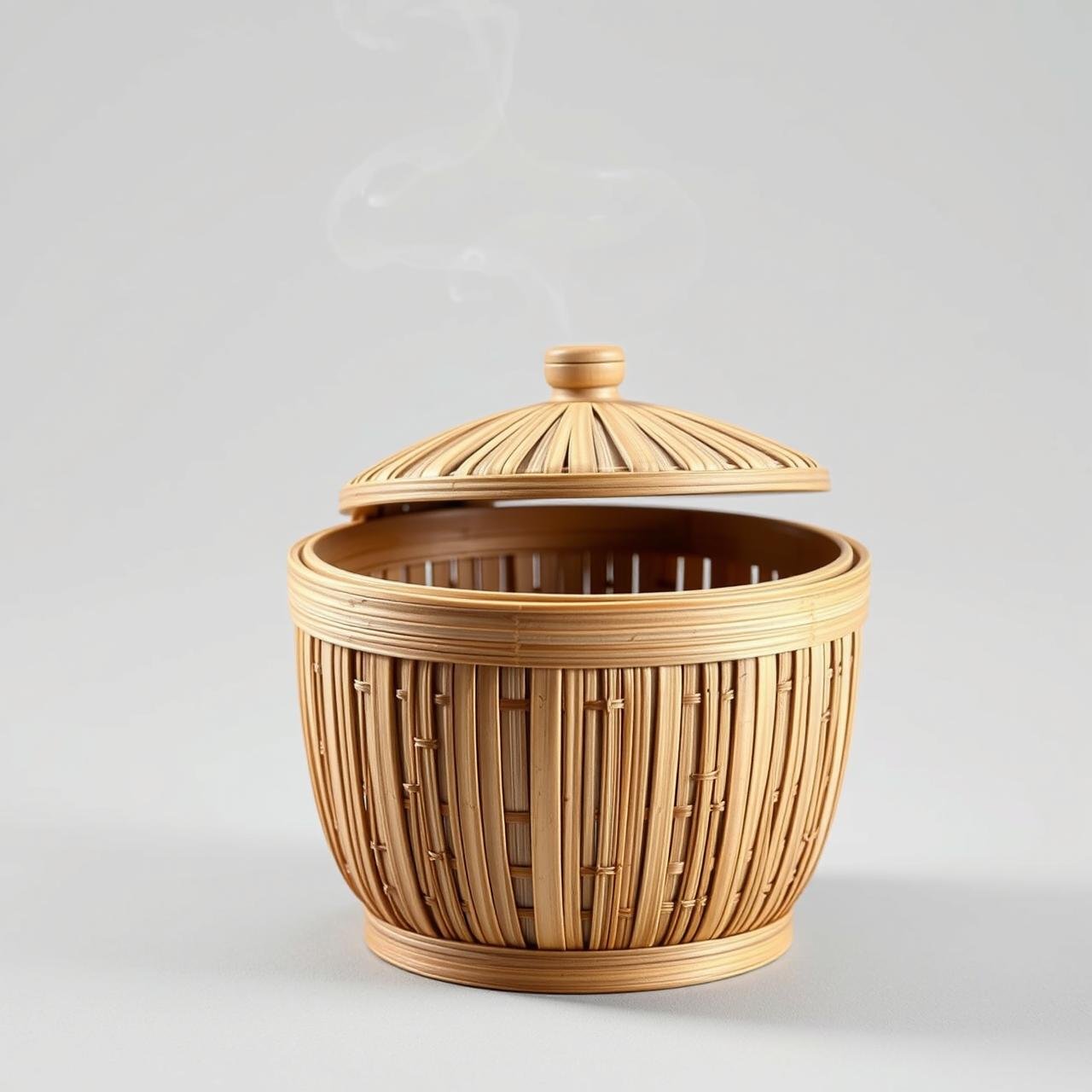
Before we handle the fish, let’s understand the ‘why’. Steaming is a gentle, moist-heat cooking method that is central to Cantonese culinary philosophy. Unlike aggressive high-heat methods like pan-searing or deep-frying, steaming preserves the delicate texture and subtle, sweet flavor of fresh seafood. It’s a technique built on respect for the ingredient. The circulating steam cooks the fish evenly and gently, ensuring the flesh remains incredibly moist and tender—never dry or tough. Furthermore, it’s an exceptionally healthy way to cook. No heavy oils or fats are needed in the primary cooking process, allowing the clean, lean protein to shine. The result is a dish that feels light yet satisfying, delivering a pure taste of the ocean, enhanced only by the clean, bright notes of ginger and scallion.
Choosing Your Champion: The Best Fish for Steaming
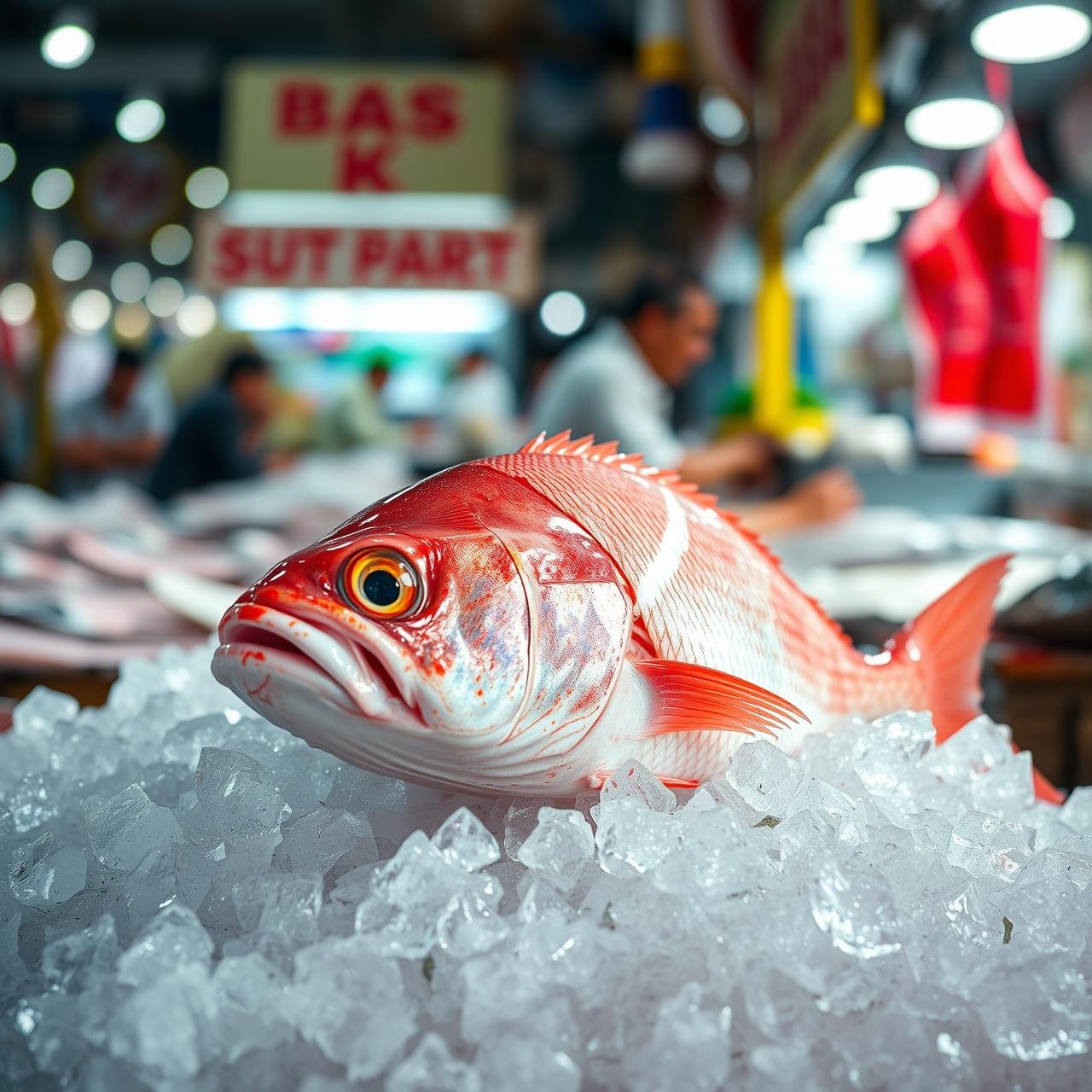
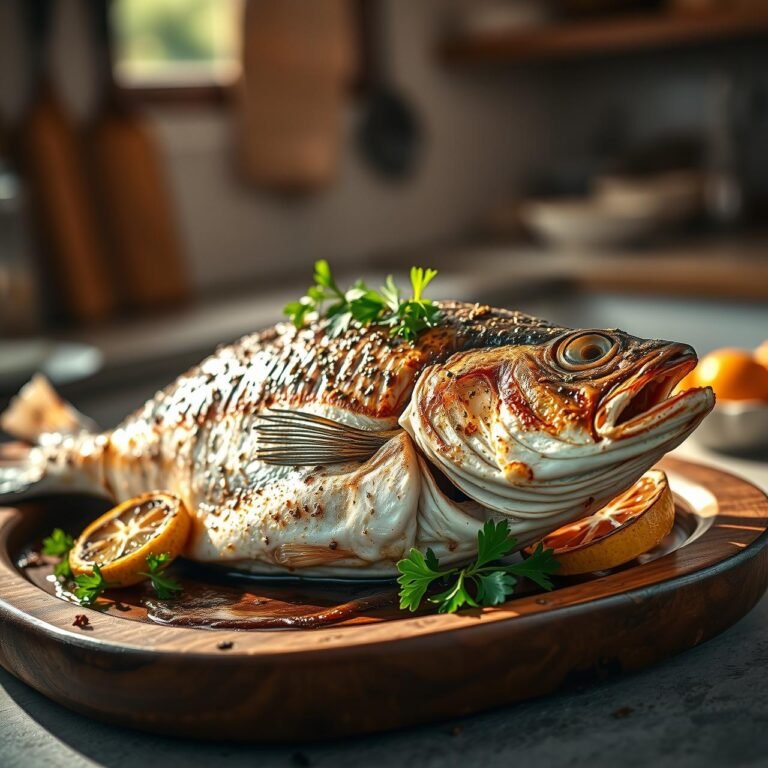
The success of this dish hinges almost entirely on the quality of one ingredient: the fish. You cannot hide a less-than-fresh fish with this simple preparation. When you’re at the market, you are looking for the absolute freshest whole fish you can find. Look for one that is around 1 to 1.5 pounds (450-680g), a perfect size for most steamers and for serving two to three people.
What to Look For:
- Clear, Plump Eyes: The eyes should be bright and clear, not cloudy or sunken. This is the number one sign of freshness.
- Bright Red Gills: Ask the fishmonger to lift the gills. They should be a vibrant, clean red, not brownish or slimy.
- Firm Flesh: Gently press the fish; the flesh should spring back. If it leaves an indentation, it’s not fresh.
- Smell of the Sea: A fresh fish should smell clean and briny, like the ocean. Avoid any fish with a strong, ‘fishy’ or ammonia-like odor.
Top Fish Varieties for Steaming:
- Sea Bass (Branzino): A fantastic, widely available choice with a mild, slightly sweet flavor and delicate texture.
- Red Snapper: Offers a firm, moist texture and a subtly sweet taste that holds up beautifully to steaming.
- Flounder or Fluke: Incredibly delicate and fine-textured, these flatfish are a prized choice for their clean flavor.
- Pomfret: A classic choice in Asian cuisine, with fine, soft flesh and a naturally sweet taste.
Ask your fishmonger to scale, gut, and clean the fish for you, but leave the head and tail on. This is crucial for presentation and for keeping the fish moist.
The Aromatic Trio: Ginger, Scallion, and Cilantro
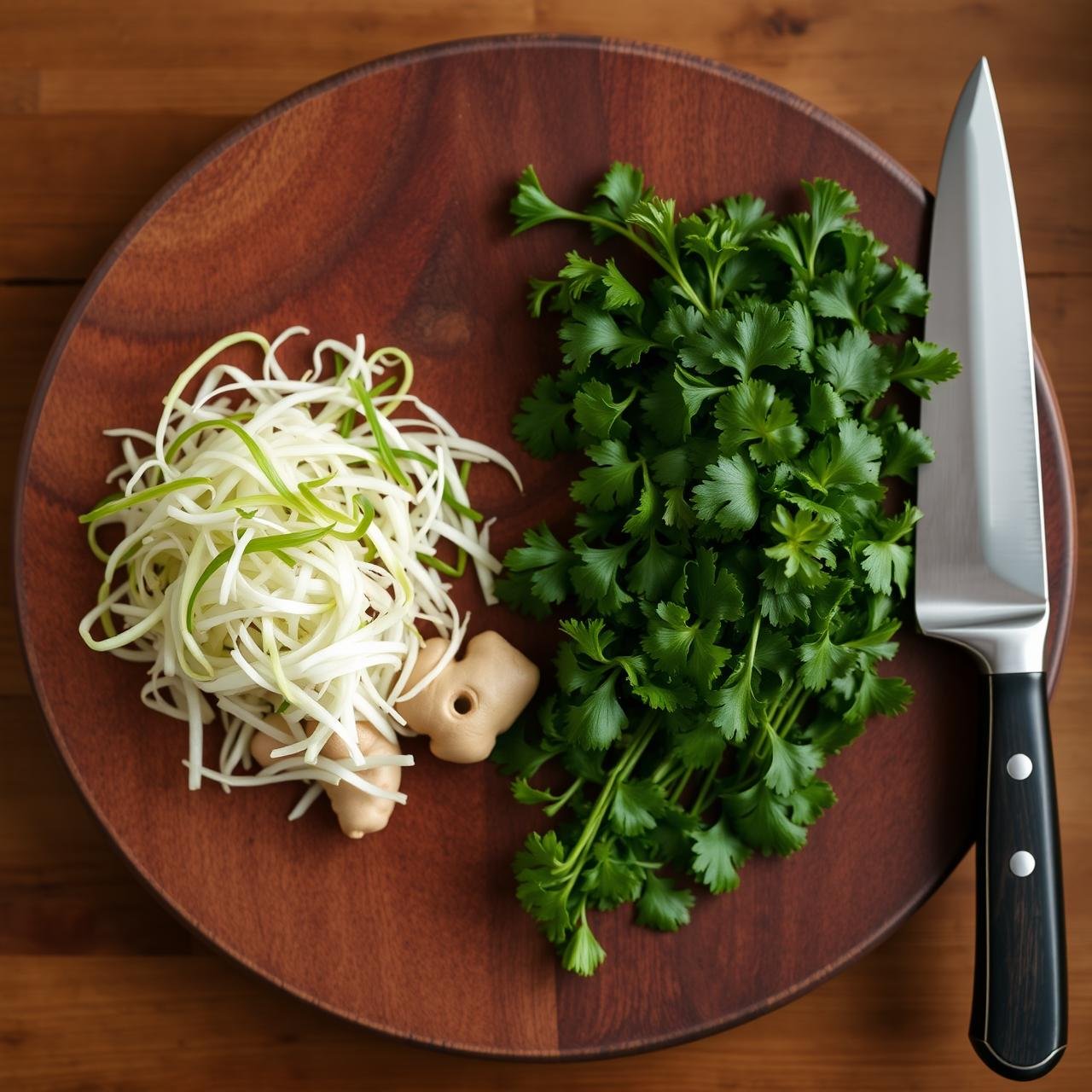
While the fish is the star, the aromatics are the indispensable supporting cast. They perform two critical roles: neutralizing any subtle fishiness and infusing the dish with a clean, fragrant perfume. You’ll use them in three ways: stuffed in the cavity, scattered underneath and on top, and as a final, fresh garnish.
- Ginger: Use fresh, young ginger if you can find it. It should be firm and smooth-skinned. Slice some into coins to place under the fish and stuff in the cavity. The rest should be meticulously julienned—cut into paper-thin strips—for the topping. Ginger’s gentle heat is key to balancing the flavor profile.
- Scallions (Green Onions): These provide a mild, sweet oniony flavor. You’ll use both the white and green parts. The tougher white parts can be cut into 2-inch lengths and used to elevate the fish from the plate during steaming. The delicate green parts are julienned alongside the ginger for the topping.
- Cilantro: This fresh herb adds a final burst of bright, citrusy flavor. Use the leaves and tender stems as a garnish after the fish is cooked. It should be added last, as its delicate flavor is lost with too much heat.
The Complete Recipe: Cantonese-Style Steamed Fish
This is the moment where technique, timing, and temperature converge to create magic. Work calmly and methodically. The most crucial part is the steaming time—it is very easy to overcook fish. The rule of thumb is about 8-10 minutes per inch of thickness at the thickest part of the fish.
Essential Equipment
You don’t need fancy equipment. A simple setup works perfectly.
- A Steamer: A multi-tiered bamboo steamer set inside a wok is classic. Alternatively, a large pot or wok with a lid and a wire rack will do.
- A Heatproof Plate: The plate must fit inside your steamer with about an inch of clearance around the sides for steam to circulate. An oval shape is often best for a whole fish.
- A Small Saucepan: For preparing the sauce and heating the oil.
Ingredients
- 1 whole fish (approx. 1-1.5 lbs / 450-680g), such as sea bass, snapper, or flounder, scaled and gutted
- 2-inch piece of fresh ginger, peeled
- 3-4 scallions (green onions)
- 1/2 cup fresh cilantro leaves and tender stems
- 2 tablespoons avocado oil, or another neutral oil with a high smoke point
For the Sauce:
- 3 tablespoons light soy sauce or tamari
- 1 tablespoon water
- 1/2 tablespoon Shaoxing wine (optional, but recommended)
- 1/2 teaspoon sesame oil
- 1/2 teaspoon sugar
Step-by-Step Instructions
- Prepare the Aromatics: Cut about half of the ginger into 4-5 thin coins. Meticulously julienne the remaining ginger into very fine matchsticks. Separate the white/light green parts of the scallions from the dark green tops. Cut the white parts into 2-inch segments and lightly smash them. Julienne the green tops to match the ginger.
- Prepare the Fish: Pat the fish completely dry, inside and out, with paper towels. This is a critical step for a clean flavor. Make two to three shallow diagonal scores on both sides of the fish, cutting just until you feel the bone. This helps the fish cook evenly. Stuff the cavity of the fish with the ginger coins and a few of the white scallion pieces.
- Set Up the Steamer: Fill your wok or large pot with about 2 inches of water. Place a wire rack inside. Lay the remaining white scallion pieces on your heatproof plate to create a bed—this elevates the fish, allowing steam to circulate underneath it. Place the prepared fish on top of the scallion bed.
- Steam the Fish: Bring the water in the wok to a rolling boil over high heat. Carefully place the plate with the fish onto the rack. Cover tightly with the lid and reduce the heat slightly to maintain a strong, steady steam. Steam for 8-12 minutes. The exact time depends on the size and thickness of your fish. To check for doneness, insert a chopstick or small knife into the thickest part of the fish, near the backbone. The flesh should be opaque and flake easily. If it’s still translucent, steam for another 1-2 minutes. Do not overcook!
- Prepare the Sauce: While the fish is steaming, combine all sauce ingredients (soy sauce, water, Shaoxing wine, sesame oil, sugar) in a small bowl and stir until the sugar is dissolved. Set aside.
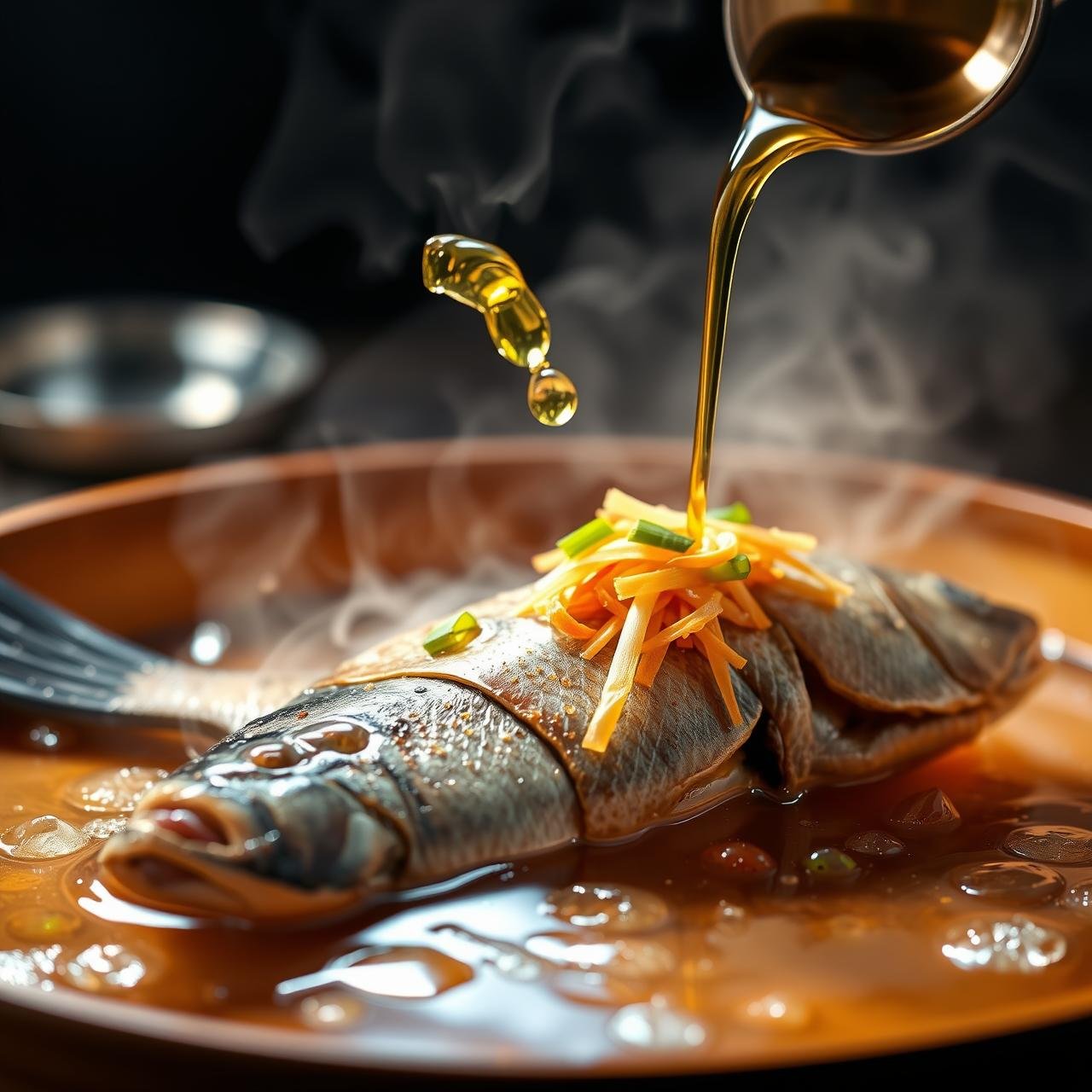
- The Grand Finale: Once cooked, carefully remove the plate from the steamer. It will be very hot! Pour off any milky liquid that has accumulated on the plate. This liquid contains the fishiness you want to discard. Neatly scatter the julienned ginger and scallion greens over the top of the fish.
- The Sizzle: Heat the 2 tablespoons of neutral oil in your small saucepan over high heat until it is shimmering and just beginning to smoke. Immediately and carefully pour the sizzling hot oil all over the scallions and ginger on top of the fish. You will hear a dramatic sizzle and the air will fill with an incredible aroma. This flash-fry technique blooms the aromatics, releasing their essential oils.
- Serve Immediately: Drizzle the prepared soy sauce mixture evenly over the entire fish. Garnish with the fresh cilantro leaves and serve immediately with steamed jasmine rice.
Nutritional Profile: A Clean Bill of Health
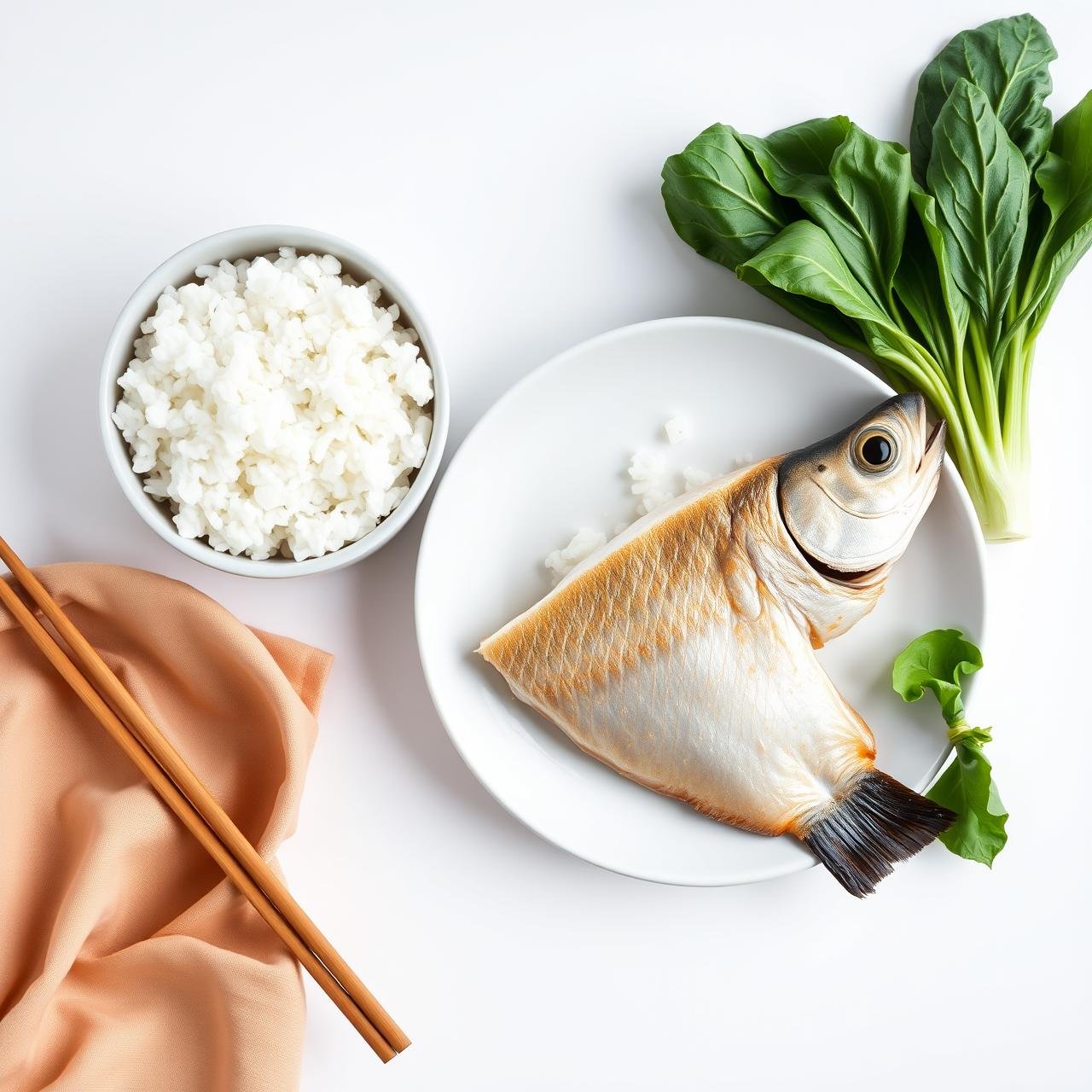
This dish is a powerhouse of nutrition, perfectly aligning with a healthy, clean-eating lifestyle. It’s naturally low in carbohydrates and rich in high-quality, easily digestible protein and beneficial omega-3 fatty acids, which support heart and brain health.
| Nutrient | Amount per Serving (approx. 1/2 fish) |
|---|---|
| Calories | ~350-450 kcal |
| Protein | ~40-50g |
| Fat | ~18-25g |
| Saturated Fat | ~3-5g |
| Omega-3 Fatty Acids | ~1500-2000mg |
| Carbohydrates | ~3g |
| Sodium | ~600mg |
Nutritional information is an estimate and can vary based on the type and size of the fish used.
Storage and Reheating
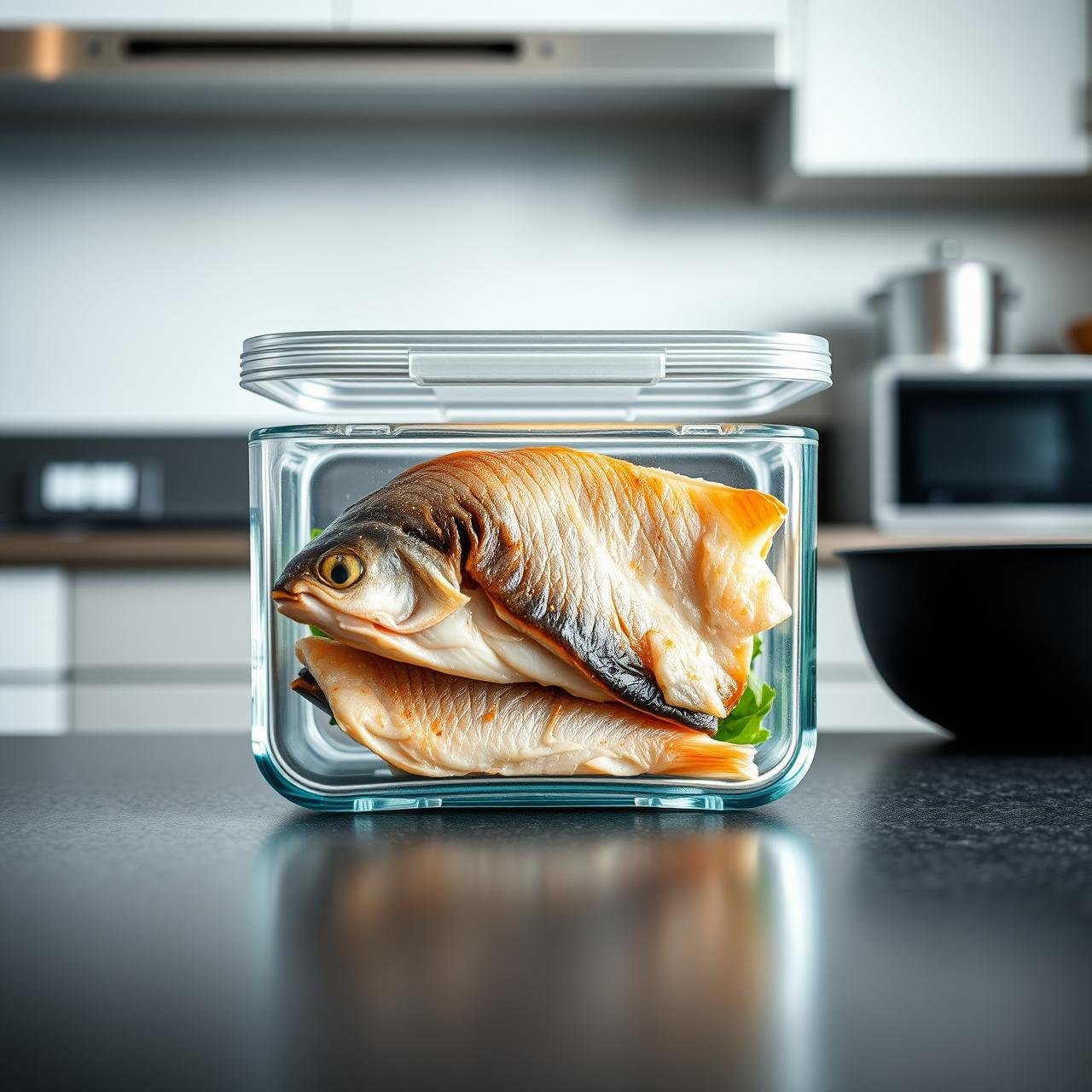
While Cantonese Steamed Fish is unequivocally best enjoyed fresh from the steamer, leftovers can still be delicious if handled correctly.
Storage:
Allow the fish to cool completely. Transfer the fish and any remaining sauce to an airtight container. It can be stored in the refrigerator for up to 2 days. The texture will change slightly upon refrigeration, but the flavor will remain.
Reheating:
The key to reheating is to be gentle. The microwave can easily overcook the fish and make it rubbery. The best method is to re-steam it. Place the fish on a heatproof plate and steam it for just 2-4 minutes, or until warmed through. This gentle, moist heat will help restore some of its original texture without drying it out. Avoid reheating more than once.
Conclusion
Cantonese Steamed Fish is more than just a recipe; it’s a practice in restraint, a lesson in honoring ingredients, and a celebration of pure, unadulterated flavor. It’s a dish that proves that healthy eating doesn’t require sacrifice—it can be an elegant, deeply satisfying, and even theatrical experience. By mastering this fundamental technique, you unlock a world of clean, delicious, and impressive meals. We hope you bring this taste of Cantonese tradition into your kitchen and share its simple, profound beauty with those you love.