One-Pan Shakshuka With Feta And Spinach for a Metabolism Boost
There is a certain magic in a dish that is both deeply comforting and wonderfully invigorating, a meal that feels both rustic and refined. Shakshuka is precisely that. Originating from North Africa and now a beloved staple across the Middle East, its name translates to “a haphazard mixture” or “all mixed up.” At its core, it is a humble dish of eggs poached in a spiced tomato and pepper sauce. Yet, its simplicity is its genius. It’s a canvas for flavor, a one-pan wonder that minimizes cleanup while maximizing satisfaction.
This particular rendition elevates the classic by incorporating the earthy notes of fresh spinach and the briny, creamy tang of feta cheese. But we take it a step further. This isn’t just shakshuka; it’s a carefully crafted meal designed to give your metabolism a gentle, supportive boost. Through a thoughtful selection of spices and whole-food ingredients, we transform a simple breakfast or dinner into a powerhouse of nutrition. Prepare to embrace a dish that is as good for your body as it is for your soul—a vibrant, bubbling pan of pure, healthful indulgence.
Why This Shakshuka Is a Culinary Masterpiece
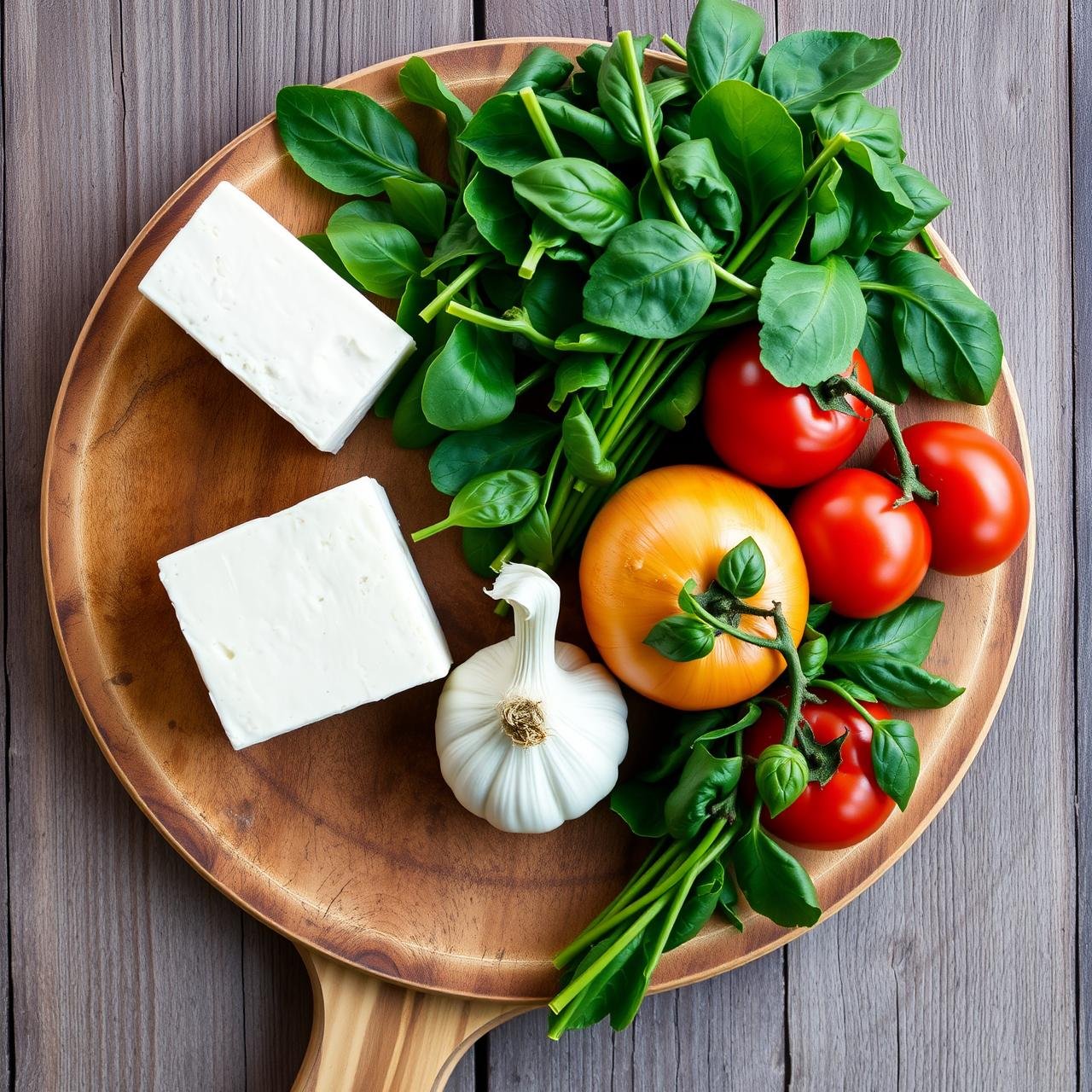
What makes this shakshuka recipe stand out is its perfect symphony of textures and flavors, all while being incredibly accessible for the home cook. The foundation is a rich, savory tomato sauce, slow-simmered with aromatics like garlic and onion to build a deep flavor base. The addition of spices like cumin, paprika, and a pinch of cayenne pepper introduces warmth and a subtle smokiness that awakens the palate.
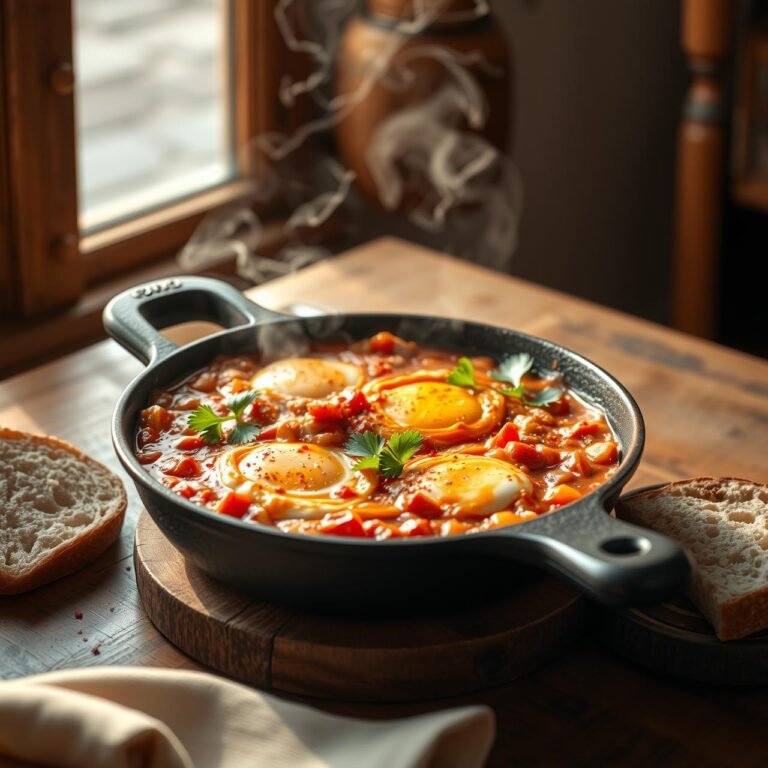
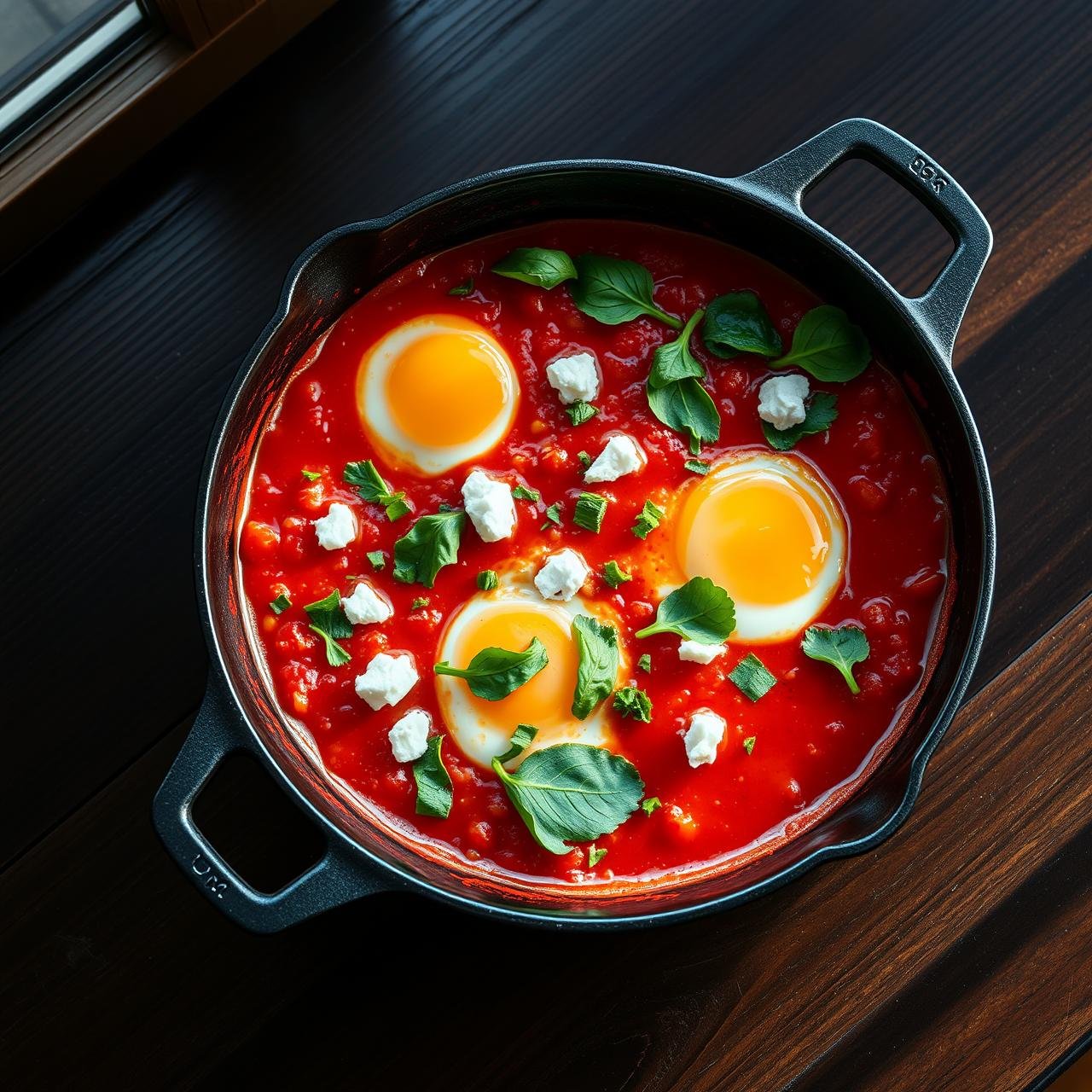
Then, we introduce our star ingredients. Fresh spinach is wilted directly into the sauce, infusing the dish with essential nutrients and a pleasant, earthy undertone that cuts through the acidity of the tomatoes. Just before the eggs are added, generous crumbles of high-quality feta cheese are stirred in. As it heats, the feta softens, lending a creamy texture and a salty, tangy counterpoint that is utterly irresistible. Finally, the eggs, gently cracked into wells within the sauce, are poached to perfection. The whites become firm while the yolks remain lusciously runny, ready to be broken open to create their own rich, golden sauce. It’s a complete, satisfying meal that hits every note: savory, tangy, spicy, and fresh, all brought together in a single, beautiful pan.
Essential Equipment for Your One-Pan Wonder
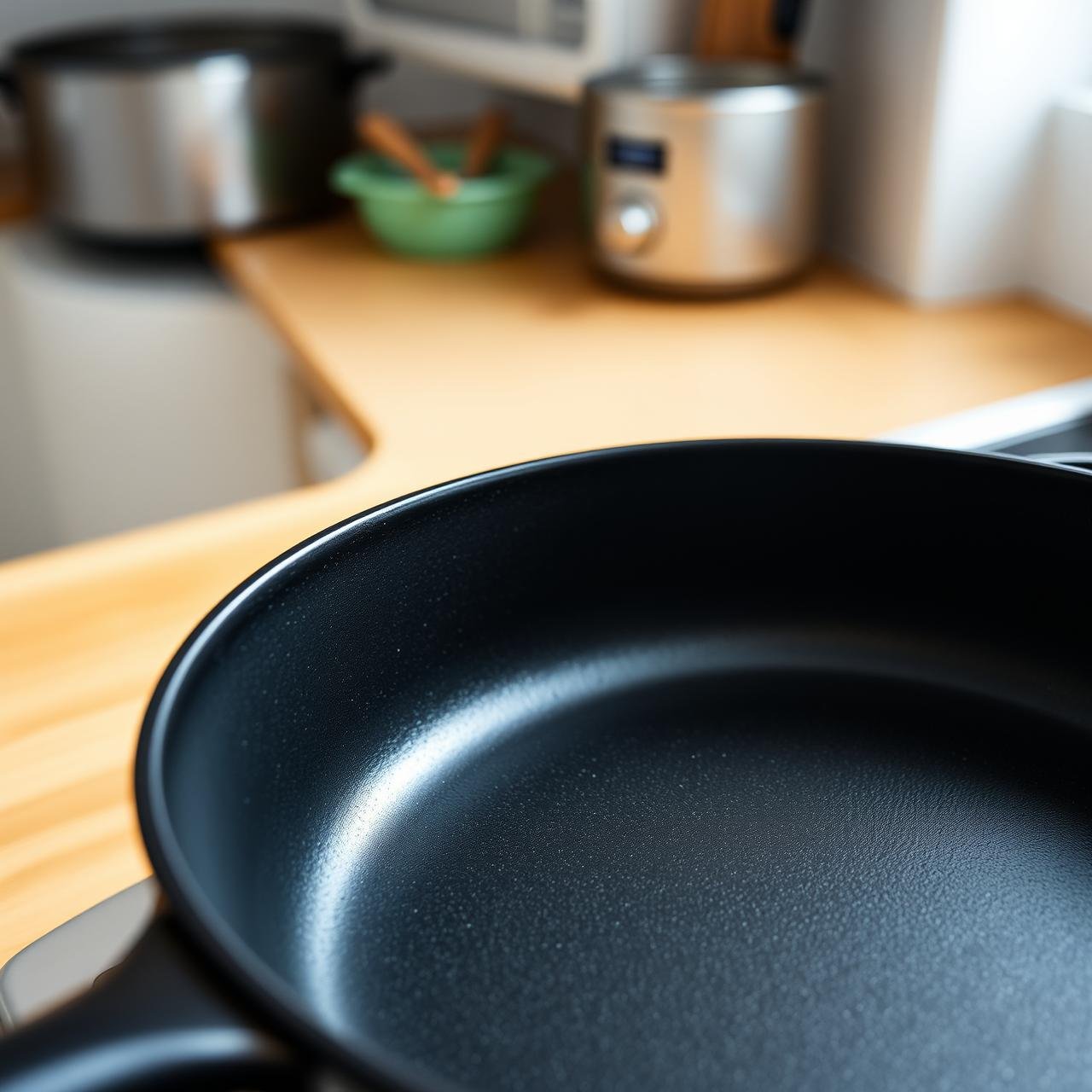
One of the greatest appeals of shakshuka is its minimal equipment requirement. You don’t need a host of fancy gadgets, just a few kitchen staples. The most crucial item is the right pan.
| Equipment | Chef’s Note |
|---|---|
| 10 to 12-inch Skillet with a Lid | A well-seasoned cast-iron skillet is the traditional and ideal choice. It retains heat beautifully, cooking the sauce and eggs evenly. A heavy-bottomed stainless steel or non-stick skillet will also work perfectly. Ensure you have a tight-fitting lid to properly steam the tops of the eggs. |
| Chef’s Knife | A sharp knife is essential for efficiently dicing the onion, mincing the garlic, and chopping herbs. |
| Cutting Board | A large, stable cutting board provides a safe and ample surface for all your prep work. |
| Wooden Spoon or Spatula | Ideal for sautéing the aromatics and stirring the sauce without scratching your pan’s surface. |
| Measuring Spoons and Cups | For accurate measurement of spices, oil, and tomatoes to ensure a balanced and flavorful sauce. |
Gather Your Farm-Fresh Ingredients
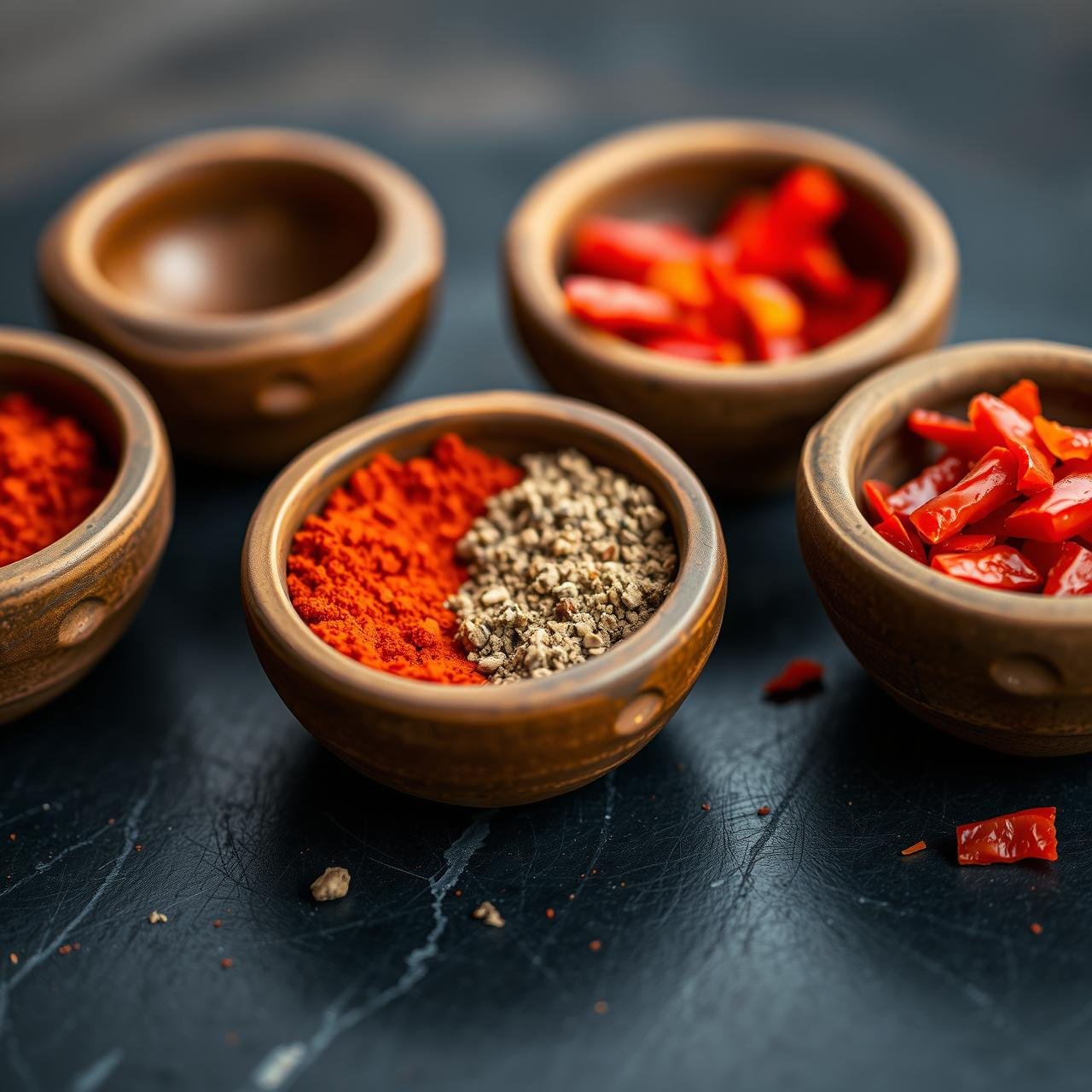
The quality of your shakshuka is directly tied to the quality of your ingredients. Opt for fresh and vibrant produce whenever possible. This recipe serves 2-3 people generously.
For the Sauce:
- 2 tablespoons of extra virgin olive oil
- 1 large yellow onion, finely diced
- 4 cloves of garlic, minced
- 1 red bell pepper, finely diced (optional, for extra sweetness)
- 1 teaspoon of ground cumin
- 1 teaspoon of sweet paprika
- 1/4 teaspoon of cayenne pepper or red pepper flakes (adjust to your heat preference)
- 1 (28-ounce) can of crushed or diced tomatoes, high quality
- 1/2 cup of water or vegetable broth
- Salt and freshly ground black pepper, to taste
- 5 ounces (about 5 large handfuls) of fresh spinach
- 4 ounces of feta cheese, crumbled, divided
For the Topping:
- 4 to 6 large eggs
- Fresh cilantro or parsley, chopped, for garnish
- Crusty bread or warm pita, for serving
Step-by-Step Guide to Crafting Perfect Shakshuka
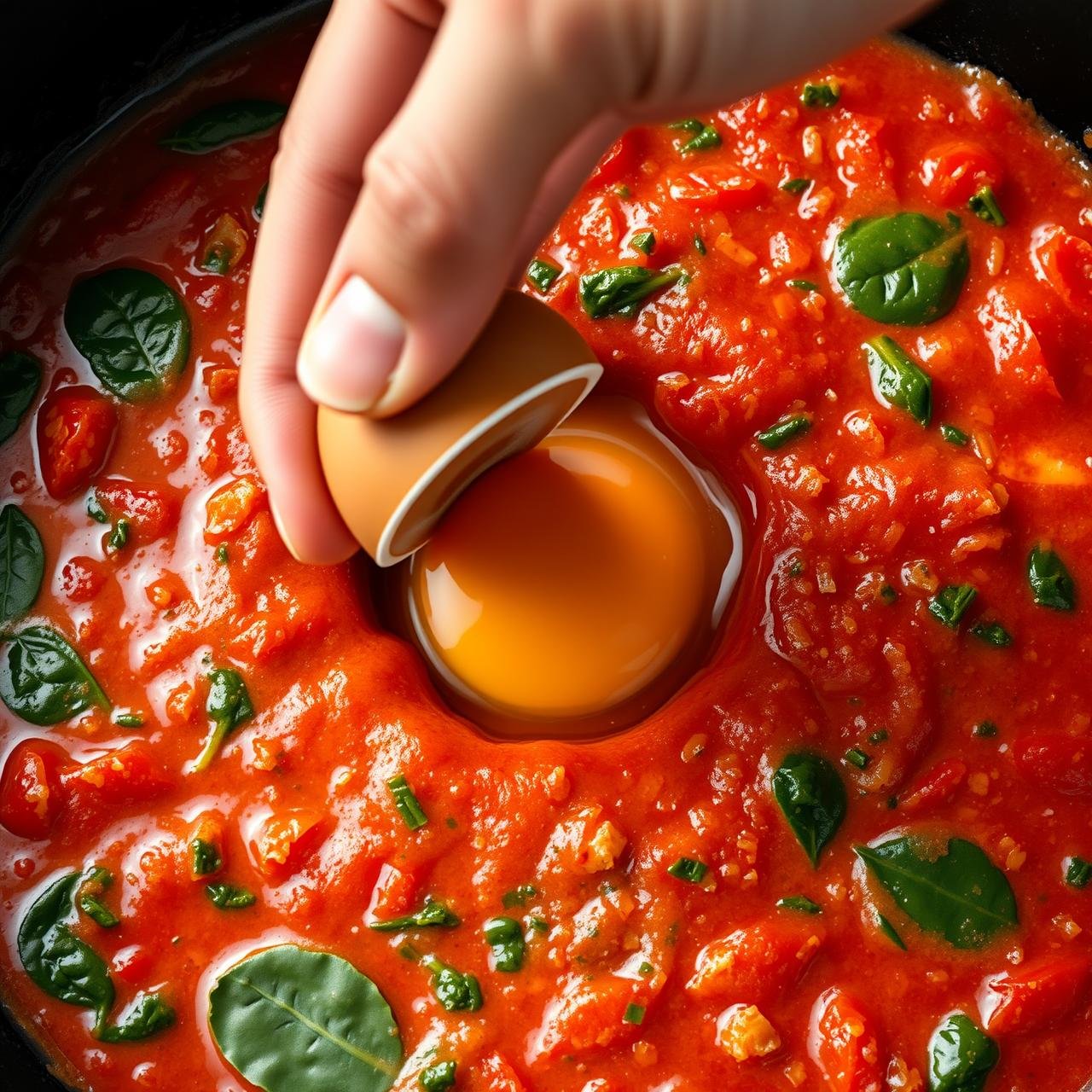
Follow these instructions carefully to build layers of flavor, resulting in a truly exceptional dish. The entire process should take about 30-35 minutes.
- Sauté the Aromatics: Heat the olive oil in your skillet over medium heat. Add the diced onion and bell pepper (if using) and cook, stirring occasionally, until softened and translucent, about 5-7 minutes. Add the minced garlic and cook for another minute until fragrant, being careful not to let it burn.
- Bloom the Spices: Add the cumin, paprika, and cayenne pepper to the skillet. Stir constantly for about 30 seconds. This step, known as blooming, toasts the spices and unlocks their full aromatic potential.
- Build the Sauce: Pour the canned tomatoes into the skillet, along with the water or broth. Season generously with salt and pepper. Stir everything together, scraping up any browned bits from the bottom of the pan. Bring the sauce to a simmer.
- Simmer for Flavor: Reduce the heat to low, cover the skillet, and let the sauce simmer for at least 10 minutes. This allows the flavors to meld and deepen. A longer simmer (up to 20 minutes) will result in an even richer sauce.
- Wilt the Spinach and Add Feta: Add the fresh spinach to the sauce in batches, stirring until it wilts down completely. Once all the spinach is incorporated, stir in about half of the crumbled feta cheese. Taste the sauce and adjust the seasoning if necessary.
- Create Wells and Add Eggs: Using the back of your spoon, create small wells in the sauce for each egg. Gently crack one egg into each well. Try not to break the yolks.
- Poach the Eggs: Sprinkle the remaining feta over the sauce and around the eggs. Cover the skillet with the lid and cook on low heat for 5-8 minutes. The cooking time depends on how you like your eggs. For runny yolks, cook until the egg whites are just set. For firmer yolks, cook a few minutes longer.
- Garnish and Serve: Remove the skillet from the heat. Garnish generously with fresh chopped cilantro or parsley. Serve immediately, directly from the pan, with plenty of crusty bread or warm pita for dipping.
The Science Behind the Metabolism Boost
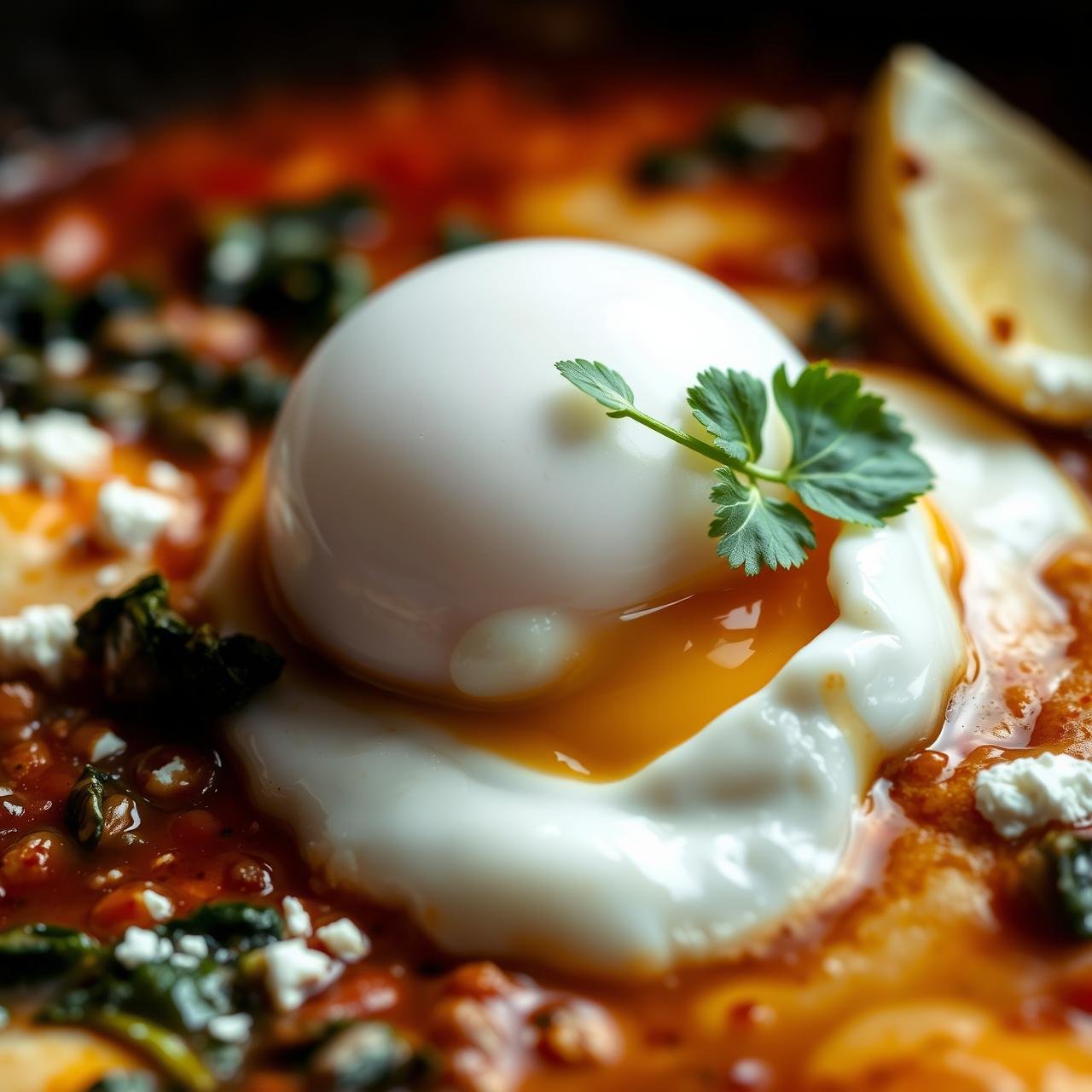
This shakshuka is more than just a delicious meal; its ingredients were chosen for their potential to support a healthy metabolism. Here’s a look at the nutritional science at play:
Capsaicin in Cayenne Pepper
The heat in cayenne and red pepper flakes comes from a compound called capsaicin. Studies suggest that capsaicin can slightly increase thermogenesis—the process by which your body burns calories to produce heat. This can lead to a temporary increase in metabolic rate after a meal.
Protein Power from Eggs & Feta
Protein has a higher Thermic Effect of Food (TEF) than fats or carbohydrates. This means your body expends more energy to digest, absorb, and process it. A protein-rich breakfast, centered around eggs and feta, can help you burn more calories and promote feelings of fullness, reducing the likelihood of overeating later in the day.
Iron-Rich Spinach
Spinach is an excellent source of iron, a mineral crucial for metabolic function. Iron is a key component of hemoglobin, which transports oxygen to your cells, including your muscles. Proper oxygenation is vital for energy production and an efficient metabolism. An iron deficiency can lead to fatigue and a sluggish metabolic rate.
Aromatics with Benefits
Garlic and onions do more than just add flavor. They contain compounds like allicin and quercetin, which have been studied for their various health benefits, including anti-inflammatory properties that support overall bodily function, which is foundational for a healthy metabolism.
A Chef’s Secrets for Flawless Shakshuka

Elevate your shakshuka from good to unforgettable with these professional tips and variations.
Achieving the Perfect Sauce Consistency
The key to great shakshuka is a sauce that is thick enough to hold the eggs but not so thick that it becomes a paste. If your sauce gets too thick during simmering, simply add a splash of water or vegetable broth to thin it out. Conversely, if it’s too watery, let it simmer uncovered for a few extra minutes to reduce.
Room Temperature Eggs Cook Best
For more evenly cooked eggs, let them sit on the counter for about 20-30 minutes before you start cooking. Cold eggs dropped into a hot sauce can sometimes cook unevenly. Room temperature eggs will set more gently and consistently.
Variations and Add-ins
- Add More Veggies: Sauté diced zucchini or mushrooms along with the onions for extra nutrients and texture.
- Introduce Legumes: For a heartier, more protein-packed meal, stir in a can of rinsed chickpeas or white beans along with the tomatoes.
- Switch up the Greens: Kale or chard make excellent, robust substitutes for spinach.
- Play with Cheeses: While feta is classic, goat cheese offers a similar tang and creaminess. A sprinkle of parmesan can add a nutty, savory finish.
What to Serve Alongside Your Shakshuka
The quintessential pairing is a warm, crusty bread like a baguette or sourdough for dipping into the sauce and runny yolks. Warm pita bread is also a fantastic choice. For a lighter meal, serve it with a simple side salad with a lemon vinaigrette to cut through the richness of the dish.
Nutritional Profile: A Wholesome Meal
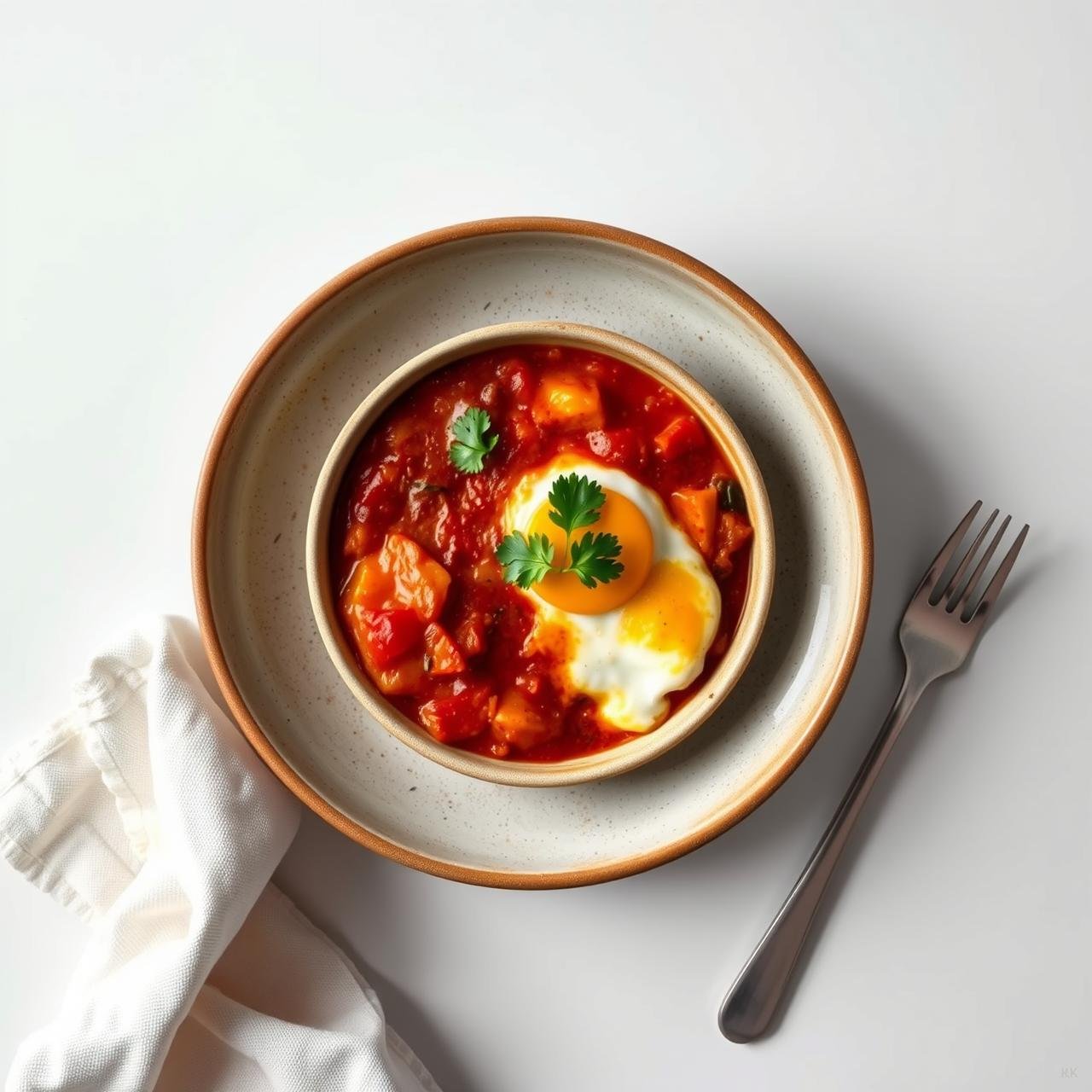
This dish is a well-rounded meal, offering a healthy balance of protein, healthy fats, and complex carbohydrates. The following is an estimated nutritional profile for one serving (assuming the recipe makes 3 servings).
| Nutrient | Estimated Amount per Serving |
|---|---|
| Calories | ~380 kcal |
| Protein | ~20 g |
| Fat | ~25 g |
| Carbohydrates | ~18 g |
| Fiber | ~5 g |
| Iron | ~25% of DV |
| Vitamin A | ~60% of DV |
| Vitamin C | ~45% of DV |
Disclaimer: These values are estimates and can vary based on the specific ingredients and portion sizes used.
Storing and Reheating Your Shakshuka
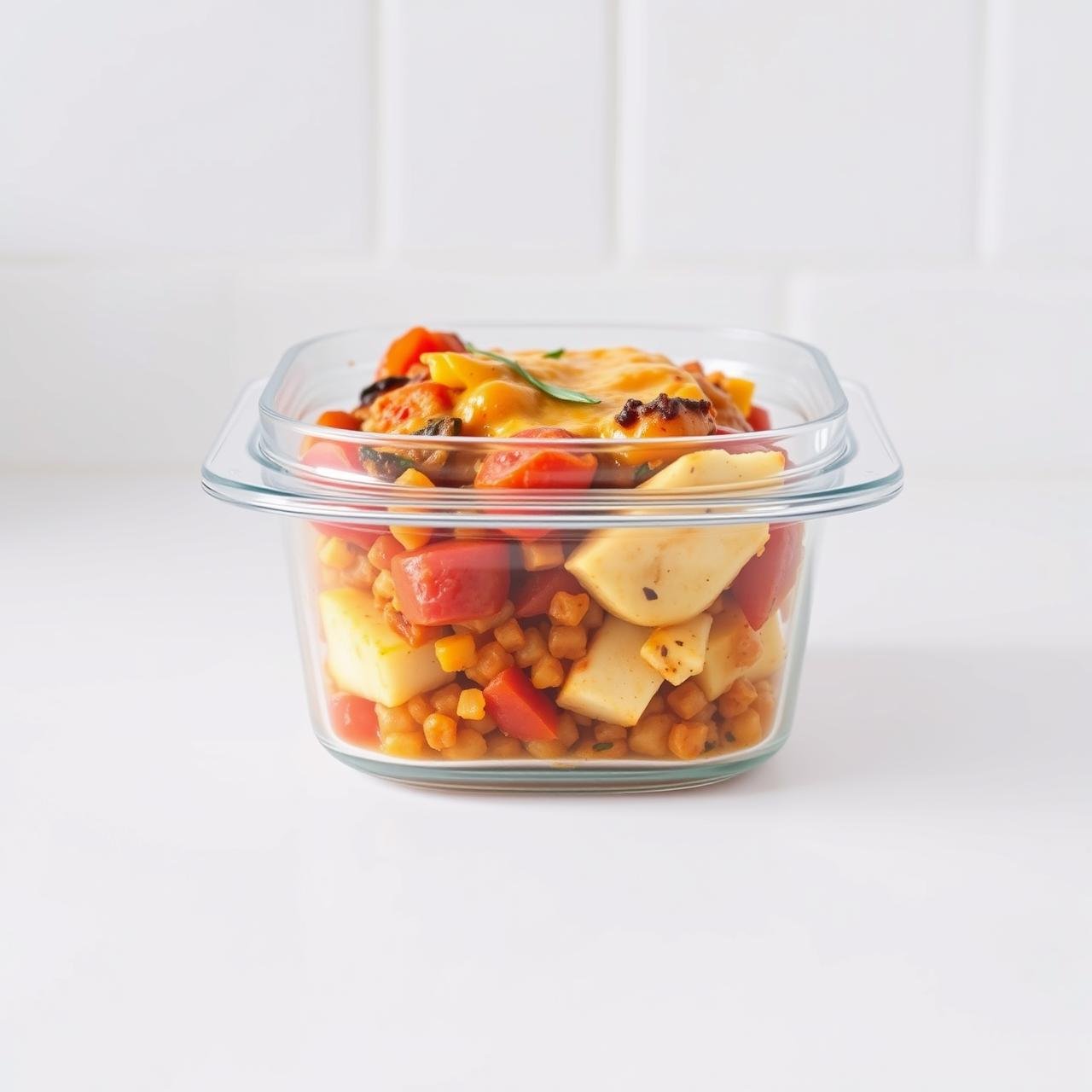
While shakshuka is undeniably best when enjoyed fresh from the pan, leftovers can still be delicious if handled correctly.
Storage Instructions
Allow the shakshuka to cool to room temperature before transferring it to an airtight container. It can be stored in the refrigerator for up to 3 days. Note that the egg yolks will solidify upon cooling and reheating.
Reheating Method
The best way to reheat shakshuka is gently on the stovetop. Place the leftovers in a small skillet or saucepan over low heat. Add a tablespoon or two of water or broth to prevent it from drying out. Cover and heat until warmed through, about 5-7 minutes. Avoid using a microwave, as it can make the eggs rubbery and alter the texture of the sauce.
Conclusion
Shakshuka with Feta and Spinach is more than a recipe; it’s an experience. It’s the sizzle of onions in a hot pan, the vibrant color of a simmering tomato sauce, and the simple joy of breaking a perfect yolk with a piece of warm bread. This version, designed for flavor and function, offers a comforting, rustic meal that nourishes the body and supports your metabolic health. It’s a testament to the fact that wholesome, budget-friendly cooking can be incredibly decadent and satisfying. We invite you to bring this one-pan masterpiece into your kitchen, to make it your own, and to share in the simple, profound pleasure of a meal made with care.