Creamy Low Calorie Cauliflower Hummus (Tastes Like the Real Thing)
There are few things as universally satisfying as a bowl of rich, creamy hummus. It’s the centerpiece of any good snack platter, a trusty companion to crisp vegetables, and a flavorful spread for sandwiches and wraps. But for those of us mindful of calories or carbohydrates, traditional chickpea-based hummus can be a treat we enjoy in careful moderation. What if I told you that you could indulge in that same luscious, velvety texture and authentic, tangy flavor, all while keeping things incredibly light and healthy? Welcome to the recipe that will change your snacking game forever: Creamy Low-Calorie Cauliflower Hummus.
As a chef, I’m always seeking ways to innovate in the kitchen without sacrificing the soul of a classic dish. The challenge here was clear: replicate the beloved qualities of hummus—its smoothness, its savory depth—using a humble, budget-friendly vegetable. Cauliflower, with its chameleon-like ability to adopt flavors and transform in texture, proved to be the perfect candidate. When steamed until tender and blended with the essential hummus aromatics—tahini, garlic, lemon, and cumin—it undergoes a remarkable transformation. It sheds its cruciferous identity and emerges as a dip so deceptively decadent, you’ll find it hard to believe it’s not the real thing. This isn’t just a ‘healthy alternative’; it’s a genuinely delicious dip in its own right, ready to claim its permanent spot in your recipe repertoire.
Why Cauliflower Hummus is a Culinary Game-Changer
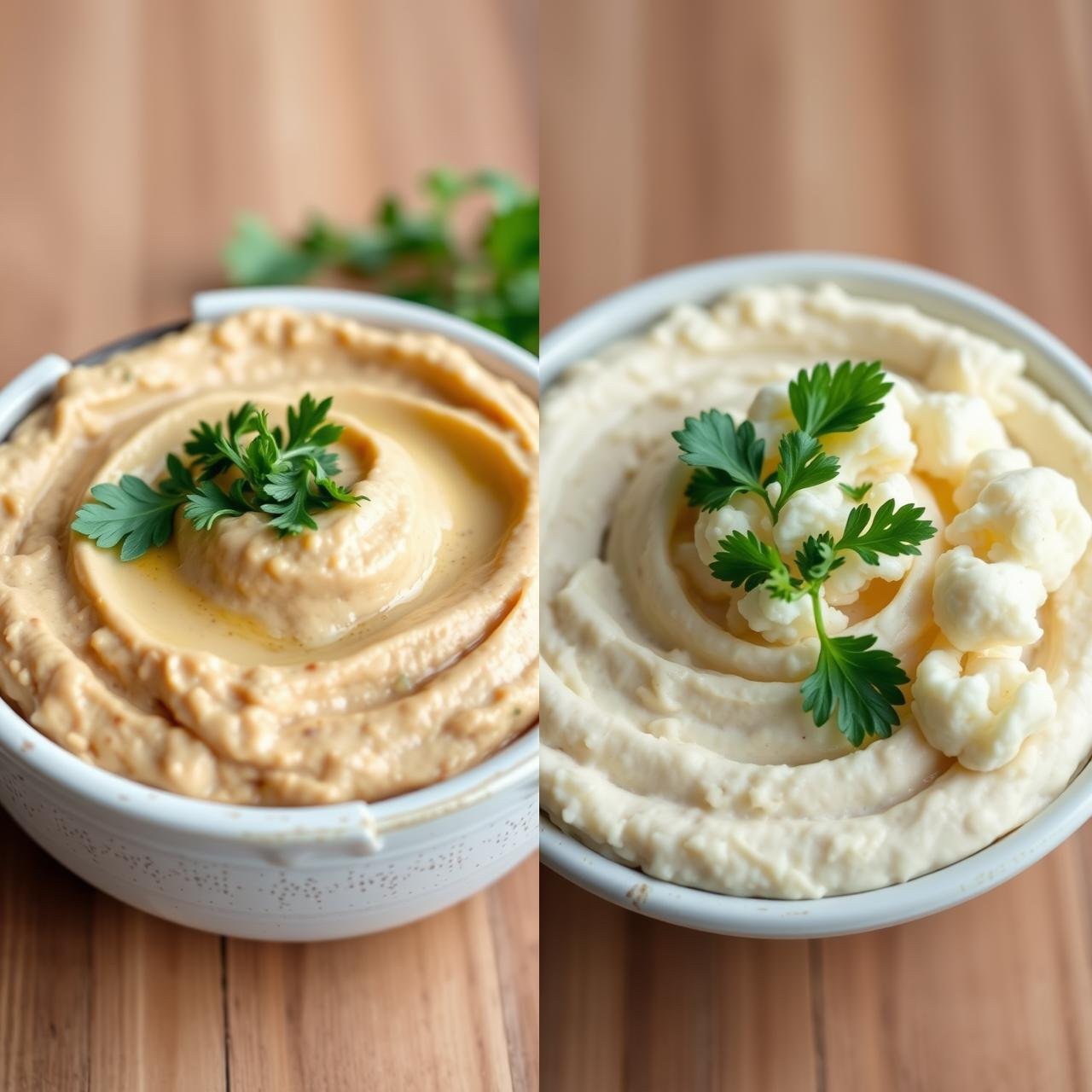
Before we dive into the method, let’s appreciate why this swap is so brilliant. Traditional hummus, made from chickpeas (garbanzo beans), is certainly nutritious. However, for individuals following low-carbohydrate, ketogenic, or specific calorie-controlled diets, the legume base can be a hurdle. Cauliflower steps in as the perfect understudy, offering a host of benefits that make this recipe a staple for healthy eating.
Nutritional Advantages
The most significant advantage is the nutritional profile. Cauliflower is remarkably low in both calories and carbohydrates compared to chickpeas. A cup of cauliflower contains roughly 25 calories and 5 grams of carbs, while the same amount of chickpeas packs around 269 calories and 45 grams of carbs. This drastic difference allows you to enjoy a much more generous portion of hummus without derailing your dietary goals. Furthermore, cauliflower is rich in vitamins C and K, and it’s a fantastic source of fiber, which aids in digestion and promotes a feeling of fullness.
Unbeatable Texture and Flavor Absorption
The magic of cauliflower lies in its neutral flavor and fibrous structure. When cooked properly—steamed until it’s falling-apart tender—it breaks down beautifully in a blender or food processor. This process releases its starches, creating a naturally thick and creamy base that mimics the texture of blended chickpeas. Its mild taste also means it’s an excellent canvas for the bold, classic flavors of hummus. The nutty tahini, bright lemon juice, pungent garlic, and earthy cumin aren’t just present; they shine, creating a flavor profile that is indistinguishable from your favorite store-bought or restaurant hummus.
Essential Equipment for the Perfect Hummus
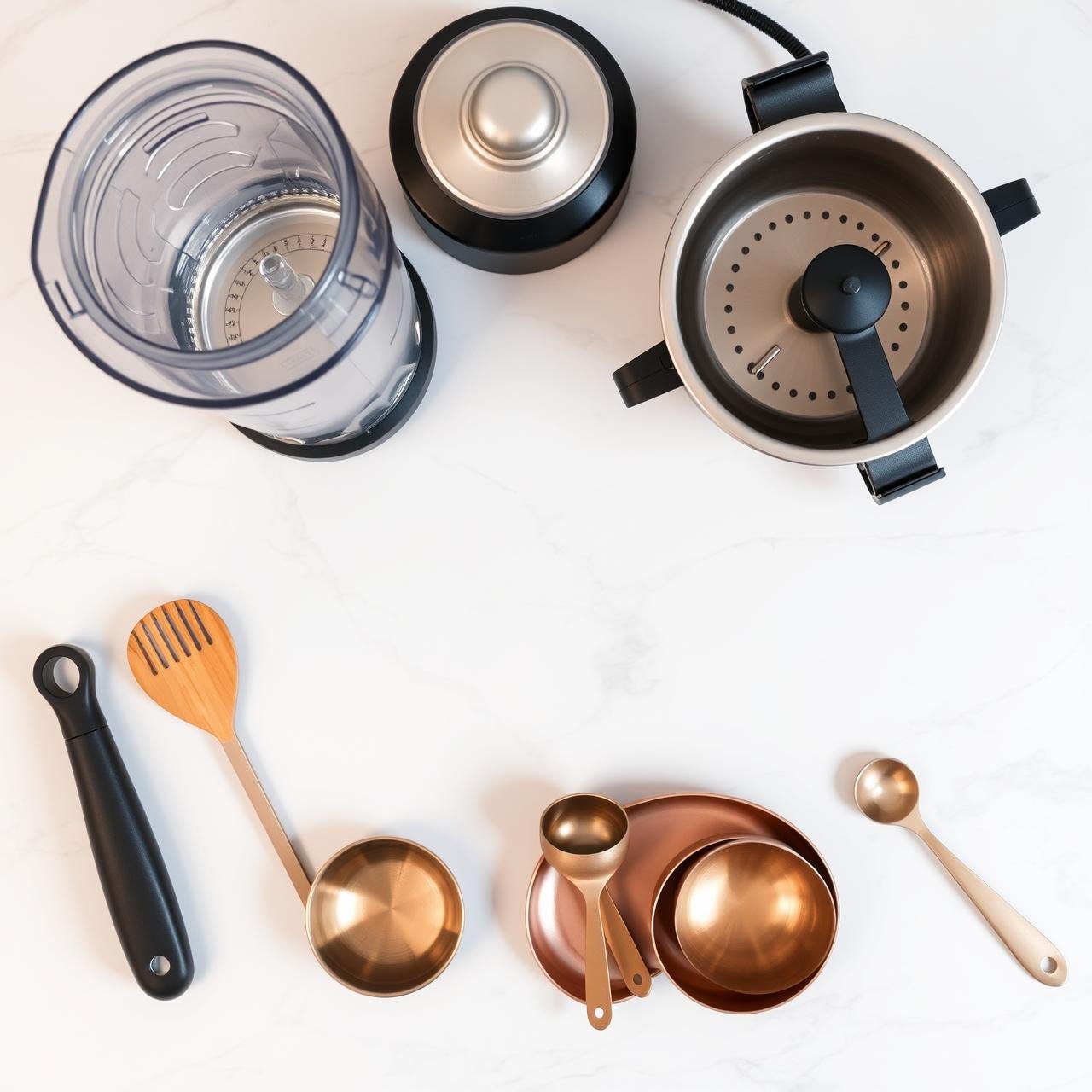
You don’t need a professional kitchen to achieve a flawless texture. The right tools make the process smooth and simple. Here is the basic equipment you’ll want to have on hand.
| Equipment | Chef’s Note |
|---|---|
| High-Powered Blender or Food Processor | This is the most critical tool. A powerful motor is essential for breaking down the cauliflower fibers to achieve a silky-smooth, lump-free consistency. |
| Steamer Basket & Pot | Steaming is the preferred cooking method as it retains nutrients and prevents the cauliflower from becoming waterlogged, which would result in a thin, runny hummus. |
| Silicone Spatula | Indispensable for scraping down the sides of the blender bowl, ensuring every last bit is incorporated for a uniform texture. |
| Measuring Cups and Spoons | Precision with ingredients like lemon juice, tahini, and spices is key to balancing the flavors correctly. |
Gathering Your High-Quality, Simple Ingredients
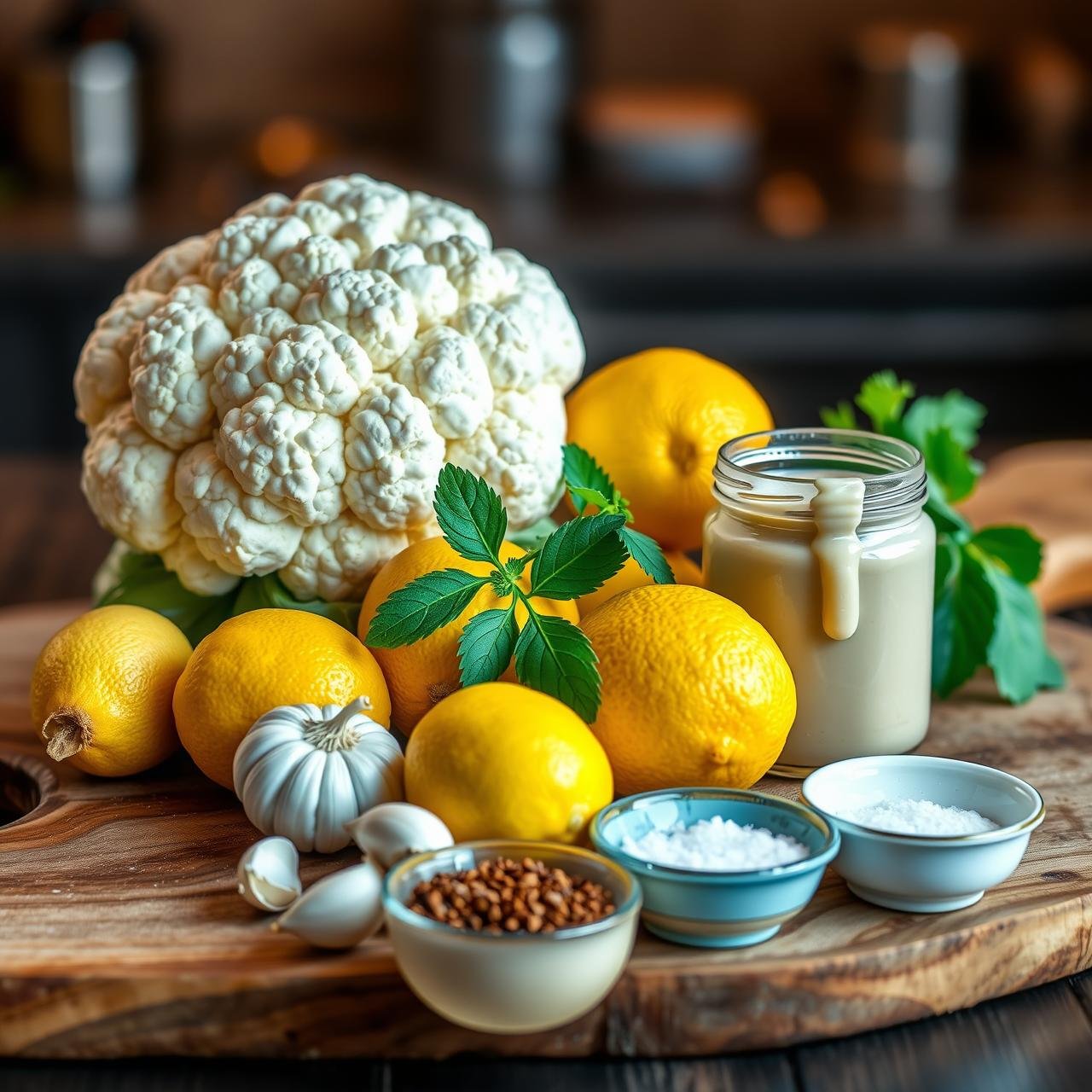
The beauty of this recipe lies in its simplicity and the integrity of its ingredients. Using fresh, high-quality components will elevate the final product from good to exceptional. This recipe is naturally gluten-free, dairy-free, and vegan.
- 1 medium head of fresh cauliflower (about 2 lbs or 900g), cut into florets
- 1/3 cup (80g) of high-quality, runny tahini (sesame paste)
- 1/4 cup (60ml) of freshly squeezed lemon juice (from 1-2 lemons)
- 2-3 cloves of fresh garlic, peeled and roughly chopped
- 1 teaspoon of ground cumin
- 1/2 teaspoon of fine sea salt, plus more to taste
- 2-4 tablespoons of ice-cold water, as needed to achieve desired consistency
- 2 tablespoons of extra virgin olive oil, plus more for drizzling
A Note on Key Ingredients:
Tahini: Don’t skimp here. A good quality, runny tahini is crucial. Look for brands that contain only ground sesame seeds. It should be smooth and pourable, not thick and pasty. This provides the signature nutty depth and creaminess of authentic hummus.
Fresh Lemon Juice: Bottled lemon juice simply cannot compare to the bright, zesty flavor of fresh-squeezed. This acidity is essential to cut through the richness of the tahini and brighten the overall flavor.
Ice-Cold Water: This is a classic hummus-making trick. Adding ice water while the blender is running helps to emulsify the mixture, making it exceptionally light and fluffy.
Step-by-Step Instructions for Ultimate Creaminess
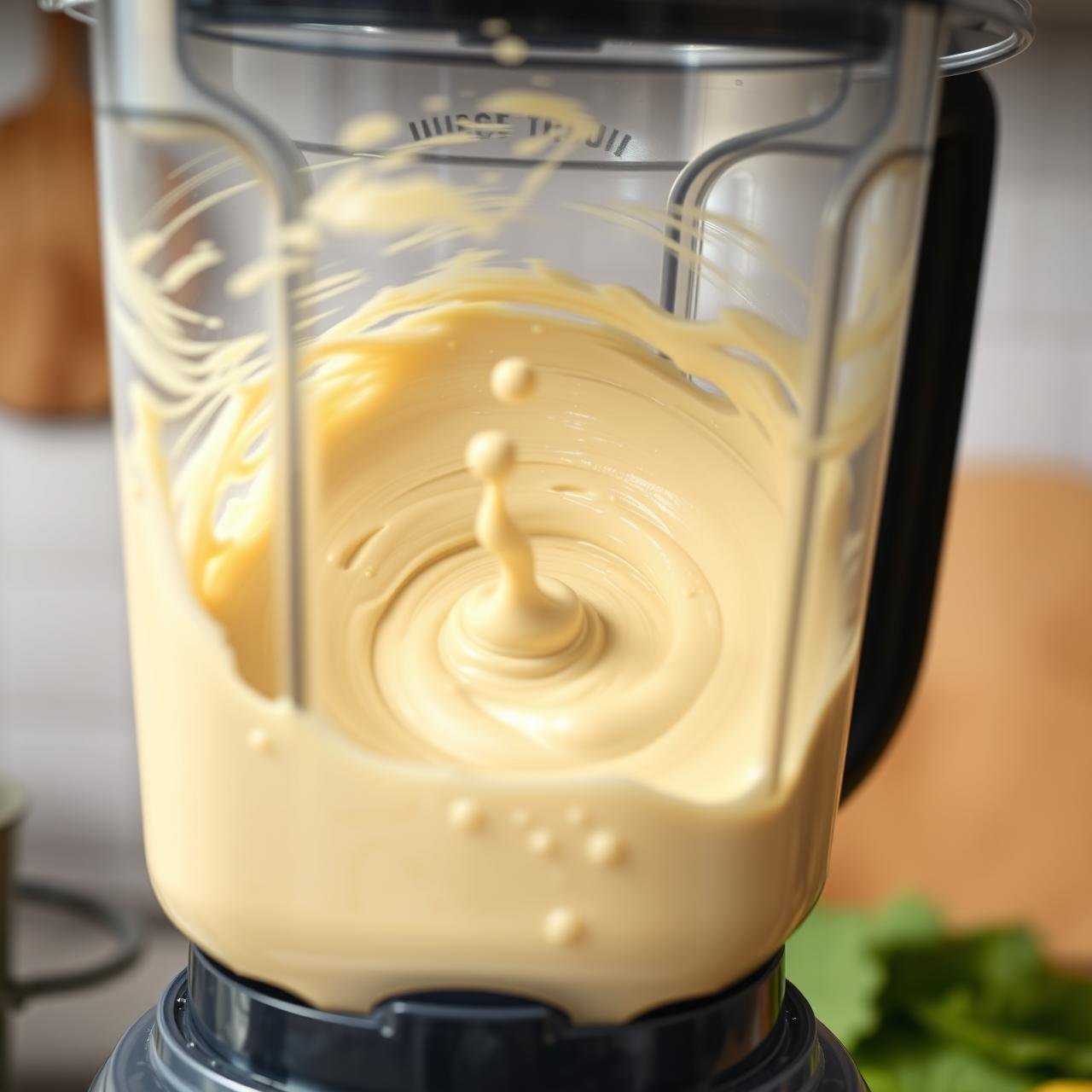
Follow these steps carefully to transform humble cauliflower into a culinary masterpiece. The key is in the cooking and blending technique, which ensures a perfectly smooth final product.
Step 1: Prepare and Steam the Cauliflower
- Wash and chop the head of cauliflower into medium-sized florets of roughly equal size to ensure they cook evenly.
- Set up a large pot with a steamer basket and about an inch of water. Bring the water to a boil over medium-high heat.
- Place the cauliflower florets in the steamer basket, cover the pot, and steam for 10-15 minutes. The cauliflower should be exceptionally tender—a fork should slide into a stem with absolutely no resistance. This is critical for a creamy texture; undercooked cauliflower will result in a gritty hummus.
- Once cooked, carefully remove the steamer basket and let the cauliflower cool for about 5-10 minutes. This allows excess steam to evaporate, preventing a watery dip.
Step 2: Blend the Flavor Base
- While the cauliflower cools, combine the tahini, fresh lemon juice, chopped garlic, ground cumin, and sea salt in the bowl of your food processor or high-powered blender.
- Blend for about 60 seconds, or until the mixture is well-combined, pale, and thick. Scrape down the sides of the bowl with a spatula. This step, known as ‘whipping the tahini,’ is essential for a light and airy texture.
Step 3: Combine and Blend to Perfection
- Add the slightly cooled, steamed cauliflower florets and the 2 tablespoons of extra virgin olive oil to the blender with the tahini mixture.
- Secure the lid and blend on high speed for 2-3 minutes straight. The mixture will start to look creamy but may still be quite thick.
- With the blender running on low, slowly stream in the ice-cold water, one tablespoon at a time. Continue to blend until the hummus is incredibly smooth, creamy, and has reached your desired consistency. You may need more or less water depending on the moisture content of your cauliflower.
- Stop the blender, scrape down the sides one last time, and blend for another 30 seconds to ensure everything is perfectly incorporated.
- Taste the hummus and adjust the seasoning. Add more salt if needed, another squeeze of lemon for brightness, or a pinch more cumin for warmth.
Serving, Storing, and Customizing Your Hummus
The Perfect Presentation
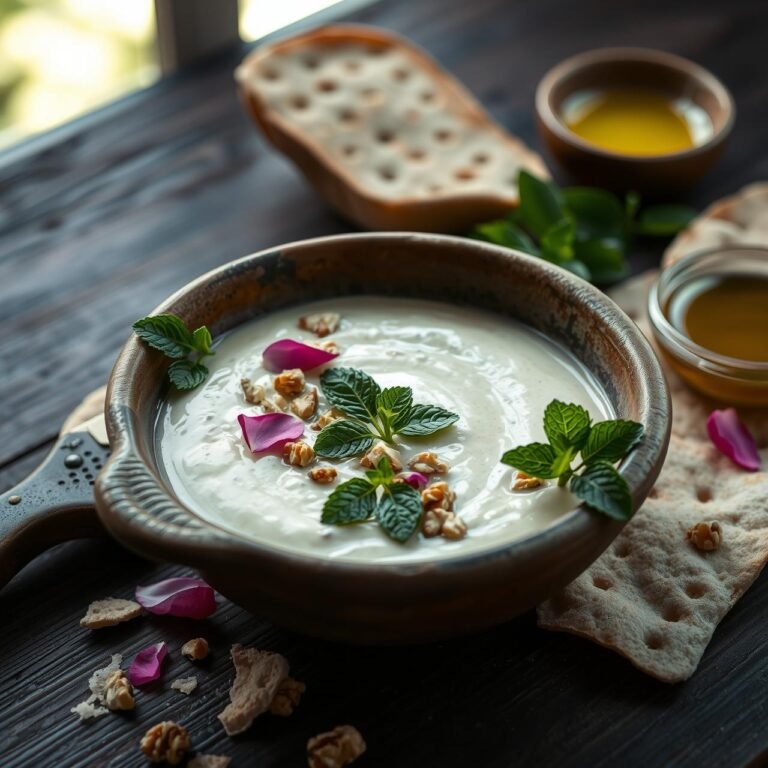
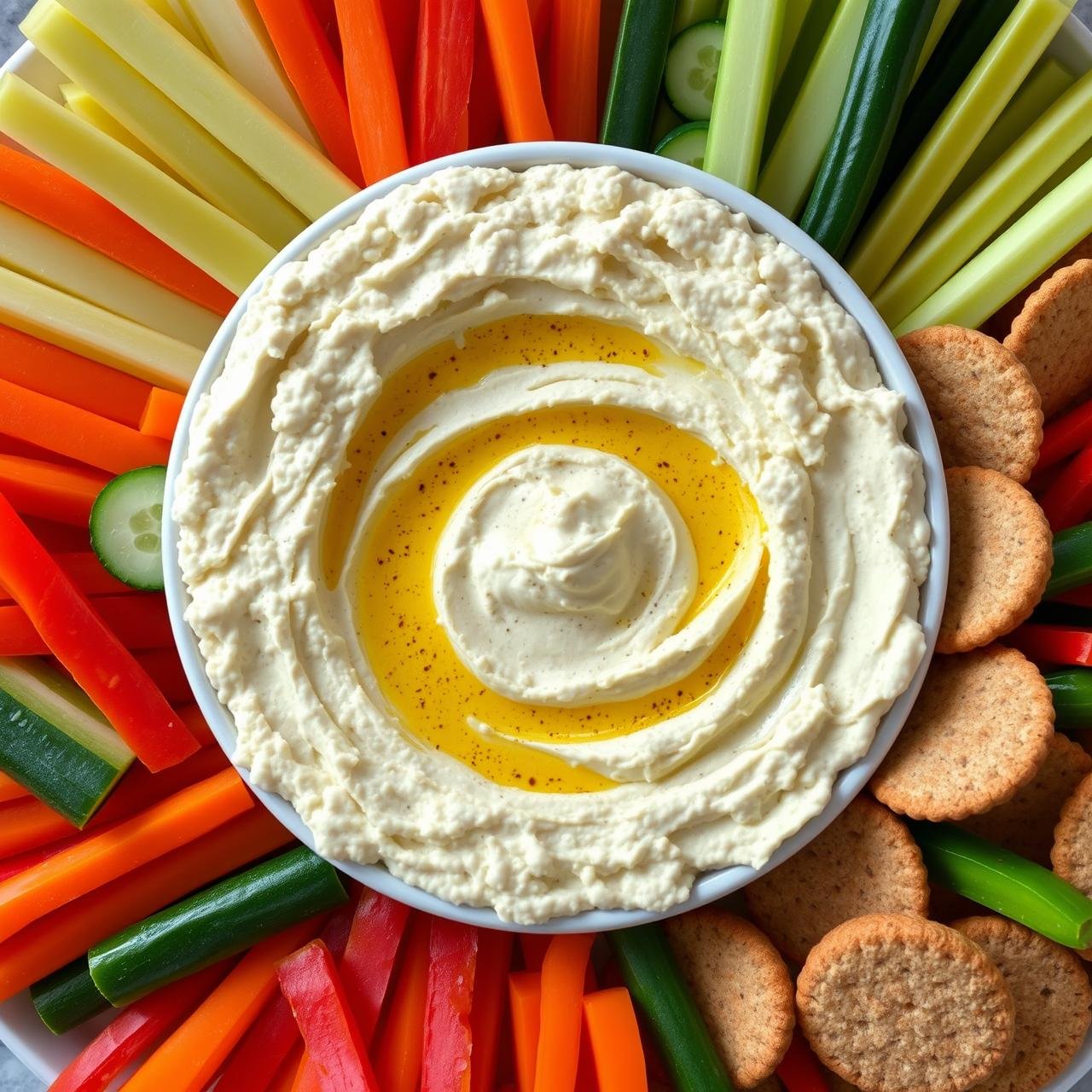
Once your hummus is blended to perfection, it’s time to serve. The traditional presentation is both beautiful and functional.
- Spoon the cauliflower hummus into a shallow bowl.
- Using the back of a spoon, create an elegant swirl in the center.
- Drizzle generously with high-quality extra virgin olive oil, allowing it to pool in the swirl.
- Garnish as you wish. A sprinkle of smoked paprika, a dash of sumac, a scattering of fresh chopped parsley, or a few toasted pine nuts are all excellent choices.
Pairing Suggestions
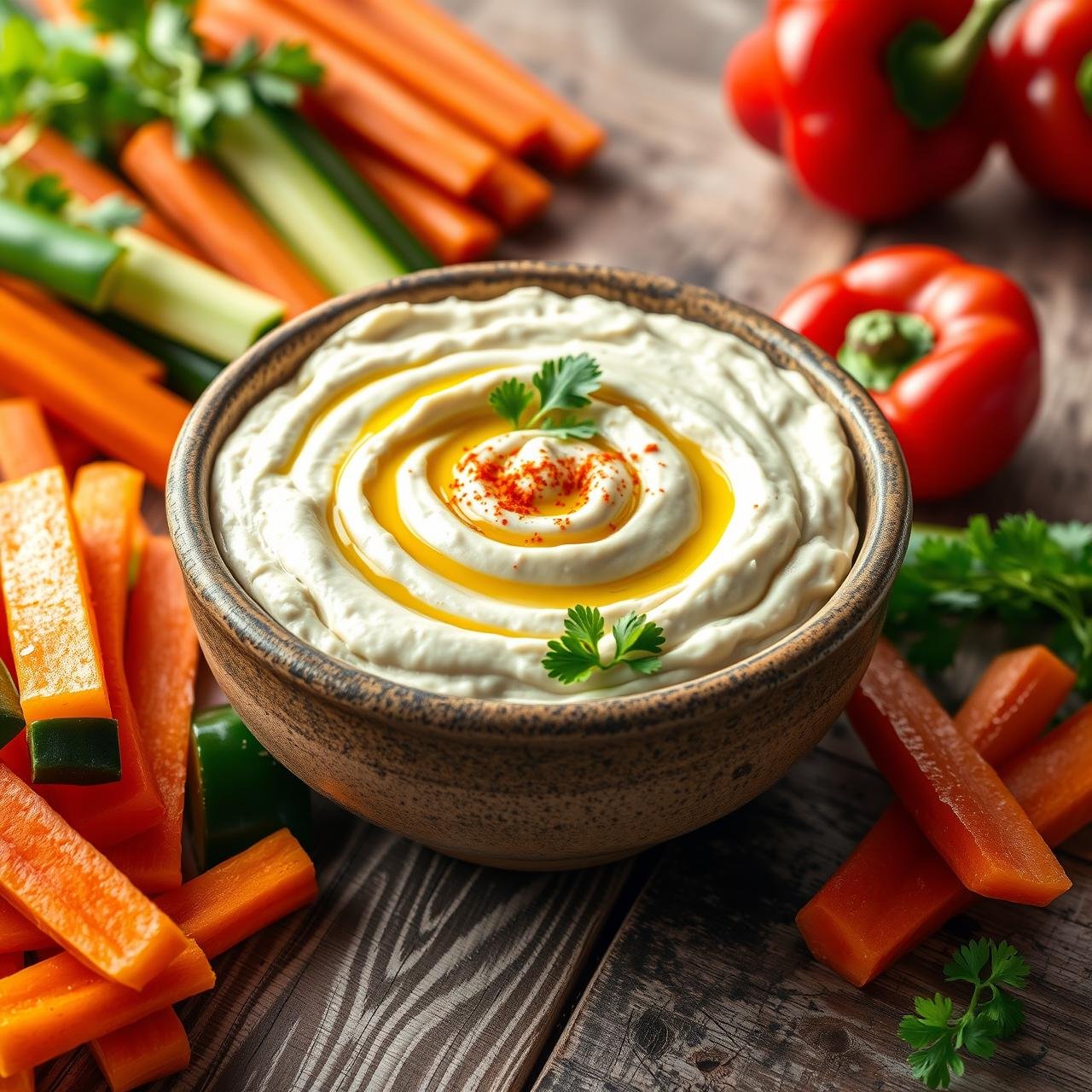
This versatile dip pairs wonderfully with a wide variety of foods. For a low-carb, healthy option, serve it with an array of fresh, crunchy vegetables:
- Carrot sticks
- Cucumber slices
- Bell pepper strips (red, yellow, and orange)
- Celery sticks
- Radishes
- Broccoli and cauliflower florets
It’s also fantastic as a spread in lettuce wraps, a topping for grilled chicken or fish, or a creamy base for a salad dressing.
Storage and Meal Prep
This hummus is an excellent recipe for meal prep. Store it in an airtight container in the refrigerator for up to 5 days. A thin layer of olive oil on top can help prevent it from drying out. The flavors will actually meld and deepen overnight, so it often tastes even better on day two. While you can freeze it, the texture may change slightly upon thawing. If you do freeze it, give it a vigorous stir or a quick pulse in the blender after it thaws to restore its creaminess.
Flavor Variations
Once you’ve mastered the base recipe, feel free to get creative!
- Roasted Red Pepper: Add 1/2 cup of jarred, drained roasted red peppers during the final blend.
- Spicy Chipotle: Blend in 1-2 canned chipotle peppers in adobo sauce for a smoky, spicy kick.
- Herb Garden: Add a handful of fresh herbs like cilantro, dill, or basil for a fresh, green flavor.
- Roasted Garlic: Roast the garlic cloves in their skins before adding them to the blender for a sweeter, milder garlic flavor.
Estimated Nutritional Information
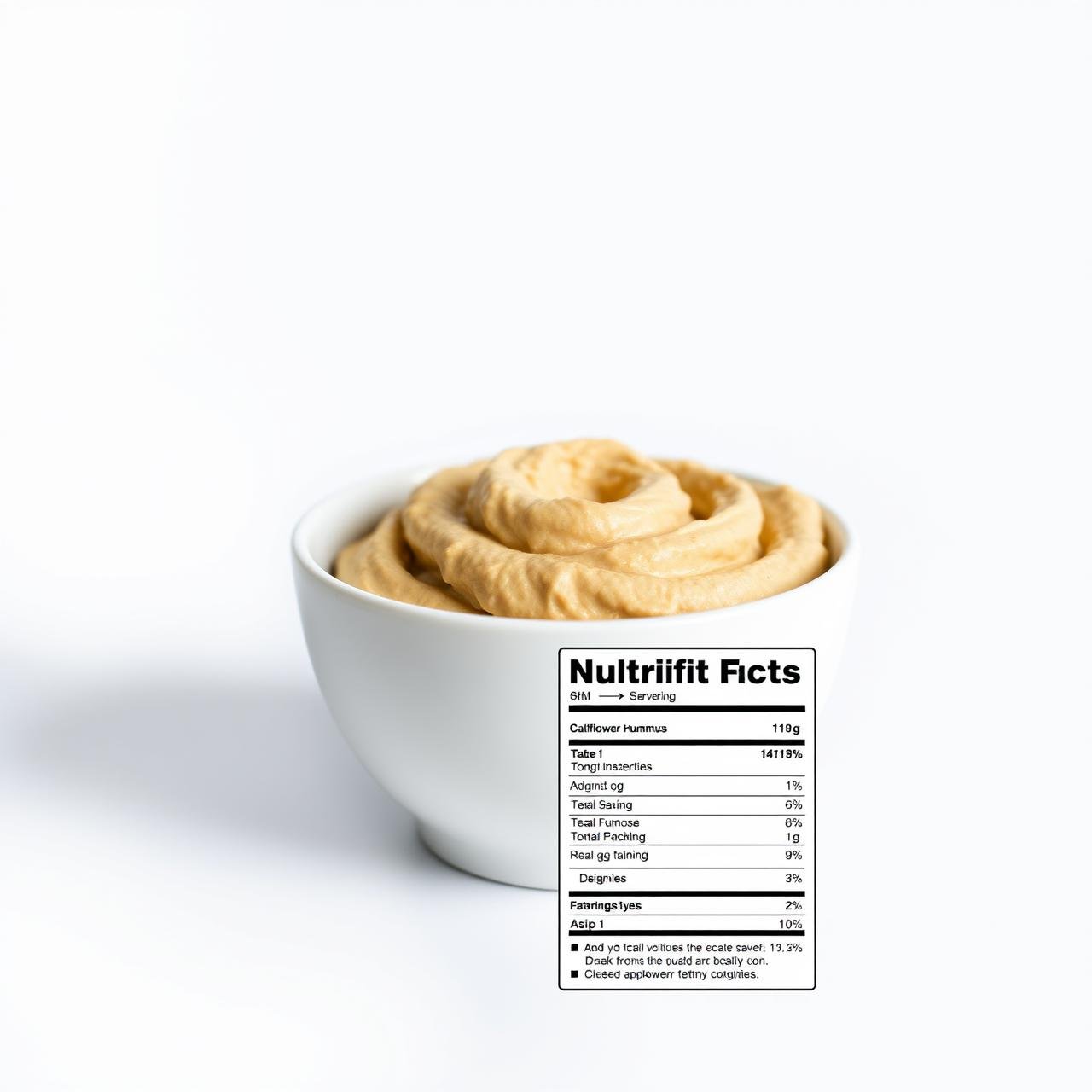
Please note that these values are an approximation and can vary based on the exact ingredients and portion sizes used. This calculation is for the entire batch, assuming it yields approximately 8 servings of 1/4 cup each.
| Nutrient | Amount Per Serving (approx. 1/4 cup) |
|---|---|
| Calories | ~ 85 kcal |
| Total Fat | ~ 7g |
| Saturated Fat | ~ 1g |
| Carbohydrates | ~ 4g |
| Fiber | ~ 2g |
| Net Carbs | ~ 2g |
| Protein | ~ 2.5g |
| Sodium | ~ 200mg |
Conclusion
Embracing a healthier lifestyle doesn’t mean bidding farewell to your favorite comfort foods. It’s about finding intelligent, delicious ways to reinvent them. This Creamy Low-Calorie Cauliflower Hummus is a testament to that philosophy. It delivers the luxurious texture and robust, savory flavor you crave from classic hummus, but with a fraction of the calories and carbs. It’s a recipe that satisfies on every level—it’s budget-friendly, easy for any home cook to master, and incredibly versatile.
Whether you’re hosting a gathering, packing a healthy lunch, or simply looking for a guilt-free snack to curb your afternoon cravings, this dip is your new secret weapon. So go ahead, grab that head of cauliflower, and prepare to be amazed. You’re not just making a ‘substitute’; you’re creating a truly exceptional dip that proves healthy eating can be, and should be, absolutely delicious.