Better Than Takeout: Healthy Pineapple Chicken Fried Rice (No Fluff)
Better Than Takeout: Healthy Pineapple Chicken Fried Rice (No Fluff)
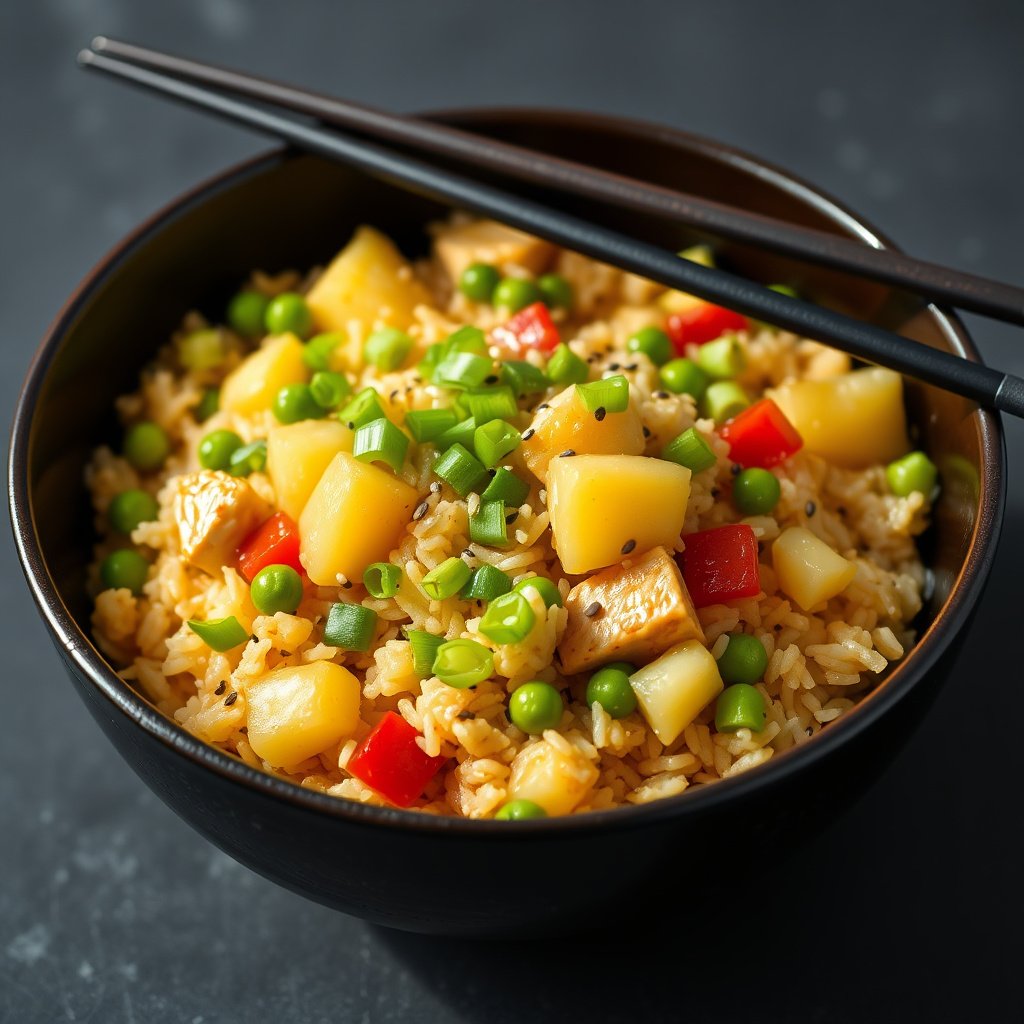
Craving the irresistible sweet and savory flavors of pineapple fried rice from your favorite takeout spot? You’re not alone. But what if you could recreate that magic in your own kitchen, creating a version that’s not only more delicious but significantly healthier and ready in under 30 minutes? This is not a dream. This recipe for Healthy Pineapple Chicken Fried Rice is your new weeknight champion. We’re cutting out the excess sodium, oil, and sugar often found in restaurant versions, without sacrificing an ounce of flavor. Using wholesome brown rice, lean chicken breast, and a rainbow of fresh vegetables, this dish delivers a powerful punch of nutrients and satisfaction. Forget the long ingredient lists and complicated steps. This is a straightforward, no-fluff guide to mastering a takeout classic that will leave you wondering why you ever ordered it in the first place.
15 minutes
15 minutes
30 minutes
4 servings
Main Course
Stir-Frying
Asian
Healthy
Why You’ll Love This Recipe
- Healthier than takeout: Made with whole-grain brown rice, lean protein, and less sodium.
- Ready in 30 minutes: A perfect solution for busy weeknights.
- Packed with flavor: A perfect balance of sweet, savory, and umami notes.
- Highly customizable: Easily swap proteins or add your favorite vegetables.
- Meal-prep friendly: Makes for delicious and convenient leftovers.
Equipment You’ll Need
- Large Wok or Non-stick Skillet (12-inch or larger)
- Cutting Board
- Chef’s Knife
- Measuring Cups and Spoons
- Small Bowl (for sauce)
- Whisk
- Spatula or Wok Chan
Ingredients
- 3 cups cooked and chilled brown rice (preferably day-old)
- 1 lb boneless, skinless chicken breast, cut into ½-inch cubes
- 1 tbsp low-sodium soy sauce (or tamari for gluten-free)
- 1 tbsp avocado oil or other high-heat neutral oil, divided
- 1 small yellow onion, diced
- 2 cloves garlic, minced
- 1 tsp fresh ginger, grated
- 1 red bell pepper, diced
- 1/2 cup frozen peas
- 1/2 cup carrots, finely diced
- 2 large eggs, lightly beaten
- 1 cup pineapple chunks (fresh or canned in juice, drained)
- 2 green onions, thinly sliced, plus more for garnish
- For the Sauce:
- 3 tbsp low-sodium soy sauce (or tamari)
- 1 tbsp pineapple juice (from can, if using)
- 1 tsp sesame oil
- 1/2 tsp rice vinegar
- Pinch of white pepper
Instructions
- Prepare the Components: In a small bowl, whisk together all the sauce ingredients: 3 tbsp low-sodium soy sauce, pineapple juice, sesame oil, rice vinegar, and white pepper. Set aside. In a separate medium bowl, toss the cubed chicken with 1 tbsp of soy sauce.
- Cook the Chicken: Heat 1/2 tbsp of avocado oil in a large wok or skillet over medium-high heat. Once shimmering, add the chicken in a single layer. Cook for 5-7 minutes, stirring occasionally, until golden brown and cooked through. Remove the chicken from the wok and set aside.
- Scramble the Eggs: Reduce the heat to medium. Add the beaten eggs to the same wok. Scramble gently, breaking them into small pieces with your spatula. Cook for 1-2 minutes until just set. Remove the eggs and set them aside with the chicken.
- Sauté Aromatics and Vegetables: Add the remaining 1/2 tbsp of oil to the wok. Add the diced onion and cook for 2-3 minutes until softened. Add the minced garlic and grated ginger and cook for another 30 seconds until fragrant. Add the diced red bell pepper and carrots, stir-frying for 3-4 minutes until they are tender-crisp.
- Fry the Rice: Increase the heat to high. Add the chilled brown rice to the wok with the vegetables. Using your spatula, break up any clumps. Spread the rice in an even layer and let it cook, undisturbed, for 1-2 minutes to get slightly crispy. Then, stir-fry for another 2 minutes, tossing everything together.
- Combine and Finish: Pour the prepared sauce over the rice, tossing to coat everything evenly. Add the frozen peas, cooked chicken, and scrambled eggs back into the wok. Stir-fry for 1-2 minutes until everything is heated through.
- Add Pineapple and Greens: Turn off the heat. Gently fold in the pineapple chunks and sliced green onions. The residual heat will warm the pineapple perfectly without making it mushy.
- Serve: Divide the fried rice among four bowls. Garnish with additional sliced green onions and a sprinkle of sesame seeds, if desired. Serve immediately.
Expert Cooking Tips
- Use Cold, Day-Old Rice: This is the most crucial tip for authentic fried rice. Cold rice is drier and the grains are firm, allowing them to separate and fry rather than steam and clump together.
- High Heat is Key: A hot wok or skillet is essential for getting that signature ‘wok hei’ flavor and preventing the ingredients from becoming soggy. Don’t be afraid to turn up the heat.
- Don’t Crowd the Pan: Cook ingredients in batches if necessary, especially the chicken. Overcrowding lowers the temperature of the pan, leading to steaming instead of searing.
- Mise en Place: Stir-frying is a fast process. Have all your ingredients chopped, measured, and ready to go before you even turn on the stove. This prevents overcooking while you’re busy prepping the next ingredient.
Substitutions and Variations
Protein: Substitute chicken with peeled and deveined shrimp, firm tofu (pressed and cubed), or edamame for a vegetarian option. Rice: While brown rice is recommended for its health benefits, you can use day-old white jasmine or basmati rice. Vegetables: Feel free to add other quick-cooking vegetables like corn, broccoli florets, or bok choy. Sauce: For a gluten-free version, use tamari or coconut aminos instead of soy sauce.
Common Mistakes to Avoid
Using fresh, warm rice is the number one mistake; it will result in a sticky, mushy mess. Another common error is adding too much sauce, which makes the rice wet instead of fried. Add the sauce at the end and toss to coat, don’t let it simmer. Finally, not using high enough heat will prevent the rice and vegetables from getting that desirable slightly-charred, stir-fried texture.
Serving Suggestions
This pineapple chicken fried rice is a complete meal on its own. For a more substantial dinner, serve it with a side of steamed edamame, a simple cucumber salad with rice vinegar, or a bowl of miso soup. Garnish with fresh cilantro, a lime wedge for a squeeze of acidity, or a drizzle of sriracha for a spicy kick.
Storage and Reheating Tips
Allow the fried rice to cool completely before transferring it to an airtight container. Store in the refrigerator for up to 4 days. To reheat, either microwave in 60-second intervals or, for best results, stir-fry in a lightly oiled skillet over medium-high heat until warmed through. Freezing is not recommended as the texture of the rice and vegetables can become mushy upon thawing.
Nutrition Facts (Estimated)
| Serving Size | 1.5 cups |
| Calories | 460 kcal |
| Fat | 14g |
| Saturated Fat | 3g |
| Unsaturated Fat | 11g |
| Trans Fat | 0g |
| Cholesterol | 150mg |
| Sodium | 580mg |
| Carbohydrates | 54g |
| Fiber | 6g |
| Sugar | 12g |
| Protein | 28g |
Frequently Asked Questions
Can I use fresh pineapple instead of canned?
Absolutely! Fresh pineapple is fantastic in this recipe. It offers a brighter, more vibrant flavor. You will need about 1 cup of diced fresh pineapple. You can use water or a little extra soy sauce in the sauce mixture to replace the canned pineapple juice.
My rice always sticks to the pan. What am I doing wrong?
This can happen for a few reasons. Ensure your wok or skillet is sufficiently hot before adding the rice. Using a well-seasoned wok or a quality non-stick skillet helps immensely. Also, make sure your rice is cold and not overly moist.
How can I add more spice to this dish?
There are several ways to add heat. You can add a teaspoon of sriracha or sambal oelek to the sauce mixture, or toss in some thinly sliced Thai chilies or a pinch of red pepper flakes along with the garlic and ginger.
Conclusion
You’ve now unlocked the secret to a fast, healthy, and incredibly flavorful Pineapple Chicken Fried Rice that puts takeout to shame. This recipe isn’t just about following steps; it’s a template for you to customize and make your own. By controlling the ingredients, you create a meal that’s not only good for you but also tailored perfectly to your tastes. Enjoy the satisfaction of a home-cooked meal that’s vibrant, balanced, and ready in a flash.