Stop Steaming Artichokes: Roasting Hearts Is The Game Changer You Need
For years, the standard home-cook method for artichokes has been a steamy affair. We’ve boiled them, we’ve steamed them, and we’ve meticulously plucked leaf after leaf, dipping them in butter or aioli for a reward that, if we’re being honest, can sometimes be underwhelming. The heart, the true prize, often ends up tasting clean and green, but lacks the depth and character it’s capable of. It’s time for a culinary intervention.
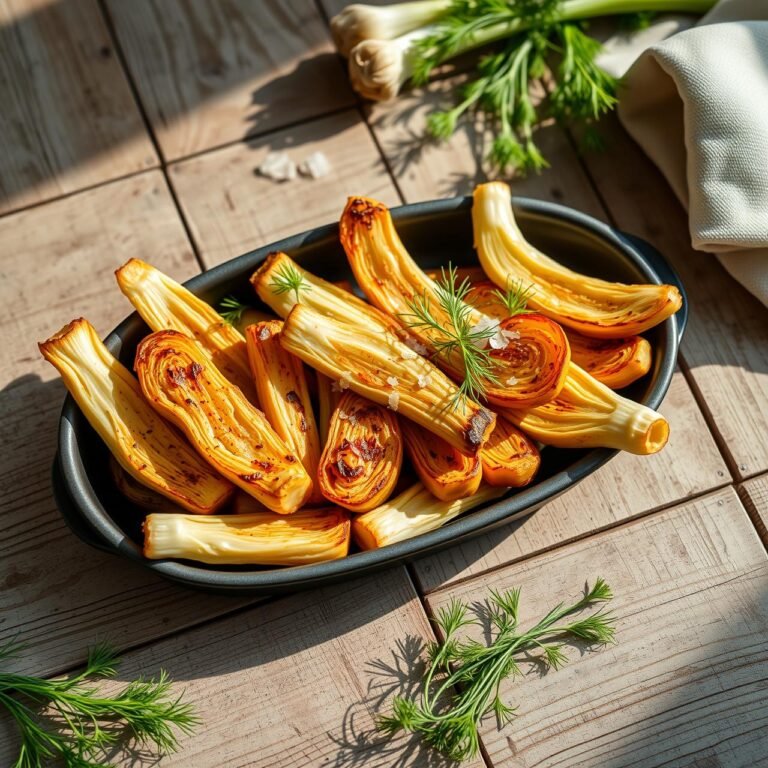
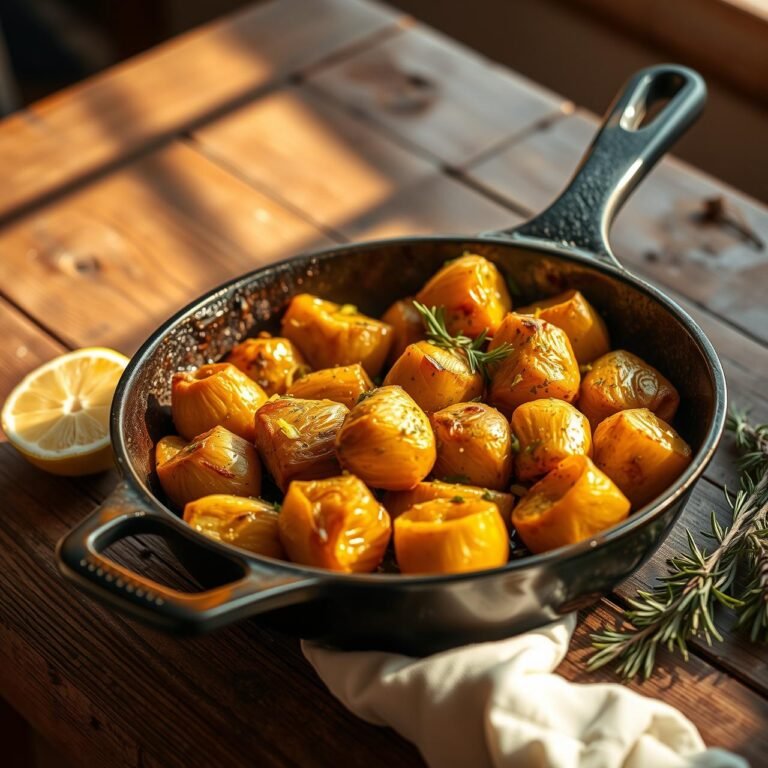
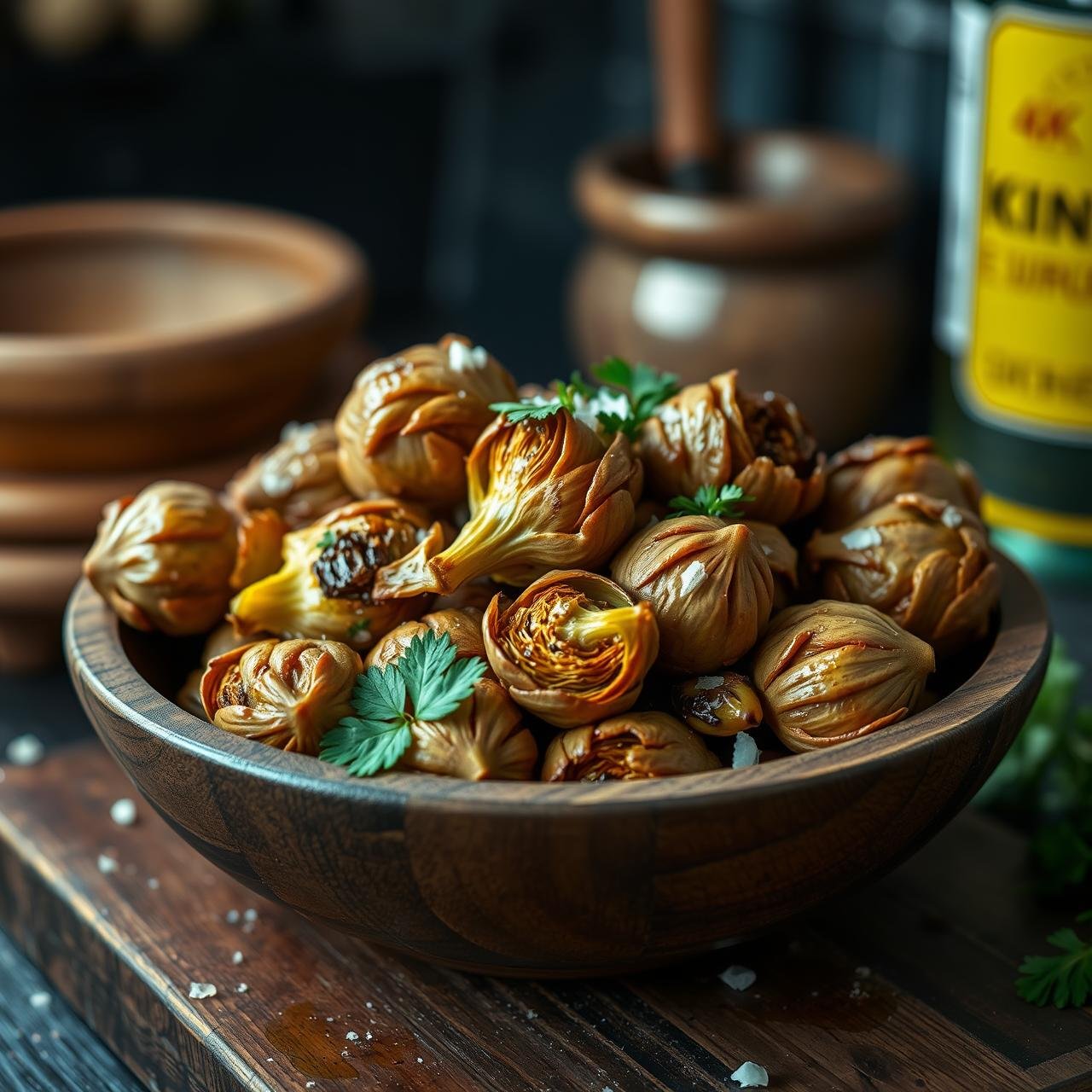
Put away the steamer basket and preheat your oven. Roasting artichoke hearts is not just an alternative method; it is a complete transformation. This technique trades boiling water for the intense, dry heat of an oven, unlocking a world of flavor through the magic of caramelization. Imagine tender, meaty artichoke hearts with crispy, browned edges, a concentrated nutty sweetness, and a velvety texture that melts in your mouth. This isn’t just cooking; it’s coaxing out the very soul of the artichoke. Prepare to change your artichoke game forever.
The Flavor Revolution: Why Roasting Triumphs Over Steaming
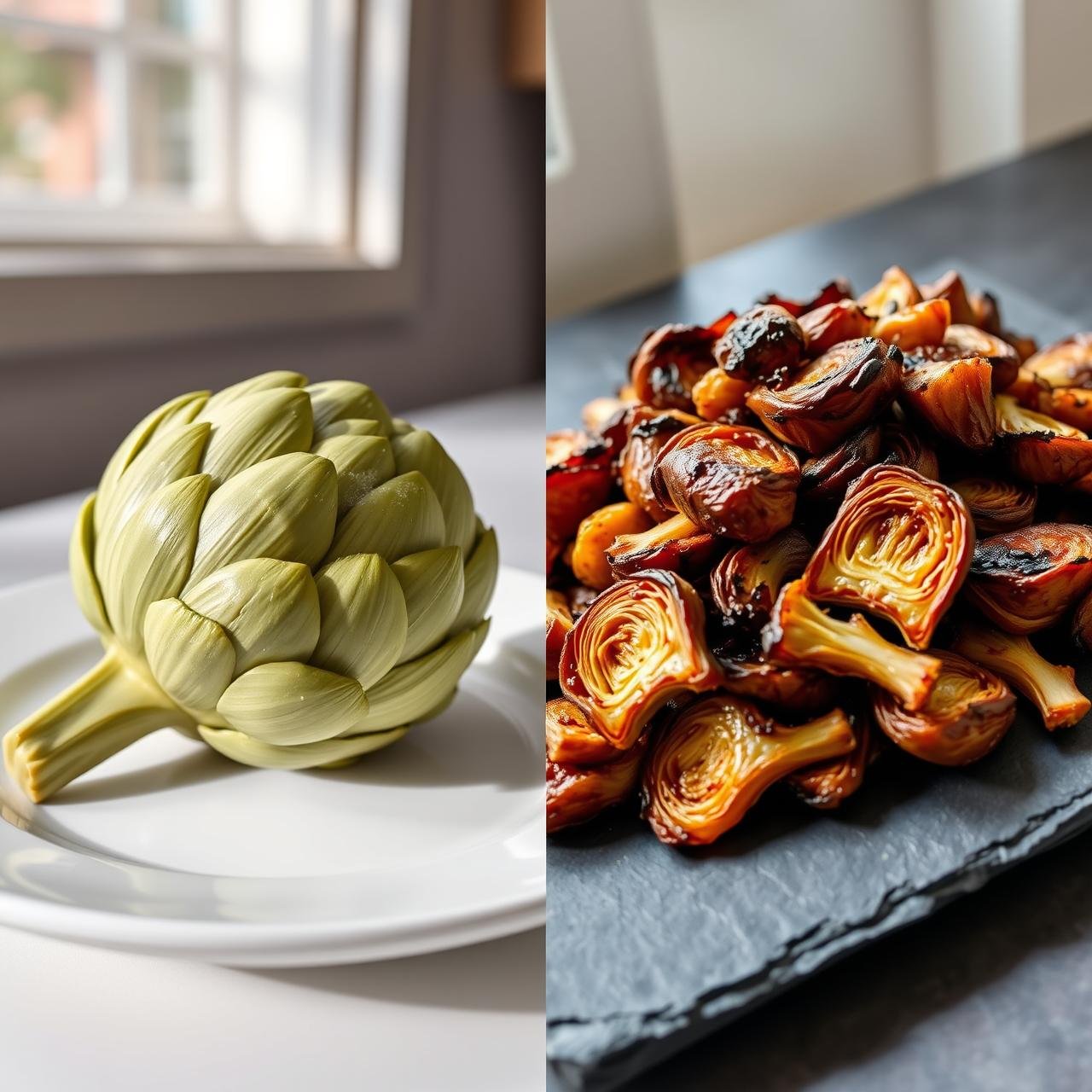
To understand why roasting is so superior, we need to talk about a little bit of kitchen science. When you steam or boil an artichoke, you’re cooking it with moist heat. This process is great for tenderizing, but it does two things we want to avoid: it introduces water, which can dilute the natural flavor, and it keeps the temperature too low for the browning reactions that create complex, savory notes.
Roasting, on the other hand, uses dry heat. As the moisture on the surface of the artichoke hearts evaporates, the temperature can climb high enough to initiate two glorious processes:
- Caramelization: This is the browning of the natural sugars found within the artichoke. It creates sweet, nutty, and even slightly bitter notes that add incredible depth. Those delicious golden-brown edges on a perfectly roasted vegetable? That’s caramelization at work.
- The Maillard Reaction: This is a chemical reaction between amino acids and reducing sugars that gives browned food its distinctive flavor. It’s responsible for the savory, complex taste of seared steak, toasted bread, and, yes, roasted artichokes. It creates hundreds of new aroma and flavor compounds that simply cannot be achieved in a steamy environment.
The result? Steamed artichokes are clean, vegetal, and soft. Roasted artichoke hearts are intensely savory, nutty, and tender-crisp. By driving off excess water, you concentrate the artichoke’s essence, turning a simple vegetable into a gourmet centerpiece.
Selecting and Prepping Your Artichokes Like a Pro
A spectacular dish begins with spectacular ingredients. Before we can achieve roasting perfection, we must select and prepare our artichokes with care. This process might seem intimidating, but with a few chef-like tips, you’ll be breaking down these thorny globes with confidence.
Choosing the Perfect Globes
When you’re at the market, look for artichokes that feel heavy for their size—this indicates a fresh, well-hydrated vegetable. The leaves should be tightly packed and closed, not splayed open. A healthy artichoke will have a deep, uniform green color, though some varieties may have a touch of purple. Give it a gentle squeeze; it should feel firm and ‘squeak’ slightly. Avoid artichokes with dry, brittle, or split leaves.
The Trimming Process: Unveiling the Heart
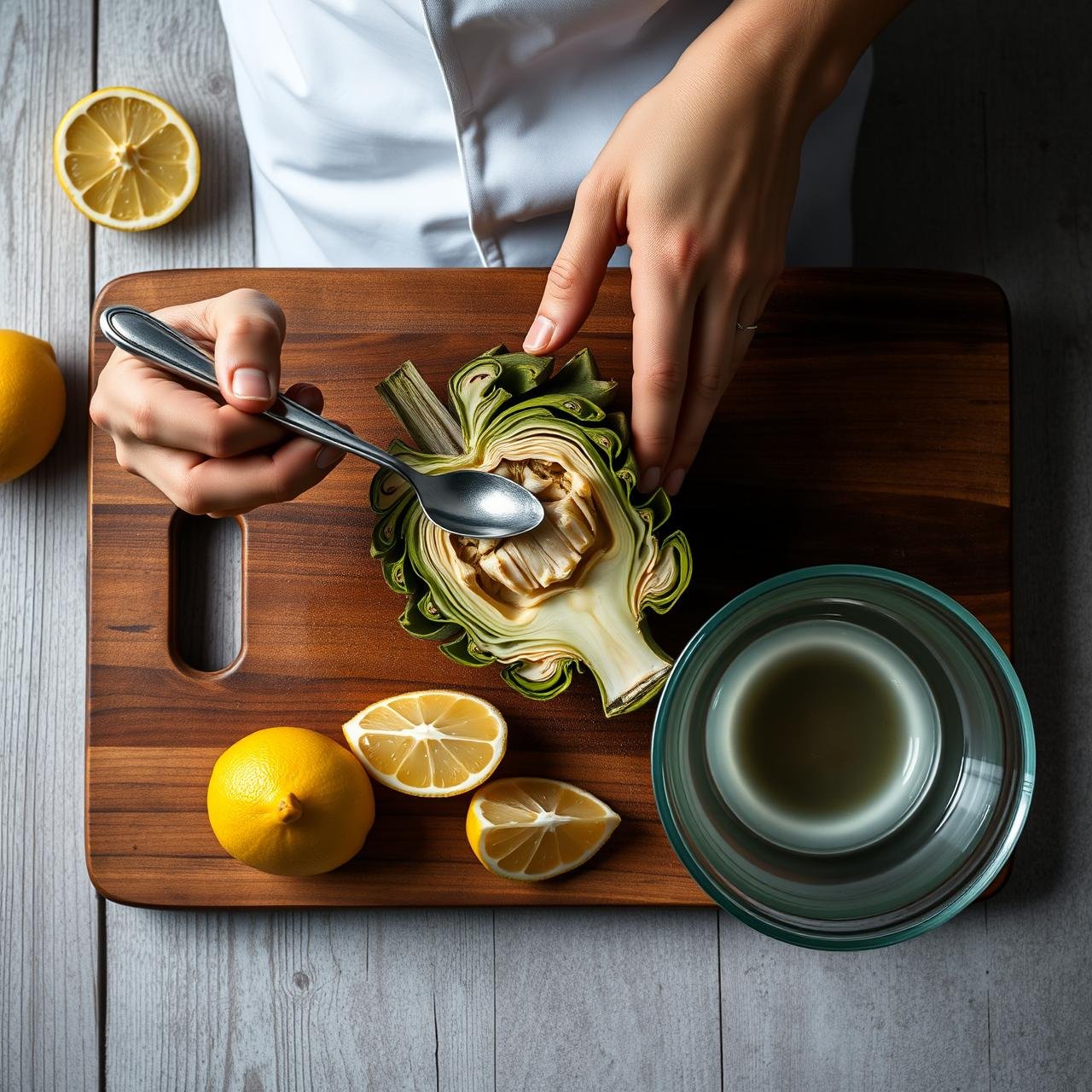
This is where the magic begins. Your goal is to remove the tough, inedible outer leaves and the fuzzy ‘choke’ to reveal the tender, delicious heart and stem. You’ll need a sharp serrated knife, a paring knife, a spoon, and a bowl of lemon water (acidulated water) to prevent the trimmed parts from browning.
- Set Up Your Station: Fill a large bowl with cold water and squeeze the juice of one or two lemons into it. Drop the lemon halves in as well. This is your holding bath for the prepped artichokes.
- Snap Off Outer Leaves: Start at the base and pull downwards on the tough, dark green outer leaves, snapping them off until you reach the paler, more tender yellow-green inner leaves.
- Trim the Stem: Don’t discard the stem! It’s an extension of the heart and is just as delicious. Use a vegetable peeler or paring knife to shave off the tough, fibrous outer layer of the stem, revealing the pale, tender core. Trim off the very bottom if it’s dry or brown.
- Slice the Top: Using a sharp serrated knife, slice off the top one inch of the artichoke to remove the thorny tips of the inner leaves.
- Halve and Scoop: Slice the entire artichoke in half lengthwise, from top to bottom through the stem. This will expose the fuzzy, inedible center known as the ‘choke’. Use a sturdy spoon or a melon baller to carefully scrape and scoop out the entire fuzzy choke, as well as any sharp, purple-tinged inner leaves.
- Into the Bath: Immediately place the cleaned artichoke halves into the lemon water to prevent oxidation while you work on the rest.
The Ultimate Roasted Artichoke Hearts Recipe
Now that the prep work is done, you’re ready for the transformative step. This recipe is a rustic, homestyle foundation that you can build upon with your own favorite flavors. It’s simple, clean, and lets the artichoke shine.
Equipment You’ll Need
| Item | Purpose |
|---|---|
| Large Rimmed Baking Sheet | Provides space for artichokes to roast without steaming. |
| Large Mixing Bowl | For tossing the artichokes with oil and seasonings. |
| Sharp Knives & Cutting Board | Essential for the prepping stage. |
| Parchment Paper | Prevents sticking and makes for easy cleanup. |
Ingredients
- 4 large globe artichokes, prepped into 8 halves as described above
- 1/4 cup high-quality extra virgin olive oil
- 4-6 cloves of garlic, thinly sliced
- 1 large lemon, zested and then cut into wedges for serving
- 1 teaspoon coarse sea salt (like Maldon or kosher salt)
- 1/2 teaspoon freshly cracked black pepper
- 2 tablespoons fresh parsley, finely chopped, for garnish
Step-by-Step Roasting Instructions
- Preheat and Prepare: Position a rack in the center of your oven and preheat to 400°F (200°C). Line a large, rimmed baking sheet with parchment paper.
- Dry the Artichokes: Remove the artichoke halves from their lemon water bath and pat them thoroughly dry with a clean kitchen towel or paper towels. This step is critical—a dry surface is essential for browning and crisping.
- Season Generously: Place the dry artichoke halves in your large mixing bowl. Drizzle with the extra virgin olive oil, then scatter the sliced garlic, lemon zest, sea salt, and black pepper over the top. Use your hands to gently toss everything together, ensuring each artichoke half is evenly coated and the garlic slices are tucked into the crevices.
- Arrange for Roasting: Place the artichoke halves cut-side down on the prepared baking sheet. Make sure to leave some space between each half; overcrowding the pan will cause them to steam instead of roast.
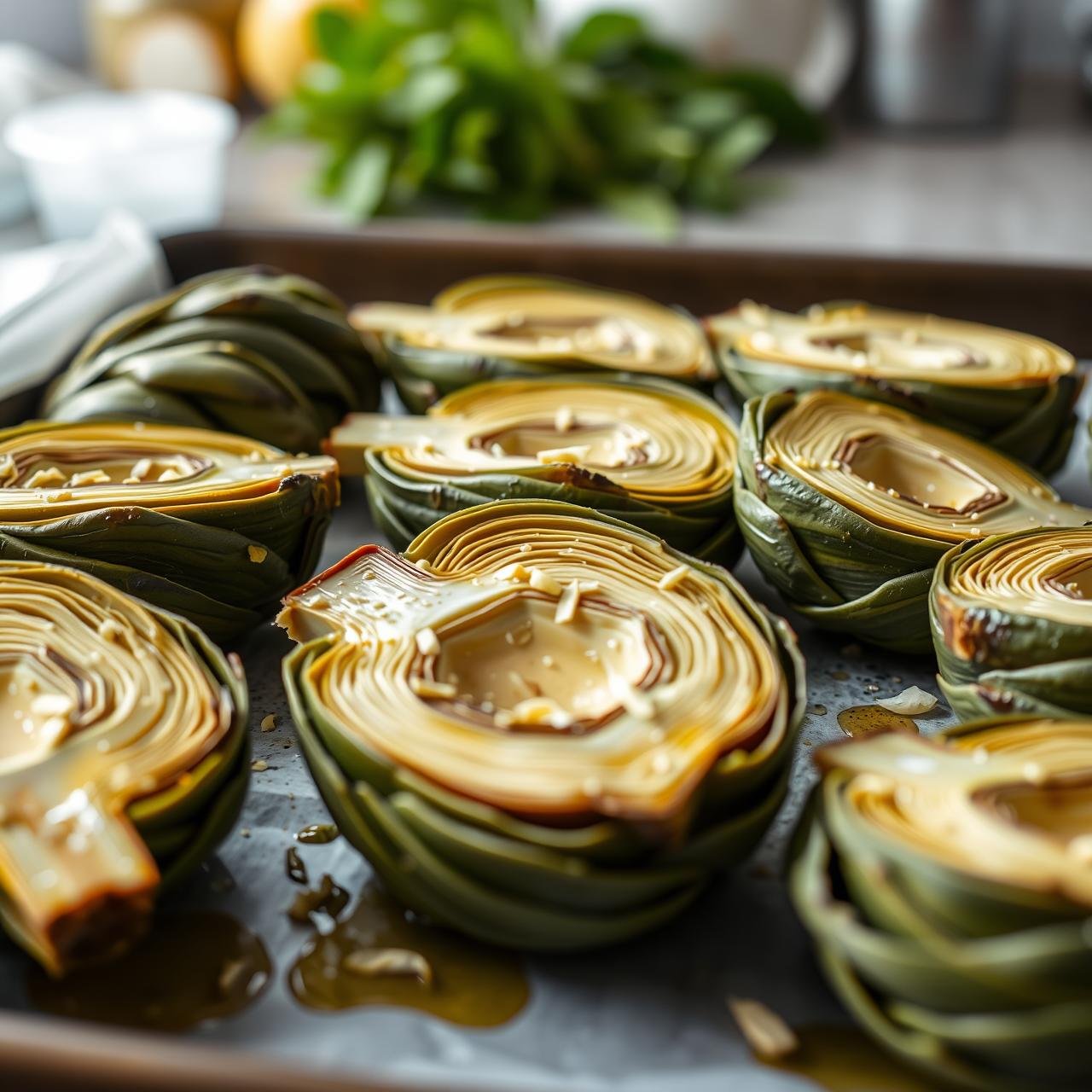
- Roast to Perfection: Transfer the baking sheet to the preheated oven. Roast for 20 minutes. Then, using tongs, carefully flip the artichoke halves so they are cut-side up. Continue to roast for another 10-15 minutes, or until the hearts are fork-tender and the edges are beautifully golden brown and slightly crispy.
- Garnish and Serve: Remove the baking sheet from the oven. Transfer the roasted artichoke hearts to a serving platter. Garnish with the freshly chopped parsley and serve immediately with fresh lemon wedges for squeezing over the top.
Elevating Your Dish: Flavor Variations and Serving Ideas
The beauty of this roasting technique is that it provides a perfect canvas for culinary creativity. Once you’ve mastered the basic method, you can easily adapt it to suit any meal or craving. Here are some ideas for gourmet foodies and adventurous home cooks.
Flavor Twists
- Cheesy & Savory: In the last 5 minutes of roasting, sprinkle the cut-side-up artichokes with a generous amount of grated Parmigiano-Reggiano or Pecorino cheese. Let it melt and turn golden brown for an irresistible crust.
- Herby & Rustic: Add a few sprigs of fresh rosemary or thyme to the pan when roasting. The woody herbs infuse the oil and the artichokes with a wonderful, earthy aroma.
- Spicy Kick: Toss the artichokes with 1/2 teaspoon of red pepper flakes along with the salt and pepper to add a gentle, warming heat that complements their sweetness.
- Crispy Panko Topping: Mix 1/4 cup of panko breadcrumbs with a tablespoon of olive oil and some chopped parsley. Sprinkle this over the artichokes during the last 10 minutes of roasting for a delightful crunch.
Mouth-Watering Serving Suggestions
- The Perfect Appetizer: Serve the roasted hearts warm on a large platter with a side of homemade aioli, lemon-dill yogurt, or a savory romesco sauce for dipping.
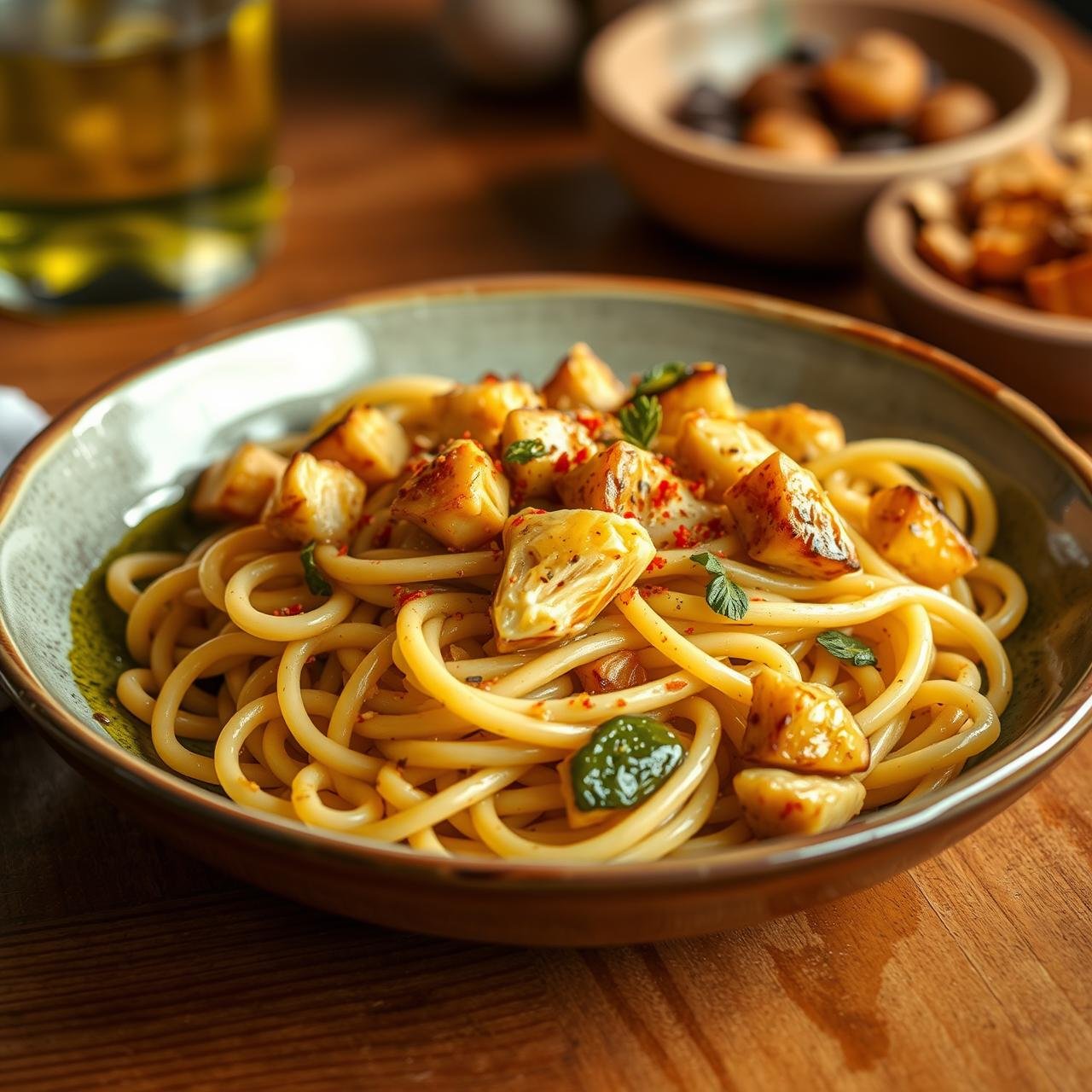
- Elevate Your Pasta: Roughly chop the roasted hearts and toss them into a simple pasta dish with olive oil, garlic, chili flakes, and a splash of pasta water for a rustic and satisfying meal.
- A Star in Salads: Let the hearts cool slightly, then add them to a bed of arugula with shaved parmesan, toasted pine nuts, and a lemon vinaigrette for a substantial and elegant salad.
- The Ultimate Side Dish: These roasted artichokes are a phenomenal accompaniment to grilled steak, roasted chicken, or flaky white fish like halibut or cod.
Common Pitfalls and Chef’s Tips for Perfection
While roasting artichokes is straightforward, a few common mistakes can stand between you and perfection. Heed this advice from the chef’s playbook to ensure a flawless result every single time.
Mistake #1: Not Trimming Aggressively Enough
It can feel wasteful to remove so many outer leaves, but it’s essential. The dark green outer leaves are tough and fibrous and will not become tender, no matter how long you roast them. Be bold in your trimming to ensure every bite is tender and delicious.
Mistake #2: Forgetting the Lemon Water
A cut artichoke oxidizes and turns an unappetizing brown color very quickly. The acid in the lemon water immediately halts this process, keeping your prepared hearts fresh and vibrant. Don’t skip this simple but crucial step.
Mistake #3: Overcrowding the Pan
This is the cardinal sin of roasting. If you pack the artichokes too tightly on the baking sheet, they will trap steam. Instead of roasting in dry heat, they will effectively steam in their own moisture, preventing the Maillard reaction and caramelization. Always give your vegetables plenty of space to breathe.
Chef’s Tip: The Fork Test is Your Best Friend
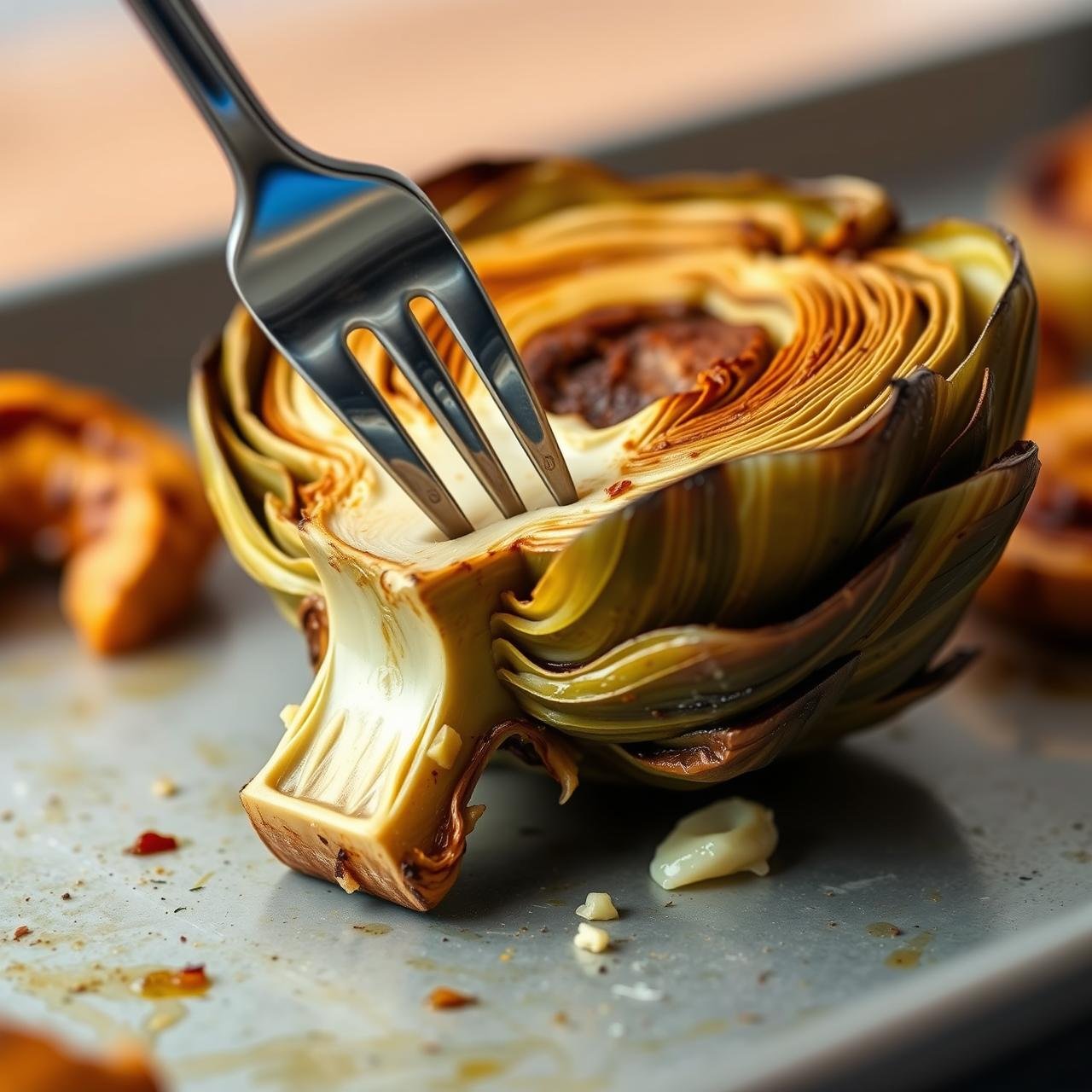
Ovens vary, and so do artichokes. The best way to check for doneness is not by time, but by feel. Insert the tip of a paring knife or a fork into the thickest part of the heart (near the base). If it slides in with little to no resistance, they are perfectly tender and ready to be devoured.
Conclusion
Stepping away from the steamer and embracing the dry, intense heat of the oven is more than just a new recipe—it’s a new philosophy for approaching the humble artichoke. By roasting, you are not merely cooking it; you are concentrating its essence, deepening its flavor, and transforming its texture into something truly special. The nutty, caramelized notes and tender, meaty bite are a world away from its pale, steamed counterpart.
This method is a game-changer for health enthusiasts looking for flavorful vegetable dishes, for budget cooks maximizing the potential of every ingredient, and for gourmet foodies seeking restaurant-quality results at home. So the next time you see those beautiful green globes at the market, walk right past the steamer basket, preheat your oven, and prepare to fall in love with artichokes all over again.