Forget Balsamic: These Spicy Gochujang Brussels Sprouts Are A Flavor Explosion
For years, the culinary world has been in a long-term relationship with balsamic-glazed Brussels sprouts. It’s a classic pairing, reliable and comfortable. But what if I told you there’s a new contender in town? A flavor profile so dynamic, so thrillingly complex, that it will make you rethink everything you thought you knew about this humble cruciferous vegetable. Enter the world of Gochujang Brussels Sprouts—a dish that isn’t just a side, but a full-blown flavor explosion.
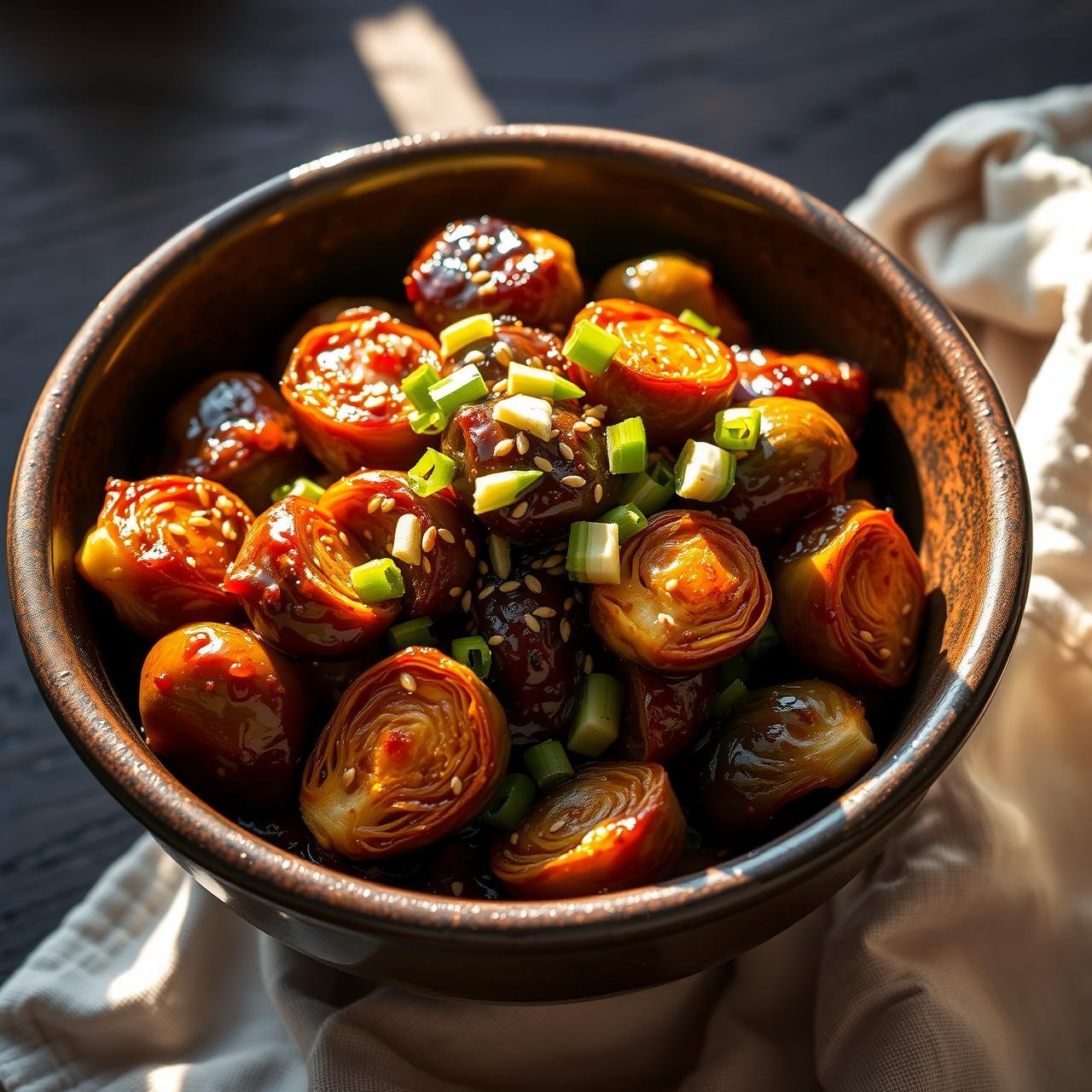
Imagine this: tender, yielding centers giving way to shatteringly crisp, caramelized outer leaves. Each sprout is lacquered in a vibrant, ruby-red glaze that’s a masterful dance of savory umami, subtle sweetness, and a deeply satisfying, creeping heat. This isn’t just spice for spice’s sake; it’s a layered, fermented warmth from authentic Korean gochujang, balanced perfectly with toasted sesame, sharp garlic, and a hint of maple sweetness. This is the side dish that steals the show, the recipe that will have your dinner guests begging for the secret. It’s time to move on from the familiar and embrace the extraordinary. Let’s get cooking.
Why This Gochujang Brussels Sprouts Recipe Will Become Your New Obsession
Before we dive into the nuts and bolts of crafting this masterpiece, let’s talk about why this recipe is truly special. It’s more than just a new way to cook sprouts; it’s an elevation of everyday ingredients into something truly gourmet, yet accessible for any home cook.
A Symphony of Flavor and Texture
The magic lies in the balance. The gochujang paste brings a trifecta of spicy, savory, and slightly sweet notes, all thanks to its fermented chili and soybean base. We amplify this with toasted sesame oil for nuttiness, rice vinegar for a bright acidic cut, and a touch of maple syrup to enhance the natural caramelization. The result? A glaze that hits every single taste bud. Texturally, our two-stage roasting process is key. The initial high-heat roast tenderizes the sprouts and starts the browning, while the second roast after glazing creates that sticky, lacquered, slightly charred finish that is utterly addictive.
Healthy, Wholesome, and Incredibly Versatile
Brussels sprouts are nutritional powerhouses, packed with vitamins K and C, fiber, and antioxidants. This recipe keeps things clean and wholesome, using whole-food ingredients to create immense flavor. It’s naturally vegan (if you use maple syrup) and gluten-free. But its versatility is where it truly shines. Serve these as a scene-stealing side to grilled fish or chicken, toss them into a grain bowl with quinoa and edamame, or simply devour a whole bowl on its own for a satisfying and healthy meal. It’s a budget-friendly way to create a dish that feels luxurious and special.
Essential Equipment for Perfect Roasting
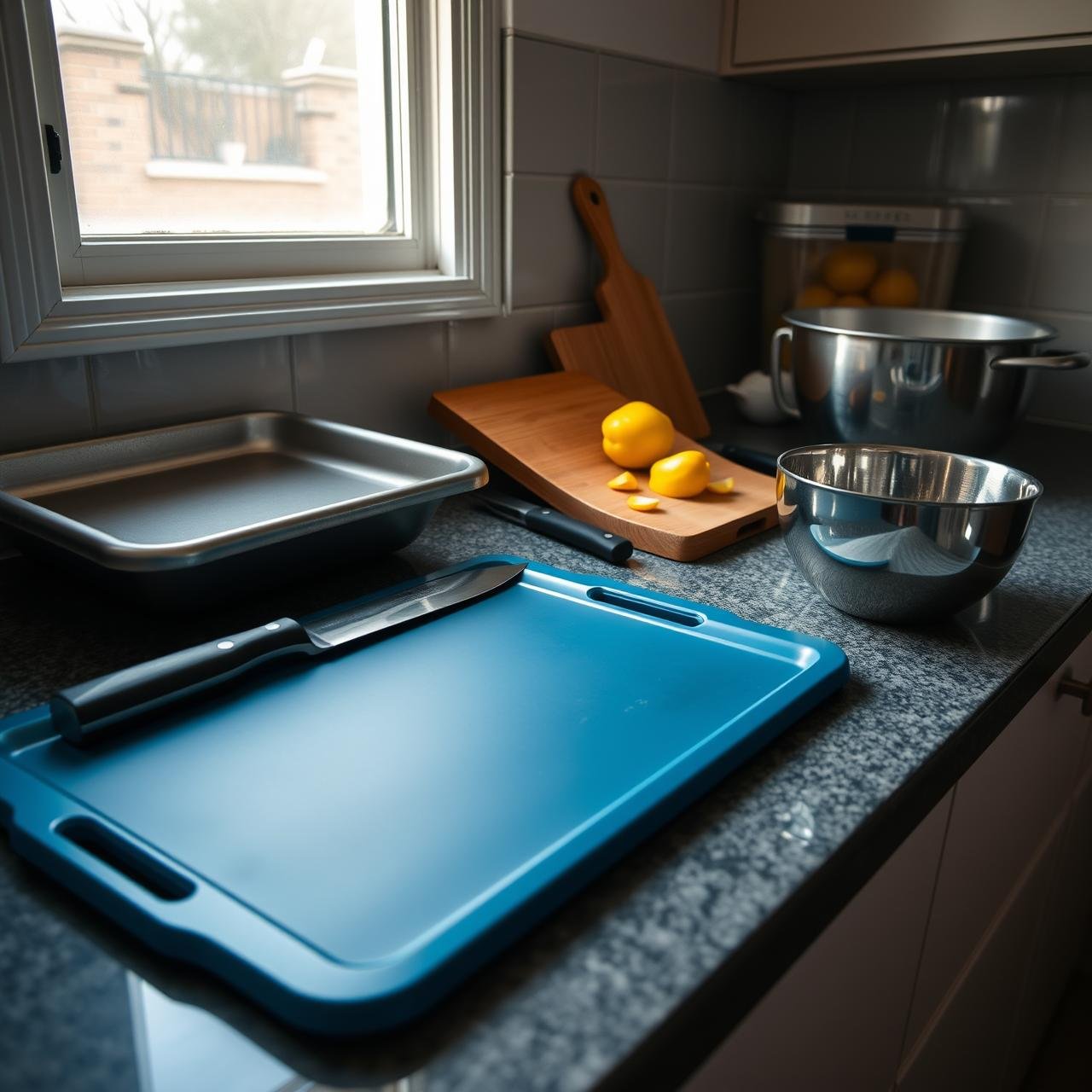
You don’t need a professional kitchen to achieve perfect results. The right tools make the process smoother and ensure you get those coveted crispy edges. Here’s what you’ll need:
- A Large, Heavy-Duty Baking Sheet: This is non-negotiable. A sturdy, light-colored aluminum sheet pan conducts heat evenly and prevents warping. Avoid dark-colored pans, which can cause the bottoms to burn before the sprouts are cooked through. You need enough space for the sprouts to roast in a single layer without touching—crowding the pan will steam them instead of roasting them!
- A Sharp Chef’s Knife: For trimming and halving the sprouts cleanly and safely.
- A Large Mixing Bowl: To toss the sprouts with oil and seasonings, and later, to coat them evenly with the glorious gochujang glaze.
- A Small Whisk or Fork: For emulsifying the glaze ingredients into a smooth, cohesive sauce.
- Parchment Paper (Optional but Recommended): While not strictly necessary, lining your baking sheet with parchment paper makes cleanup a breeze. The sticky glaze can be stubborn, and this simple step will save you from scrubbing later.
A Symphony of Flavors: The Ingredients
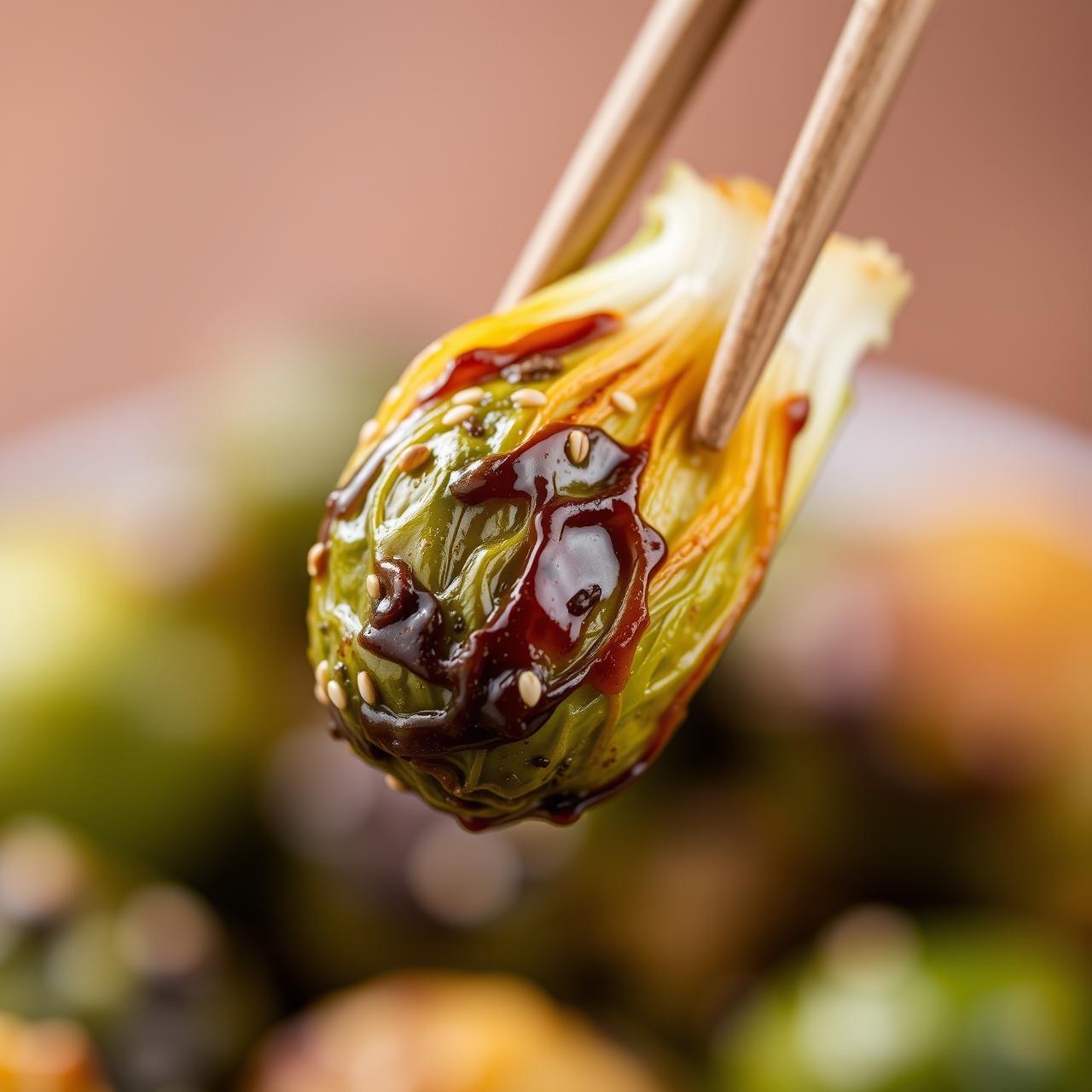
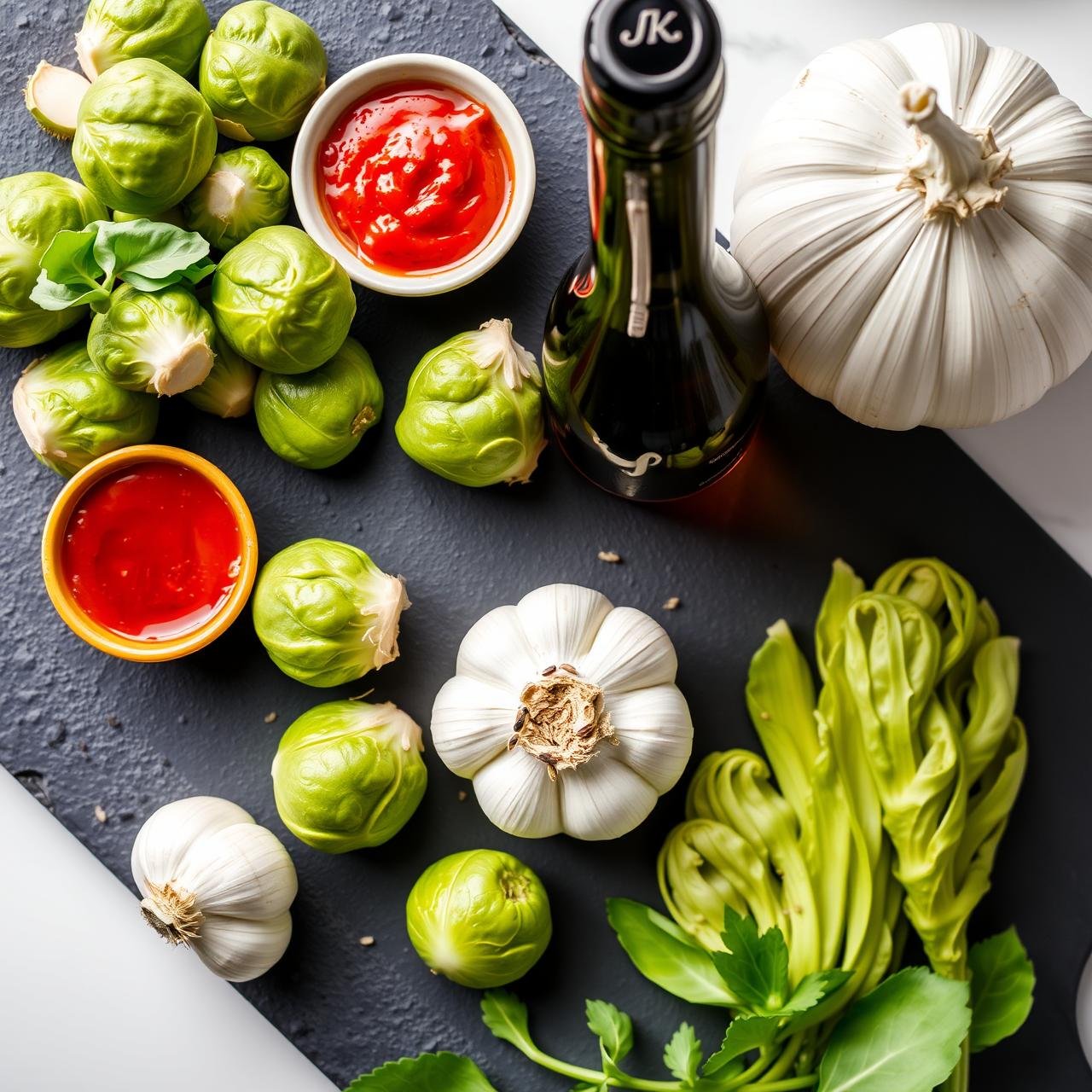
The beauty of this recipe is its reliance on a few powerful ingredients to create a universe of flavor. Quality matters here, so seek out the best you can find.
For the Brussels Sprouts
- Brussels Sprouts: 1.5 pounds (about 680g), fresh. Look for bright green, tightly packed heads. Smaller sprouts tend to be sweeter and more tender.
- Avocado Oil or other high-heat neutral oil: 2 tablespoons. Avocado oil is perfect for its high smoke point, ensuring the sprouts can roast at high temperatures without the oil burning.
- Fine Sea Salt: 1/2 teaspoon. To season the sprouts from the inside out.
- Black Pepper: 1/4 teaspoon, freshly ground.
For the Irresistible Gochujang Glaze
- Gochujang (Korean Chili Paste): 3 tablespoons. This is the star. It’s a fermented Korean condiment made from chili powder, glutinous rice, fermented soybeans, and salt. It’s spicy, savory, and slightly sweet. Find it in the international aisle of most supermarkets or at an Asian grocery store.
- Toasted Sesame Oil: 1 tablespoon. Provides a deep, nutty, aromatic flavor that is essential to the profile.
- Maple Syrup or Honey: 2 tablespoons. Adds the necessary sweetness to balance the heat and salt, and helps create that beautiful, sticky glaze. Use maple syrup to keep it vegan.
- Rice Vinegar: 1 tablespoon. Adds a bright, acidic note that cuts through the richness and balances the flavors.
- Soy Sauce or Tamari: 1 tablespoon. For an extra layer of umami and saltiness. Use tamari for a gluten-free option.
- Garlic: 2 cloves, finely minced or grated. Fresh garlic provides a pungent, aromatic kick.
- Fresh Ginger: 1 teaspoon, grated (optional). Adds a layer of zesty warmth that complements the garlic and gochujang beautifully.
For Garnish (Optional)
- Toasted Sesame Seeds: For a nutty crunch and visual appeal.
- Scallions: Thinly sliced, for a fresh, oniony bite.
Crafting the Flavor Explosion: Step-by-Step Instructions
Follow these steps carefully, and you’ll be rewarded with the best Brussels sprouts of your life. The key is the two-part roasting method, which ensures both a tender interior and a perfectly glazed, crispy exterior.
-
Prepare the Oven and Sprouts
Preheat your oven to 425°F (220°C). Position a rack in the middle of the oven. Wash your Brussels sprouts thoroughly. Trim off the tough bottom stem and remove any yellowed or blemished outer leaves. Slice each sprout in half lengthwise. For very large sprouts, you can quarter them.
-
The First Roast: Building the Foundation
Place the halved sprouts in your large mixing bowl. Drizzle with the 2 tablespoons of avocado oil, 1/2 teaspoon of salt, and 1/4 teaspoon of black pepper. Toss well to ensure every sprout is lightly coated. Spread the sprouts in a single, even layer on your baking sheet, cut-side down. This is crucial for getting a deep, delicious caramelization. Roast for 15-20 minutes, or until the bottoms are deeply golden brown and the sprouts are becoming tender.
-
Mix the Gochujang Glaze
While the sprouts are in their first roast, prepare the glaze. In a small bowl, combine the 3 tablespoons of gochujang, 1 tablespoon of toasted sesame oil, 2 tablespoons of maple syrup, 1 tablespoon of rice vinegar, 1 tablespoon of soy sauce (or tamari), the minced garlic, and optional grated ginger. Whisk vigorously until the mixture is smooth and well combined.
-
Glaze and the Second Roast
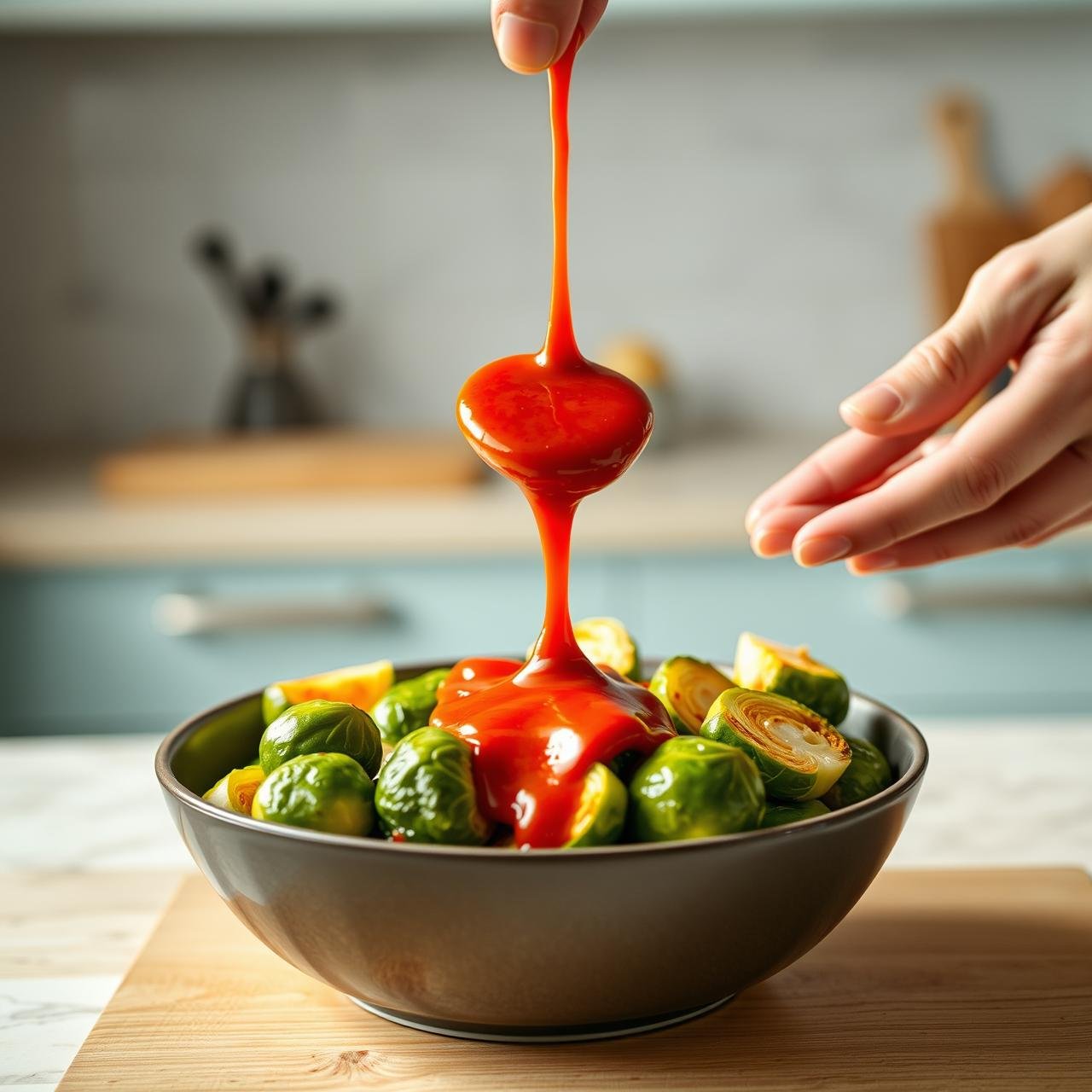
Once the sprouts are nicely browned, carefully remove the hot baking sheet from the oven. Transfer the hot sprouts back into the large mixing bowl (no need to wash it). Pour the prepared gochujang glaze over the sprouts and toss gently but thoroughly until every piece is evenly coated in the vibrant red sauce. Pour the glazed sprouts back onto the baking sheet, spreading them out again. Return the pan to the oven and roast for another 5-7 minutes. Keep a close eye on them during this stage; the sugars in the glaze can burn quickly. You’re looking for the glaze to become bubbly, sticky, and slightly caramelized at the edges.
-
Serve Immediately
Remove the sprouts from the oven. Let them cool for just a minute before transferring them to a serving dish. Garnish generously with toasted sesame seeds and thinly sliced scallions. Serve hot and prepare for rave reviews.
Chef’s Secrets for Unforgettable Sprouts
Want to take your Brussels sprouts from great to absolutely legendary? Here are a few professional tips and tricks to ensure perfect results every single time.
Don’t Crowd the Pan
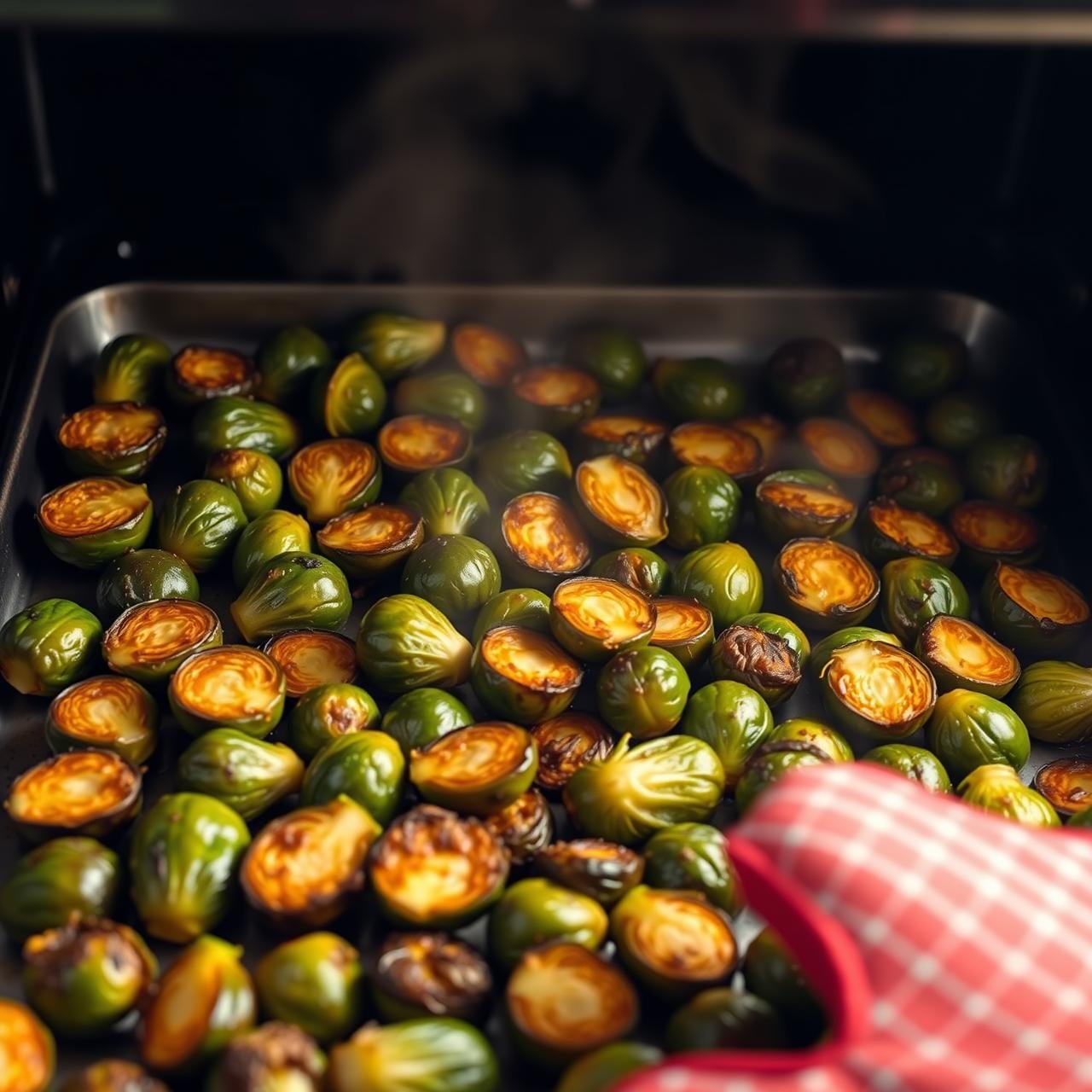
This is the cardinal rule of roasting vegetables. If the sprouts are too close together, they will trap steam and become soggy instead of crispy. Give them space to breathe! Use two baking sheets if necessary. The goal is for hot, dry air to circulate around each individual sprout, creating those irresistible crispy edges.
High Heat is Your Friend
Don’t be afraid to crank up the oven. Roasting at a high temperature like 425°F (220°C) is essential for achieving a crispy exterior while keeping the interior tender. Lower temperatures will result in softer, less texturally interesting sprouts.
The Cut-Side Down Technique
Placing the sprouts cut-side down on the baking sheet for the initial roast maximizes contact with the hot pan. This creates a deep, flavorful Maillard reaction, resulting in a beautifully browned, caramelized surface that adds a ton of flavor.
Variations and Add-ins
Feel free to customize! For extra crunch, toss in some chopped peanuts or cashews during the last few minutes of roasting. For a meatier version, add some diced bacon or pancetta to the pan during the first roast. A squeeze of fresh lime juice at the end can also add another layer of brightness to the finished dish.
Nutritional Snapshot
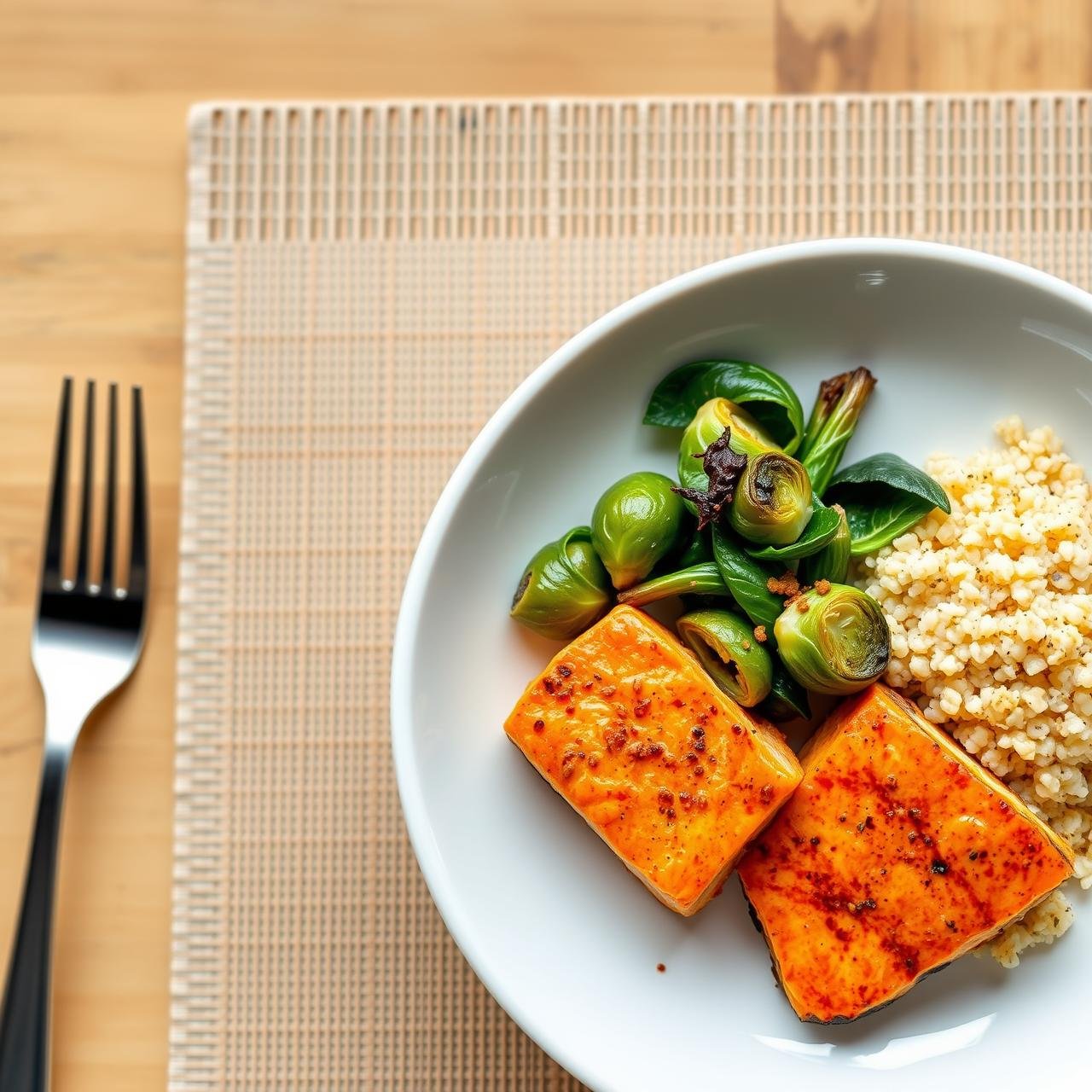
This dish is not only a treat for your taste buds but also a great addition to a healthy diet. Brussels sprouts are low in calories but high in many nutrients, especially fiber, vitamin K, and vitamin C. Here is an approximate nutritional breakdown for one serving (recipe makes about 4 side servings).
| Nutrient | Amount per Serving |
|---|---|
| Calories | ~185 kcal |
| Protein | ~5 g |
| Carbohydrates | ~22 g |
| Fiber | ~5 g |
| Sugars | ~12 g |
| Fat | ~9 g |
| Saturated Fat | ~1 g |
| Sodium | ~450 mg |
| Vitamin C | ~100% of RDI |
| Vitamin K | ~195% of RDI |
Disclaimer: Nutritional information is estimated and can vary based on the specific ingredients and brands used.
Storing and Reheating Your Brussels Sprouts
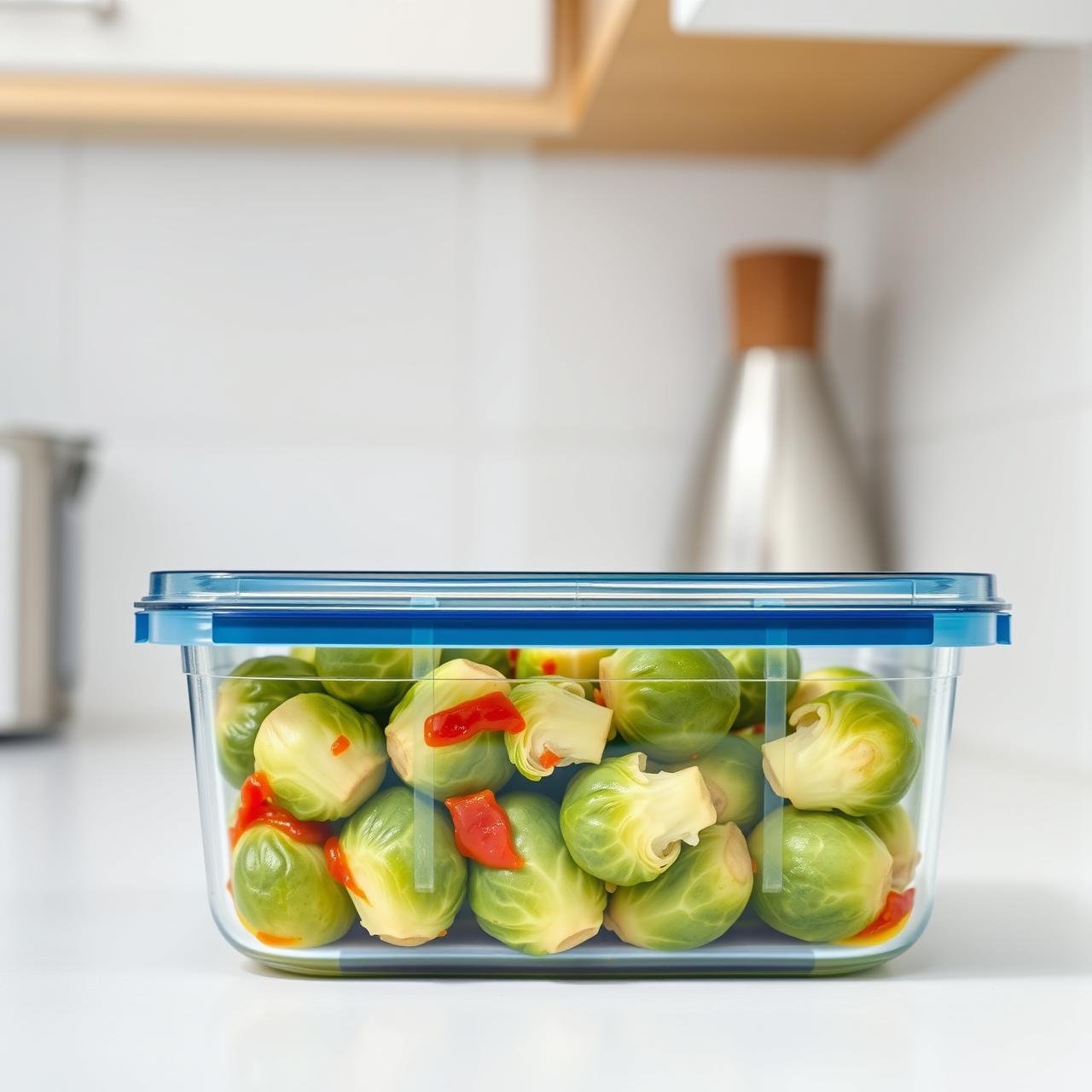
While these Gochujang Brussels Sprouts are undeniably best when served fresh from the oven, leftovers are still incredibly delicious. Storing and reheating them properly is key to preserving their fantastic texture.
Storage
Allow any leftover sprouts to cool completely to room temperature. This prevents condensation from forming in the container, which leads to sogginess. Once cooled, transfer them to an airtight container. They can be stored in the refrigerator for up to 3-4 days.
Reheating for Maximum Crispiness
The goal when reheating is to bring back the crisp. Avoid the microwave at all costs, as it will make them soft and rubbery. Here are the two best methods:
- Oven/Toaster Oven: Preheat your oven to 400°F (200°C). Spread the sprouts in a single layer on a baking sheet and heat for 5-8 minutes, or until they are heated through and the edges have crisped up again.
- Air Fryer: The air fryer is fantastic for reviving leftovers. Place the sprouts in the air fryer basket and cook at 375°F (190°C) for 3-5 minutes, shaking the basket halfway through. They will come out almost as crispy as when they were first made.
Conclusion
There you have it—a recipe that elevates the humble Brussels sprout from a mundane vegetable to a culinary event. These Spicy Gochujang Brussels Sprouts are a testament to the power of bold flavors and smart technique. They are crispy, tender, sweet, spicy, and packed with an umami depth that will leave you reaching for more. Whether you’re a gourmet foodie looking for your next flavor adventure, a health enthusiast seeking delicious vegetable dishes, or a home cook wanting to impress with minimal effort, this recipe delivers on all fronts. So, give that bottle of balsamic a rest. It’s time to embrace the fire, the funk, and the fantastic flavor of gochujang. It’s time to create a dish that’s not just eaten, but experienced.