Roasted Bone Marrow With Parsley Salad: The Ultimate Keto Superfood
There are certain dishes that transcend mere sustenance, offering a primal, deeply satisfying experience. Roasted bone marrow is one such delicacy. Often hailed as ‘God’s butter,’ this dish transforms a humble butcher’s cut into a culinary masterpiece. It’s a journey back to rustic, nose-to-tail eating, where every part of the animal is cherished for its unique flavor and nutritional power. The marrow, when roasted, becomes incredibly rich, savory, and unctuous, with a melt-in-your-mouth texture that rivals the finest foie gras. It’s pure, concentrated umami.
But this dish is more than just an indulgence for the gourmet foodie. For the health enthusiast, it’s a veritable superfood, especially for those following a ketogenic lifestyle. Packed with healthy fats, collagen, glycine, and essential minerals, bone marrow is a powerhouse of nutrition that supports joint health, gut integrity, and radiant skin. It’s the ultimate clean, high-fat fuel. We pair this liquid gold with a vibrant, sharp parsley salad. The acidity of the lemon, the bite of the shallot, and the bright, herbaceous notes of the parsley cut through the richness of the marrow perfectly, creating a harmonious balance on the palate. This isn’t just a recipe; it’s an education in flavor, texture, and a celebration of wholesome, powerful ingredients. Prepare to discover your new favorite keto-friendly appetizer that feels both ancient and incredibly sophisticated.
Why This Primal Delicacy Belongs on Your Table
Before we delve into the ‘how,’ let’s explore the ‘why.’ Understanding the profound benefits and exquisite flavors of bone marrow will deepen your appreciation for every savory spoonful. It’s a dish celebrated by chefs worldwide, yet remains surprisingly accessible for the home cook.
A Symphony of Flavor and Texture
The primary allure of roasted bone marrow is its extraordinary taste and texture. Imagine a savory, beefy custard with nutty undertones. When roasted, the marrow softens into a luscious, gelatinous state that spreads like the richest butter. The flavor is deeply beefy, but refined, without the assertiveness of muscle meat. It coats the tongue with a luxurious layer of fat, a sensation that is both comforting and decadent. The accompanying parsley salad acts as the perfect counterpoint. Its bright, acidic, and slightly peppery profile cleanses the palate, preventing the richness from becoming overwhelming and preparing you for the next delightful bite.
The Ultimate Keto Superfood
For those on a ketogenic or low-carb diet, bone marrow is a nutritional jackpot. It is almost entirely composed of fat, with trace amounts of protein and zero carbohydrates, making it an ideal food for maintaining ketosis. But it’s the quality of these fats and the accompanying nutrients that make it a true superfood:
- Healthy Fats: Rich in monounsaturated fats, which are known to be heart-healthy. It also contains conjugated linoleic acid (CLA), which has been linked to reduced inflammation.
- Collagen and Gelatin: As the marrow cooks, its connective tissues break down into collagen and gelatin, essential proteins for building and repairing joints, skin, hair, and the gut lining.
- Alkylglycerols (AKGs): These are special lipids that are also found in mother’s milk and are believed to support the immune system.
- Essential Minerals: Bone marrow is a good source of calcium, iron, phosphorus, and other minerals vital for bone health and energy production.
Surprisingly Budget-Friendly Gourmet
Despite its luxurious reputation and presence on high-end restaurant menus, bone marrow is an incredibly economical cut. Marrow bones are often considered a byproduct by butchers and can be purchased for a fraction of the cost of prime steaks. This allows the budget-conscious cook to create a truly five-star experience at home without the five-star price tag. It’s a testament to the fact that incredible food doesn’t have to be expensive; it just has to be well-prepared.
The Tools of the Trade: Essential Equipment
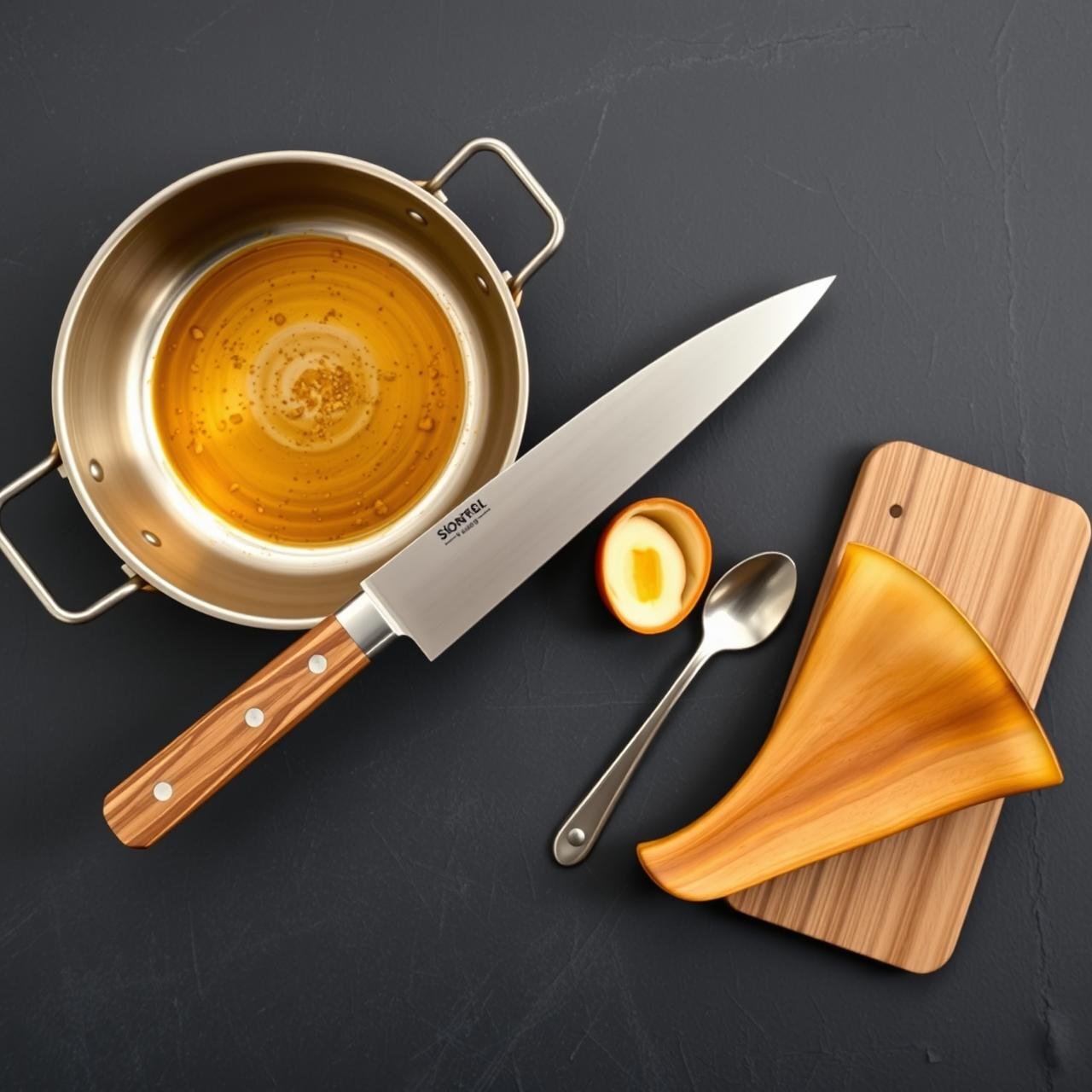
You don’t need a professional kitchen to achieve perfect results. This rustic dish requires only a few basic tools. Having the right equipment on hand makes the process smooth and enjoyable.
- Rimmed Baking Sheet or Roasting Pan: Essential for catching any rendered fat that might escape from the bones. A cast-iron skillet also works beautifully and adds to the rustic presentation.
- Parchment Paper: To line the baking sheet for easy cleanup.
- Sharp Chef’s Knife: For finely chopping the parsley, shallots, and garlic for the salad.
- Small Mixing Bowl: For combining the ingredients for the parsley salad.
- Small Spoon or Marrow Spoon: A narrow spoon, like a demitasse spoon or a specialized marrow spoon, is perfect for scooping the delicious marrow out of the bone cavity.
- Tongs: For safely handling the hot bones when they come out of the oven.
Gather Your Ingredients: A Symphony of Flavor and Fat
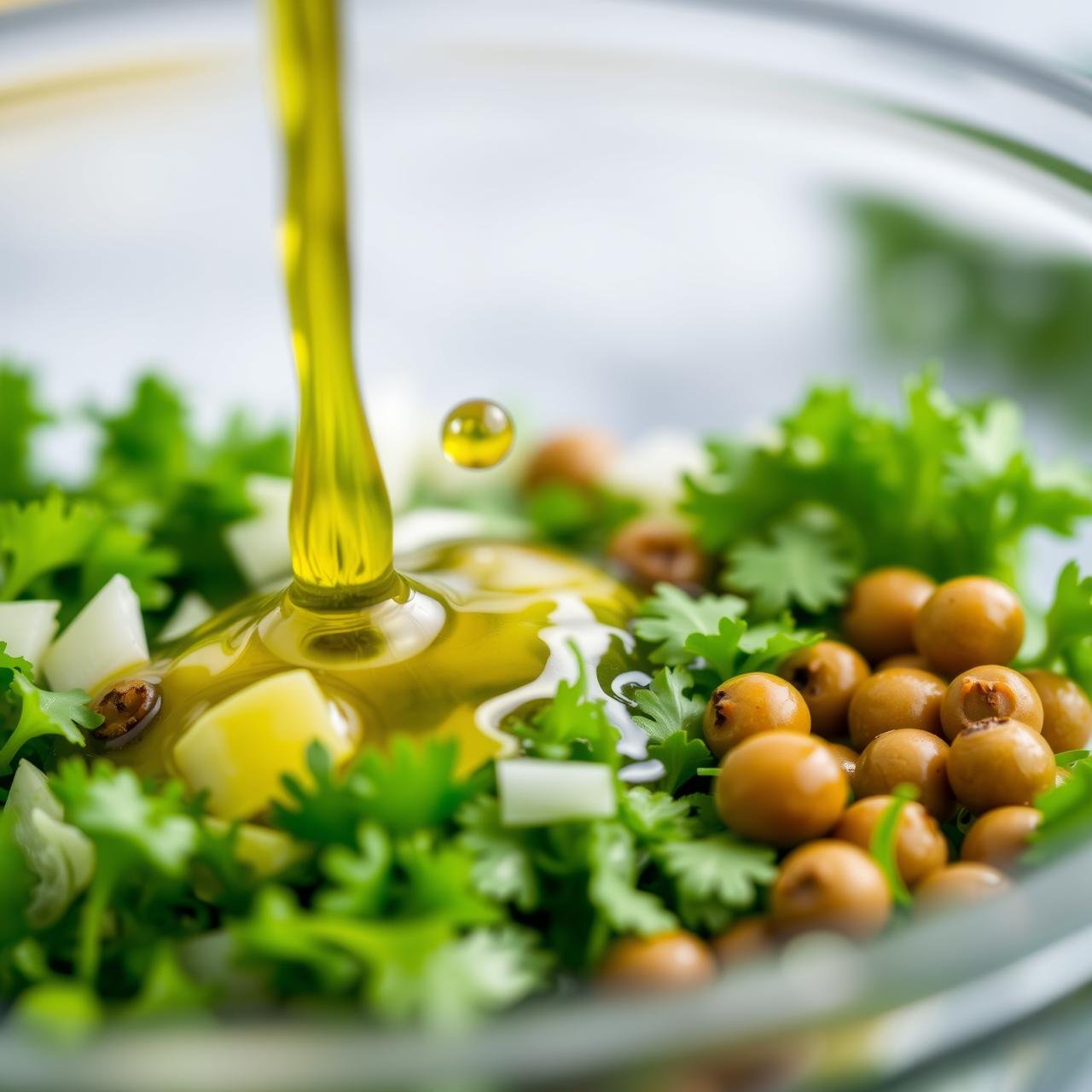
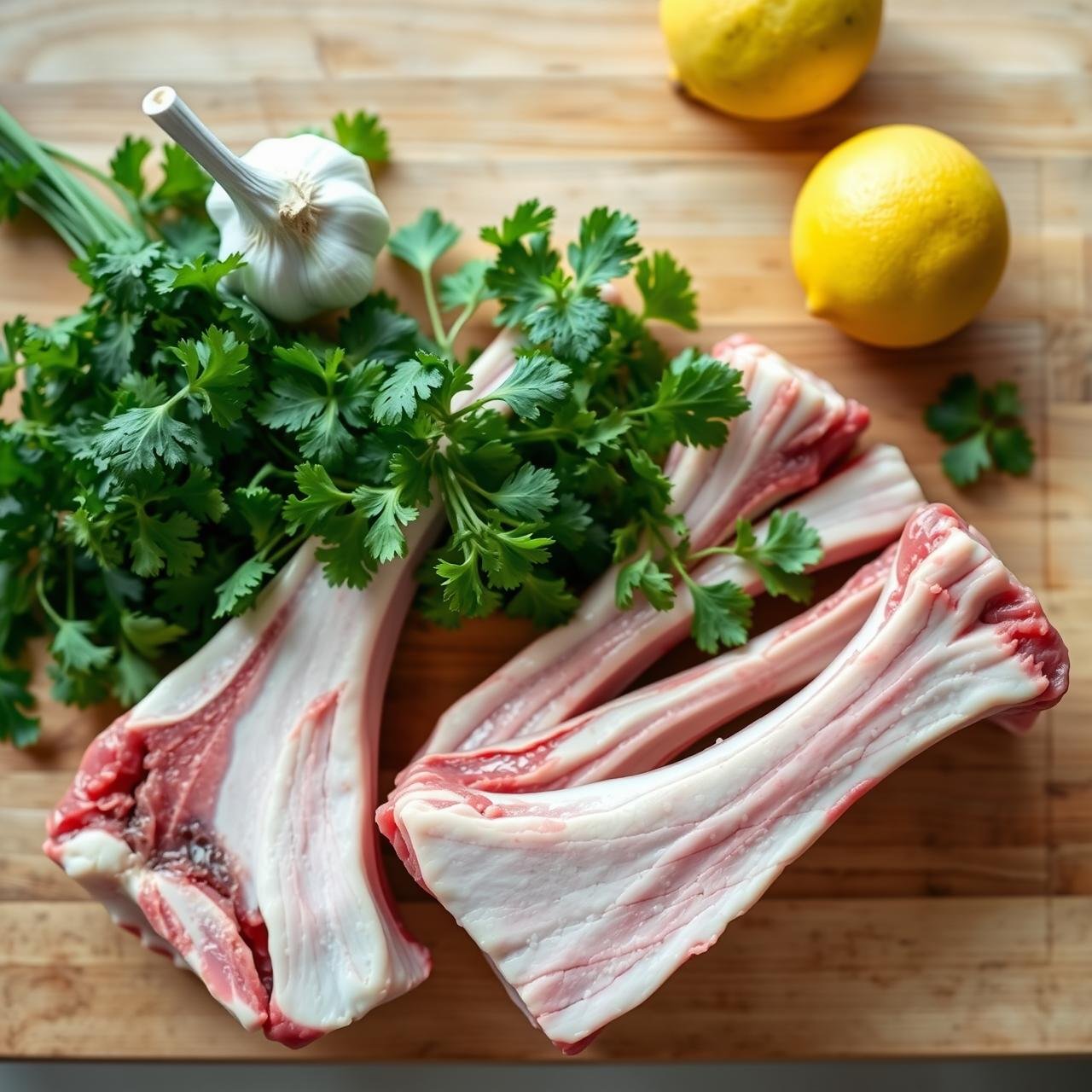
The beauty of this recipe lies in its simplicity. High-quality ingredients are key, as each one plays a distinct and important role. Ask your butcher for ‘center-cut’ beef femur bones, as they have the highest marrow-to-bone ratio.
For the Roasted Bone Marrow
- Beef Marrow Bones: 4 pieces, about 3-4 inches long each, center-cut. You can ask your butcher to cut them lengthwise (‘canoe cut’) for easier access or crosswise (’rounds’). Both work well.
- Coarse Sea Salt: 1 teaspoon, or to taste. A flaky salt like Maldon is excellent for finishing.
- Freshly Ground Black Pepper: 1/2 teaspoon, or to taste.
For the Zesty Parsley Salad
- Fresh Italian Parsley: 1 large bunch (about 2 cups), flat-leaf, coarsely chopped.
- Shallot: 1 small, very finely minced. A mild onion is crucial here.
- Capers: 2 tablespoons, drained and lightly chopped. They provide a briny, salty pop.
- Extra Virgin Olive Oil: 3 tablespoons of high-quality, fruity olive oil.
- Lemon: 1 whole, for zest and juice. You’ll use about 2 tablespoons of juice.
- Flaky Sea Salt: To taste.
The Culinary Masterclass: Roasting and Assembling
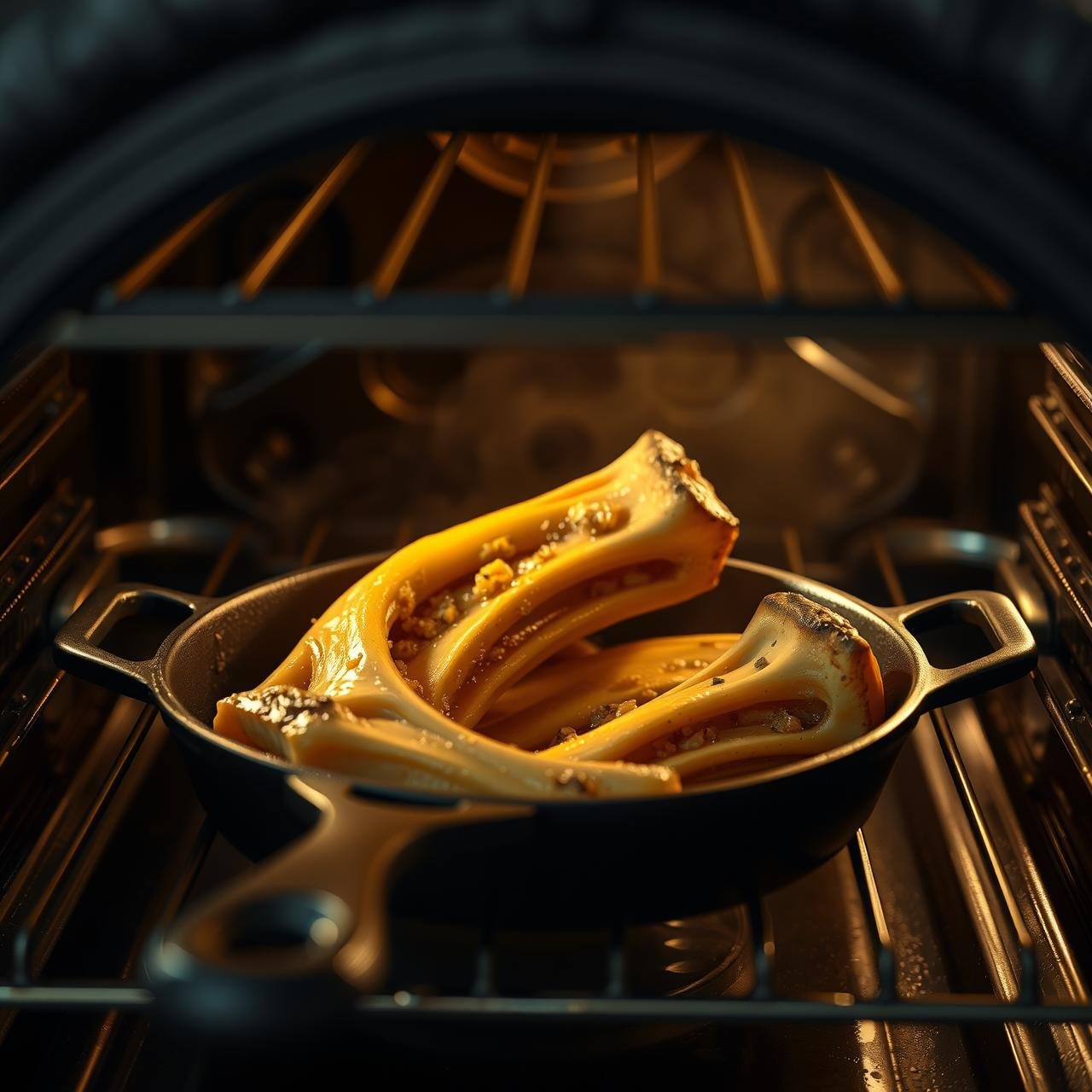
Follow these steps closely to achieve marrow that is perfectly rendered and a salad that is crisp and vibrant. The process is straightforward, with the oven doing most of the work.
-
Prepare the Bones (Optional but Recommended Soak)
For the cleanest flavor and appearance, it’s a good practice to soak the bones. Place the marrow bones in a large bowl of cold, salted water (about 1 tablespoon of salt per quart of water). Let them soak in the refrigerator for 12 to 24 hours, changing the water a few times. This process helps to draw out any blood and impurities, resulting in a more delicate flavor and a prettier, creamier color. After soaking, rinse the bones and pat them completely dry with paper towels. This drying step is crucial for achieving a good roast.
-
Preheat and Season
Preheat your oven to a high temperature, 425°F (220°C). High heat is essential for getting a beautiful golden-brown color on the outside while ensuring the inside becomes soft and molten. Line a rimmed baking sheet with parchment paper. Arrange the bones on the sheet, marrow-side up. Season them generously with coarse sea salt and freshly ground black pepper. Be bold with the seasoning; the rich fat can handle it.
-
Roast to Perfection
Place the baking sheet in the preheated oven. Roast for 20-25 minutes. The exact time will depend on the thickness of your bones. You’ll know they’re done when the marrow is soft, puffy, and has pulled away from the edges of the bone slightly. It should be bubbling gently and have a consistency similar to soft-set gelatin. If you insert a metal skewer, it should go in with no resistance. Be careful not to overcook, as the marrow can liquefy completely and render out of the bone.
-
Prepare the Parsley Salad
While the bones are roasting, prepare the salad. This salad should be made just before serving to ensure the parsley stays fresh and doesn’t wilt. In a small mixing bowl, combine the chopped parsley, minced shallot, and capers. In a separate small bowl or jar, whisk together the extra virgin olive oil and the juice of half a lemon (about 2 tablespoons). Add the zest of the entire lemon to the dressing for an extra fragrant kick. Pour the dressing over the parsley mixture and toss gently to combine. Season with a pinch of flaky sea salt. Taste and add more lemon juice if you desire more acidity.
-
Serve Immediately
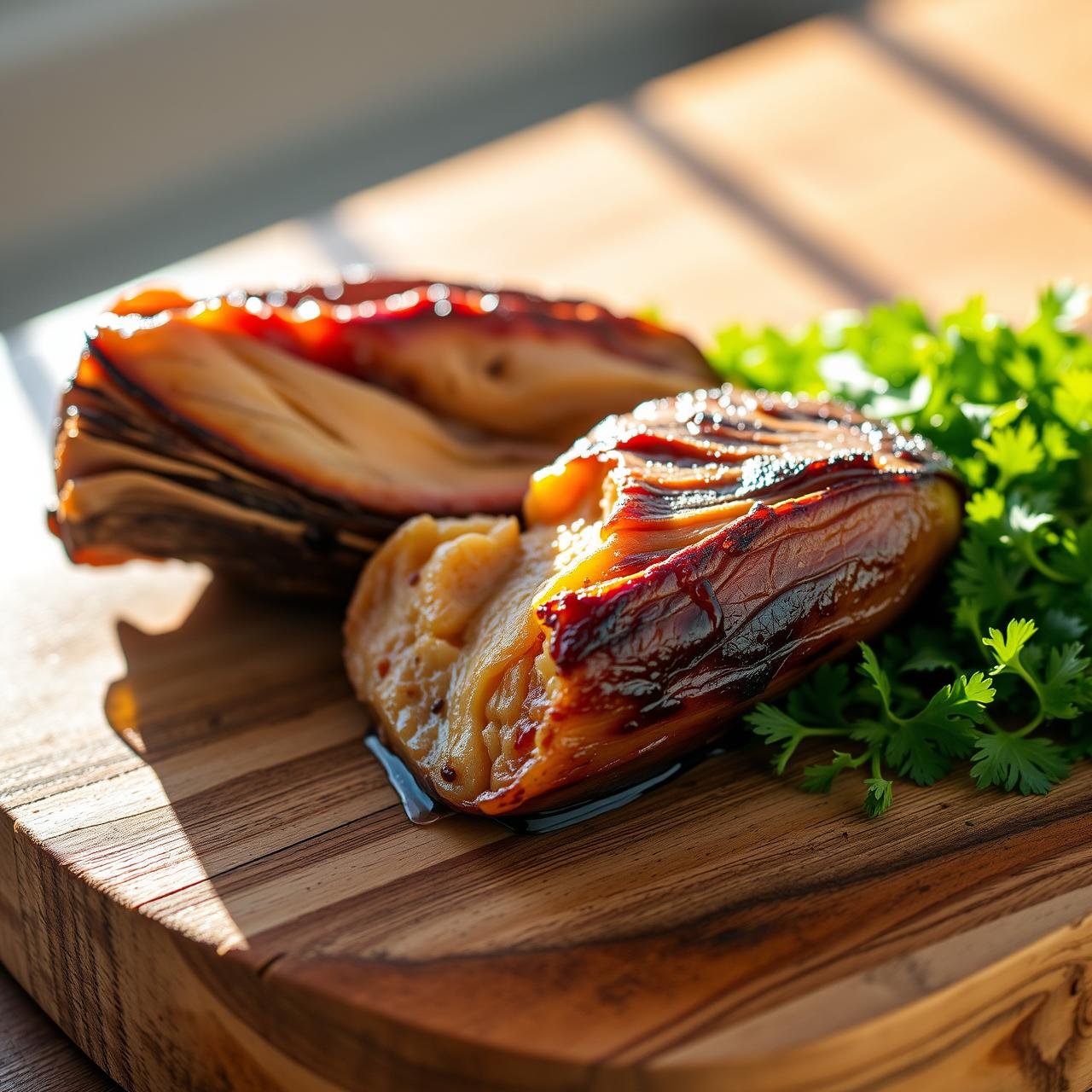
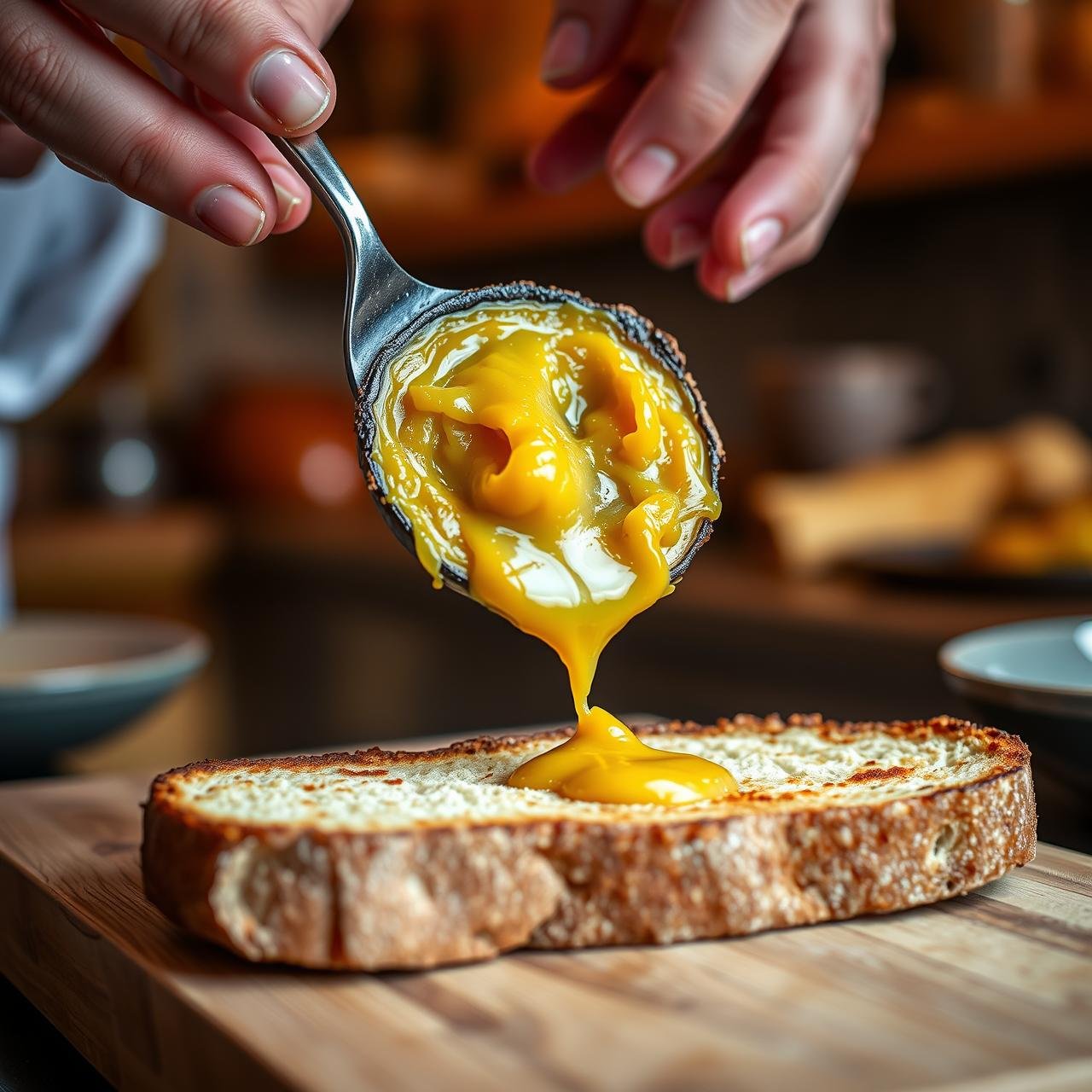
Once the bones are roasted, remove them from the oven carefully with tongs. Arrange them on a platter or rustic wooden board. Pile the fresh parsley salad alongside the bones or directly on top of the marrow. Serve immediately with toasted sourdough, crostini, or keto-friendly crackers for scooping. Encourage your guests to scoop a generous amount of the hot, unctuous marrow onto a piece of toast and top it with a spoonful of the zesty salad. The combination of hot and cold, rich and acidic, is simply divine.
A Chef’s Secrets: Tips for Unforgettable Bone Marrow
Sourcing is Everything
Forge a relationship with your local butcher. Ask them for grass-fed beef bones if possible, as they will have a superior flavor and nutritional profile. Specify that you want center-cut femur bones for the best marrow yield. Quality in, quality out.
Canoe Cut vs. Rounds
Canoe cut (split lengthwise) bones offer easier access to the marrow and more surface area for browning, which adds flavor. Rounds (cut crosswise) are more traditional and hold the marrow in a contained ‘cup,’ which can be fun to scoop out. The choice is yours and primarily affects presentation.
Don’t Crowd the Pan
Give the bones plenty of space on the baking sheet. If they are too close together, they will steam rather than roast, and you won’t get that desirable golden-brown color. Use two pans if necessary.
The Finishing Touch
A final sprinkle of high-quality flaky sea salt, like Maldon or Fleur de Sel, just before serving adds a delightful crunch and a final burst of flavor that elevates the entire dish.
Creative Serving Suggestions
While delicious on its own with the salad, you can get creative. Serve it with a side of caramelized onions or a garlic confit. For a truly decadent experience, some chefs top the roasted marrow with a sprinkle of gremolata or even finely chopped anchovies to add another layer of umami.
Nutritional Powerhouse: A Keto-Friendly Breakdown
This is an approximation and can vary based on the size of the bones and the amount of marrow. This dish is designed to be high in fat and low in carbohydrates, aligning perfectly with ketogenic principles.
| Nutrient | Amount Per Serving (Approx. 1 Bone) |
|---|---|
| Calories | ~350 kcal |
| Fat | ~38g |
| Saturated Fat | ~18g |
| Monounsaturated Fat | ~16g |
| Protein | ~2g |
| Carbohydrates | ~1g |
| Fiber | ~0.5g |
| Net Carbs | ~0.5g |
| Sodium | ~300mg (varies with seasoning) |
Storing and Reheating Your Liquid Gold
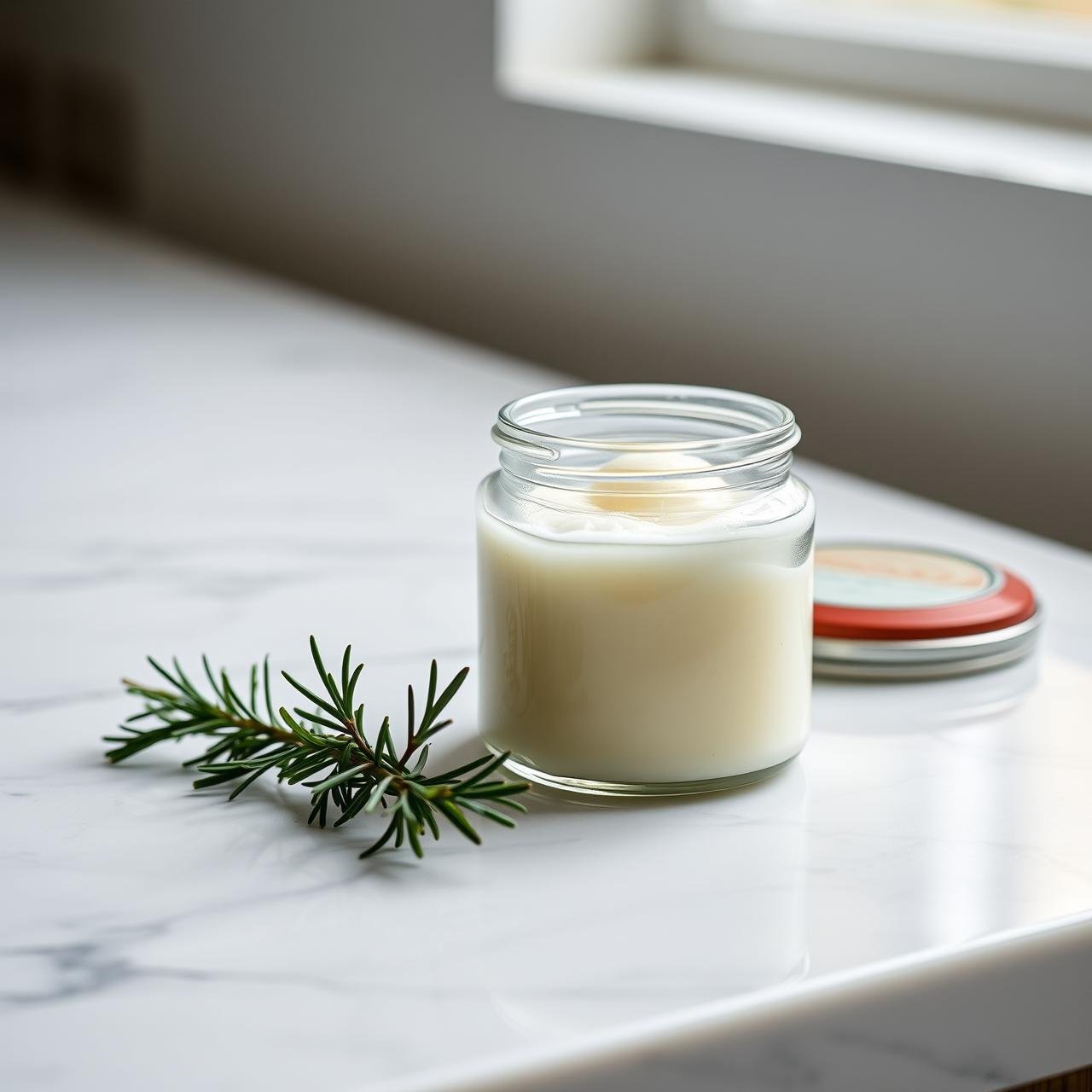
While roasted bone marrow is best enjoyed fresh from the oven, you can store leftovers. Scoop any remaining marrow out of the bones and place it in a small airtight container or glass jar. It will solidify in the refrigerator into a substance known as tallow. This rendered beef fat is incredibly flavorful and stable.
How to Use Leftover Marrow (Tallow)
- Cooking Fat: Use it as a high-quality cooking fat for searing steaks, roasting vegetables, or frying eggs. It adds an incredible depth of beefy flavor.
- Flavor Booster: Melt a spoonful into soups, stews, or sauces to add richness and a silky texture.
- Spread: While cold, it’s hard, but at room temperature, it can be spread on toast like butter for a savory treat.
To reheat, you can gently melt the tallow in a small saucepan over low heat. It will keep in the refrigerator for up to a week or can be frozen for several months.
Conclusion
Embracing roasted bone marrow is more than just trying a new recipe; it’s about connecting with a more rustic, wholesome, and profoundly flavorful way of eating. It proves that luxurious, gourmet experiences can be found in the simplest, most humble ingredients. The velvety richness of the marrow, perfectly balanced by the sharp, fresh notes of the parsley salad, creates a culinary moment that is both indulgent and deeply nourishing. Whether you’re a seasoned foodie looking for your next project, a health enthusiast maximizing nutrient density, or a home cook wanting to create something truly special, this roasted bone marrow recipe is a gateway to a world of flavor. We encourage you to step into your kitchen, embrace this primal superfood, and discover the incredible satisfaction of turning bones into liquid gold.