Better Than Potatoes? Roasted Sunchokes with Lemon & Herbs
In the world of root vegetables, the potato reigns supreme—a familiar, comforting staple on dinner plates worldwide. But what if I told you there’s a humble tuber, a knobby and unassuming root, that could challenge the potato for its throne? Meet the sunchoke, also known as the Jerusalem artichoke. It’s not from Jerusalem, nor is it an artichoke, but it is a culinary game-changer. When roasted to perfection with bright lemon and fragrant herbs, sunchokes transform into a side dish so compelling, so deeply flavorful, you might just ask yourself, ‘Are these… better than potatoes?’
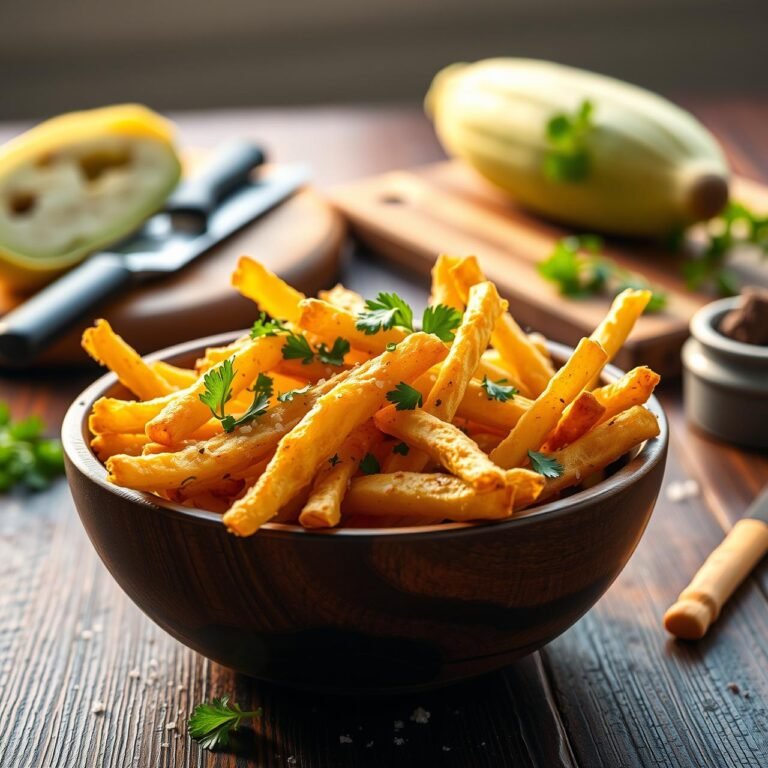
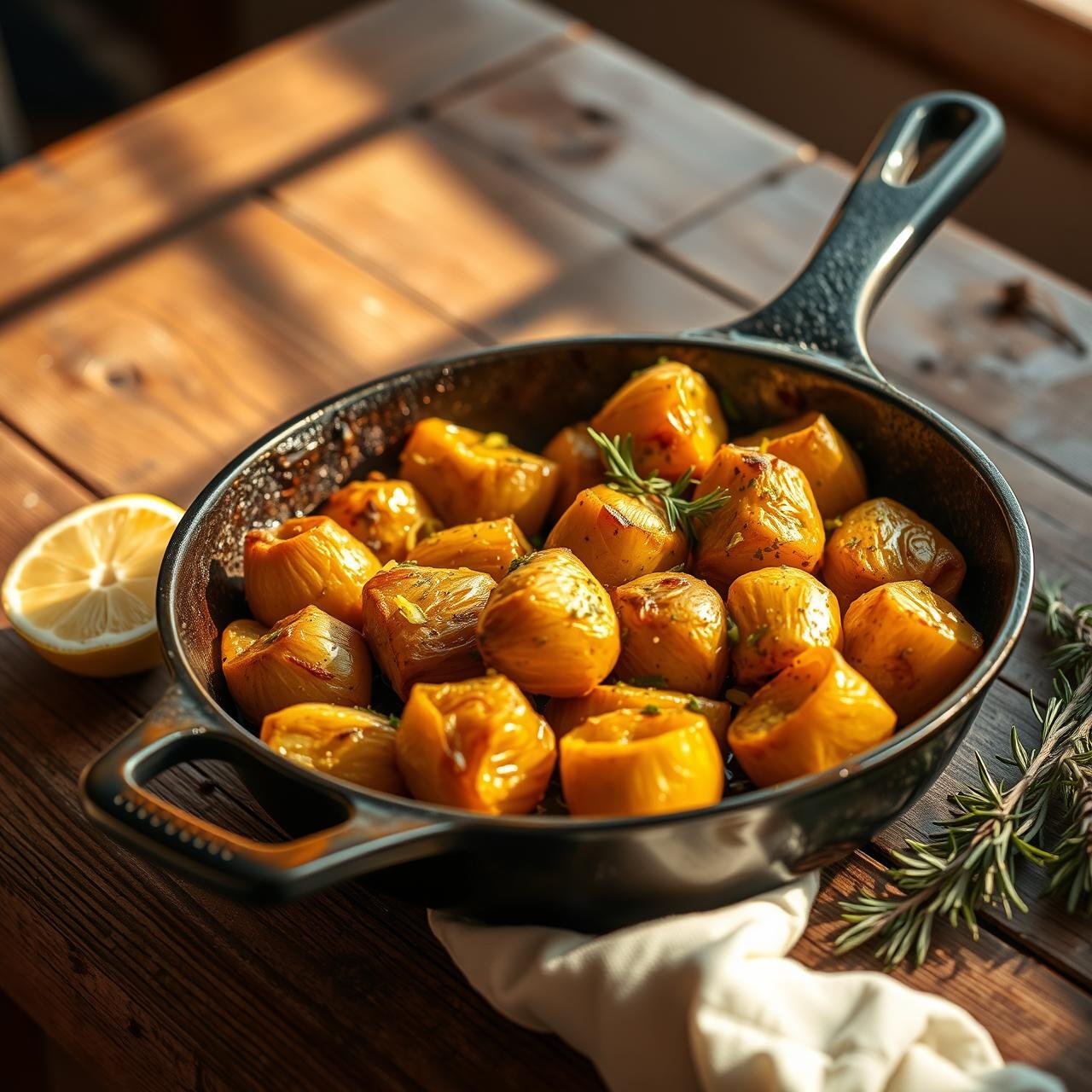
Imagine a vegetable with a crisp, caramelized exterior that gives way to a creamy, tender interior. The flavor is a revelation: nutty, savory, and subtly sweet, with notes reminiscent of an artichoke heart or a water chestnut. This isn’t just a substitute; it’s an upgrade. This recipe for Roasted Sunchokes with Lemon & Herbs is your gateway to exploring this incredible ingredient. It’s a simple, rustic preparation that lets the sunchoke’s unique character shine, creating a dish that is both elegantly gourmet and wonderfully wholesome.
What Exactly Are Sunchokes?
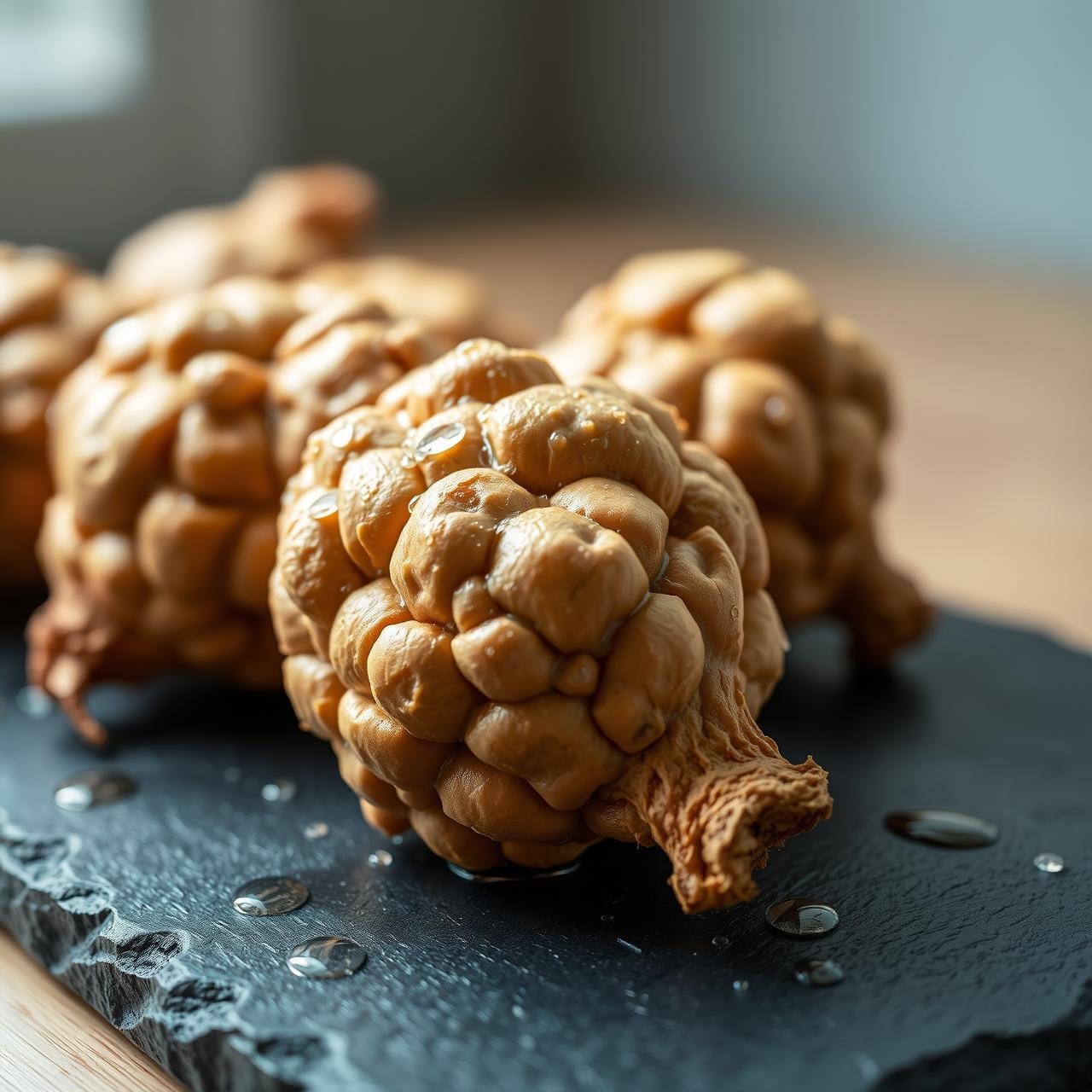
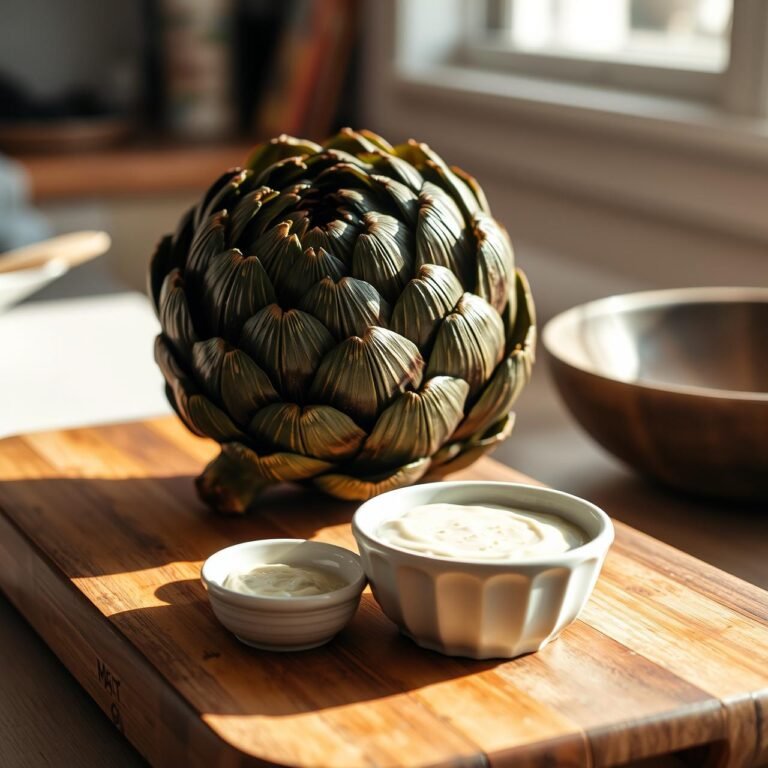
Before we dive into the kitchen, let’s get properly acquainted with our star ingredient. The sunchoke, or Jerusalem artichoke, is the tuber of a species of sunflower native to North America. Their appearance is rustic and charmingly irregular, with thin, beige-to-pink skin covering a crisp, off-white flesh. Unlike potatoes, which are primarily starch, sunchokes are rich in inulin, a type of prebiotic fiber.
Don’t let their knobby appearance intimidate you. They are surprisingly easy to prepare. For roasting, there’s often no need to peel them; a thorough scrub is all that’s required. The thin skin becomes delightfully crisp in the oven, adding a wonderful textural contrast to the soft flesh within. Their unique composition is what gives them their signature flavor and makes them a fascinating ingredient for home cooks and health enthusiasts alike.
Why Sunchokes are a Culinary Game-Changer
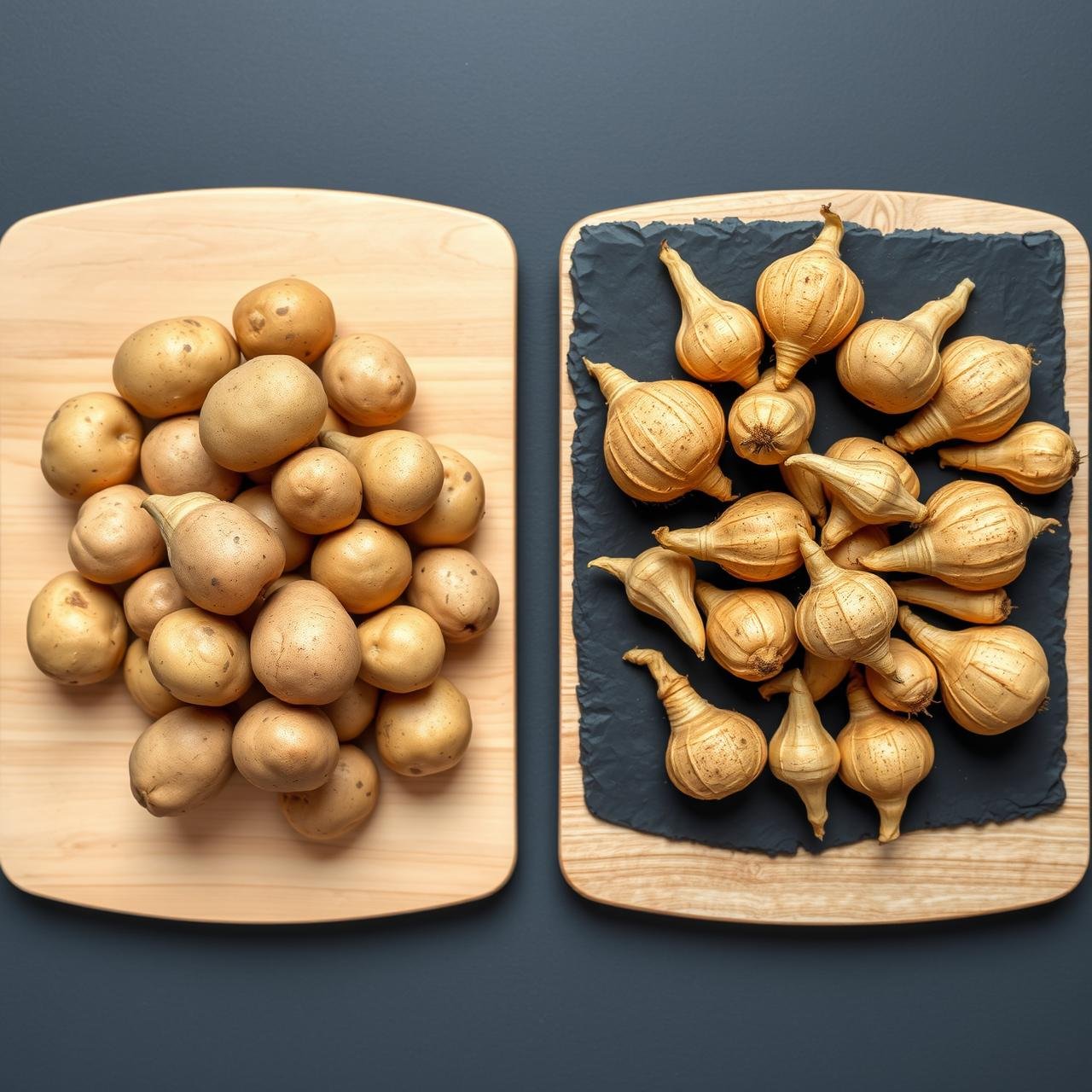
The Flavor Profile: Nutty, Sweet, and Savory
The primary reason to fall in love with sunchokes is their taste. While a roasted potato is fluffy and mild, a roasted sunchoke is a complex symphony of flavors. The high heat of the oven caramelizes their natural sugars, resulting in a deep, nutty sweetness that is incredibly satisfying. This is balanced by a savory, earthy quality and that signature finish that truly tastes like an artichoke heart. This complexity means they can stand on their own as a star side dish, requiring little more than good olive oil, salt, and herbs to shine.
The Textural Experience
When roasted correctly, sunchokes offer a texture that is simply divine. They become wonderfully creamy and tender on the inside, almost melting in your mouth, while the skins and edges get addictively crisp and slightly chewy. It’s a delightful contrast that keeps you coming back for another bite.
A Nutritional Powerhouse
For the health-conscious cook, sunchokes are a fantastic choice. They are an excellent source of iron, potassium, and most notably, prebiotic fiber. The inulin in sunchokes acts as food for beneficial gut bacteria, promoting a healthy digestive system. They also have a lower glycemic index than potatoes, meaning they have a gentler effect on blood sugar levels, making them a smart option for sustained energy.
Essential Equipment for Roasting Perfection
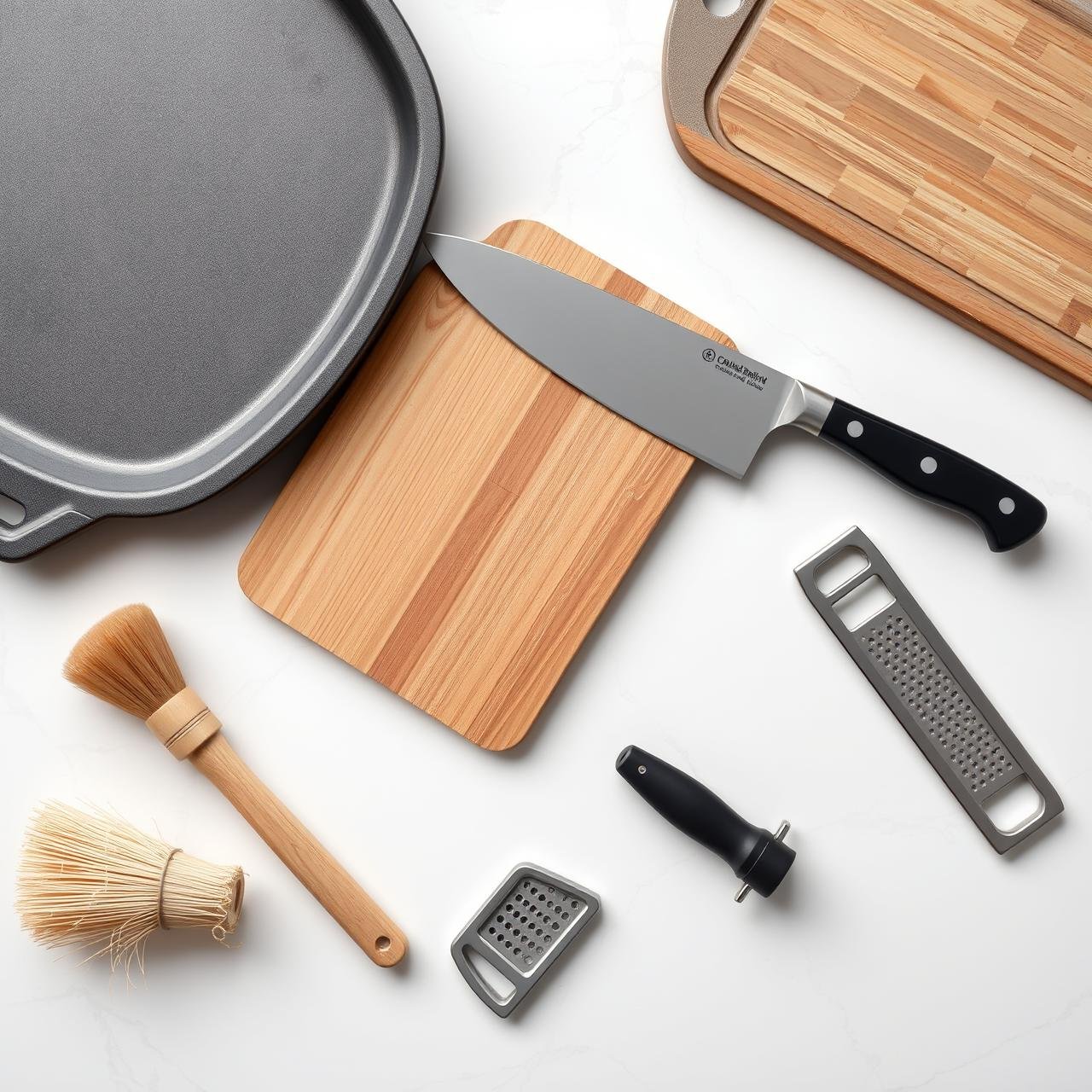
You don’t need any fancy gadgets to achieve sunchoke perfection. This rustic recipe calls for the basics you likely already have in your kitchen.
- Large Rimmed Baking Sheet: This is crucial. You need enough space for the sunchokes to lie in a single layer without crowding, which ensures they roast, not steam.
- Large Mixing Bowl: For tossing the sunchokes with oil and seasonings.
- Chef’s Knife & Cutting Board: For chopping the sunchokes into uniform pieces.
- Vegetable Brush: Essential for scrubbing the sunchokes clean and removing any dirt from their crevices.
- Microplane or Zester: For getting that fine, fragrant lemon zest that will permeate the dish.
Ingredients for Roasted Sunchokes with Lemon & Herbs
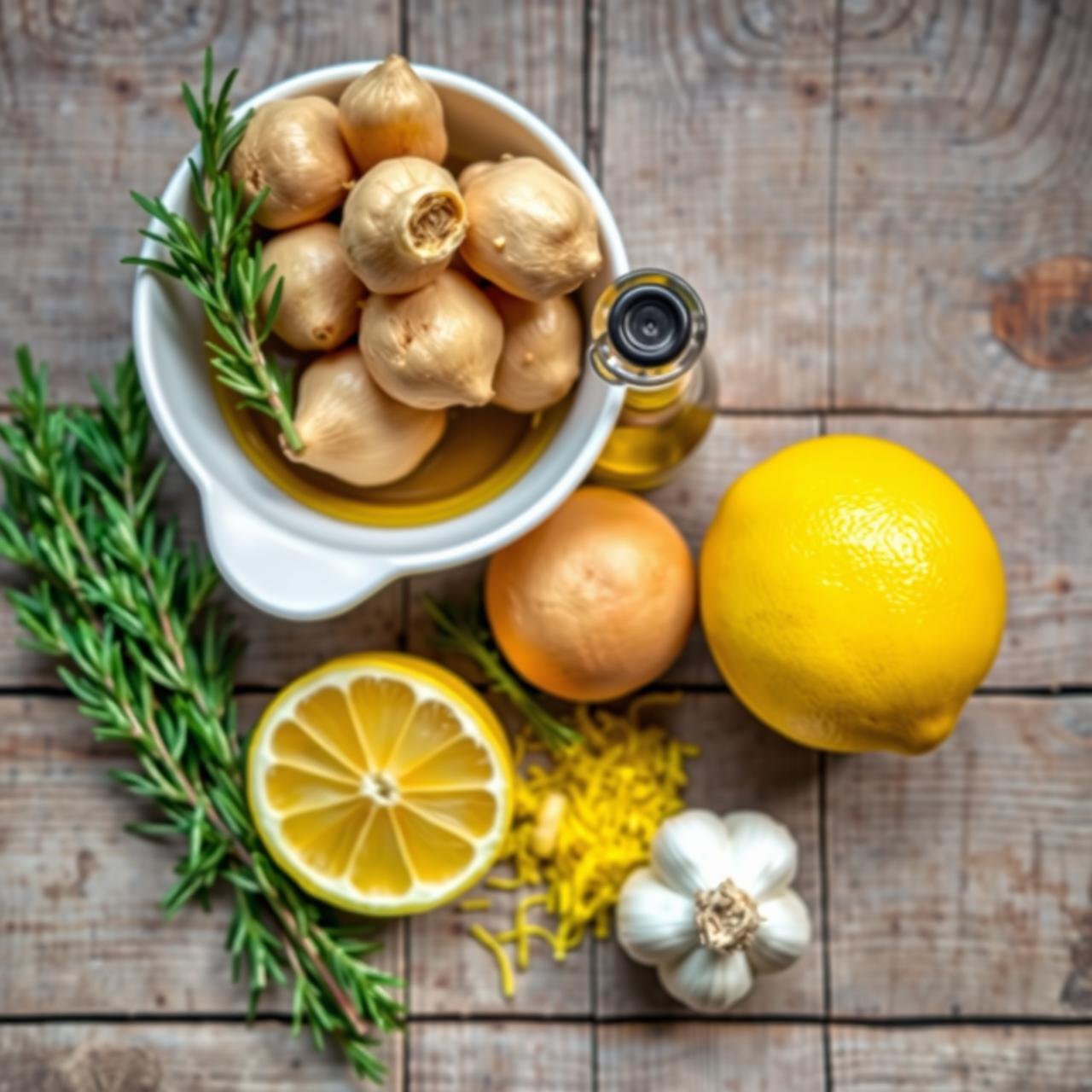
This recipe focuses on simple, high-quality ingredients to let the sunchokes’ natural flavor shine through. The combination of earthy herbs and bright citrus is a classic for a reason.
- 2 lbs sunchokes (Jerusalem artichokes), scrubbed clean and dried thoroughly
- 3 tbsp extra-virgin olive oil
- 1 tsp coarse sea salt, or more to taste
- 1/2 tsp freshly cracked black pepper
- 2 sprigs fresh rosemary, leaves finely chopped
- 4 sprigs fresh thyme, leaves stripped from stems
- 1 large lemon, zested and then cut into wedges for serving
- 2 cloves garlic, thinly sliced (optional, for a deeper savory note)
- Fresh parsley, chopped, for garnish
Step-by-Step Guide to Perfect Roasted Sunchokes
- Preheat and Prepare: Position an oven rack in the center of your oven and preheat to 425°F (220°C). A hot oven is key to getting that perfect crispy exterior.
- Prep the Sunchokes: Thoroughly scrub the sunchokes under running water with a vegetable brush to remove all dirt. Pat them completely dry with a clean kitchen towel; removing moisture is critical for browning. Trim off any dark spots or woody ends. Cut the sunchokes into uniform, bite-sized pieces, about 1 to 1.5 inches. You can cut them into rounds or chunks depending on your preference.
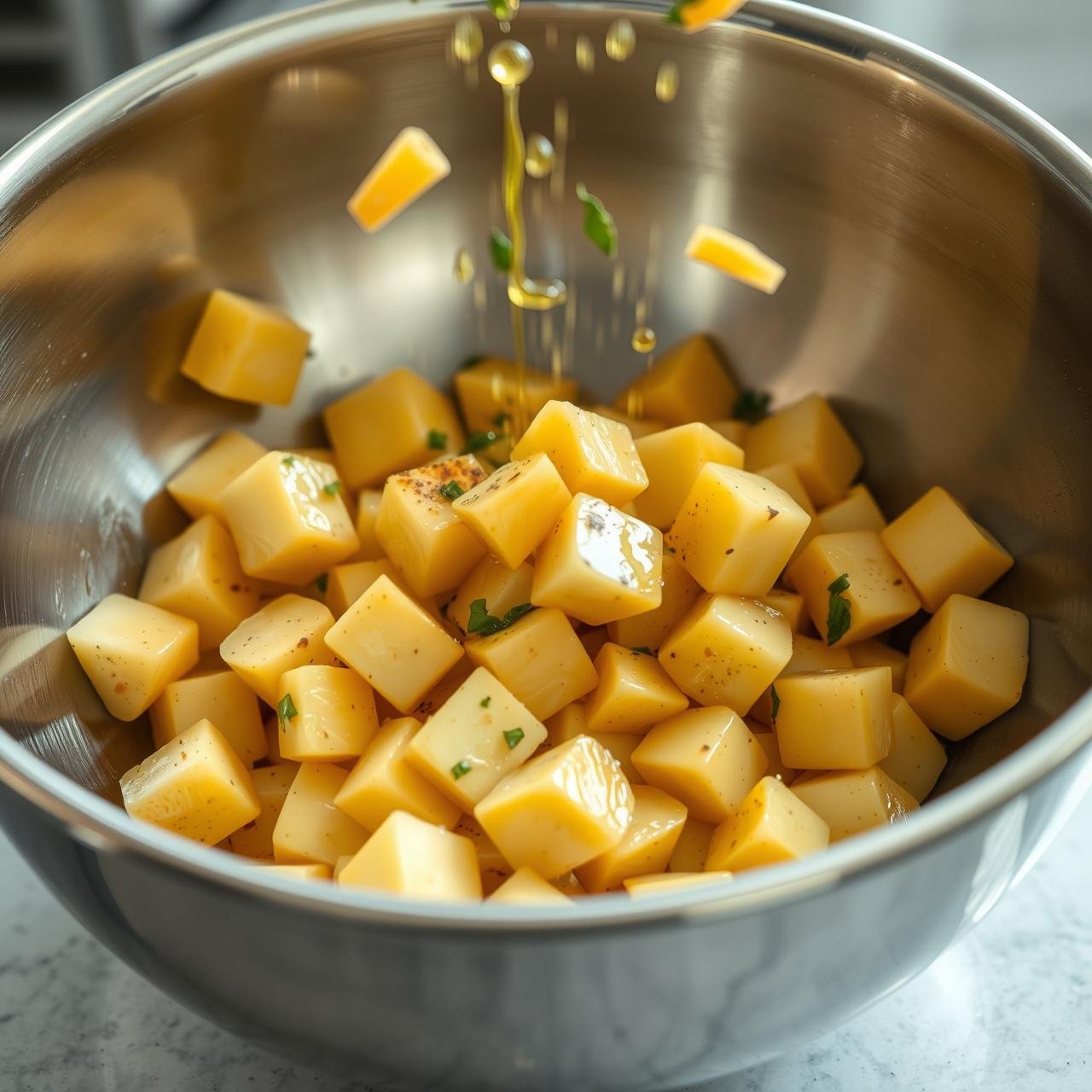
- Season Generously: Place the chopped sunchokes in a large mixing bowl. Drizzle with the olive oil and toss well to ensure every piece is coated. This fat layer is what will conduct heat and create that delicious crust. Add the coarse sea salt, black pepper, chopped rosemary, thyme leaves, and sliced garlic (if using). Toss again until everything is evenly distributed.
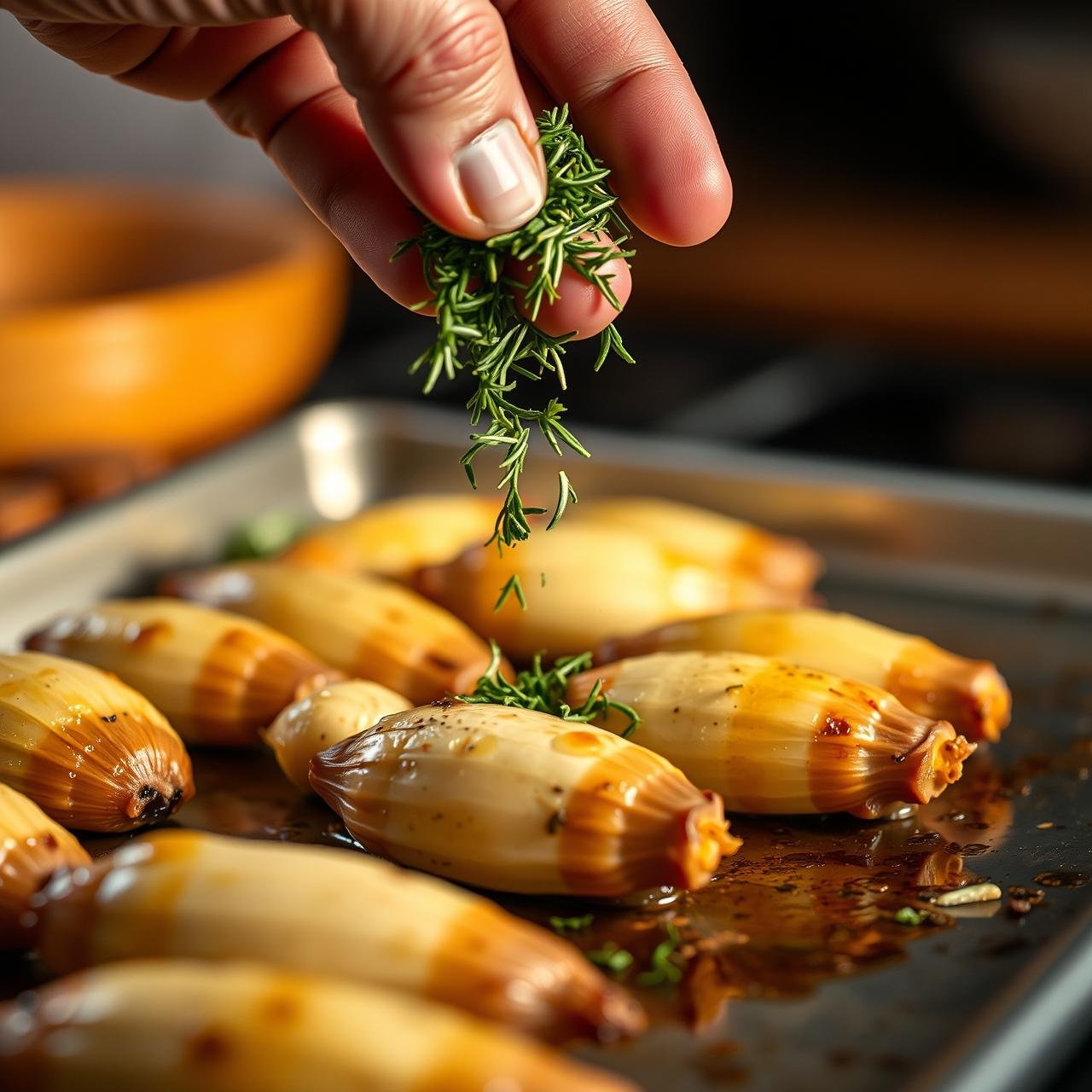
- Roast in a Single Layer: Spread the seasoned sunchokes onto your large, rimmed baking sheet. Make sure they are in a single, even layer with some space between the pieces. If the pan is too crowded, the sunchokes will steam and become soft instead of roasting and caramelizing. Use two pans if necessary.
- Roast to Golden Perfection: Place the baking sheet in the preheated oven. Roast for 20 minutes, then remove the pan, and use a spatula to flip the sunchokes. Return to the oven and continue roasting for another 15-20 minutes, or until they are deeply golden brown, caramelized at the edges, and tender all the way through. A fork or the tip of a knife should slide into a piece with no resistance.
- Finish with Freshness: Remove the baking sheet from the oven. Immediately sprinkle the hot sunchokes with the fresh lemon zest and chopped parsley. The heat from the vegetables will release the aromatic oils in the zest, perfuming the entire dish. Give it one last gentle toss on the pan.
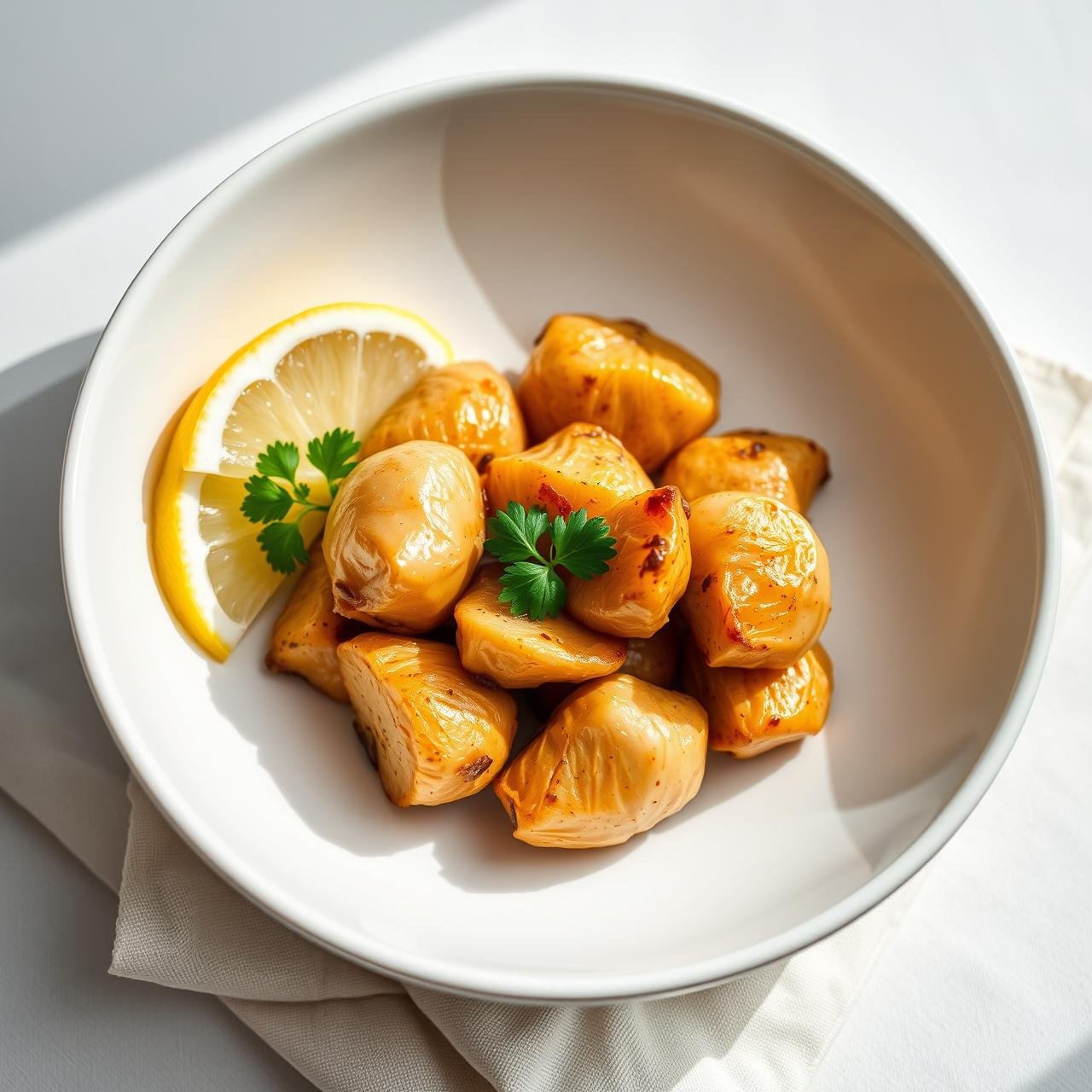
- Serve Immediately: Transfer the roasted sunchokes to a serving platter. Serve warm with fresh lemon wedges on the side for squeezing over, which adds a final burst of bright acidity to cut through the richness.
Chef’s Tips for Sunchoke Success
How to Select the Best Sunchokes
Look for sunchokes that are firm to the touch with smooth, unblemished skin. Avoid any that are soft, shriveled, or have green spots or sprouts. The smoother and less knobby they are, the easier they will be to clean.
To Peel or Not to Peel?
For this rustic roasting recipe, I strongly recommend leaving the skin on. It’s thin, edible, and crisps up beautifully in the oven, adding a fantastic texture and containing extra nutrients. Just be sure to scrub them very well.
Flavor Variations
While the lemon and herb combination is classic, sunchokes are a wonderful canvas for other flavors. Try adding a pinch of red pepper flakes for heat, smoked paprika for a smoky depth, or finishing with a sprinkle of grated Parmesan cheese in the last 5 minutes of cooking for a savory, cheesy crust.
A Note on Digestion
The inulin fiber that makes sunchokes so healthy can, for some people, cause gas and bloating, earning them the nickname ‘fartichokes.’ To mitigate this, introduce them into your diet slowly. Cooking them thoroughly, as in this roasting recipe, can also help make them easier to digest.
Nutritional Information
Here is an estimated nutritional breakdown per serving, assuming this recipe makes 4 servings.
| Nutrient | Amount per Serving |
|---|---|
| Calories | ~220 kcal |
| Carbohydrates | ~32g |
| Fiber | ~4g |
| Sugars | ~20g |
| Protein | ~4g |
| Fat | ~11g |
| Sodium | ~600mg |
| Potassium | ~850mg |
| Iron | ~40% DV |
Storing and Reheating Leftovers
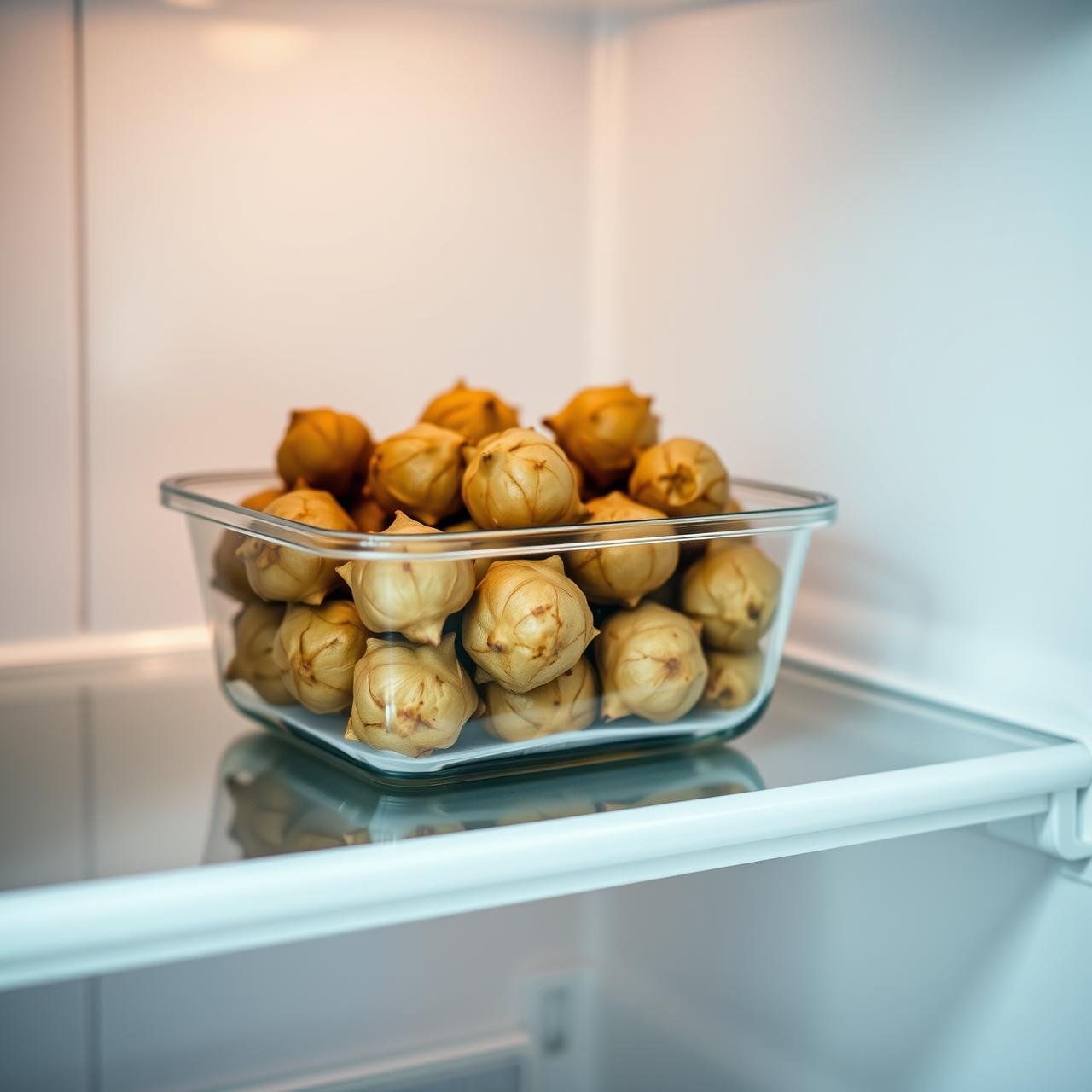
While roasted sunchokes are best enjoyed fresh from the oven, leftovers are still delicious.
- Storage: Allow the sunchokes to cool completely, then store them in an airtight container in the refrigerator for up to 3-4 days.
- Reheating: For the best texture, avoid the microwave, which can make them soggy. Reheat them on a baking sheet in a 400°F (200°C) oven or in an air fryer for 5-7 minutes, until they are heated through and have regained their crispy edges.
Conclusion
So, are sunchokes better than potatoes? That’s for your taste buds to decide. Potatoes will always be a beloved classic, but sunchokes offer something different—a more complex flavor, a uniquely satisfying texture, and a host of nutritional benefits that are hard to ignore. They are an invitation to step outside the culinary box and discover a root vegetable that is truly special.
This Roasted Sunchoke with Lemon & Herbs recipe is the perfect introduction. It’s a testament to how simple, wholesome ingredients, treated with care, can produce a dish that is both rustic and refined. The next time you’re looking for a standout side dish that will intrigue and delight, give the humble sunchoke a try. You might just find a new favorite to grace your table.