Sweeter Than Sweet Potato: Roasted Kabocha Detailed Recipe for Fat Loss
There’s a certain magic that happens when you slide a tray of vegetables into a hot oven. The kitchen fills with a comforting aroma, and simple produce transforms into something sublime. While sweet potatoes have long held the crown for the go-to healthy, sweet, and satisfying roasted vegetable, I’m here to introduce you to its superior cousin: the kabocha squash. Often called the Japanese pumpkin, this green-skinned wonder boasts a flavor and texture that will make you rethink everything you thought you knew about squash. Its flesh is astonishingly sweet, with nutty, chestnut-like undertones, and a texture that’s less watery and more dense, velvety, and fluffy than any sweet potato.
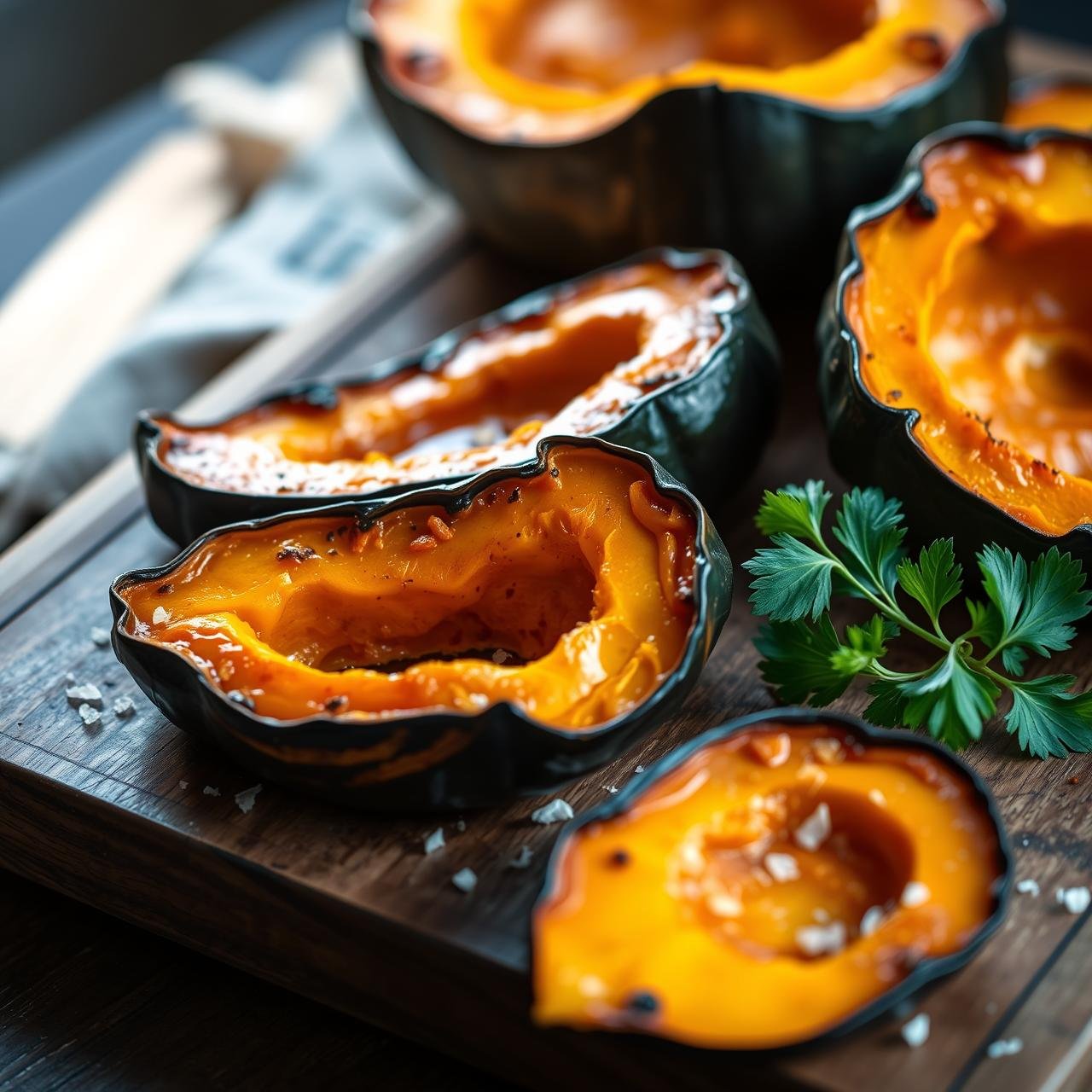
But the appeal of kabocha goes far beyond its exquisite taste. For those of us on a journey towards a healthier lifestyle or focused on fat loss, kabocha is a true culinary champion. It packs fewer calories and carbohydrates than a sweet potato, yet delivers a significant dose of fiber, keeping you fuller for longer and supporting stable blood sugar levels. This recipe is more than just instructions; it’s a deep dive into the art of roasting kabocha to absolute perfection. We’ll unlock its natural sugars to create irresistibly caramelized edges while keeping the inside creamy and tender. Prepare to fall in love with your new favorite side dish, a guilt-free indulgence that nourishes your body and delights your palate.
Why Kabocha is Your New Fat-Loss Superfood
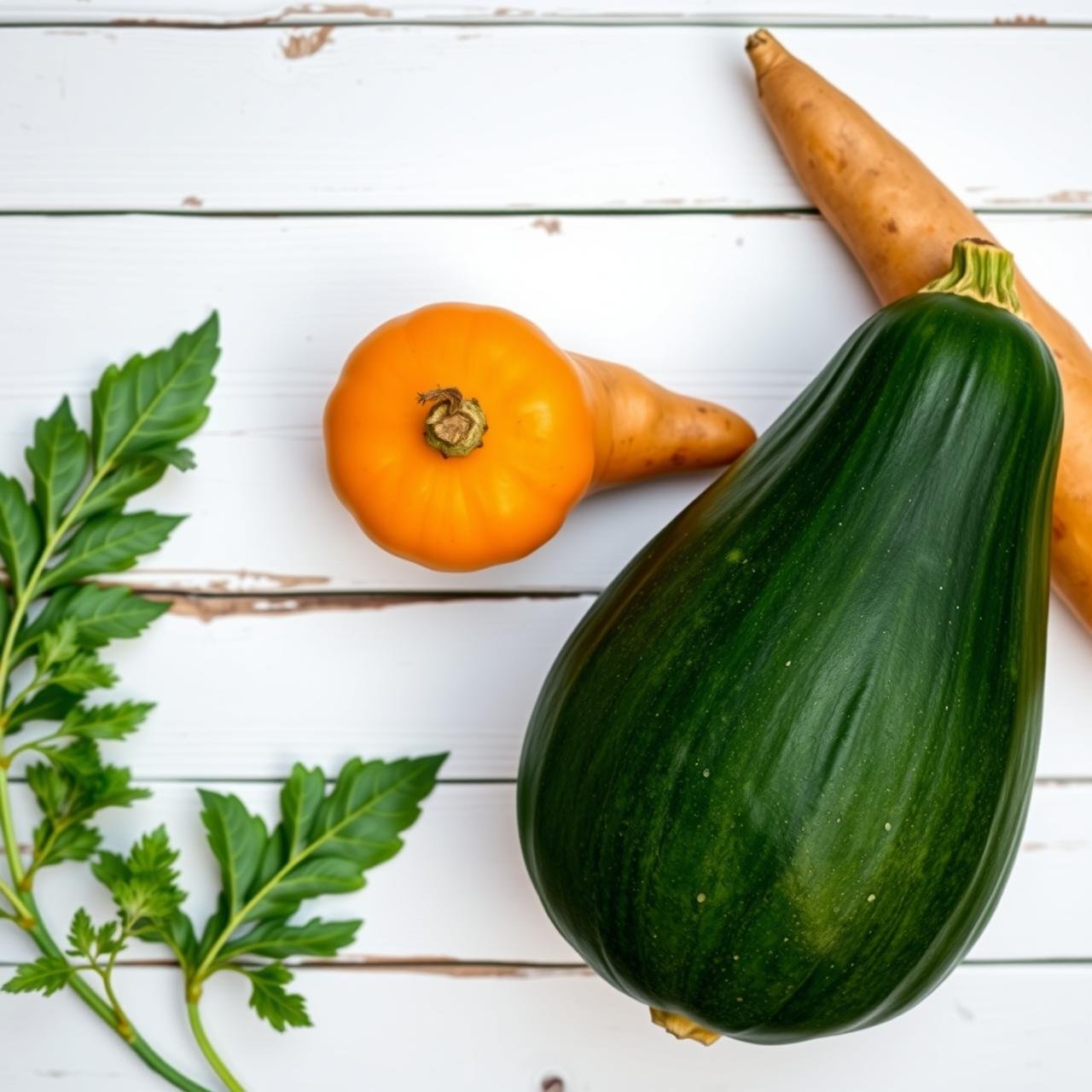
Before we even touch a knife to this gorgeous squash, let’s talk about why it deserves a prime spot in your meal plan, especially if you’re health-conscious. Kabocha isn’t just another pretty face in the produce aisle; it’s a nutritional powerhouse uniquely suited for a fat-loss-oriented diet.
The primary advantage kabocha holds over its popular rival, the sweet potato, lies in its macronutrient profile. A 100-gram serving of kabocha contains approximately 35-40 calories and around 8 grams of carbohydrates. Compare that to the sweet potato, which clocks in at about 86 calories and 20 grams of carbohydrates for the same amount. This means you can enjoy a larger, more satisfying portion of kabocha for a fraction of the caloric and carbohydrate cost—a huge win for managing your energy intake without feeling deprived.
Beyond the numbers, the type of carbohydrate matters. Kabocha is rich in complex carbohydrates and fiber, including pectin, which slows down digestion. This gradual process prevents the sharp spikes and subsequent crashes in blood sugar that can trigger cravings and fat storage. The high fiber content promotes a feeling of fullness, or satiety, which is your best ally in preventing overeating. Furthermore, kabocha is brimming with essential vitamins and minerals. It’s an excellent source of Vitamin A (in the form of beta-carotene, which gives it that vibrant orange flesh), Vitamin C, iron, and some B vitamins. These micronutrients are vital for energy metabolism, immune function, and overall well-being, ensuring your body is well-nourished as you work towards your goals.
The Essential Toolkit: Equipment for Perfect Roasting
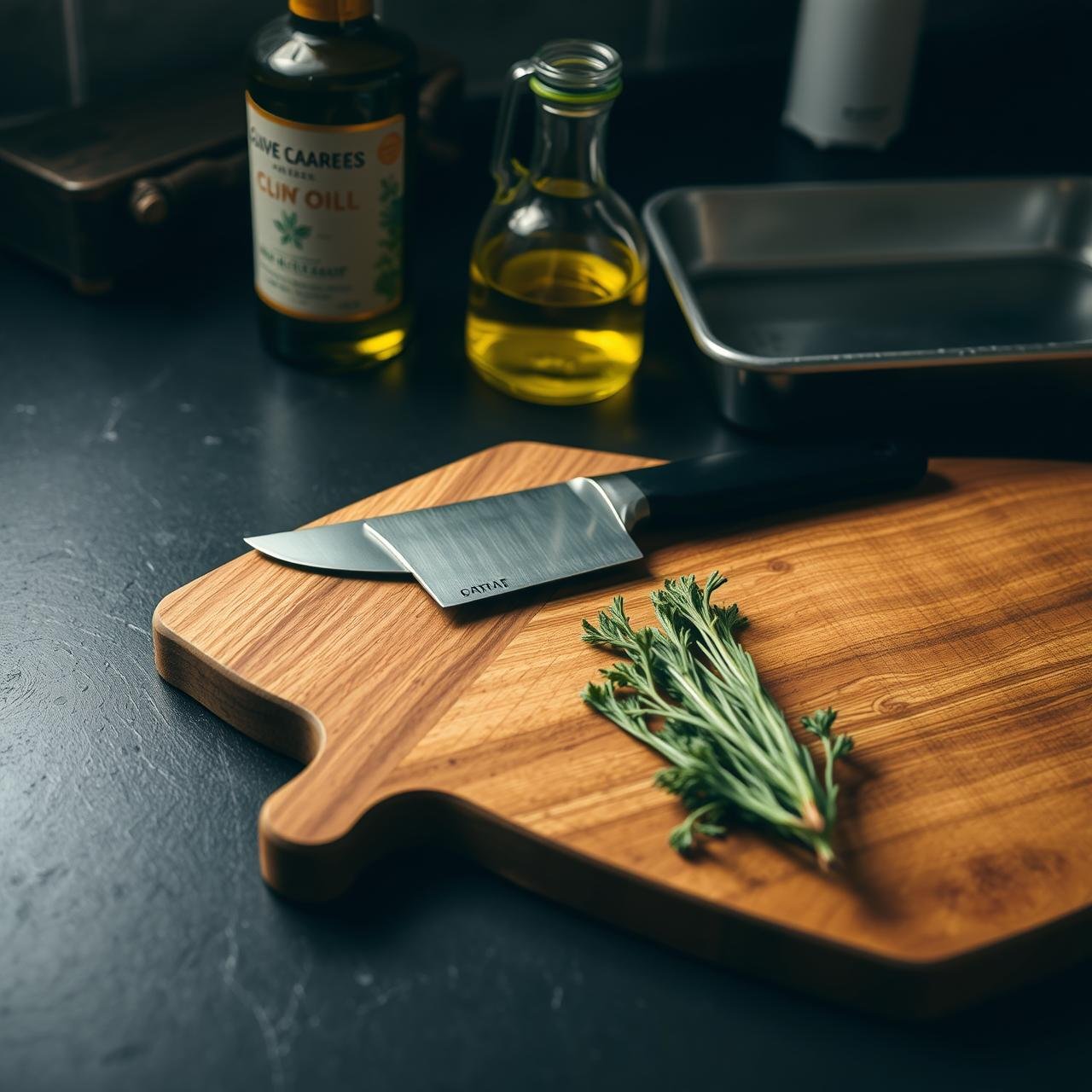
You don’t need a kitchen full of fancy gadgets to achieve roasting perfection. The beauty of this recipe lies in its rustic simplicity. Here are the key tools that will ensure your success.
| Equipment | Chef’s Note |
|---|---|
| A Sharp, Heavy Chef’s Knife | Kabocha squash has a notoriously tough skin. A sturdy, sharp knife is non-negotiable for safety and ease of cutting. A flimsy knife is more likely to slip. |
| A Large, Sturdy Cutting Board | You need a stable surface that won’t slide around. Place a damp paper towel underneath your cutting board to secure it to the countertop. |
| A Large Mixing Bowl | This is for tossing the squash with oil and spices, ensuring every single piece is evenly coated for maximum flavor and caramelization. |
| A Heavy-Duty Rimmed Baking Sheet | A thick, sturdy baking sheet will conduct heat evenly and prevent warping at high temperatures. The rim is crucial to prevent any oil from dripping into your oven. |
| Parchment Paper | While optional, I highly recommend it. It prevents the squash from sticking to the pan (especially the caramelized sugary bits) and makes cleanup incredibly easy. |
| A Metal Spoon | For easily and efficiently scooping out the seeds and stringy pulp from the squash cavity. |
Gathering Your Ingredients
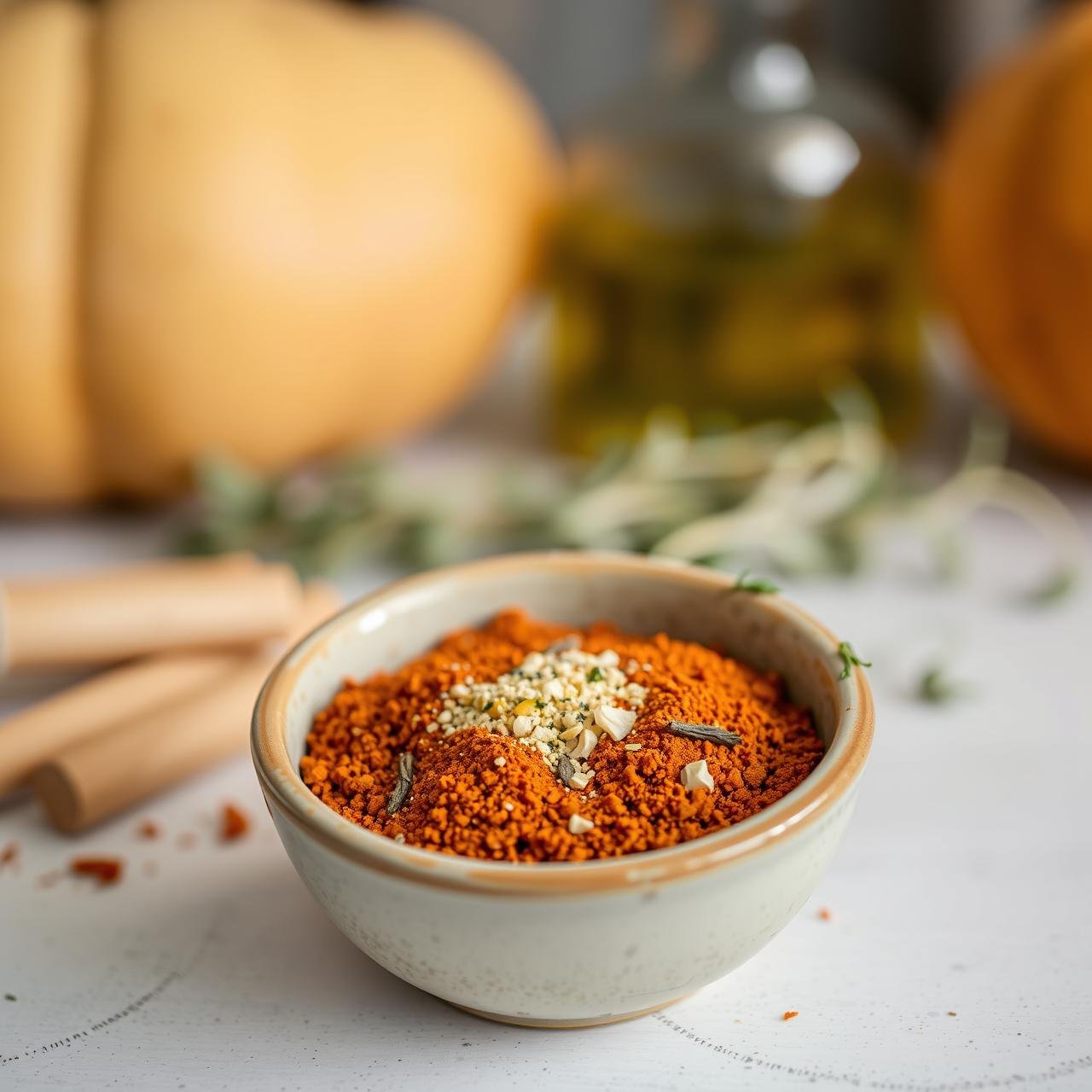
Simplicity is key to letting the kabocha’s natural flavor shine. We’re using a handful of quality ingredients to enhance, not overpower, its inherent sweetness.
- 1 medium Kabocha Squash (about 2-3 lbs): Look for a squash that feels heavy for its size, with a dry, hard rind. A bit of a dry, corky stem is a good sign of ripeness.
- 1.5 tablespoons Avocado Oil or other high-heat oil: Avocado oil is my top choice due to its high smoke point (520°F), which is perfect for high-temperature roasting without oxidizing. Melted coconut oil or even a high-quality olive oil will also work.
- 1 teaspoon Smoked Paprika: This adds a beautiful color and a subtle, smoky depth that complements the squash’s sweetness.
- 1/2 teaspoon Garlic Powder: Provides a savory, aromatic base note.
- 1/2 teaspoon Onion Powder: Adds another layer of savory complexity.
- 1/2 teaspoon Fine Sea Salt: Essential for bringing out all the flavors.
- 1/4 teaspoon Black Pepper: Freshly ground is always best for a touch of warmth and spice.
- Optional Garnish: Freshly chopped parsley or thyme, flaky sea salt.
The Art of Roasting Kabocha: Step-by-Step Instructions
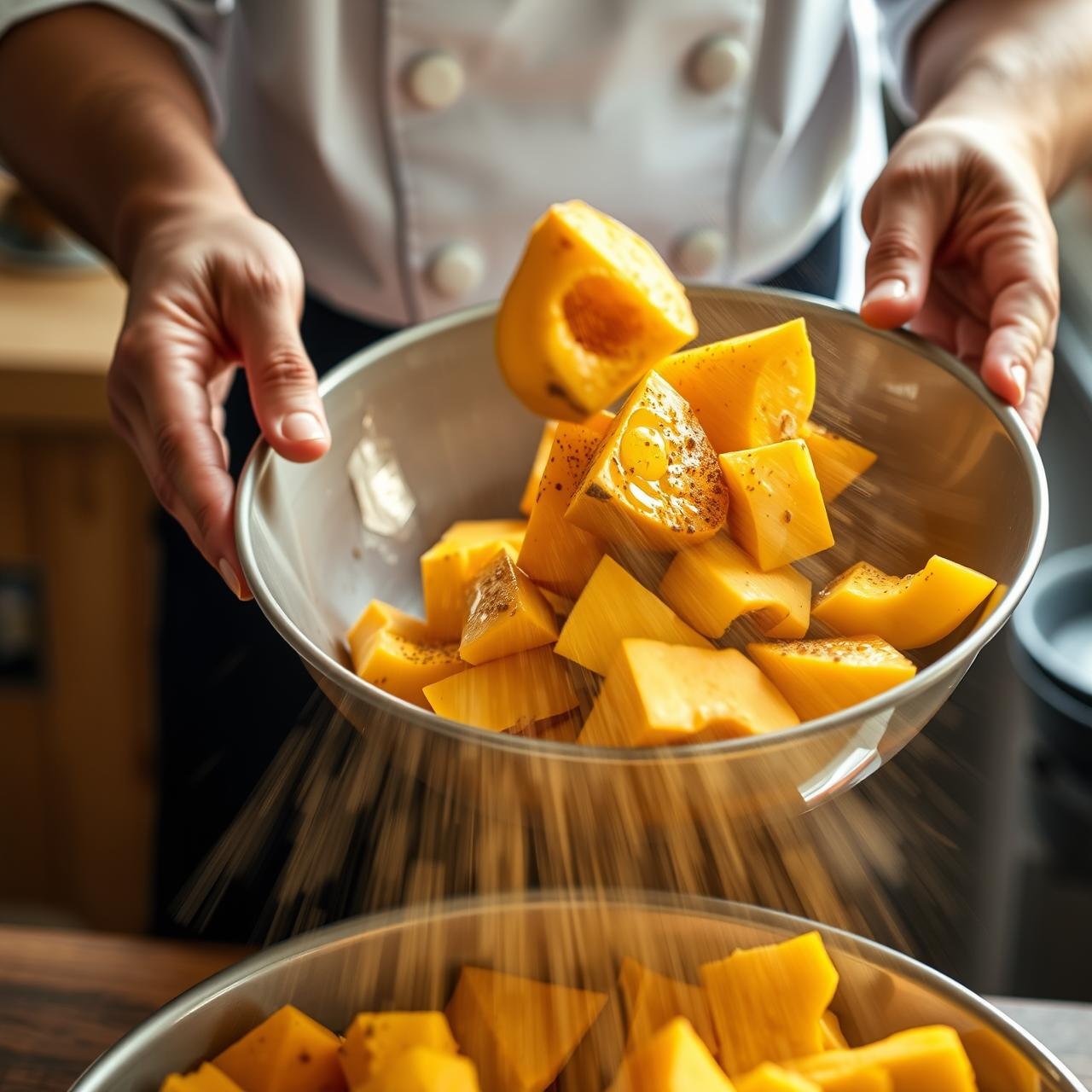
Follow these steps closely, and you’ll be rewarded with perfectly roasted kabocha every time. The secret is in the preparation and the high, consistent heat.
-
Prepare Your Oven and Pan
Preheat your oven to a robust 400°F (200°C). This high heat is crucial for creating that desirable crispy exterior and caramelized finish. Line a large, rimmed baking sheet with parchment paper.
-
Wash and Dry the Squash
Scrub the outside of the kabocha squash thoroughly under running water to remove any dirt. Since we’re leaving the skin on (yes, it’s edible and delicious!), you want it to be clean. Dry it completely with a kitchen towel; a dry surface helps the oil and spices adhere better.
-
The Toughest Part: Cutting the Kabocha
This requires care. Place the squash on your stable cutting board. First, trim off the top stem and the bottom blossom end to create two small, flat surfaces. Stand the squash on one of the flat ends. Carefully insert the tip of your heavy chef’s knife into the top center and press down firmly, using your other hand to press on the spine of the knife, to cut it in half. Pro-Tip: If the squash is exceptionally hard, you can microwave the whole thing for 2-3 minutes to soften the skin slightly, making it easier to cut.
-
Scoop the Seeds
Using a metal spoon, scrape out all the seeds and stringy bits from the center of each half. Don’t discard the seeds! You can clean, season, and roast them just like pumpkin seeds for a crunchy, nutritious snack.
-
Slice into Wedges
Place each squash half cut-side down on the cutting board. Slice them into uniform wedges, about 1 to 1.5 inches thick. Uniformity is key to ensuring they all cook at the same rate.
-
Season Generously
Place all the kabocha wedges into your large mixing bowl. Drizzle with the avocado oil. Sprinkle the smoked paprika, garlic powder, onion powder, sea salt, and black pepper over the top. Use your hands to toss everything together thoroughly. Don’t be shy; make sure every nook and cranny of each wedge is lightly coated in the oil and spice mixture.
-
Arrange for Roasting
Spread the seasoned kabocha wedges in a single layer on your prepared baking sheet. This is critical! Do not overcrowd the pan. If the pieces are too close together, they will steam instead of roast, and you’ll miss out on those delicious crispy, caramelized edges. Use two baking sheets if necessary.
-
Roast to Perfection
Place the baking sheet in the preheated oven. Roast for 20-30 minutes, flipping the wedges halfway through. The squash is done when it is fork-tender, and the edges are deeply golden-brown and caramelized. The exact time will depend on the thickness of your wedges and your specific oven.
-
Serve and Enjoy
Remove from the oven and let it cool for a few minutes. If desired, garnish with a sprinkle of fresh parsley and a pinch of flaky sea salt. Serve immediately while warm.
Chef’s Secrets & Flavor Variations
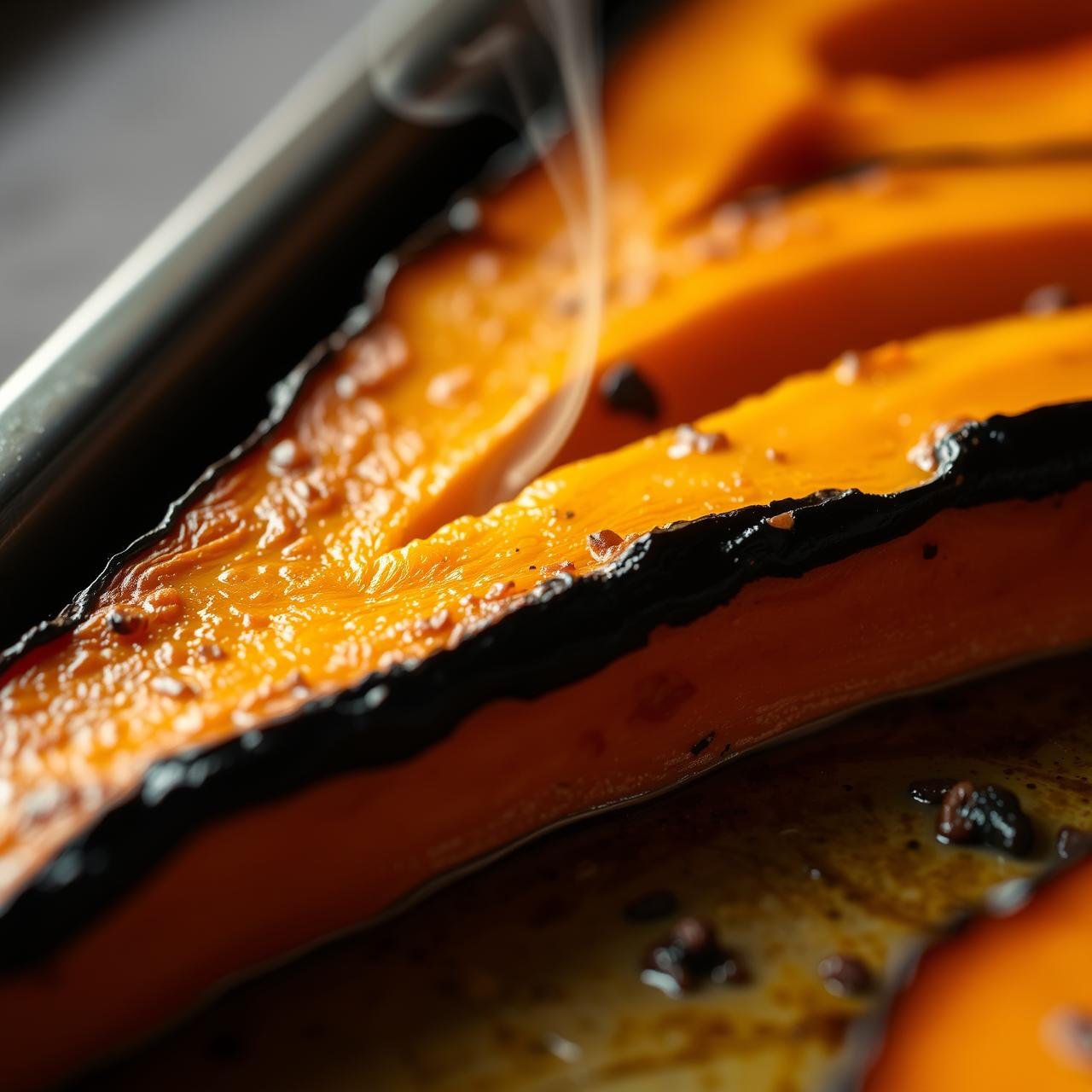
Once you’ve mastered the basic technique, you can start to play with flavors and perfect your process. Here are some of my favorite tips and variations.
For Maximum Caramelization:
The secret to those coveted dark, crispy, sweet edges is twofold: don’t skimp on the heat and ensure good contact with the pan. A preheated baking sheet can help. Place the sheet in the oven while it preheats, then carefully arrange the squash on the hot surface. This immediate sizzle kickstarts the Maillard reaction, the chemical process responsible for browning and creating complex flavor.
Flavor Variations to Explore:
- Sweet & Spicy: Add a pinch of cinnamon and a dash of cayenne pepper to the spice mix. After roasting, drizzle with a tiny bit of pure maple syrup or hot honey.
- Herby & Savory: Toss with dried rosemary and thyme before roasting. Garnish with fresh versions of the same herbs for a powerful aromatic punch.
- Umami Bomb: Mix a teaspoon of white miso paste into the oil before tossing with the squash. This adds an incredible savory, salty depth that is truly addictive.
- Curry-Spiced: Swap the paprika and garlic powder for a teaspoon of your favorite curry powder and a half teaspoon of turmeric.
A Note on the Skin:
Unlike butternut squash, kabocha skin is completely edible. When roasted, it becomes tender and has a pleasant, slightly chewy texture that contrasts beautifully with the creamy flesh. It also holds a lot of the squash’s fiber and nutrients, so I highly recommend leaving it on.
Nutritional Profile: A Healthy Indulgence
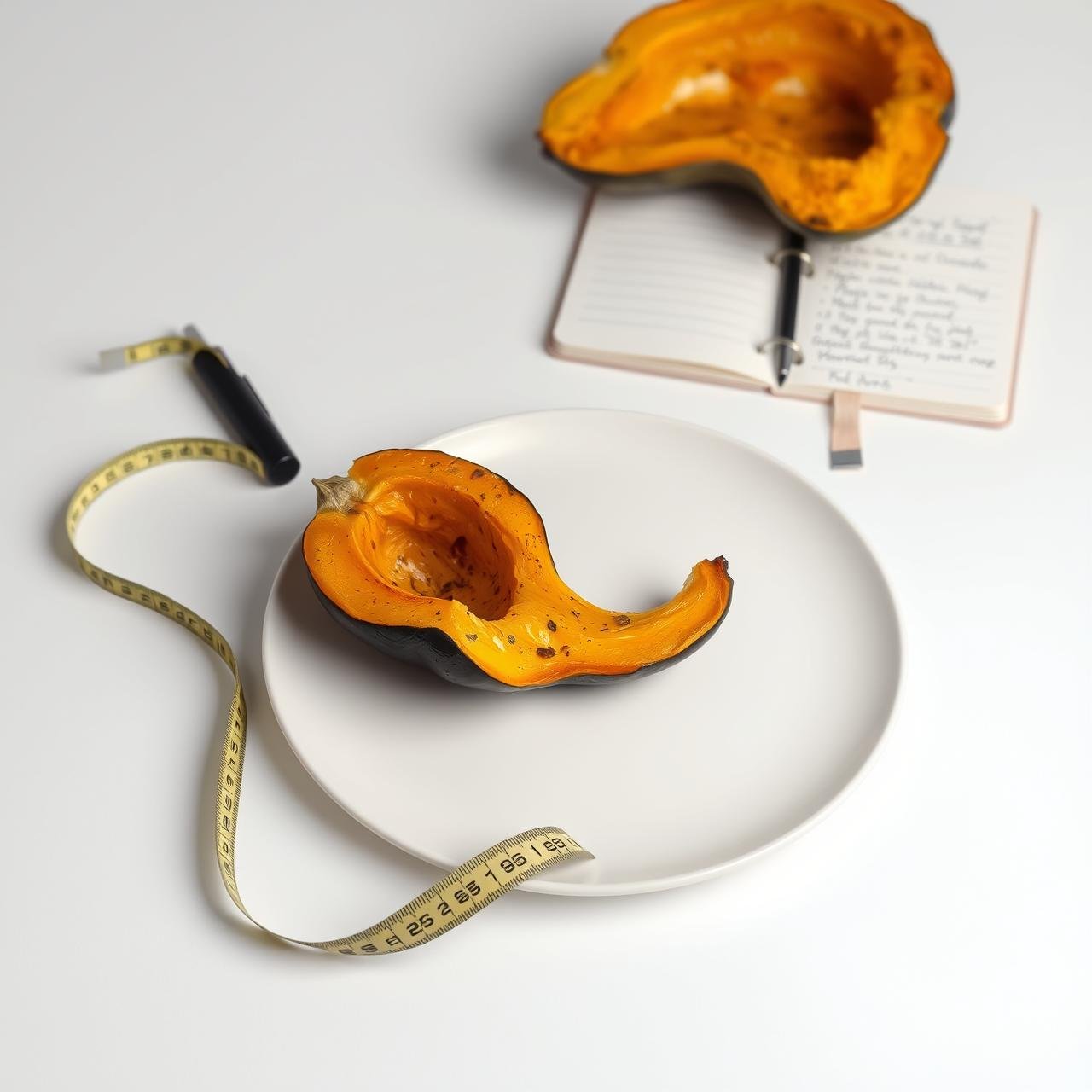
This recipe is designed to be as nourishing as it is delicious. Here is an estimated nutritional breakdown per serving. Please note that these values are approximate and can vary based on the exact size of your squash.
| Nutrient | Amount Per Serving (Approx. 1/4 of recipe) |
|---|---|
| Calories | ~110 kcal |
| Carbohydrates | ~12 g |
| Fiber | ~3 g |
| Sugars | ~4 g |
| Protein | ~2 g |
| Fat | ~6 g |
| Sodium | ~320 mg |
| Vitamin A | Excellent Source |
| Vitamin C | Good Source |
Storing and Reheating Your Roasted Kabocha
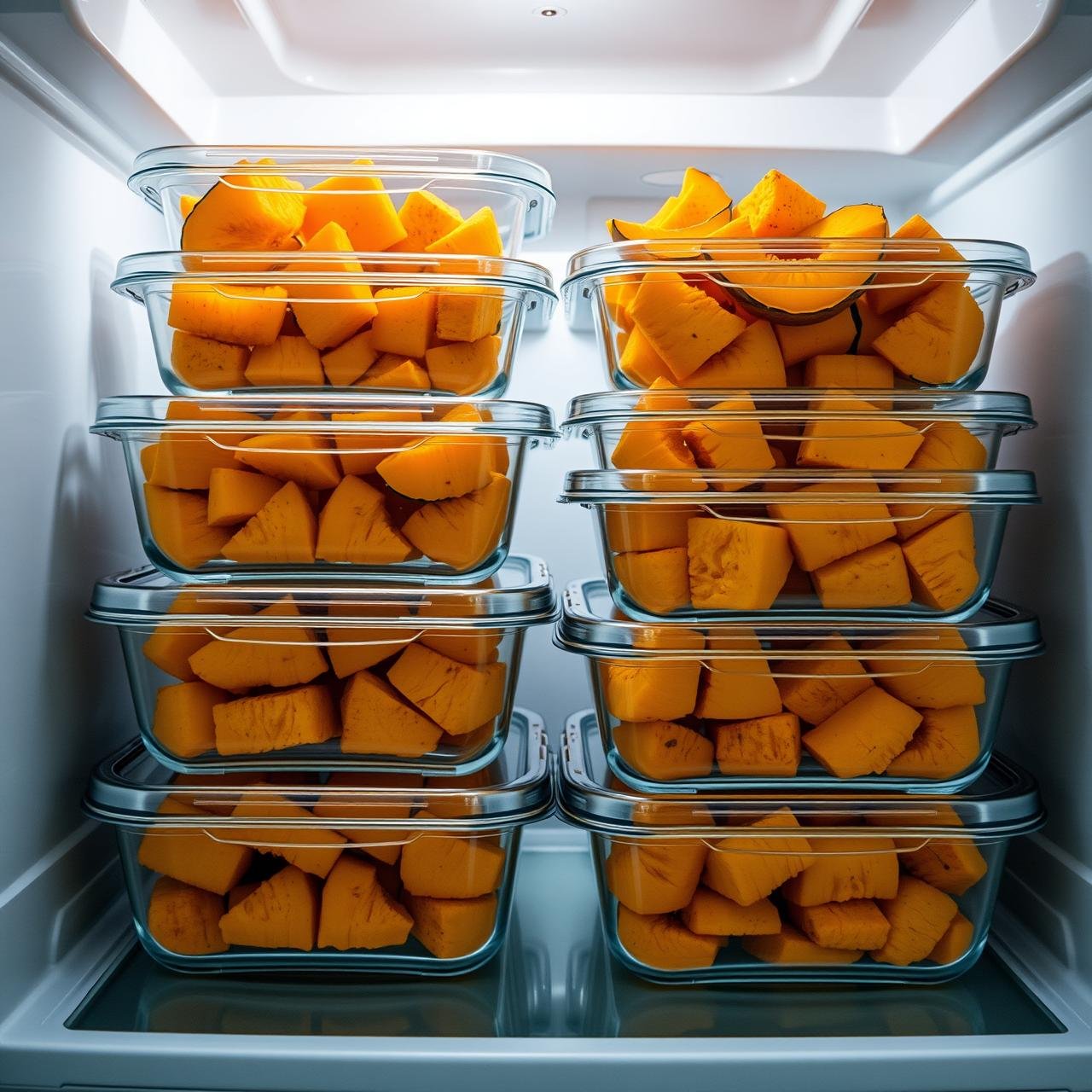
Roasted kabocha makes for fantastic leftovers and is a great component for meal prepping. Storing it correctly ensures you can enjoy it for days to come.
Storage:
Allow the roasted kabocha to cool completely to room temperature. This prevents condensation from forming in the container, which would make the squash soggy. Once cooled, place the wedges in an airtight container. They will keep well in the refrigerator for up to 4-5 days.
Reheating:
While you can certainly microwave it in a pinch, it won’t do the texture any favors. To bring back some of that roasted crispiness, I recommend one of two methods:
- Oven/Toaster Oven: Spread the kabocha wedges on a baking sheet and heat in a 375°F (190°C) oven for about 10-15 minutes, or until heated through and slightly re-crisped.
- Air Fryer: This is my favorite method. Place the leftover squash in the air fryer basket in a single layer and heat at 380°F (193°C) for 4-6 minutes. It brings them back to life beautifully, making the edges crispy again.
Leftover roasted kabocha is incredibly versatile. You can toss it into salads, add it to grain bowls, blend it into a creamy soup, or simply enjoy it as a side dish for another meal.
Conclusion
Embracing kabocha squash is more than just trying a new vegetable; it’s about upgrading your culinary repertoire with an ingredient that delivers superior flavor, texture, and nutrition. This roasted kabocha recipe is a testament to the fact that food designed for health and fat loss doesn’t have to be bland or boring. It can be rich, satisfying, and deeply comforting. The natural, nutty sweetness and velvety flesh, enhanced by the smoky spices and caramelized edges, create a side dish that can easily become the star of any plate.
I encourage you to step past the familiar sweet potato and give this humble Japanese pumpkin a try. Whether you’re a gourmet foodie seeking new flavors, a health enthusiast optimizing your nutrition, a budget cook making the most of seasonal produce, or a home cook looking for your next family favorite, this recipe is for you. It’s simple, versatile, and profoundly delicious. Enjoy the process, savor every bite, and welcome the wonderful world of kabocha into your kitchen.